Wey Trims Down Its Flagship Formula: Meet the Five-Seat V8X
Great Wall Motor shrinks its three-row V9X recipe into a punchier two-row crossover, swapping a rear bench for extra power and a shorter footprint.
China's crossover naming conventions have quietly become their own hierarchy: nines for range-topping flagships, eights for the tier just below. Having launched the three-row Wey V9X back in March, Great Wall Motor is now rounding out the lineup with a tighter, two-row companion called the V8X - a five-seat crossover built to share the spotlight without stepping on its bigger sibling's toes.
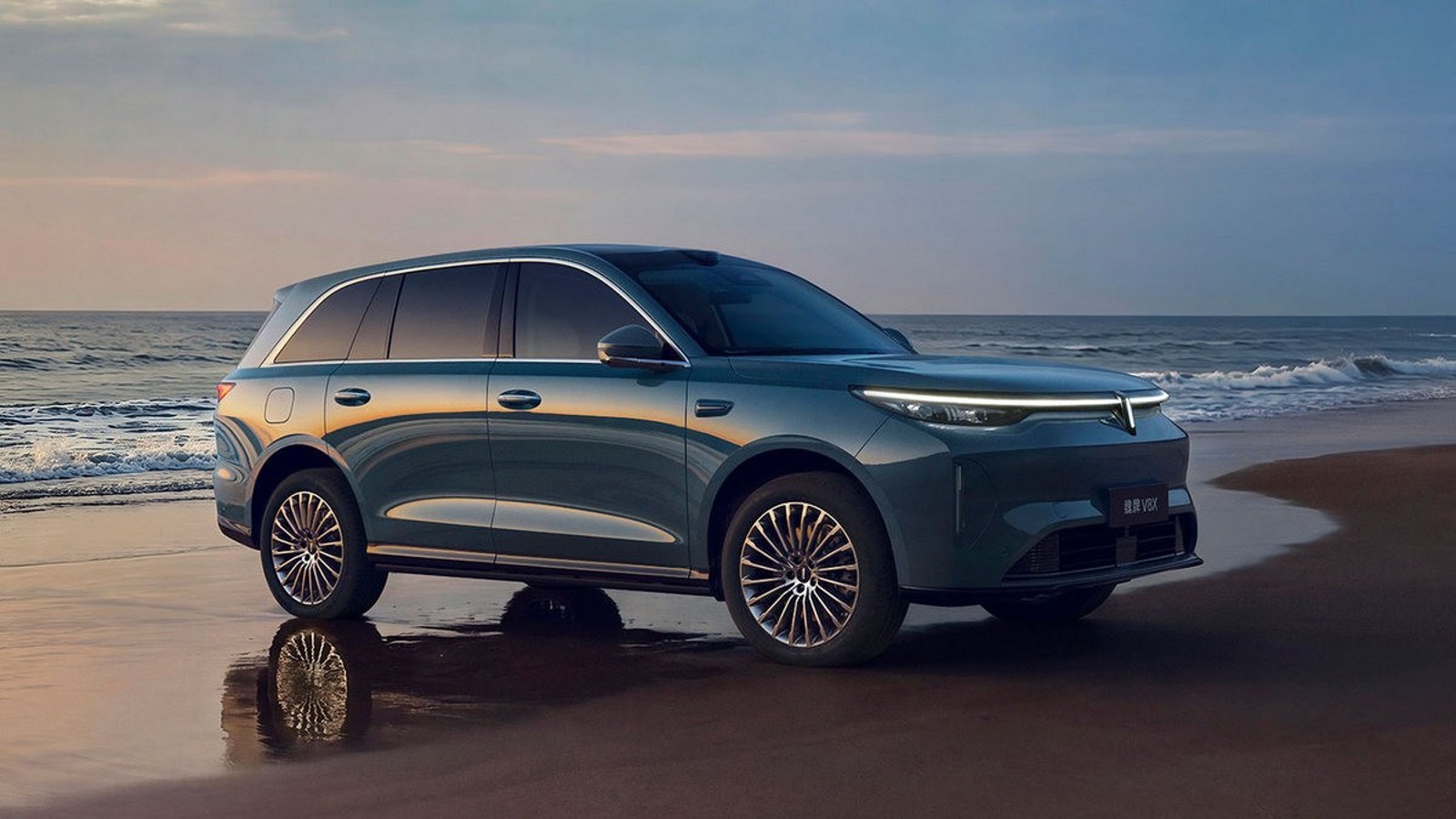
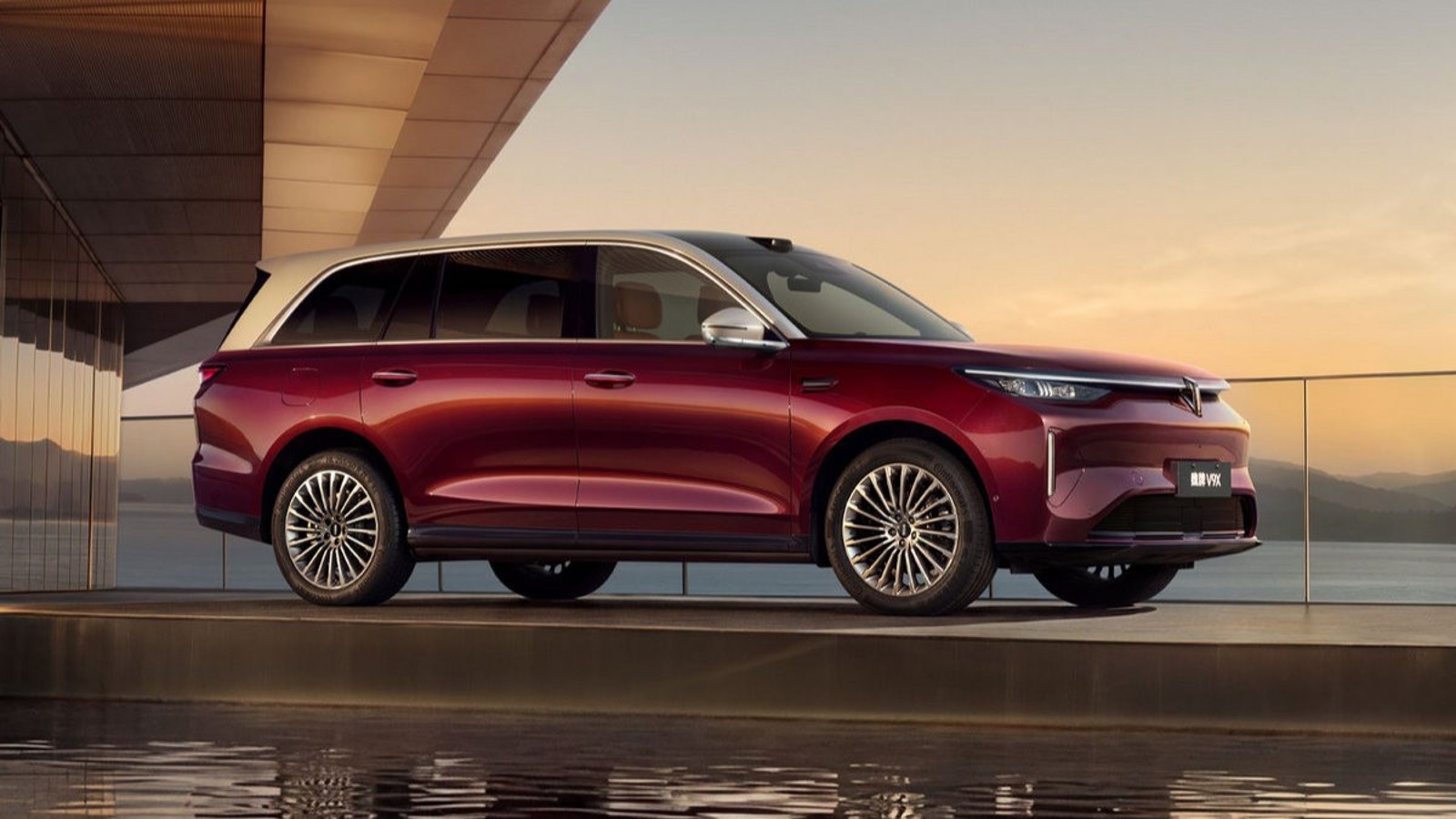
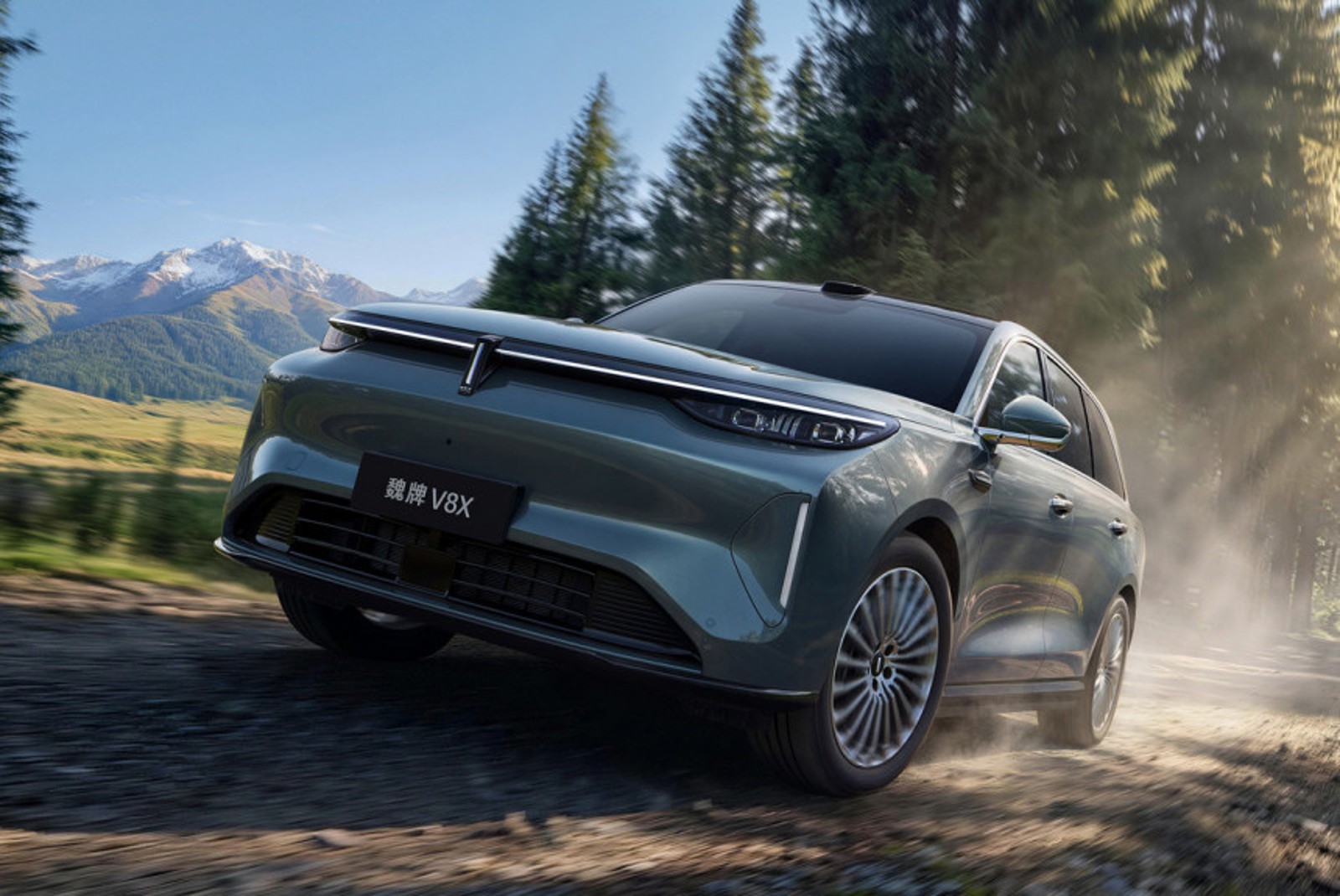
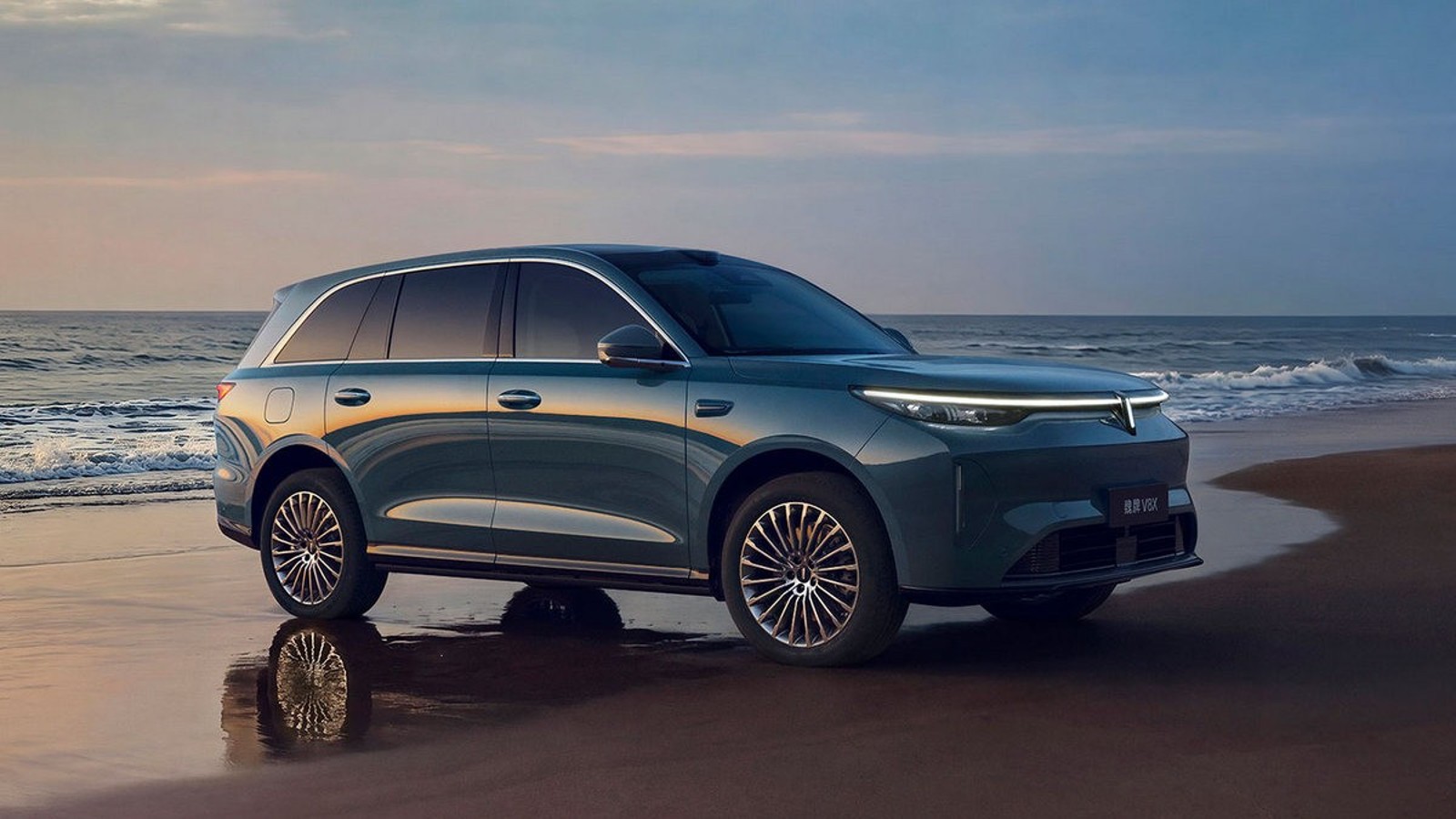
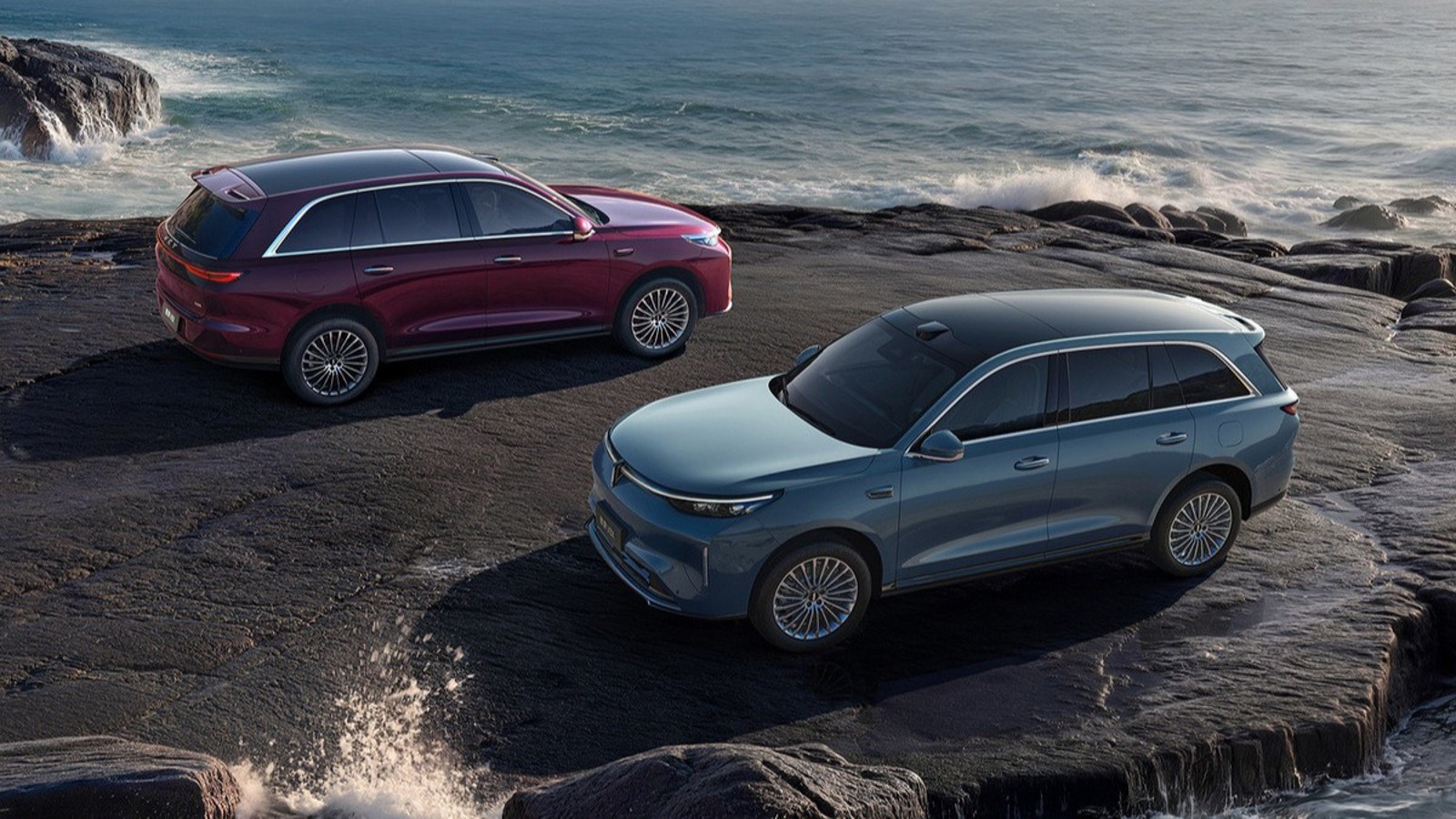
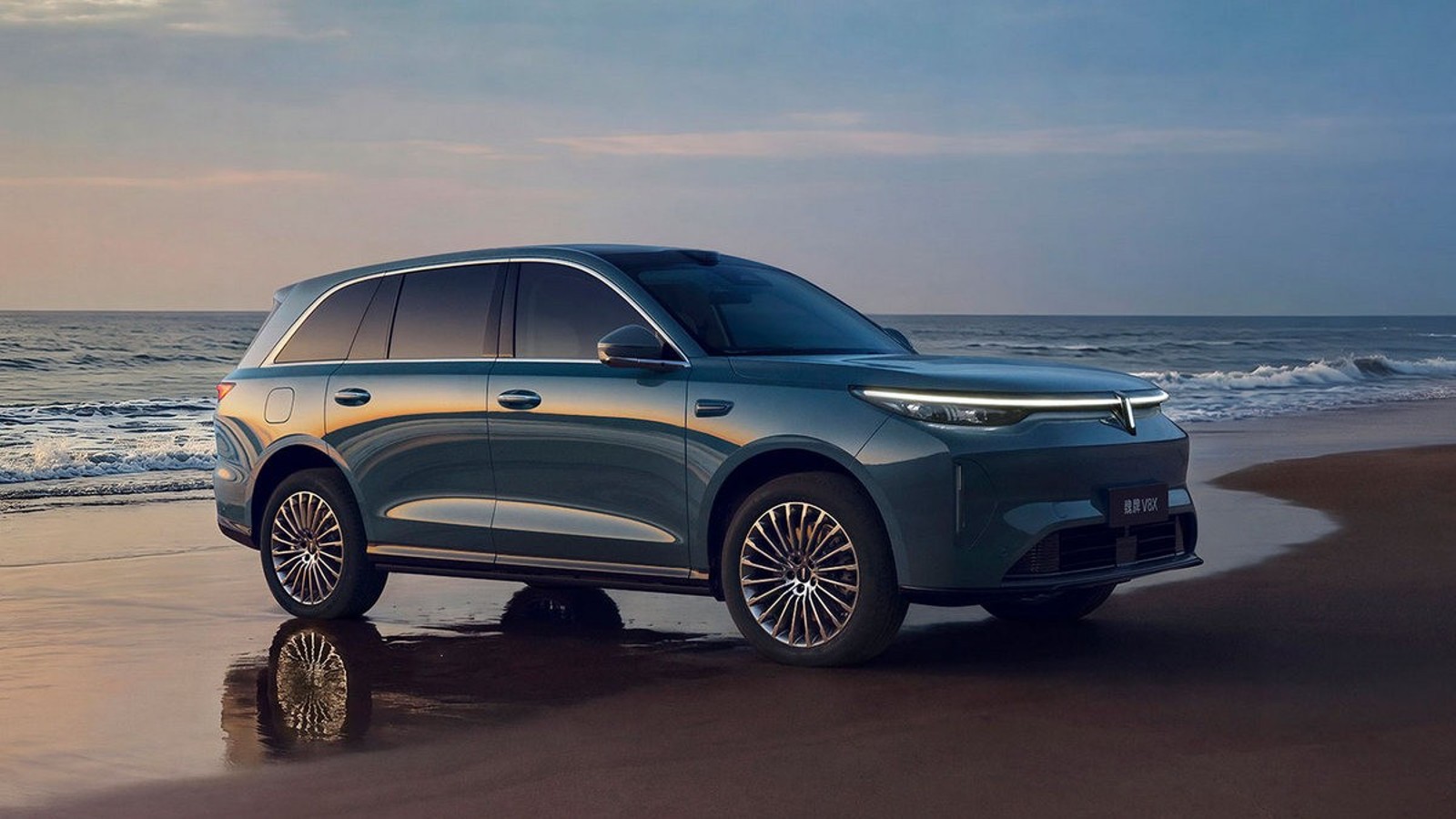
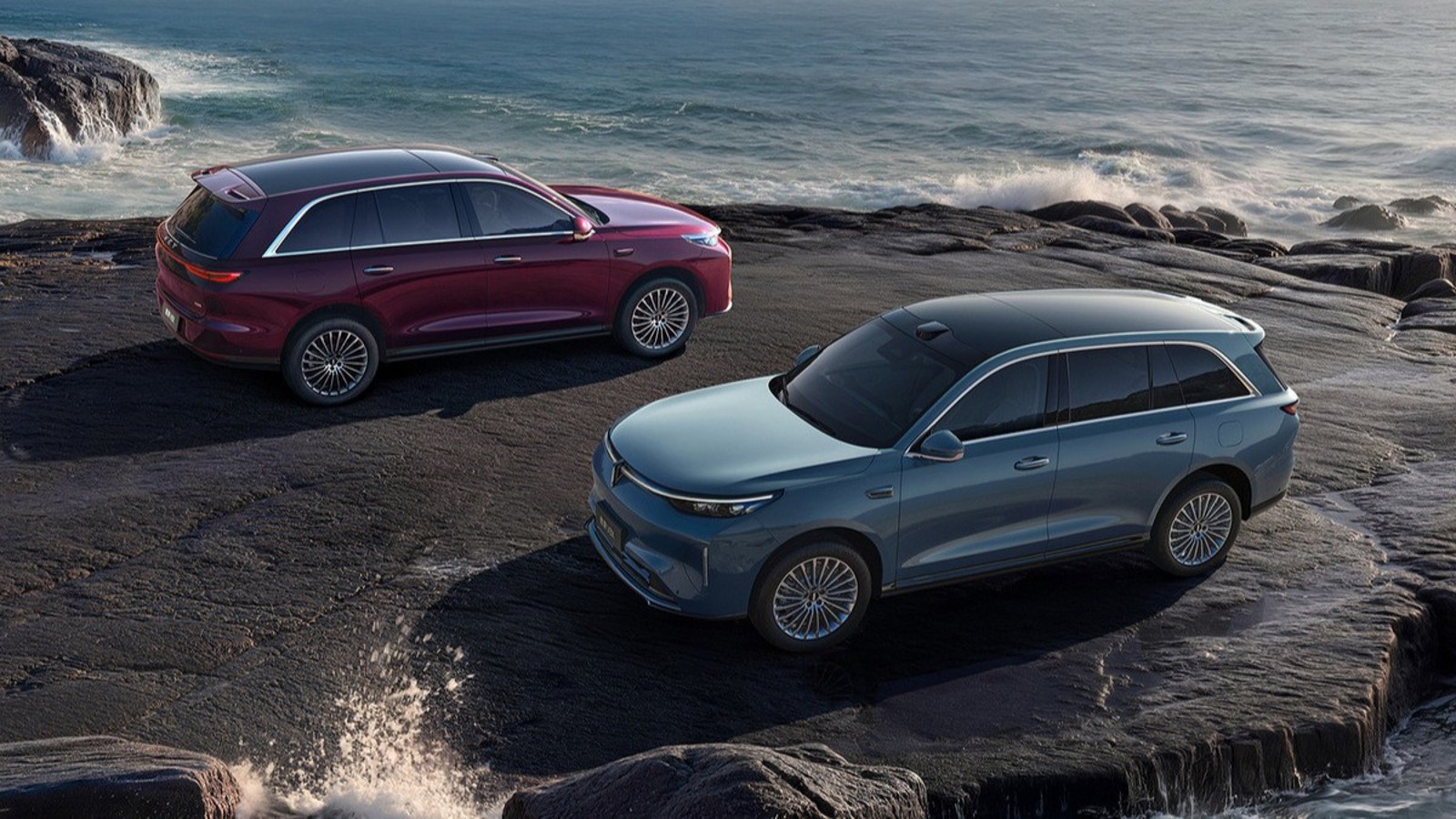
At a glance, telling the two apart isn't easy. They share the same closed-off front fascia in place of a traditional grille, the same LED light bar linking the headlights around a central emblem, and matching single-strip taillights out back. Both wear flush door handles, active shutters in the front bumper, and chunky 21-inch multi-spoke wheels - the design language is essentially a shared blueprint rather than a family resemblance.
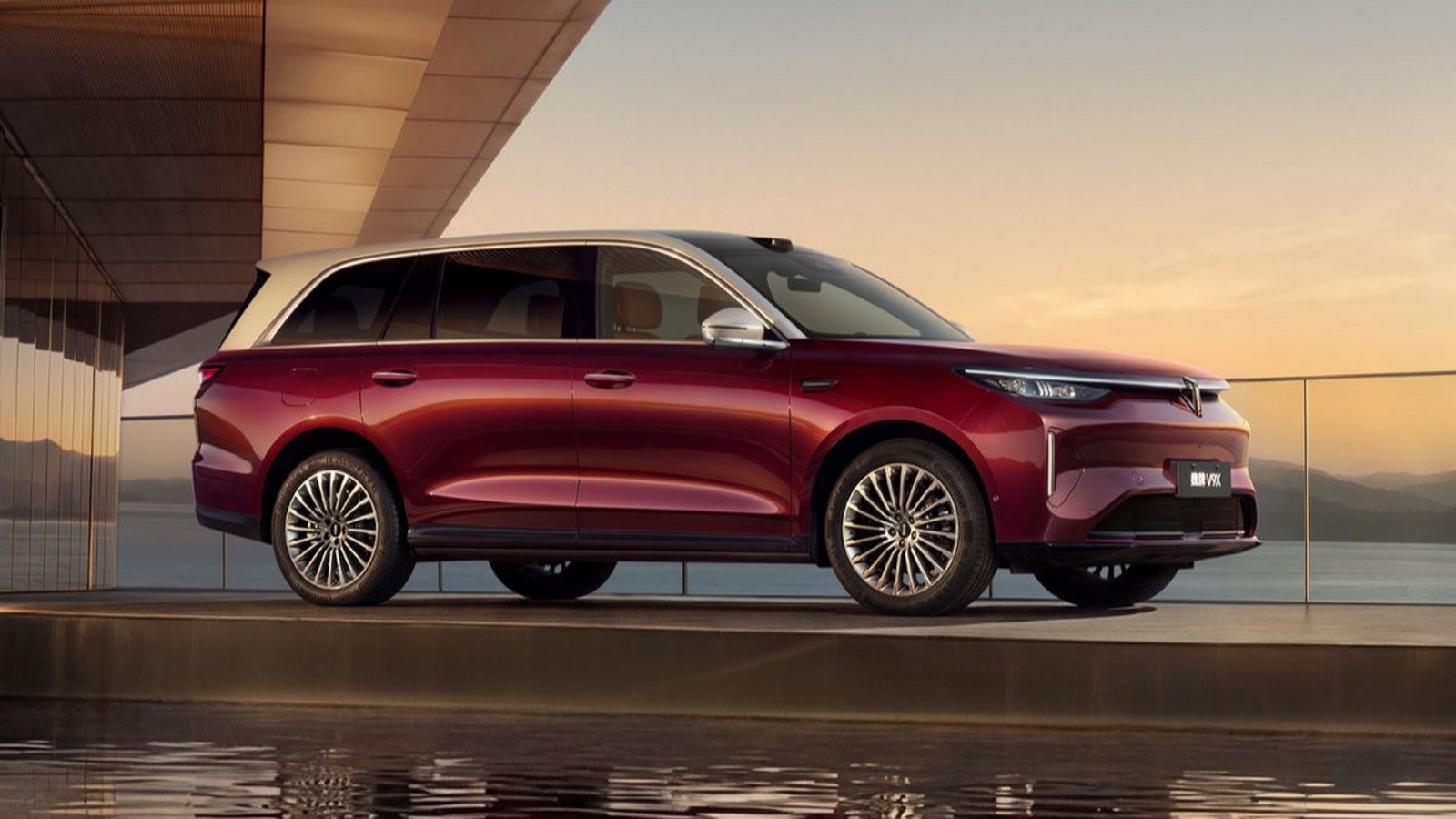
Where they diverge is size. The V8X measures 5,125 mm long, 2,025 mm wide, and 1,821 mm tall, riding on a 3,050 mm wheelbase. Even the entry-level V9X beats it on length at 5,205 mm, despite identical width, height, and wheelbase figures, while the extended V9X variant stretches even further to 5,299 mm on a 3,150 mm wheelbase. The takeaway: the V8X isn't a rebadge, it's a genuinely shorter proposition aimed at buyers who don't need three rows.
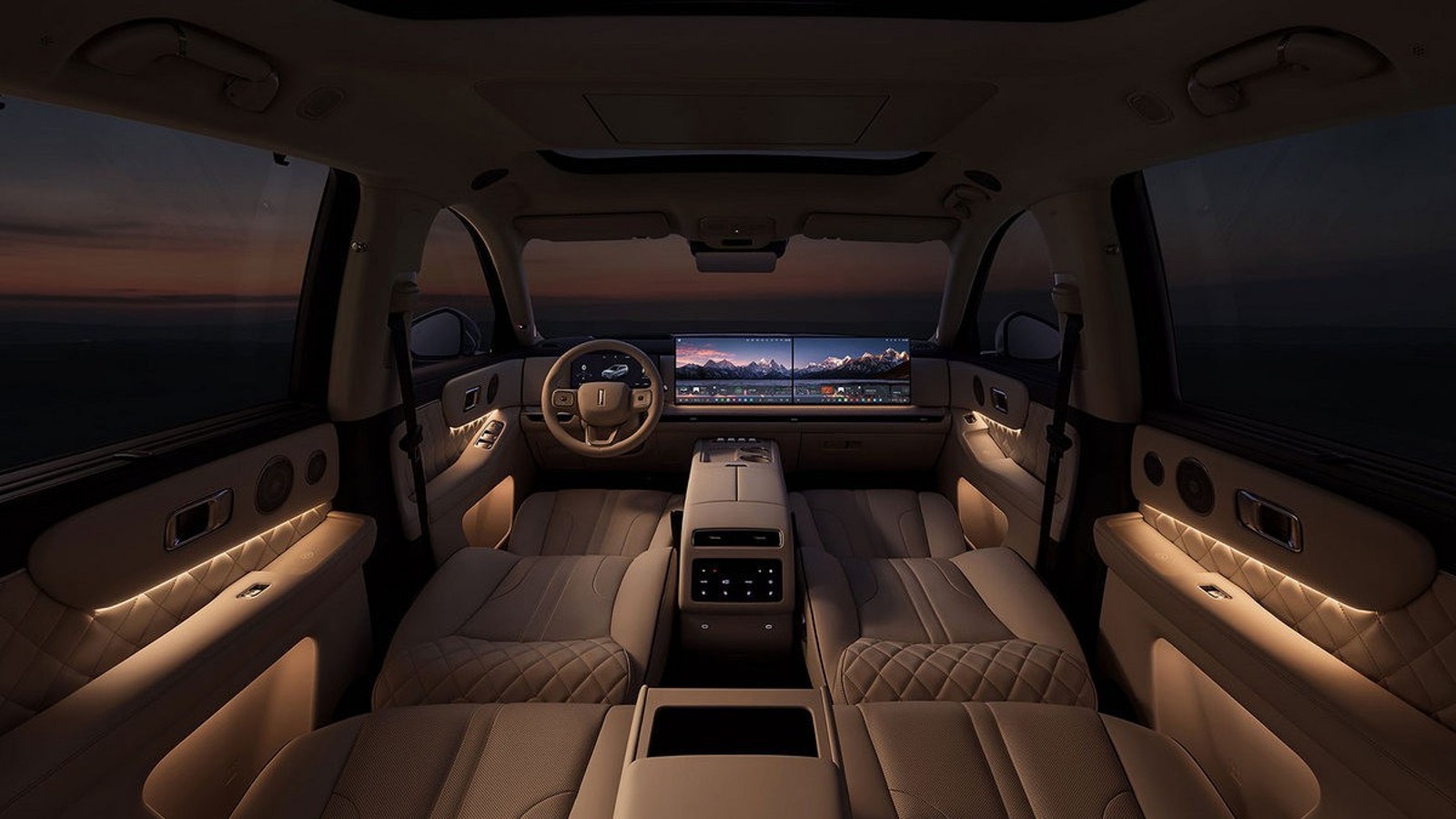
That size difference shows up most clearly inside, where the V8X drops the third row entirely in favor of a strict five-seat layout. The front cabin, however, is lifted almost wholesale from the V9X, save for a different three-spoke steering wheel. Drivers get a 12.3-inch digital cluster, while a combined 17.3-inch unit handles infotainment and front-passenger duties. Rear passengers get their own 17.3-inch ceiling-mounted display. Cargo space checks in at 864 liters, expanding to 2,225 liters with the second row folded flat.
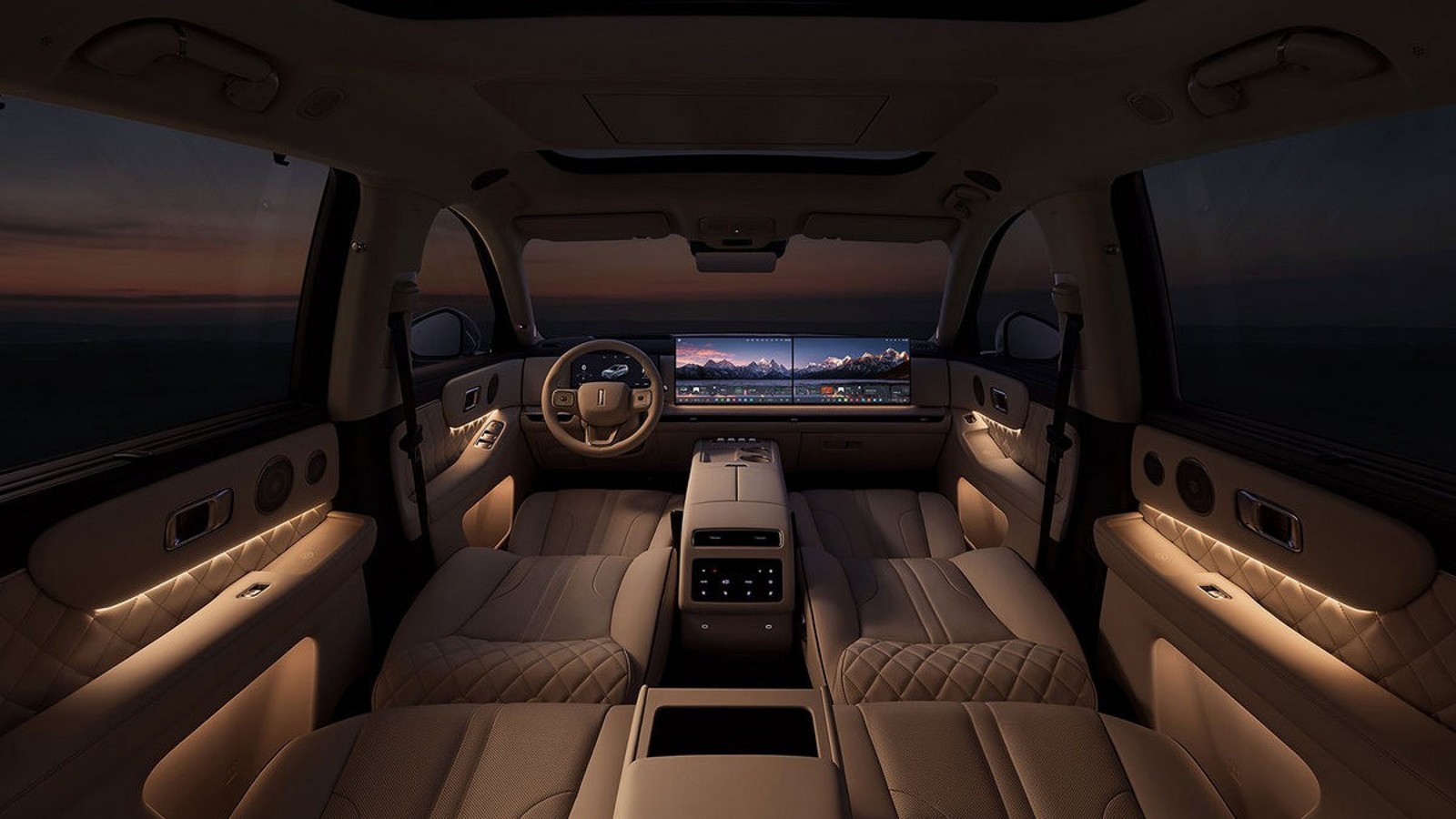
Under the skin, the V8X runs Qualcomm's Snapdragon 8295P Pro chip powering the Coffee OS software suite, complete with an AI voice assistant. Driver assistance comes via the Coffee Pilot system, a Level 2 setup built on Nvidia's Drive Thor-U chip (rated at 700 TOPS), backed by lidar and an automated parking function.
Built on the same Guiyuan S (GWM One) platform as the V9X, the V8X launches with two hybrid powertrain options. The base version pairs a 1.5-liter turbo engine (170 hp, 245 Nm) with a four-speed DHT gearbox and dual-motor all-wheel drive, for a combined system output of 612 hp and 790 Nm. That's enough for a 4.9-second sprint to 100 km/h and a 210 km/h top speed. An 800-volt, 66.6 kWh battery delivers 402 km of pure electric range, with total range reaching 1,659 km and a five-minute top-up good for 170 km.
The range-topping version swaps in a larger 2.0-liter turbo engine (238 hp, 385 Nm) while keeping the same electric hardware and transmission, pushing combined output to 680 hp and 930 Nm. That translates to a 4.5-second 0-100 km/h time and a 225 km/h top speed, though total range dips slightly to 1,638 km - electric-only range stays unchanged at 402 km. A fully battery-electric version is reportedly planned for later. Pre-orders have opened in China, though pricing hasn't been announced; for context, the larger V9X starts around 332,000 yuan (roughly $49,000) and tops out near 390,000 yuan ($57,500). With the V9X already set for a closed technical presentation in Russia on July 31, the smaller V8X could well follow it to that market down the line.
Gallery