VW Fills the Gap Between Mild and Plug-In Hybrids for Golf and T-Roc
Volkswagen has slotted a proper "full hybrid" powertrain into two of its bestsellers, aiming to bridge the cost and efficiency gap left by mild and plug-in tech.
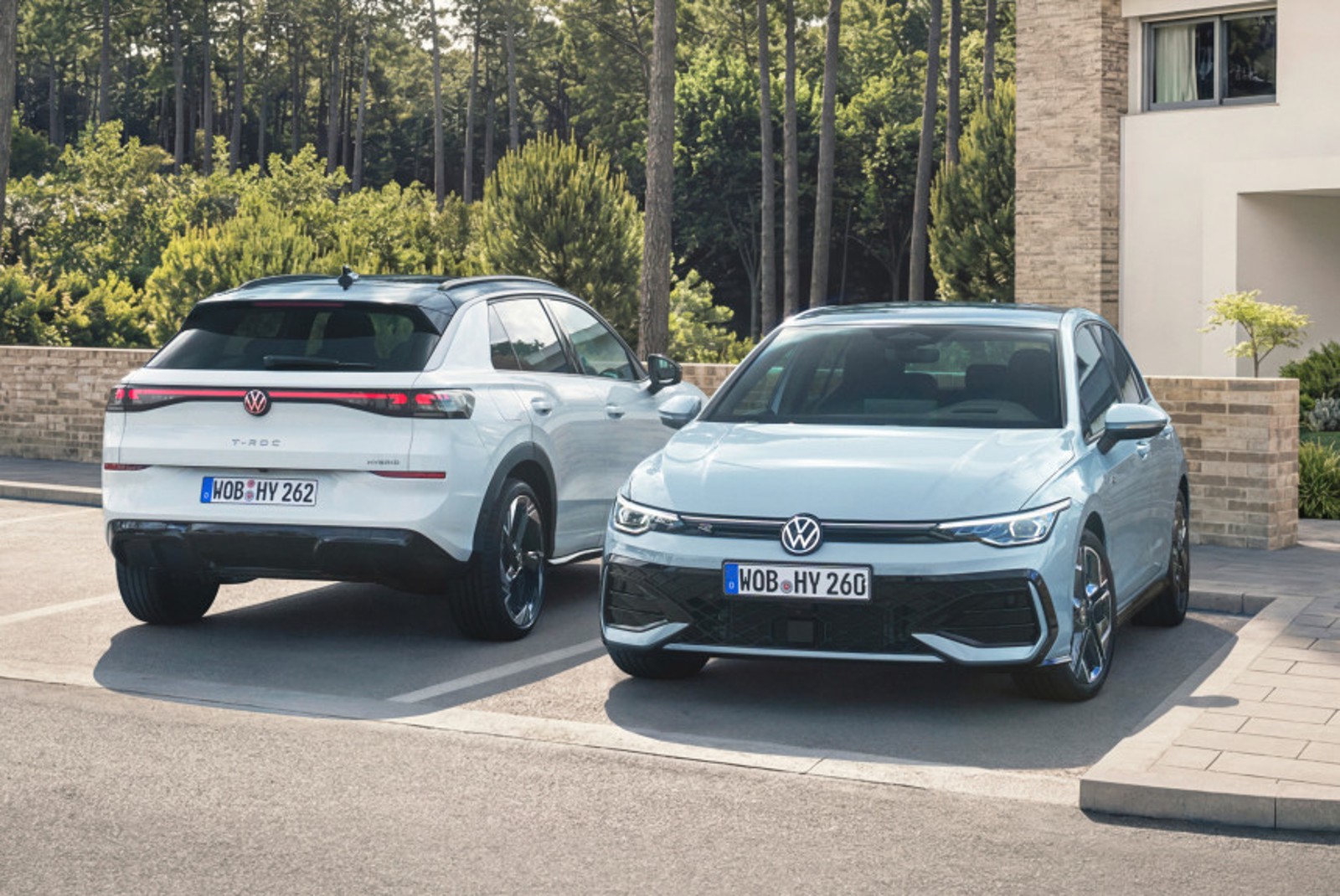
Volkswagen has quietly expanded its European lineup with a new breed of electrified Golf and T-Roc, filling a gap the brand had left open between its two existing hybrid strategies. Mild hybrids, the company admits, don't cut fuel use or emissions enough to satisfy tightening European rules, while plug-in hybrids remain too expensive for buyers who just want lower running costs without fussing over charging cables. The answer is a self-charging "full hybrid" setup that needs no wall socket at all.
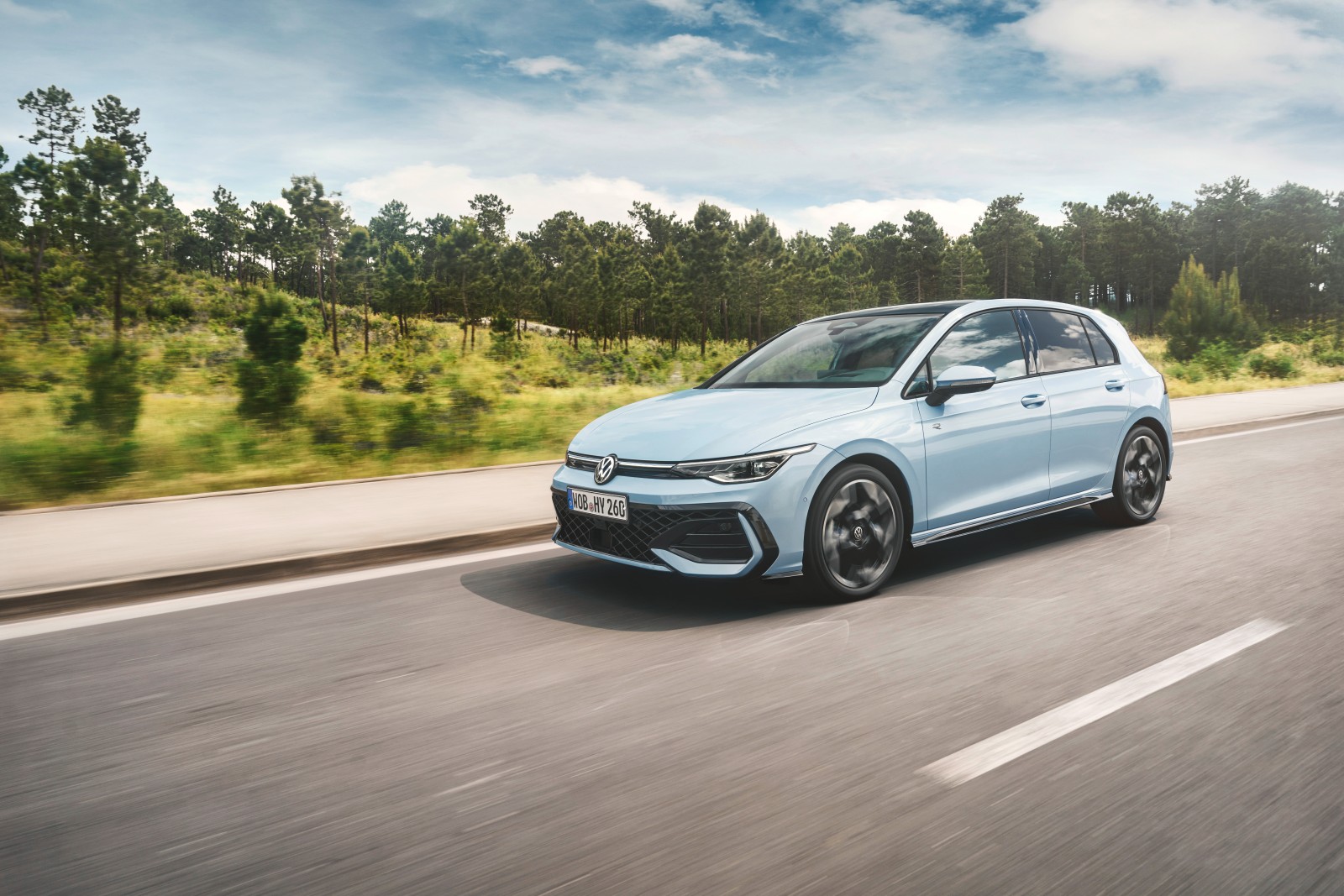
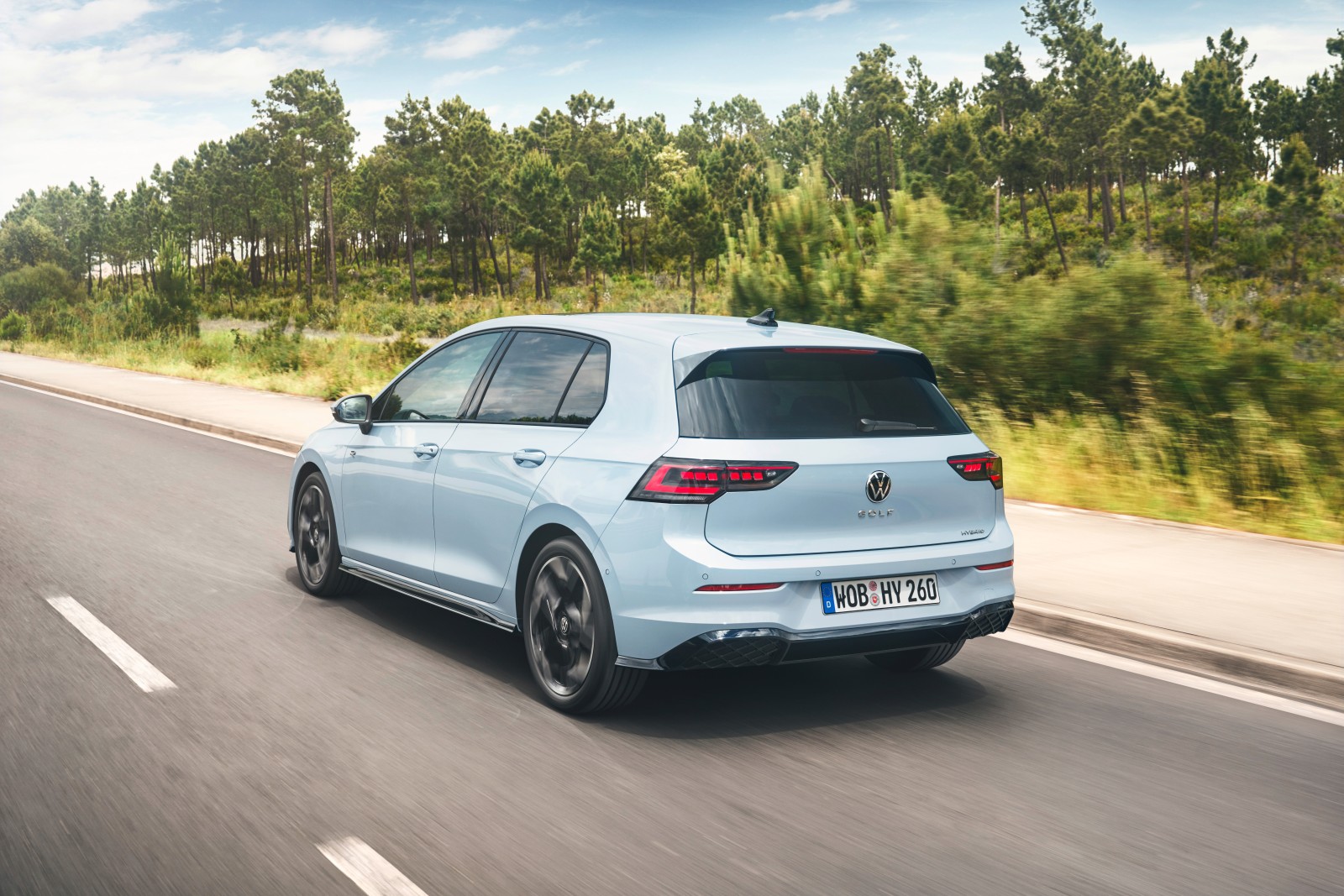
Visually, the Golf Hybrid and T-Roc Hybrid are nearly impossible to distinguish from their mild-hybrid siblings. Buyers can pick between the understated Style trim or the sportier R-Line package with its more aggressive body addenda. The real story is hidden beneath the sheet metal, where Volkswagen has packaged an entirely new hybrid system built around a series-parallel layout meaning the combustion engine can either spin a generator independent of the wheels or drive them directly, depending on what the situation calls for.
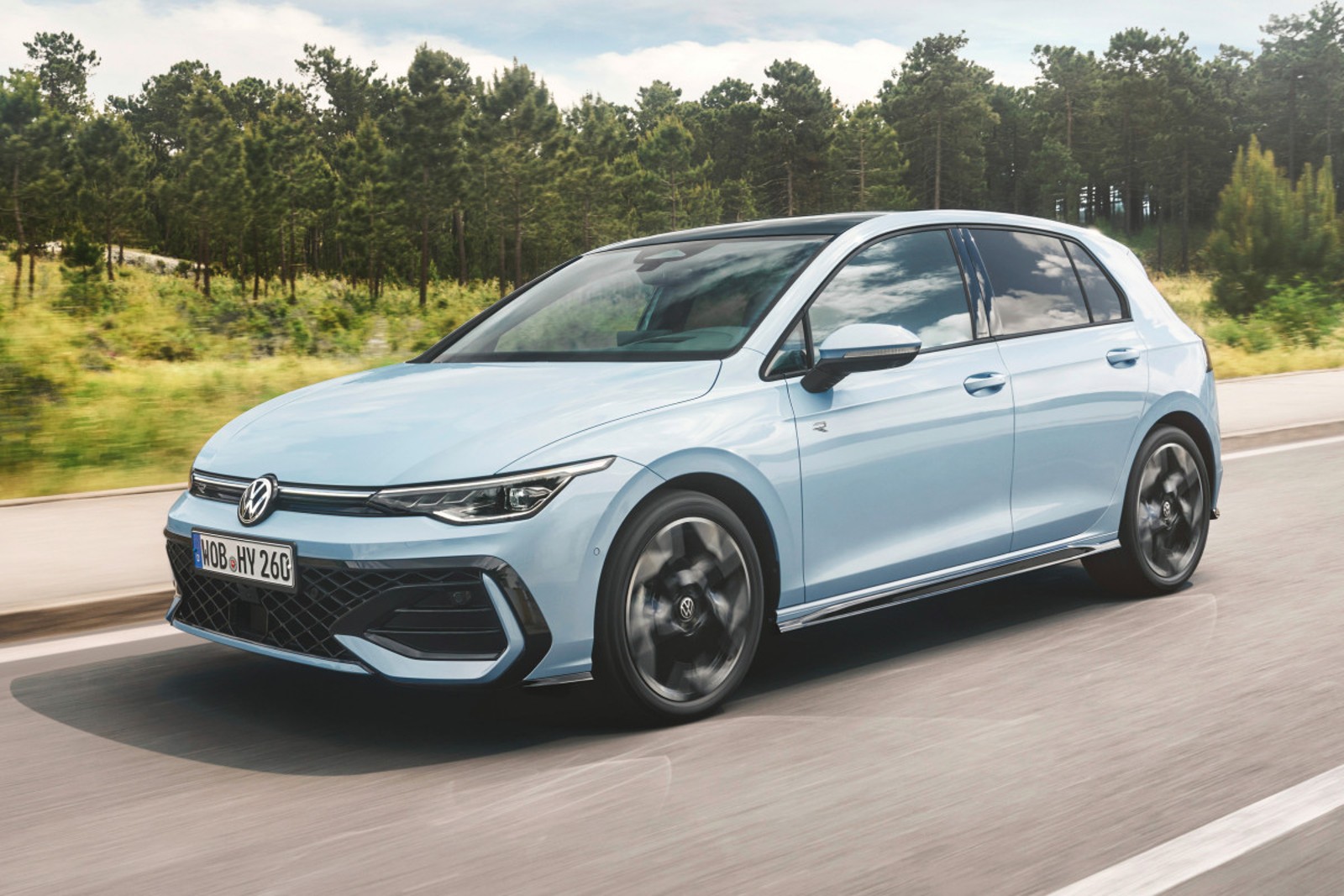
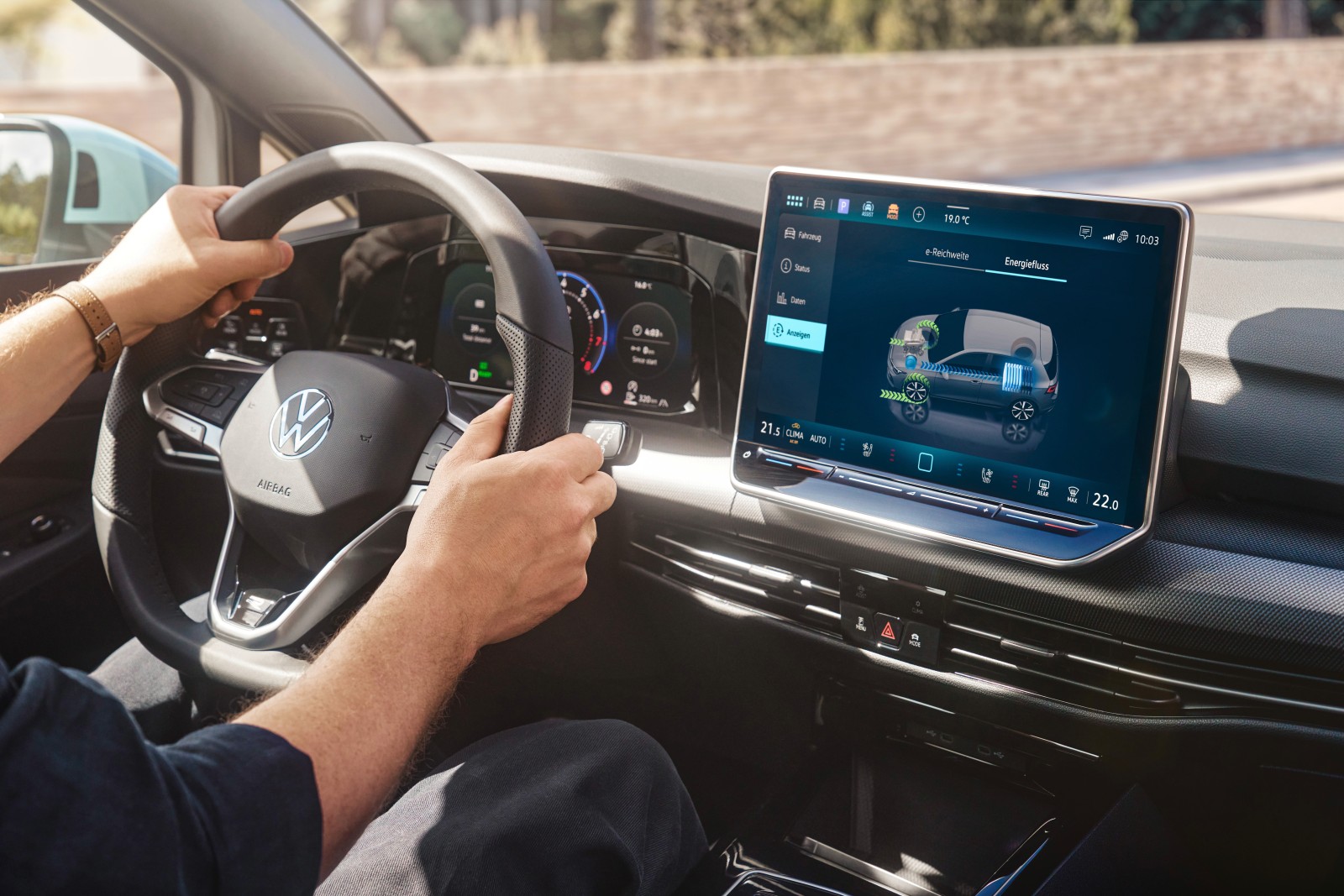
At the heart of the system sits a 1.5 TSI evo2 turbo engine reworked to run on the Miller cycle, producing 150 hp and 250 Nm. It's paired with a hybrid module combining a 150-hp motor-generator and a separate traction motor good for a 170-hp peak, plus a liquid-cooled 1.6-kWh lithium nickel-manganese-cobalt battery. That battery takes the place once occupied by the fuel tank, which Volkswagen relocated beneath the boot floor. Combined output lands at 170 hp and 309 Nm, enough to send the Golf Hybrid from 0 to 100 km/h in 7.5 seconds.
The setup juggles three operating modes depending on conditions. Below a certain charge threshold the car can run purely on electricity; in series mode the petrol engine spins the generator to top up the battery without ever touching the wheels; and once speeds climb past 60 km/h, the system shifts to parallel mode, with the combustion engine driving the wheels directly while the electric motor chips in extra shove during acceleration. Drivers also get three selectable profiles - Eco caps total output at 70% to stretch efficiency, Comfort removes that ceiling, and Sport leans on the generator more aggressively to keep the traction motor topped up for maximum punch.
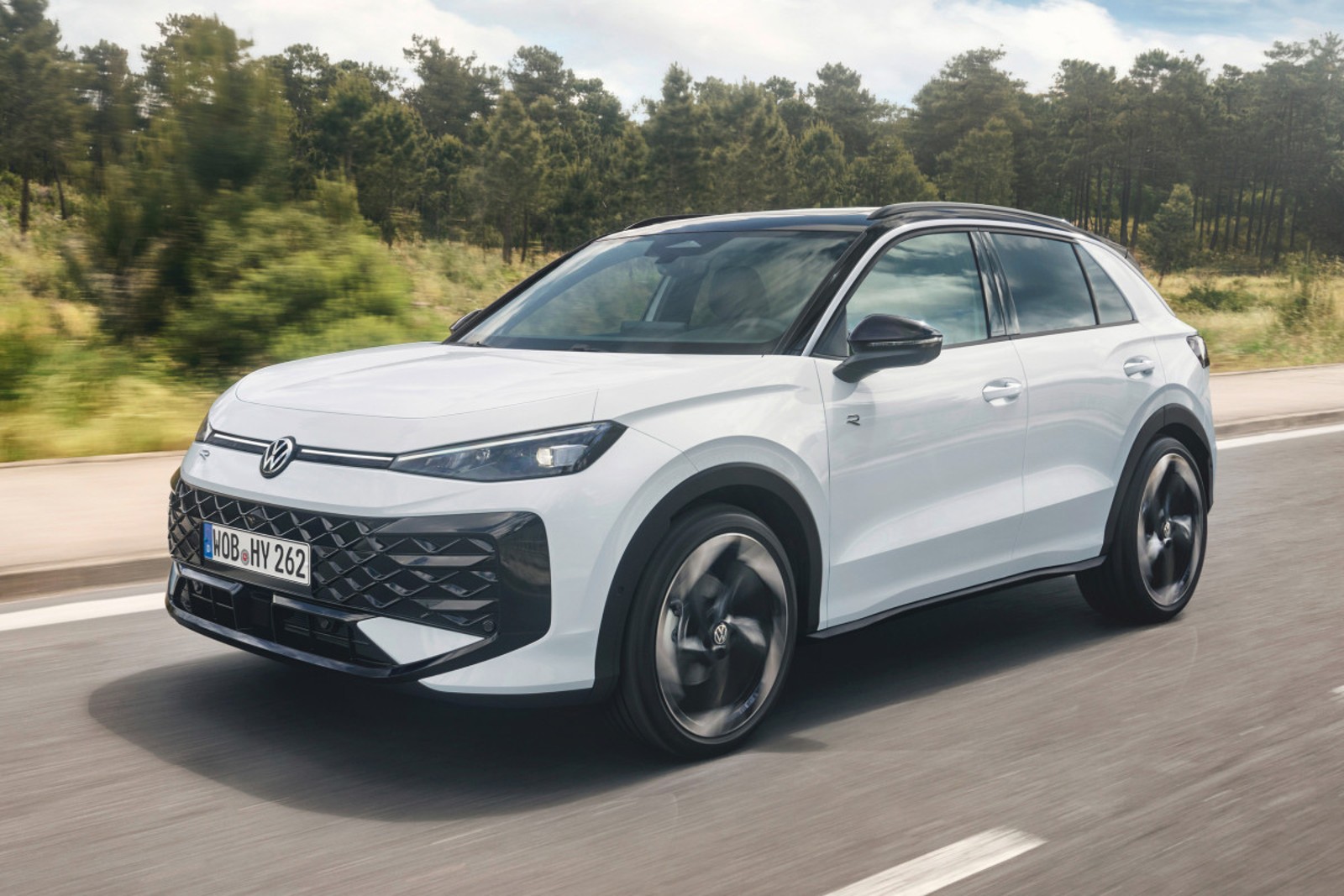
The payoff is meaningful savings without the price tag of a plug-in. Volkswagen quotes combined consumption of 4.8 to 5.1 liters per 100 km for the Golf Hybrid and 5 to 5.6 liters for the T-Roc Hybrid, translating to CO2 figures of 104-117 g/km and 115-127 g/km respectively. That's a clear step down from the mild-hybrid Golf 1.5 eTSI, which needs 5.1-5.8 liters per 100 km and emits 117-133 g/km. Naturally, a fully charged plug-in Golf eHybrid still wins on paper, sipping as little as 1.1-1.3 liters per 100 km with emissions as low as 25 g/km but that figure only holds if the battery stays topped up.
Pricing tells the real story of where these new hybrids fit in the range. In Germany, the Golf Hybrid starts at €41,470 and the T-Roc Hybrid at €44,470 - roughly €1,900 to €5,500 more than the equivalent mild-hybrid trims, which start at €39,590 and €38,895. Both remain considerably cheaper than the plug-in Golf eHybrid, which starts at €46,420 in Style trim, making the new full hybrids a middle-ground option for buyers who want better efficiency than a mild hybrid without stretching to plug-in money.
Gallery