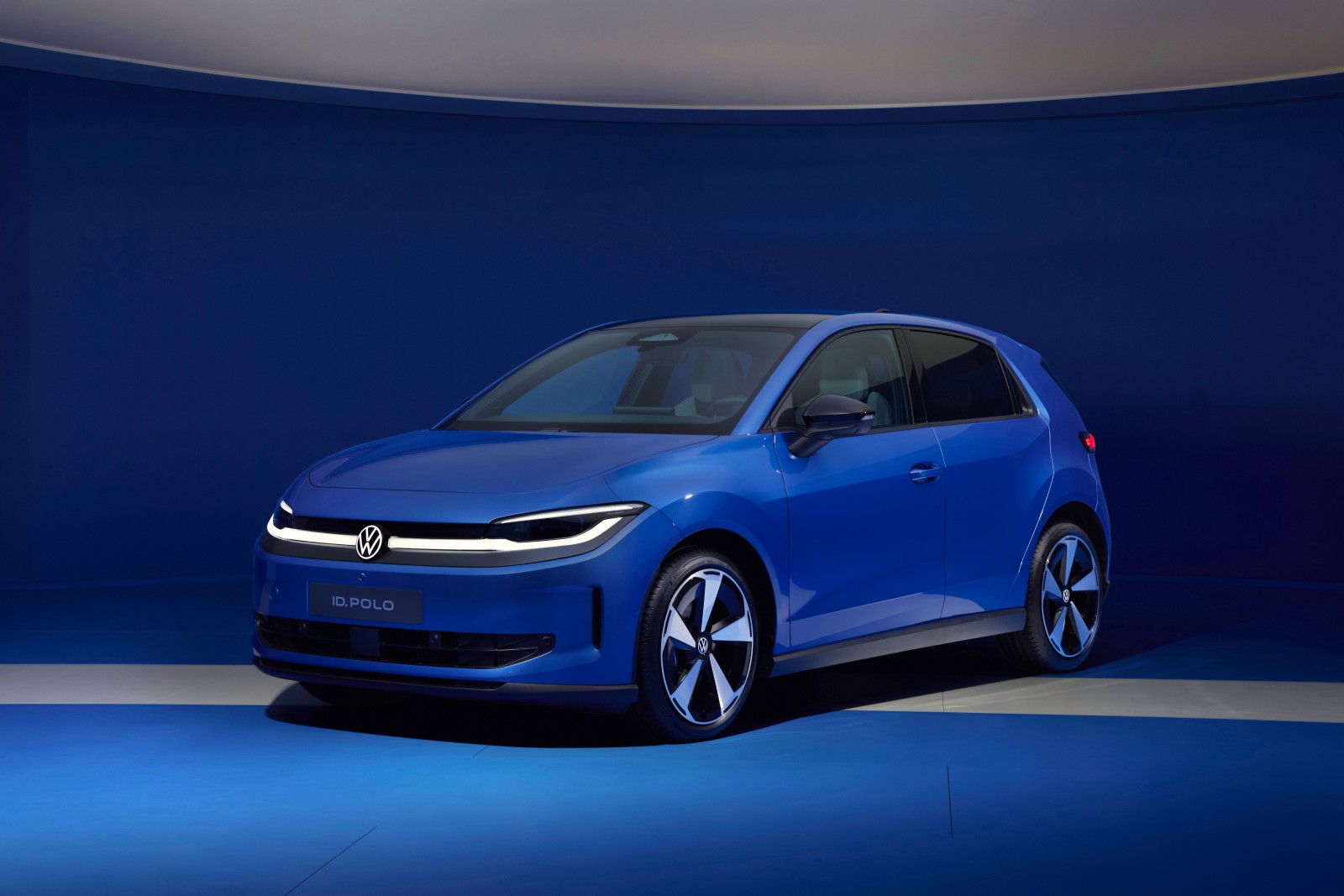
Volkswagen ID. Polo Brings a Familiar Name to VW’s Electric Future
Volkswagen ID. Polo launches a new naming era for the brand’s electric cars, combining familiar Polo branding with compact EV hardware and a more practical interior.
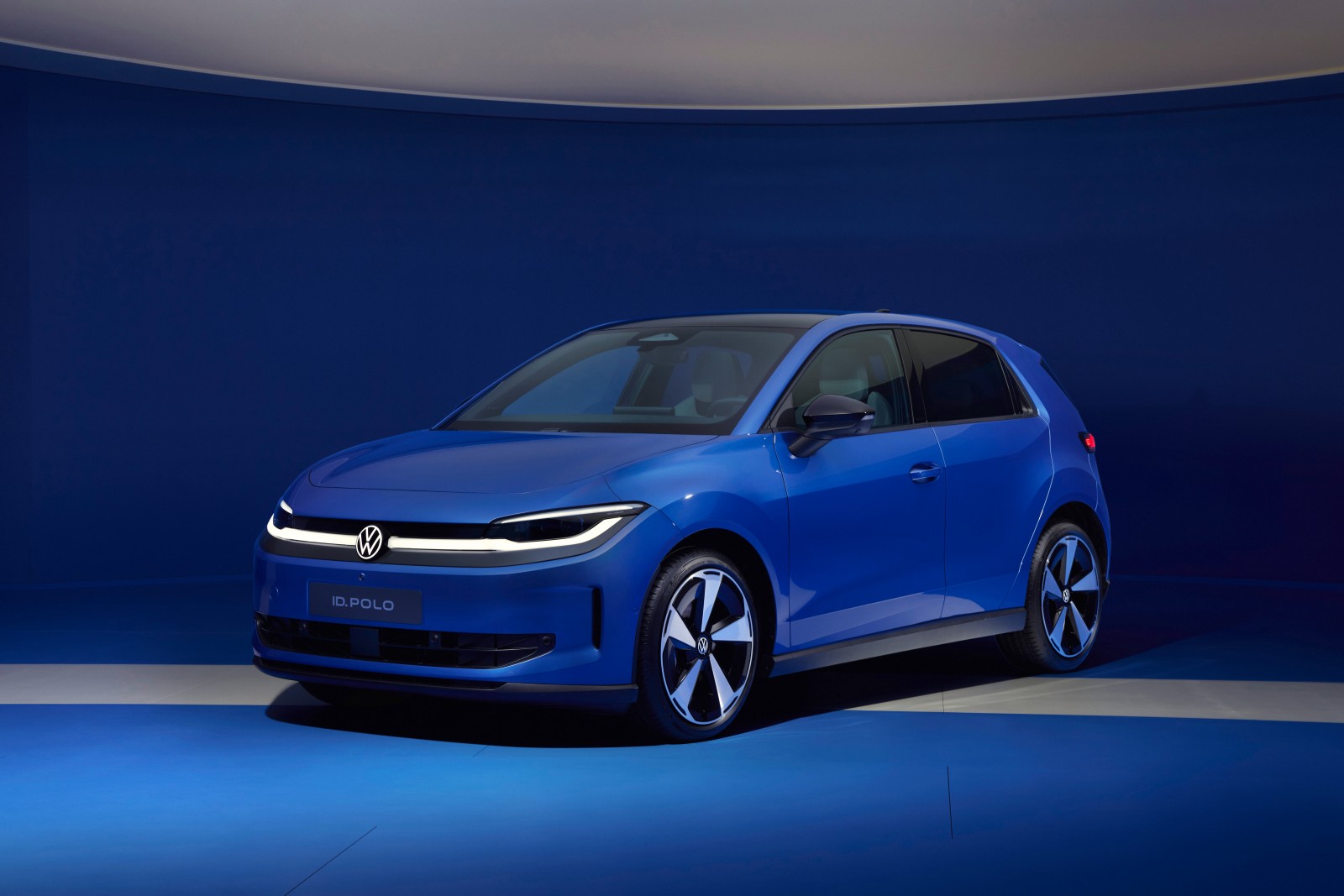
Volkswagen is changing the way it presents its electric cars, and the new ID. Polo is the first clear example of that shift. Instead of relying only on numbers such as ID.3 or ID.4, the company is now bringing back well-known model names and pairing them with the ID badge. For buyers, that means the electric lineup should feel less abstract and more connected to Volkswagen’s traditional range.
The ID. Polo is the production version of the earlier ID. 2all concept and will become Volkswagen’s most important affordable electric hatchback. Its main rival is easy to identify: the Renault 5, another compact EV that also uses a nostalgic name and retro-inspired design to attract mainstream buyers.
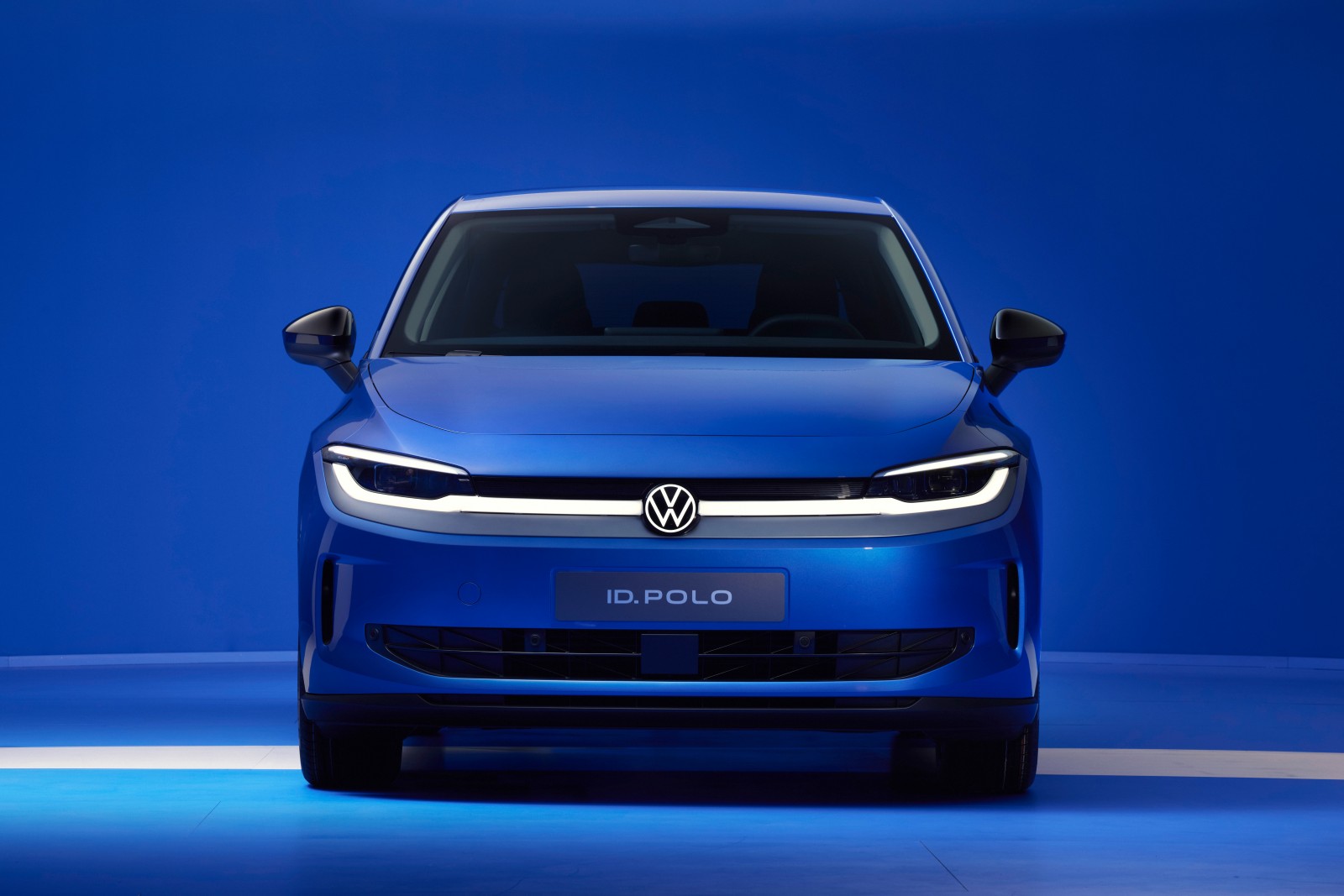
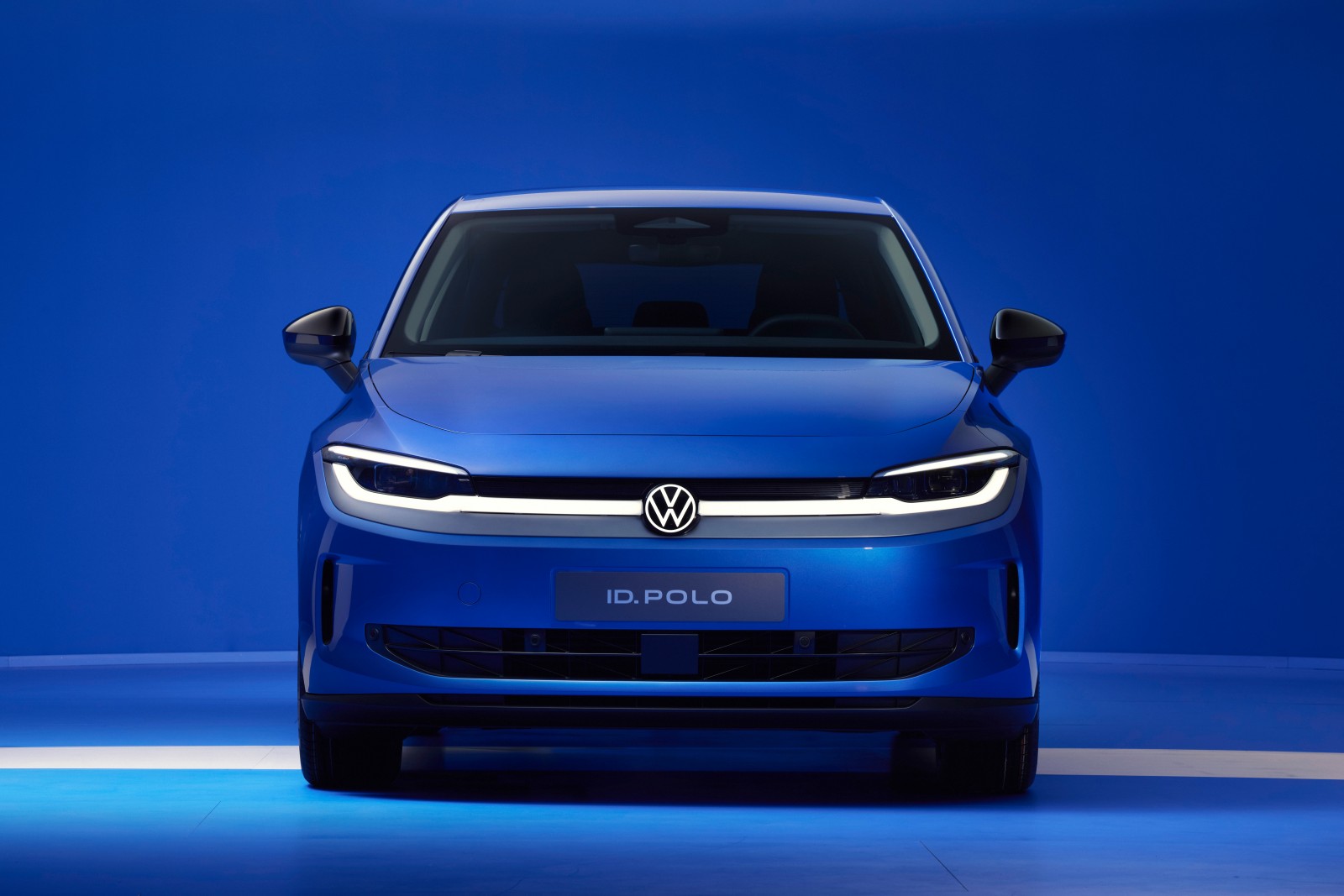
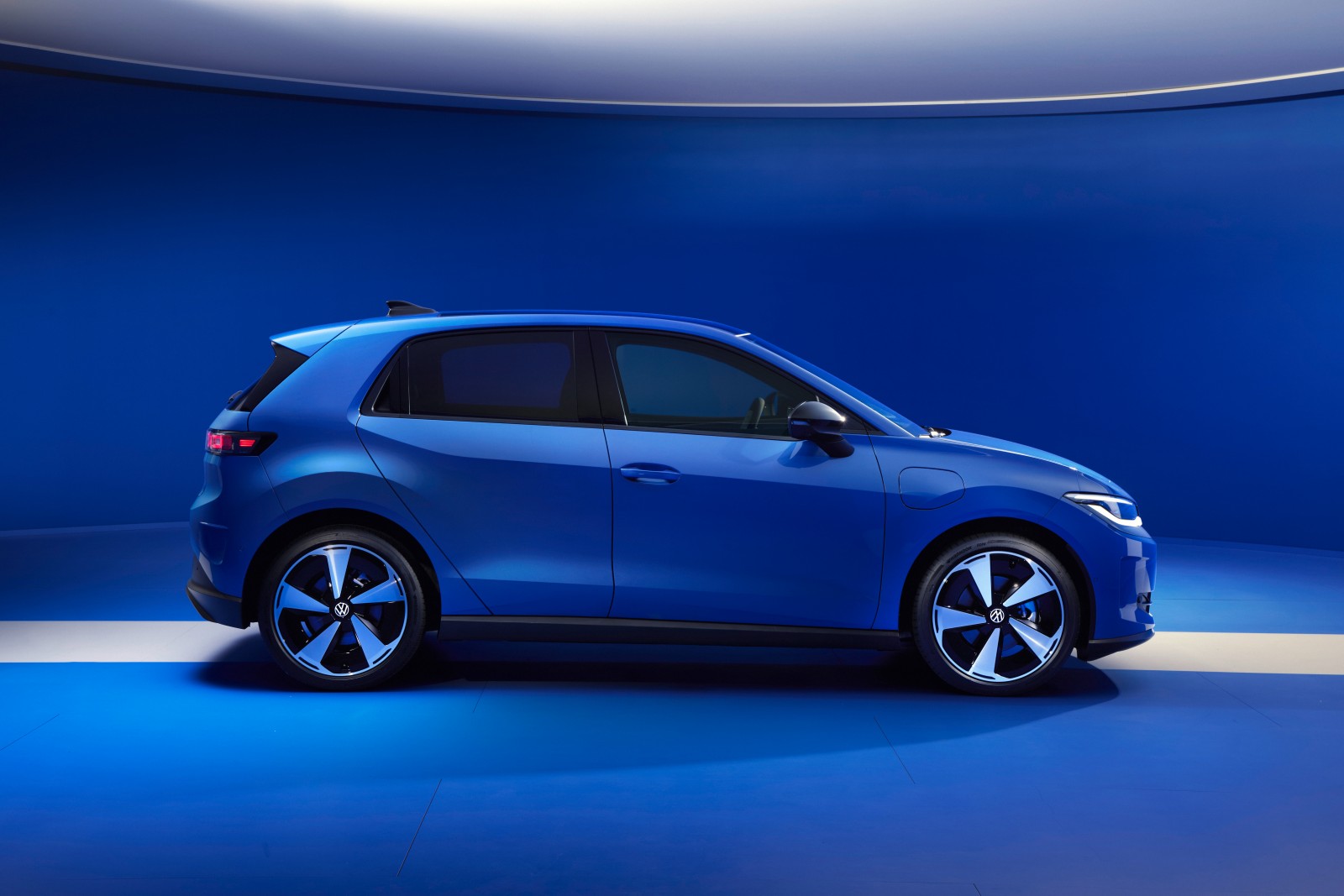
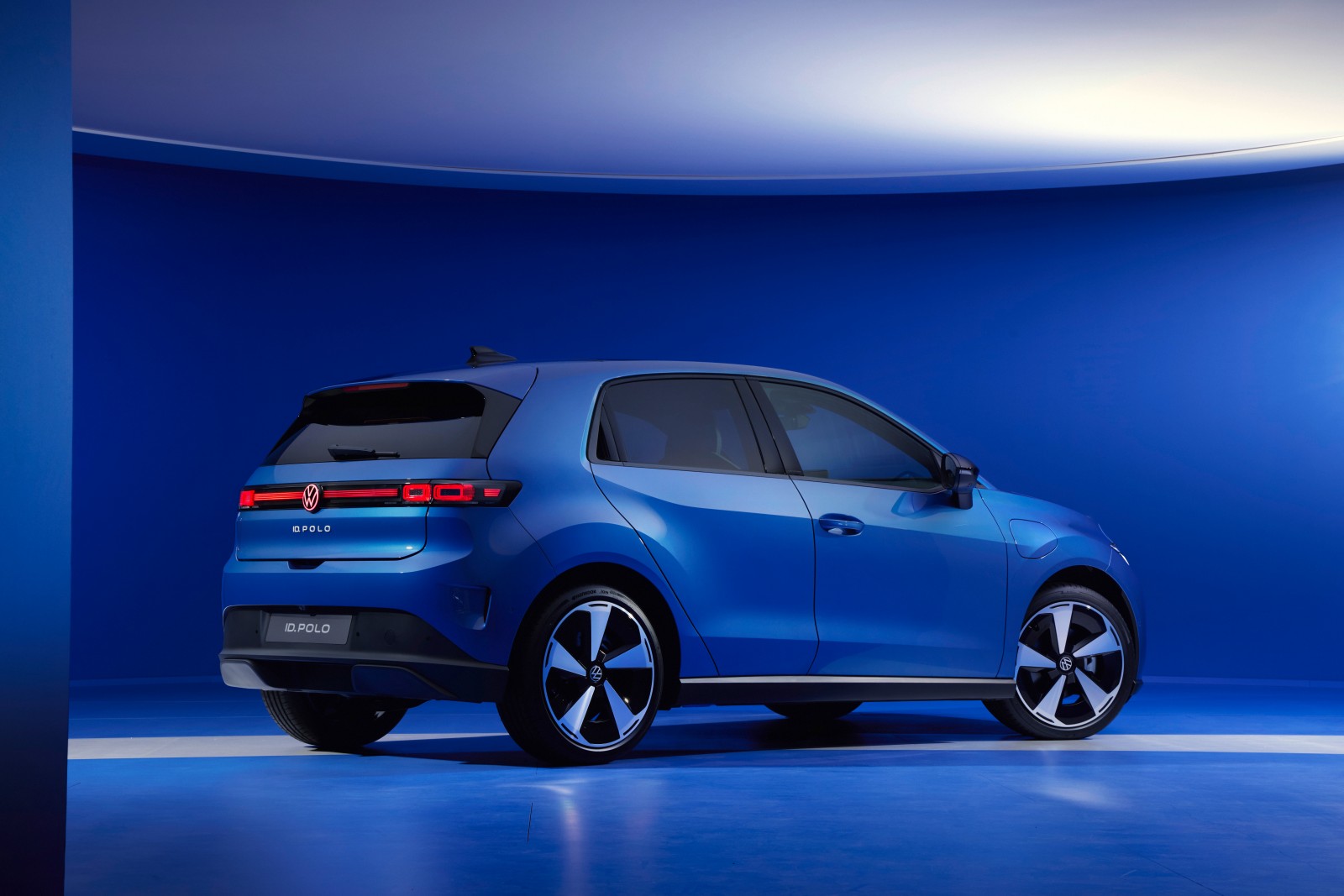
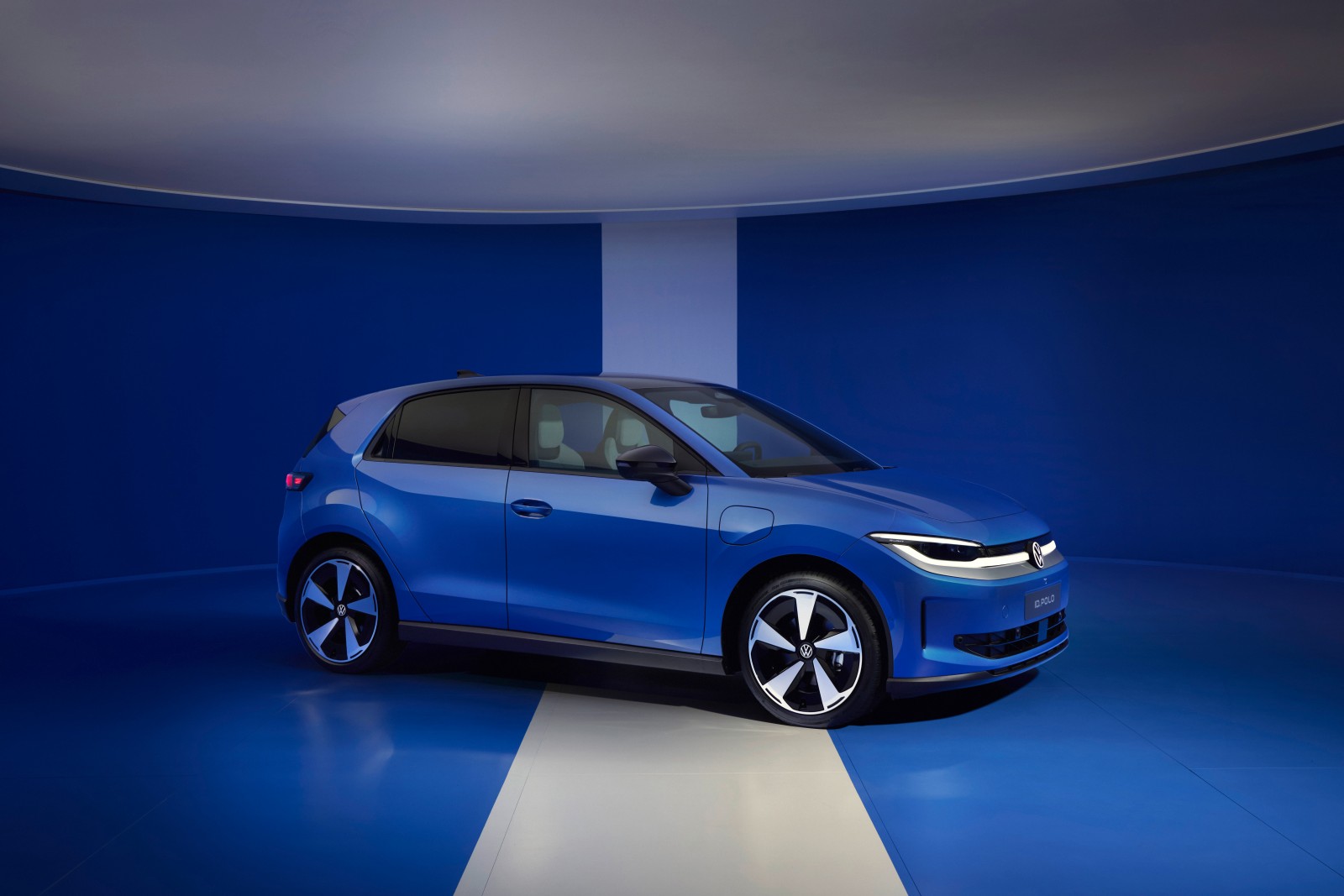
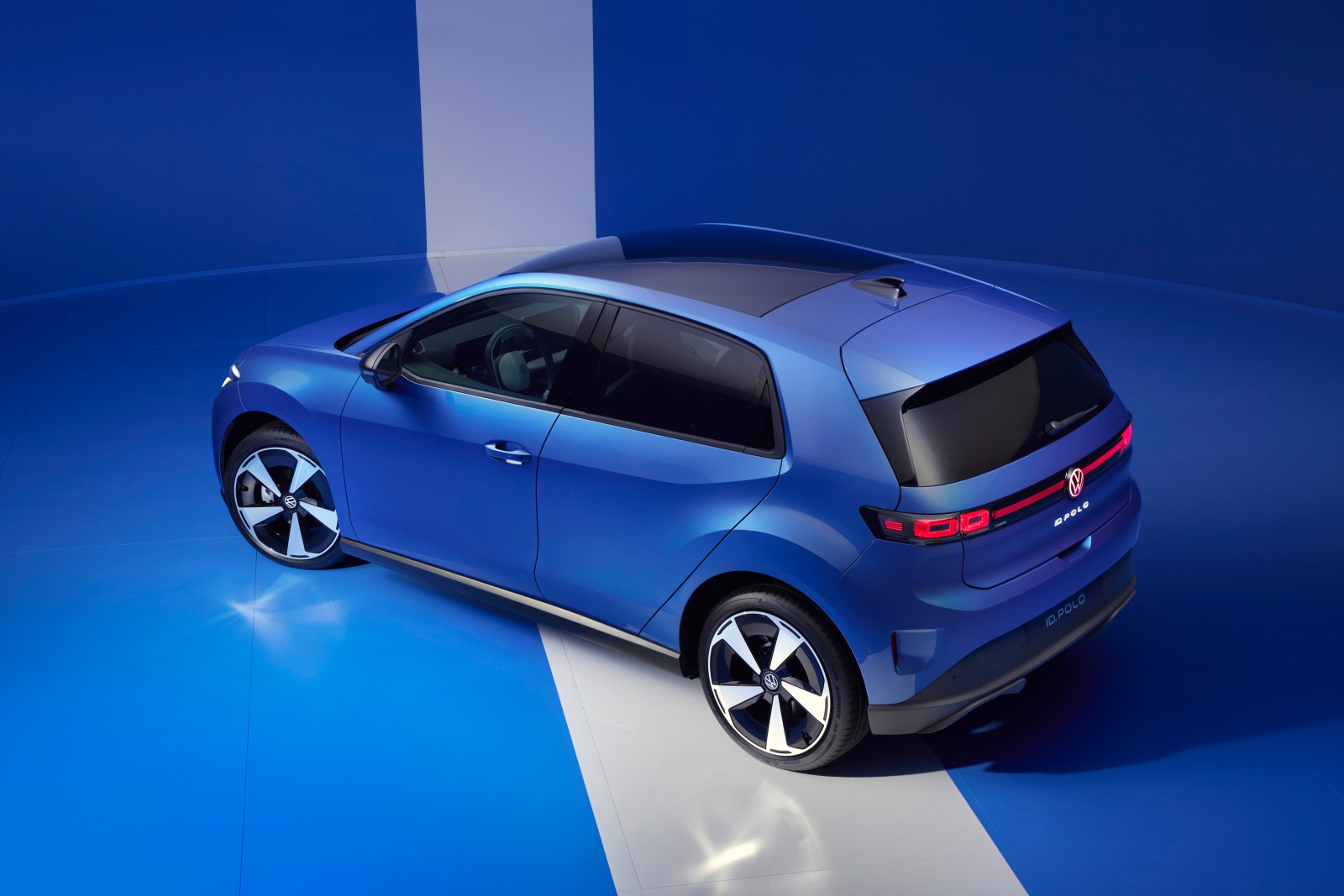
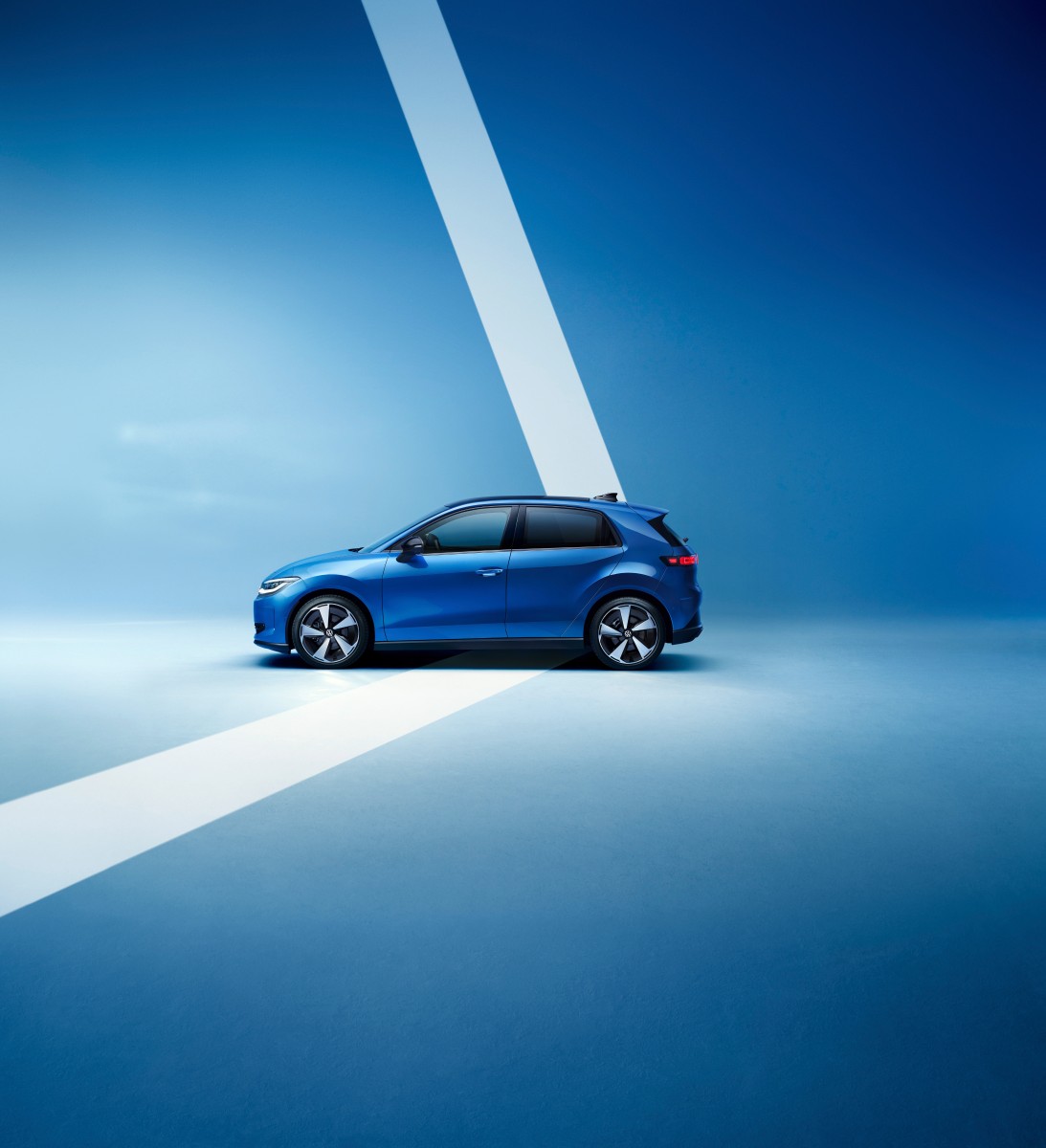
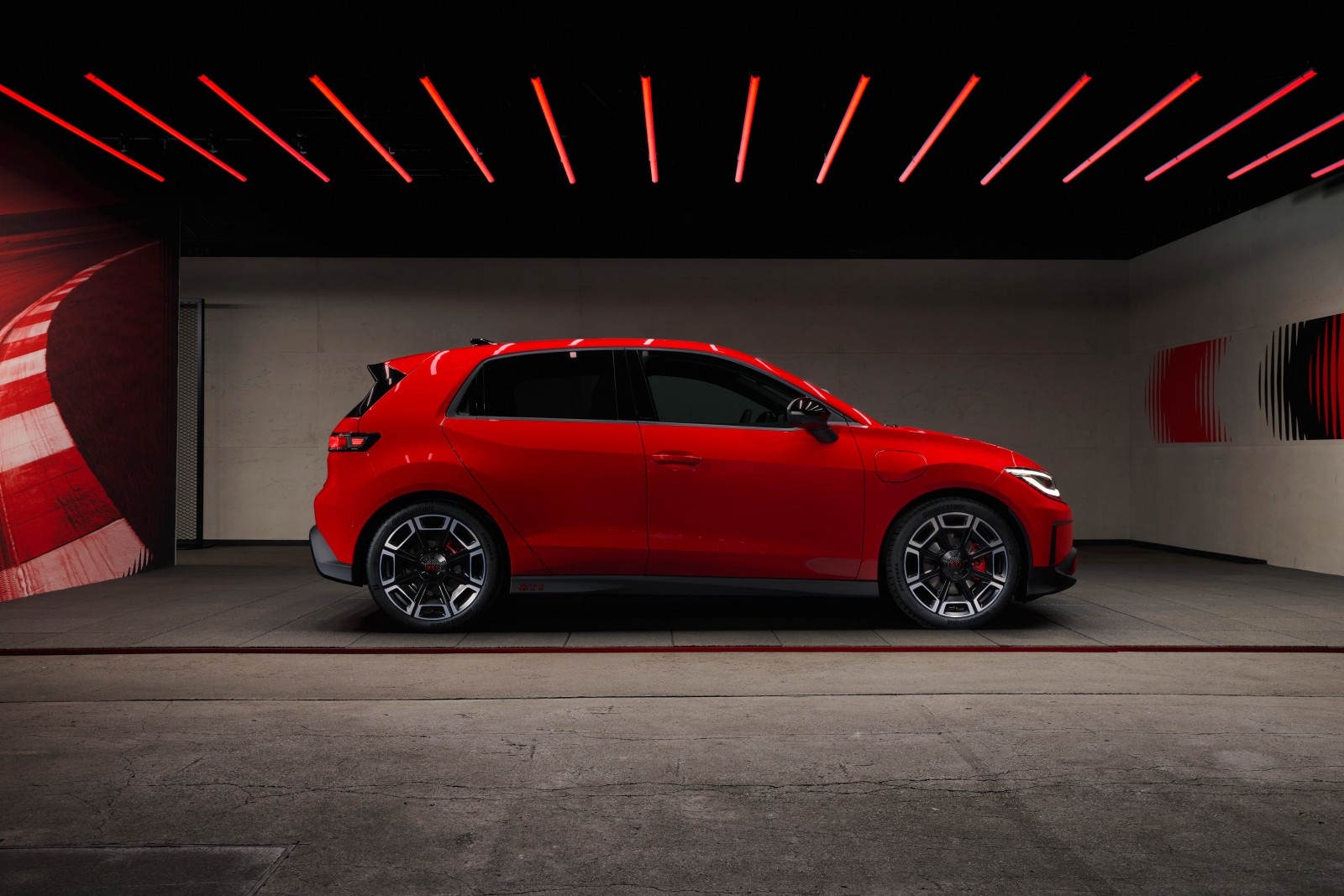
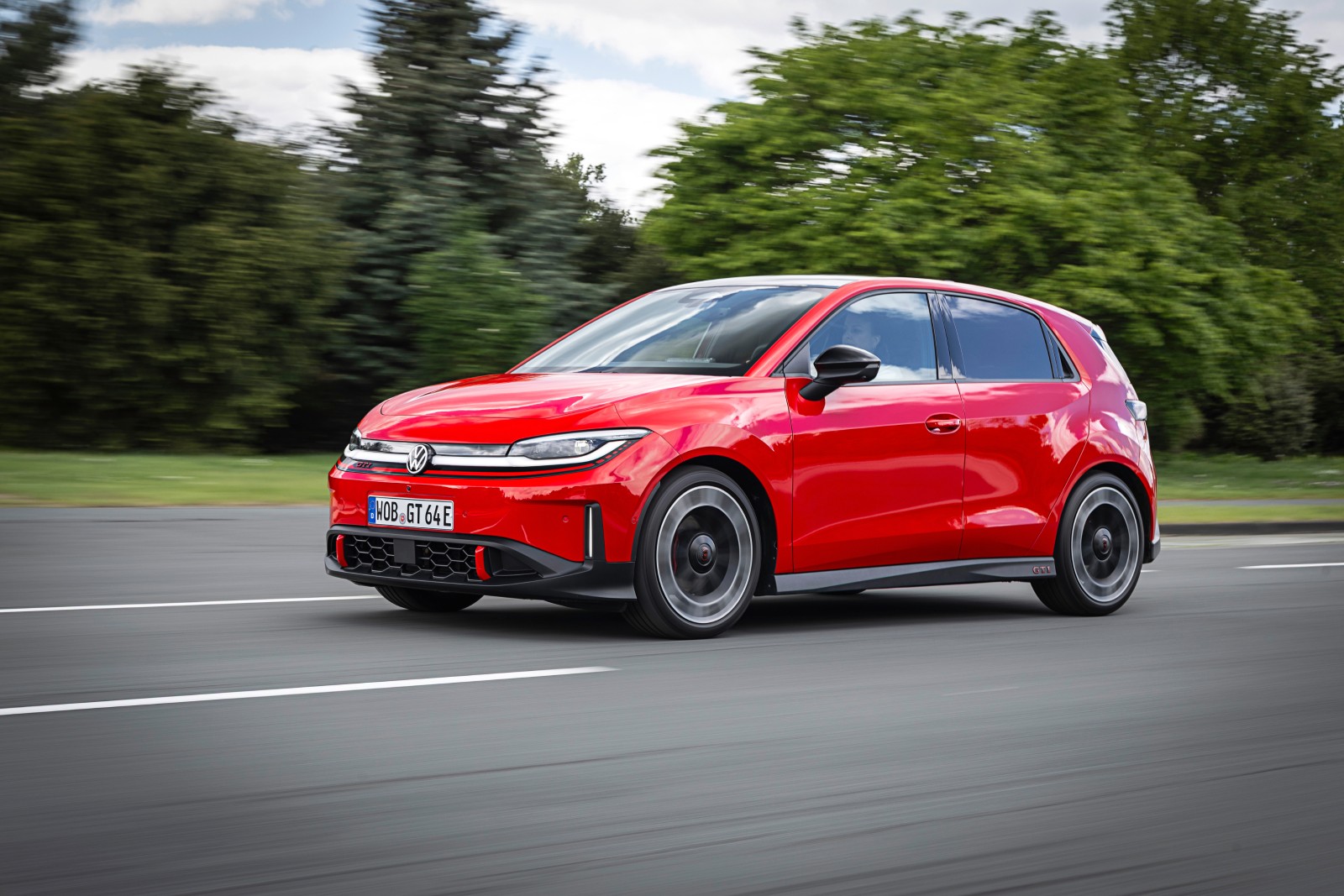
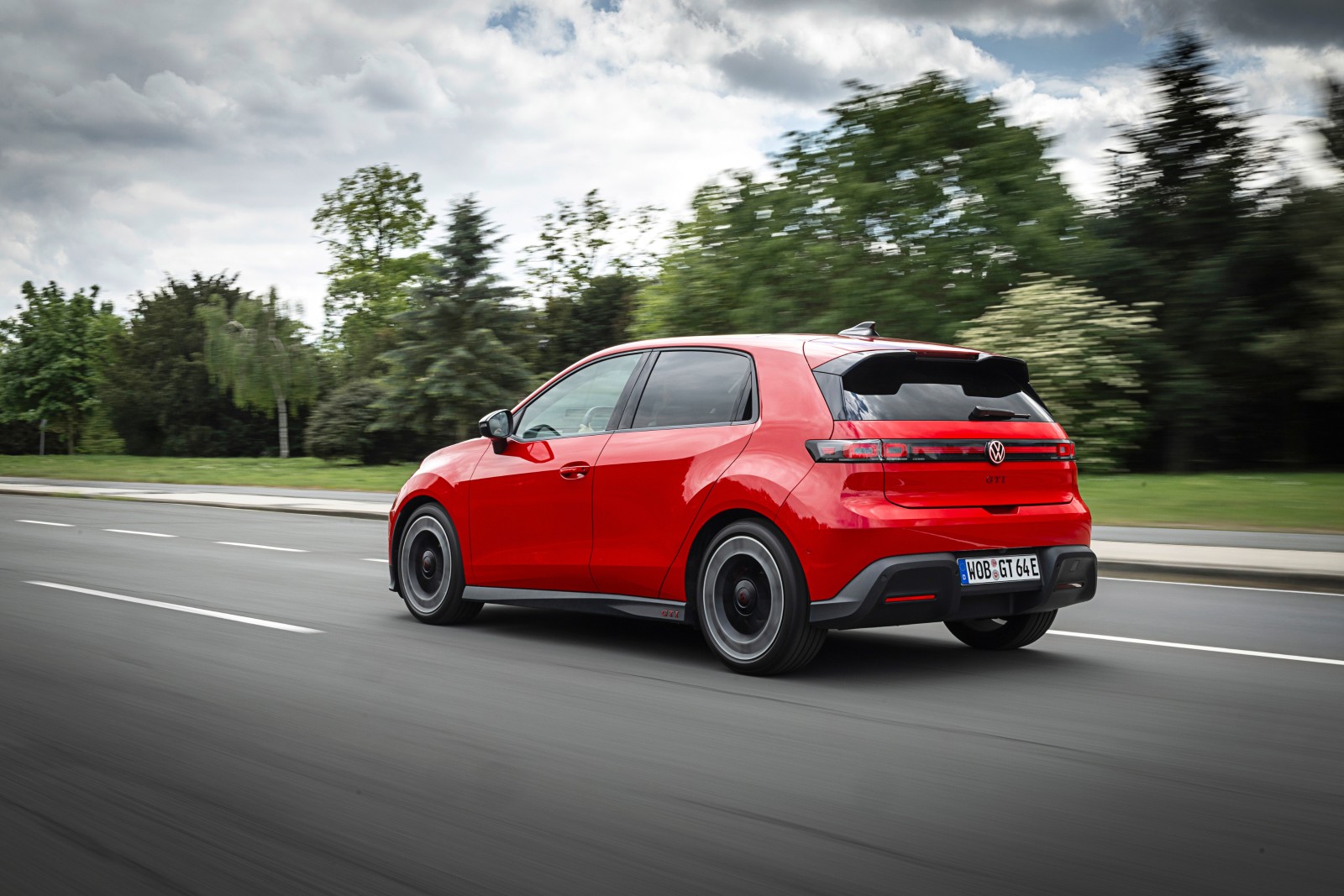
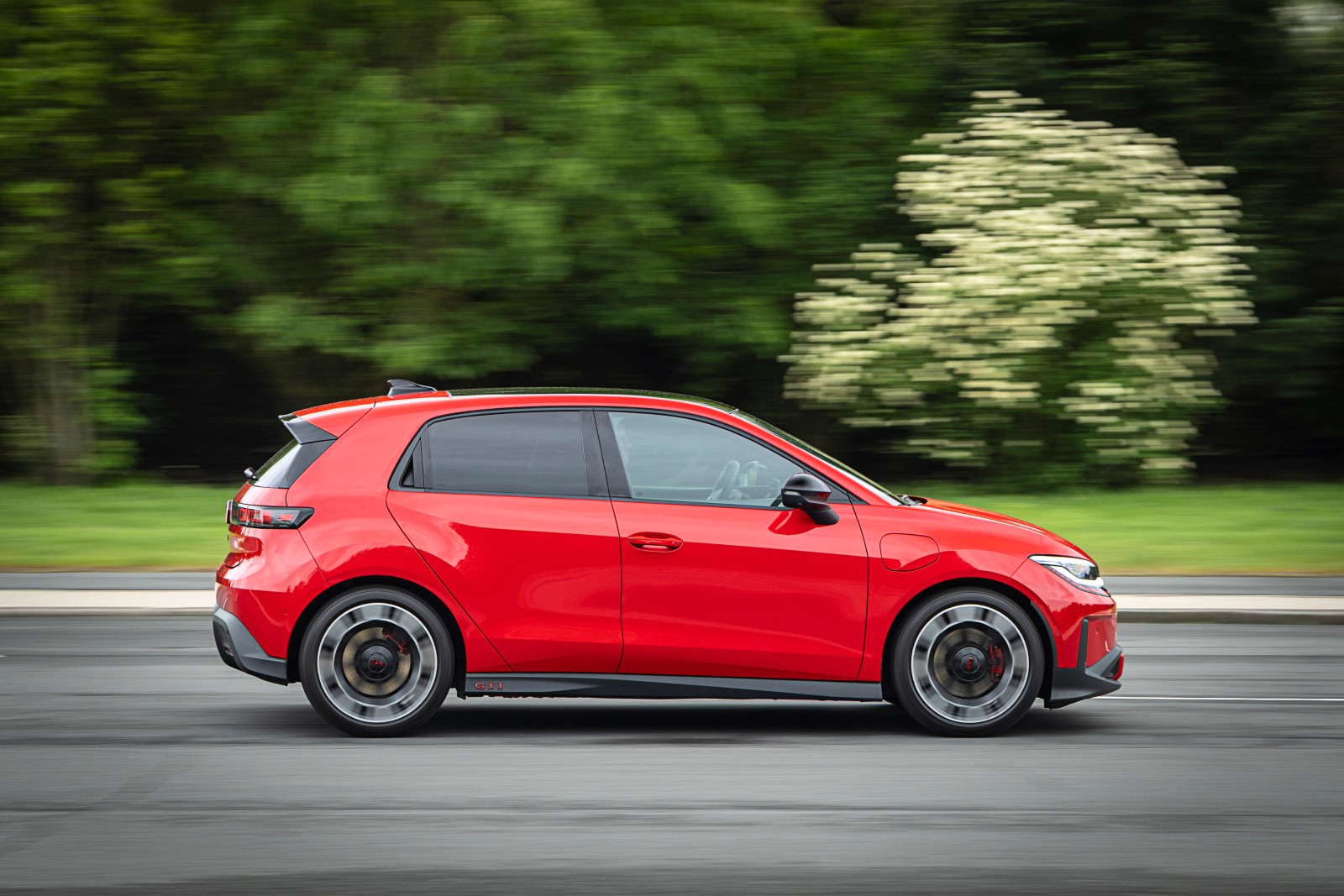
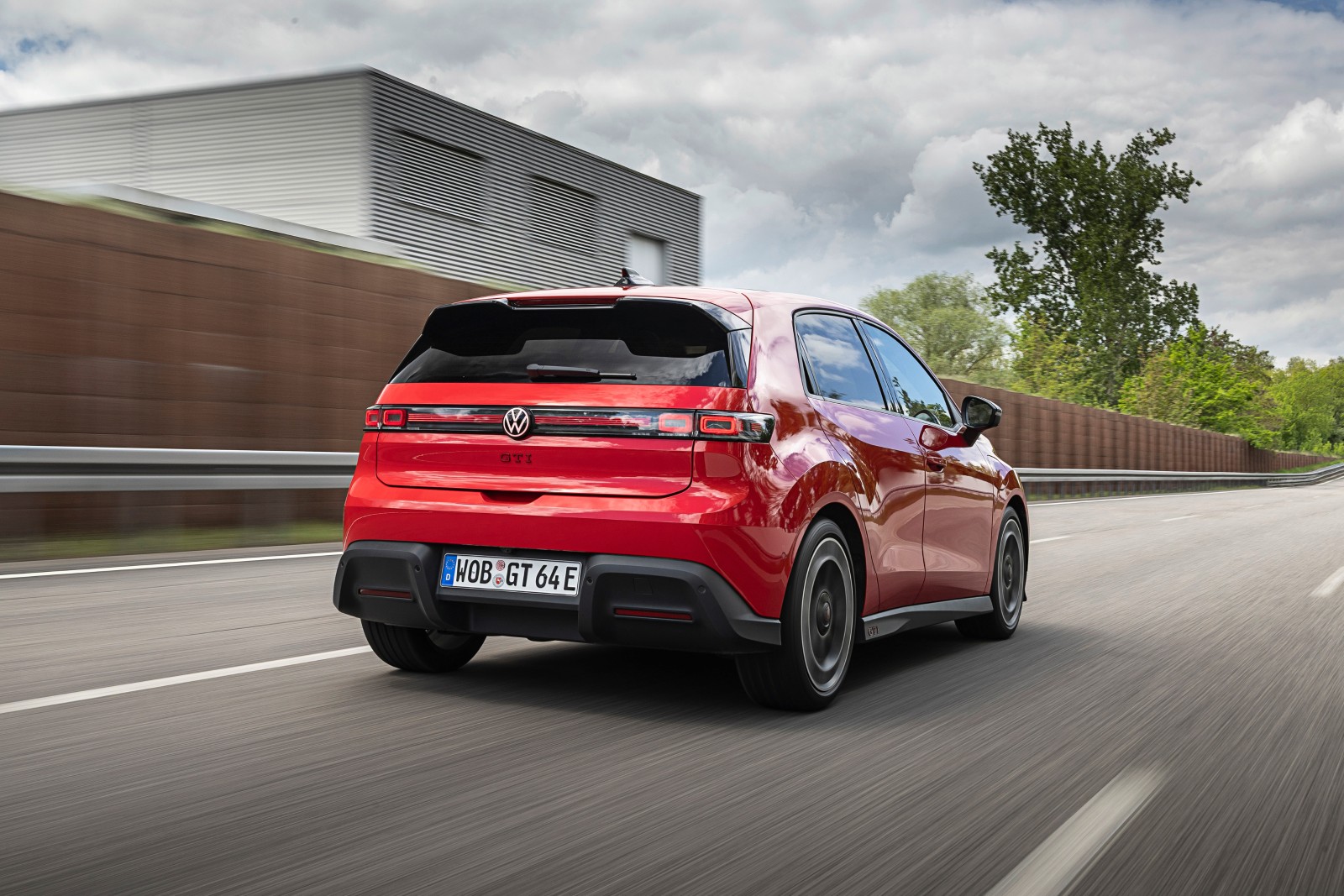
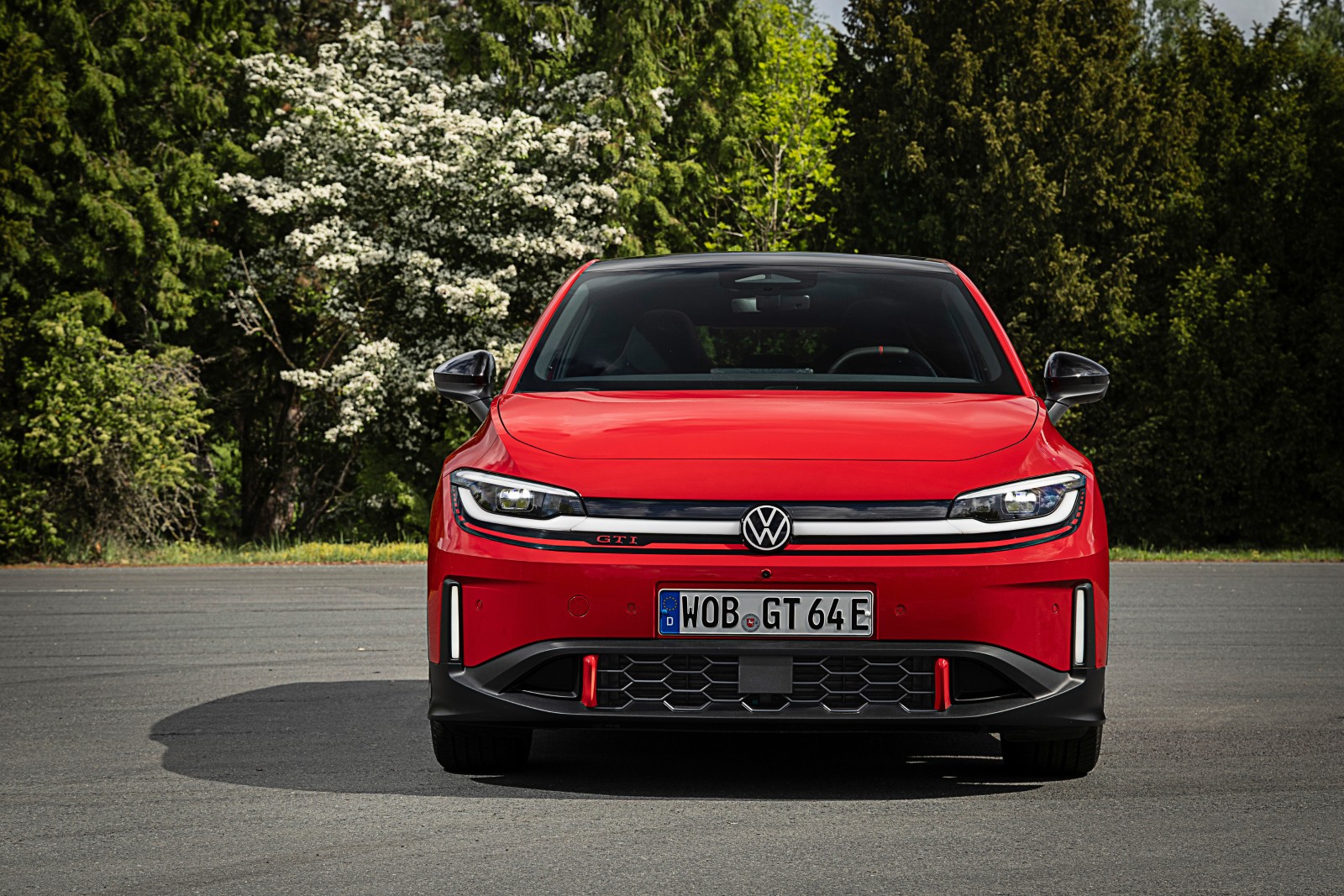
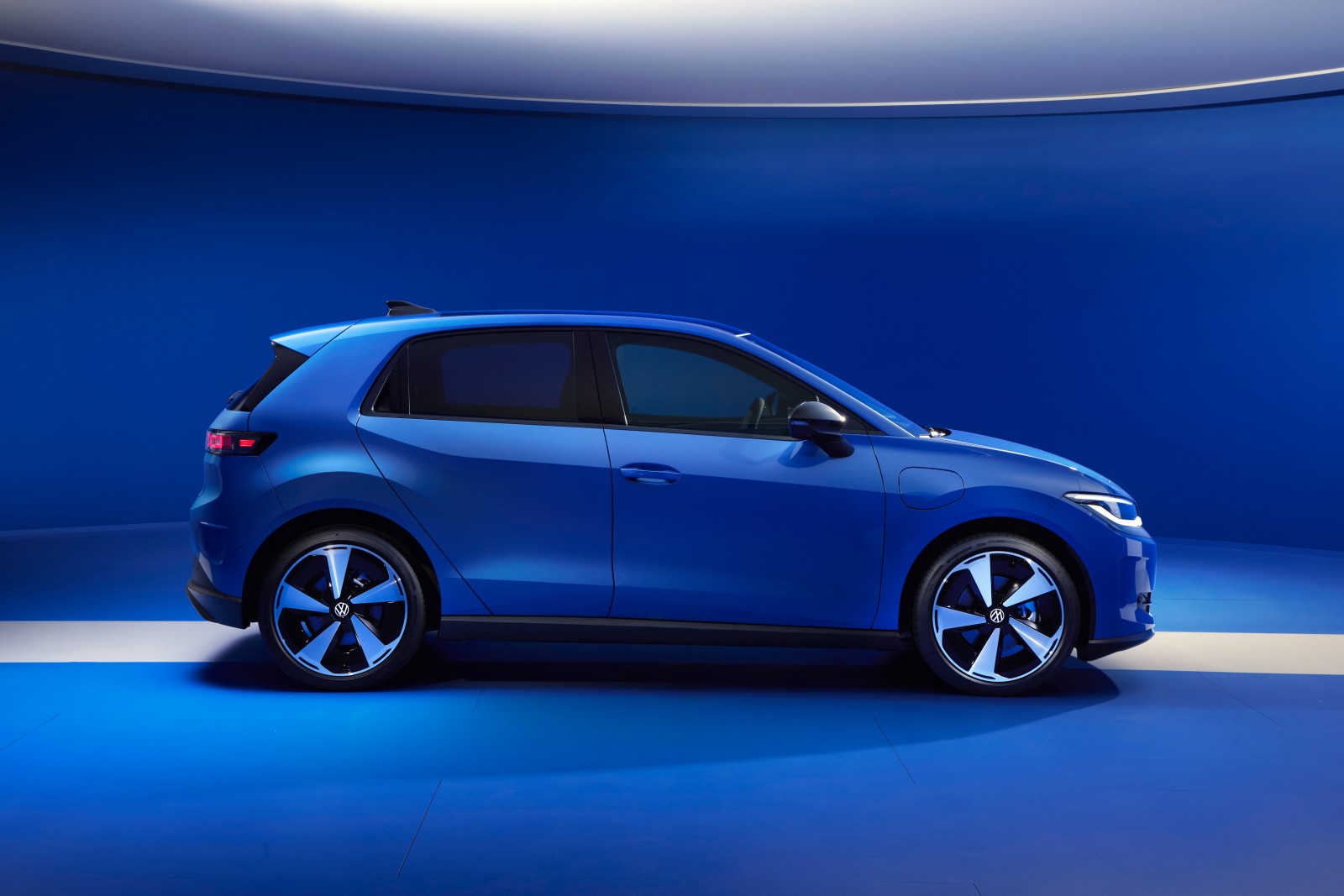
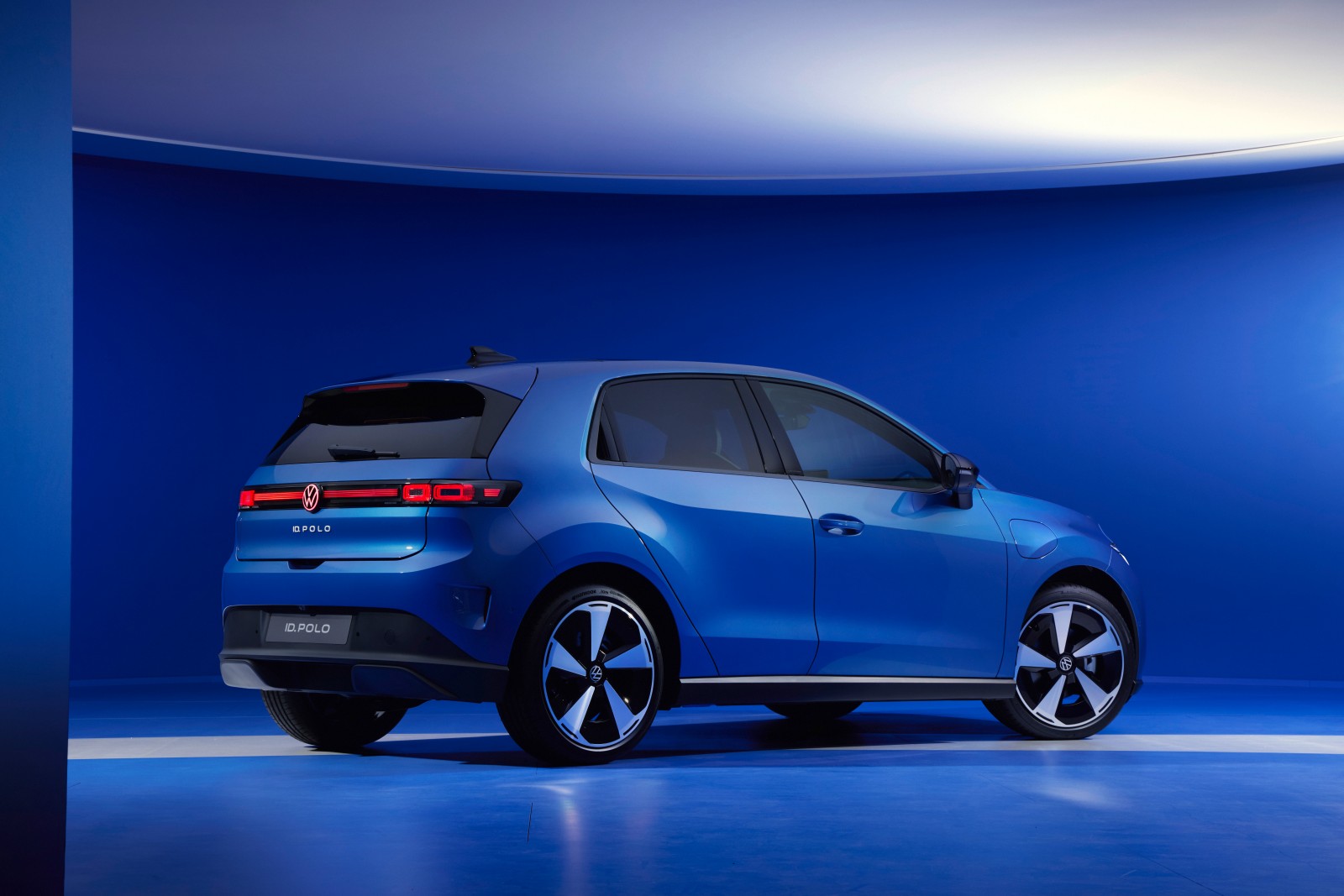
The new hatchback follows Volkswagen’s latest Pure Positive design language, created under design chief Andreas Mindt. The overall shape is simple and familiar, with clear references to classic Volkswagen proportions. The front end and rear pillars have a Golf-like character, while the hidden rear door handles give the car a cleaner side profile.
The ID. Polo measures 4,053 mm long, 1,816 mm wide and 1,530 mm tall, with a 2,600 mm wheelbase. That keeps it close in size to the combustion-engine Polo, but the electric packaging gives it noticeably better cabin and luggage space.
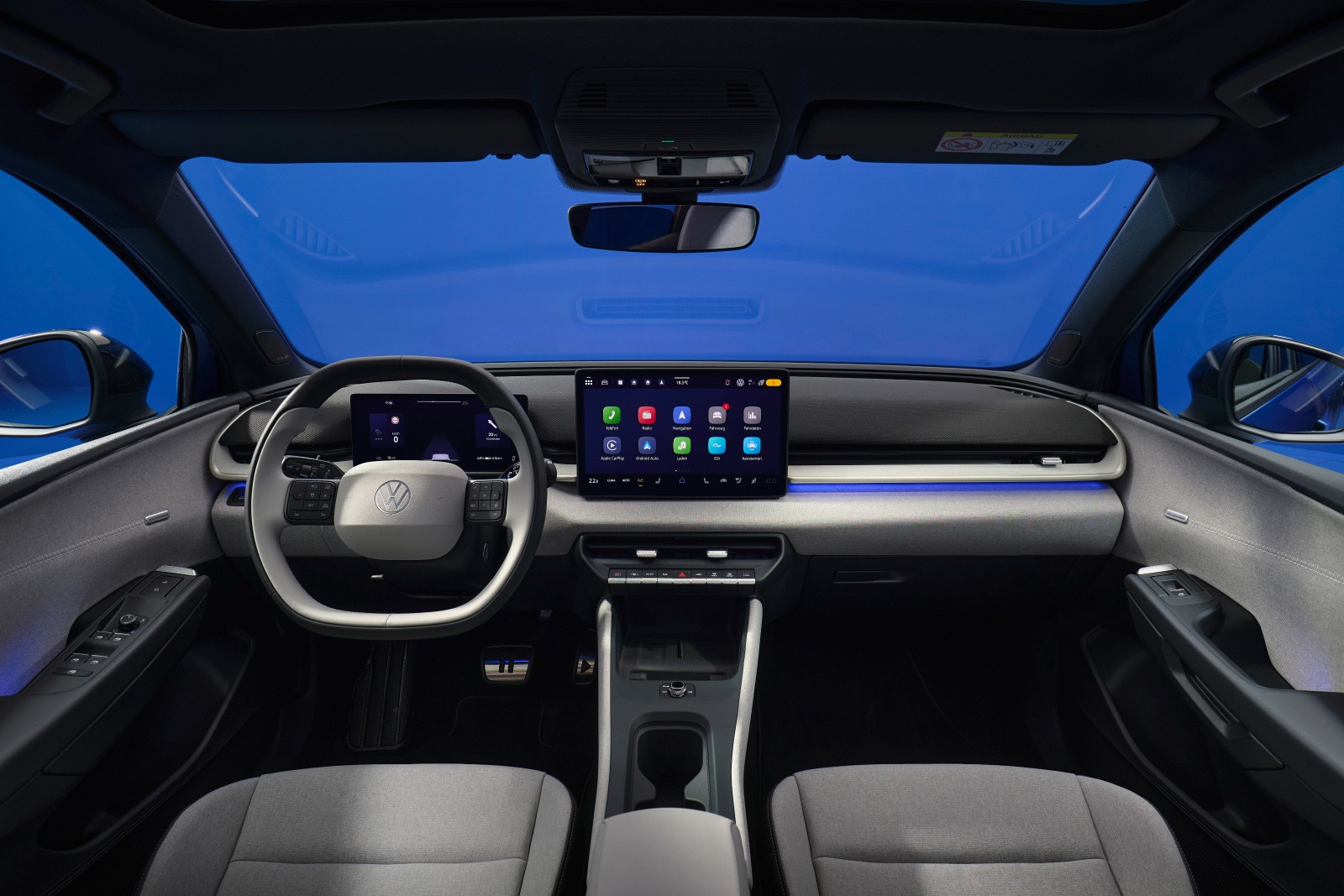
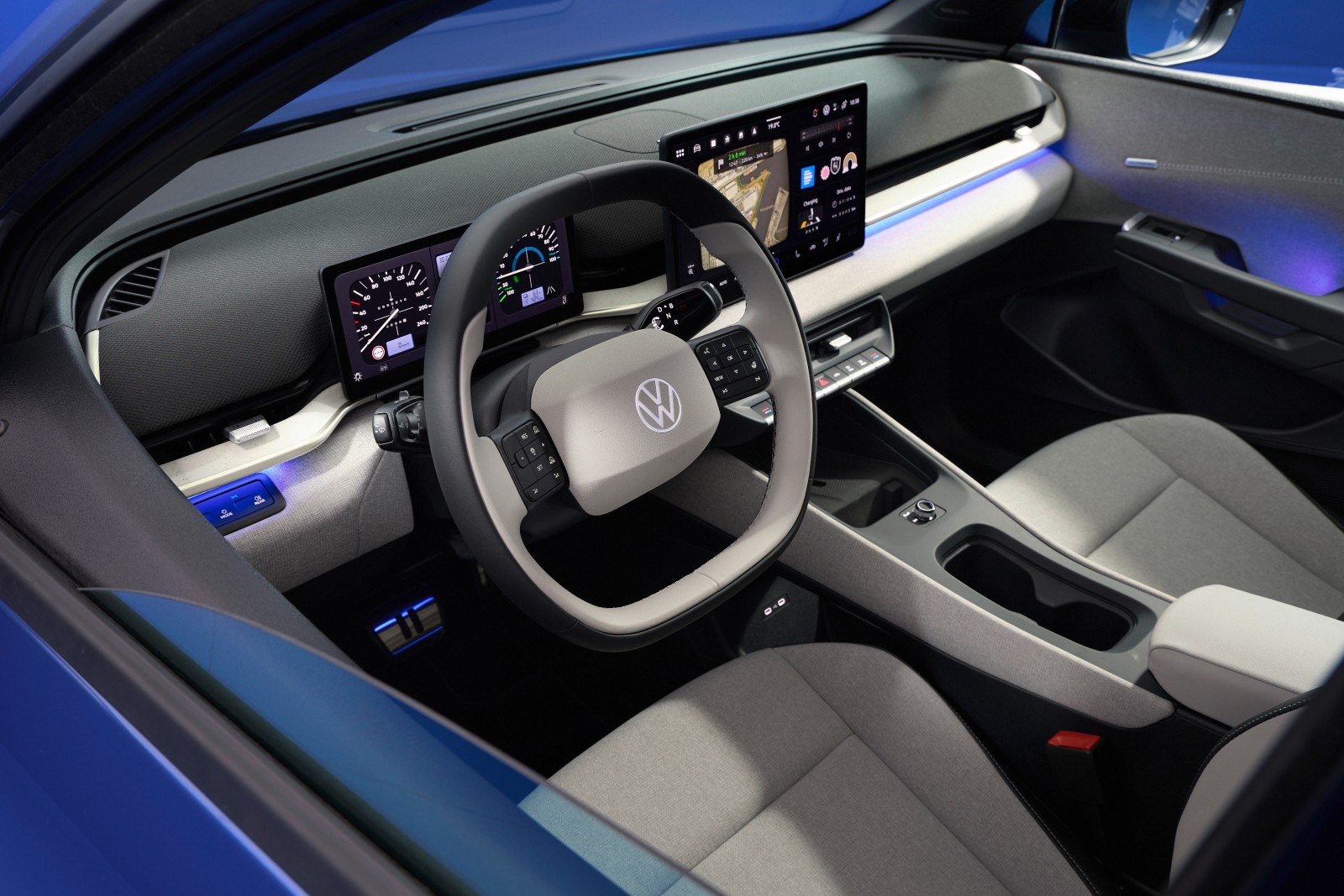
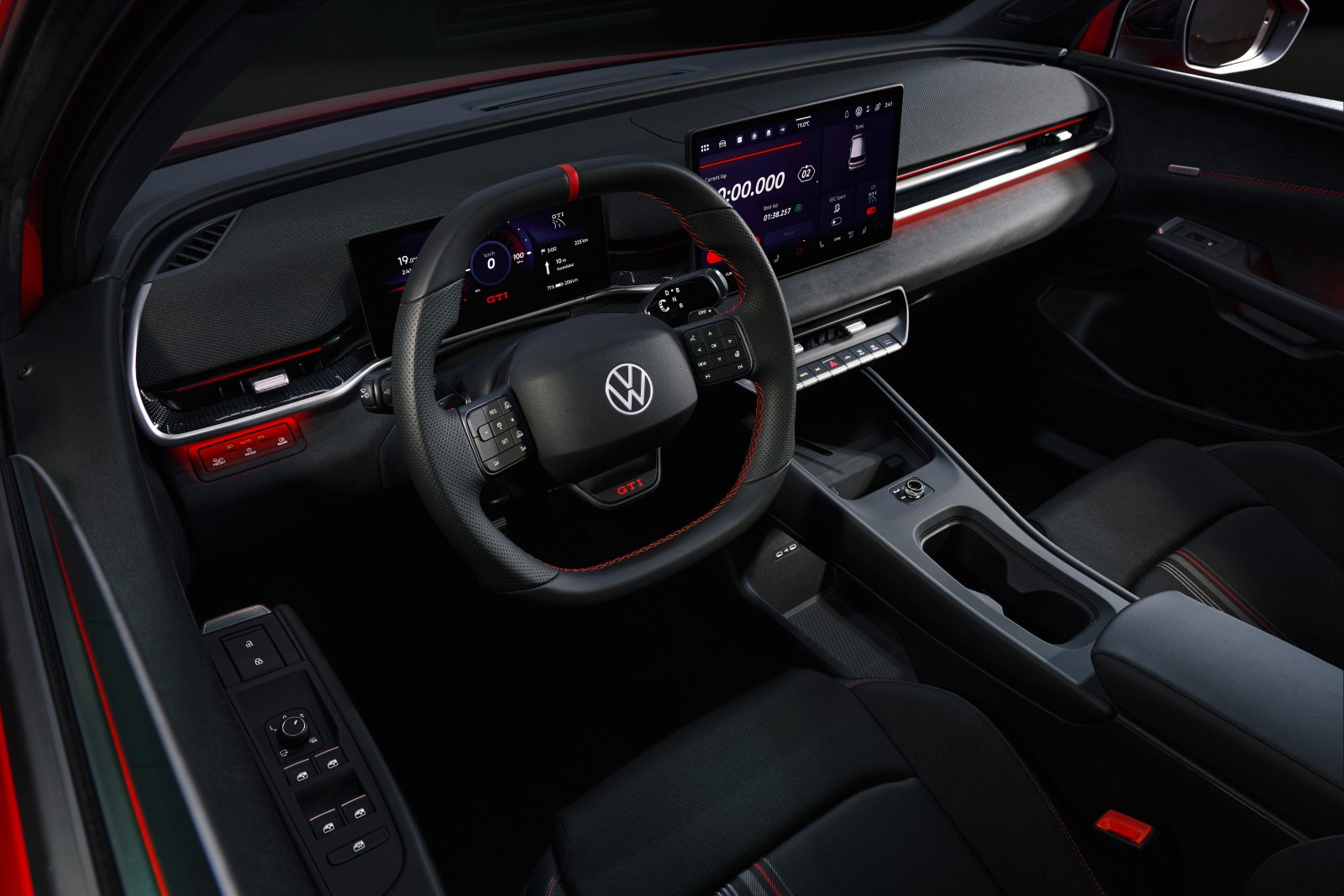
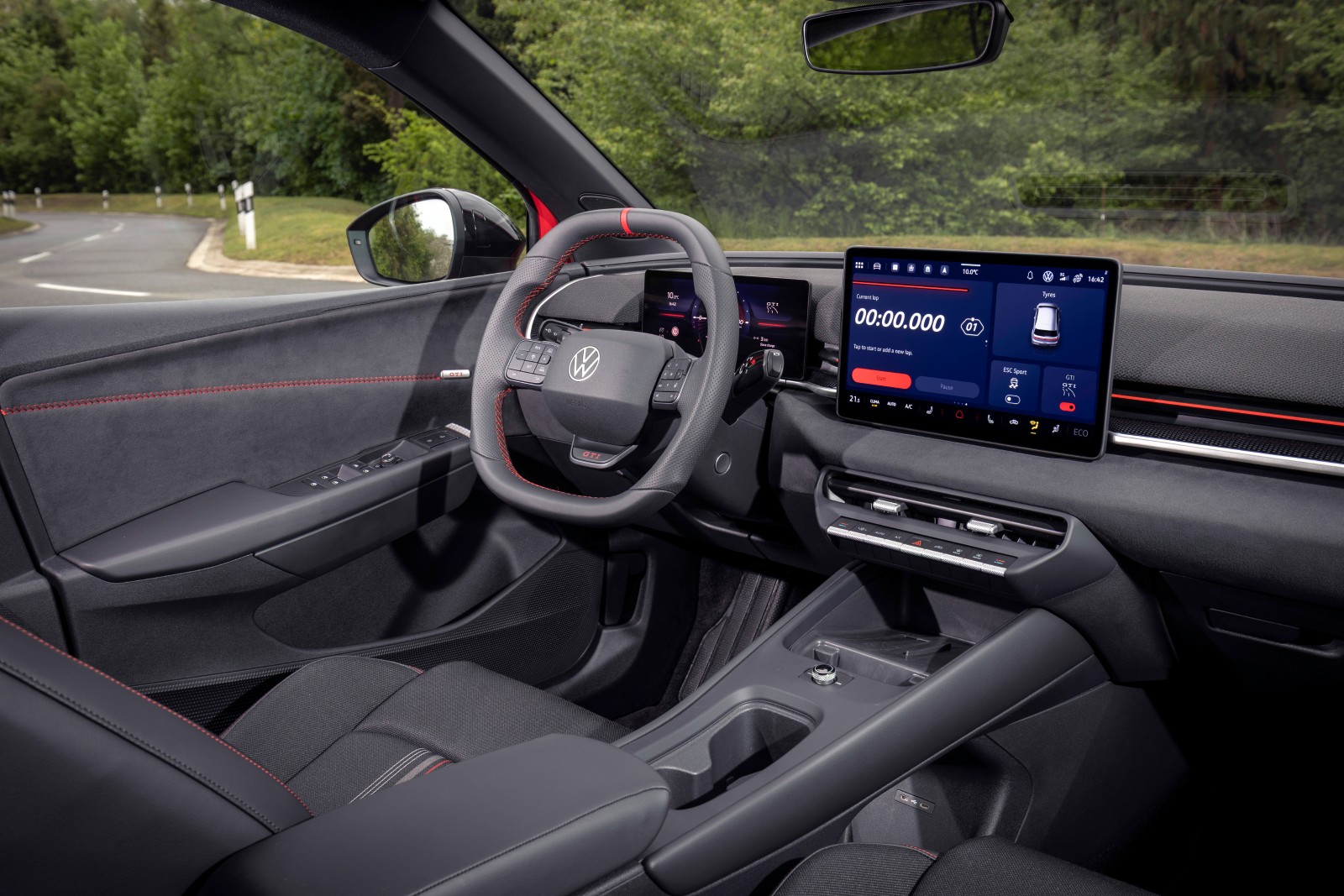
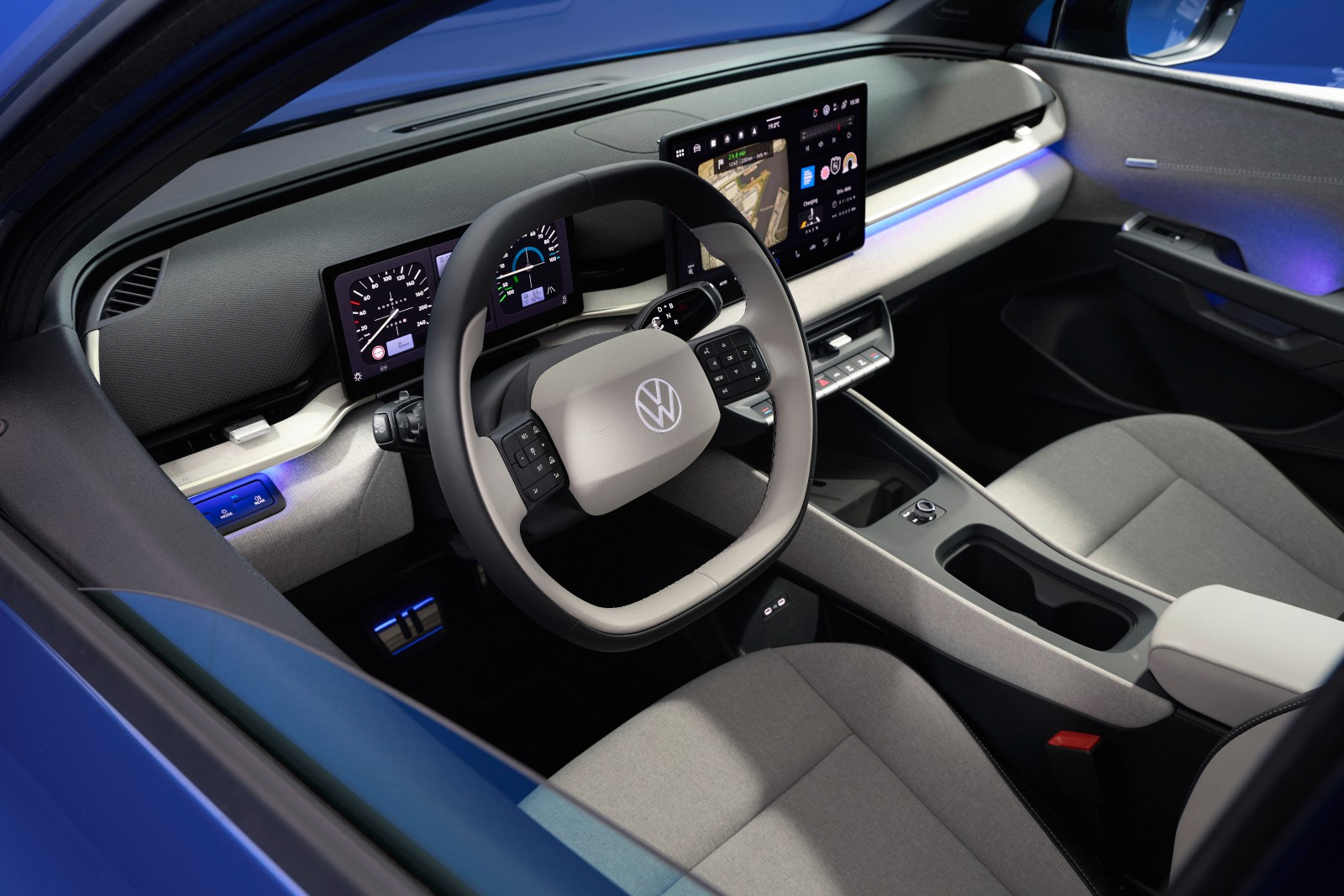
Inside, Volkswagen has tried to mix modern screens with familiar controls. The dashboard uses a 10-inch digital instrument cluster and a 13-inch Innovision infotainment display, but the graphics include retro-style themes inspired by the facelifted first-generation Golf. Fabric trim, Volkswagen logos and a more traditional control layout help make the cabin feel less minimalistic than many recent EV interiors.
Importantly, physical buttons are back in large numbers. They appear on the steering wheel, center console and door panels, including a full set of window switches. This marks a clear move away from the heavily touch-sensitive approach used in some newer Volkswagen models.
Available equipment includes a 425-watt Harman Kardon audio system with 10 speakers, a panoramic roof, power-adjustable front seats, three-mode pneumatic massage, memory for the driver’s seat and the Travel Assist driver-assistance system.
Practicality is one of the ID. Polo’s strongest points. Rear passenger space has increased by 19 mm in every direction compared with the regular Polo, while trunk volume rises from 351 liters to 441 liters. With the rear seats folded, capacity reaches 1,243 liters, compared with 1,125 liters in the current combustion model.
This improvement comes from Volkswagen’s simplified MEB+ platform for affordable EVs. Unlike the larger MEB-based models, this setup places the electric motor on the front axle and uses a simpler rear suspension layout. The same basic architecture has already appeared under the Cupra Raval.
The ID. Polo uses Volkswagen’s new APP 290 electric motor, offered in three outputs: 116 hp, 135 hp and 211 hp. The two lower-powered versions use a 37 kWh LFP battery, allowing up to 329 km of range and DC charging at up to 90 kW. A 10–80% charge should take around 23 minutes.
More powerful versions receive a 52 kWh nickel-manganese-cobalt battery, increasing range to as much as 454 km. DC charging power rises to 130 kW, with a 10–80% charge taking about 24 minutes. The ID. Polo also supports one-pedal driving, vehicle-to-load output of up to 3.6 kW and towing of up to 1,200 kg.
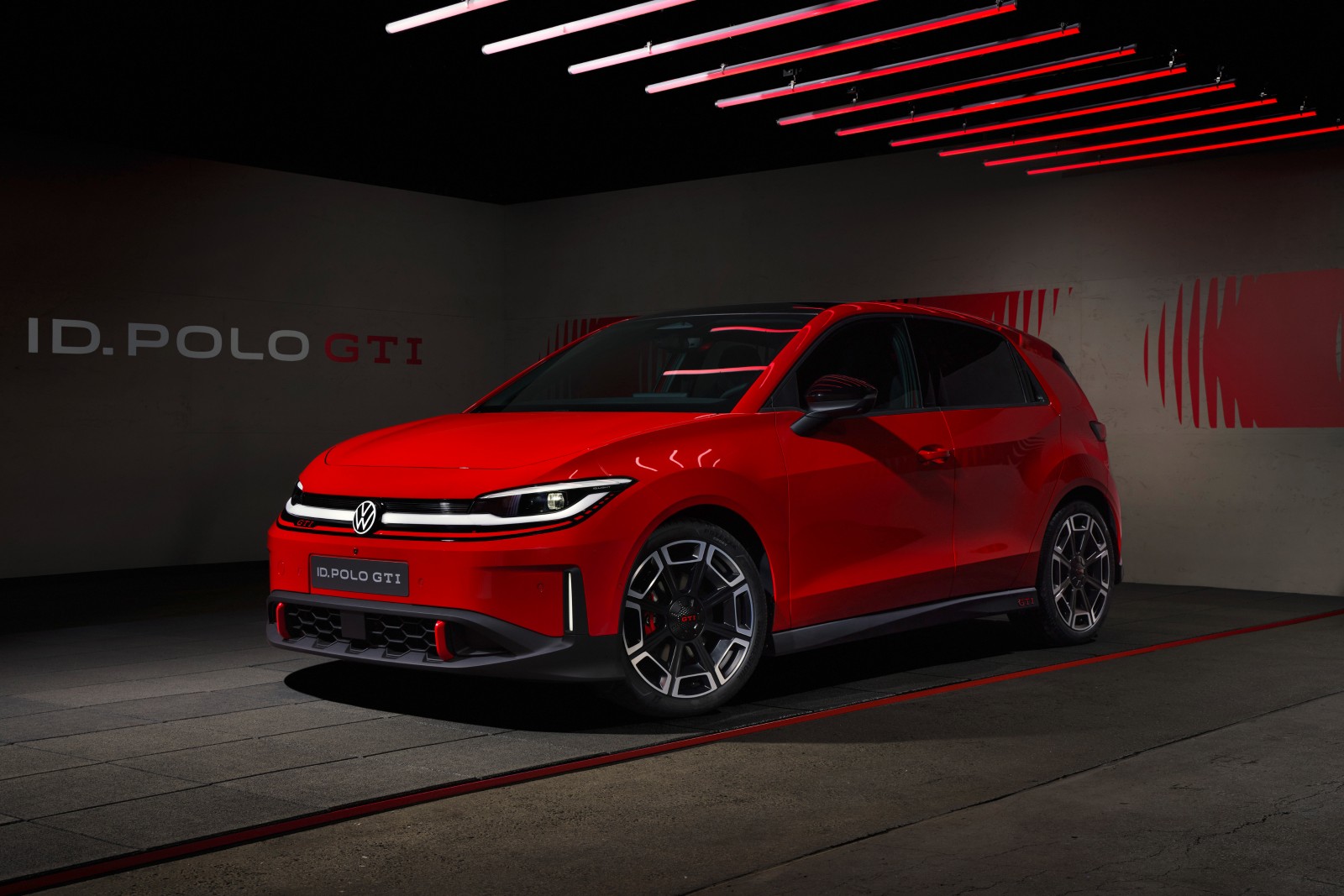
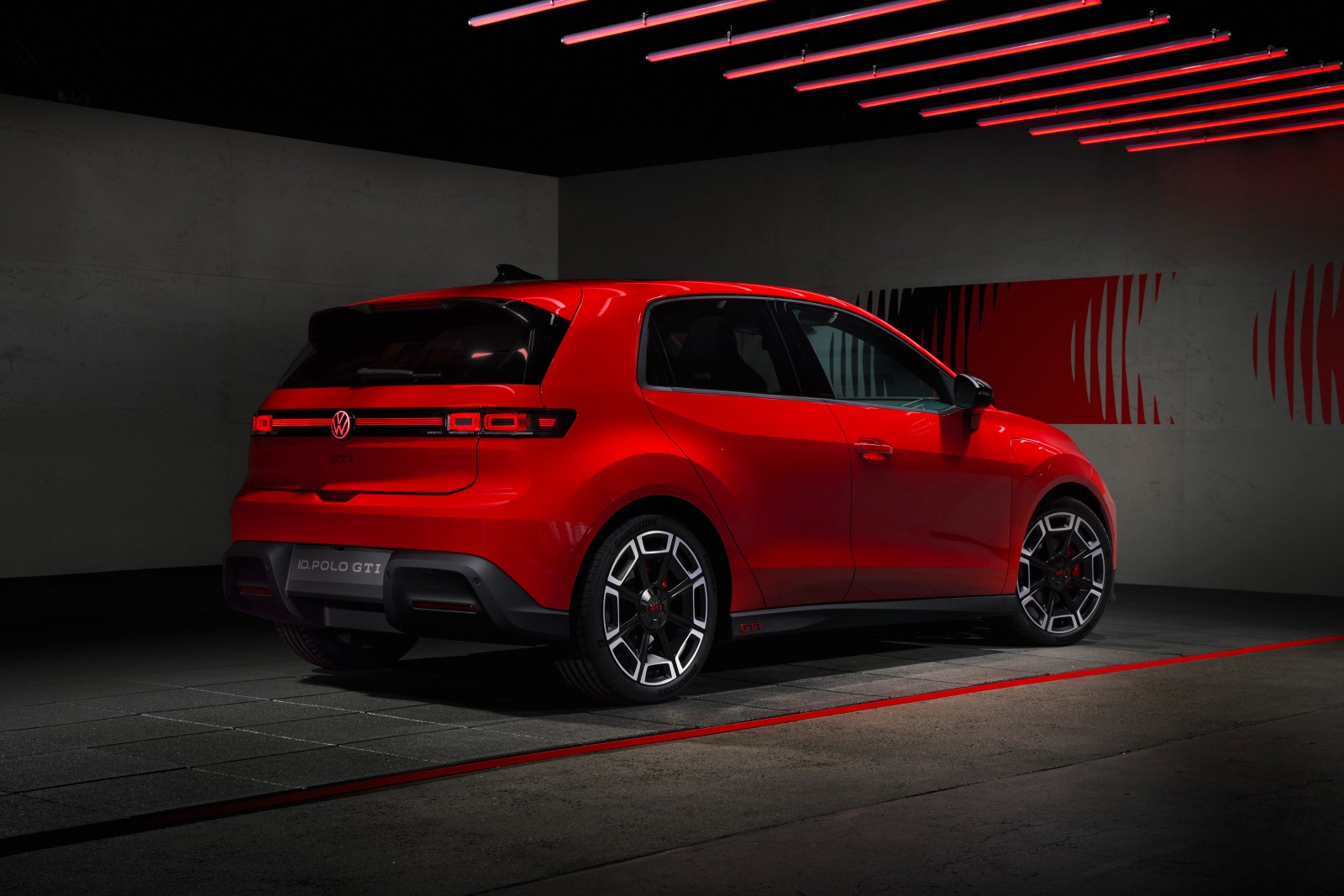
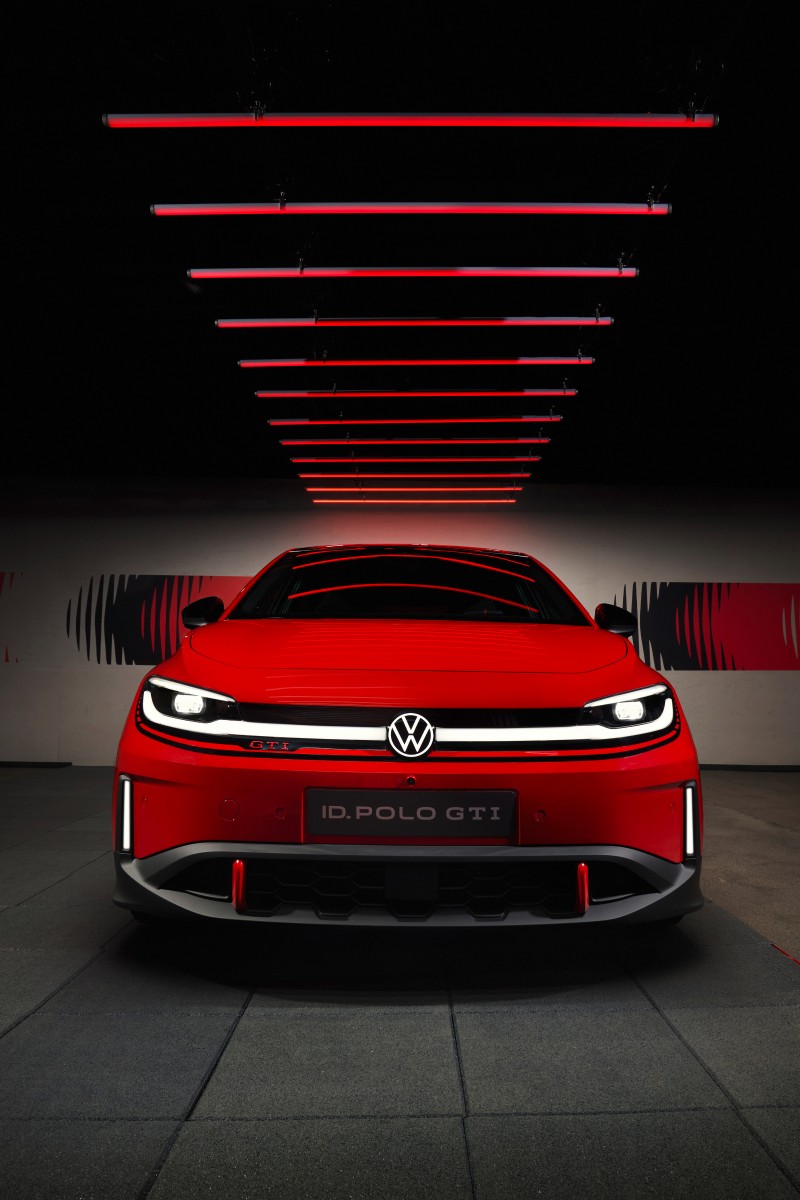
Volkswagen is already preparing a sportier version. The ID. Polo GTI is due next year with 226 hp and more focused suspension tuning. The same affordable EV family will later expand with the ID. Cross and Skoda Epiq, aimed at models such as the Renault 4.
Orders for the Volkswagen ID. Polo are already open in Germany, but only for a mid-range version with the larger motor and battery. Prices start at €33,795. The cheaper entry-level versions, advertised from €24,995, are expected to become available for pre-order in the summer.
Gallery