Twin-Turbo Six Revives Dodge's Super Bee Nameplate With 608 Horsepower
Dodge swaps forced-induction hardware and chassis tuning to turn its Hurricane six into a genuine muscle-car flagship, no V8 required.
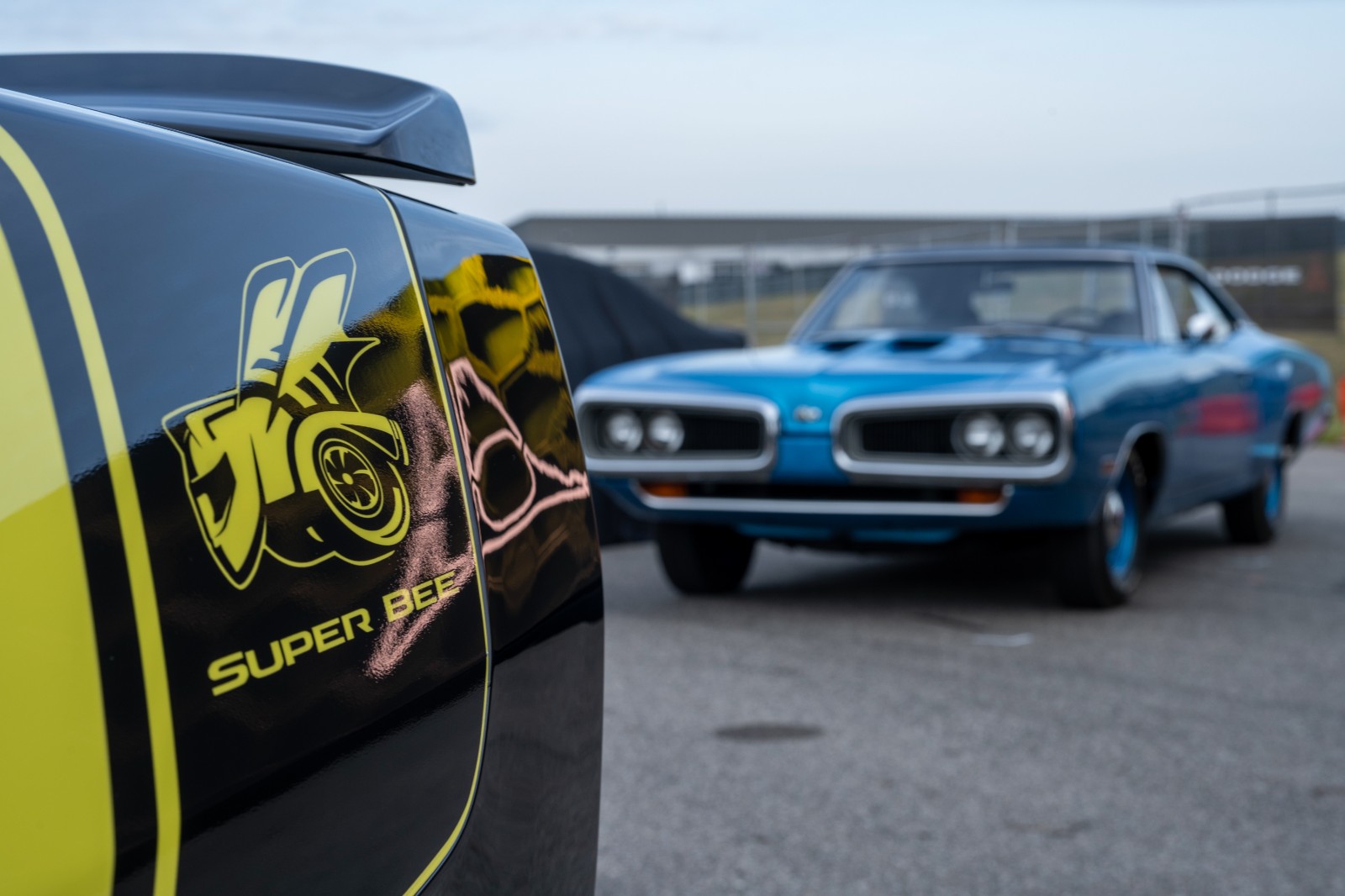
The Super Bee badge has a long history dating back to the second-generation Charger of 1968-1971, and Dodge has periodically dusted it off ever since. As recently as 2022, the outgoing Charger platform got a Super Bee edition packing a 6.4-liter naturally aspirated V8 good for 492 horsepower. The nameplate skipped a beat when the current Charger launched two years ago as an EV-only proposition, only returning to gasoline power last year through the Sixpack variant. Now that six-cylinder platform forms the backbone of the reborn Super Bee.
Rather than reaching for a V8, Dodge built this new flagship around the inline six-cylinder Hurricane engine, a 3.0-liter unit fitted with a pair of Garrett turbochargers. In its top High Output tune, that engine already produces 558 horsepower and 720 Nm of torque in other Charger models. For the Super Bee, engineers went further, fitting larger Garrett compressors with 56mm turbine wheels capable of generating boost pressure up to two bar.
The upgrades don't stop at the turbos. Dodge added a freer-breathing intake and exhaust setup, reworked the exhaust system, and rewrote the engine control software to match. A beefed-up cooling system, aided by extra radiators, delivers 50 percent more thermal capacity to keep the hotter-running engine in check. The net result is 608 horsepower and 720 Nm of torque, routed through an eight-speed automatic and all-wheel drive.
Those numbers translate into serious pace: 0-60 mph arrives in just 3.6 seconds, and the quarter-mile disappears in 11.8 seconds. That's a notable jump over the previous-generation V8 Super Bee, which needed 4.5 seconds to hit 60 mph and 12.4 seconds to cover the quarter-mile despite its naturally aspirated 6.4-liter engine.
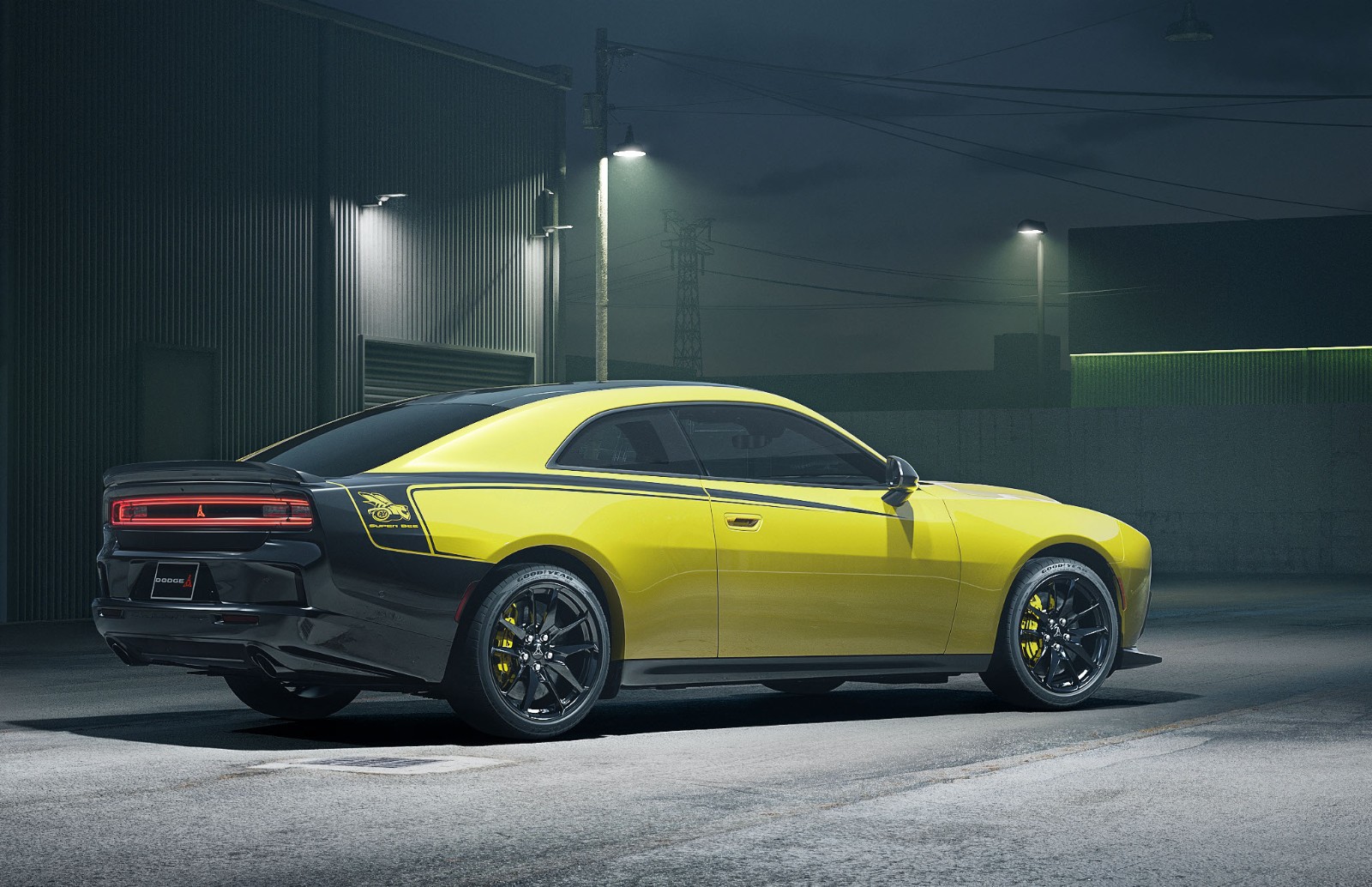
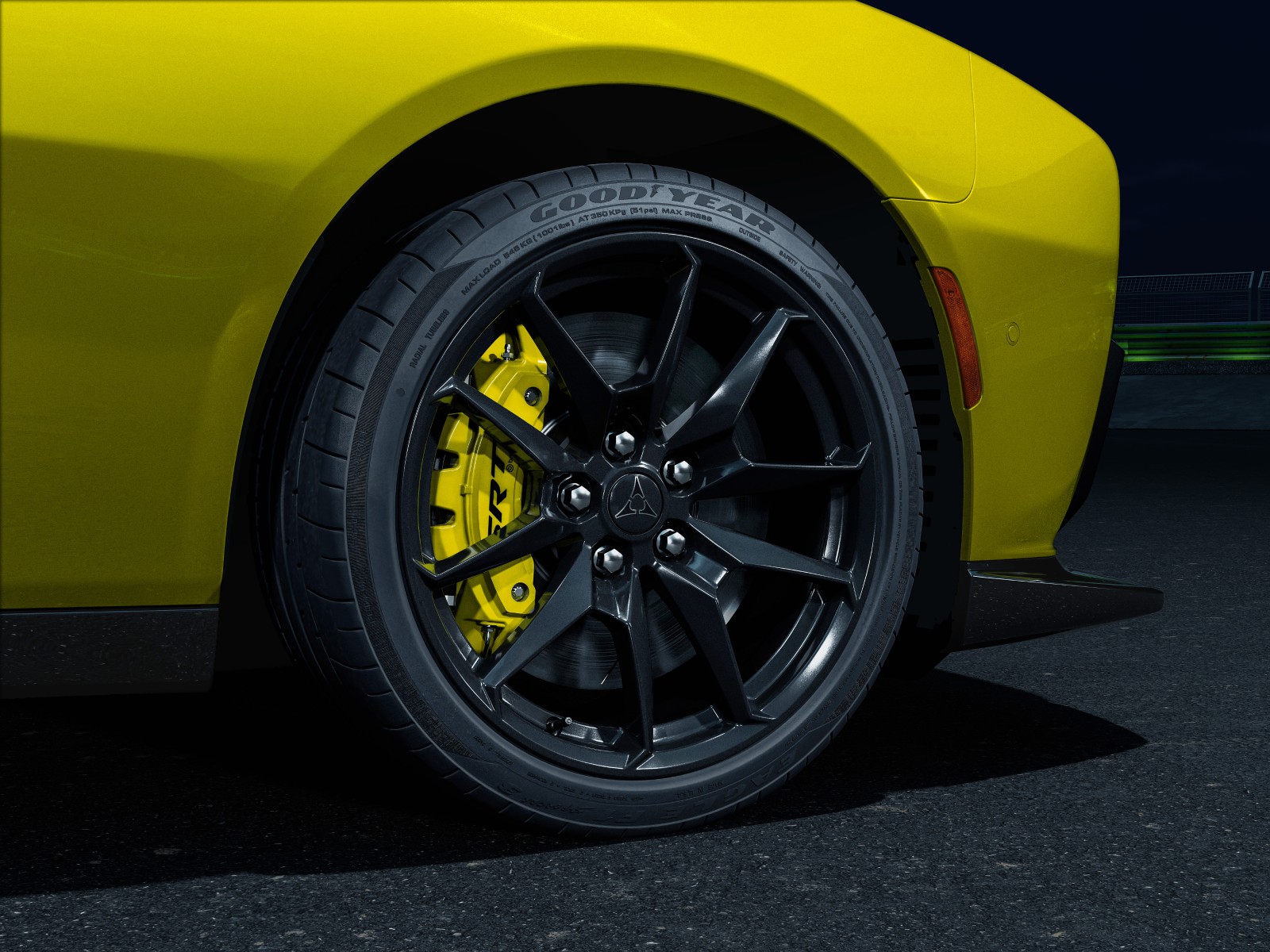
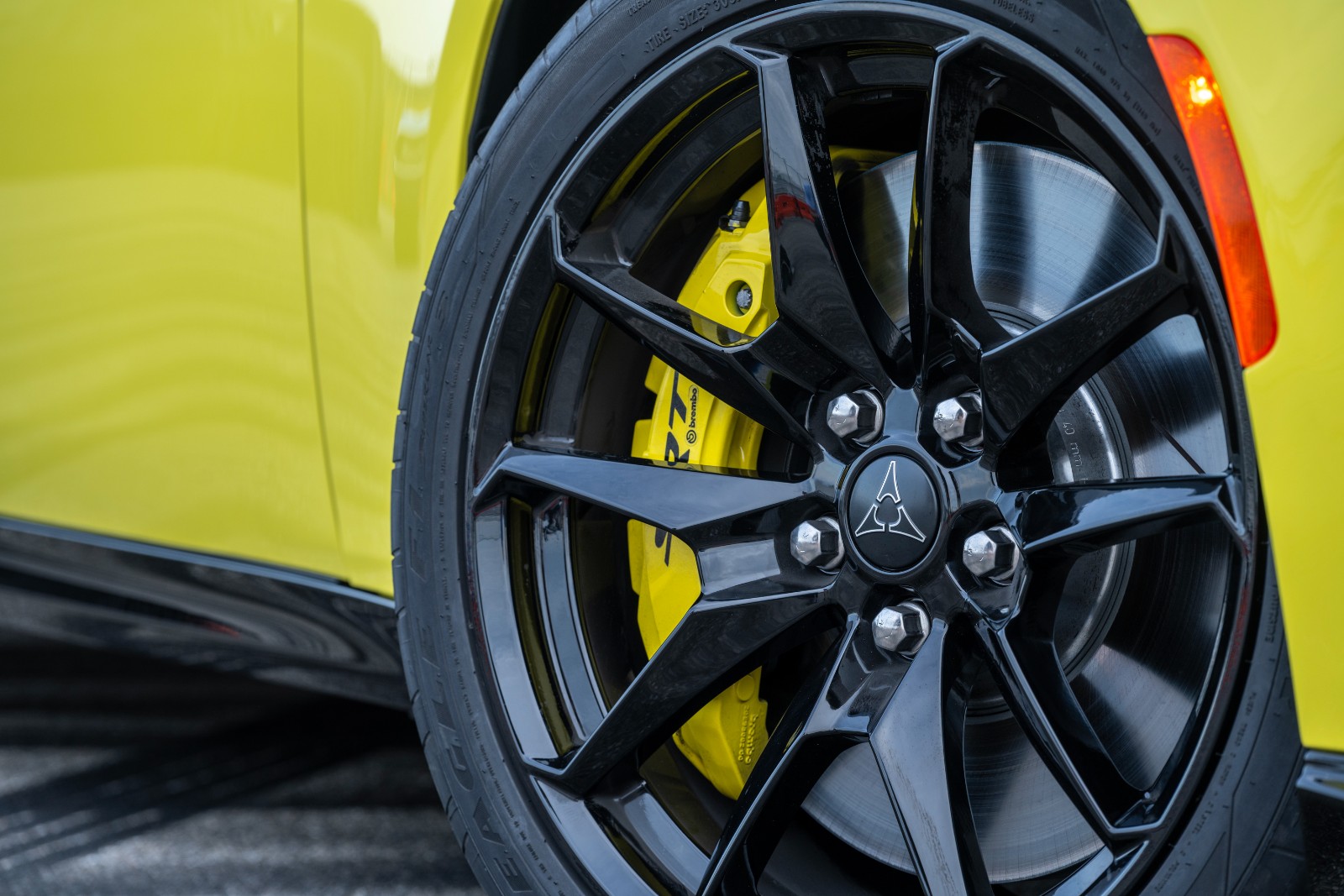
Straight-line speed isn't the whole story, either. The Super Bee rides on new adaptive dampers, with front springs stiffened by 12 percent and rear springs by 6 percent, plus a rear anti-roll bar that's 20 percent firmer and revised front suspension geometry. Brembo brakes handle stopping duty, six-piston calipers up front and four-piston units at the rear, clamping 406mm rotors on both axles, while Goodyear Eagle F1 Supercar 3 tires in 305/35 R20 provide the grip.
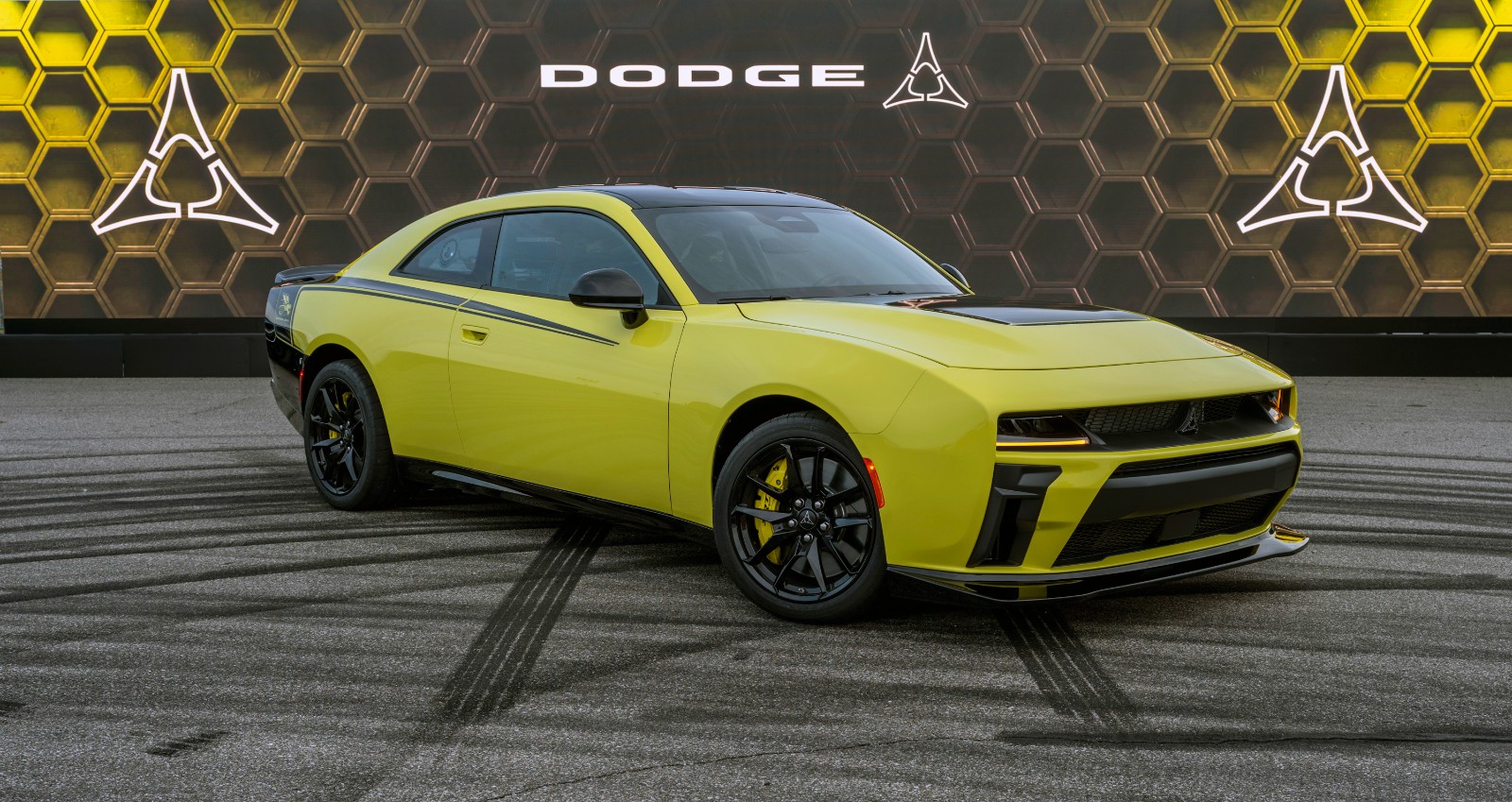
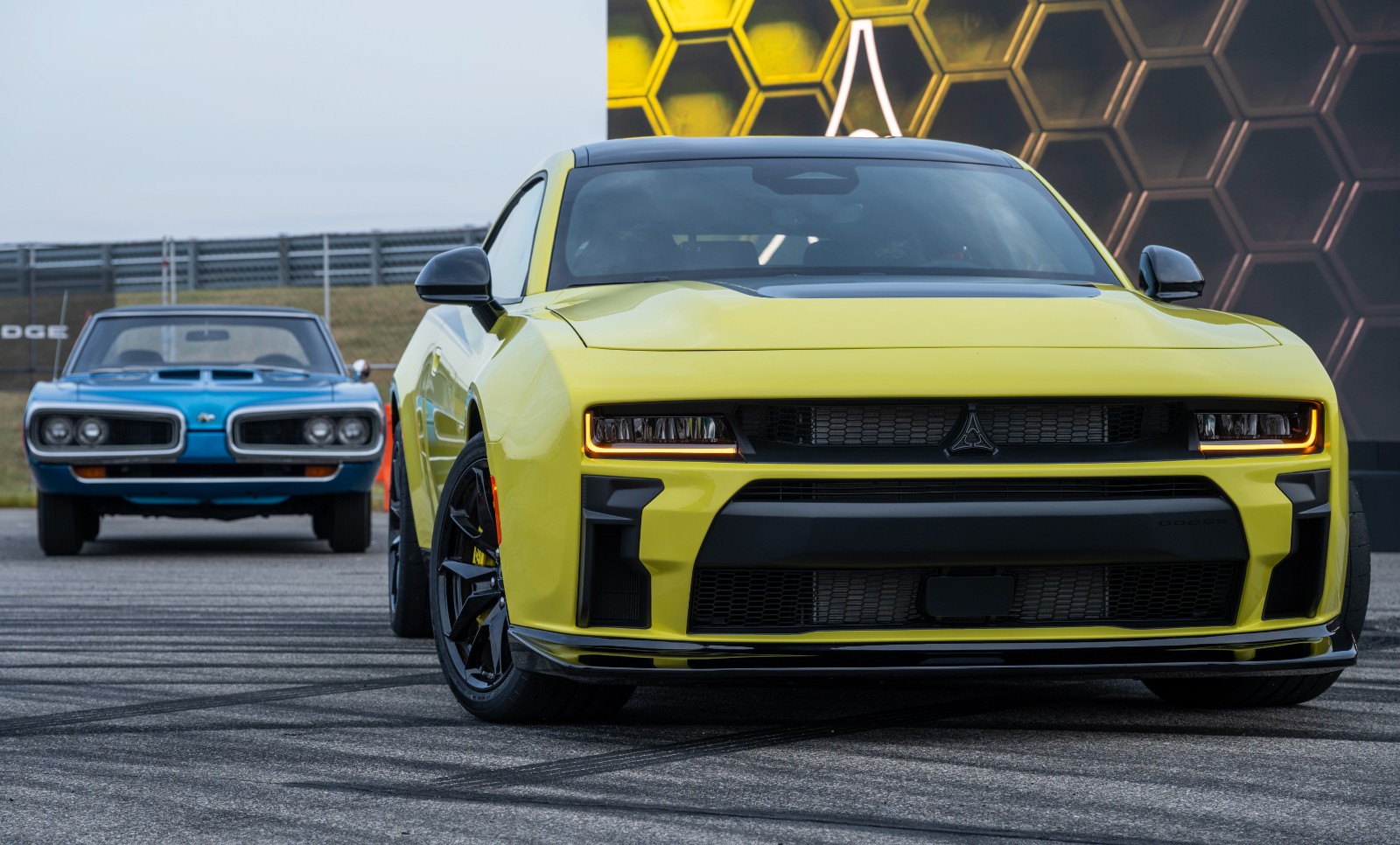
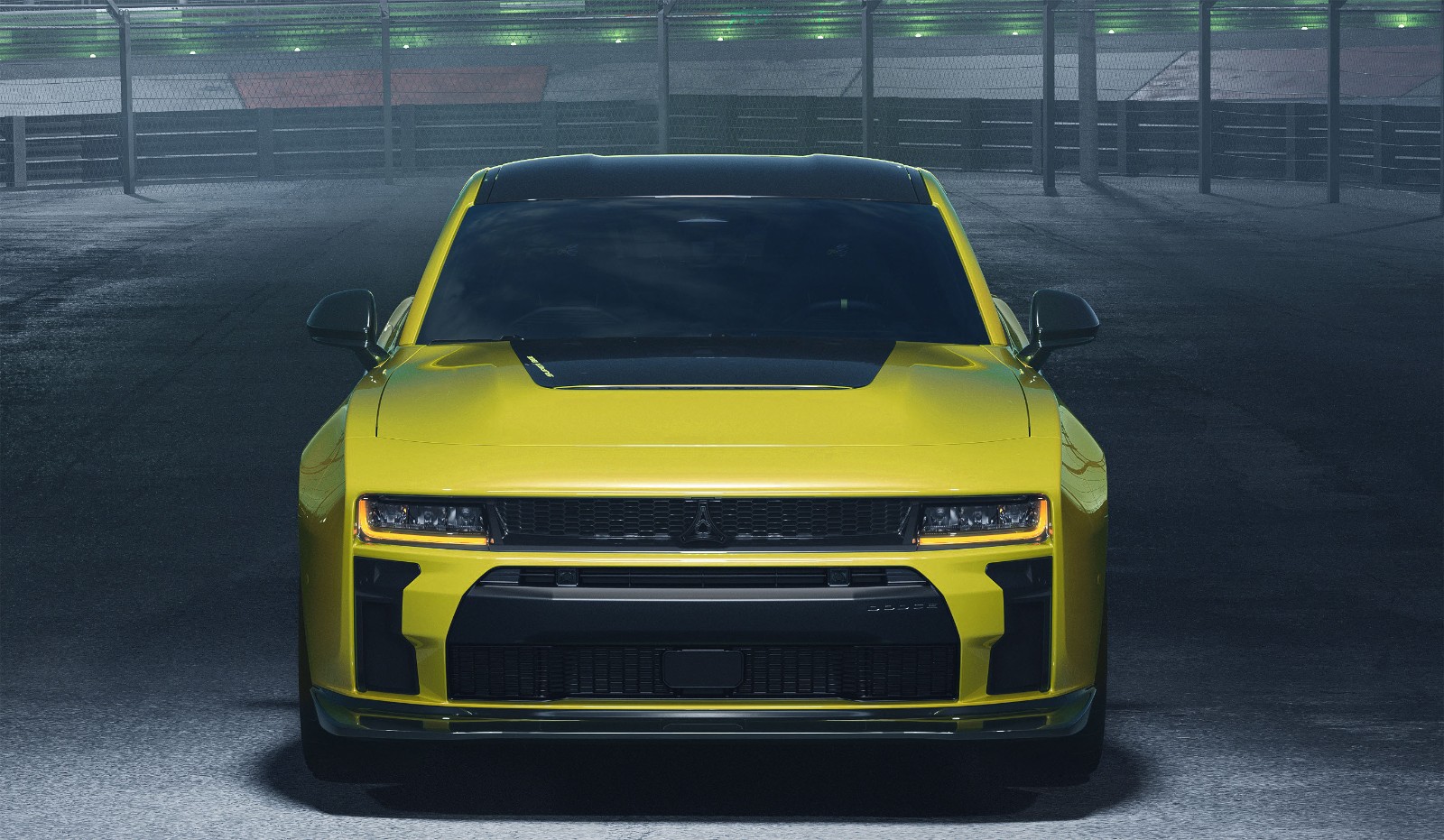
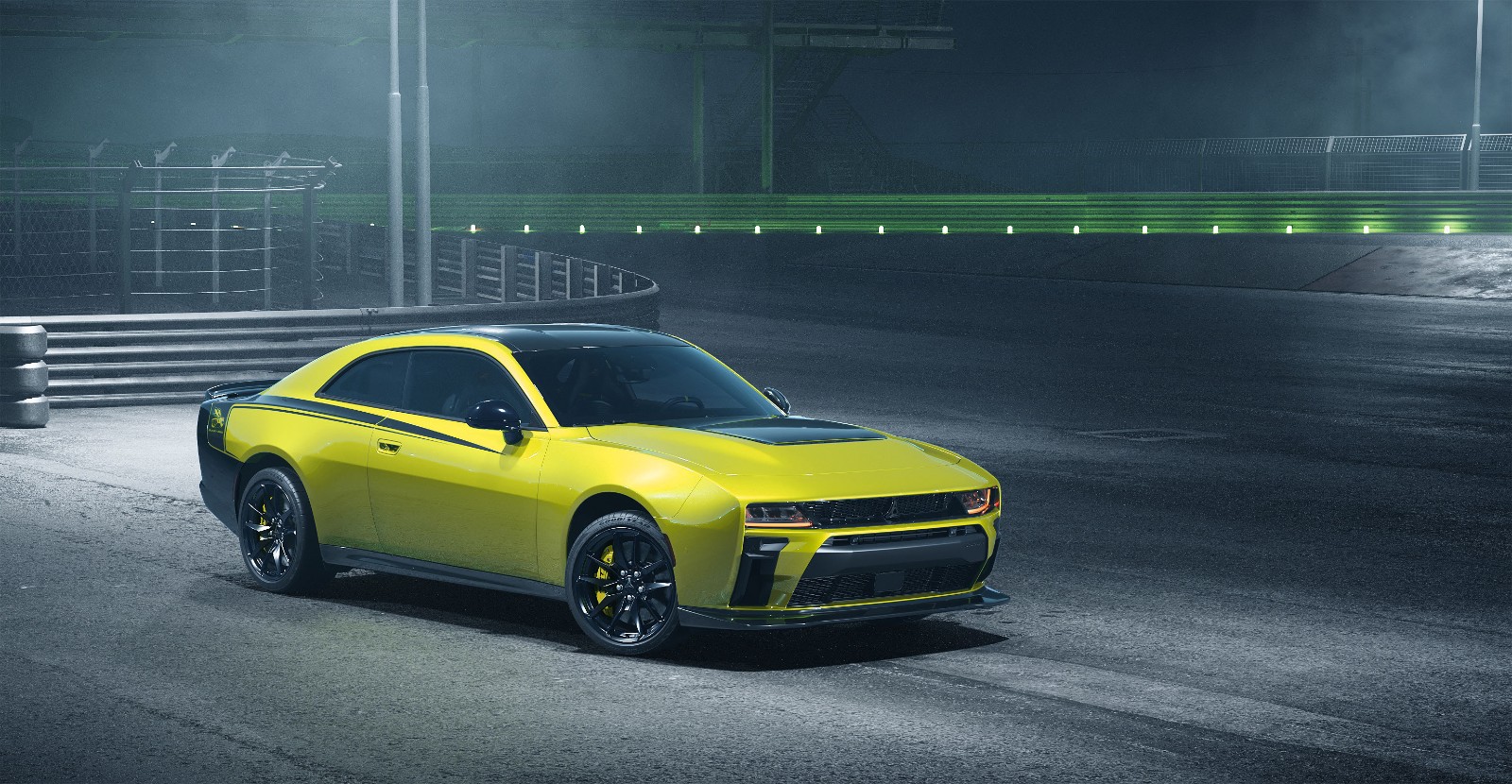
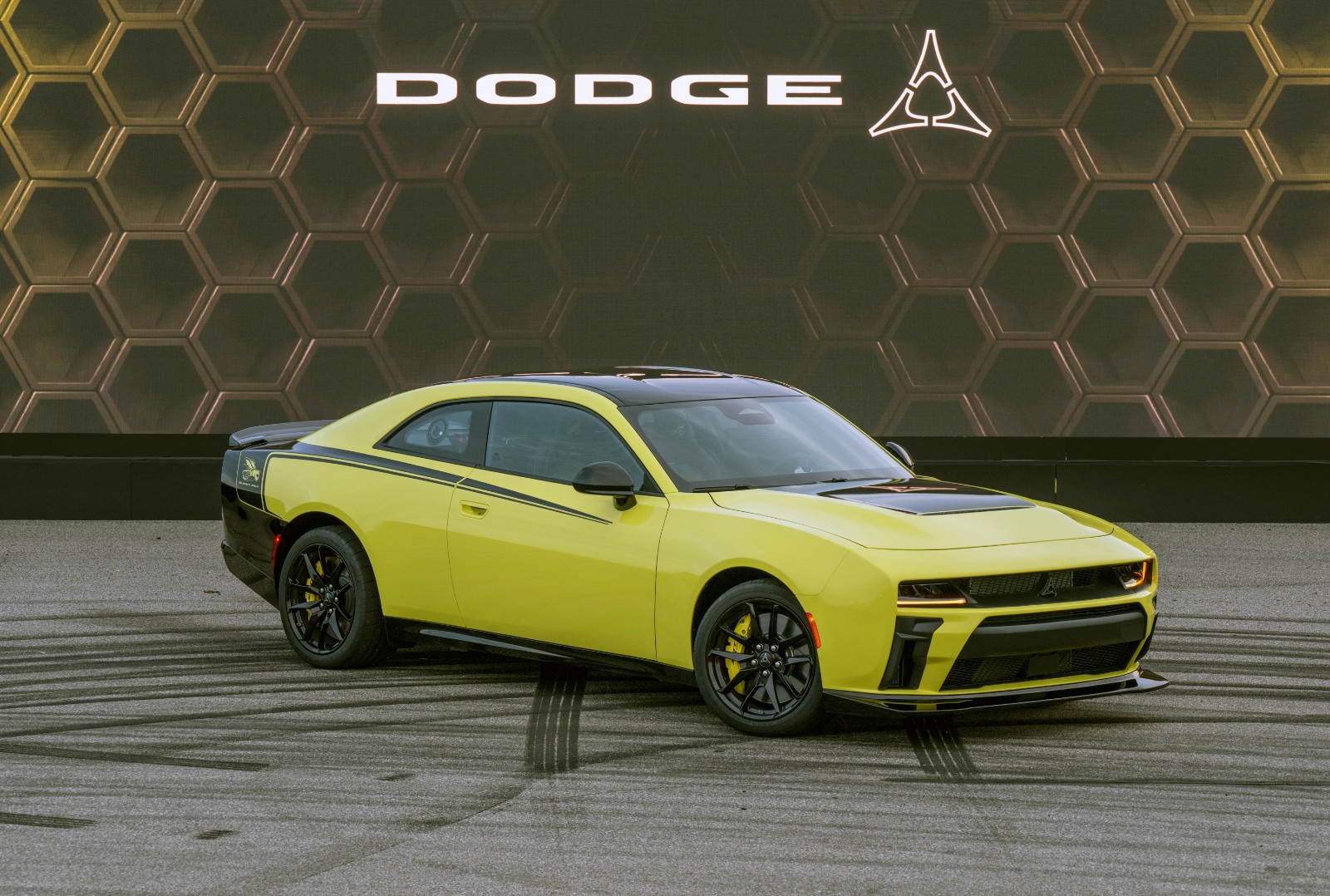
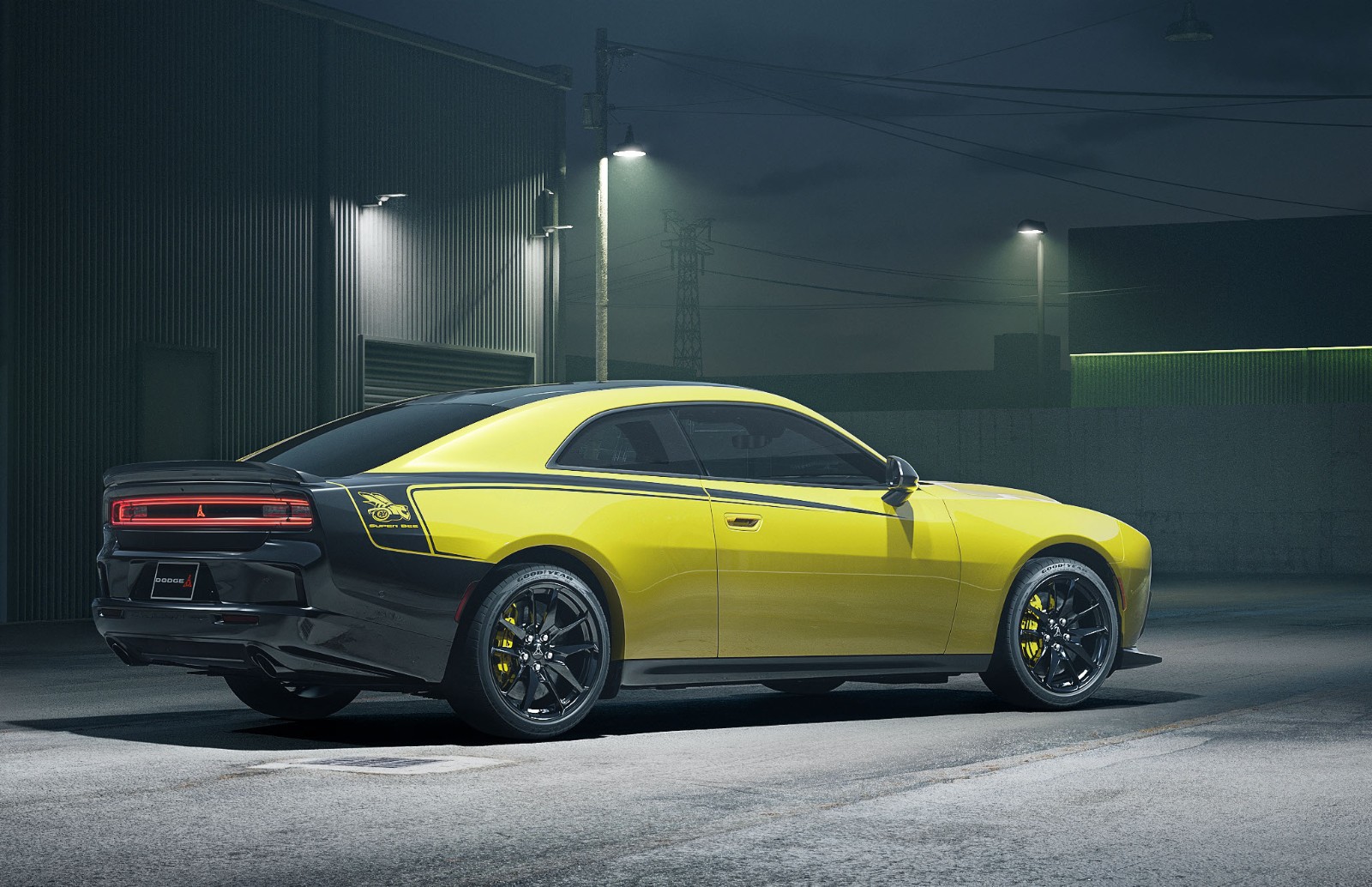
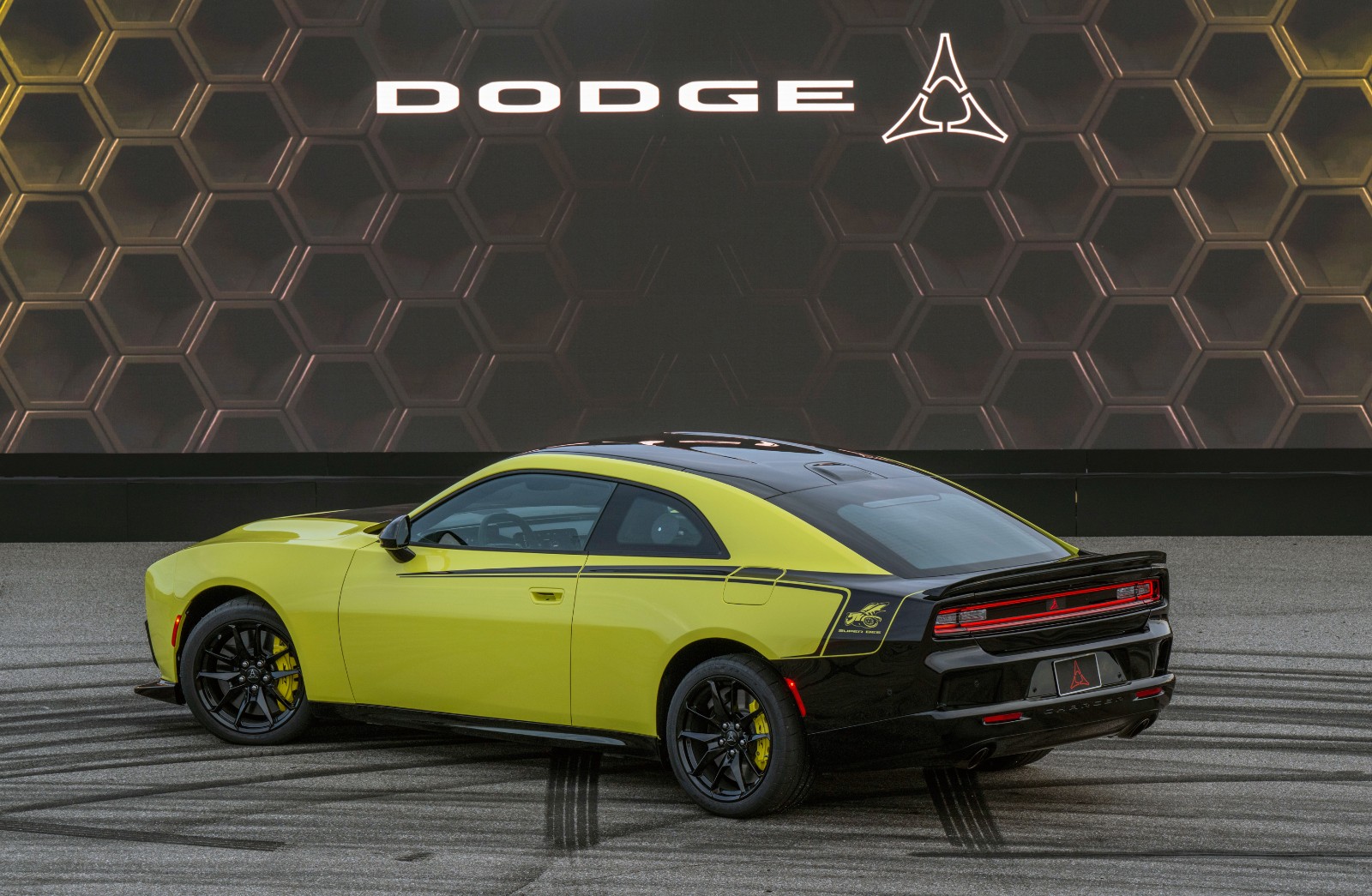
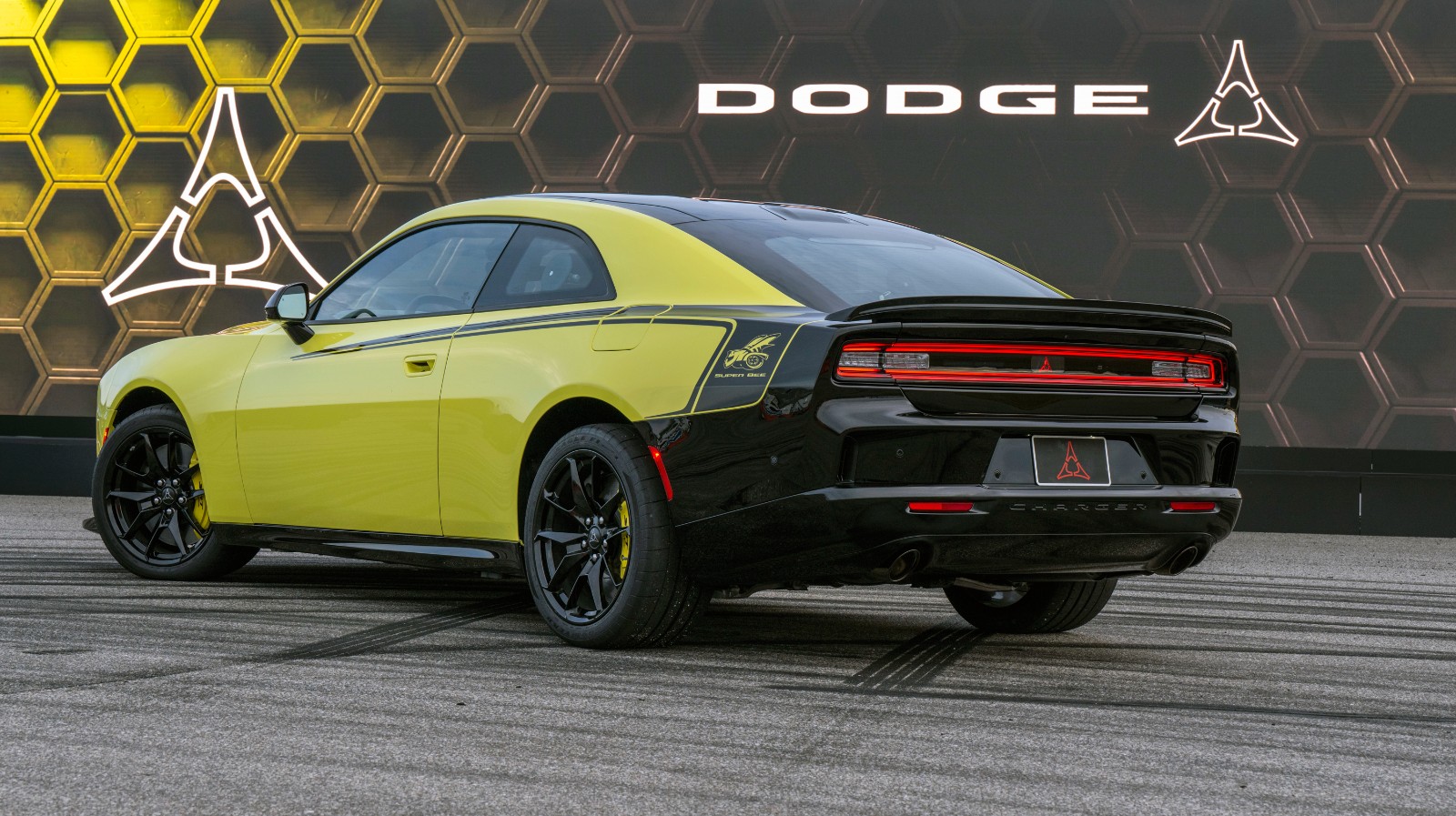
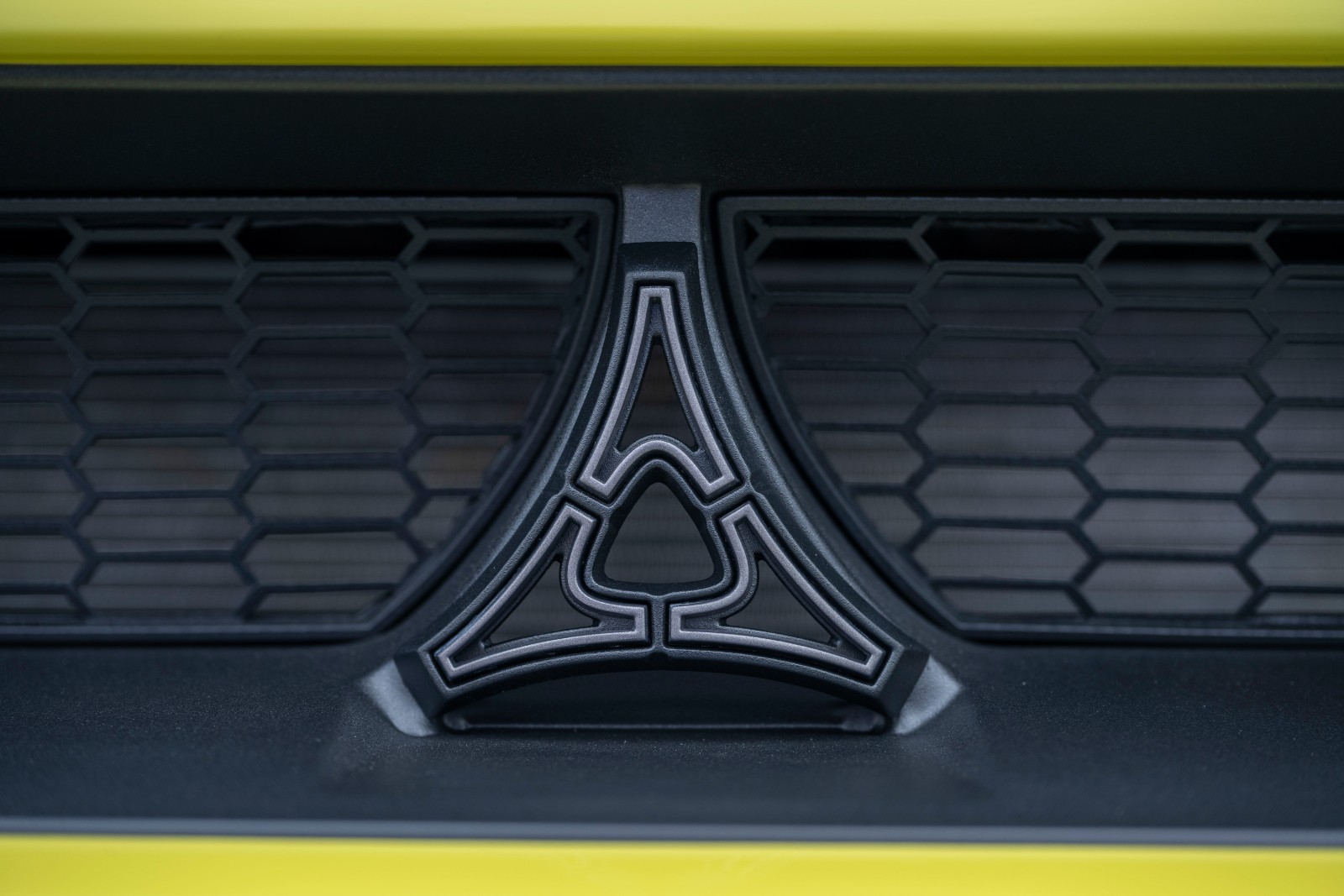
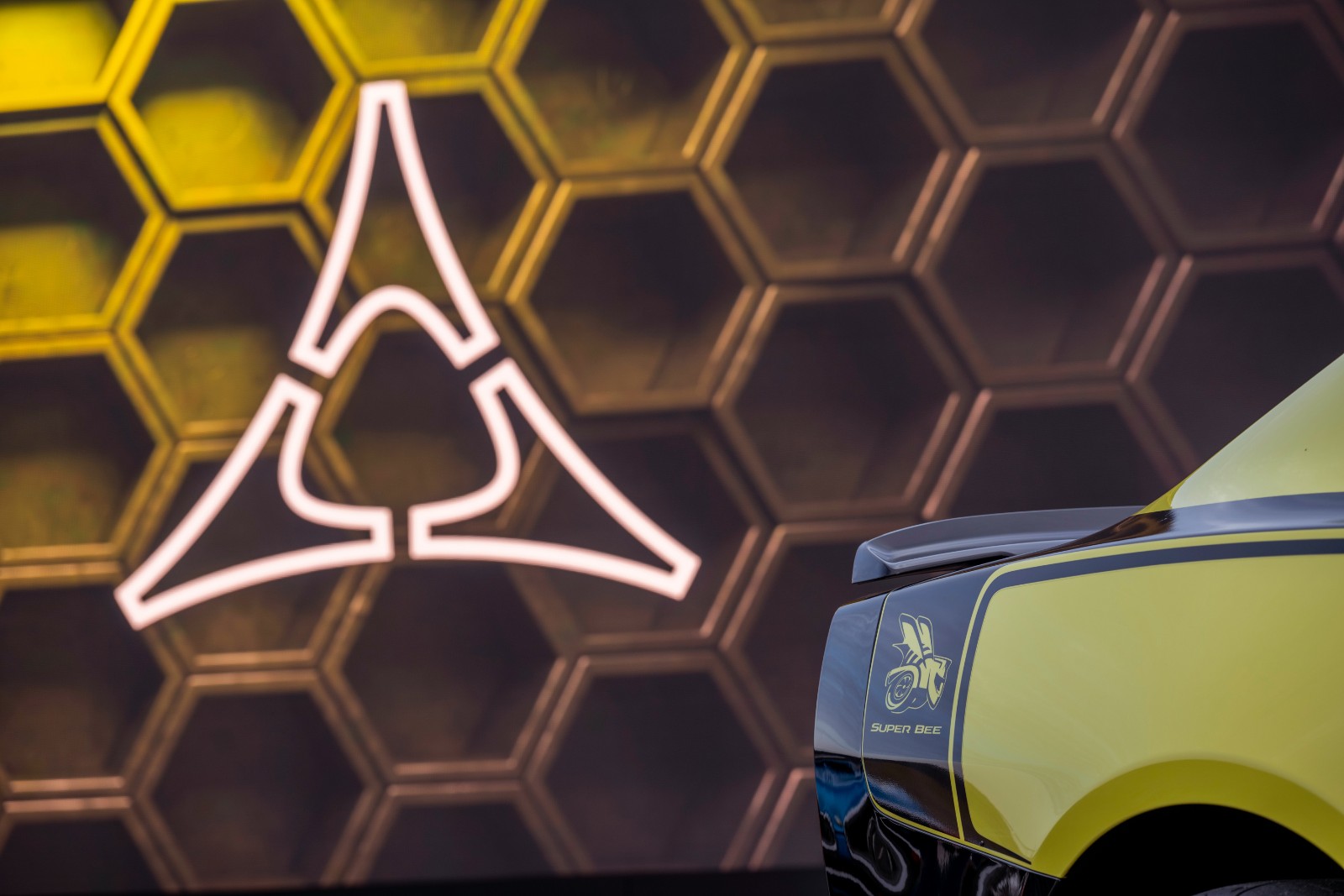
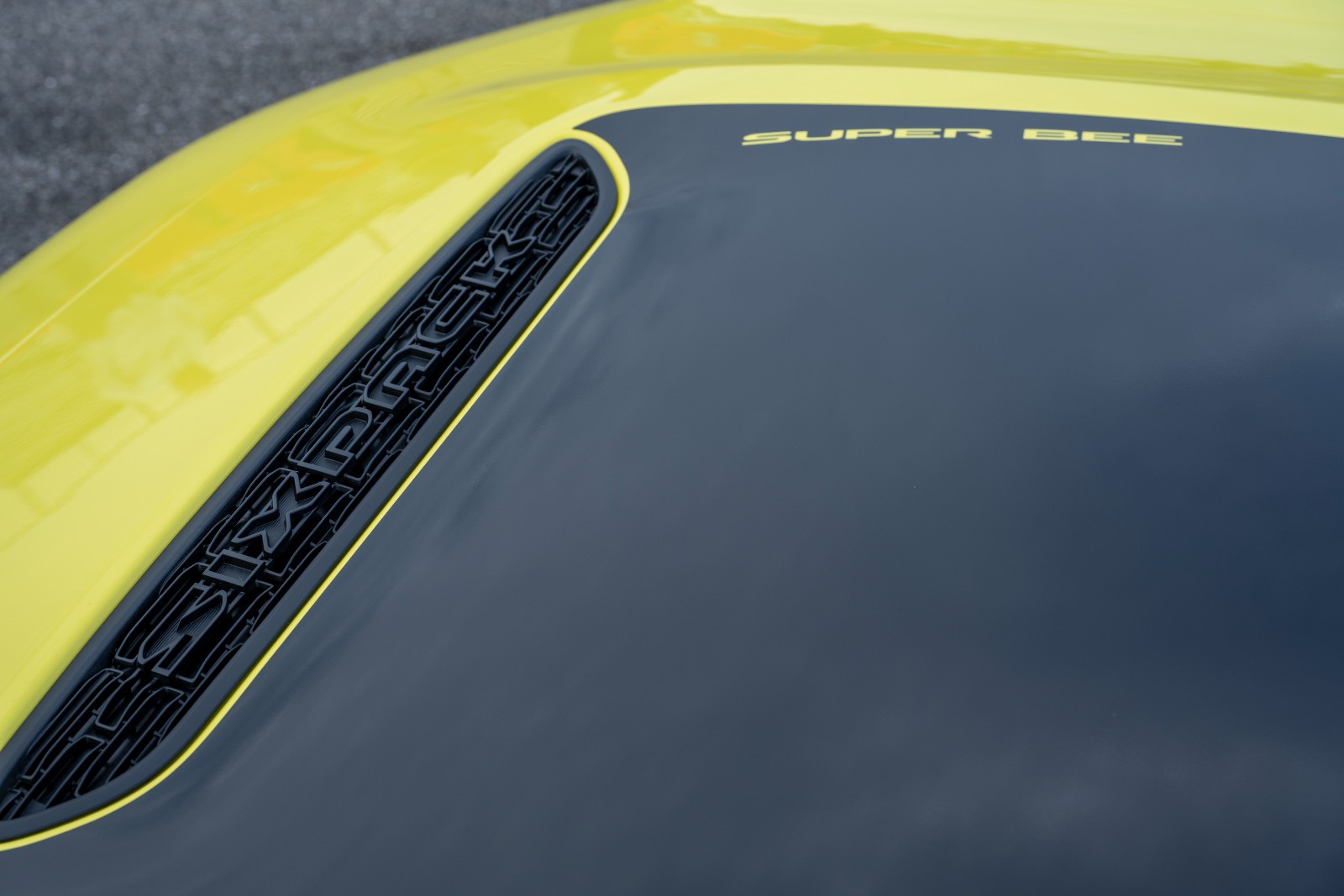
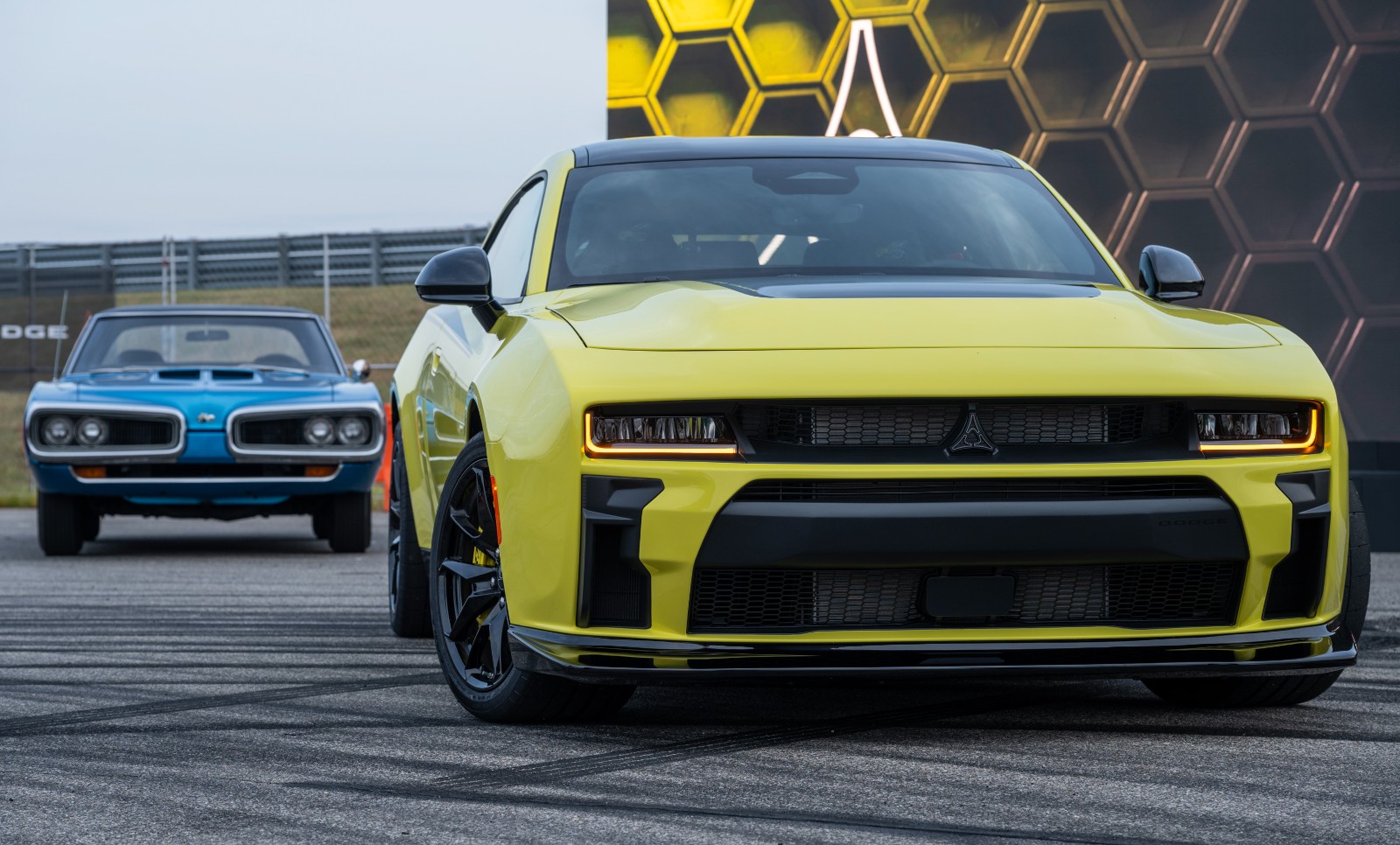
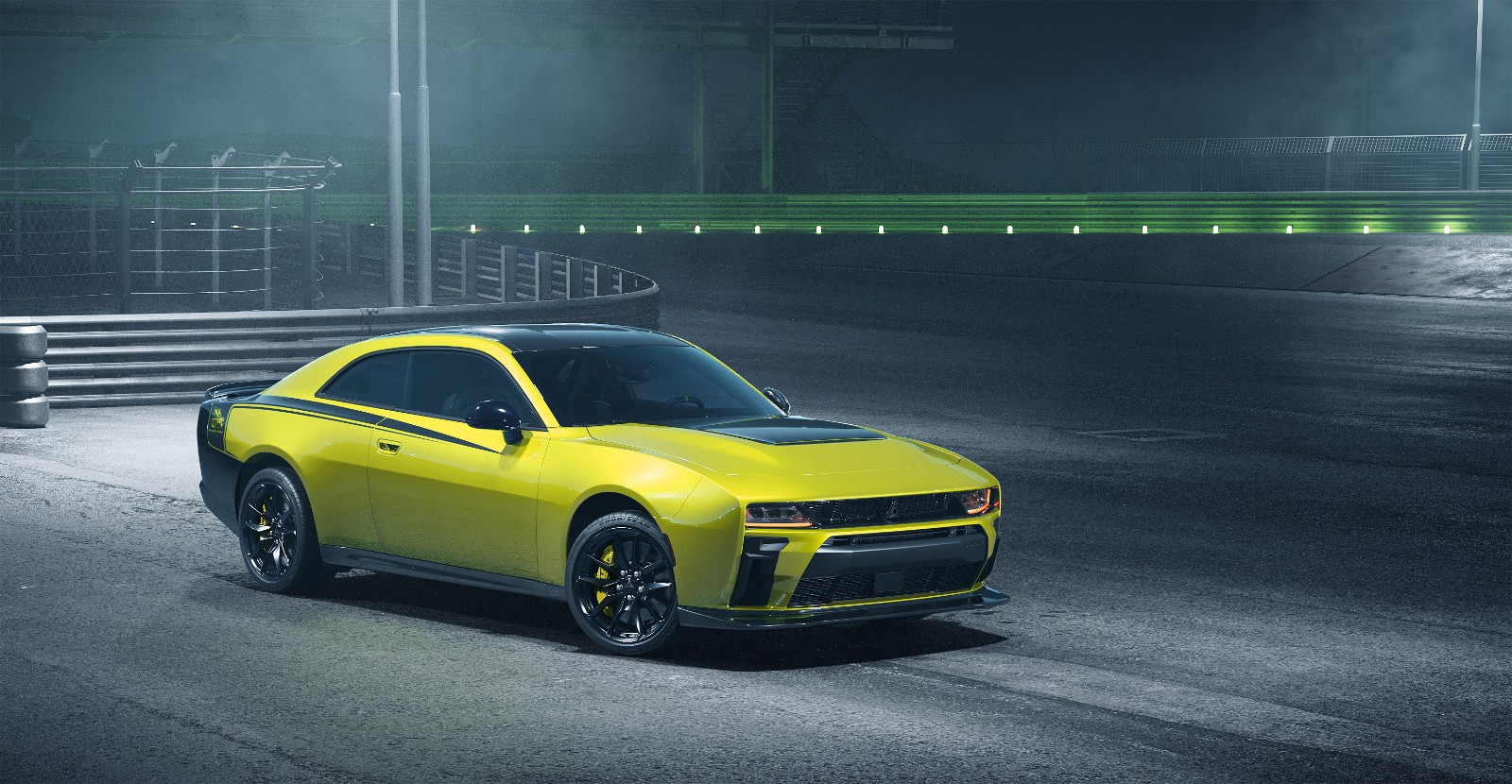
Visually, the Super Bee stands out with a redesigned front bumper featuring larger air ducts that feed the extra cooling radiators, along with exclusive paint options in Sucker Punch yellow or Diamond black, contrast graphics, and badging unique to the trim. Inside, the cabin gets stitched dash accents, a steering wheel center marker, embroidered headrests, bespoke gauge cluster graphics, and a media system with racing telemetry built in. Dodge also added dedicated drive modes for track days, drag racing, and drift sessions (which disconnect the front axle), plus a more aggressive launch control calibration.
Dodge hasn't confirmed production numbers or pricing for this limited-run Super Bee just yet, but the automaker says full details on availability and cost should surface before the year is out.
Gallery