Suzuki Gives Its Ertiga-Based Family Hauler a Second Facelift in Indonesia
Suzuki's seven-seat XL7 borrows nothing but a name from the old Grand Vitara XL7, yet its latest nose job and tech bump make it a far more convincing budget people-mover.
Suzuki once built a proper body-on-frame seven-seater called the Grand Vitara XL7, sold in Russia and elsewhere between 1998 and 2009. That nameplate has nothing to do with the current XL7 sold in Indonesia, or its Indian twin the XL6, both of which are dressed-up versions of the humble Ertiga minivan. The confusing naming convention actually makes sense on paper: the numeral in each name reflects seating capacity, six or seven, depending on the market.
The Indonesian-spec XL7, which genuinely seats seven, has now received its second update since the model line was refreshed four years ago. Suzuki chose to reveal the Indonesian version first, likely because it will later be exported across Southeast Asia, while the Indian XL6 is expected to get a similar makeover down the road.
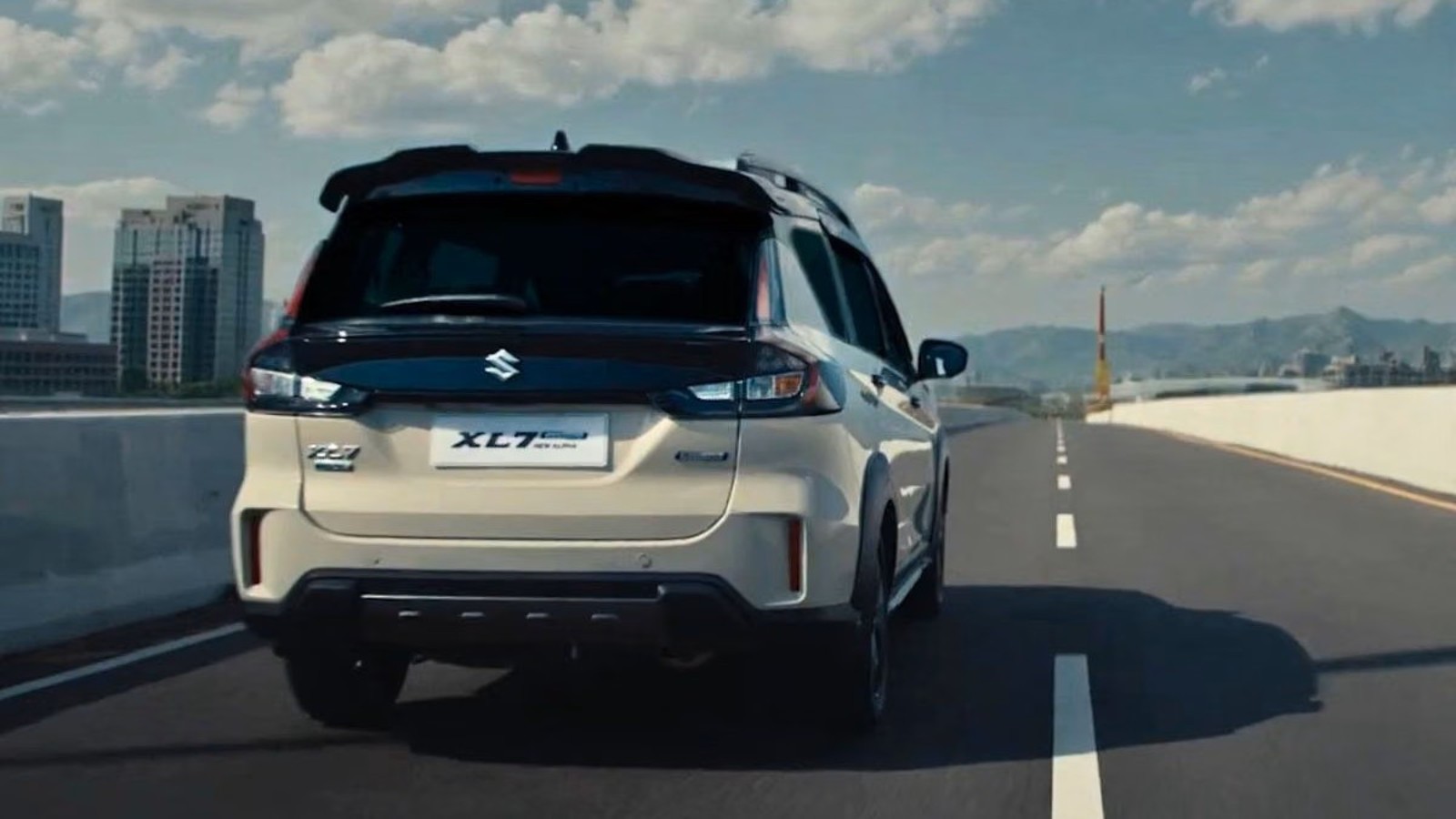
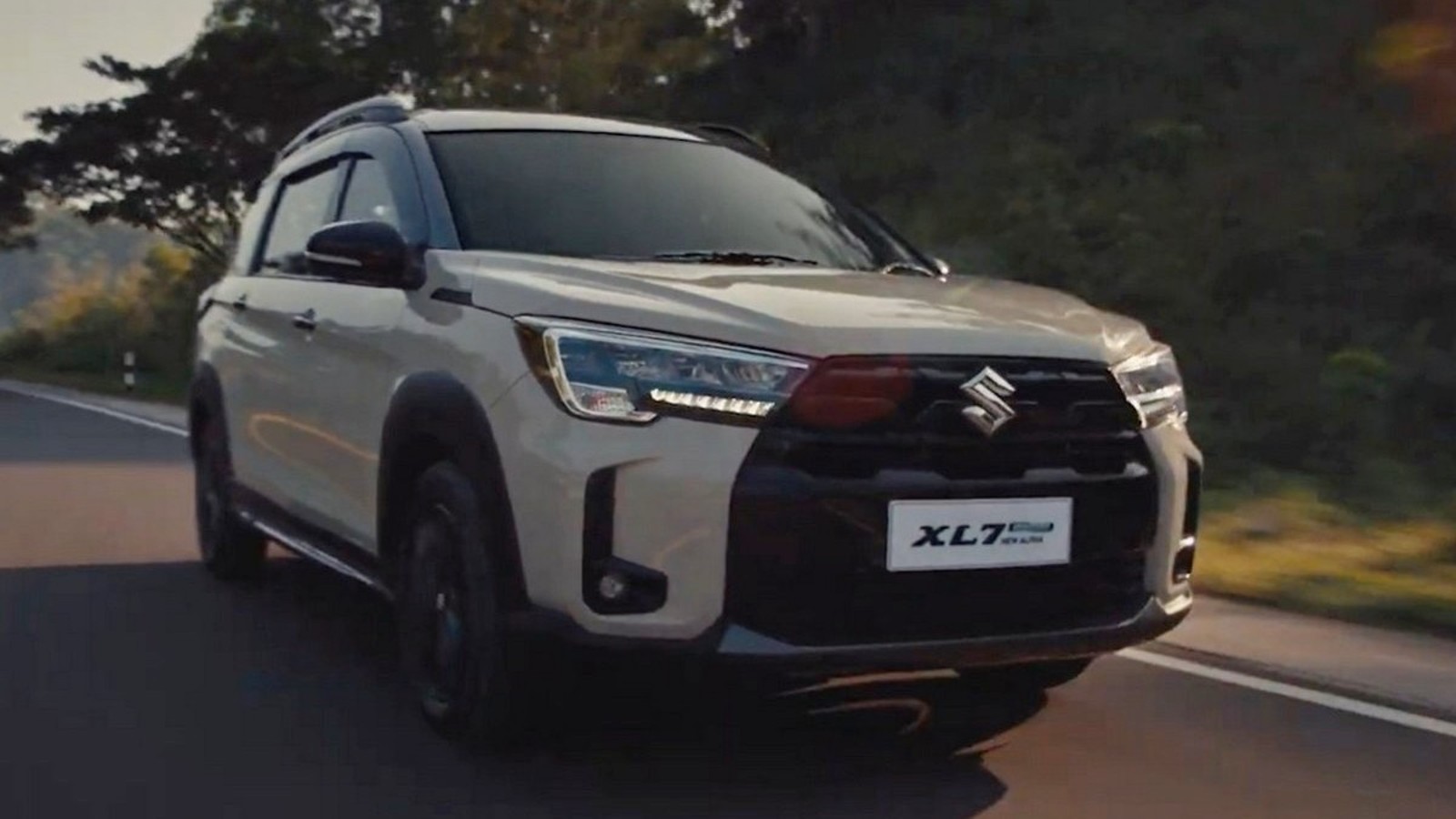
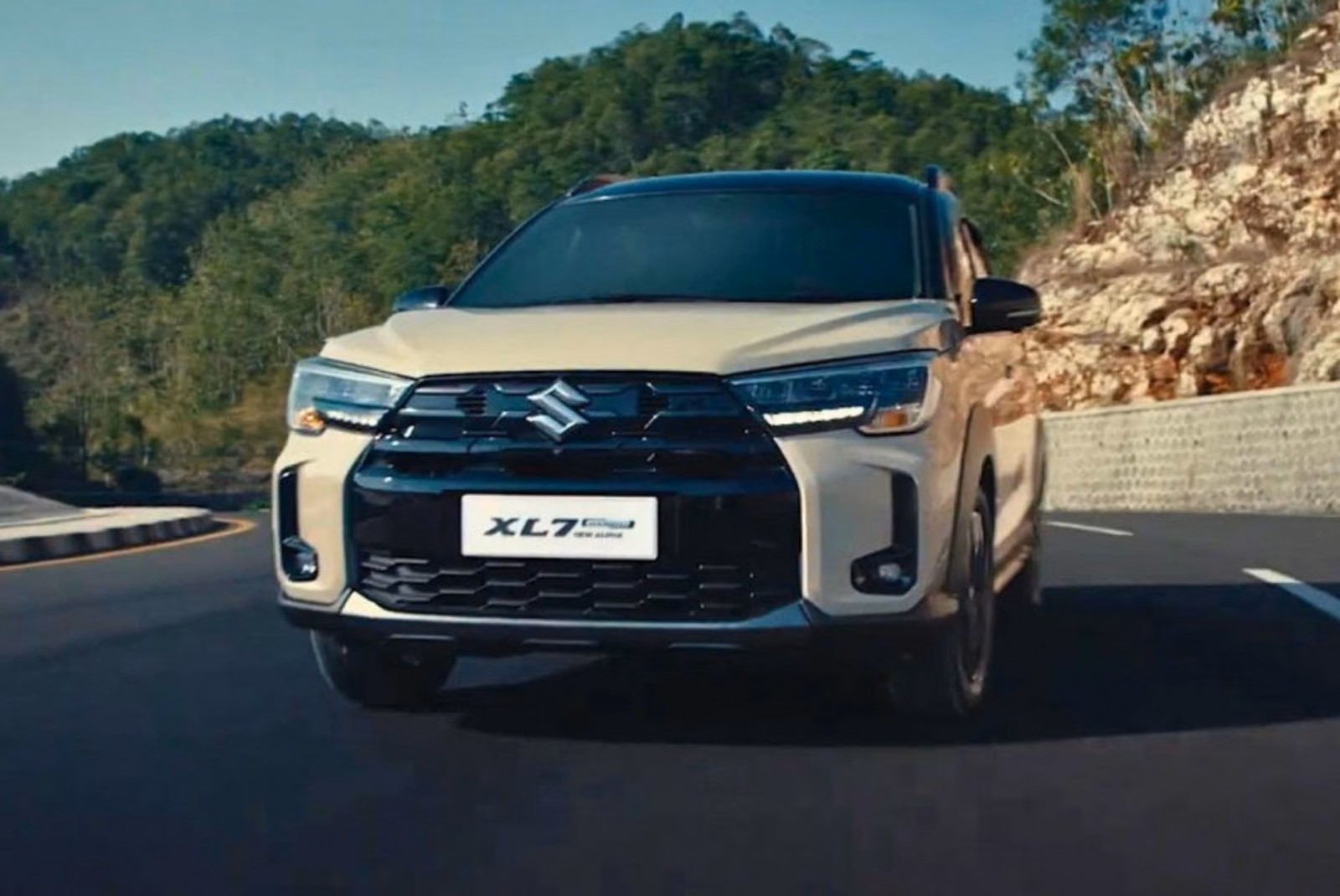
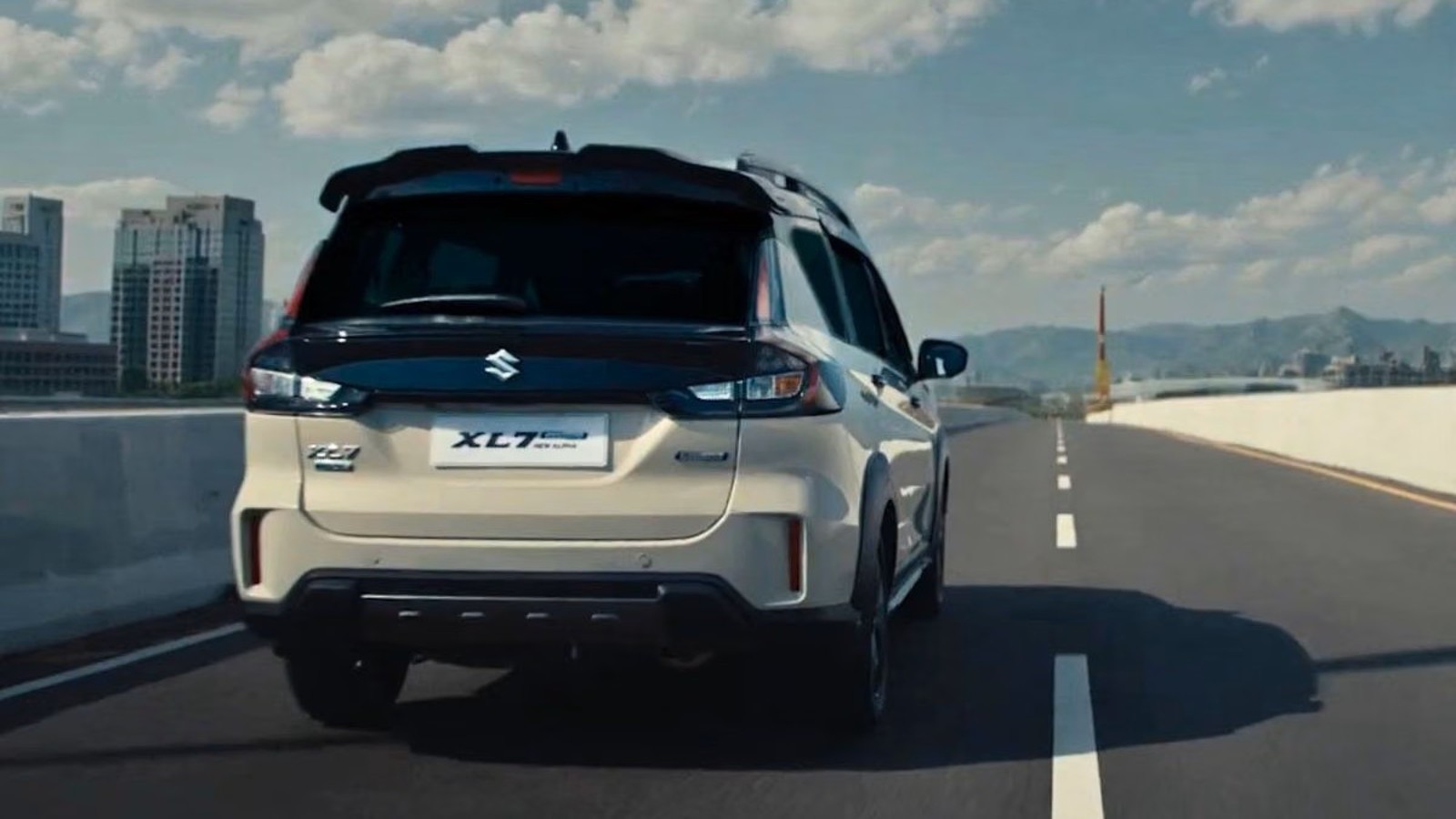
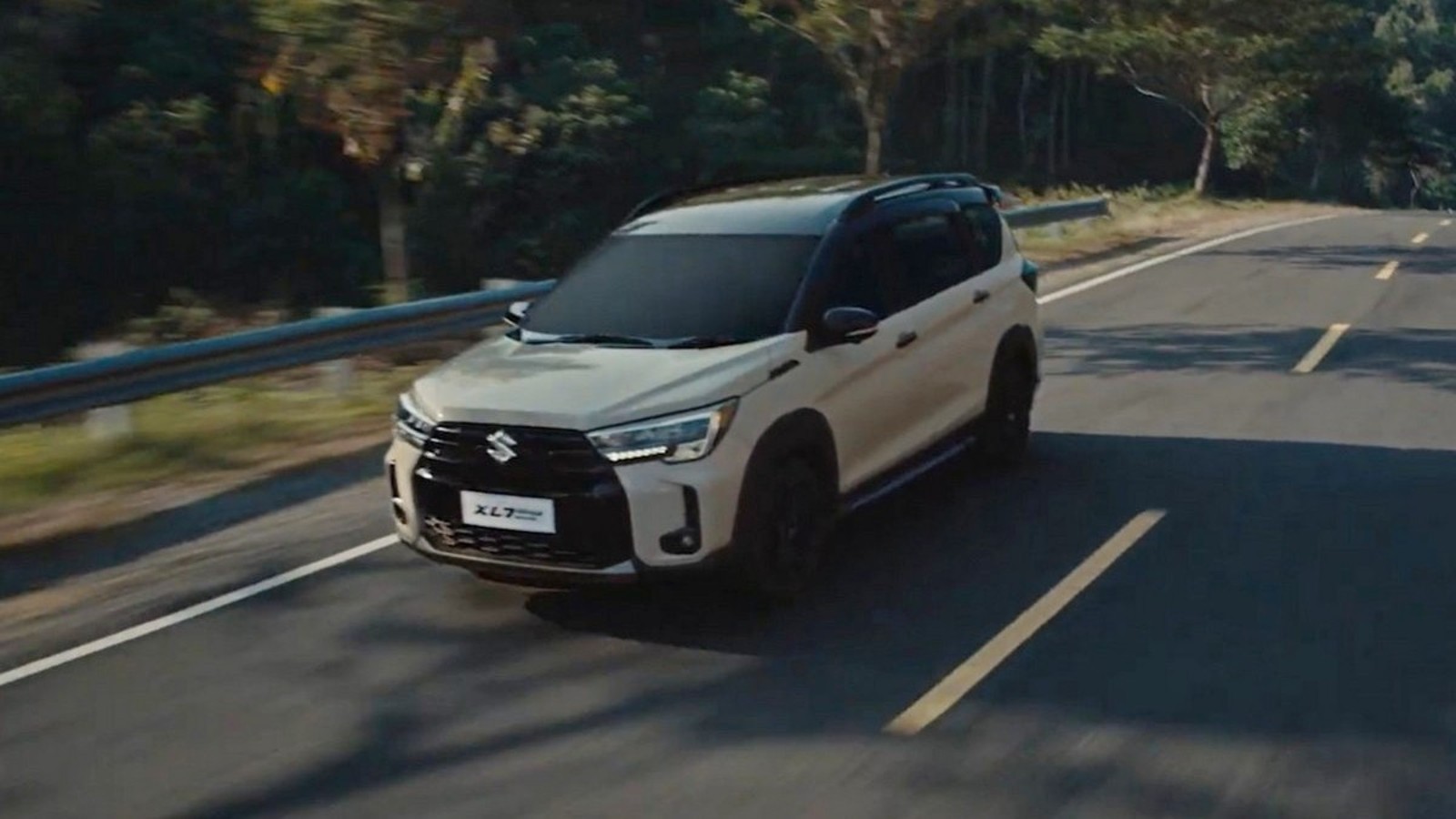
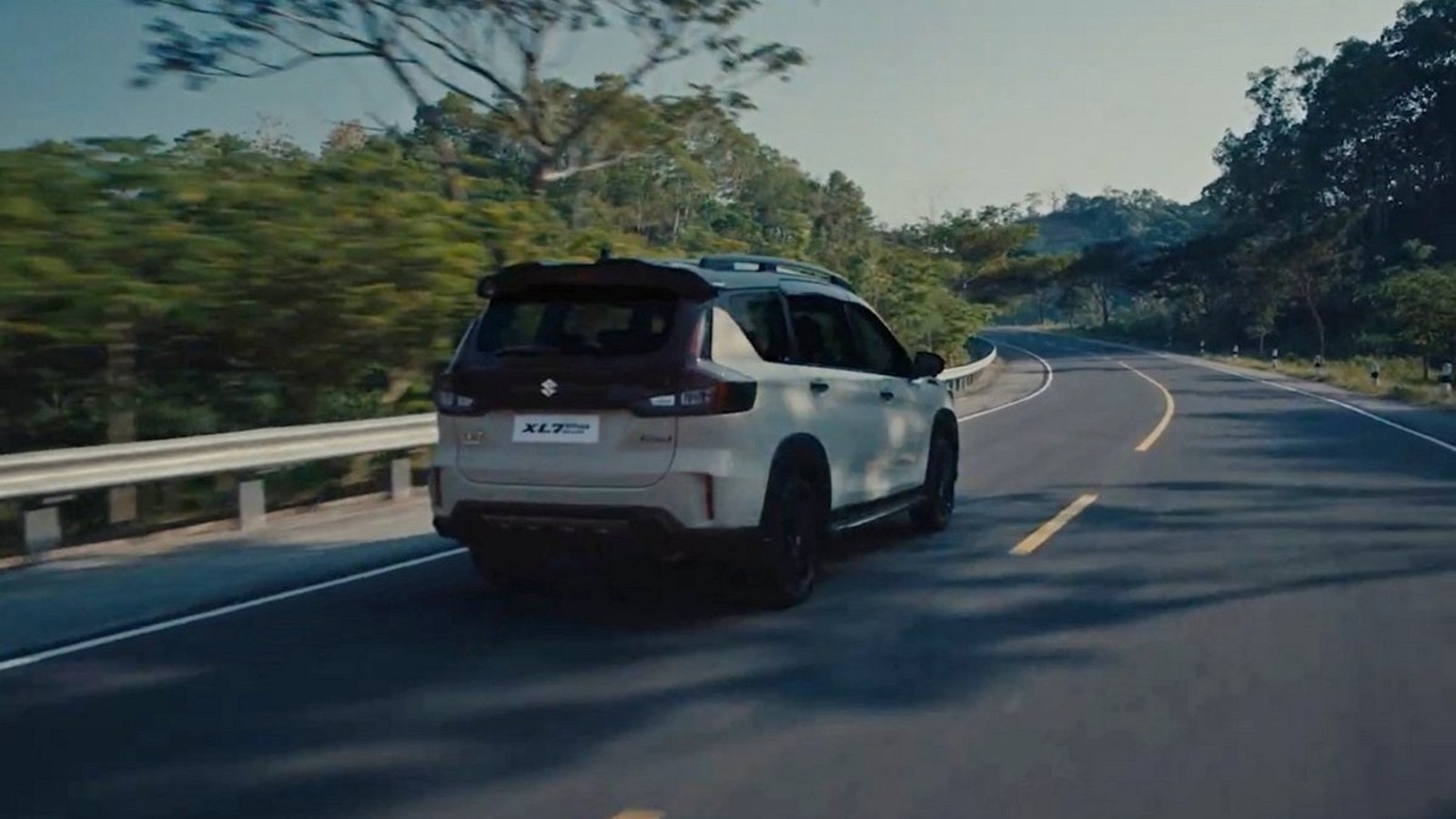
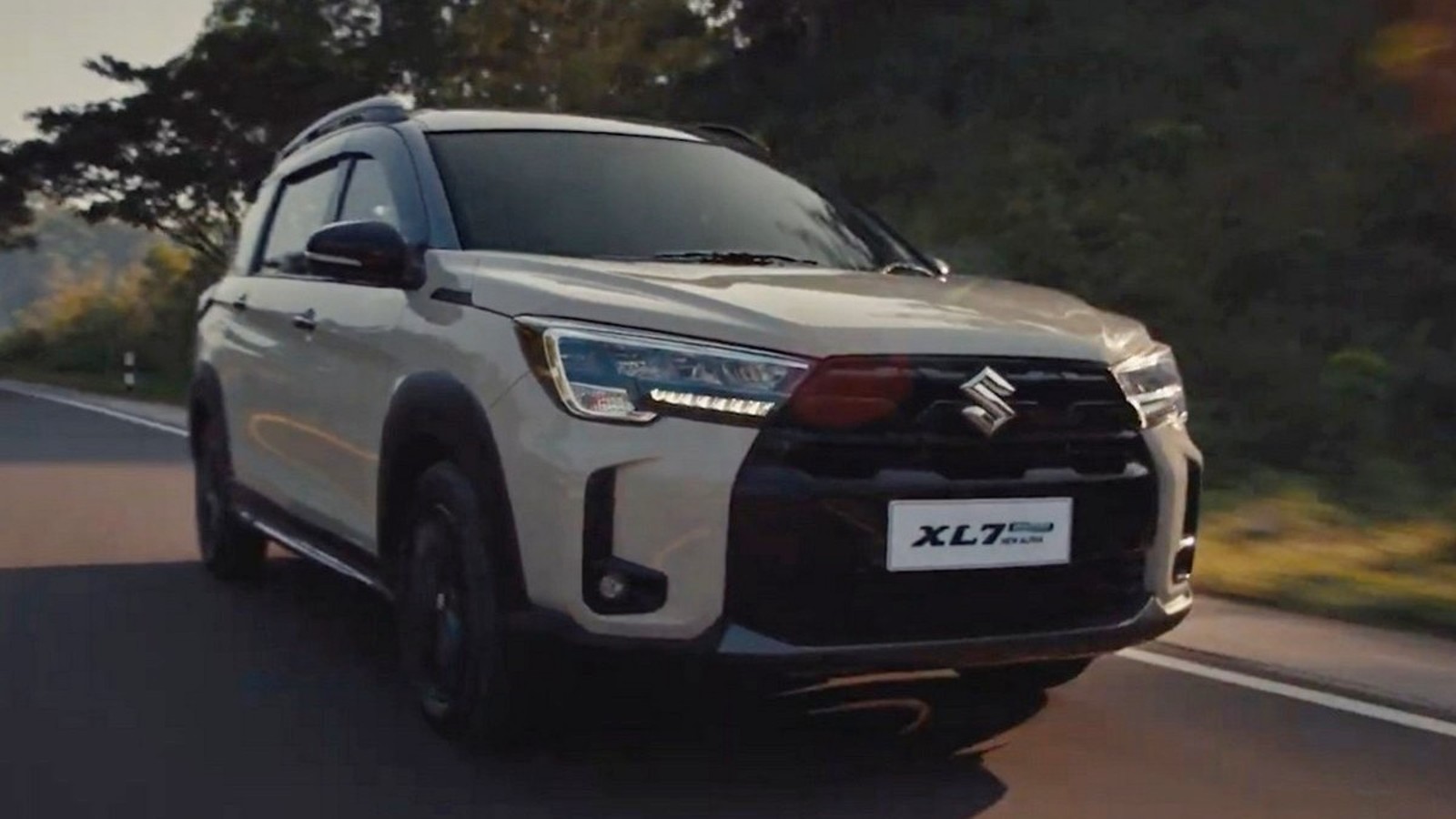
Visually, the changes are all about sharpening the crossover-styled front end that already separated the XL7 from its Ertiga sibling. The bumper is now more sculpted with a black horizontal bar, LED fog lamps have been added, and the grille features chunkier segments that can be finished in chrome depending on trim. New 16-inch wheel designs round out the exterior tweaks, alongside the model's familiar black plastic body cladding that continues to distinguish it from the plainer minivan underneath.
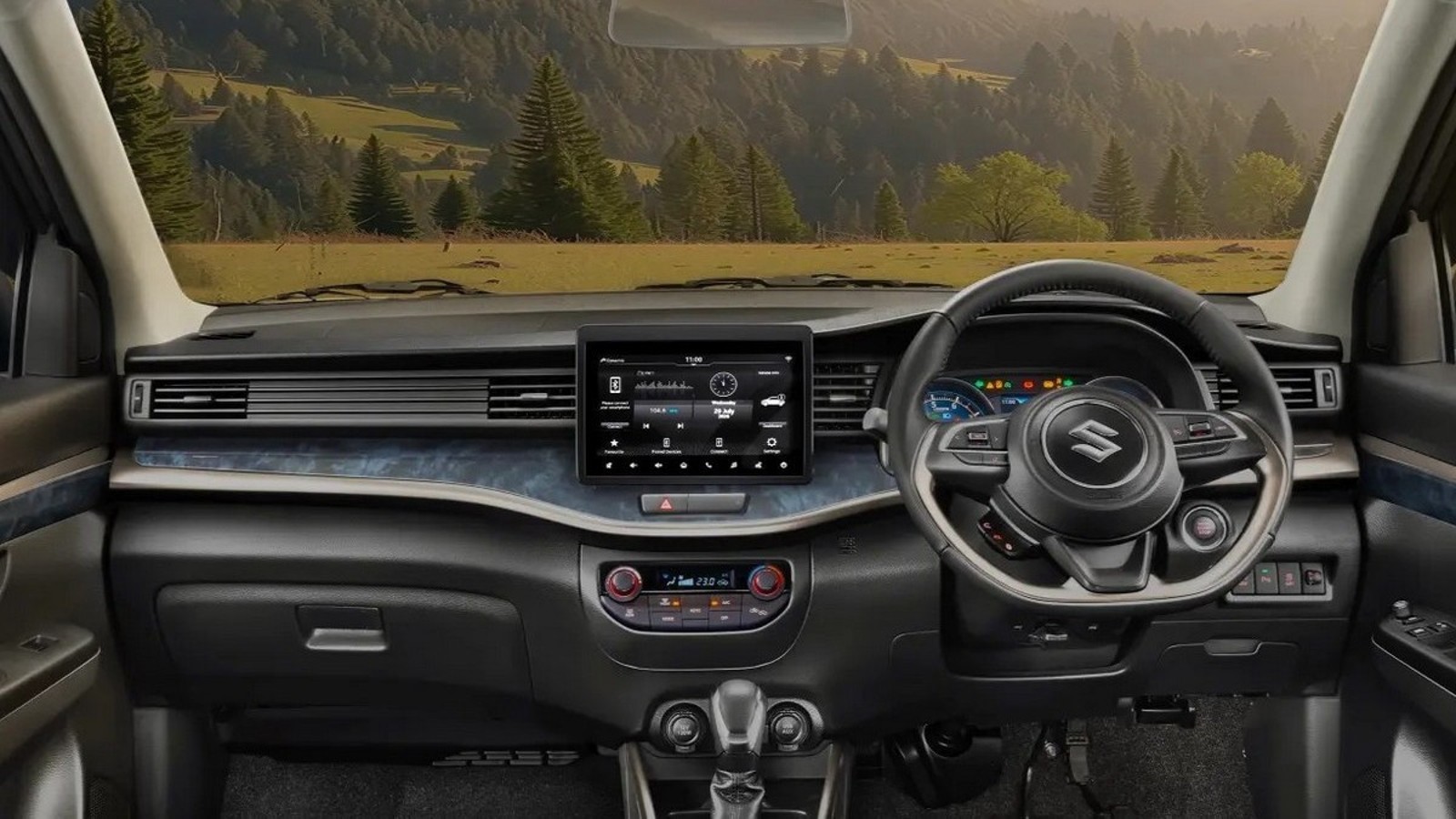
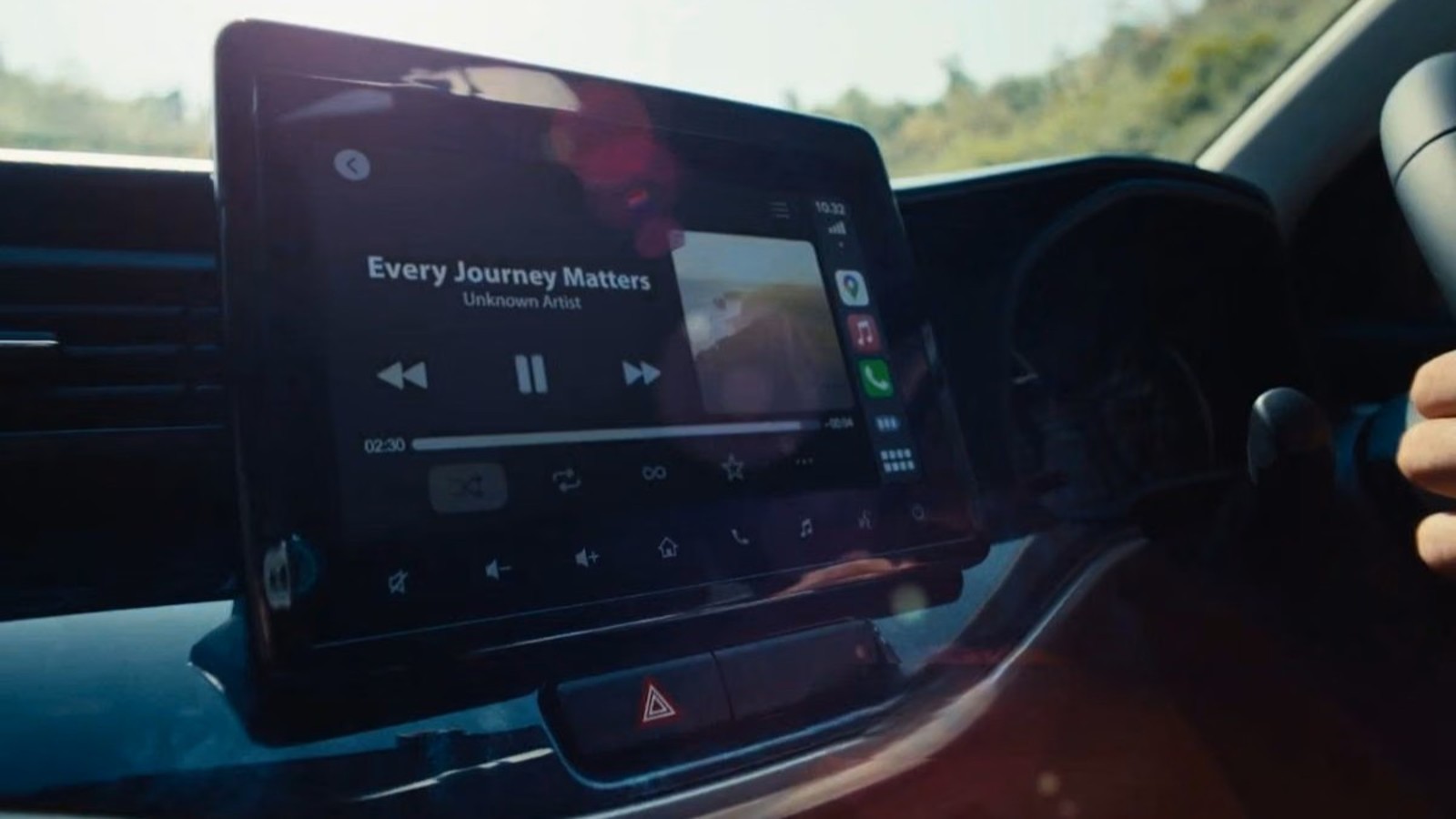
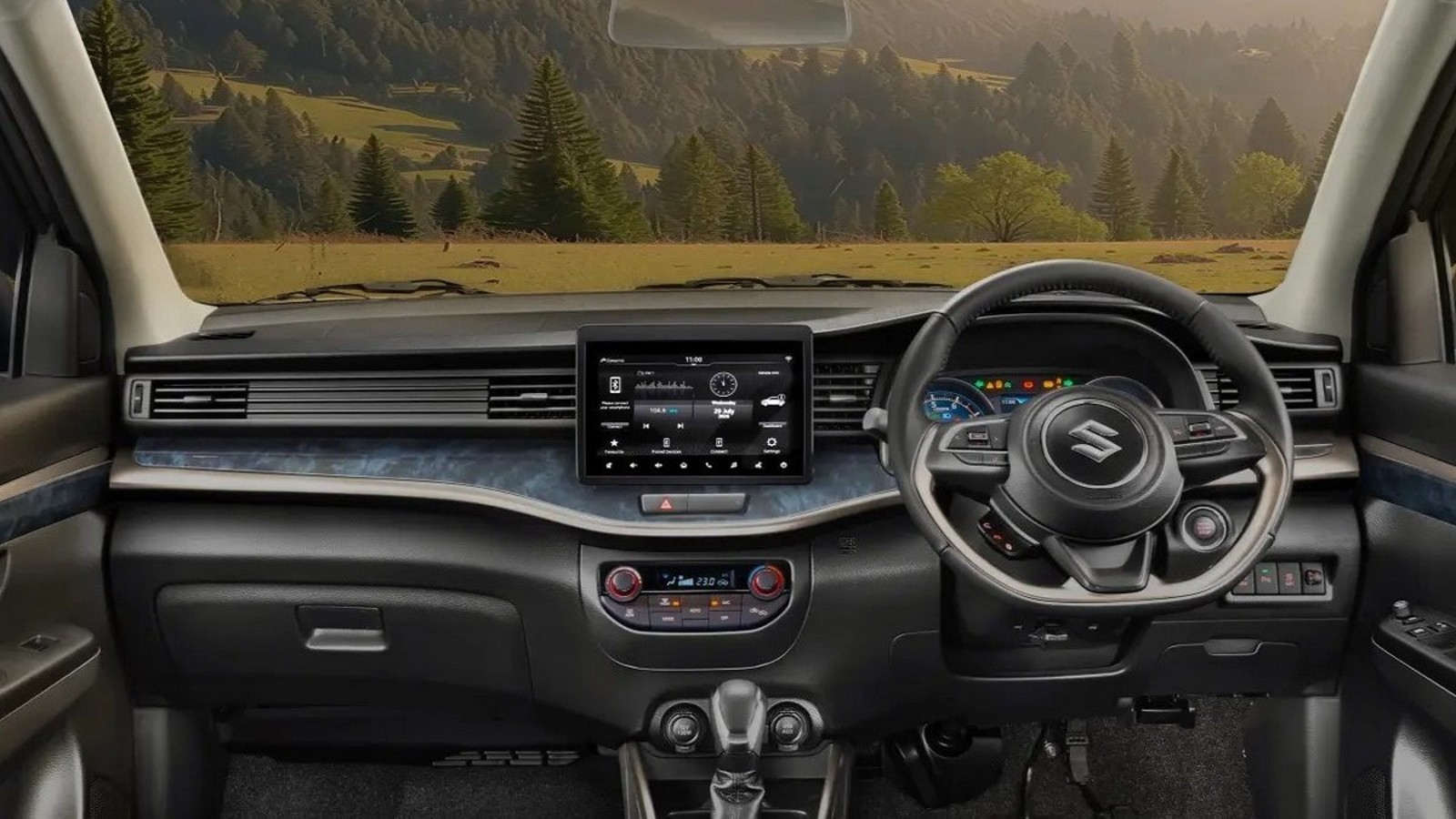
Inside, the seven-seat layout carries over unchanged, but the trim materials and decorative elements have been refreshed. The bigger news is technology: even the base trim now comes standard with a 9-inch touchscreen supporting Apple CarPlay and Android Auto, replacing the previous 8-inch unit. Range-topping versions add a 360-degree camera system and a factory-fitted dash cam, giving the little crossover-van a surprisingly generous features list for its price bracket.
Mechanically, nothing has changed. The 1.5-liter naturally aspirated K15B gasoline engine still produces 105 horsepower, paired with either a five-speed manual or a four-speed automatic, sending power exclusively to the front wheels. Higher-spec models continue to offer a mild-hybrid assist system for slightly improved efficiency.
In Indonesia, the updated XL7 is priced between 274.3 and 329.7 million rupiah, roughly 15,000 to 18,000 US dollars, positioning it firmly as an affordable family vehicle. Locally built units are set to be exported to other Southeast Asian markets soon, while buyers of the Indian XL6 will have to wait for their turn at a similar refresh, expected to closely follow the Indonesian blueprint.
Gallery