Olinia Uno Becomes Mexico’s First National Electric Vehicle
Olinia Uno gives Mexico its first national electric vehicle, targeting taxi, ride-share and last-mile mobility with a six-seat microvan priced from about $8,600.
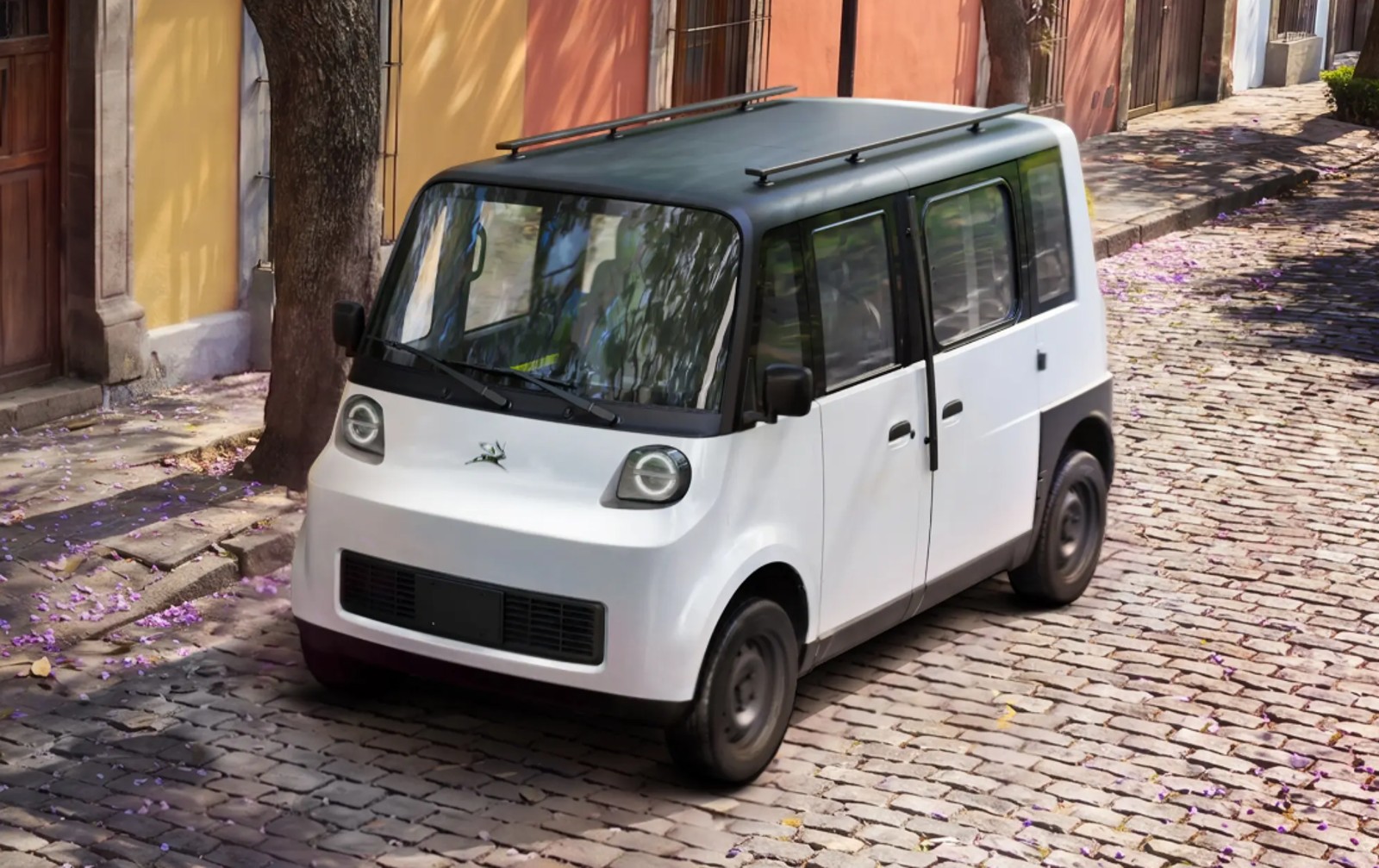
Mexico has introduced its first national electric vehicle, the Olinia Uno, a compact urban EV designed not as a private lifestyle car, but as affordable transport for everyday mobility services.
The project was presented at the Santa Lucía military air base, where Mexican President Claudia Sheinbaum personally drove the Uno onto the stage. That made the debut more than a normal vehicle launch: Olinia is being positioned as a strategic national EV program for Mexico.
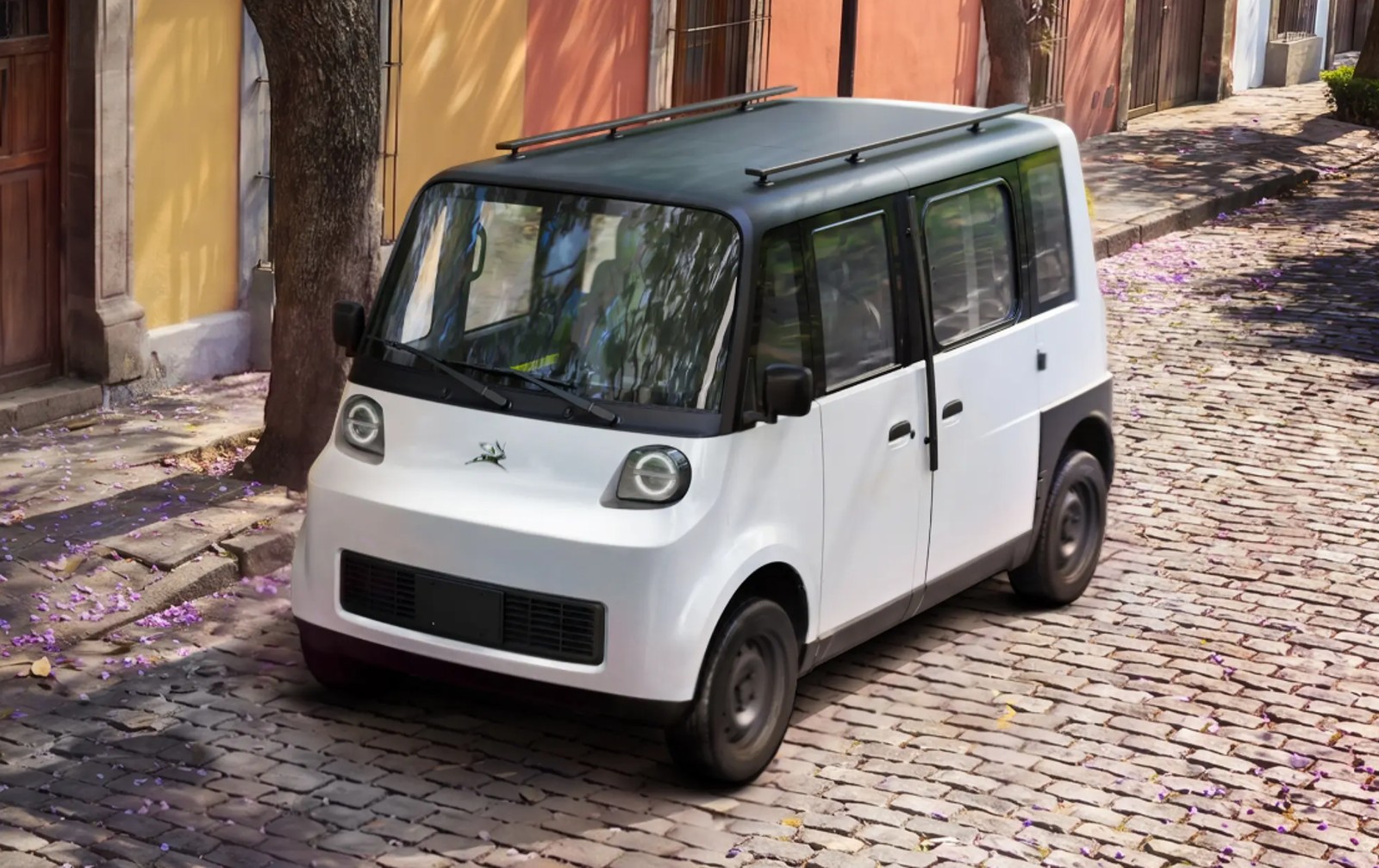
The Uno was developed for practical use in cities, especially last-mile taxi services, short-term rental fleets and low-cost passenger transport. Its shape is closer to a small microvan than a traditional car, with a tall body, rear-hinged back doors and a central pillar.
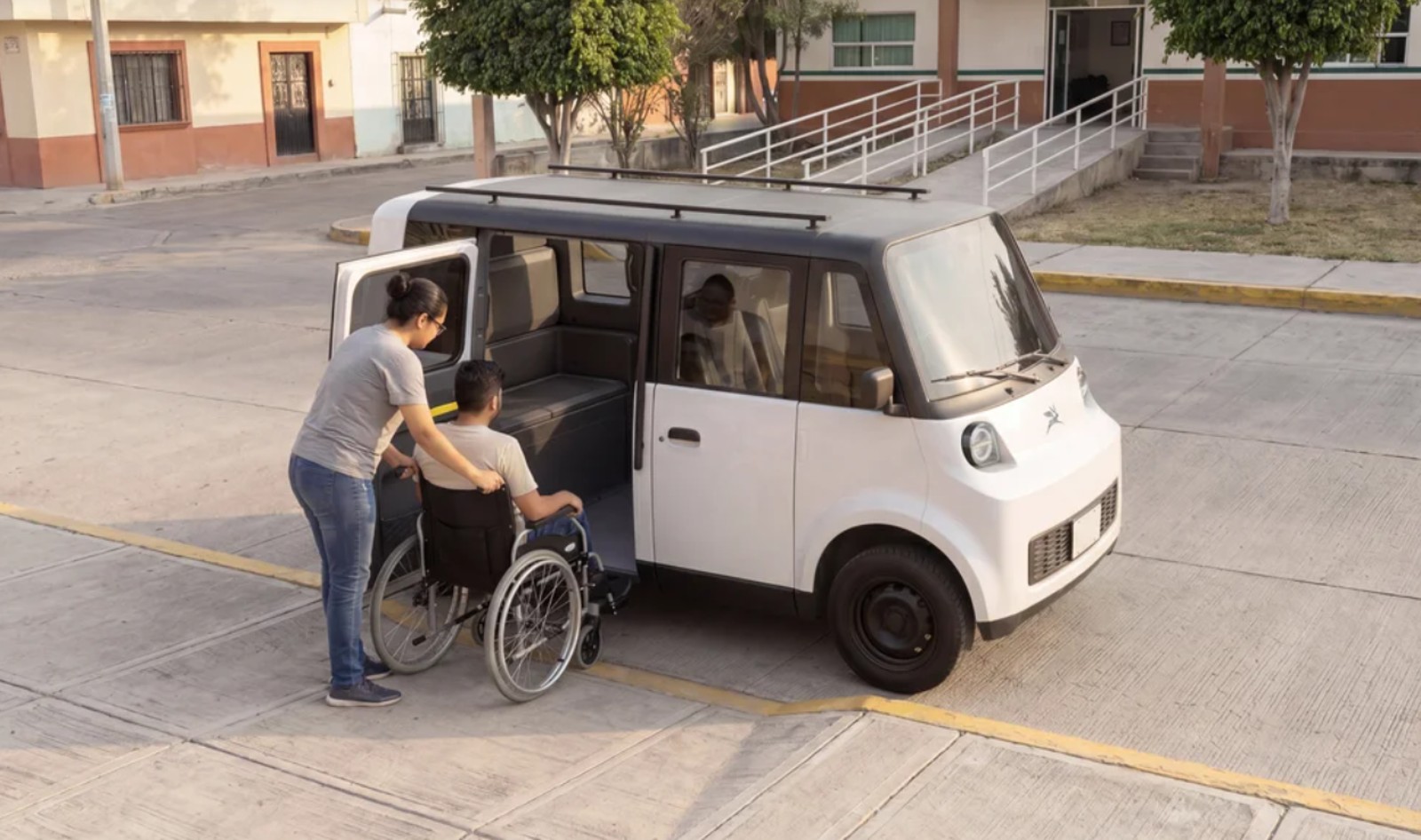
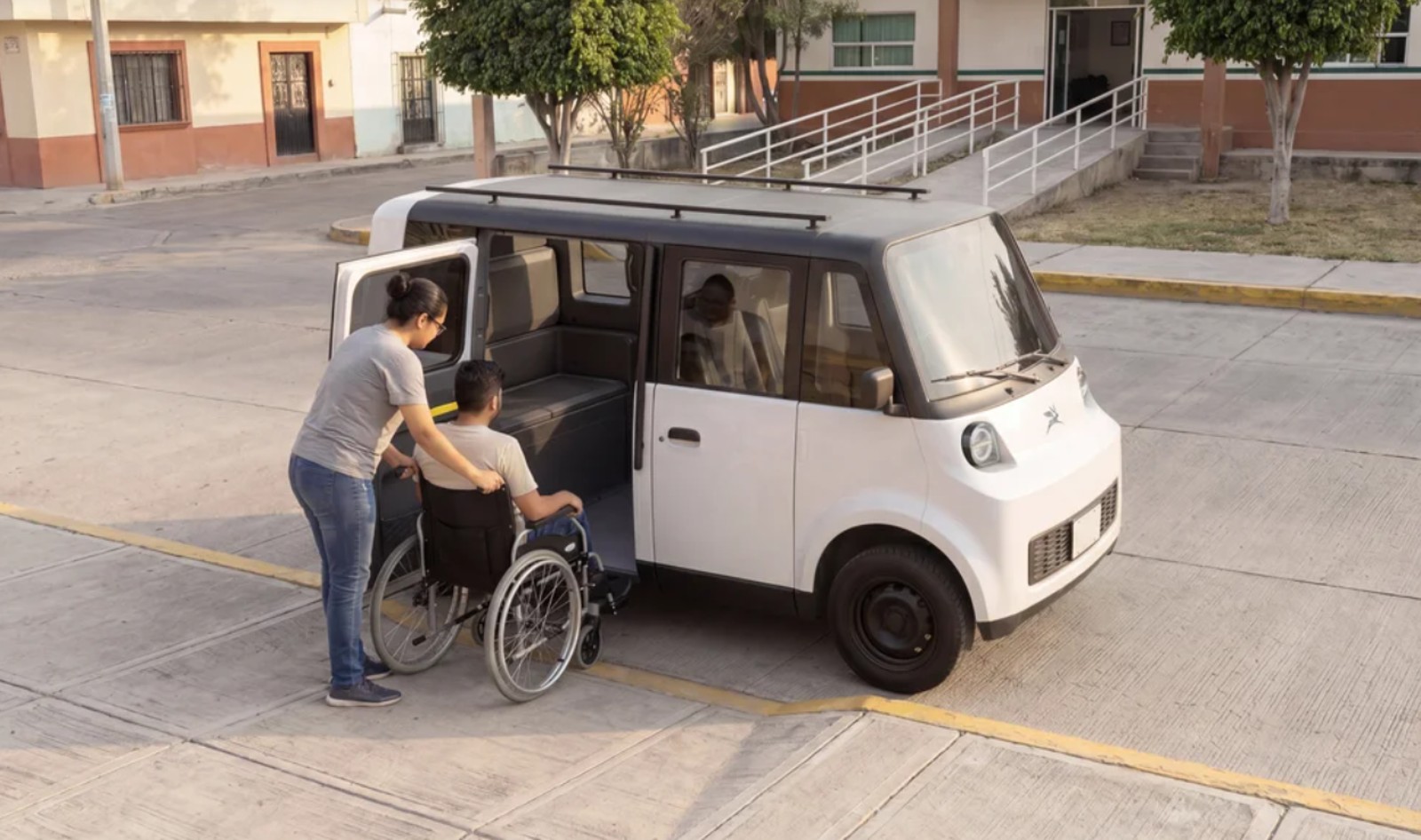
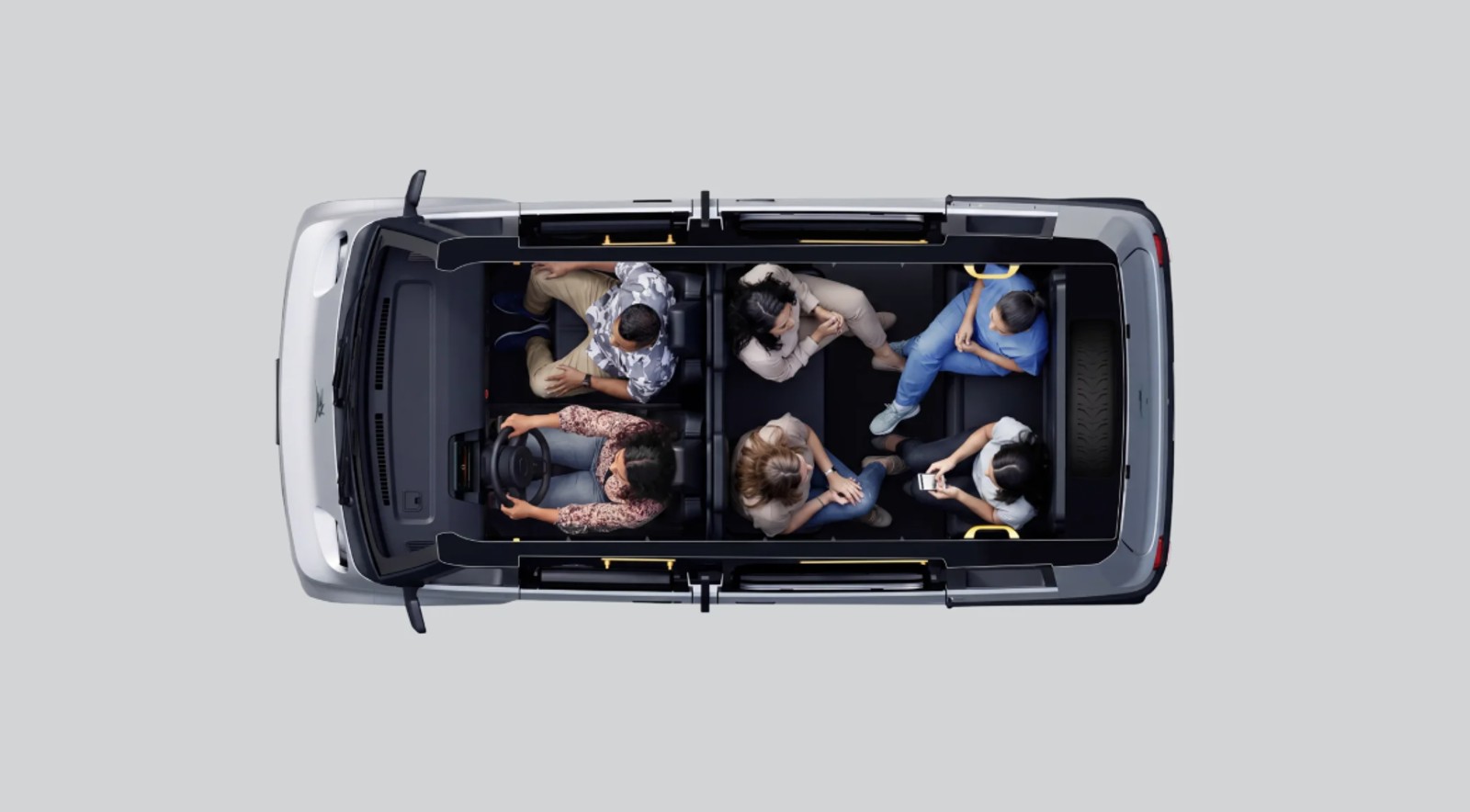
Despite its compact size, Olinia says the Uno can carry up to six people. The cabin is also designed to be highly flexible. It can be adapted into a small cargo van or converted for wheelchair access without major structural changes. Multiple grab handles are fitted inside to make entry and exit easier for older passengers.
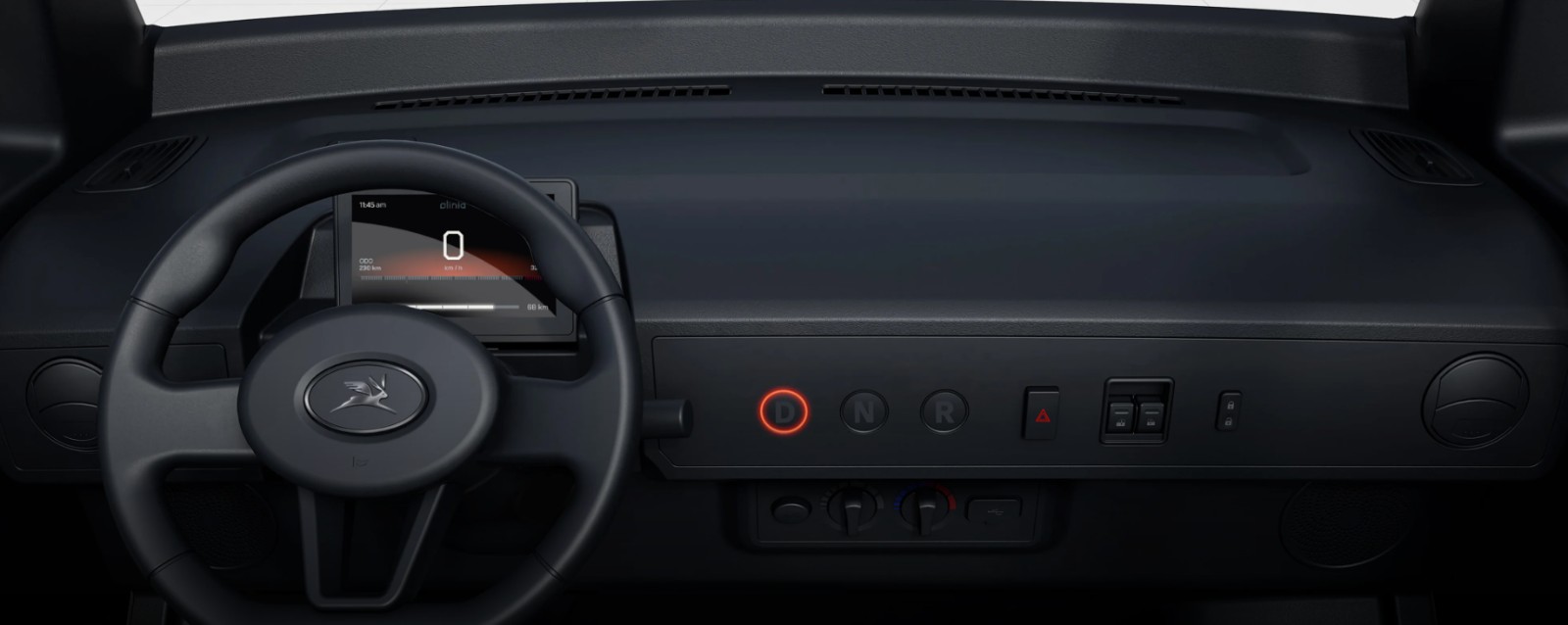
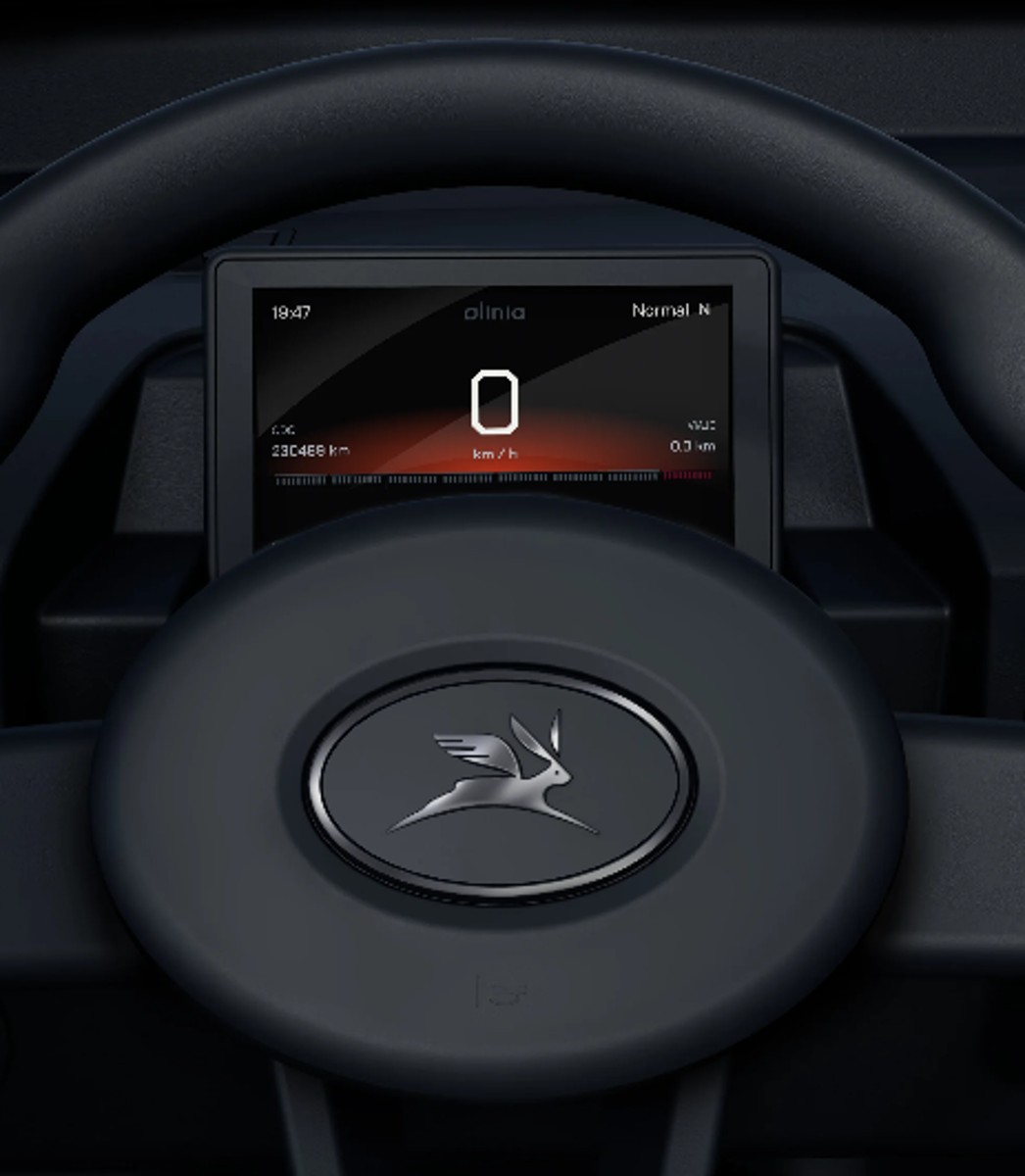
The interior is intentionally simple. The dashboard uses a minimalist layout, but Olinia has kept physical controls for key functions, including the transmission selector. A 7-inch instrument display sits in a recessed section of the dashboard.
Equipment is basic but suitable for the car’s mission. Available features include power windows, central locking, USB and USB-C ports, and a two-speaker audio system with Bluetooth 5.0.
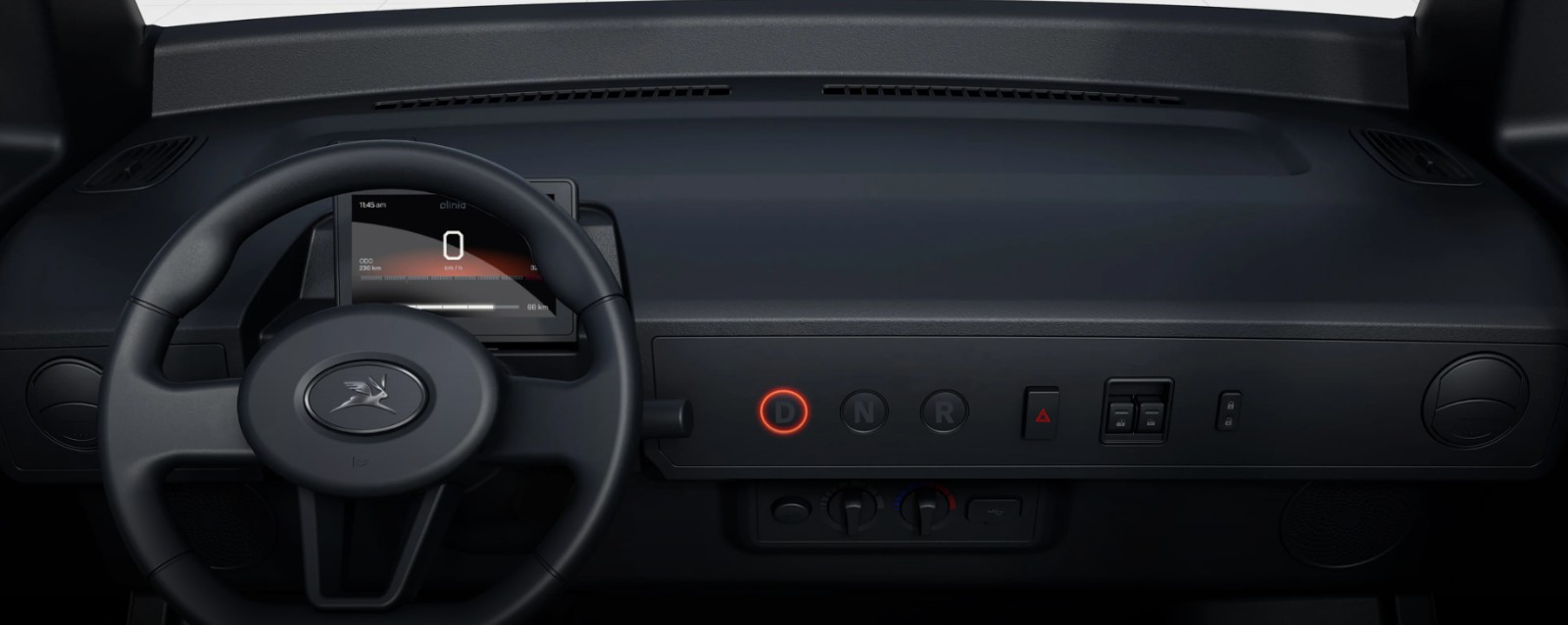
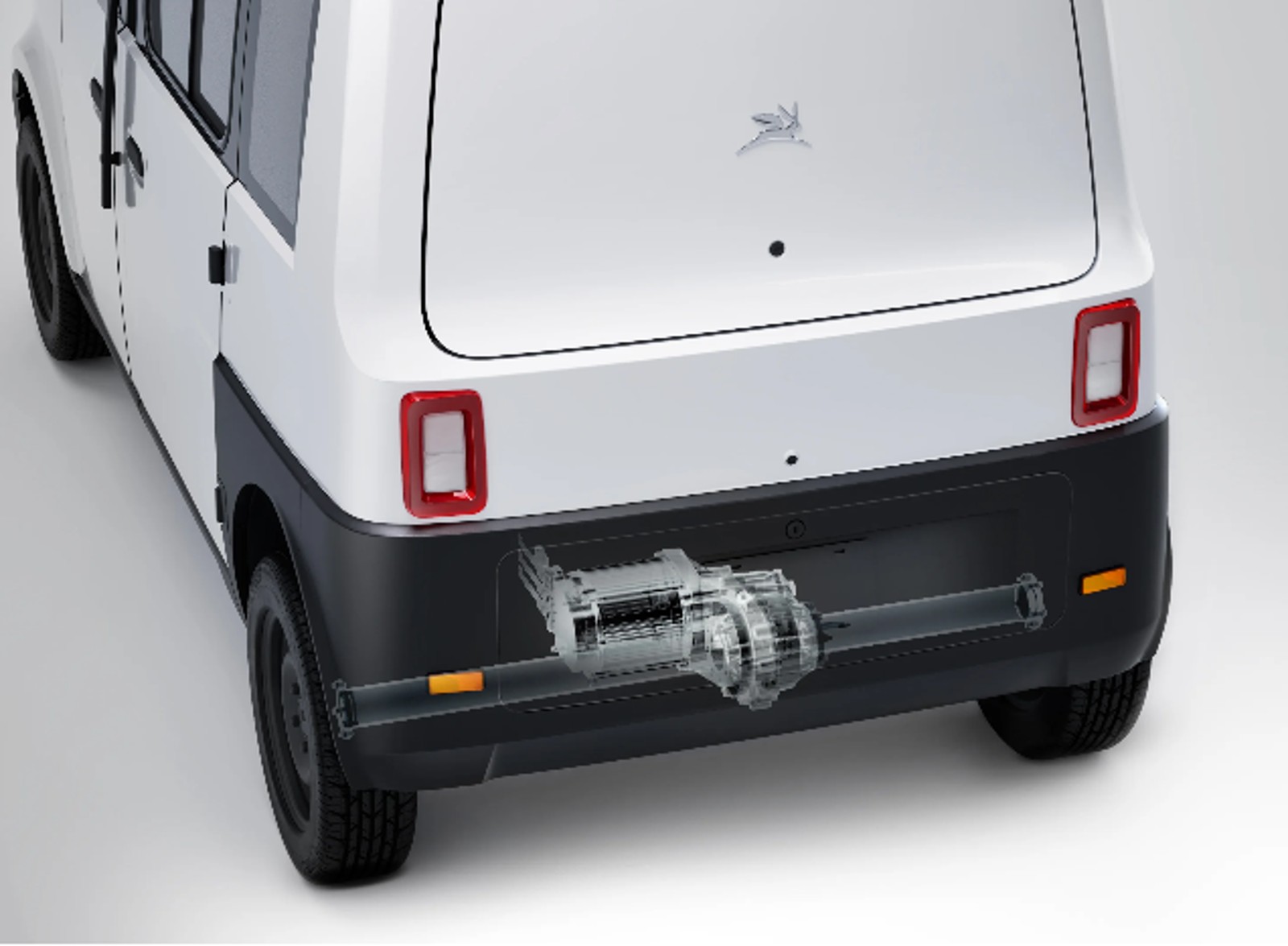
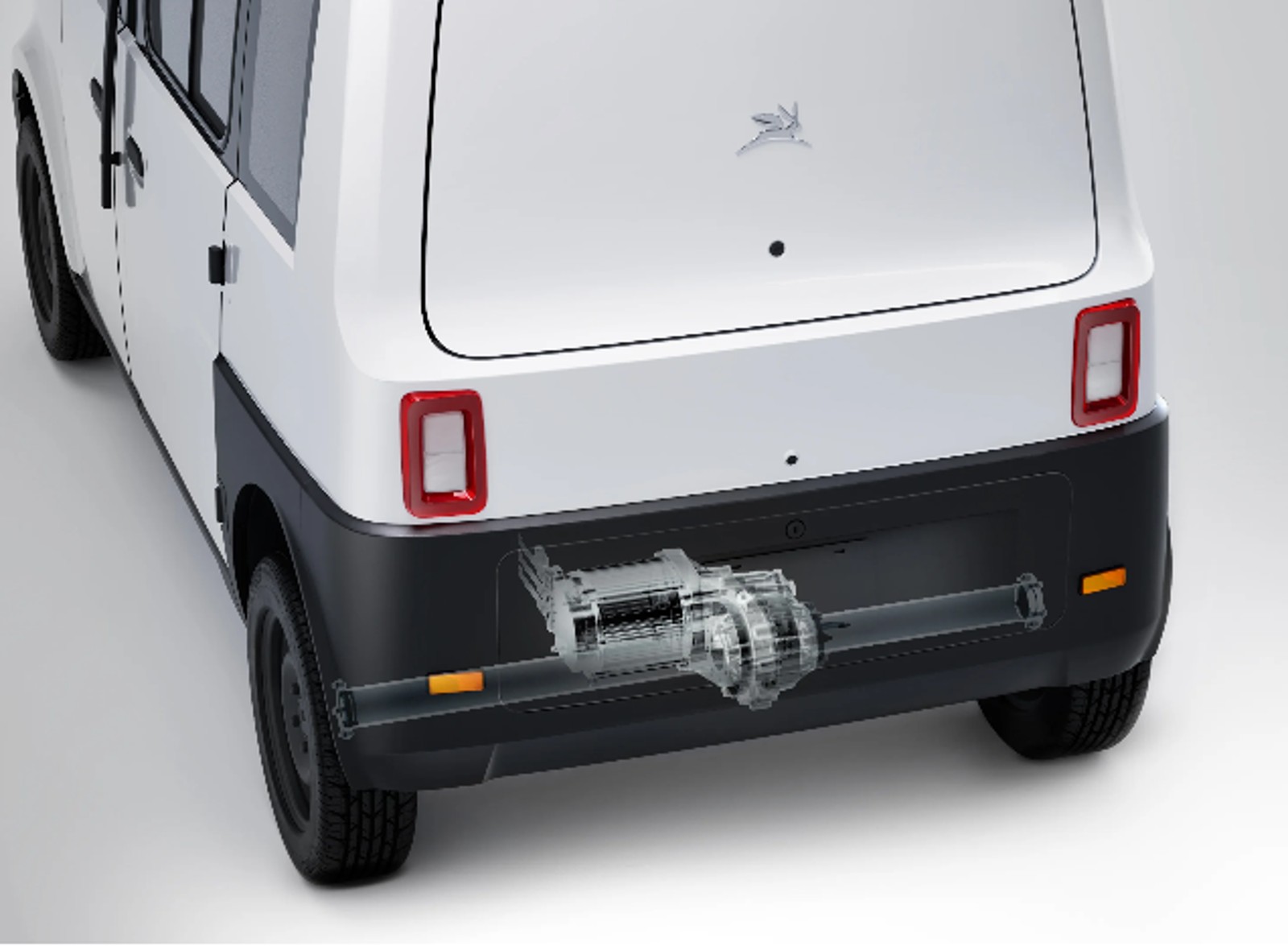
The Olinia logo shows a winged rabbit, but the Uno is not built for speed. Its rear-mounted electric motor produces just 18 hp, enough for a top speed of 50 km/h. A 14.7 kWh lithium-iron-phosphate battery provides up to 100 km of range.
Charging is also kept simple. From a regular 220-volt household outlet, the battery can be recharged in about four hours.
The main selling point is operating cost. According to Olinia, traveling one kilometer in a conventional fuel taxi costs around 2.4 Mexican pesos, while a three-wheeled motor rickshaw costs about 1.18 pesos per kilometer. The Uno is claimed to reduce that figure to just 0.5 pesos, or around $0.03 per kilometer.
Pricing is equally aggressive. The Olinia Uno will start from 150,000 Mexican pesos, or about $8,600, making it one of the most affordable EVs planned for the region.
Production will take place locally at a plant in Puebla, with manufacturing and sales scheduled to begin in 2027. Olinia also plans to expand the family with a Cargo version, using a similar front body section but replacing the passenger cabin with a rear load platform.
For Mexico, the Uno is less about performance or premium technology and more about creating a locally built electric vehicle that can serve real urban transport needs at a very low cost.
Gallery