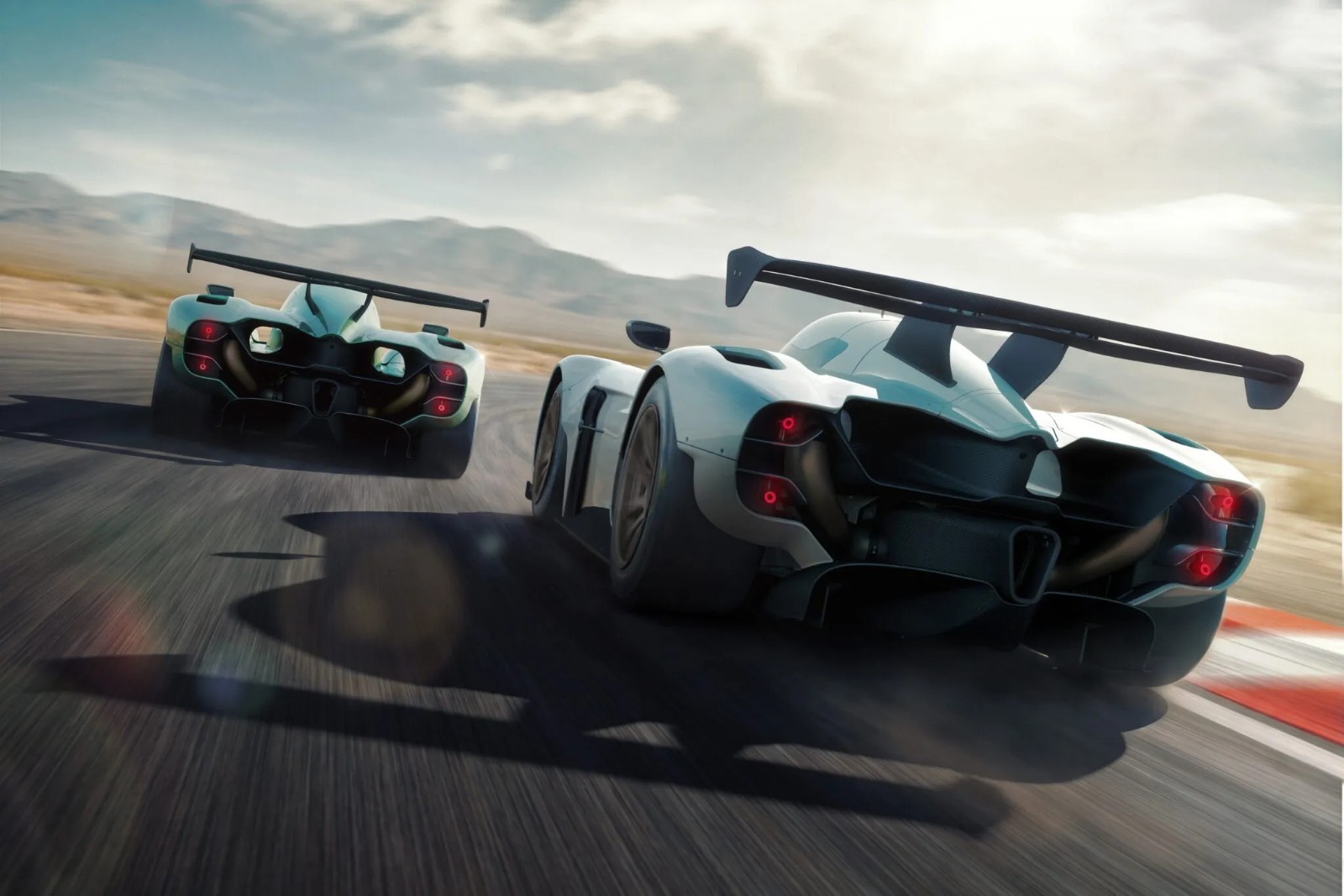
McMurtry's Fan-Powered Track Weapon Is No Longer Just A Rumor
A British startup just proved its record-smashing suction car wasn't a one-off stunt—it's now a machine you can actually order and own.
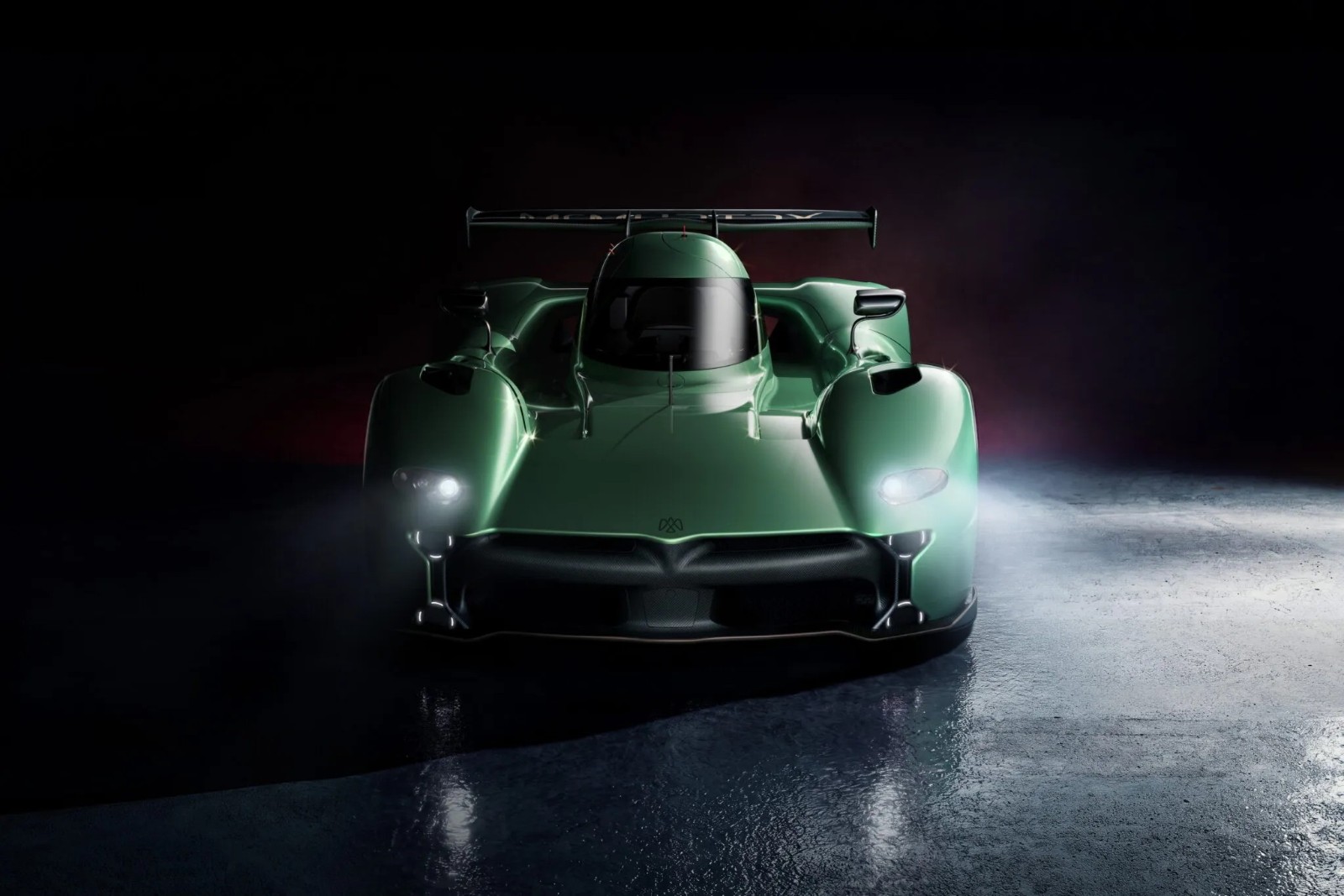
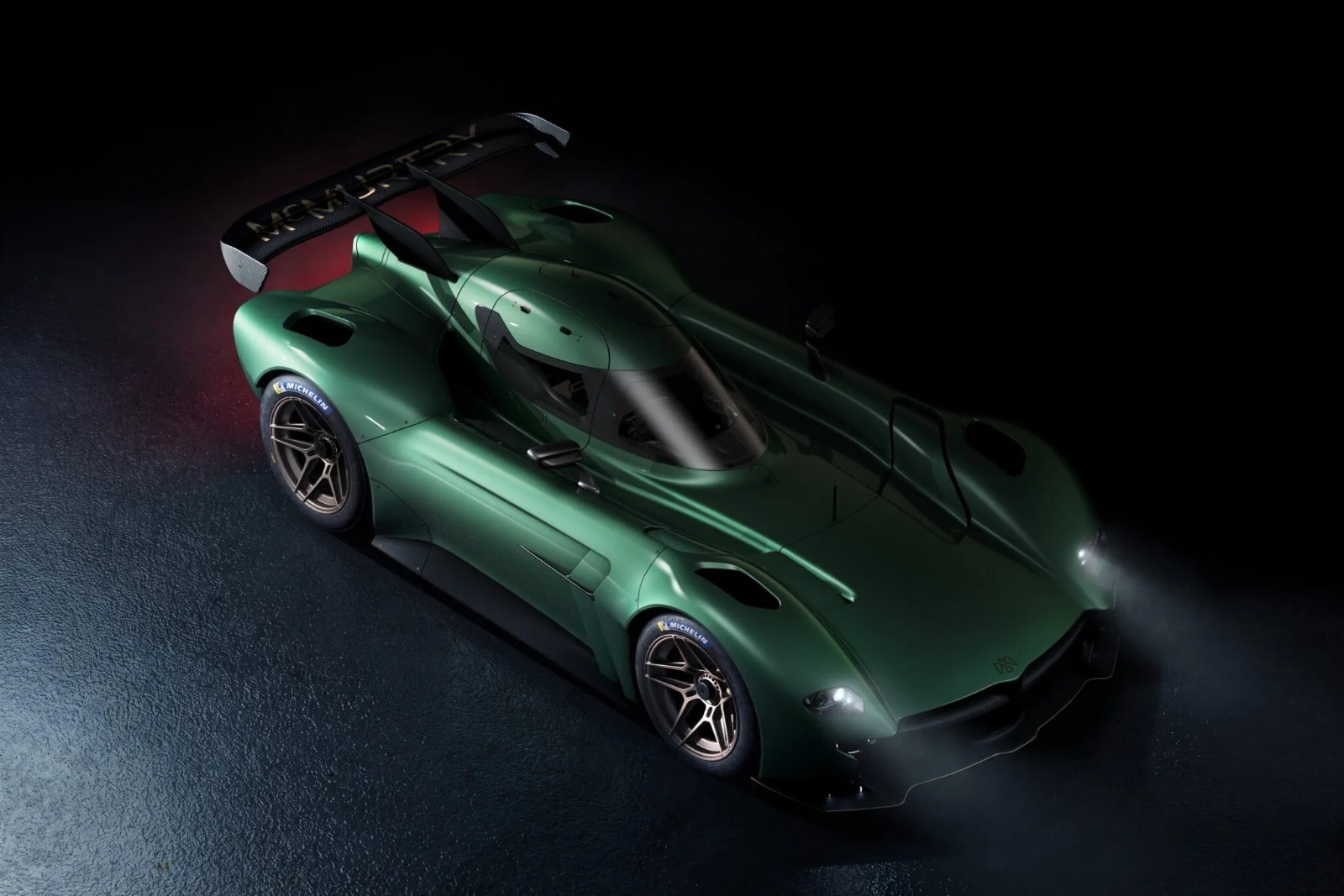
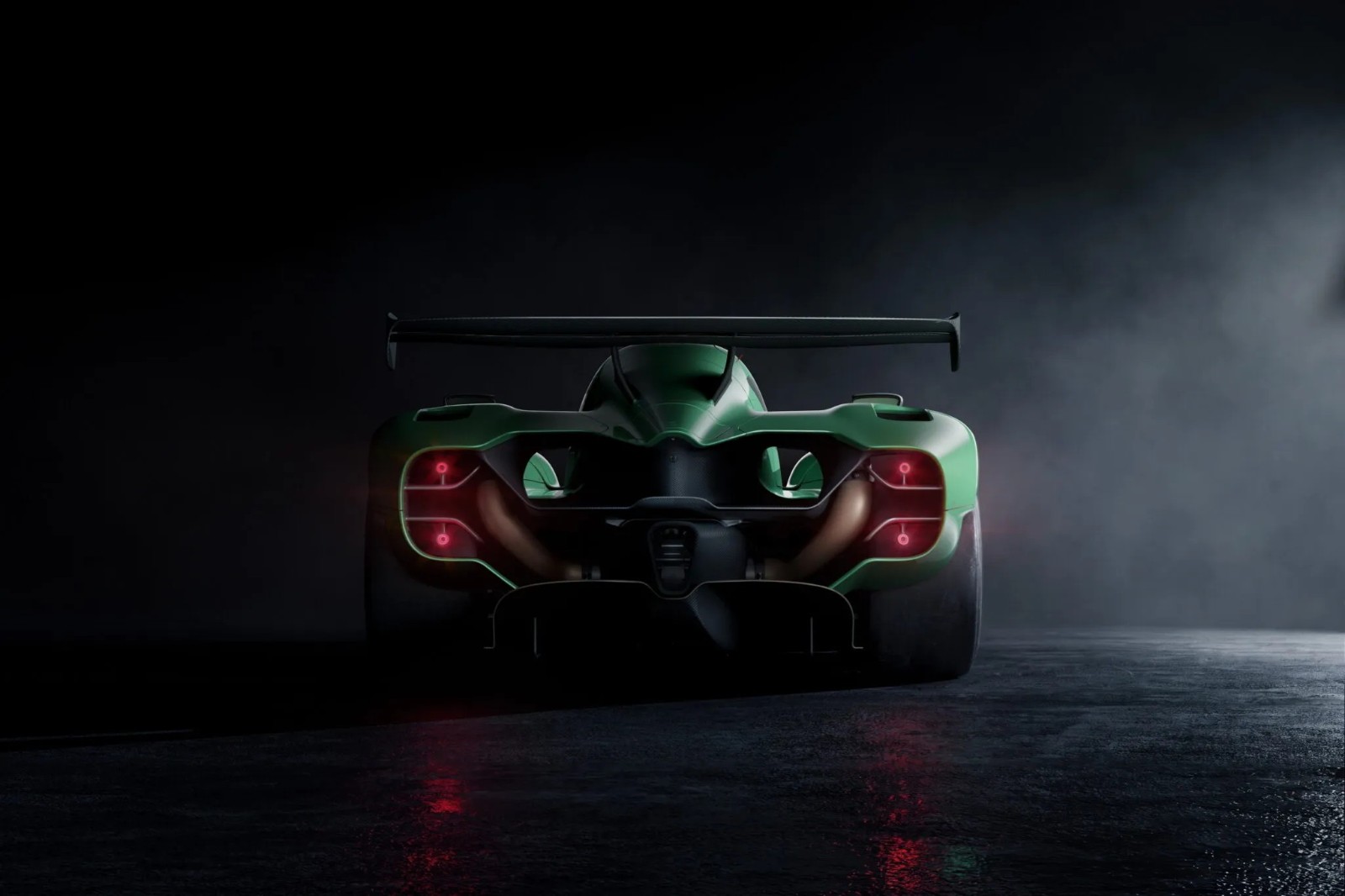
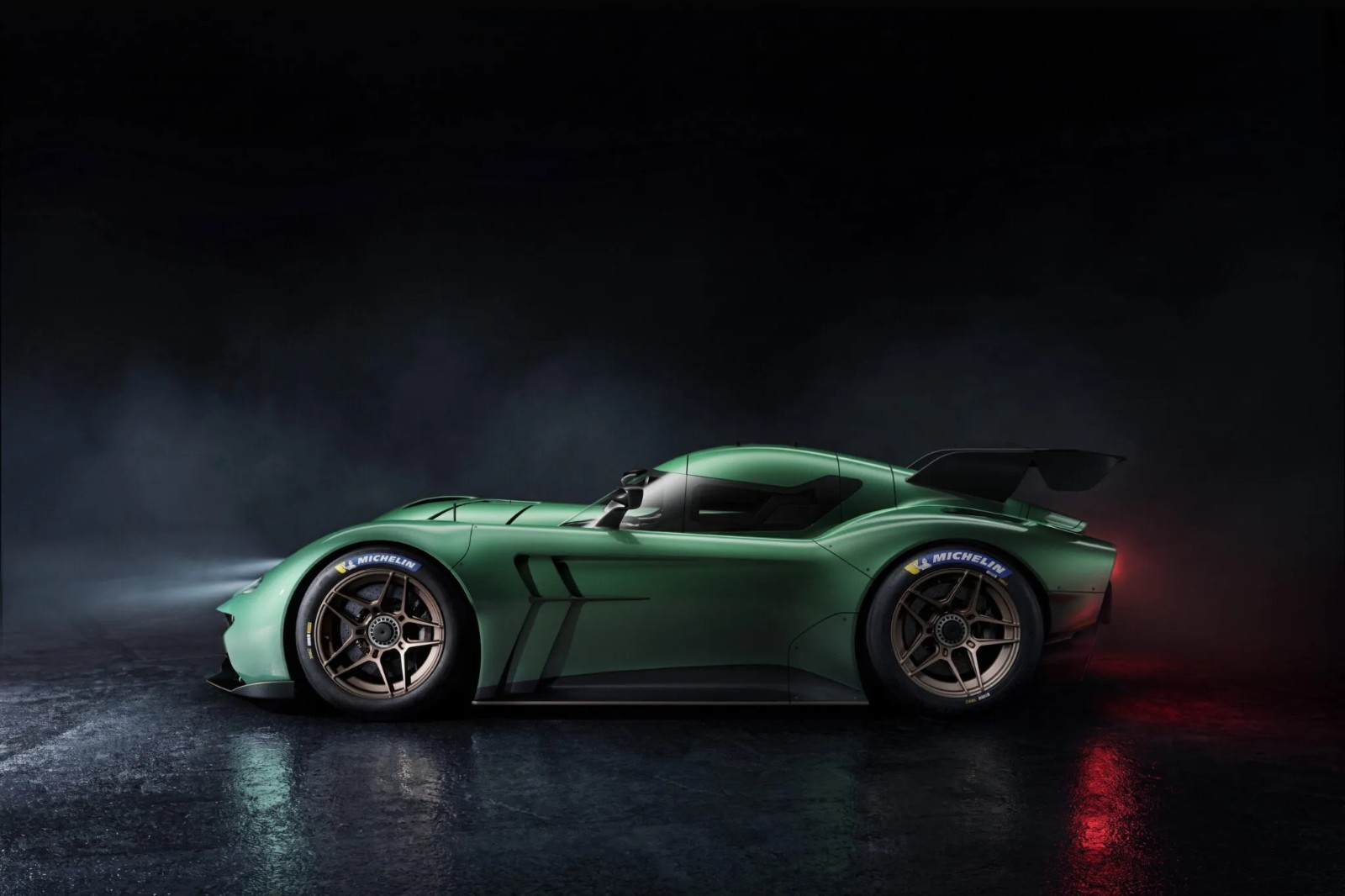
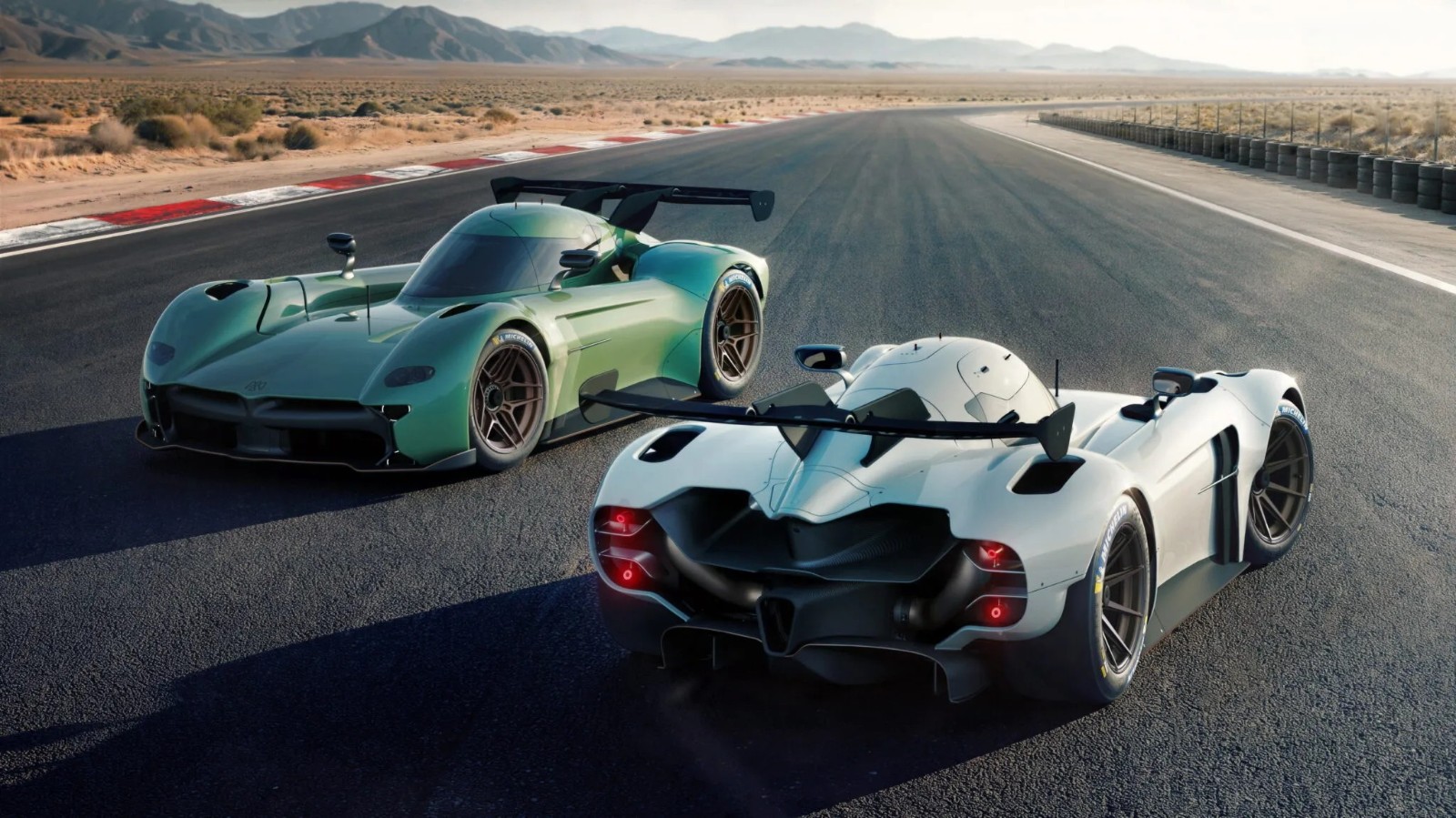
The supercar world is littered with ambitious startups that promise the moon and deliver a static display model. McMurtry just broke that pattern in a big way. The Spéirling PURE has officially left the prototype stage and entered genuine production, meaning the outlandish claims that made headlines over the past couple of years are now backed by a car customers can actually buy and drive.
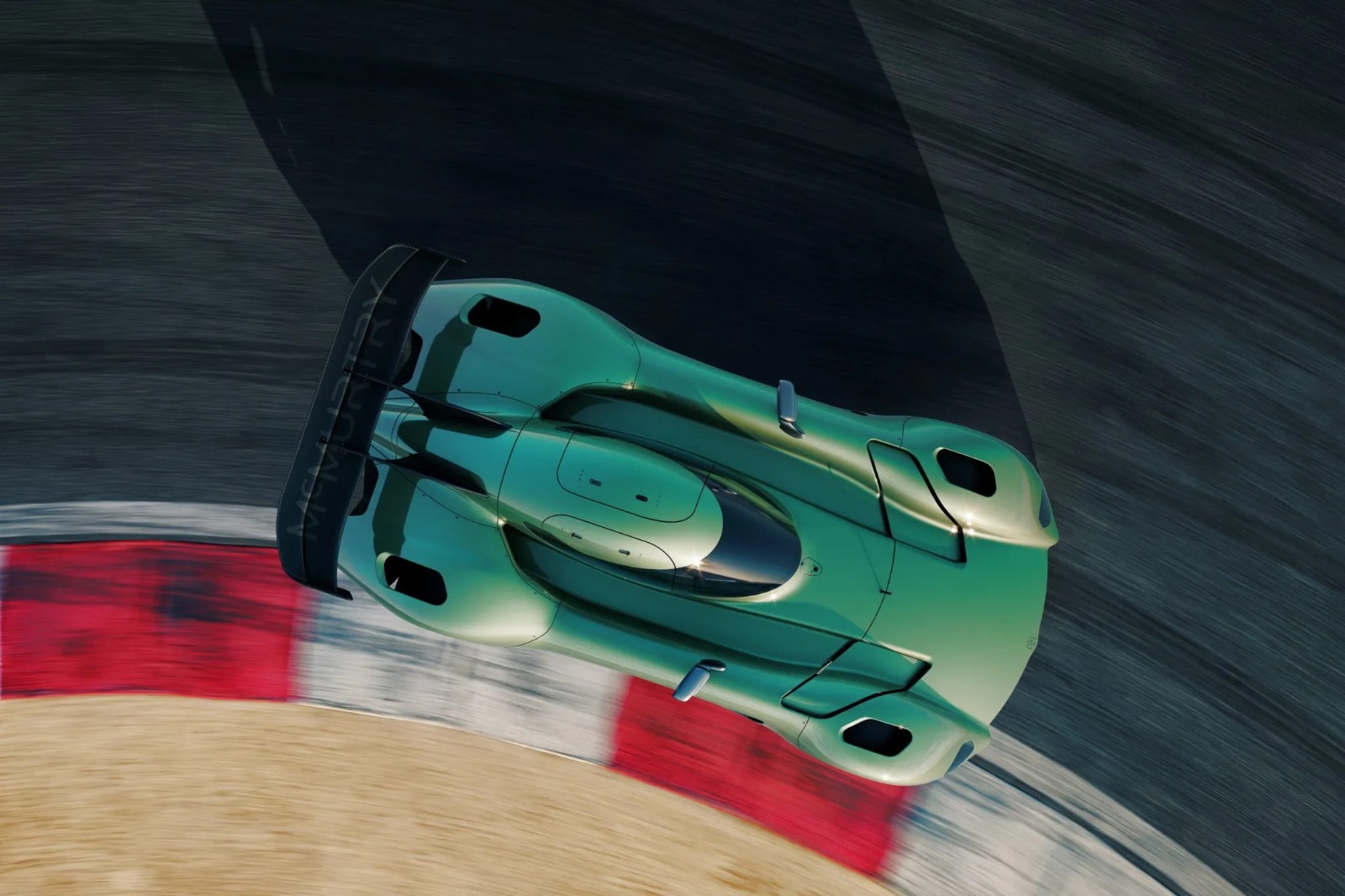
For those who haven't been following along, the Spéirling built its reputation by embarrassing far more expensive machinery. It set a jaw-dropping Goodwood hillclimb time, became the first vehicle ever to drive upside down thanks to its downforce trickery, tore up Top Gear's test track quicker than an actual Formula 1 car, and beat a Mercedes-AMG One around Hockenheim by over 14 seconds. Those were prototype runs, though. Now the production version has to prove it can back up the legend.
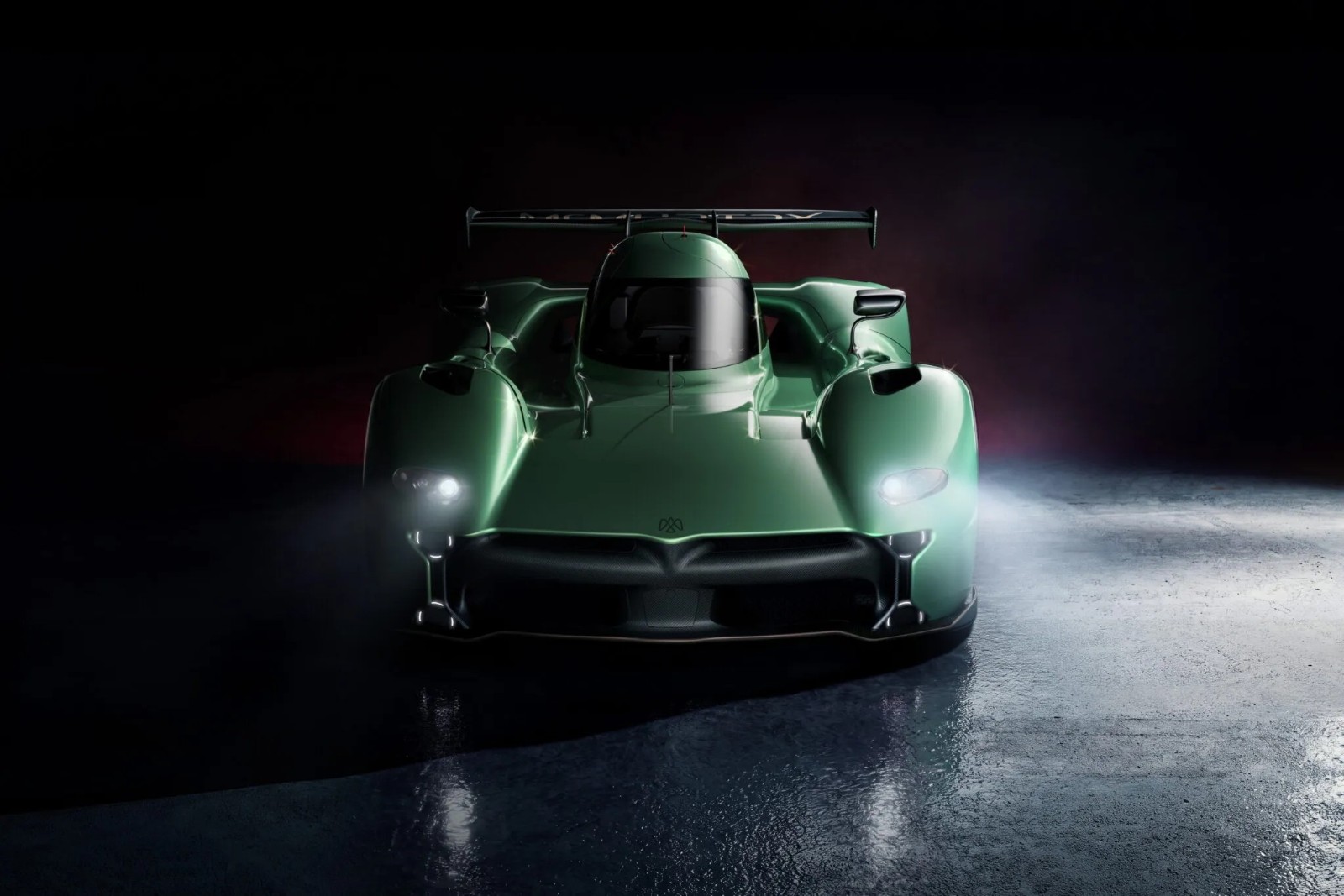
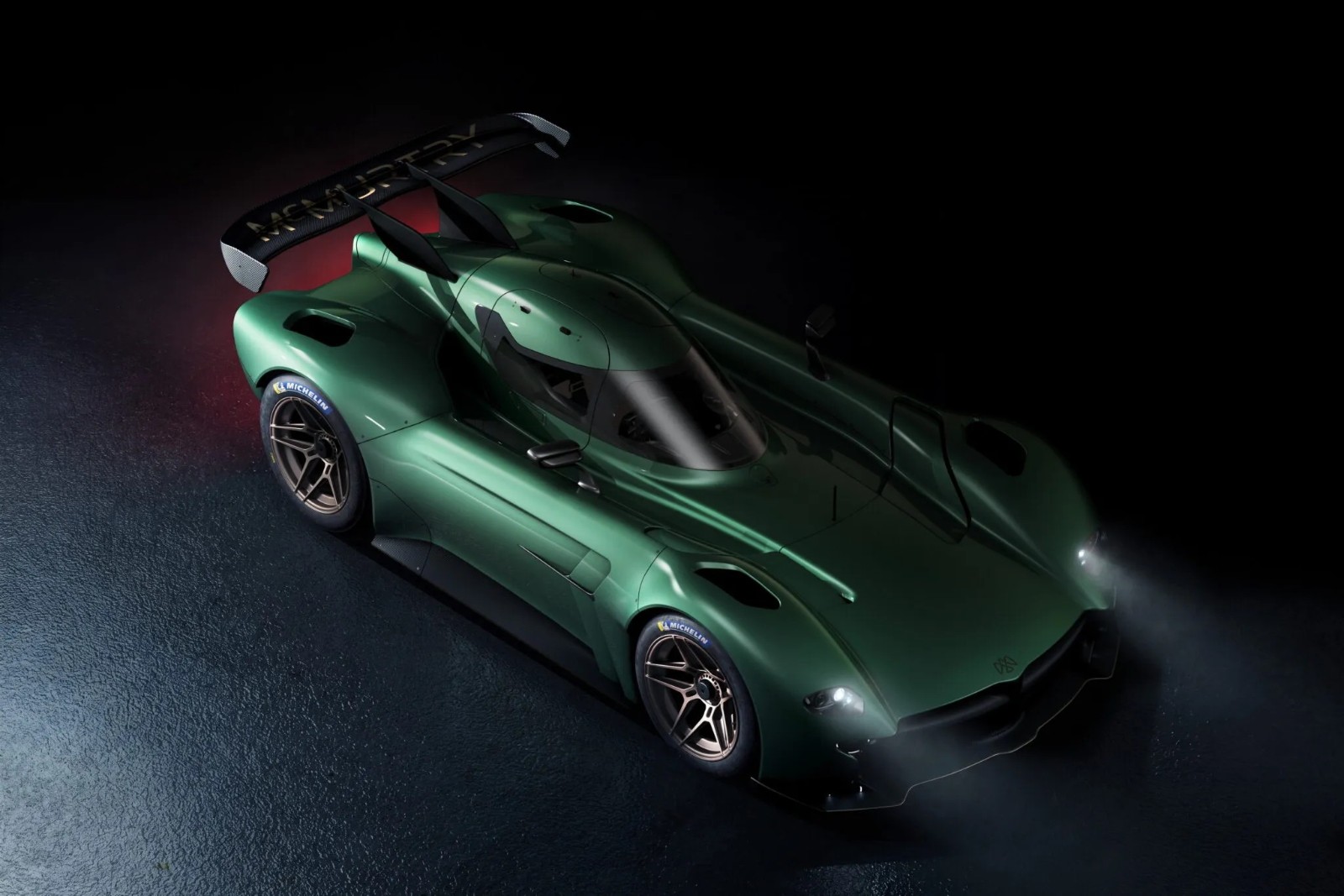
On paper, it certainly seems capable. A 100-kWh battery feeds a pair of rear-mounted electric motors good for 1,000 horsepower, enough to catapult the single-seater from a standstill to 60 mph in a claimed 1.55 seconds on its way to 190 mph. Those numbers alone would put it near the top of the performance charts, but the real party trick is what McMurtry calls Downforce-on-Demand.
Instead of relying on speed to generate grip like every other car on the planet, the Spéirling uses a fan system that can produce up to 4,409 pounds of downforce from a complete stop. That's the mechanism behind the car's ability to drive on ceilings and pull roughly 3g through corners or under braking, forces normally associated with fighter jets rather than road-legal track machines.
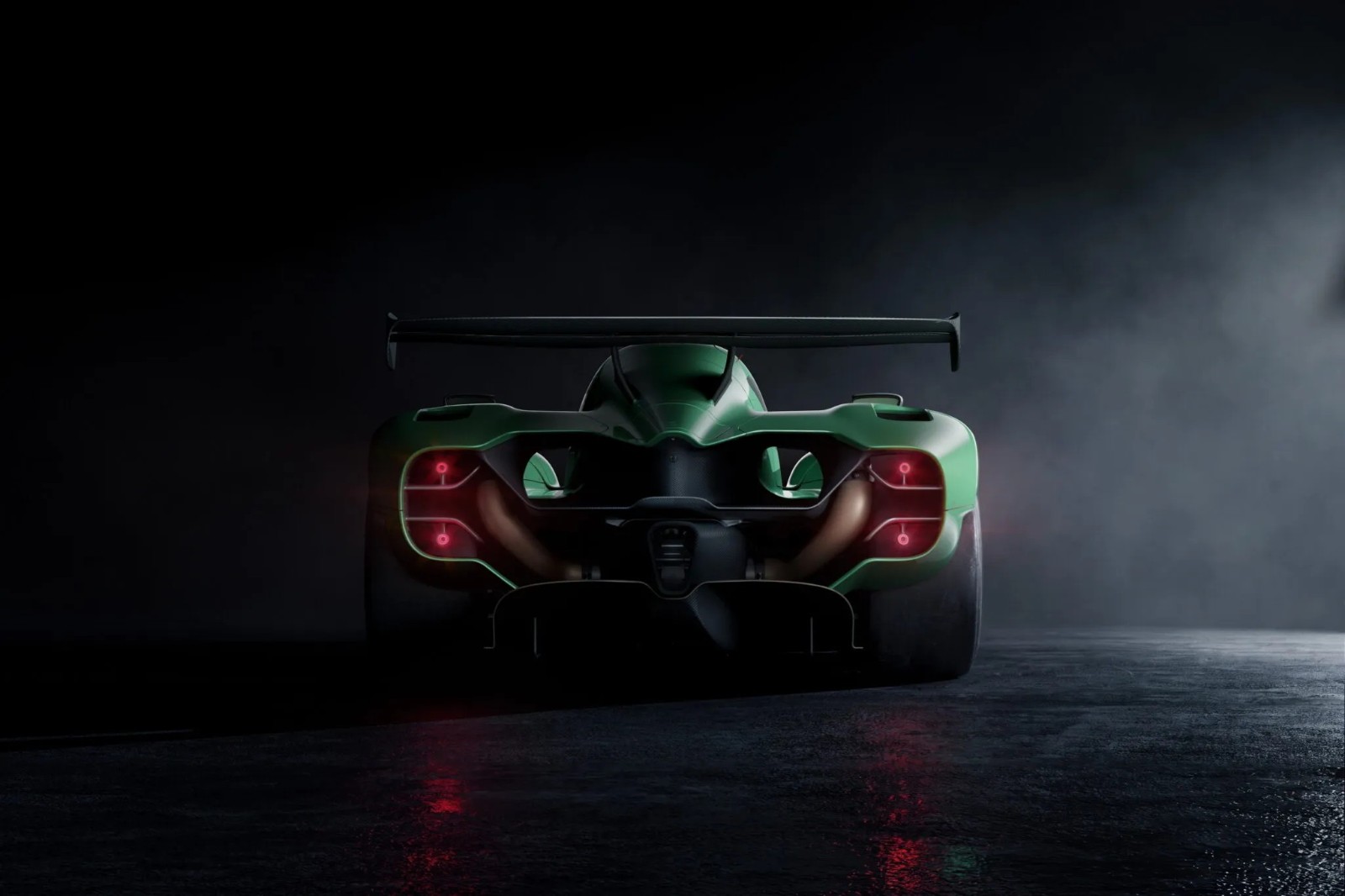
What's arguably more significant than the spec sheet is how McMurtry wants people to actually use this thing. Rather than positioning the PURE as a fragile, race-team-only proposition, the company insists it was engineered for straightforward ownership. Managing director Thomas Yates has compared the experience to running a Porsche 911 GT3 RS rather than a full-blown prototype racer, with a heavy emphasis on keeping running costs and support requirements manageable for a private owner with, at most, a helpful mate in the paddock.
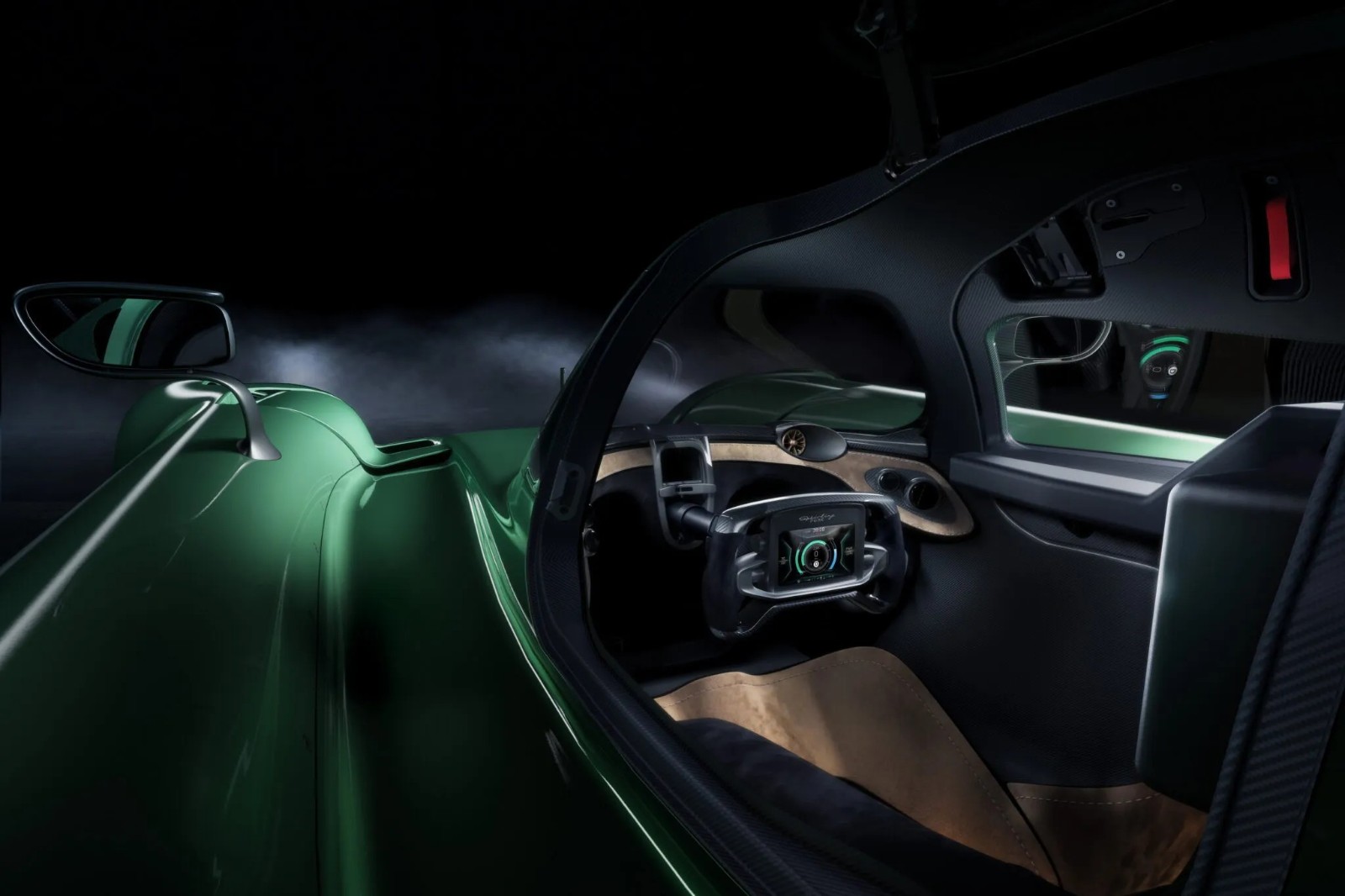
That real-world usability push explains most of the differences between the record-setting prototypes and the finished car. The production Spéirling gets a bigger battery, a reworked carbon-fiber tub, more room and visibility for the driver, built-in lighting, simpler access for servicing, and even a dedicated spot behind the rear wing to stash a helmet and HANS device. McMurtry says roughly 95 percent of the components have changed since the record-chasing days, underlining just how much work went into turning a viral sensation into something buyers can genuinely live with.
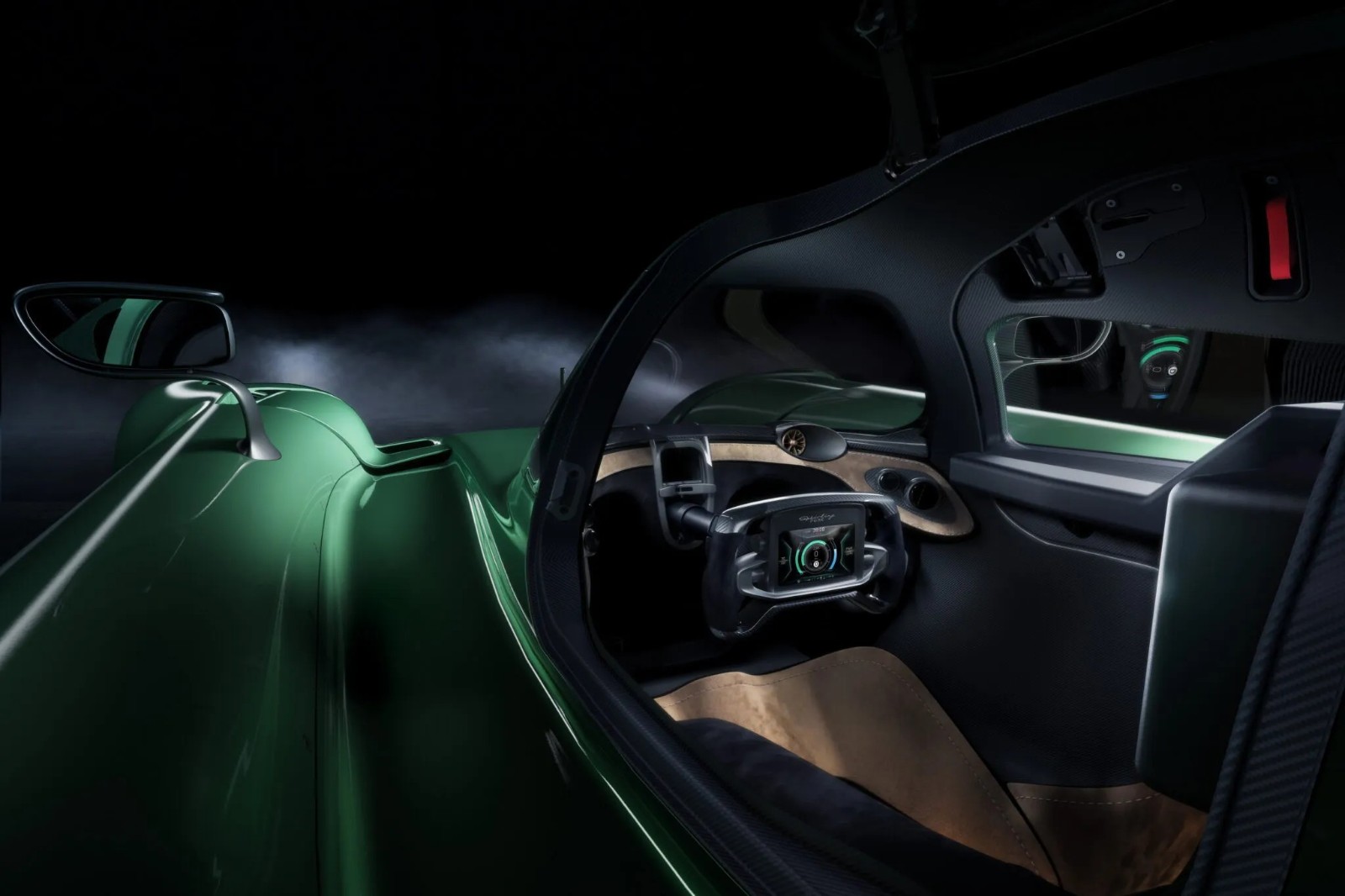
With production now underway, the Spéirling PURE moves from spectacle to reality. Whether it becomes a common sight at track days remains to be seen, but McMurtry has already cleared the hurdle that trips up so many hypercar hopefuls: it actually built the car it promised.
<parameter name="tags">#McMurtry #Speirling #ElectricCars #Hypercar #TrackCar #Downforce #CarNews
Gallery