Luxeed RX Arrives as Chery and Huawei’s New Electric SUV Challenger
Luxeed RX gives Chery and Huawei a new performance-oriented electric SUV, blending Xiaomi-rival styling, Huawei driver-assistance tech and up to 594 horsepower.
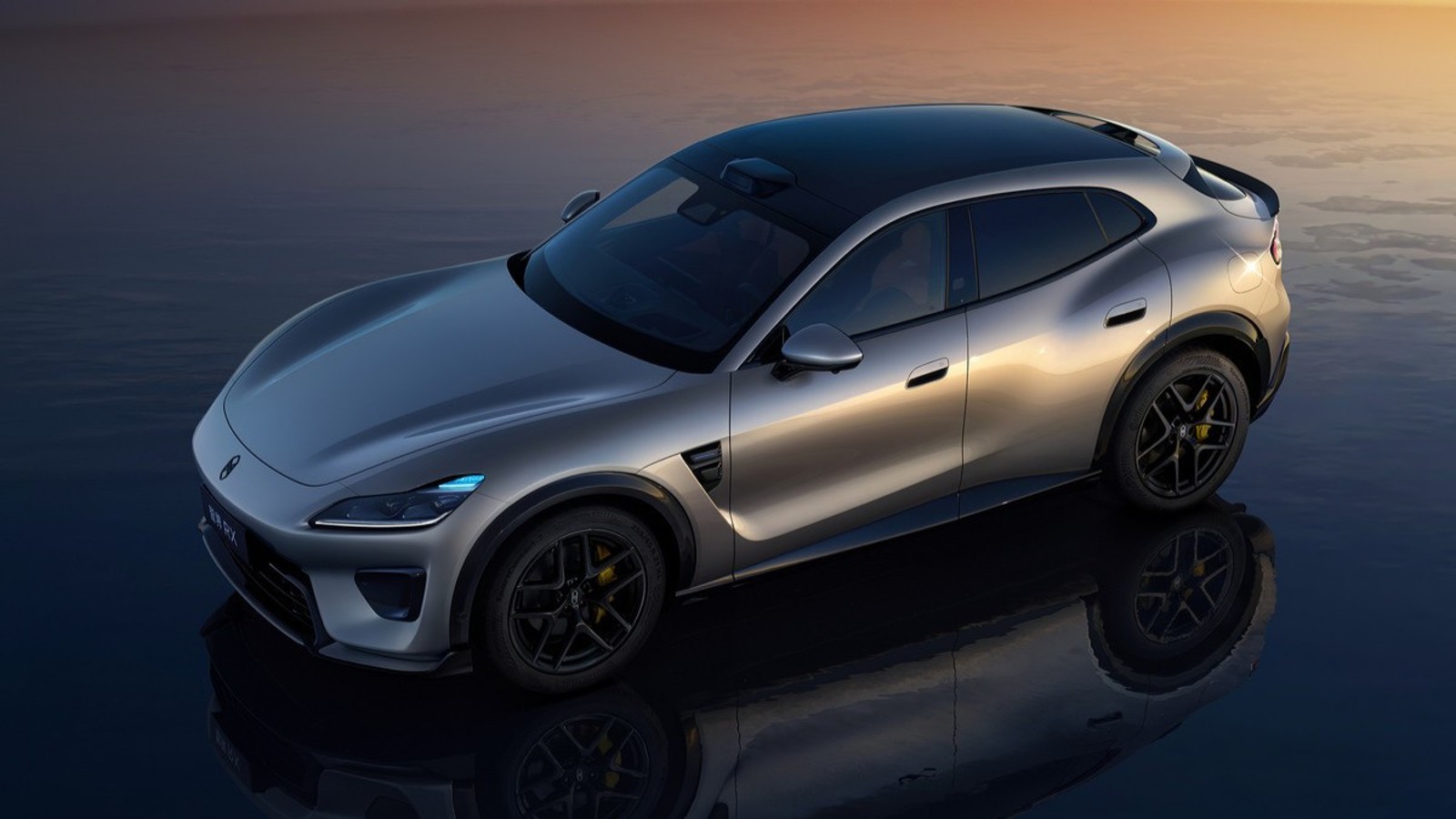
Chery and Huawei are getting ready to expand the Luxeed lineup with a new electric crossover called RX. It will become the brand’s second SUV and, notably, its first model without a number in the name.
Luxeed was launched in 2023 as a joint venture between the two companies. The first product was the S7 electric sedan, followed by the R7 crossover and, earlier this year, the V9 minivan. The new RX is now heading toward the Chinese market, and its main specifications have already appeared in the country’s certification database.
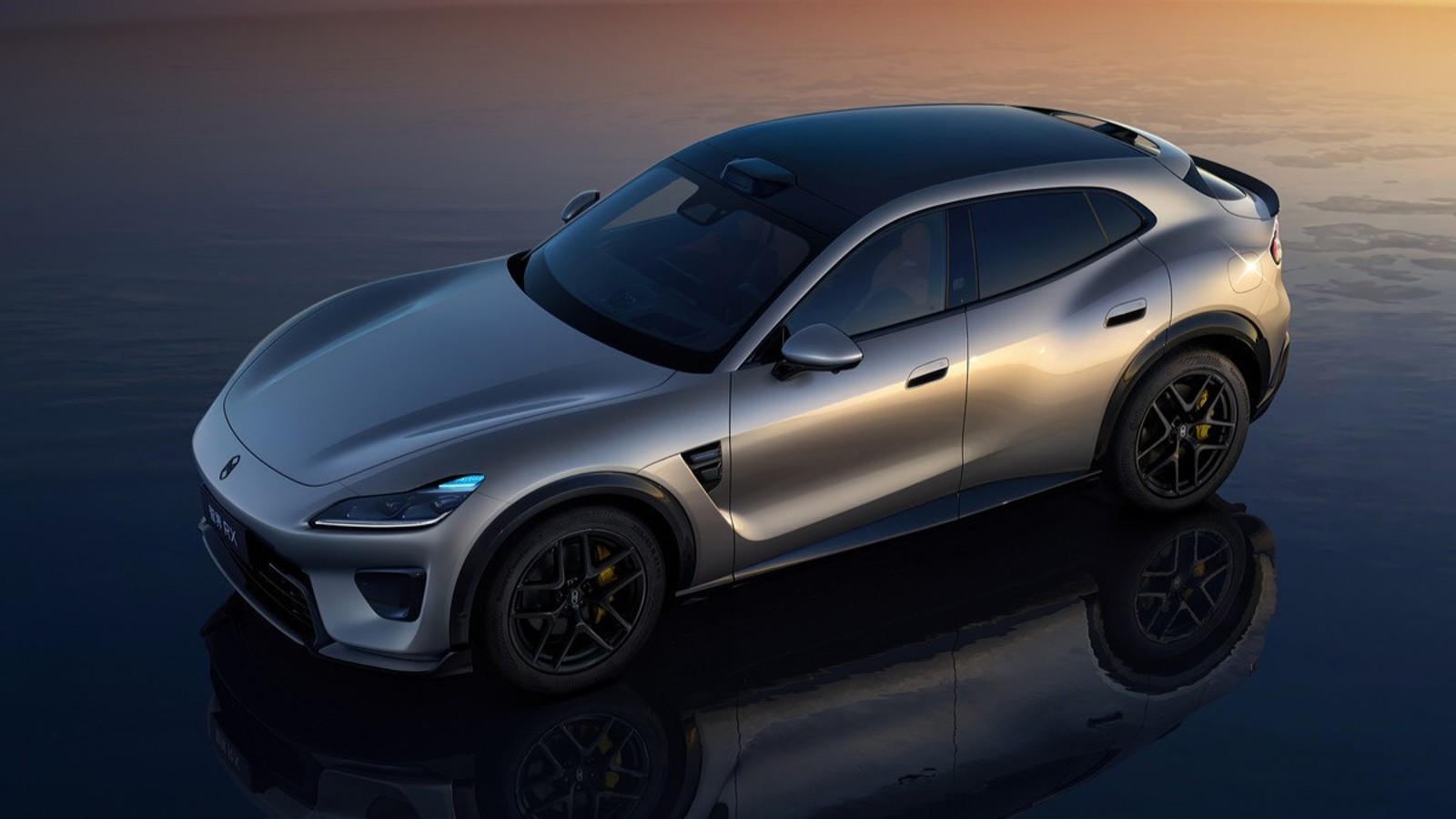
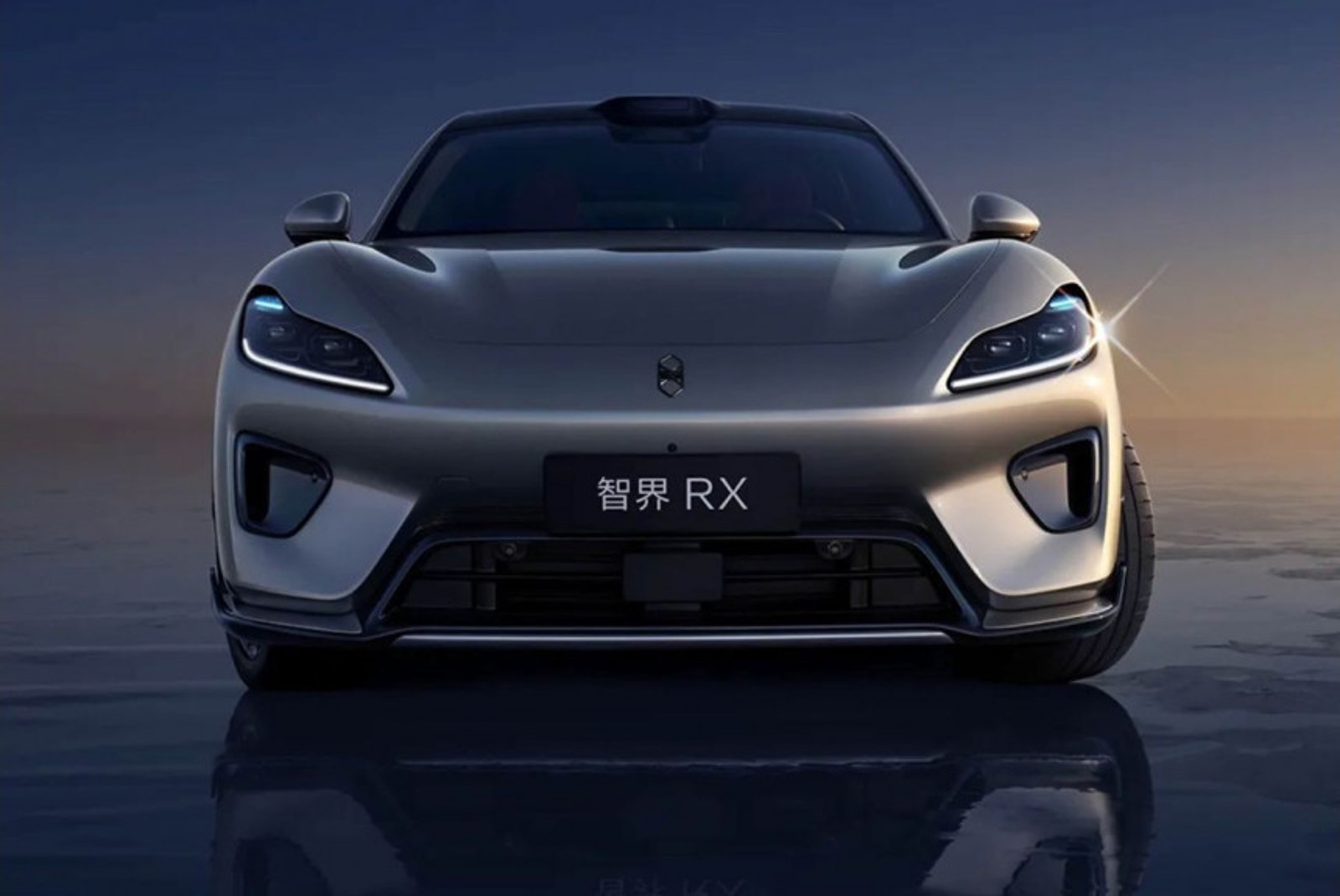
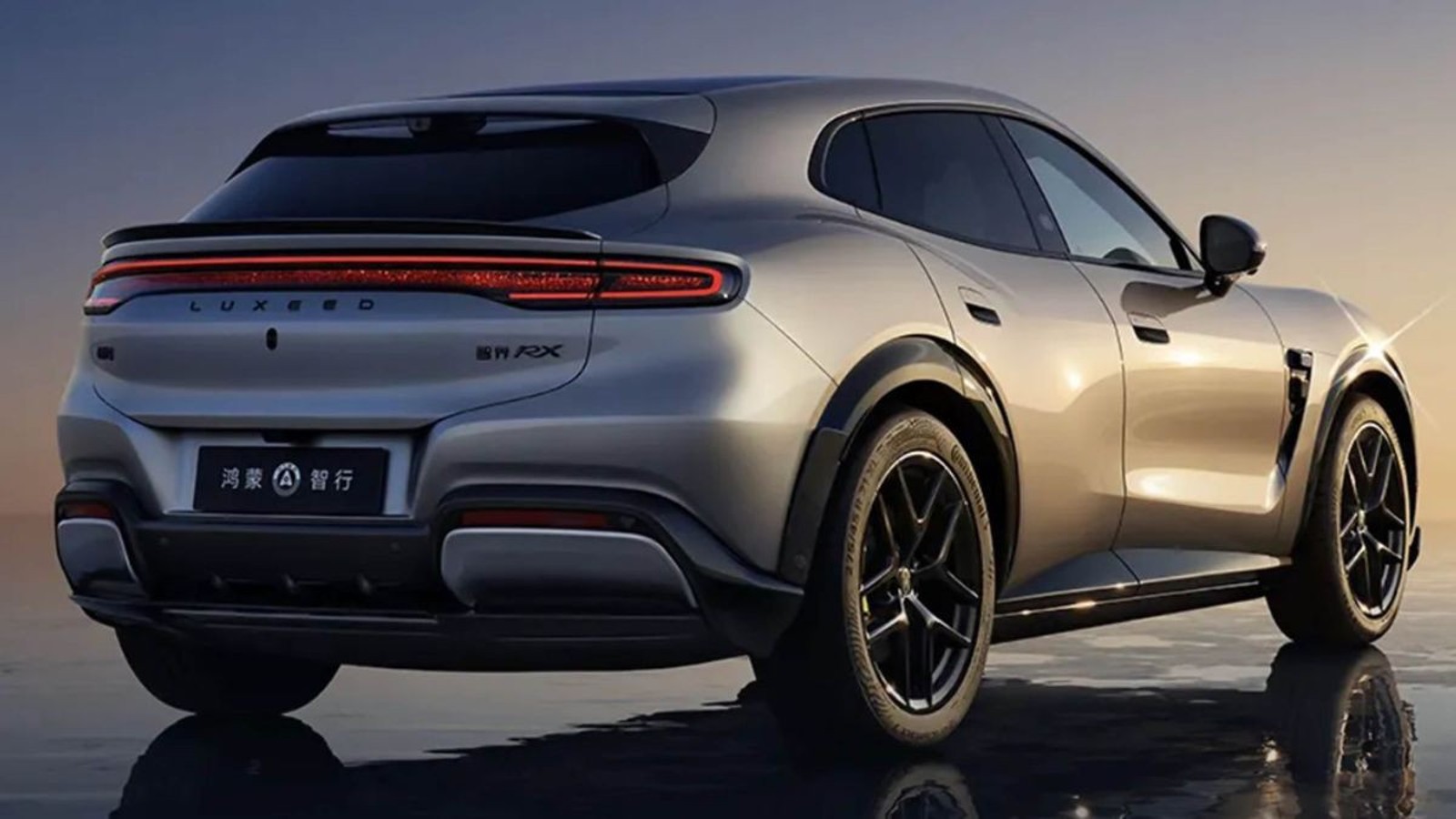
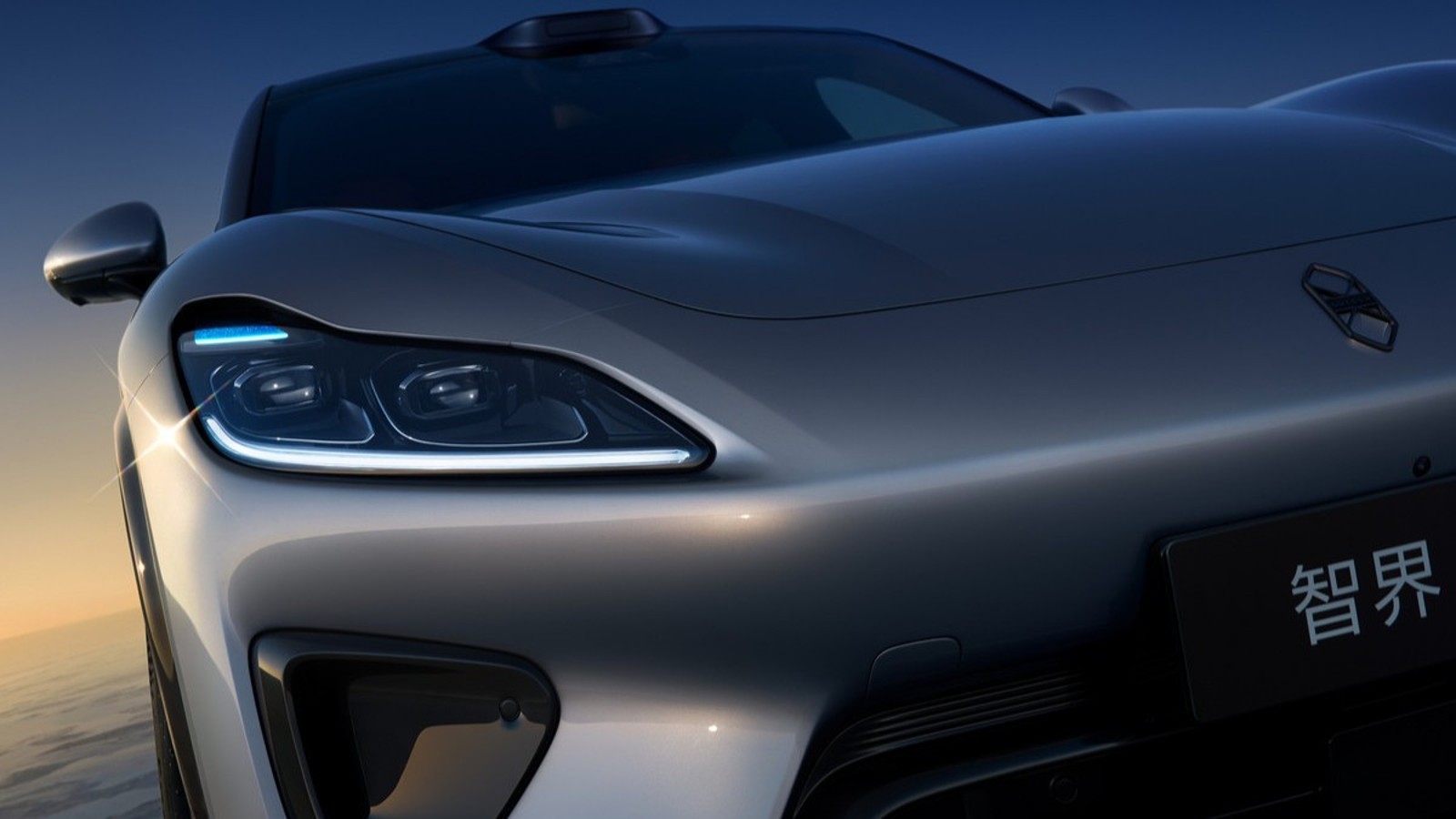
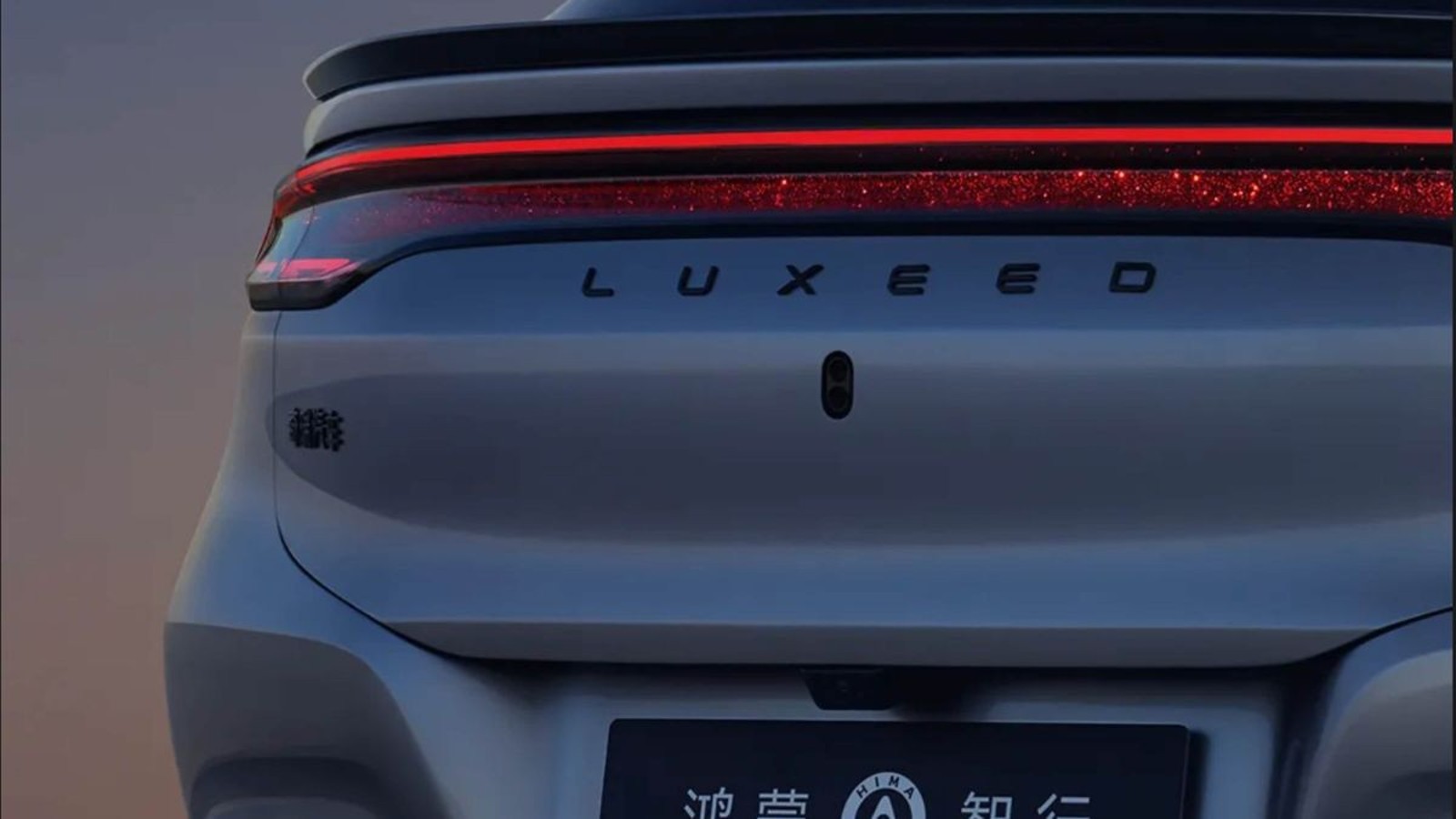
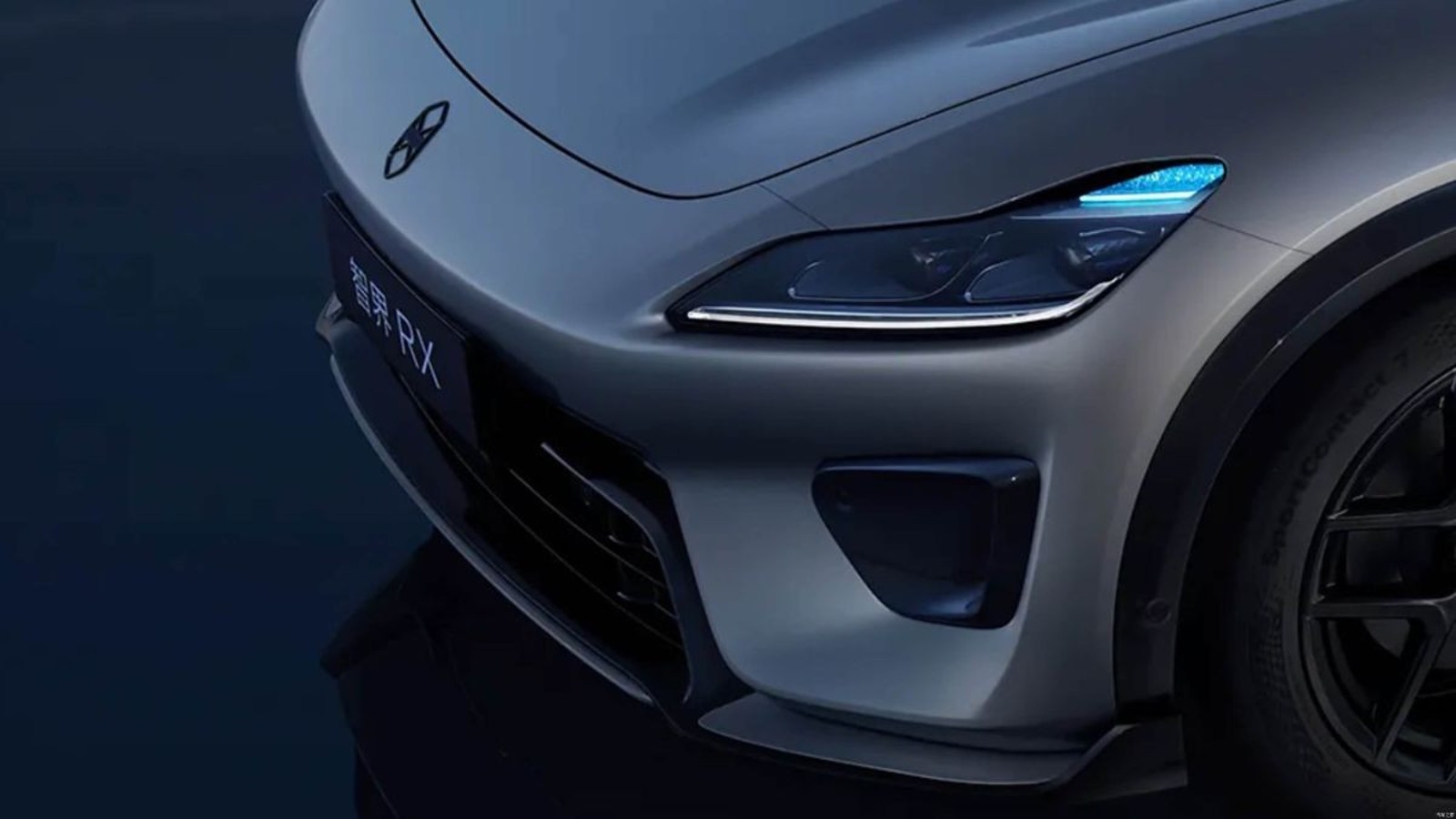
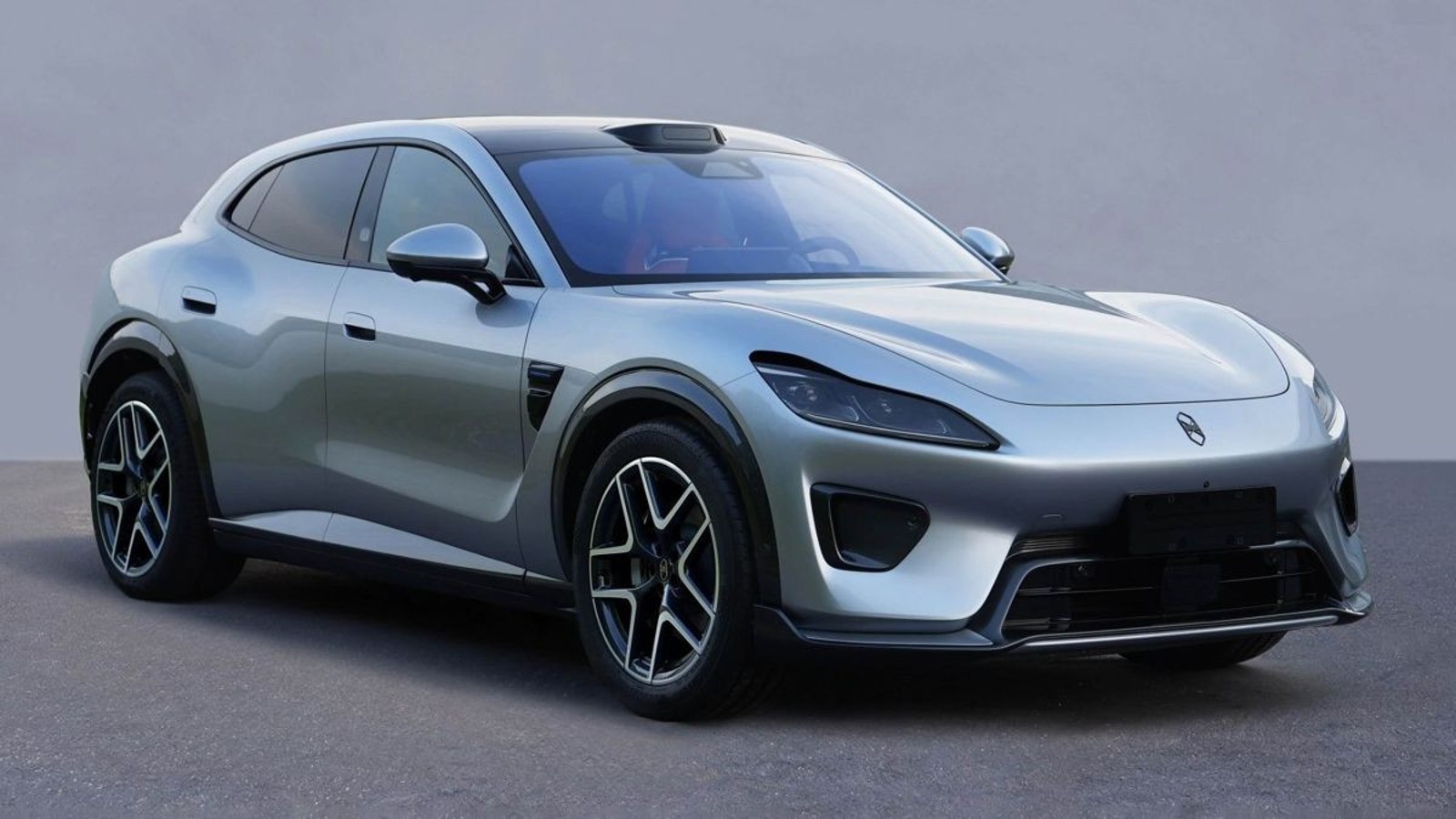
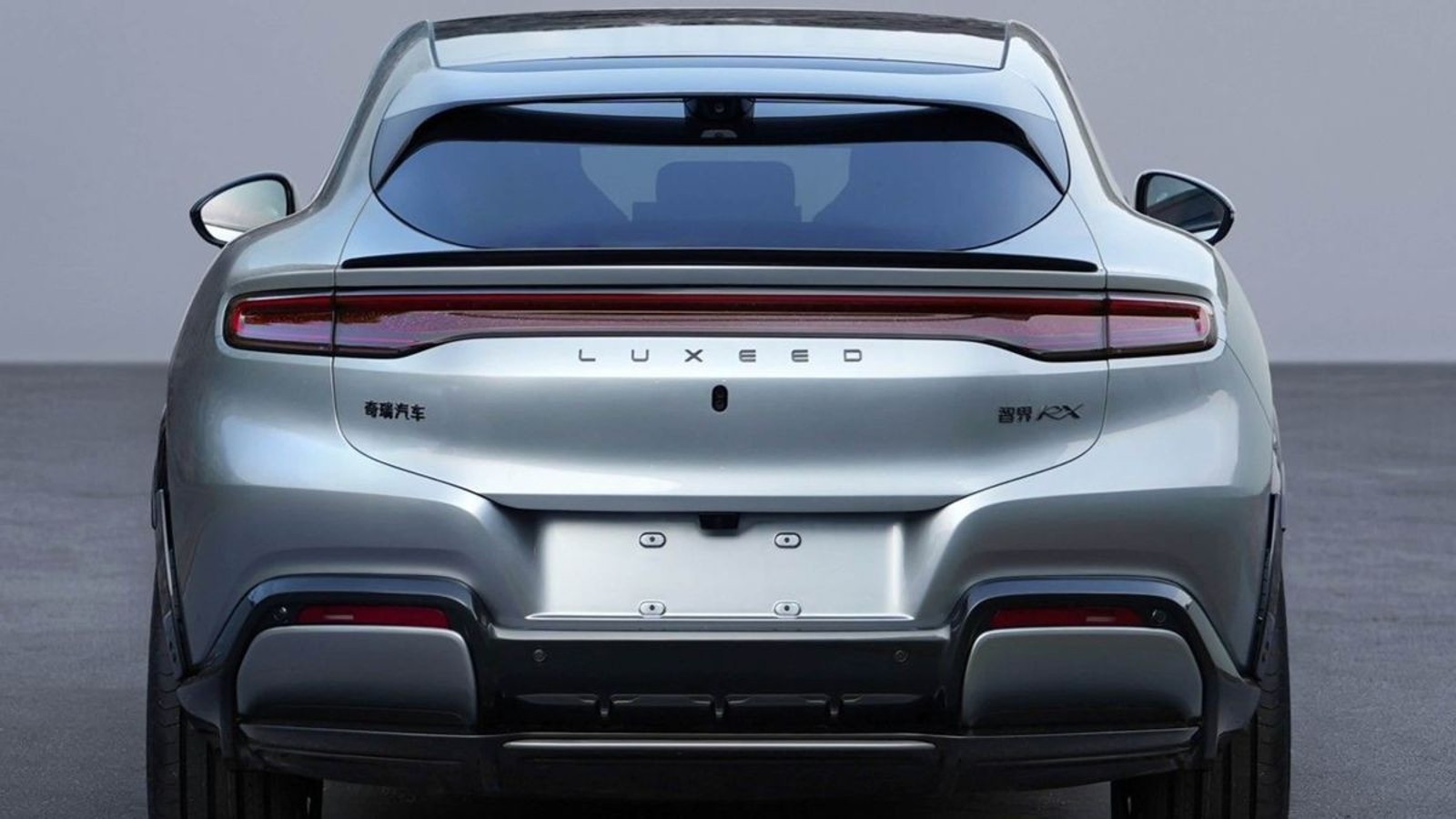
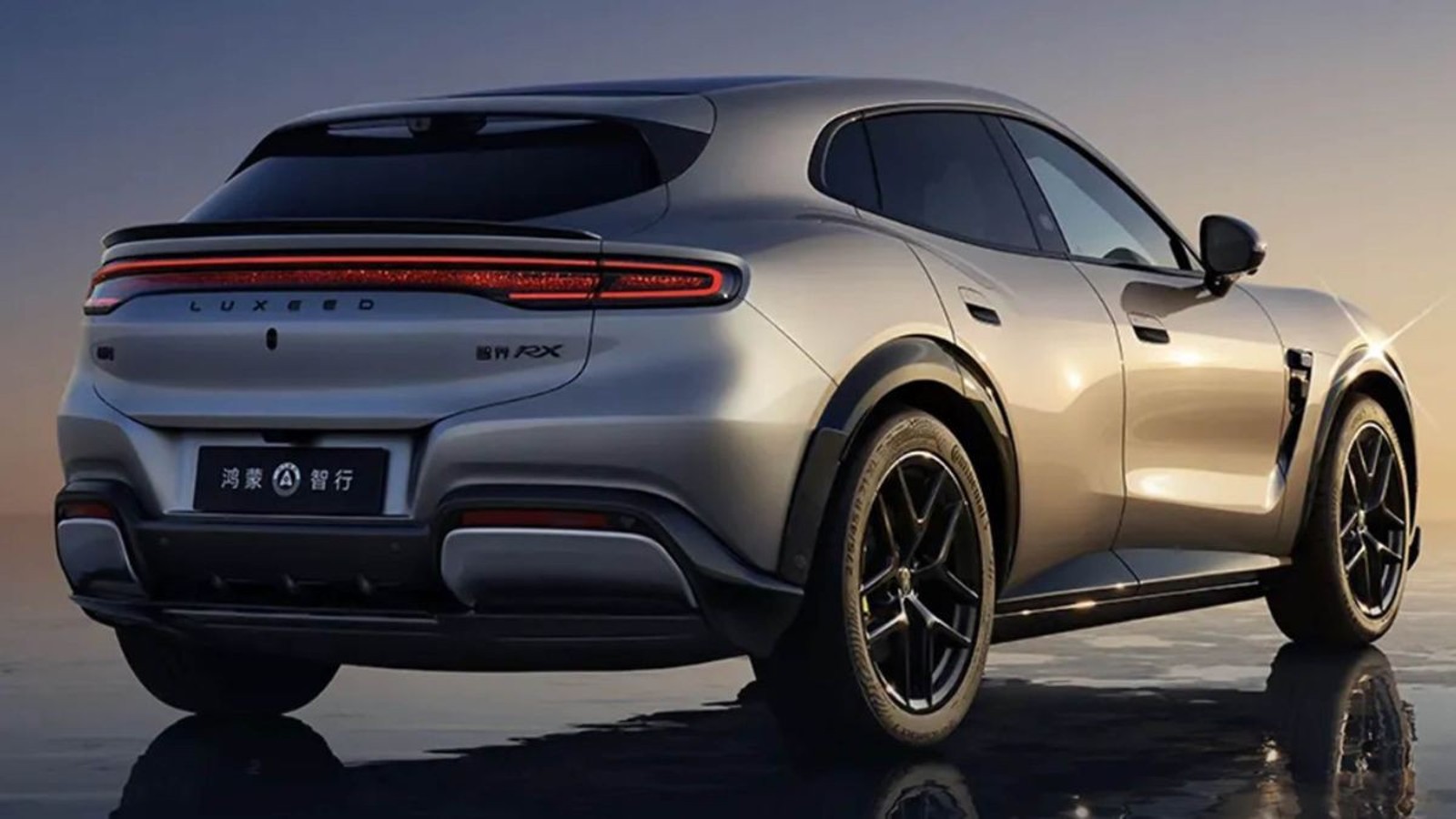
In terms of design, the RX moves away from the Tesla-like direction of the earlier R7 and instead targets the same visual territory as the Xiaomi YU7. It has a low, stretched silhouette, a long hood, sculpted body sides and a sharply tapered rear end. According to Chery’s promotional material, one of Ferrari’s former designers was involved in shaping the car, which helps explain its more dramatic proportions.
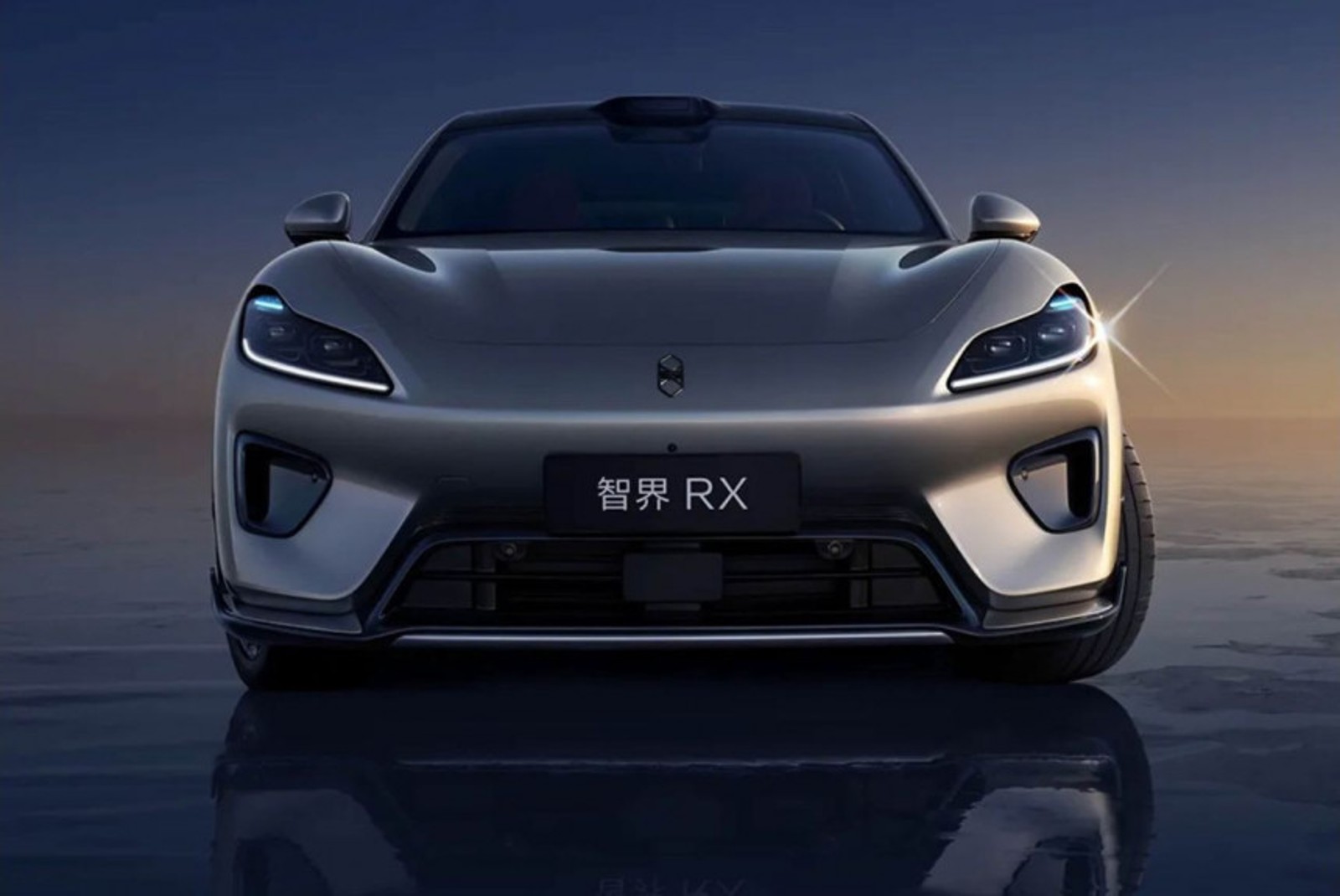
Even so, the RX is not a copy of Xiaomi’s formula. Its bodywork is sharper and more angular, giving it a more aggressive look. It also uses flush door handles rather than pop-out units.
The dimensions place it squarely in the large electric crossover class. The RX measures 5,020 mm in length, 2,007 mm in width and 1,585 mm in height, while the wheelbase stands at 3,000 mm. It rides on 21-inch wheels with 255/45 tires.
Huawei’s contribution is especially visible in the technology package. The RX will use the latest Huawei Qiankun ADS driver-assistance system with integrated artificial intelligence. The vehicle carries four lidars, including one mounted above the windshield, making it clear that advanced assisted driving is a major part of the model’s positioning.
The interior has not been shown yet, but the body technology is already partly known. Luxeed says the RX will use large high-pressure cast body components, along with electromagnetic thermal-control technology, echoing manufacturing methods now becoming popular in China’s EV sector.
Two powertrain versions have been confirmed. The entry model is rear-wheel drive and uses a single rear electric motor producing 377 hp. This version has a curb weight of 2,250 kg.
The all-wheel-drive version adds a front motor rated at 217 hp, bringing combined output to 594 hp. Its curb weight rises to 2,400 kg. Both versions share the same claimed top speed of 251 km/h.
Battery capacity and range figures have not yet been released. However, the RX is confirmed to use Huawei Giant Whale battery packs.
A full public debut has not yet been scheduled, but Chinese media expect the Luxeed RX to launch this autumn. Pricing is still unknown, though it will enter a segment where the Xiaomi YU7 currently starts at 233,500 yuan and rises to 330,000 yuan.
Gallery