Hyundai's New i20 Trades Hatchback Looks For Baby Crossover Swagger
Hyundai just unveiled the next-gen i20 in Brazil, and it's ditched its hatchback roots for a rugged, SUV-inspired makeover.
Hyundai has chosen Brazil as the launch pad for its next-generation i20, and the reveal gives us our clearest look yet at where the global subcompact is headed. Rather than sticking with a conventional hatchback silhouette, the new model leans hard into crossover styling, borrowing cues from Hyundai's broader lineup while introducing tech and design elements that feel a generation ahead of the outgoing car.
It's worth noting upfront that this Brazilian-market i20 isn't a direct preview of what Europe will get. Hyundai has confirmed that while the European version will share the same underlying platform, it will differ meaningfully in styling, powertrain choices, cabin layout, and even suspension tuning. Spy shots captured ahead of this reveal do suggest there's significant visual overlap between the two, so think of this as a strong hint rather than a carbon copy.
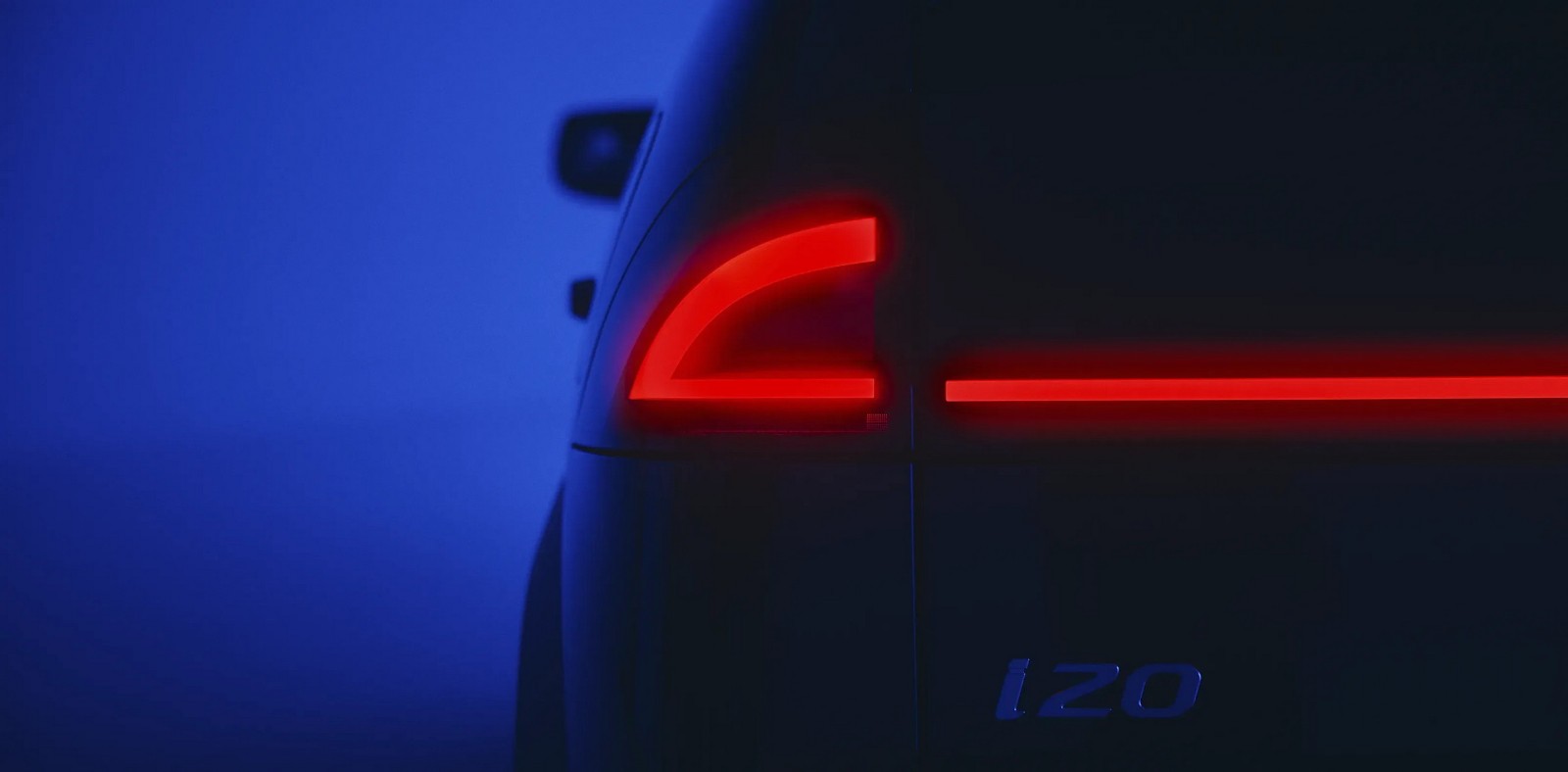
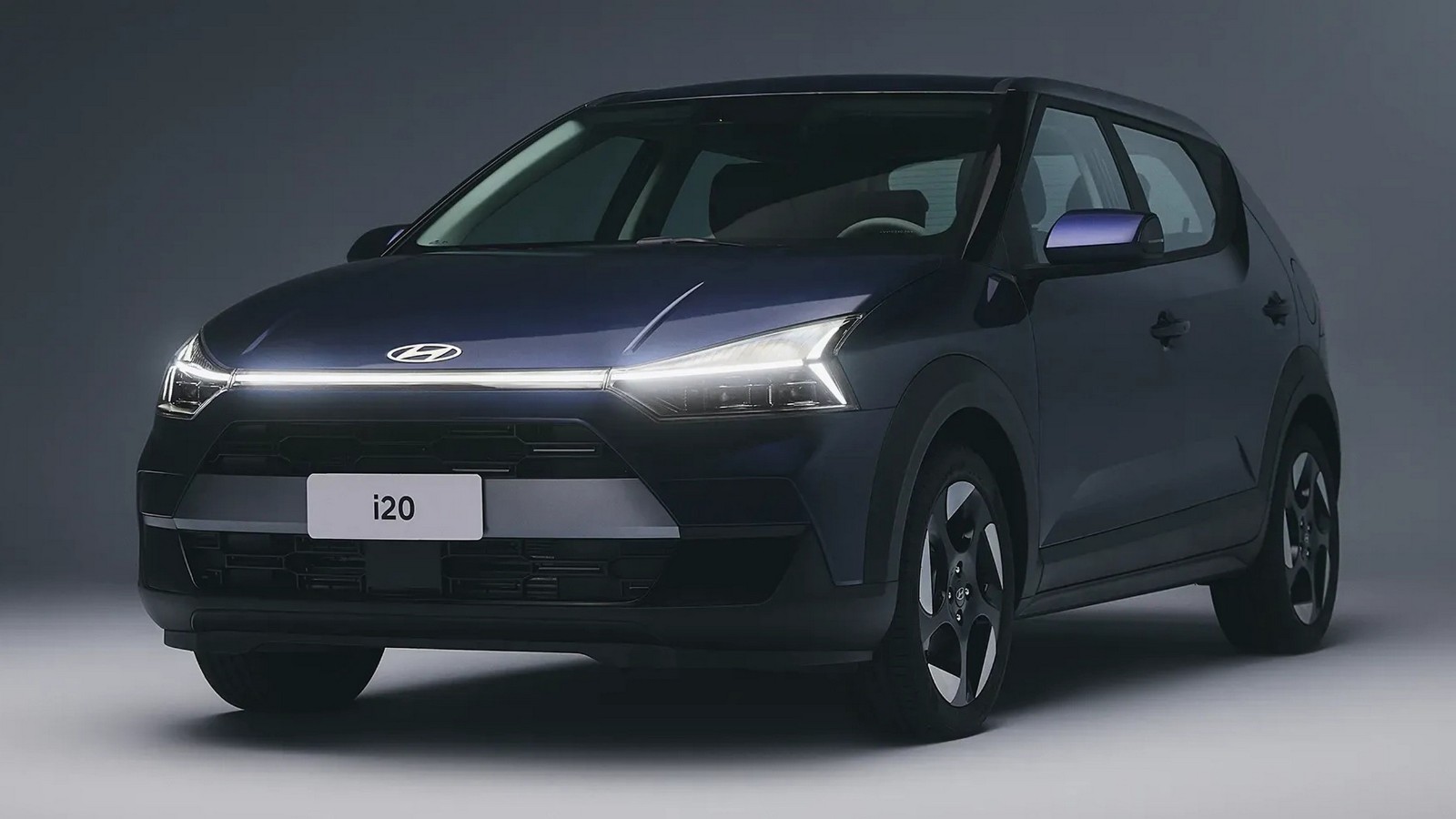
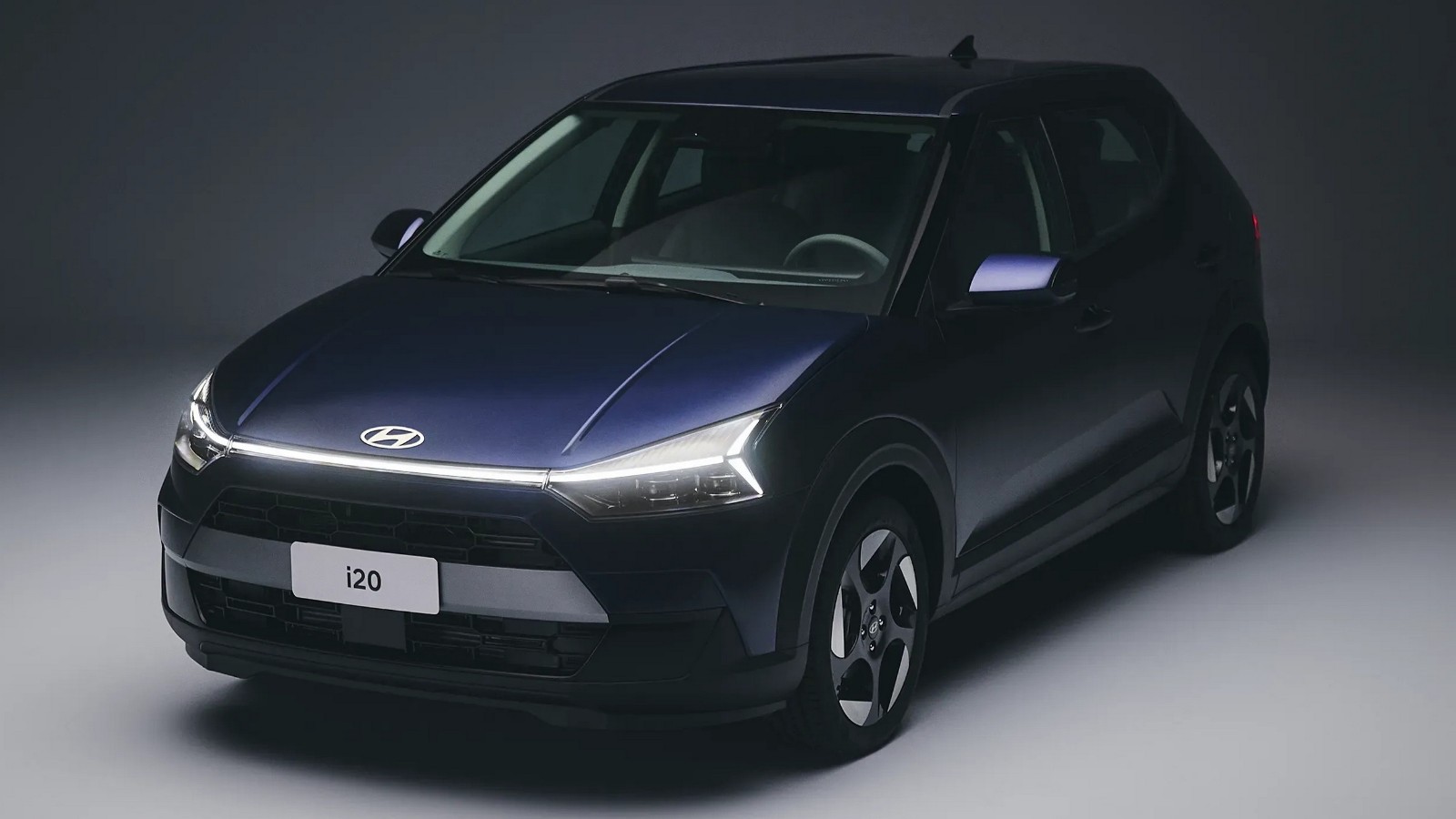
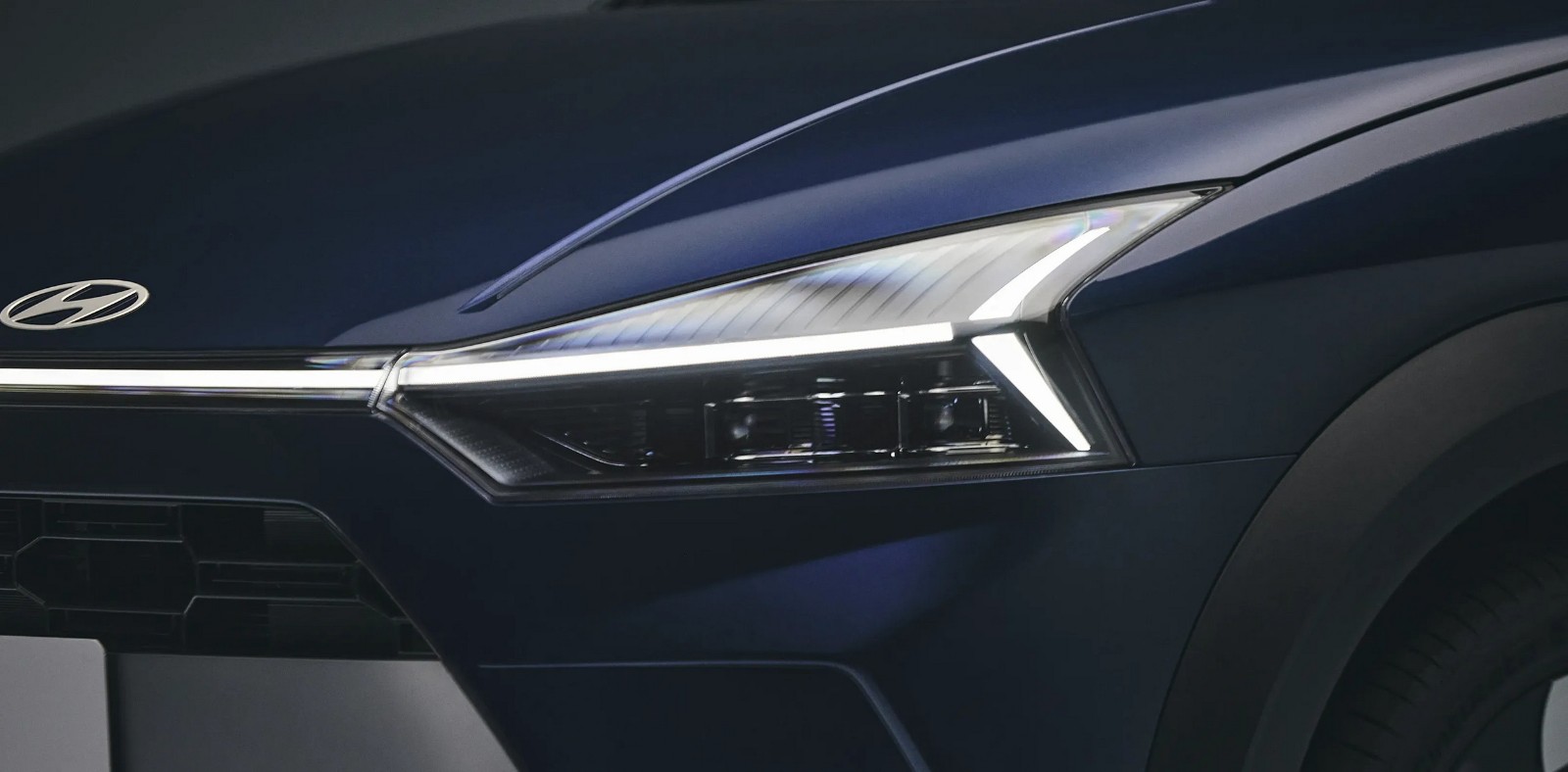
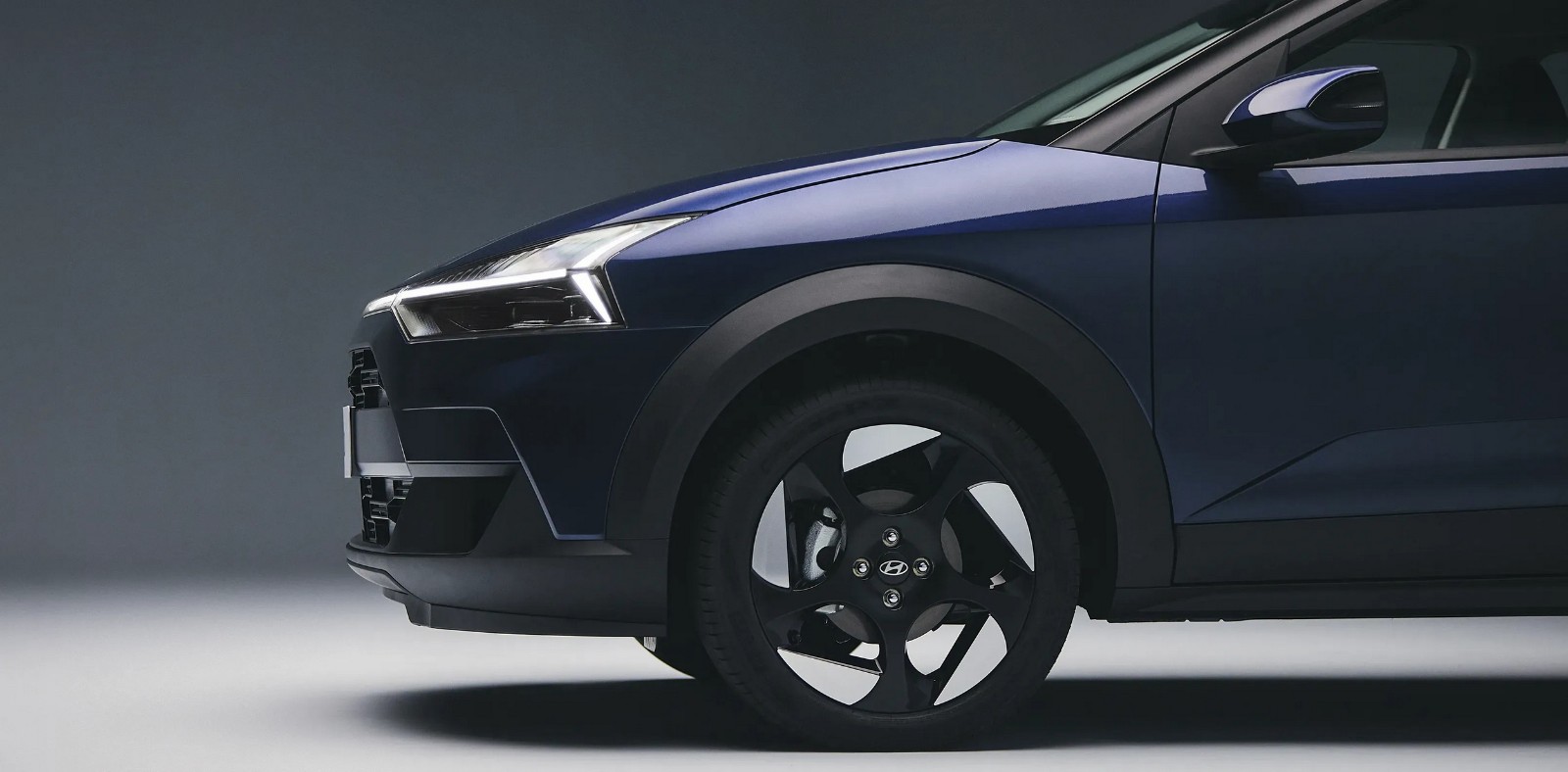
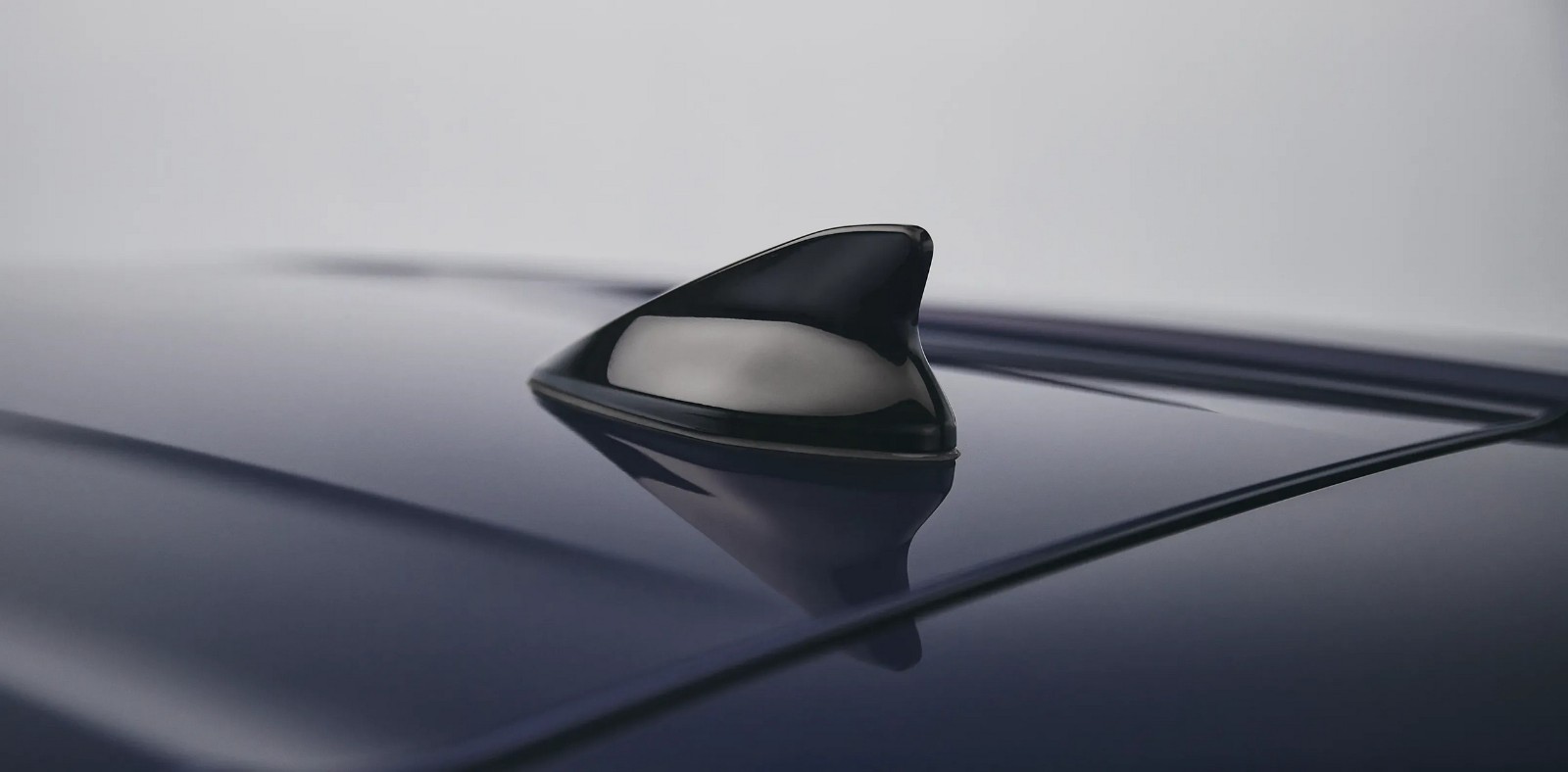
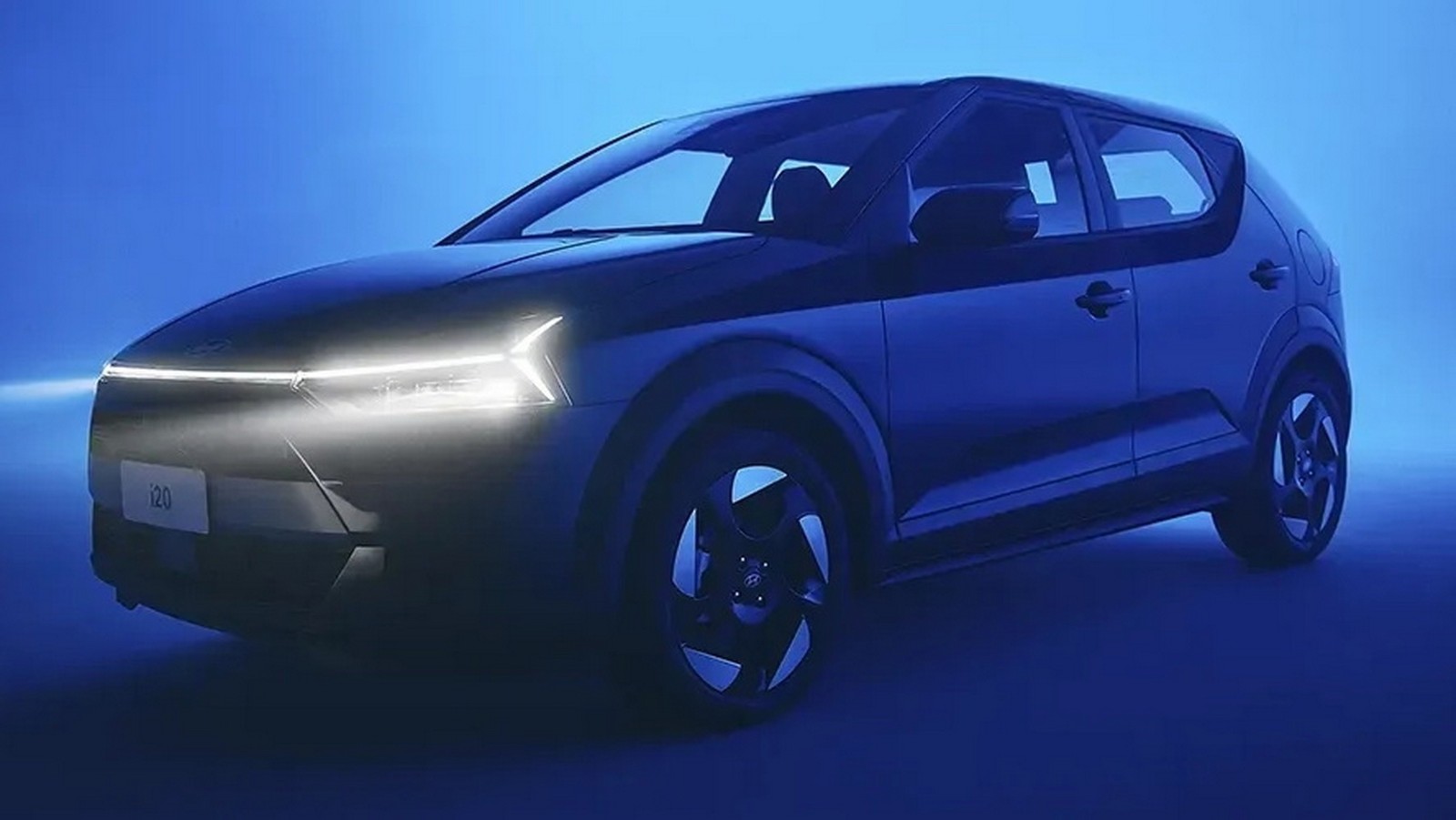
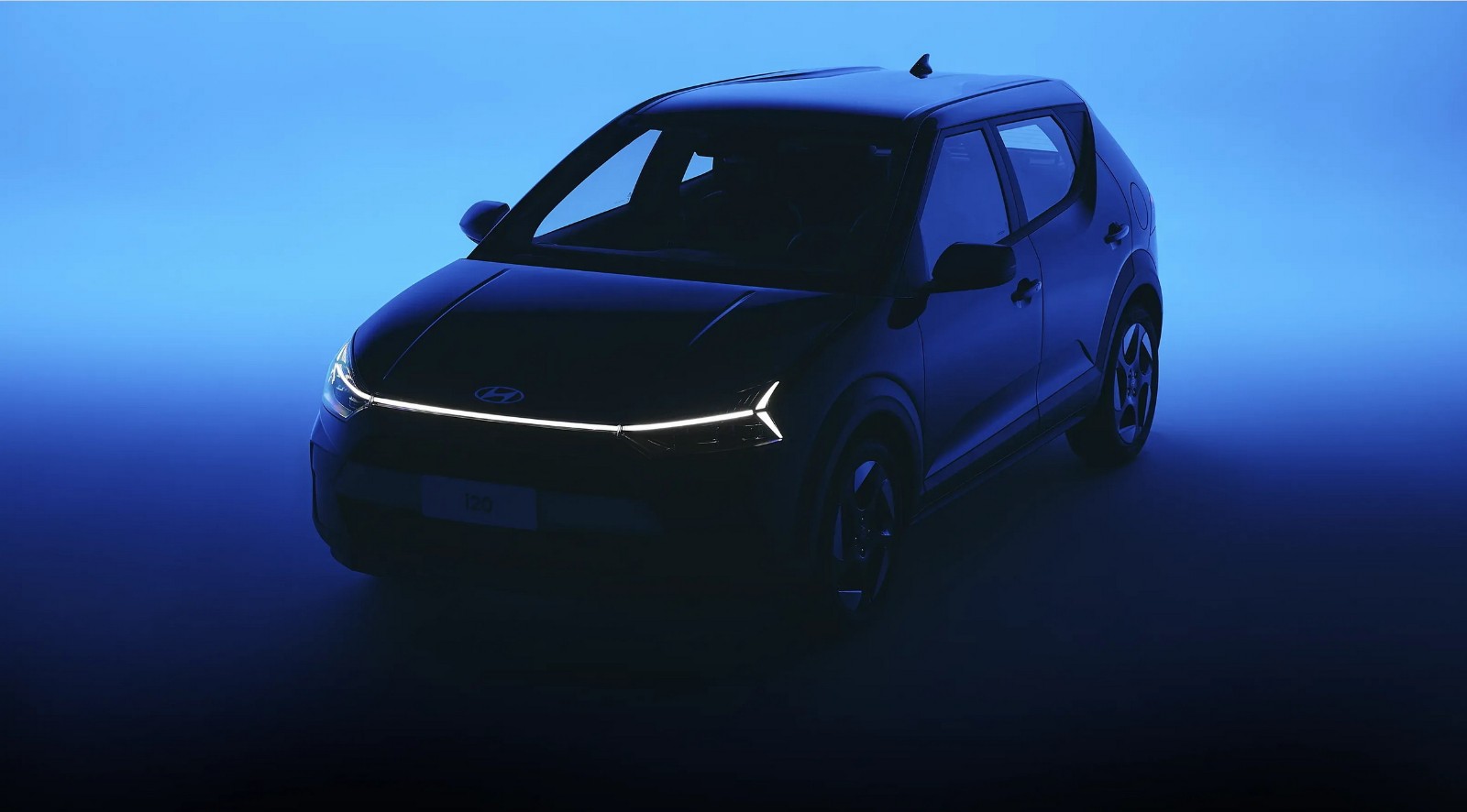
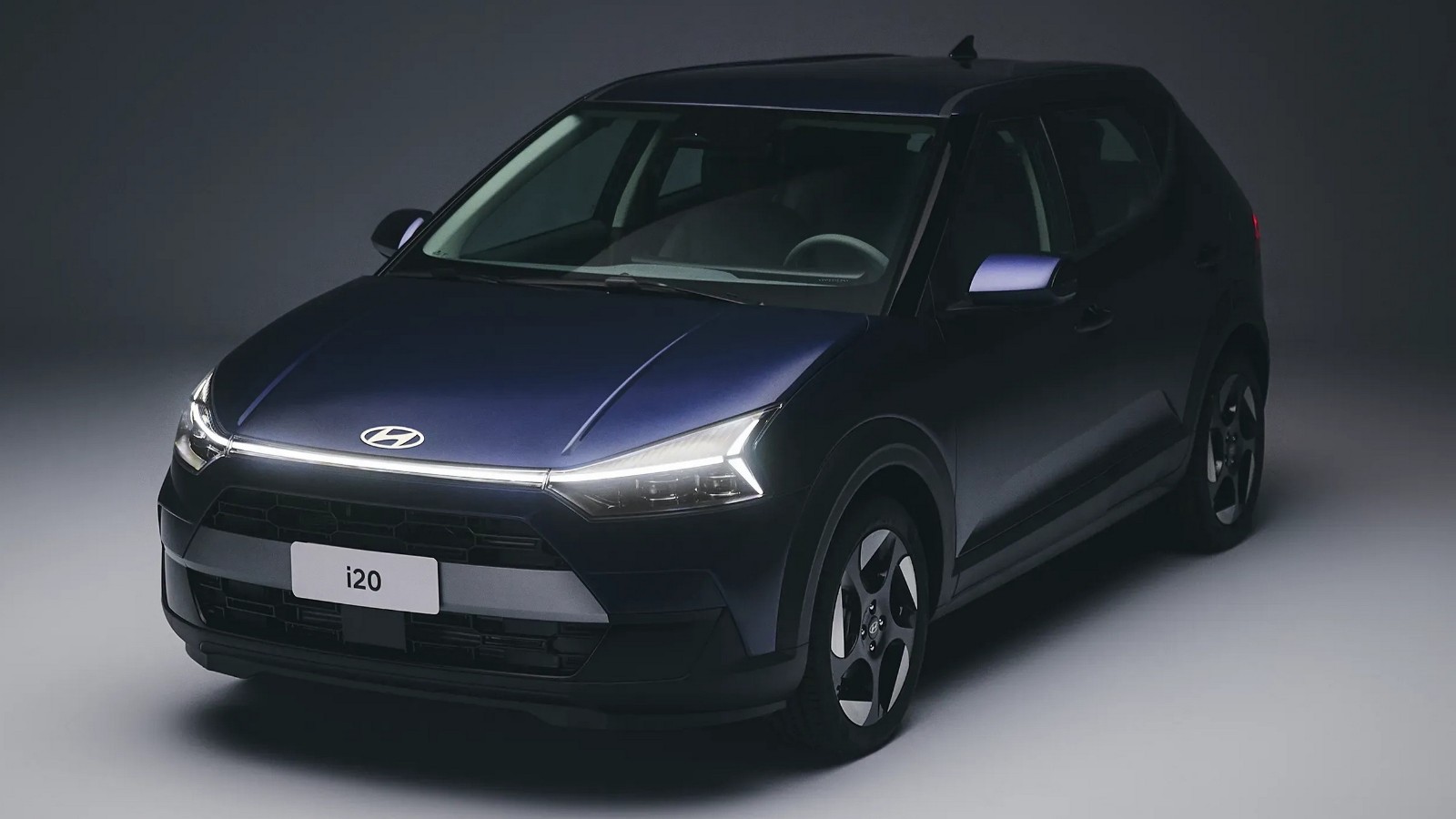
The design shift is the headline story here. Pulling inspiration from the Ioniq 3 but toned down, the new i20 wraps its bumpers and wheel arches in plastic cladding, blacks out the pillars, and flattens the roofline to create a stance that mimics a shrunken SUV — essentially a baby Creta. Up front, a wide grille pairs with full-width LED lighting and Lamborghini-esque running lights, while the flagship trim rides on sharp 17-inch diamond-cut wheels. It's a dramatic departure from the softer, more conventional hatchback look the i20 has worn for years.
Dimensionally, the Brazilian car keeps the same 2,580 mm wheelbase as the current European third-generation model, but grows overall, stretching to 4,130 mm in length and standing 1,505 mm tall. That added size should translate into a roomier cabin and a more substantial road presence, even if the European version ends up with its own specific proportions.
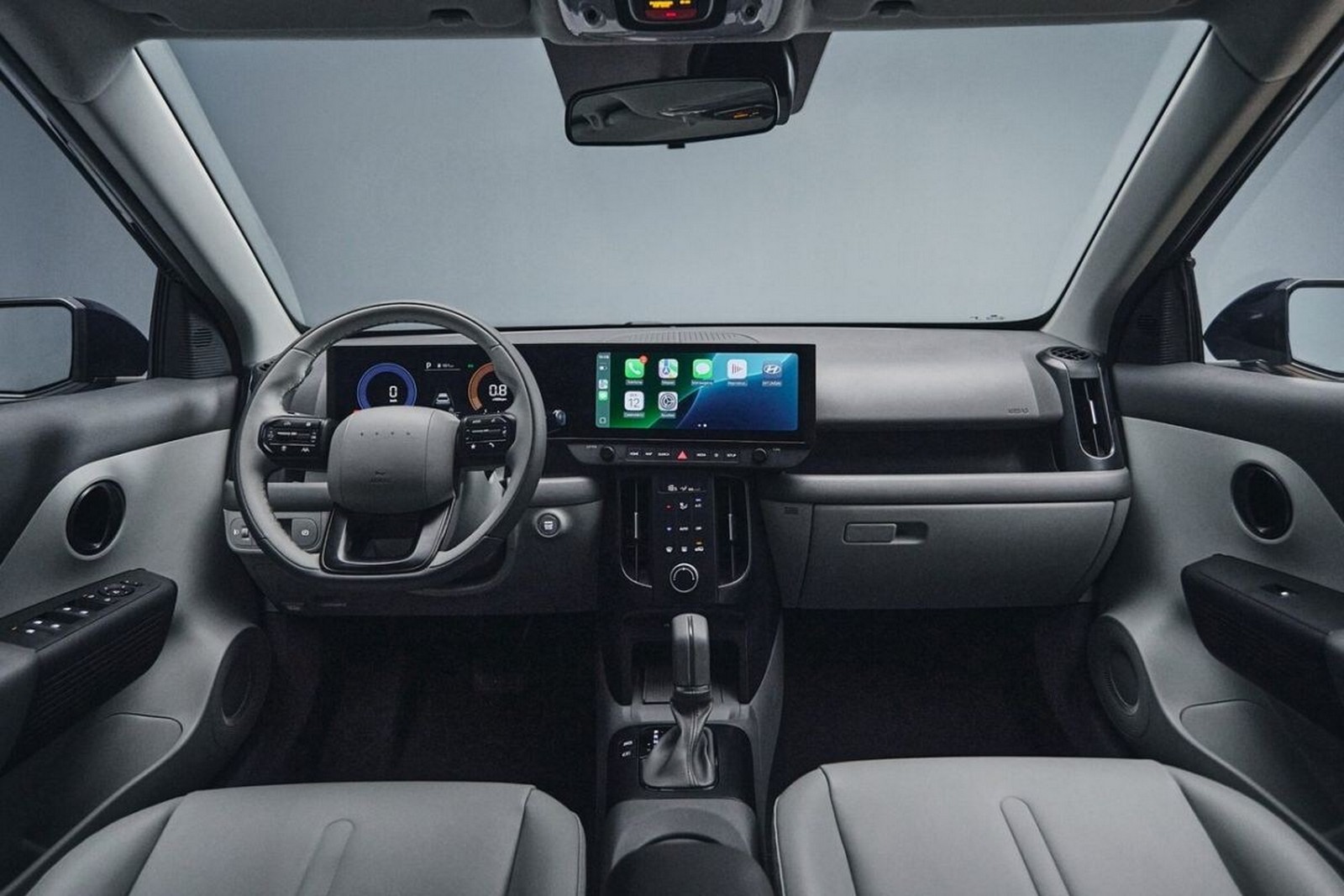
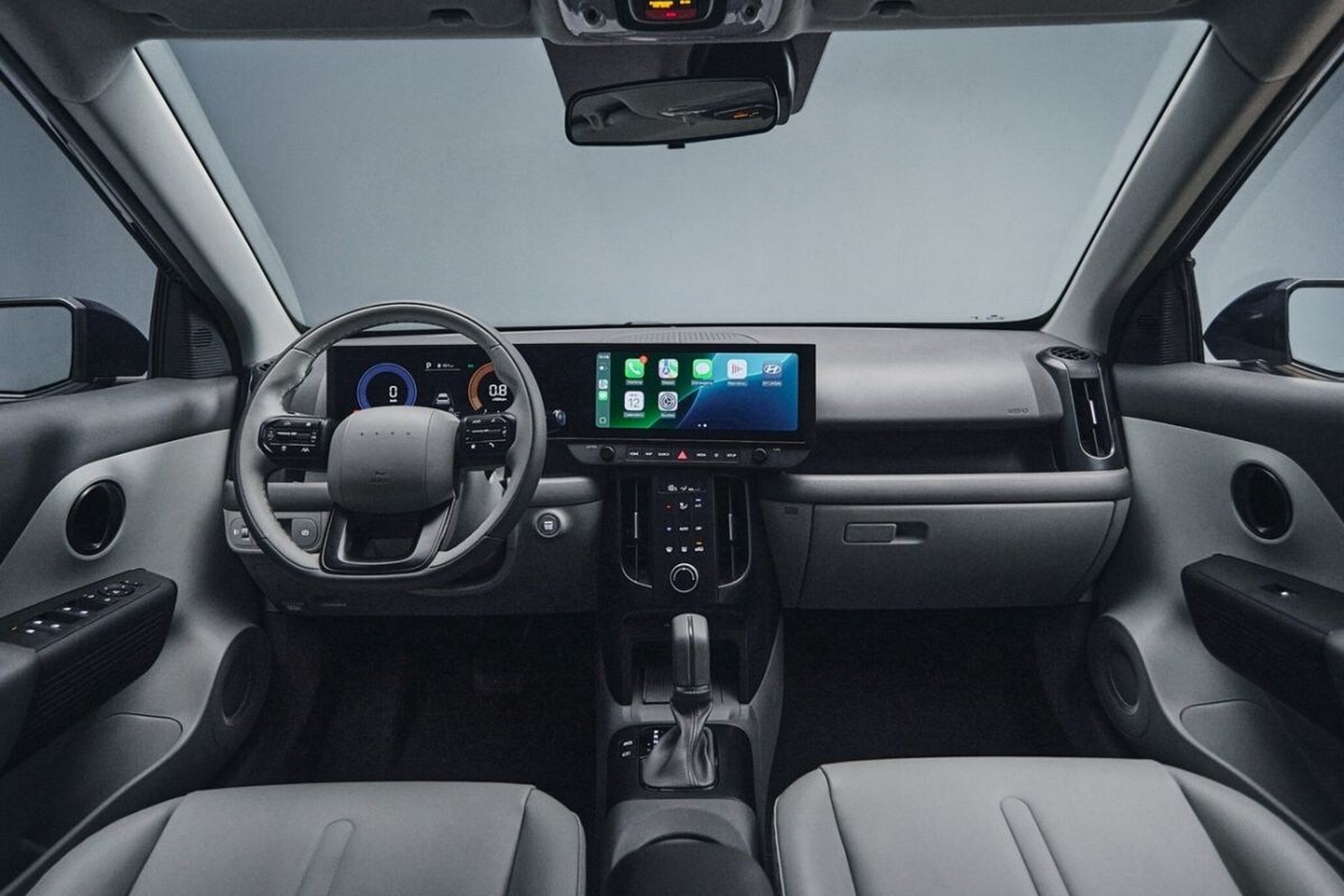
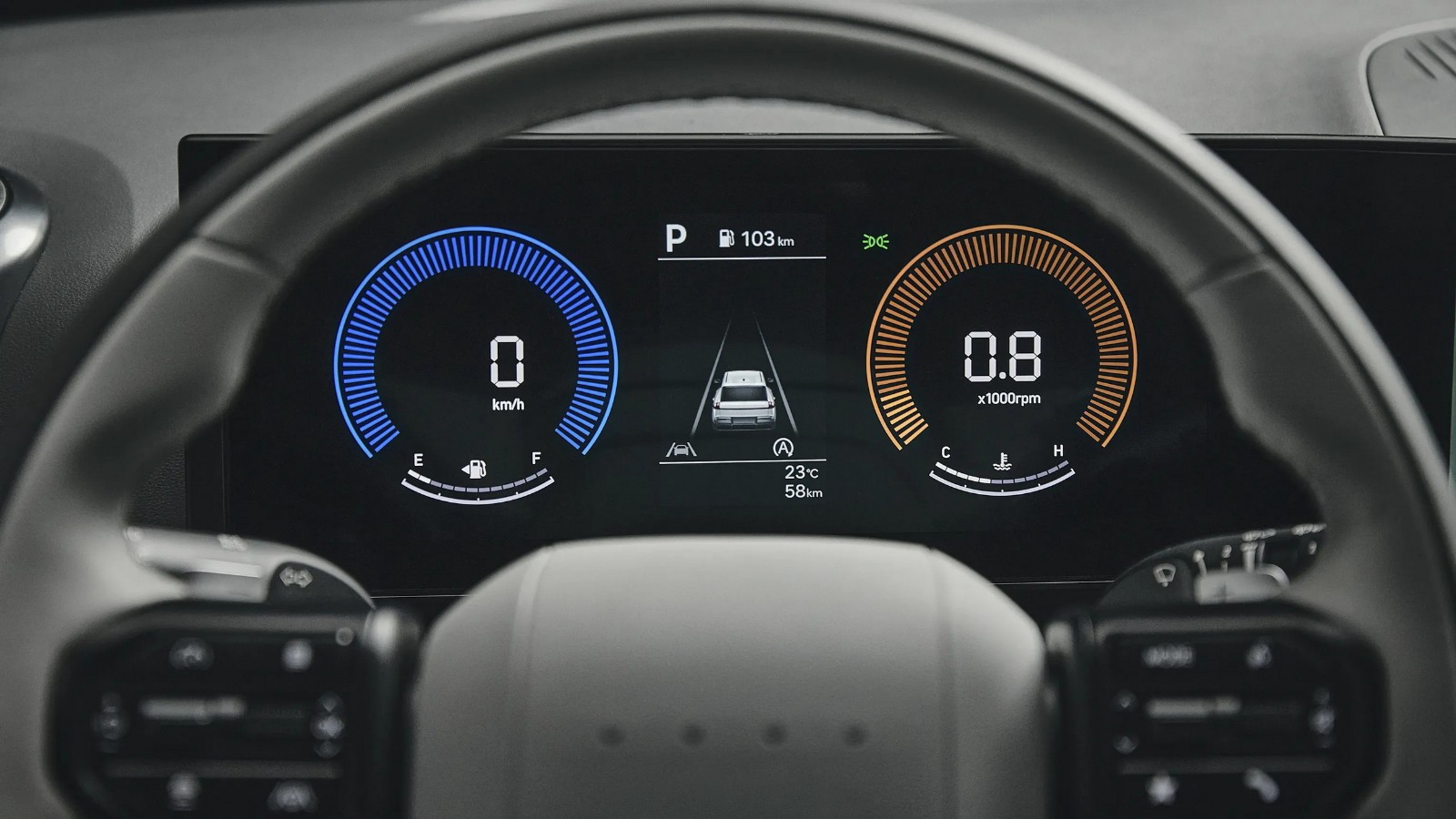
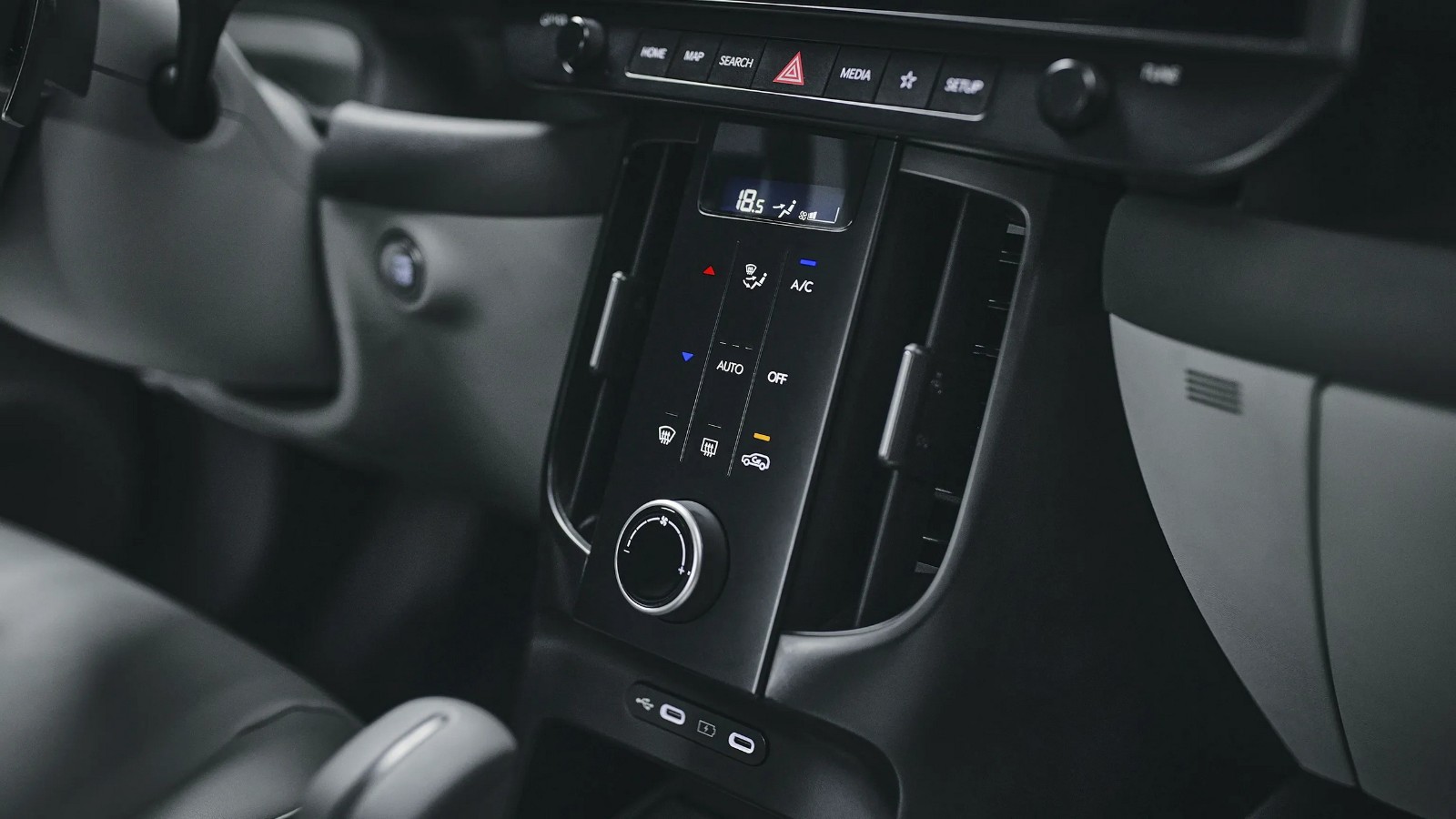
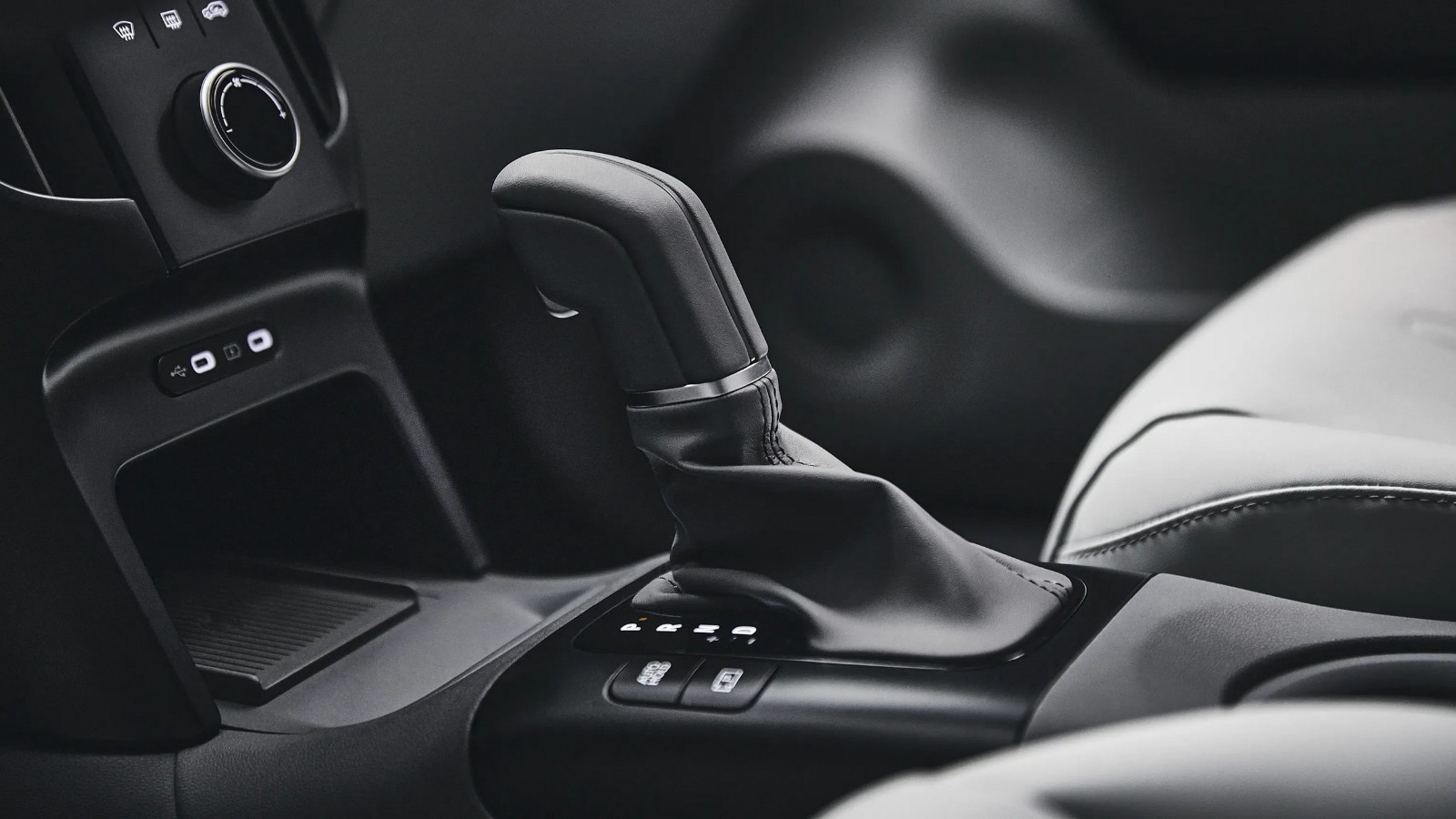
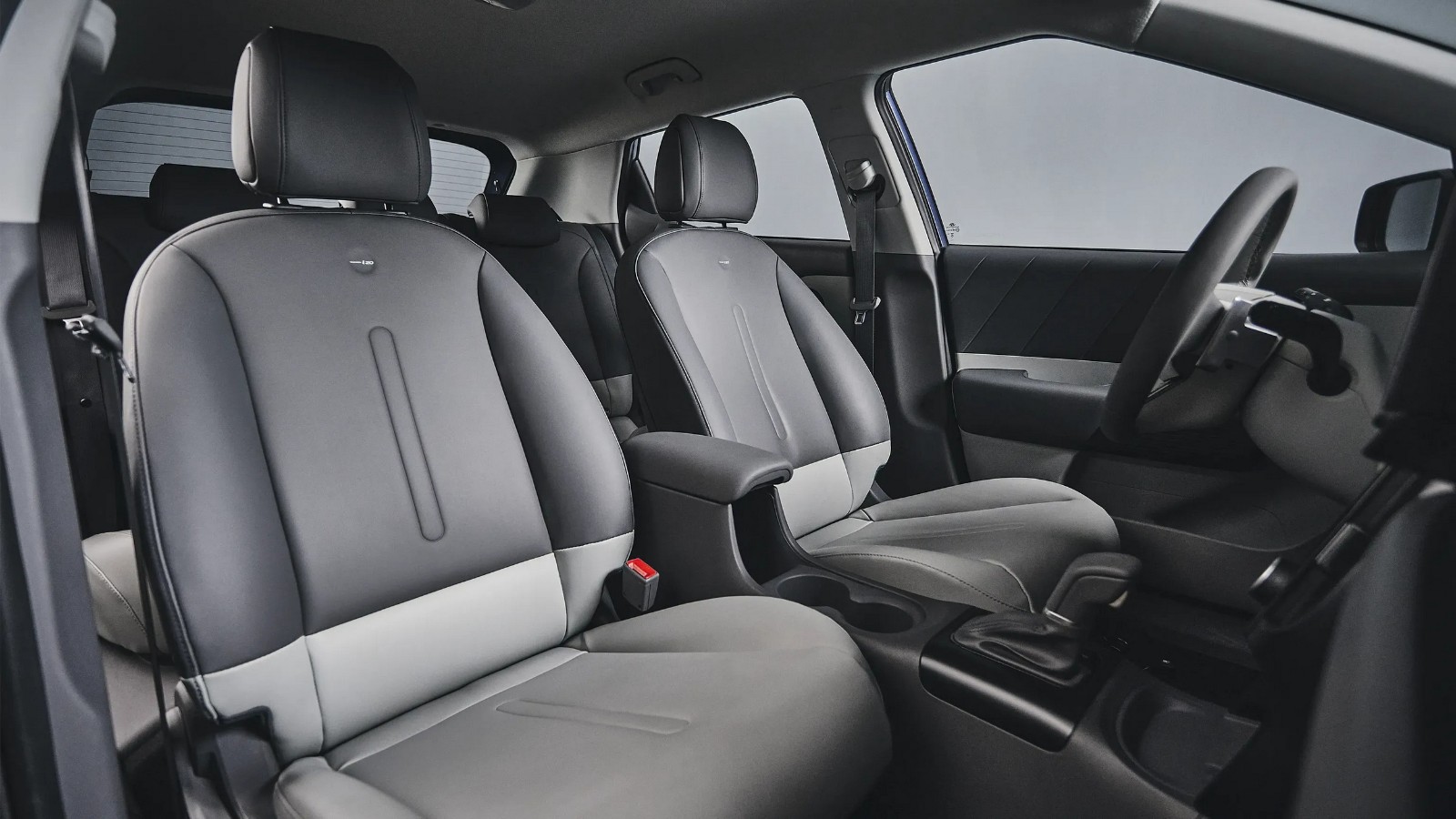
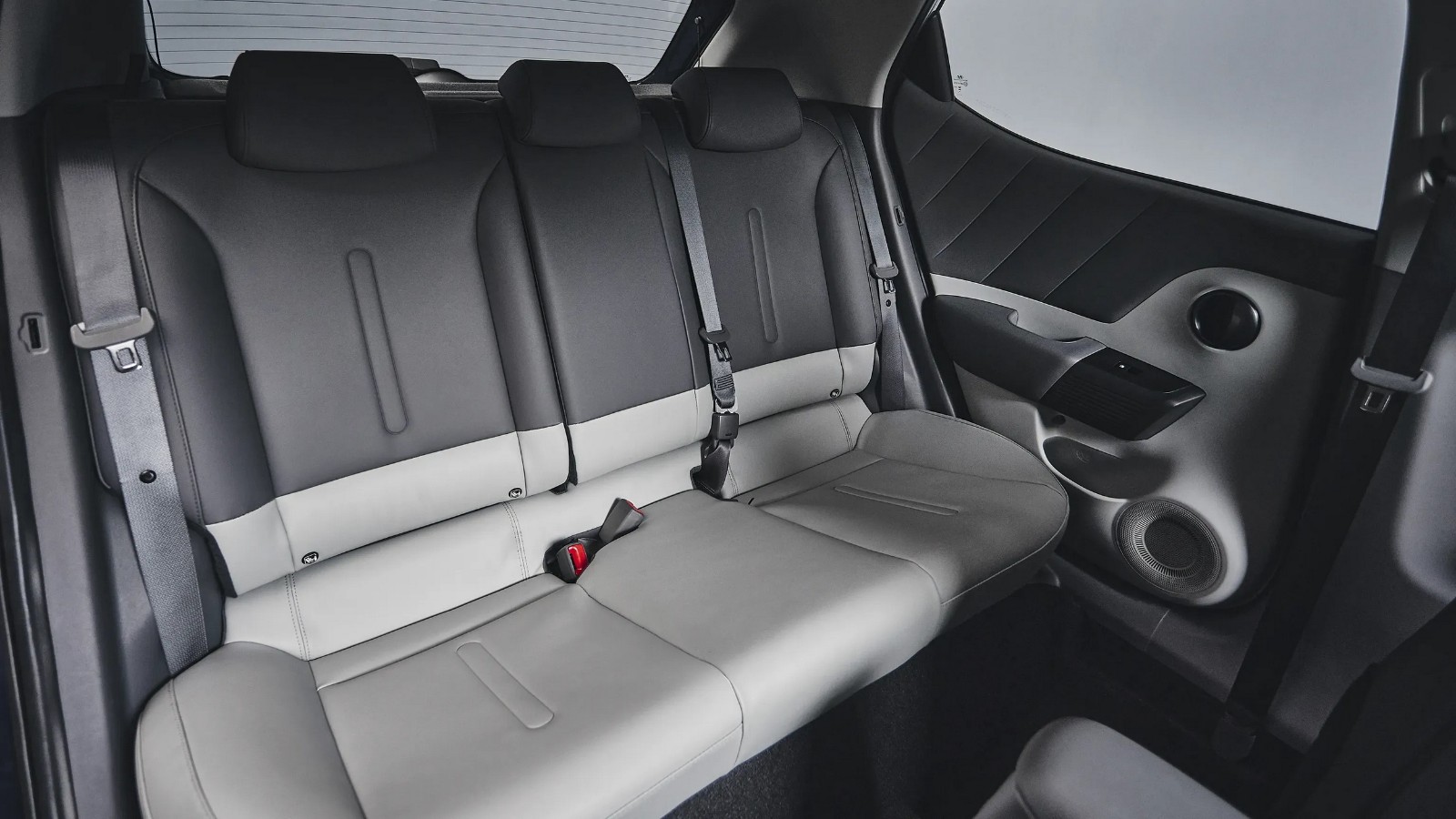
Step inside and the transformation continues. A twin 12.3-inch display setup dominates the dashboard, floating above a console that Hyundai has thankfully kept populated with physical buttons and knobs — a welcome move as touchscreen-only interiors continue to frustrate drivers elsewhere in the industry. A dedicated climate control panel sits between the air vents, and top-spec Ultimate models get a two-tone synthetic leather interior that looks properly upscale for the segment.
Under the hood, the Brazilian-spec car sticks purely to combustion power, running on either gasoline or ethanol as is common in that market. A naturally aspirated 1.0-liter three-cylinder produces up to 79 hp, while a turbocharged variant bumps that to 113 hp, with both routing power to the front wheels via manual or automatic transmissions. Whether Europe sees anything resembling electrification remains to be seen, given Hyundai's promise of a distinct powertrain lineup for that market.
Production will take place at Hyundai's Piracicaba plant in Brazil, sharing space with the HB20, HB20S, and Creta. That lineup overlap raises interesting questions about the future of the locally developed HB20, which has been on sale since 2019 and received a facelift in 2022 — the new i20 could eventually be positioned to replace it, reshuffling Hyundai's entire subcompact strategy in the region.
Gallery