Hyundai's Base Ioniq 3 Ditches The N Line Drama For A Softer, Simpler Look
After teasing the sporty N Line first, Hyundai reveals the everyday Ioniq 3 - and it trades attitude for approachability inside and out.
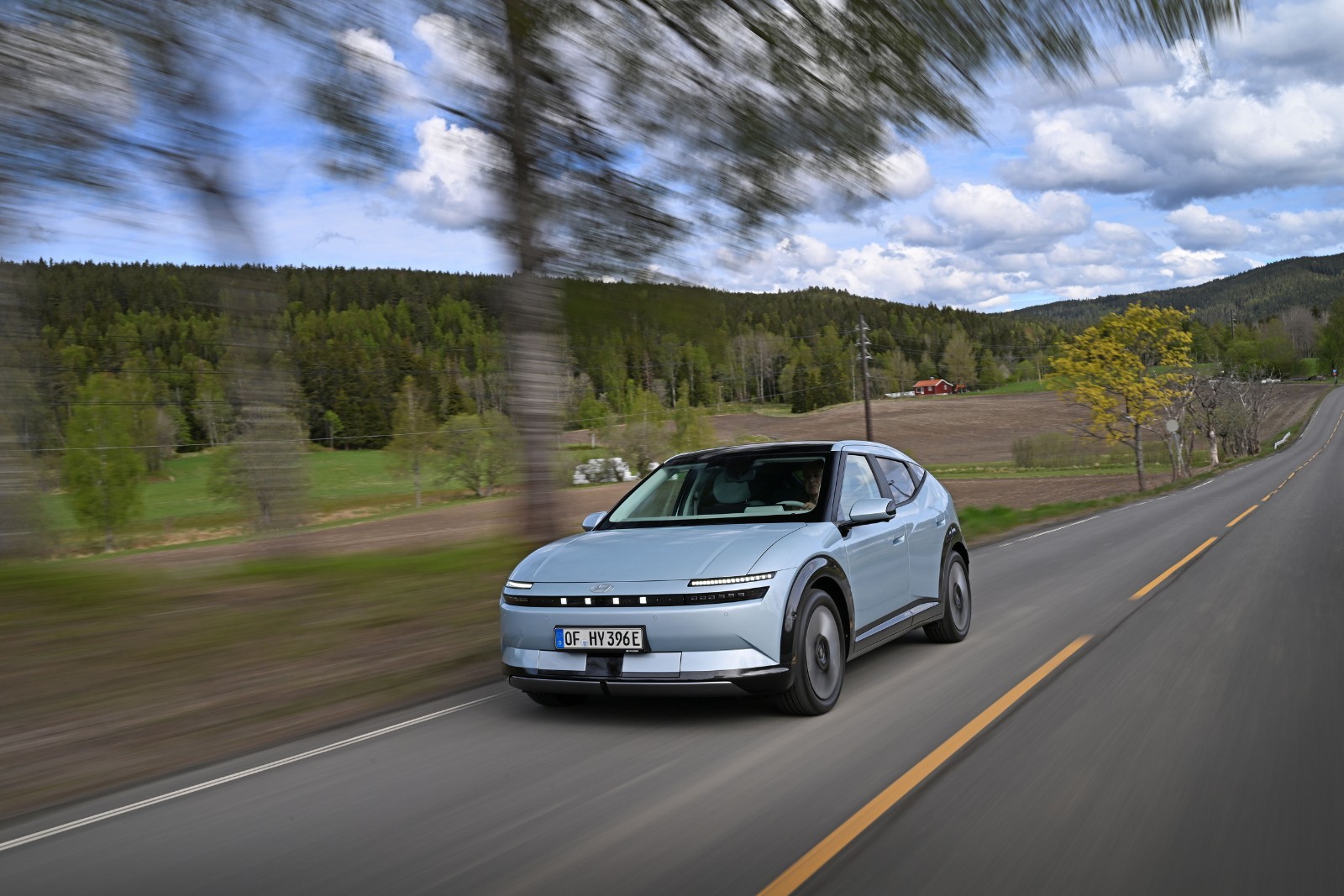
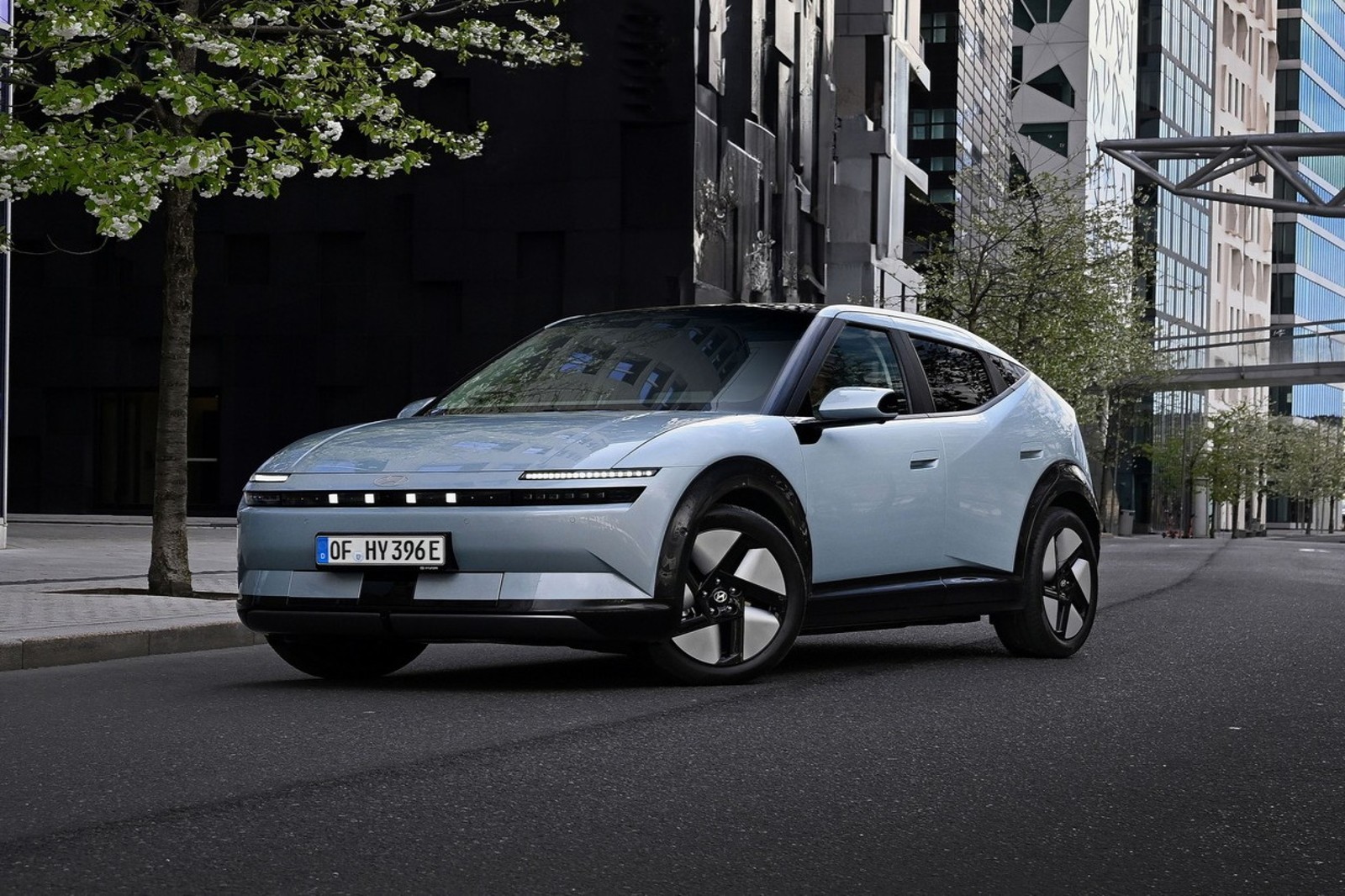
When Hyundai first showed the Ioniq 3 back in April, it led with the N Line - all sharp angles, big wheels, and aggressive intakes. Now the automaker is finally pulling back the curtain on the version most buyers will actually drive: the standard Ioniq 3, and it looks noticeably calmer than its sportier sibling.
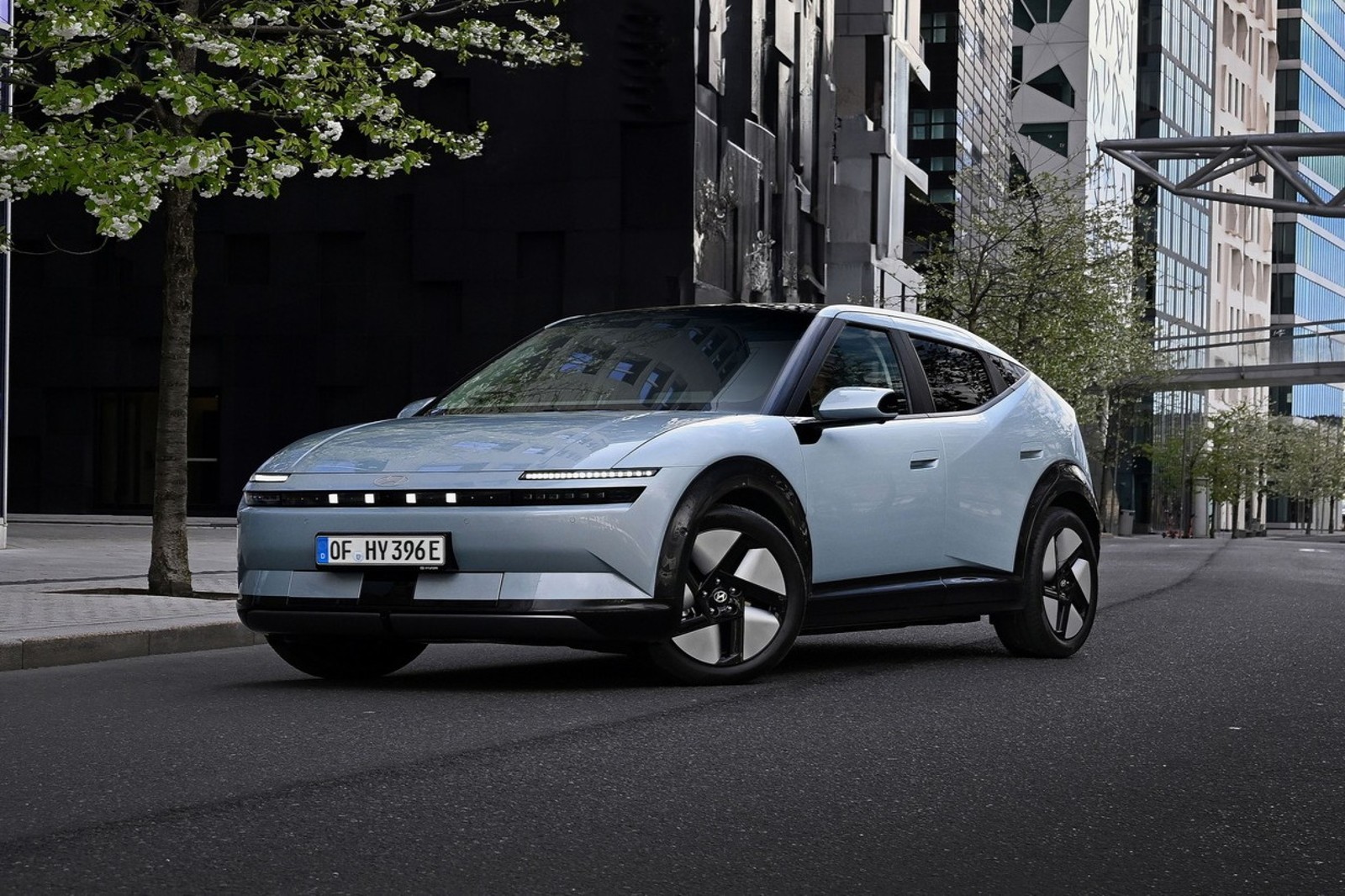
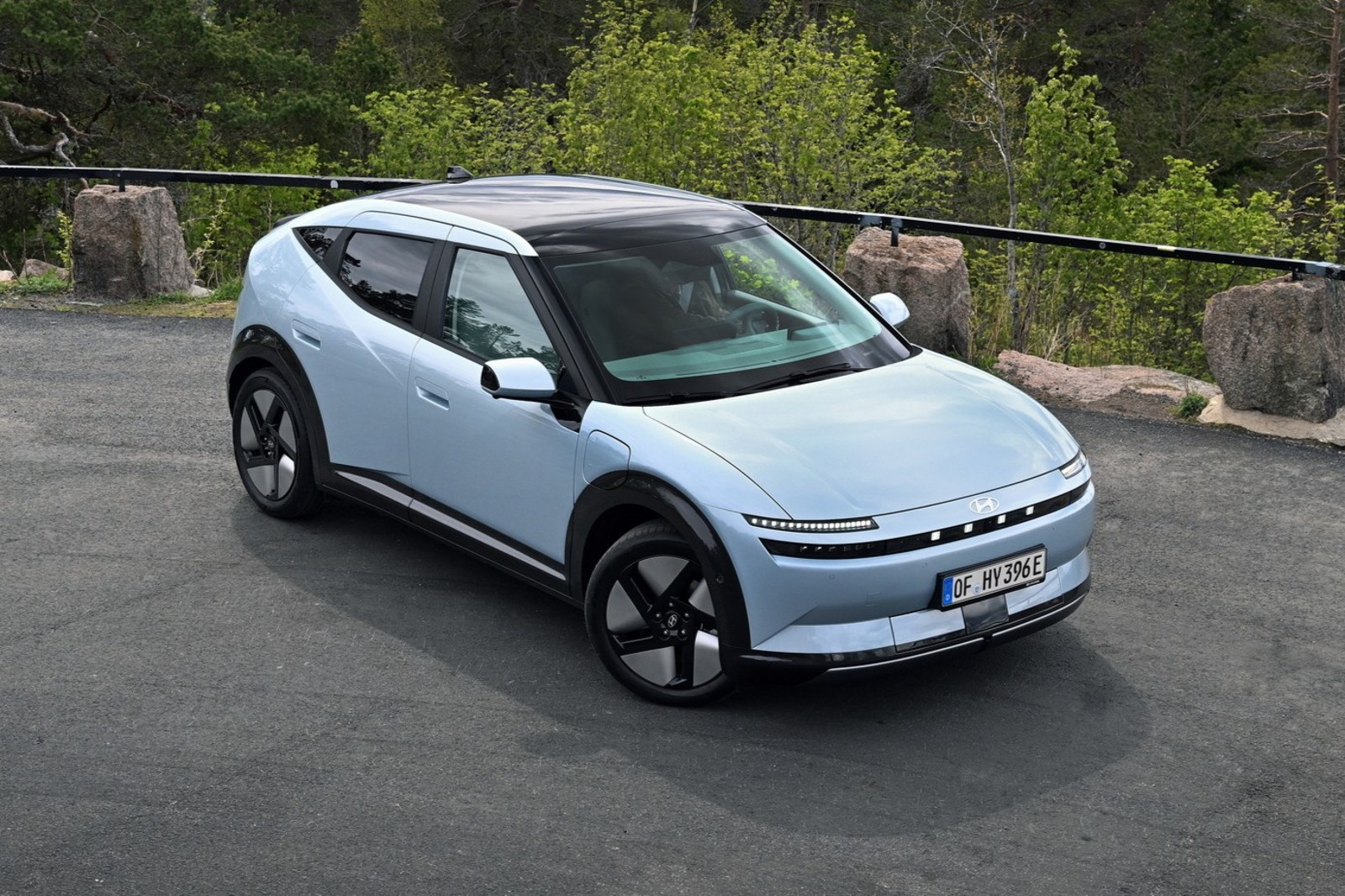
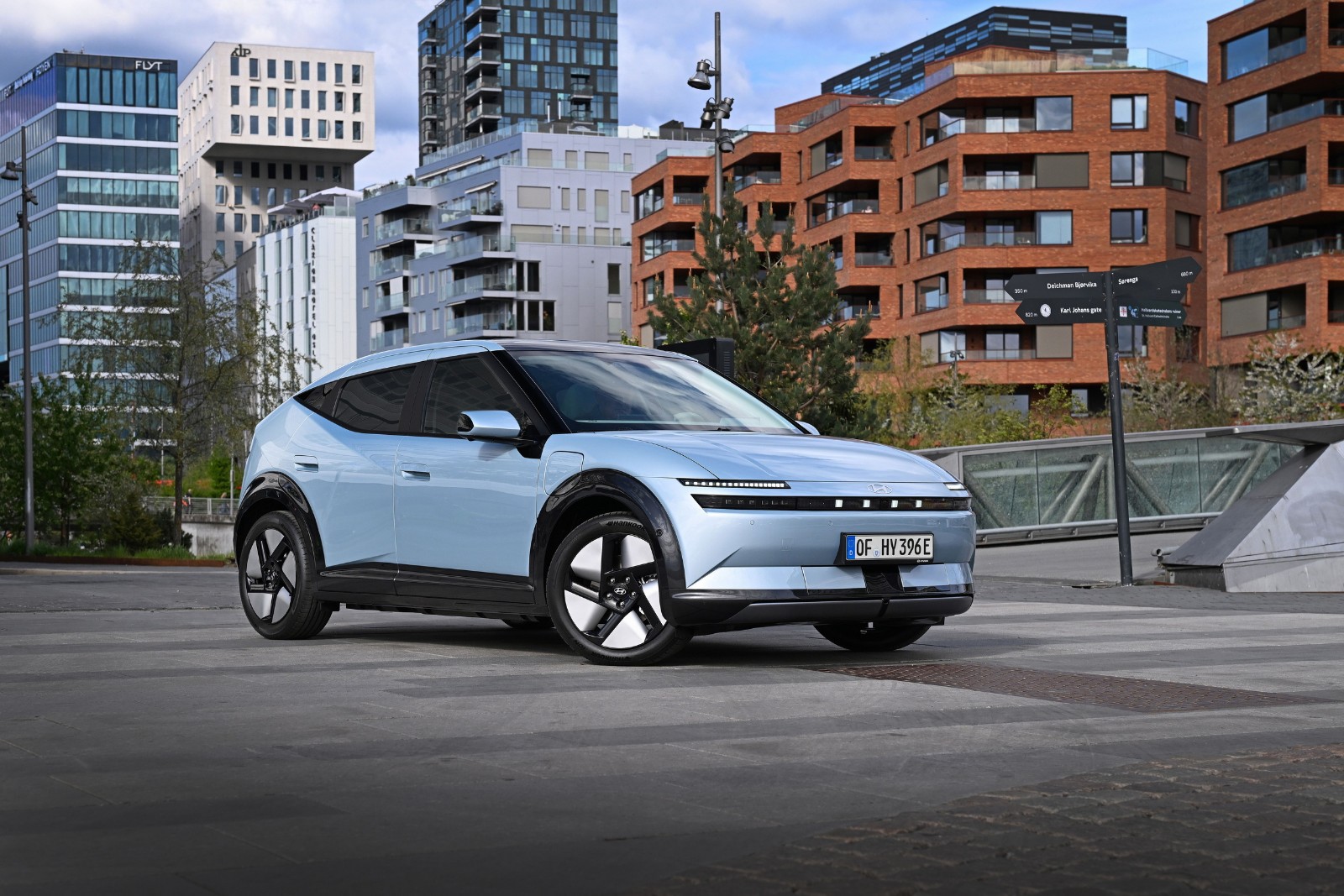
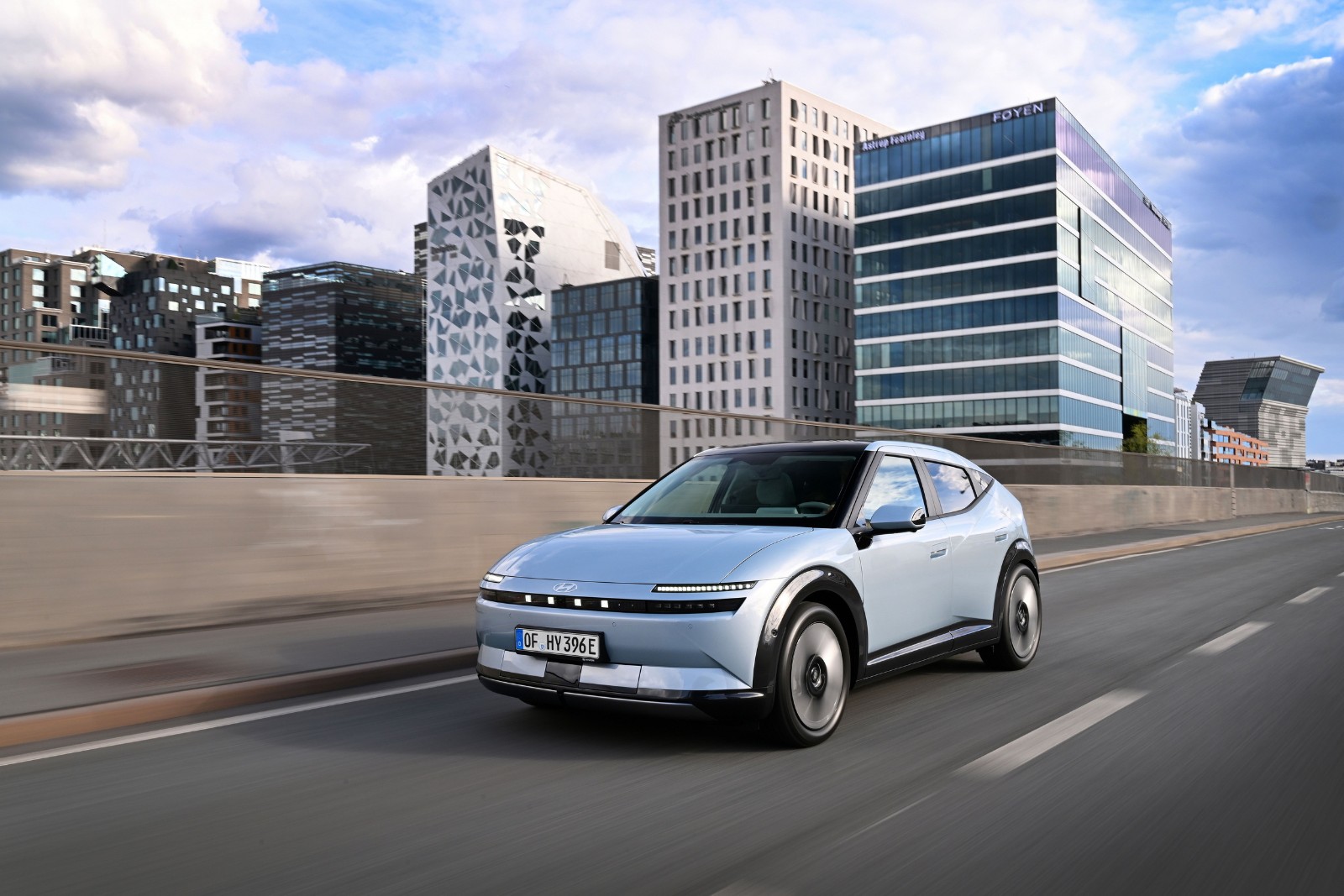
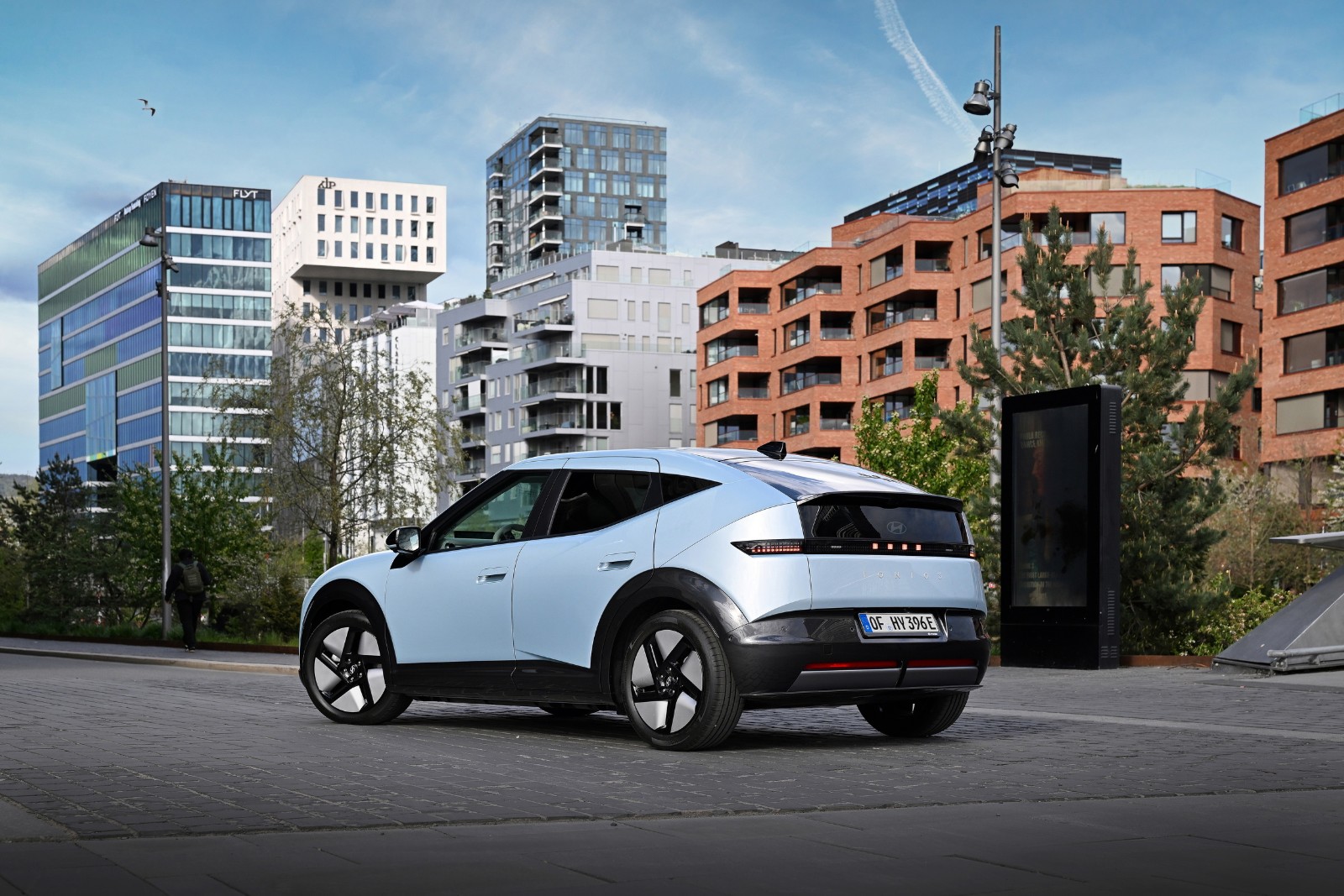
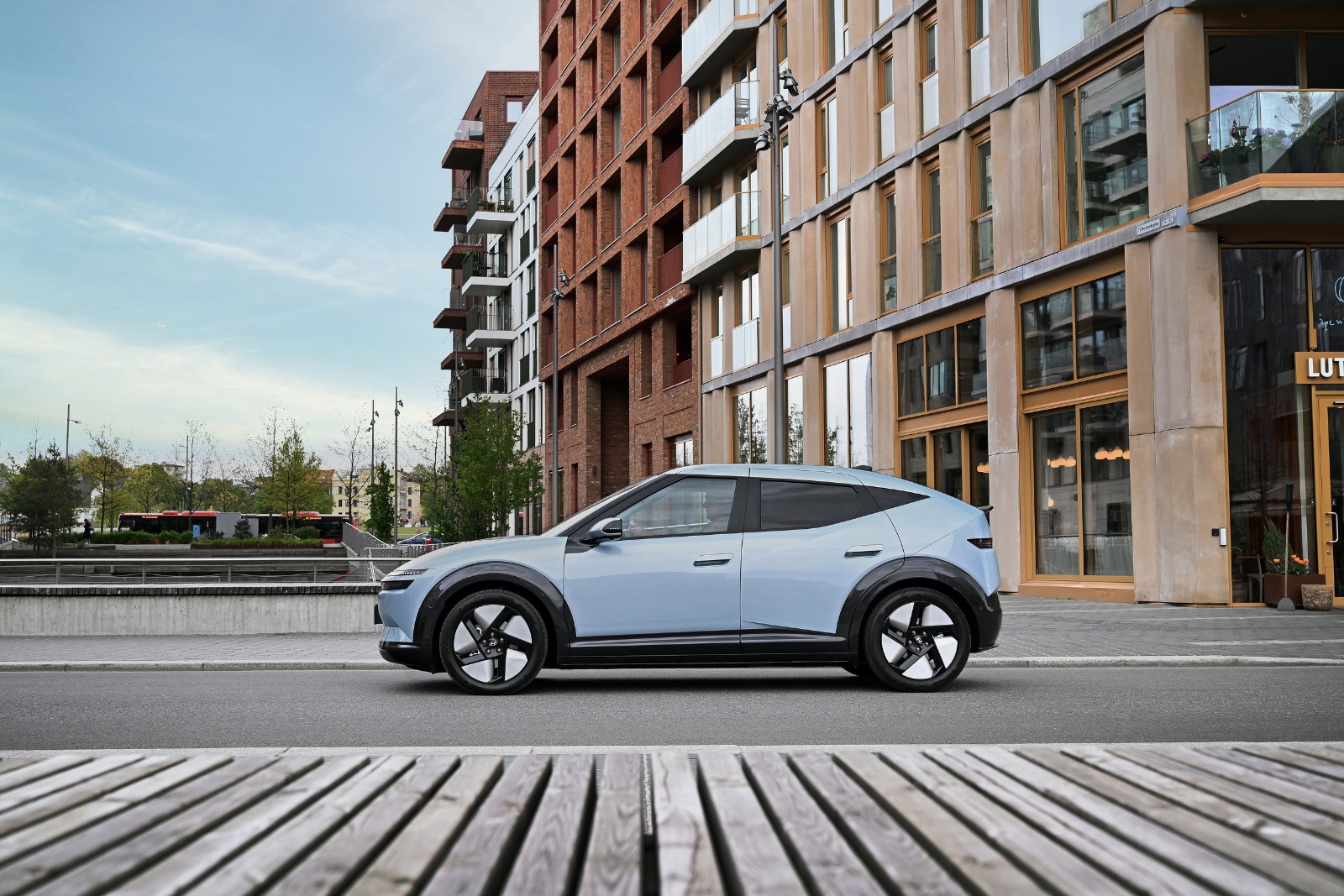
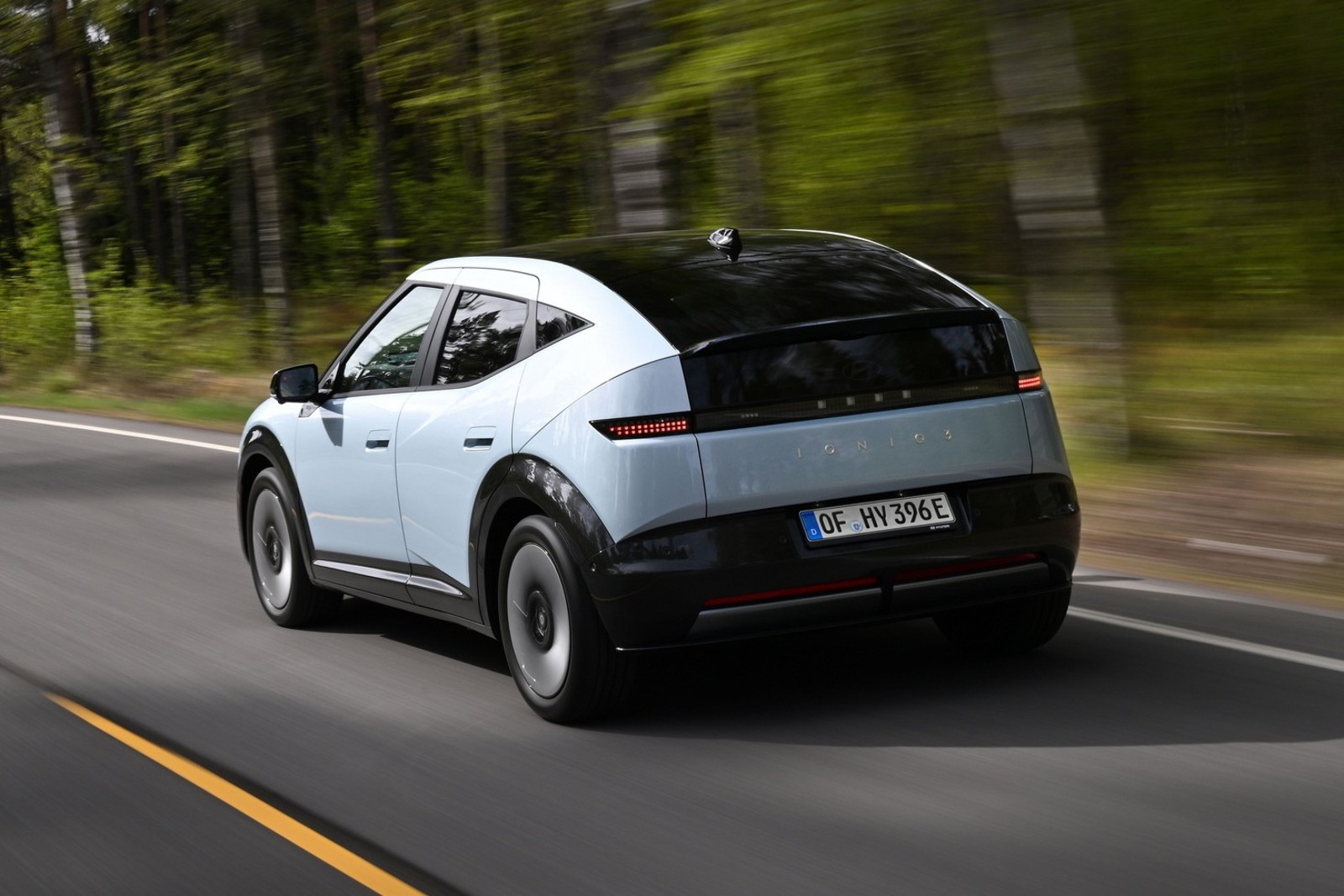
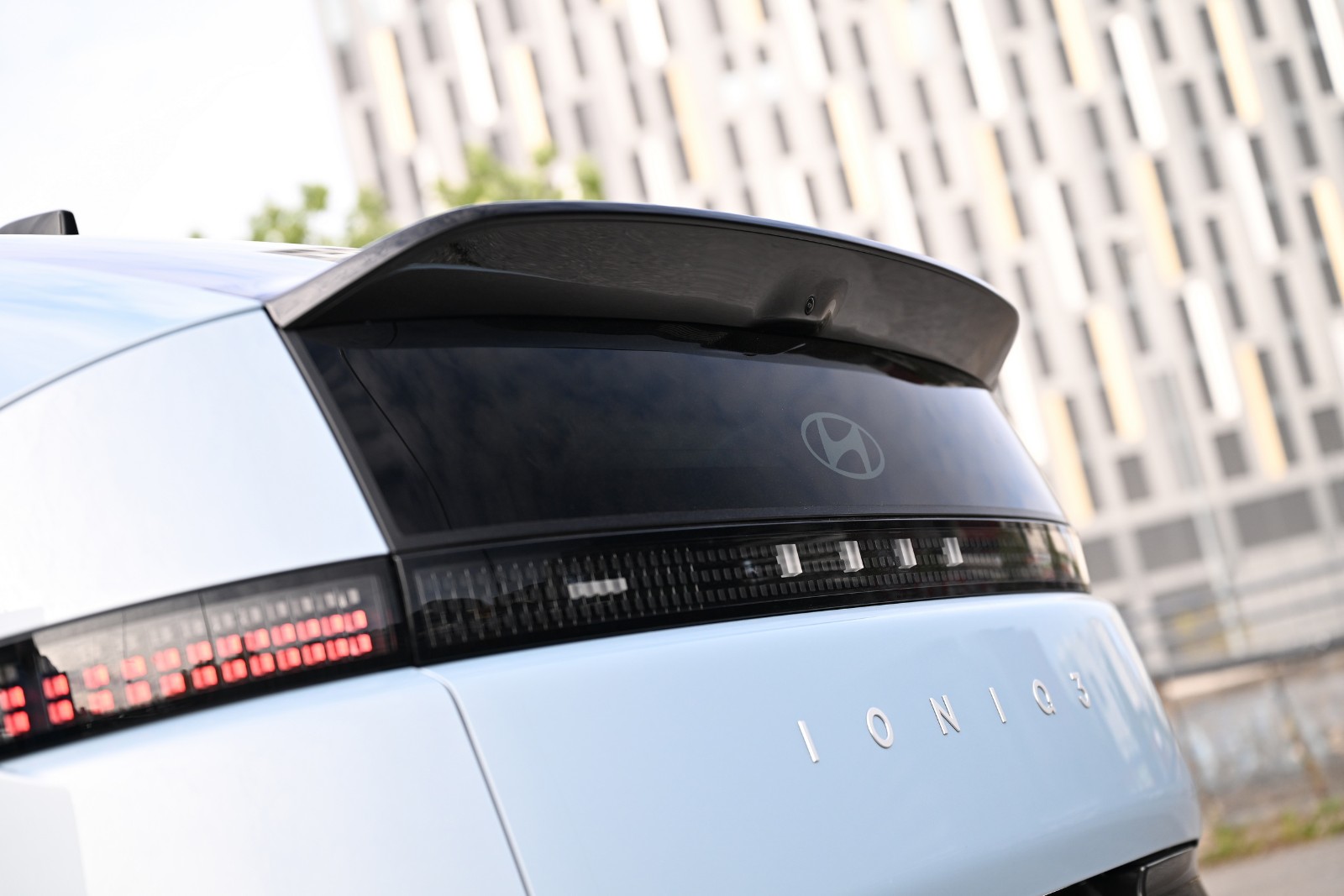
Hyundai calls the Ioniq 3 an "Aero Hatch," a shape that borrows from hatchbacks, fastbacks, and crossovers all at once. On the regular model, that shape gets a much cleaner treatment. The front bumper loses the N Line's gaping vents and black cladding in favor of smoother surfacing and a simple active air intake. The signature split LED headlights and the four-dot daytime running lights on the slim grille carry over, so the car still has a recognizable face.
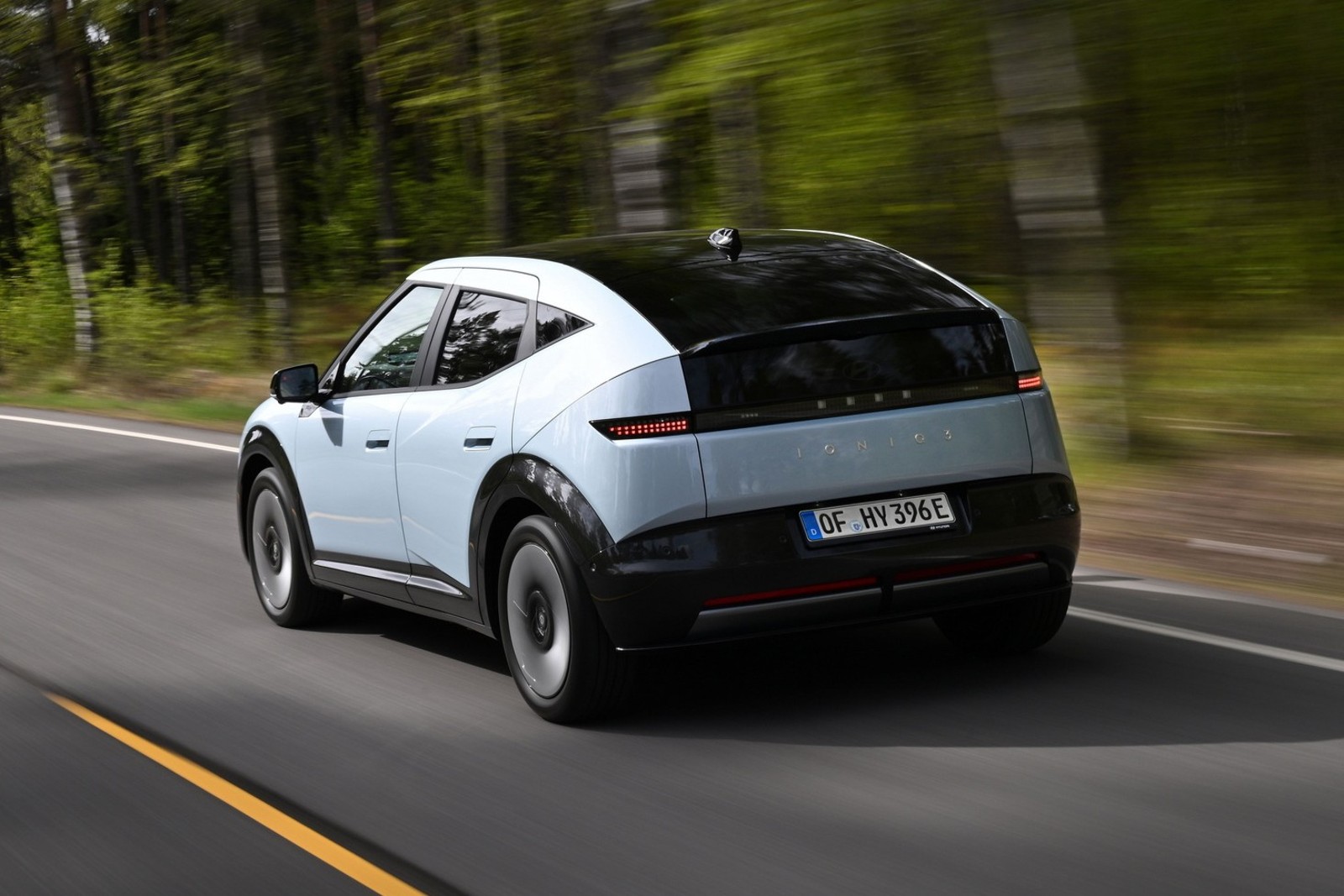
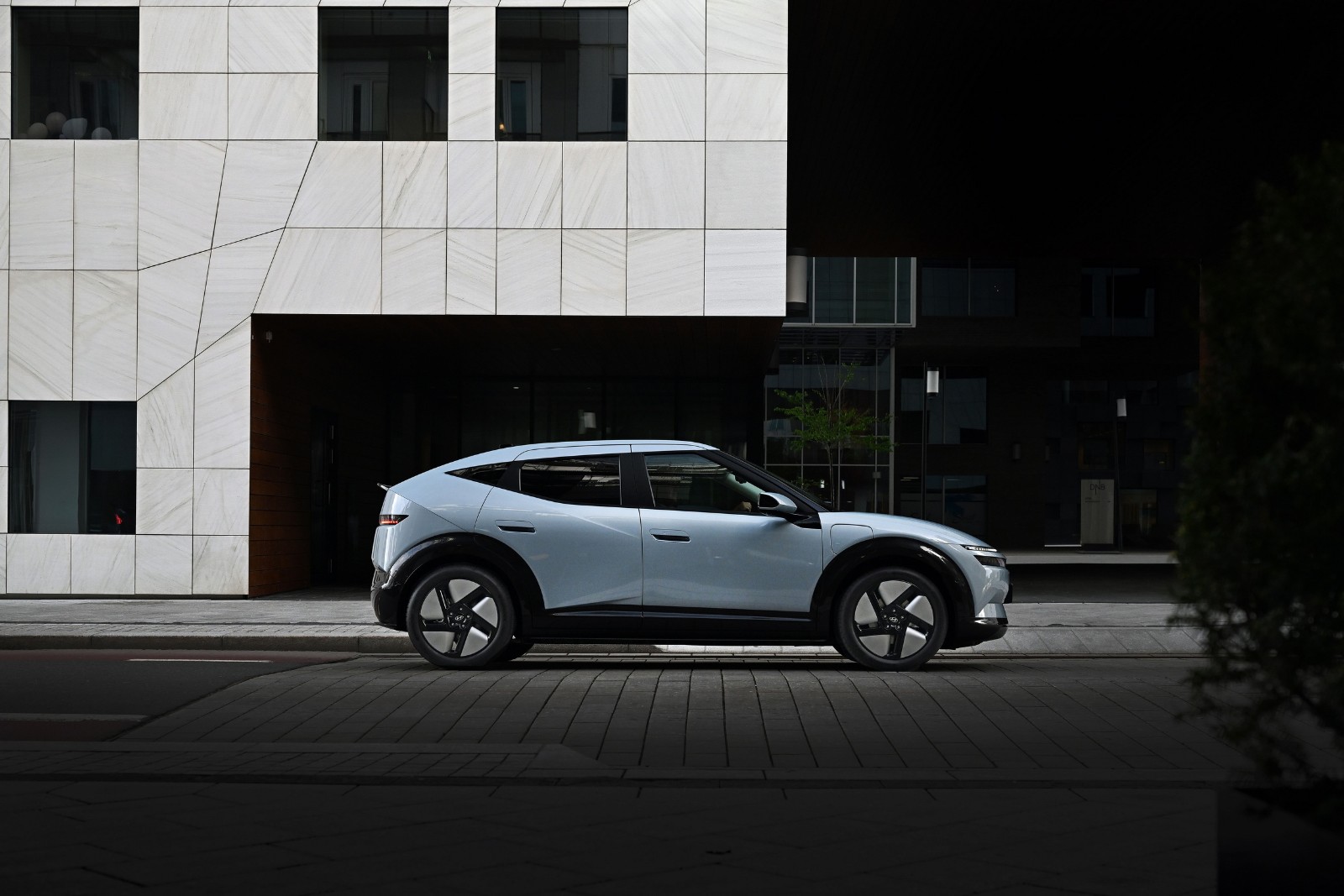
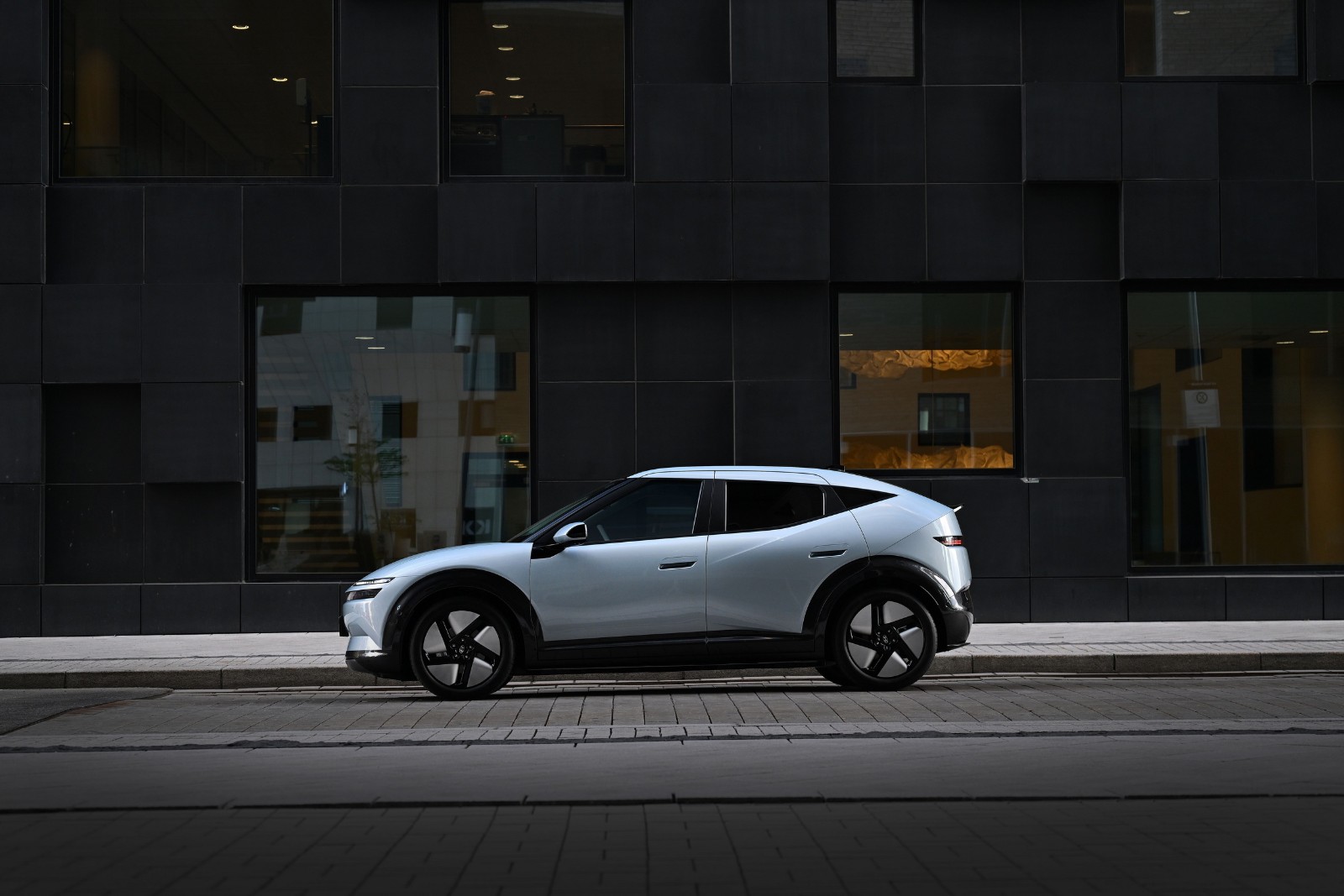
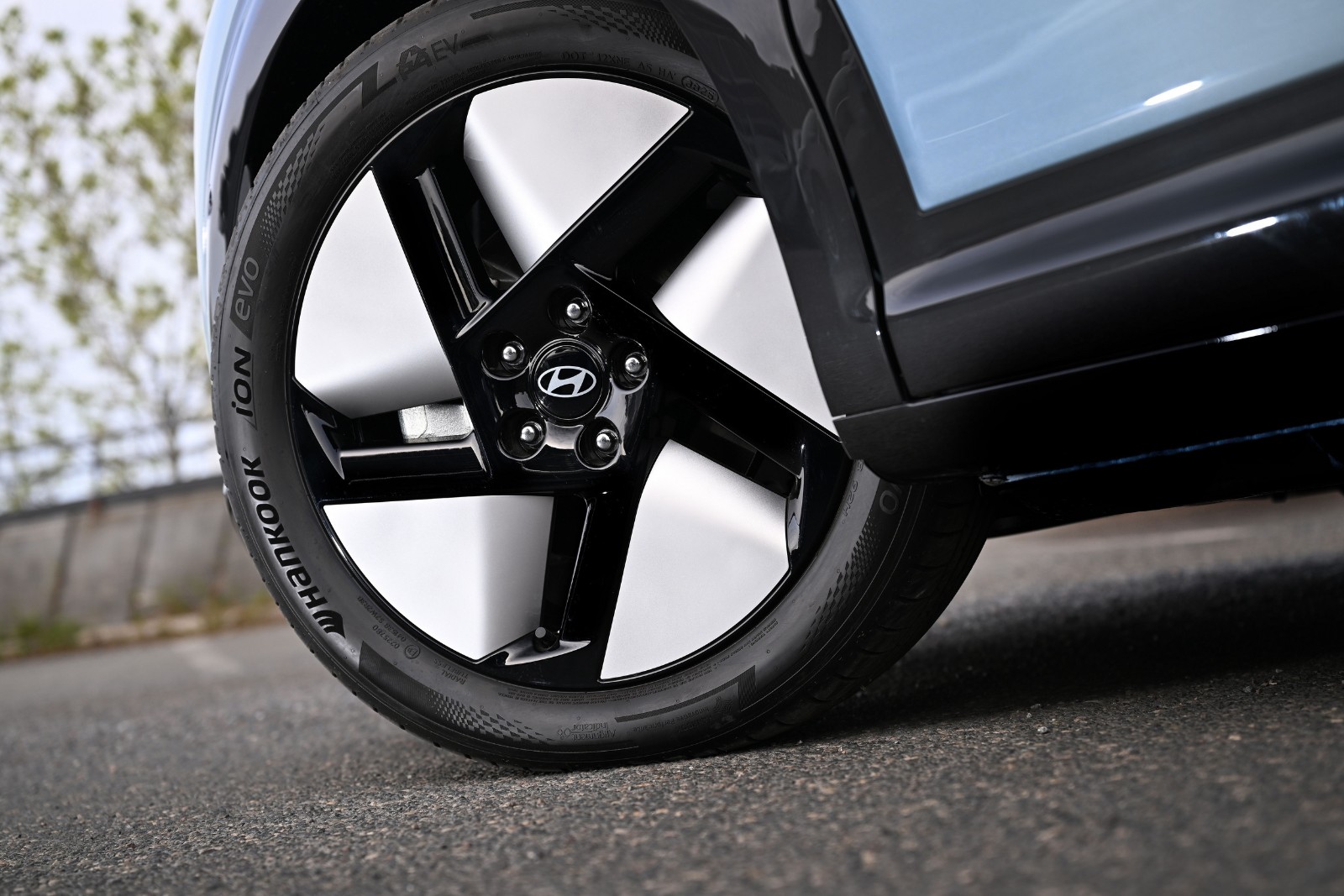
Step around to the side and the differences continue: body-colored mirrors replace the N Line's contrast finishes, and the wheels shrink down to a range of 16 to 18 inches, versus the sportier trim's 19-inchers. Around back, the standard car wears a smaller spoiler on its distinctive double windshield setup and a subtler rear diffuser that skips the aggressive side fins found on the N Line.
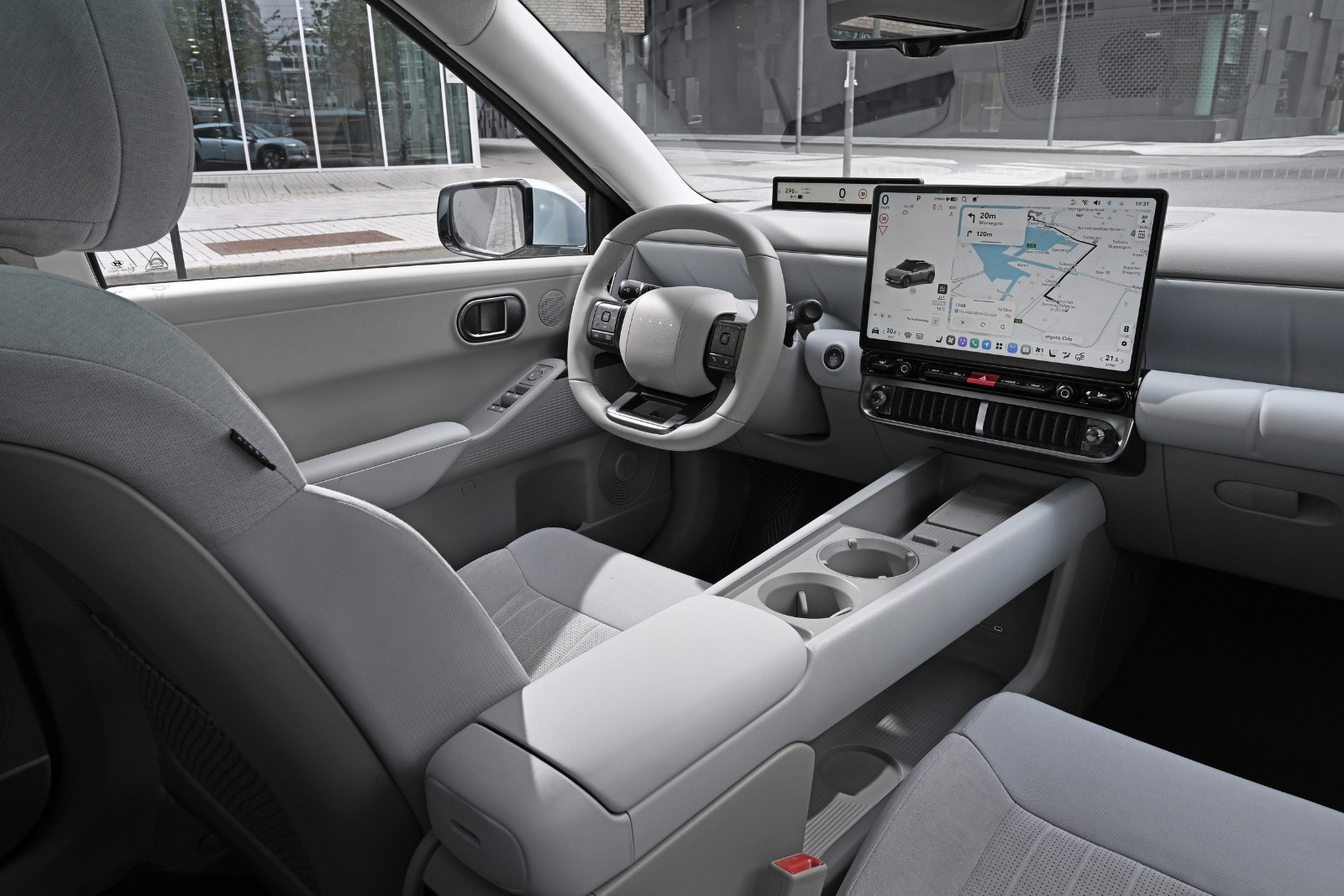
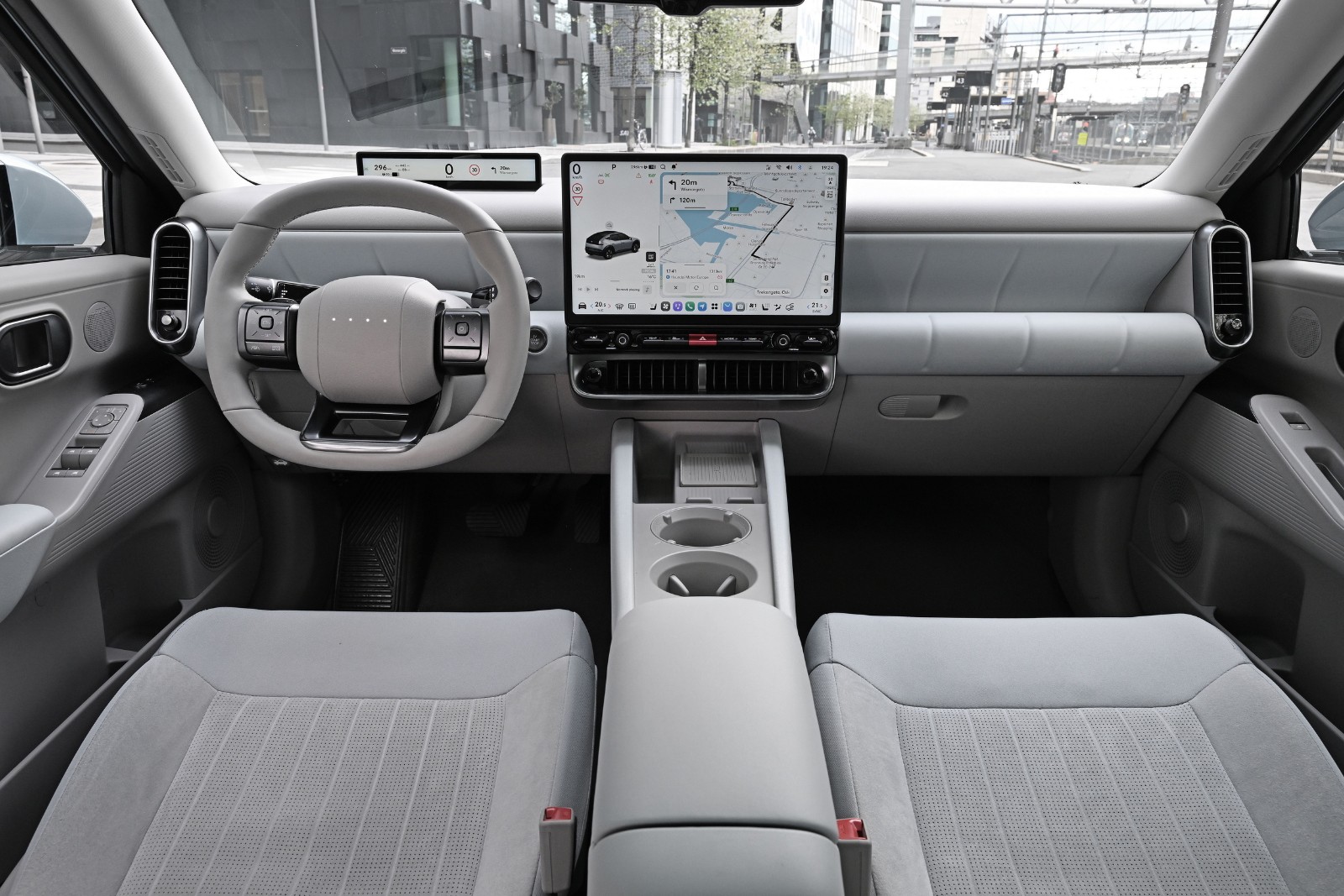
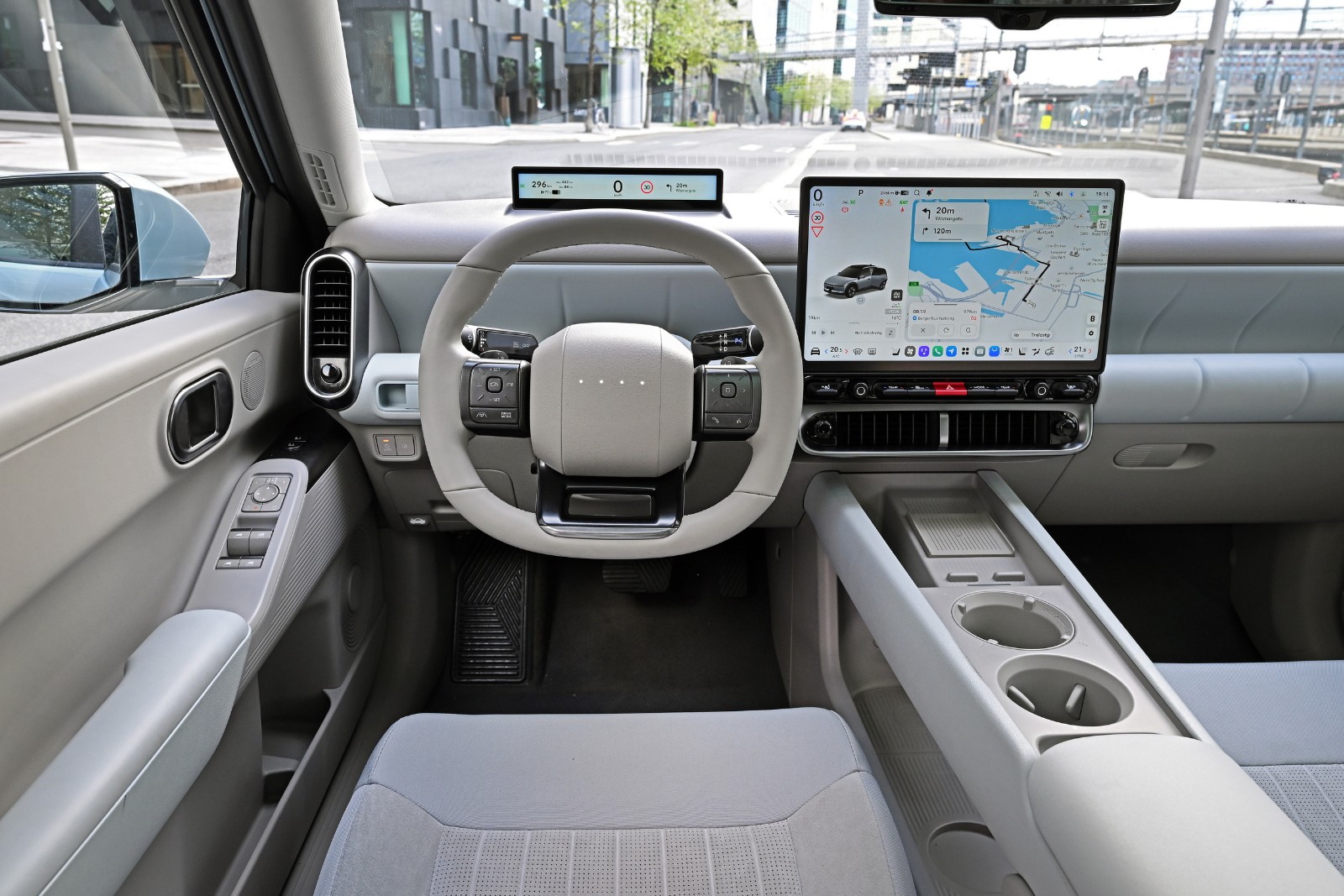
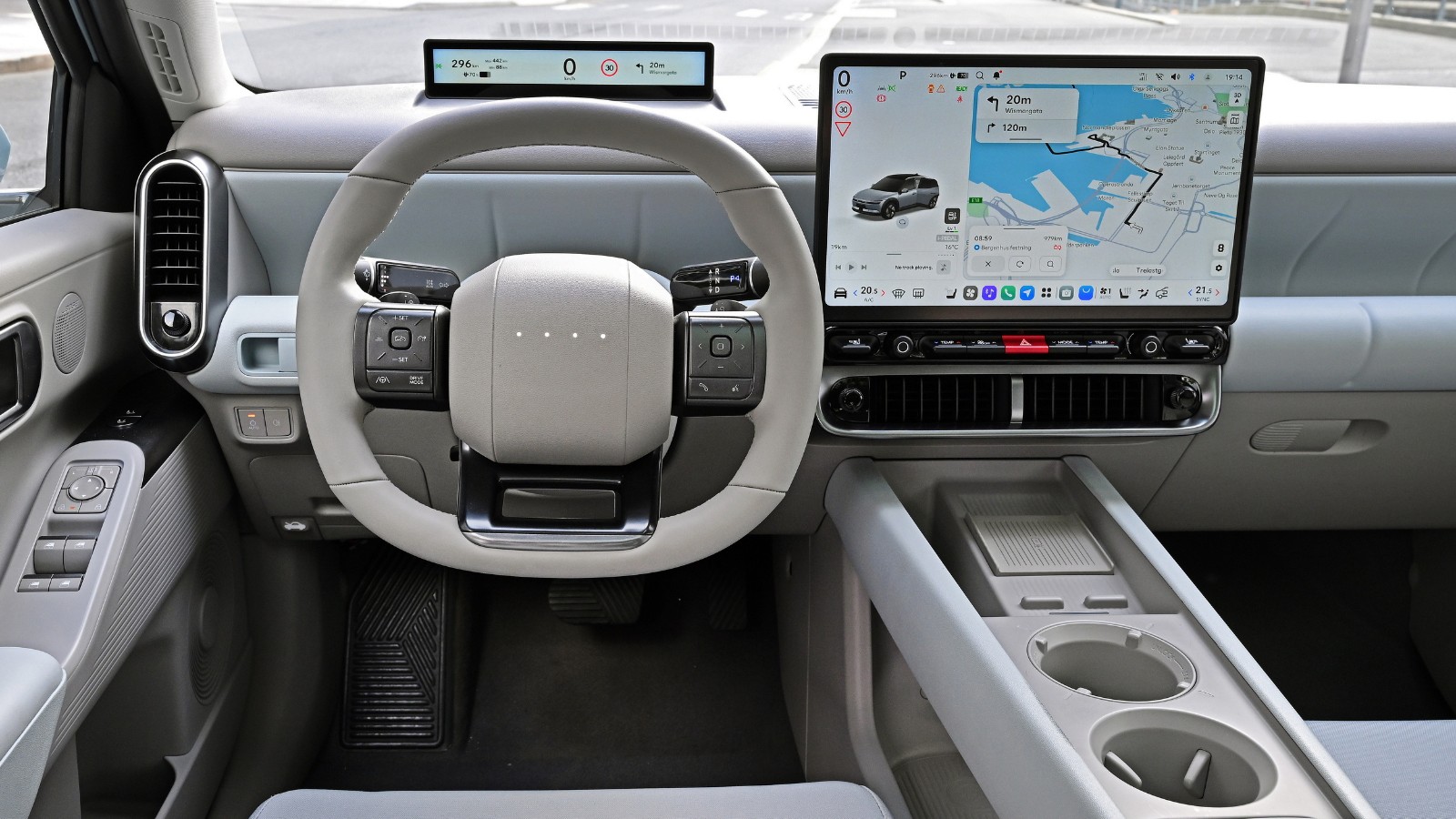
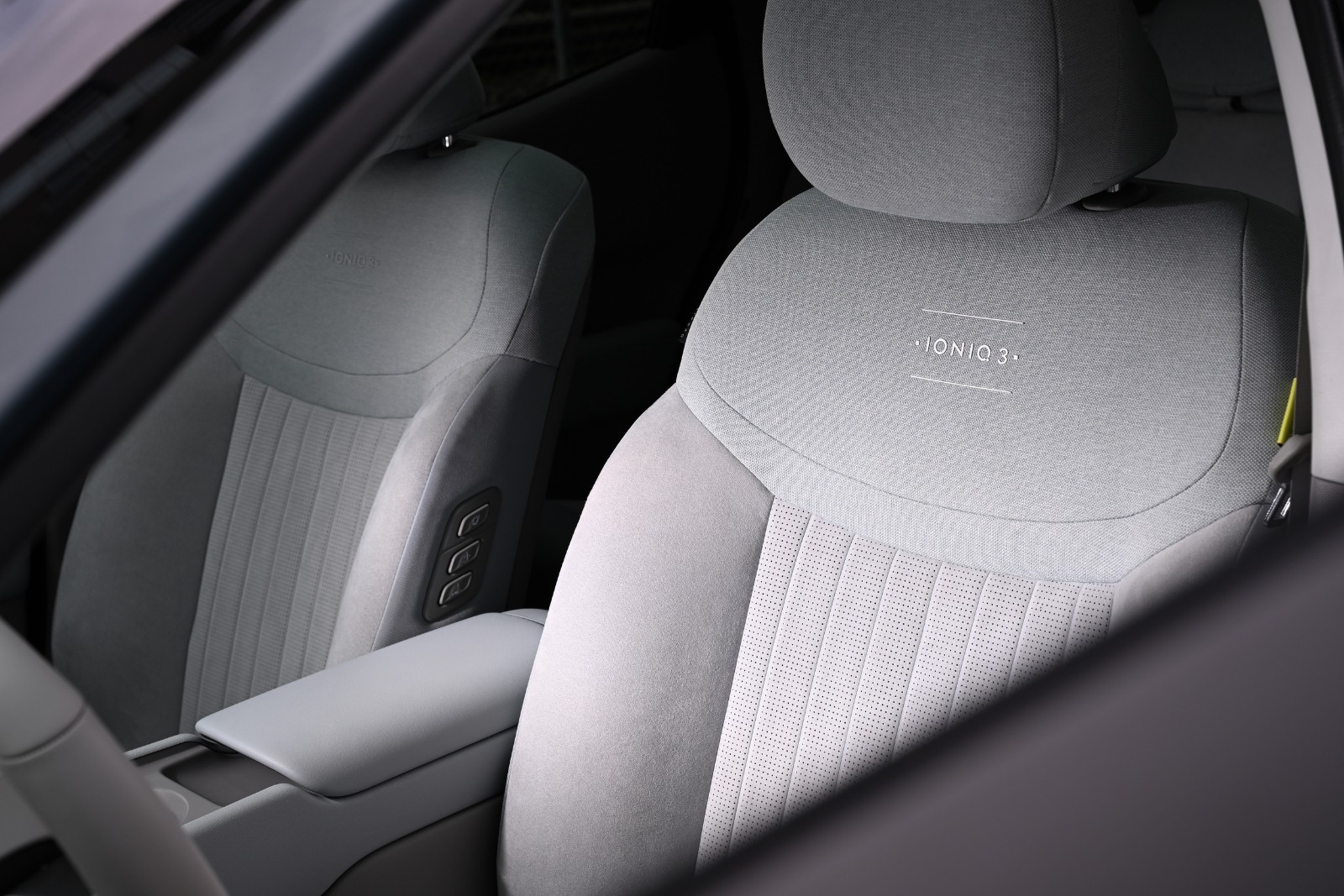
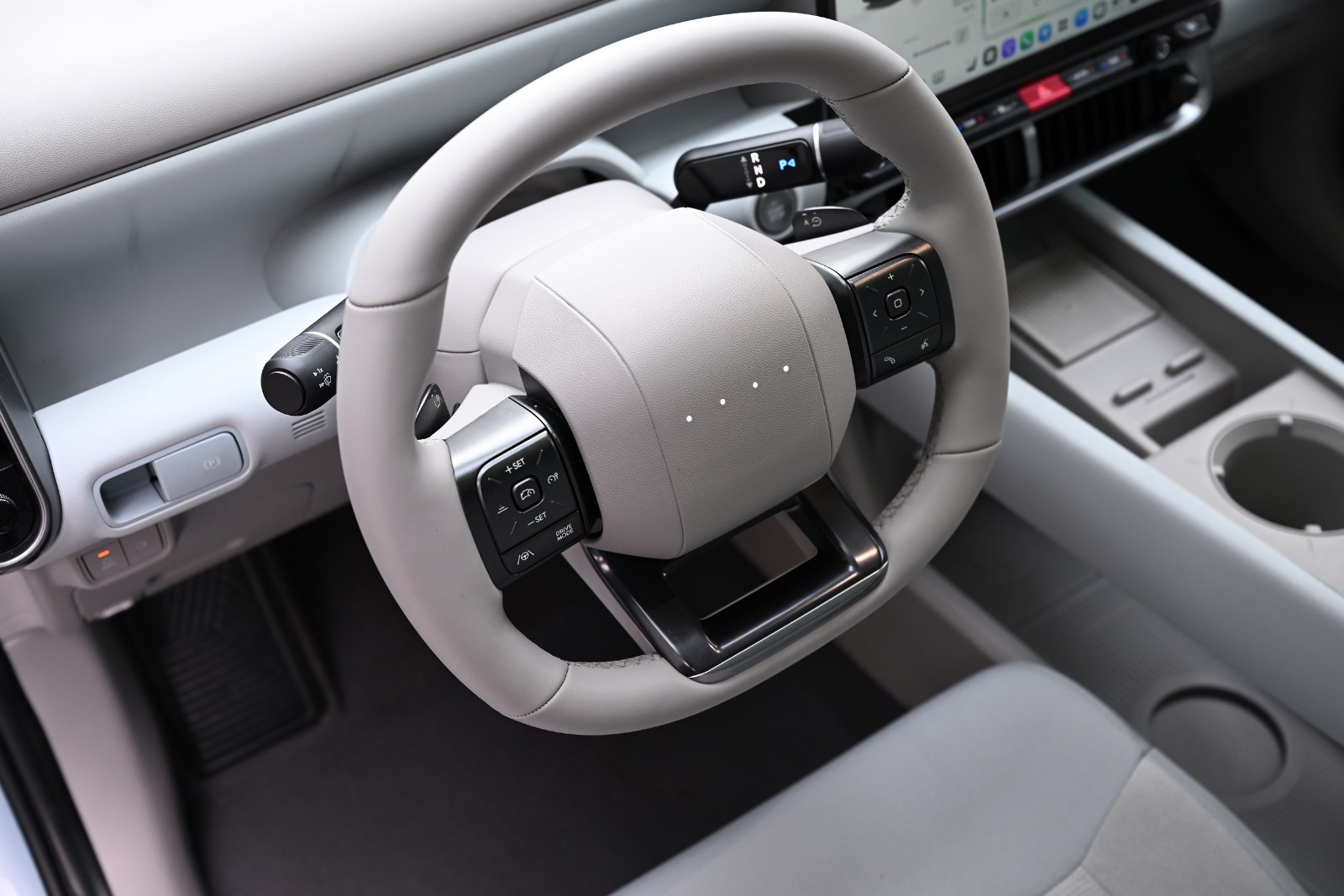
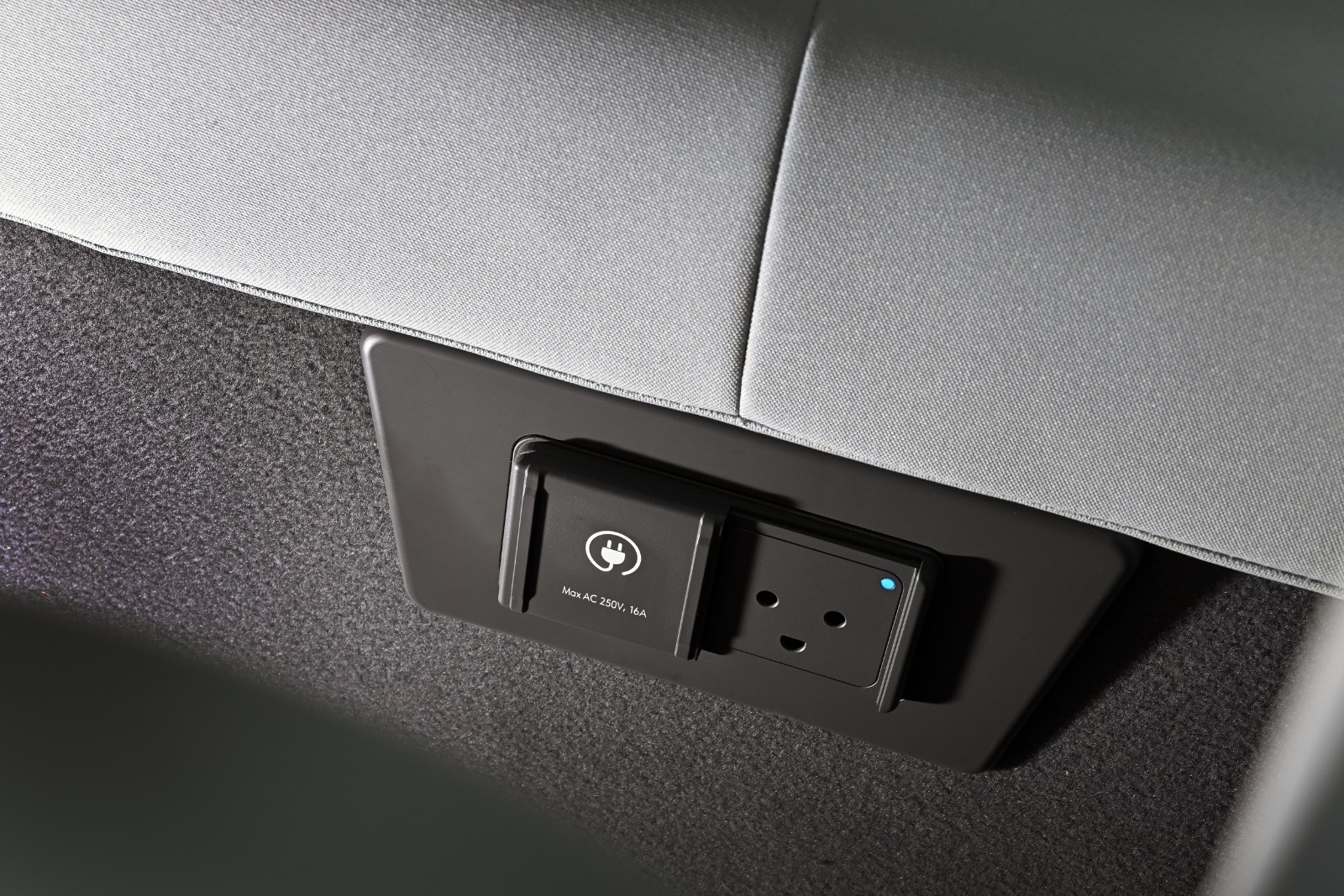
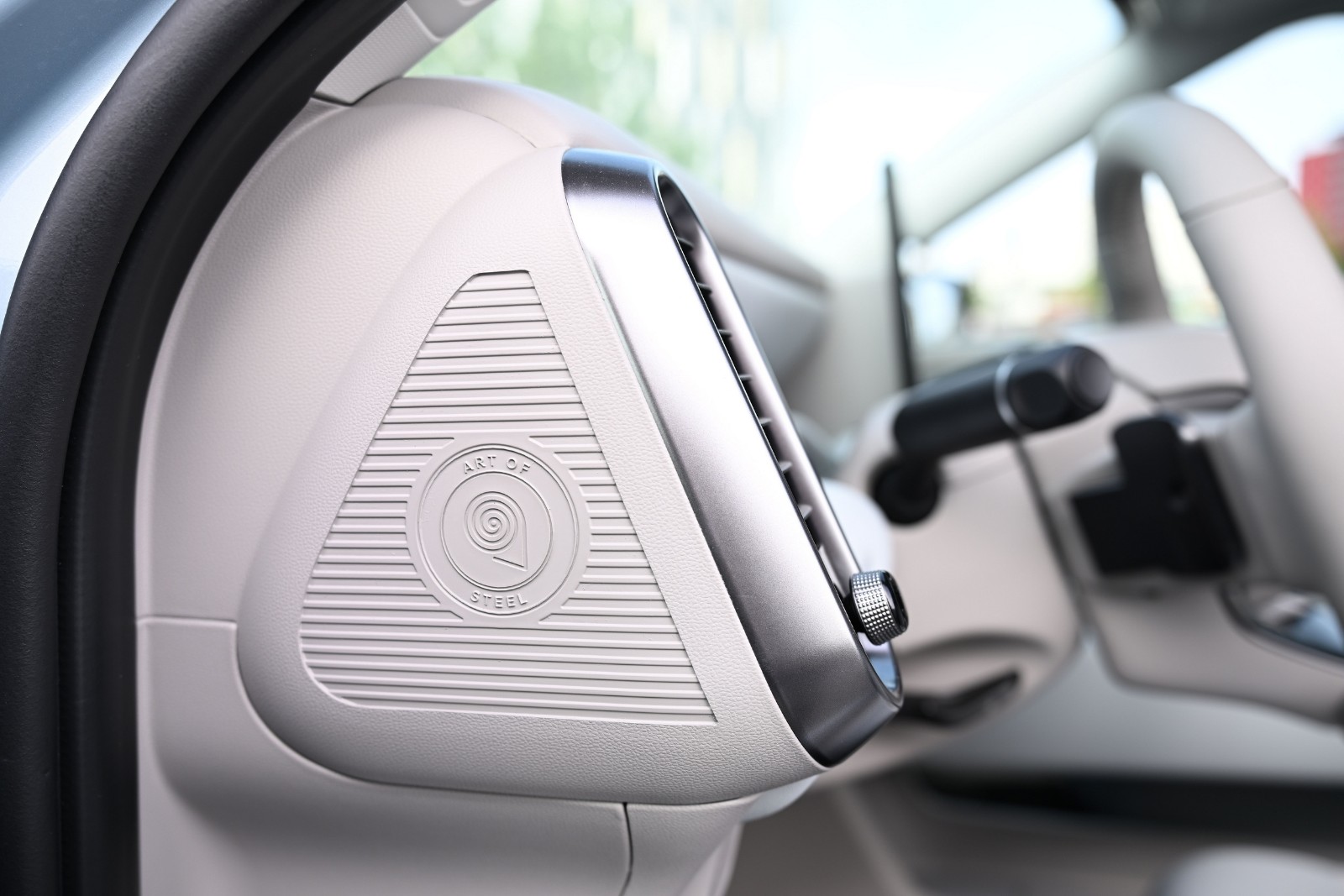
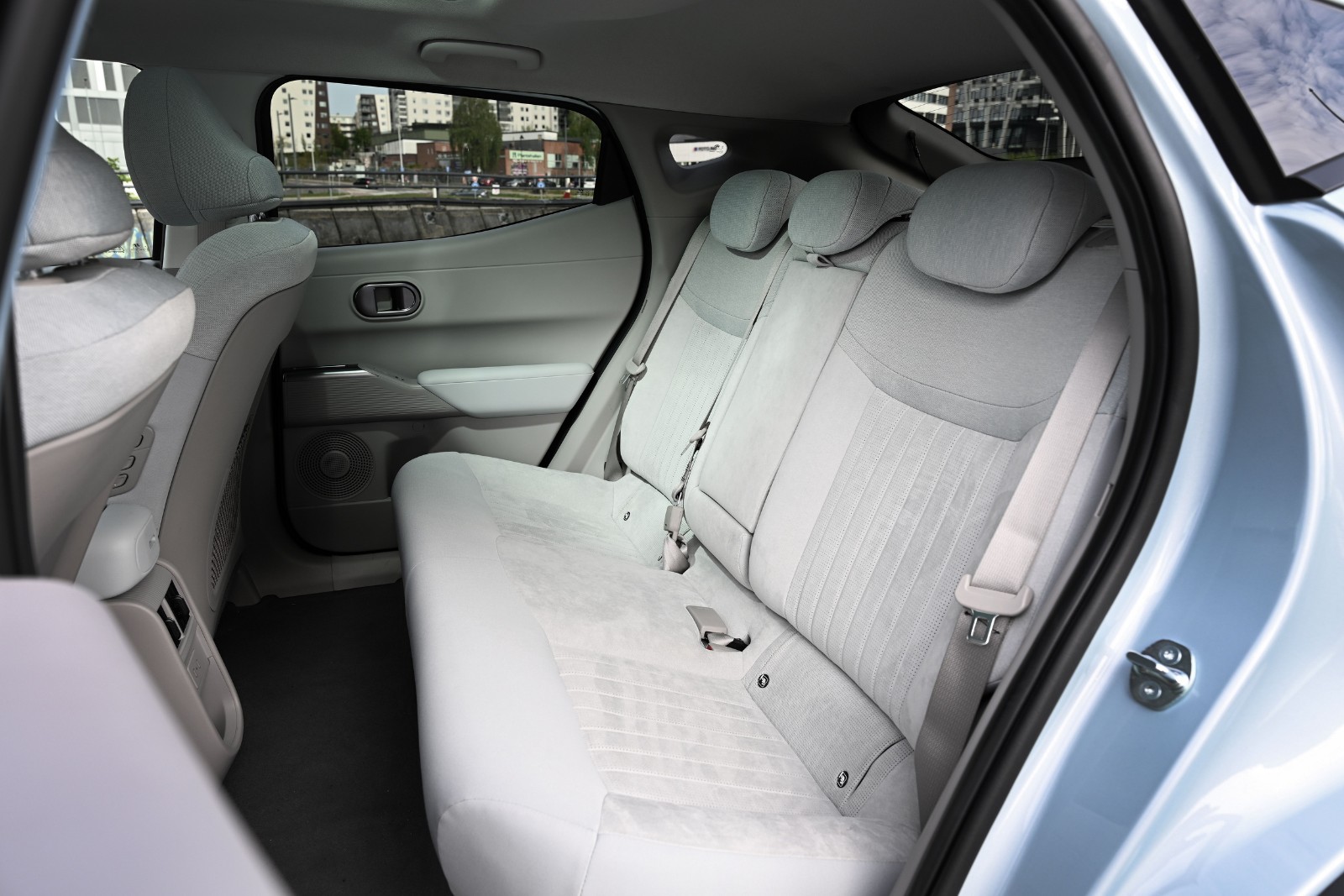
The biggest shift might be inside the cabin. Gone is the black-and-red sport theme, replaced by lighter tones built around what Hyundai calls its "Furnished Space" concept - essentially prioritizing comfort and a premium feel over visual aggression. It's a cabin designed to feel more like a living space than a cockpit, which fits the Ioniq 3's positioning as a practical daily EV rather than a performance statement.
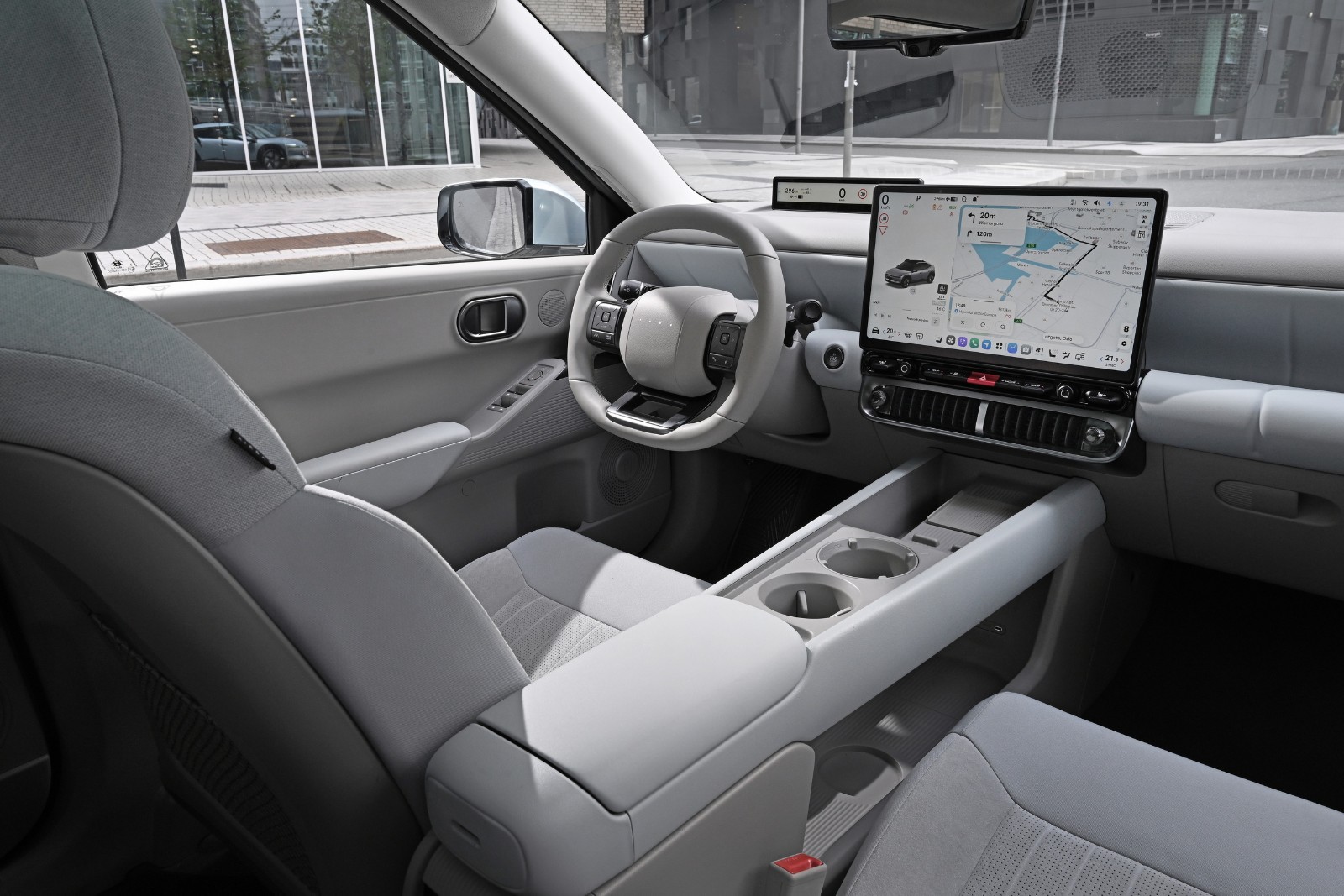
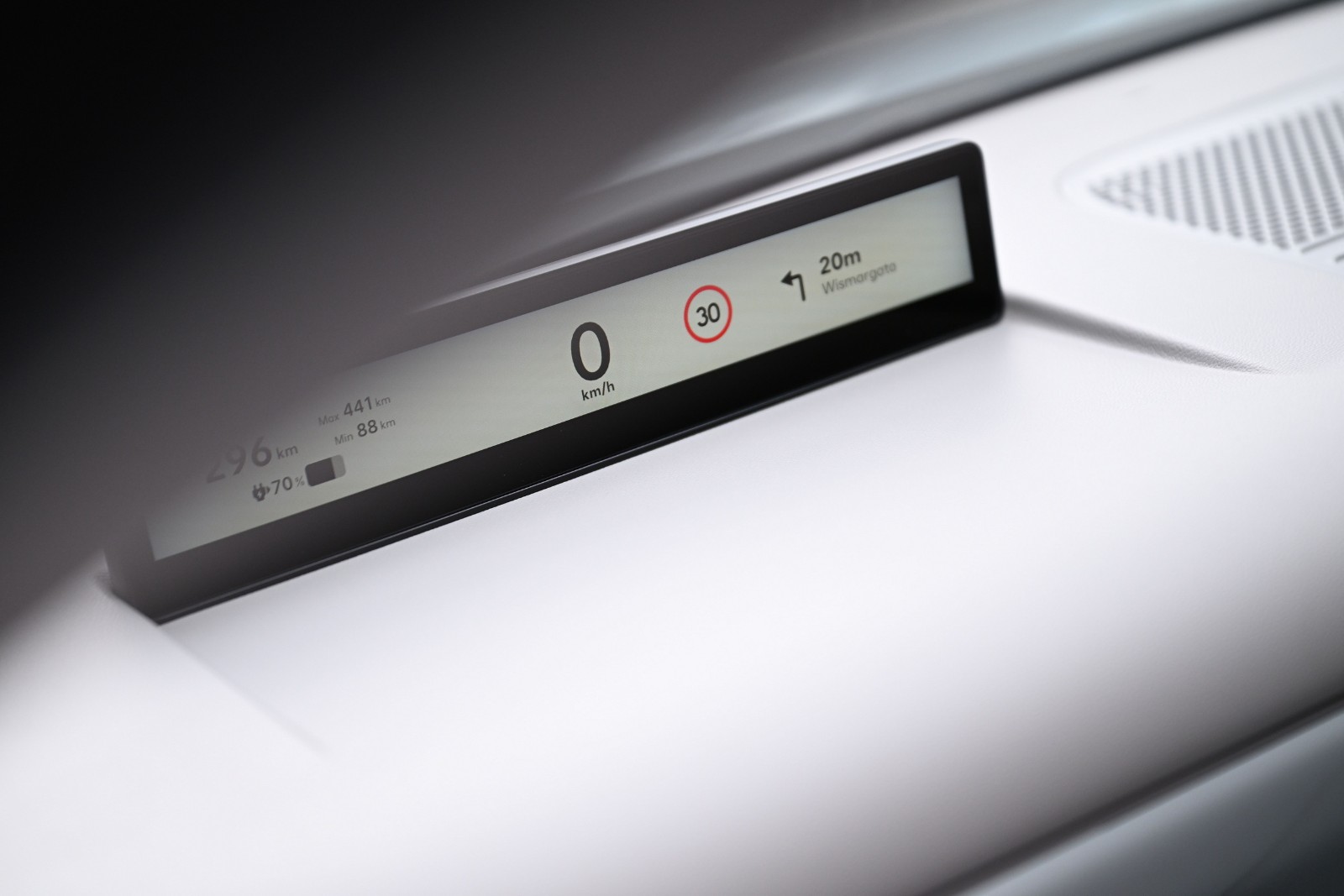
Technology gets a notable upgrade too. The Ioniq 3 introduces Pleos Connect, Hyundai's new Android-based infotainment system, marking its European debut after first appearing on the facelifted Grandeur in South Korea. Depending on trim, buyers get either a 12.9-inch or a 14.6-inch touchscreen, paired optionally with a slim digital gauge cluster. Hyundai says the Pleos App Market will launch with roughly 30 third-party apps, with more rolling out before year's end, while the new Gleo AI assistant is designed to handle more natural, conversational commands than typical voice systems.
Under the skin, the Ioniq 3 launches with two single-motor configurations. The Standard variant produces 144 hp (108 kW) from a 42.2 kWh battery, good for an estimated 214 miles (344 km) of WLTP range. Step up to the Long Range model and output actually drops slightly to 133 hp (100 kW), but a larger 61 kWh pack pushes range out to 308 miles (496 km) - a clear signal that Hyundai is prioritizing efficiency and everyday usability over outright power for this end of the lineup.
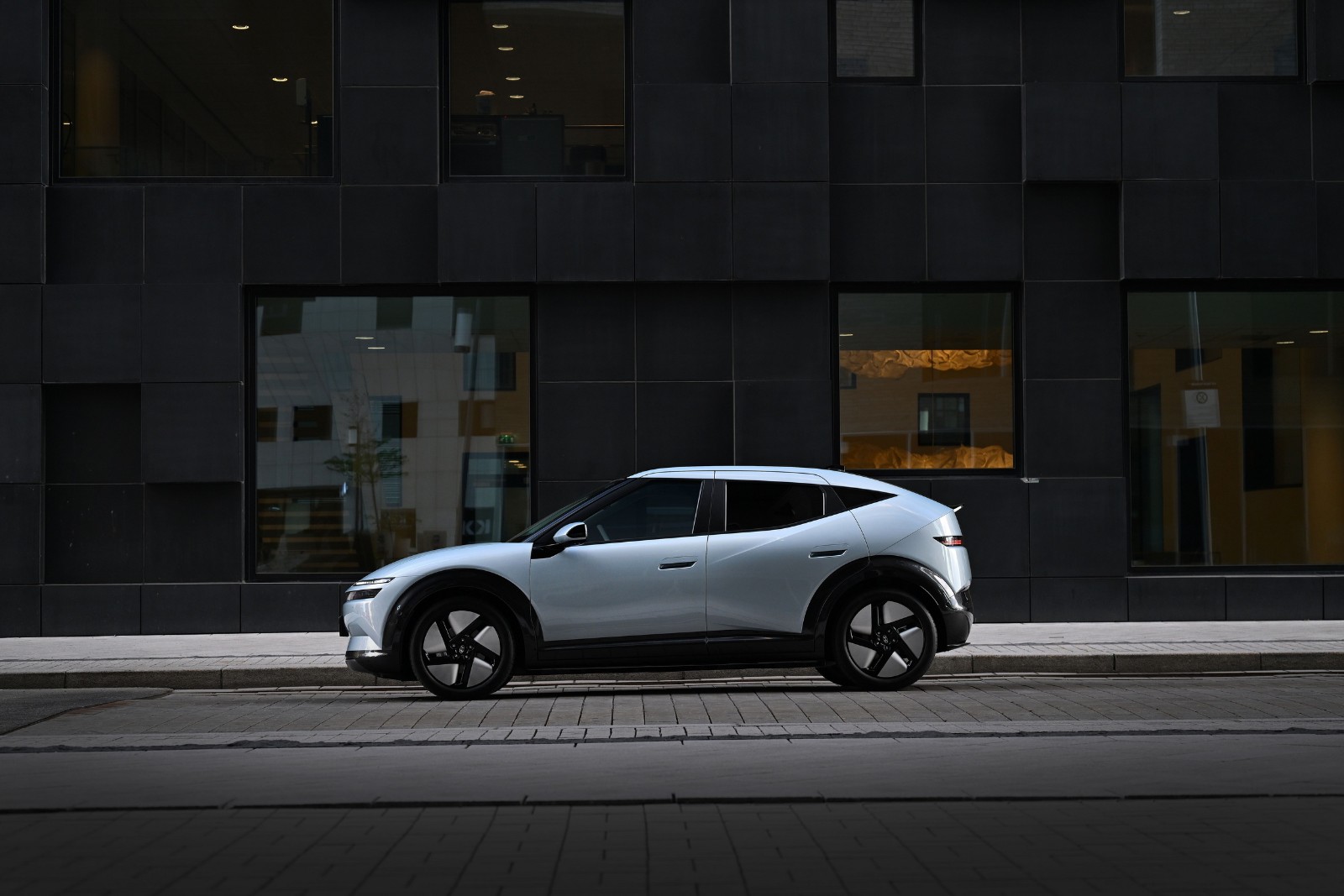
By toning down the styling and leaning into comfort, tech, and range, Hyundai seems to be aiming the standard Ioniq 3 squarely at buyers who want an EV that blends in and gets the job done, leaving the flash for the N Line to handle.
Gallery