Ford Turns Vehicle Customization Into A Scarcity Game With New Limited-Run Strategy
Ford is betting that factory-backed customization, not just badge appeal, will drive buyers to chase limited vehicle drops the way sneakerheads chase rare kicks.
Special editions have long been a way for automakers to breathe new life into existing models and squeeze out extra profit, but Ford is pushing that playbook further. Rather than treating a special edition as just another trim level, the company is experimenting with turning select launches into genuine scarcity events, where availability itself becomes part of the appeal.
This shift is being driven by Ford's Custom Garage division, a factory-sanctioned customization program that debuted last year. Originally positioned as a convenient way for buyers to add performance parts, styling upgrades, and other approved accessories before a vehicle even leaves the dealership, Ford is now pouring more resources into the operation with an eye toward reaching a broader range of budgets.
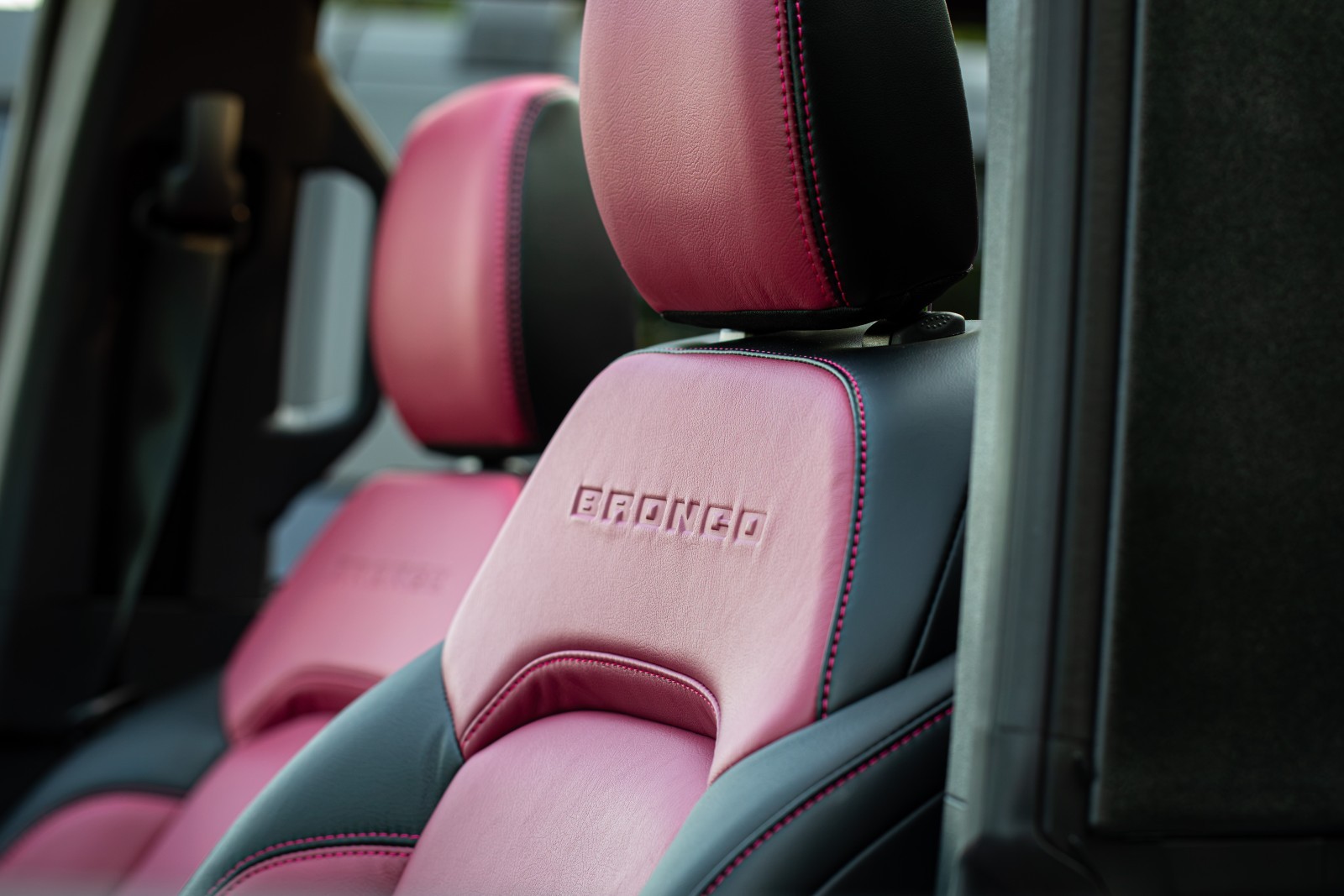
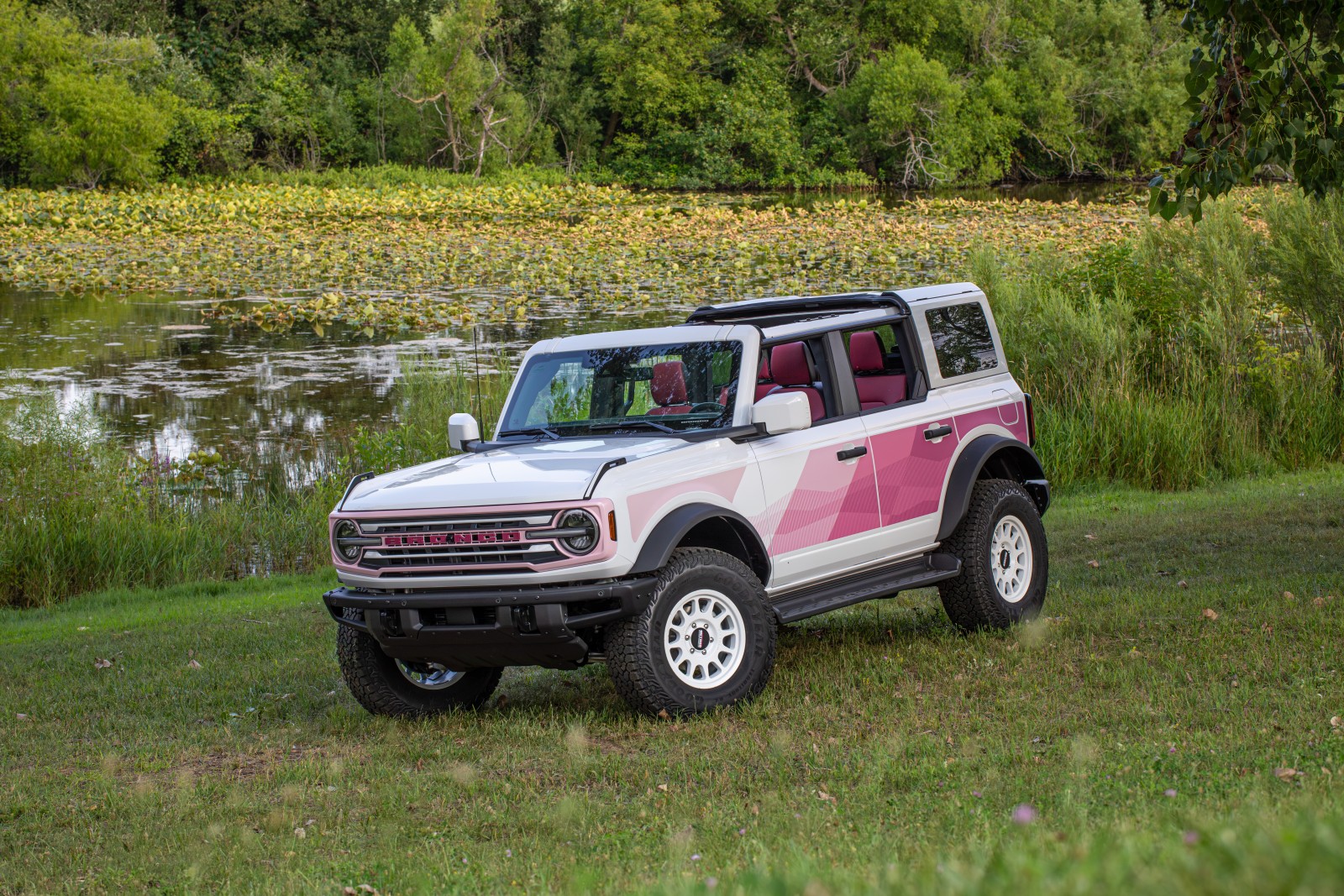
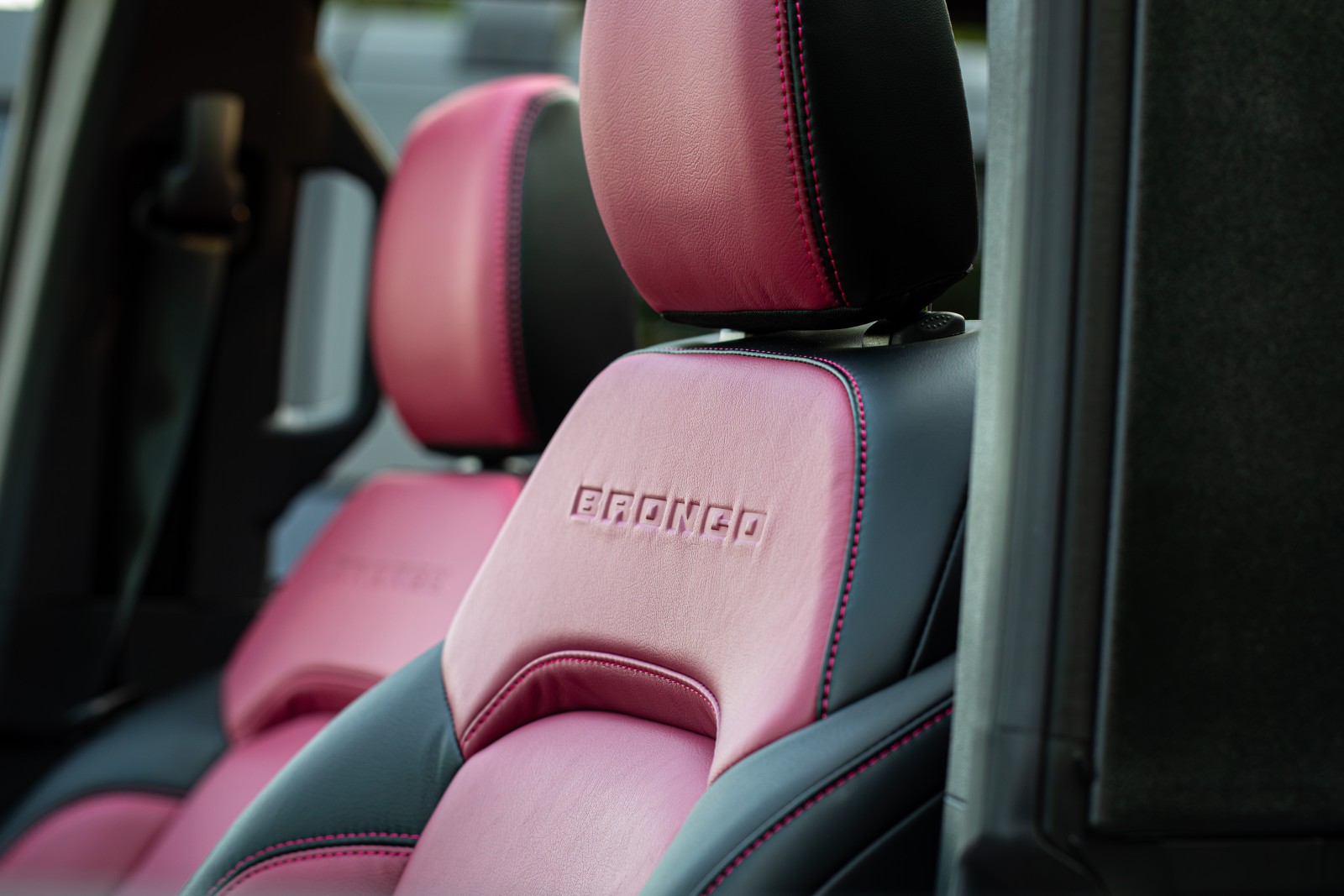
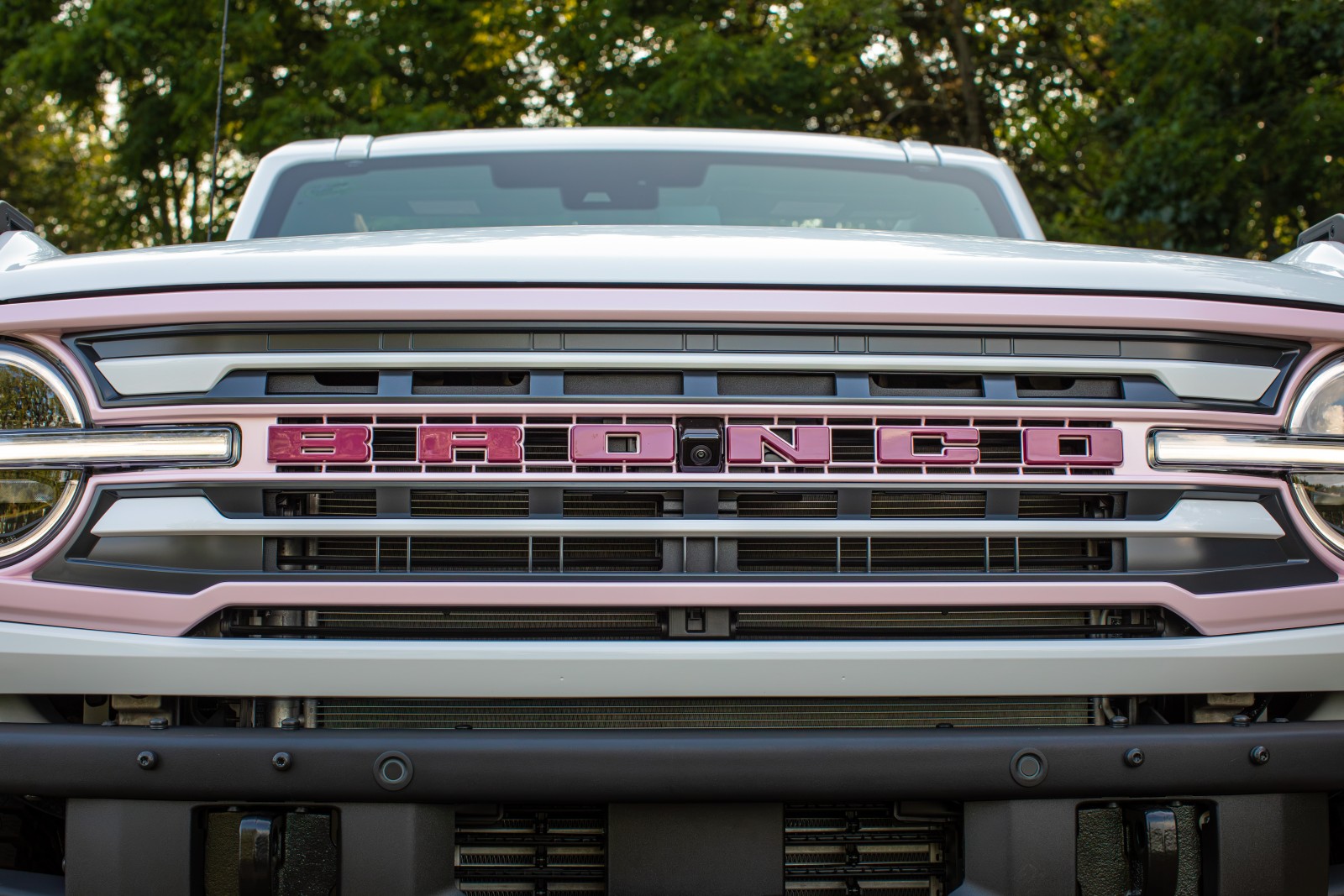
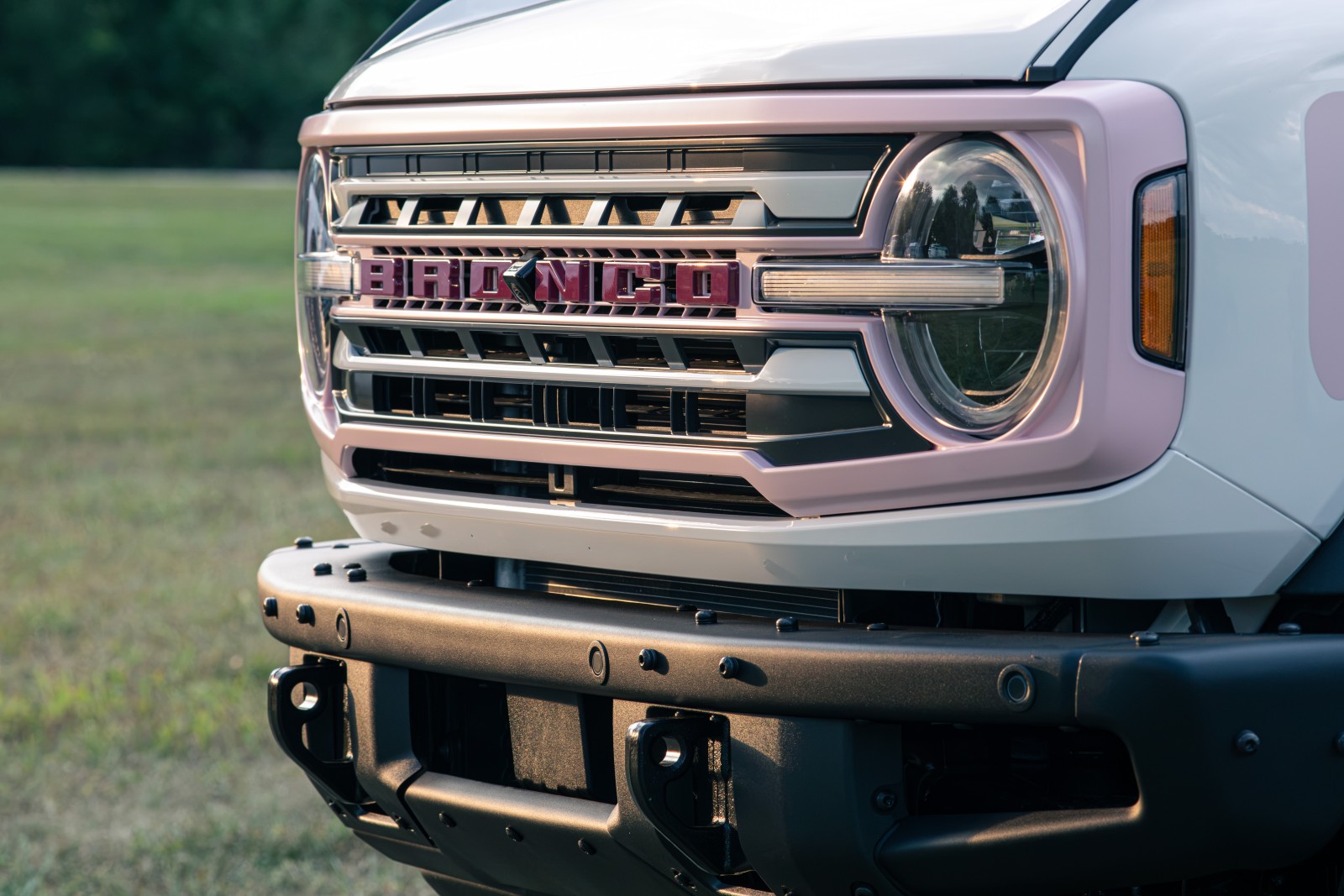
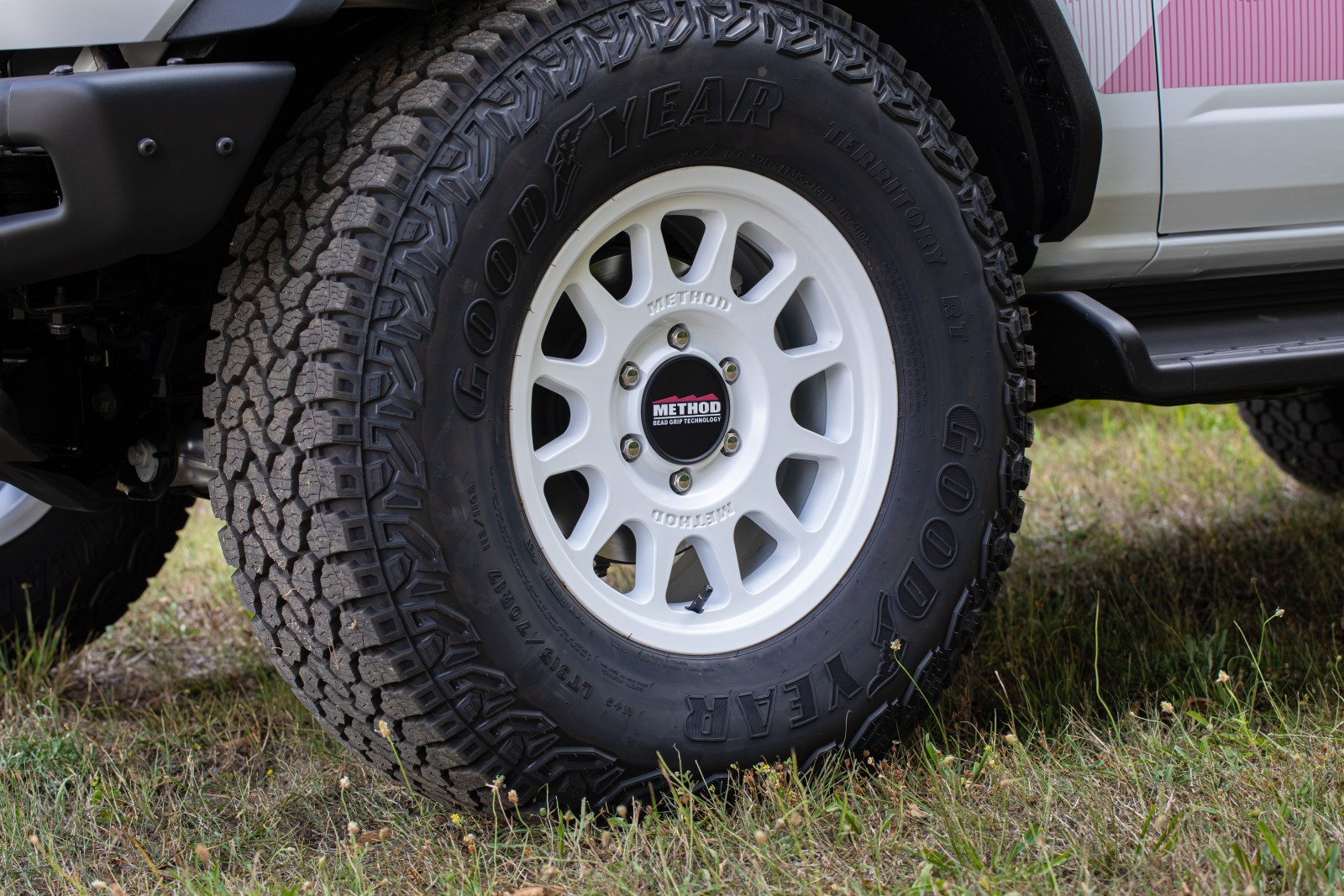
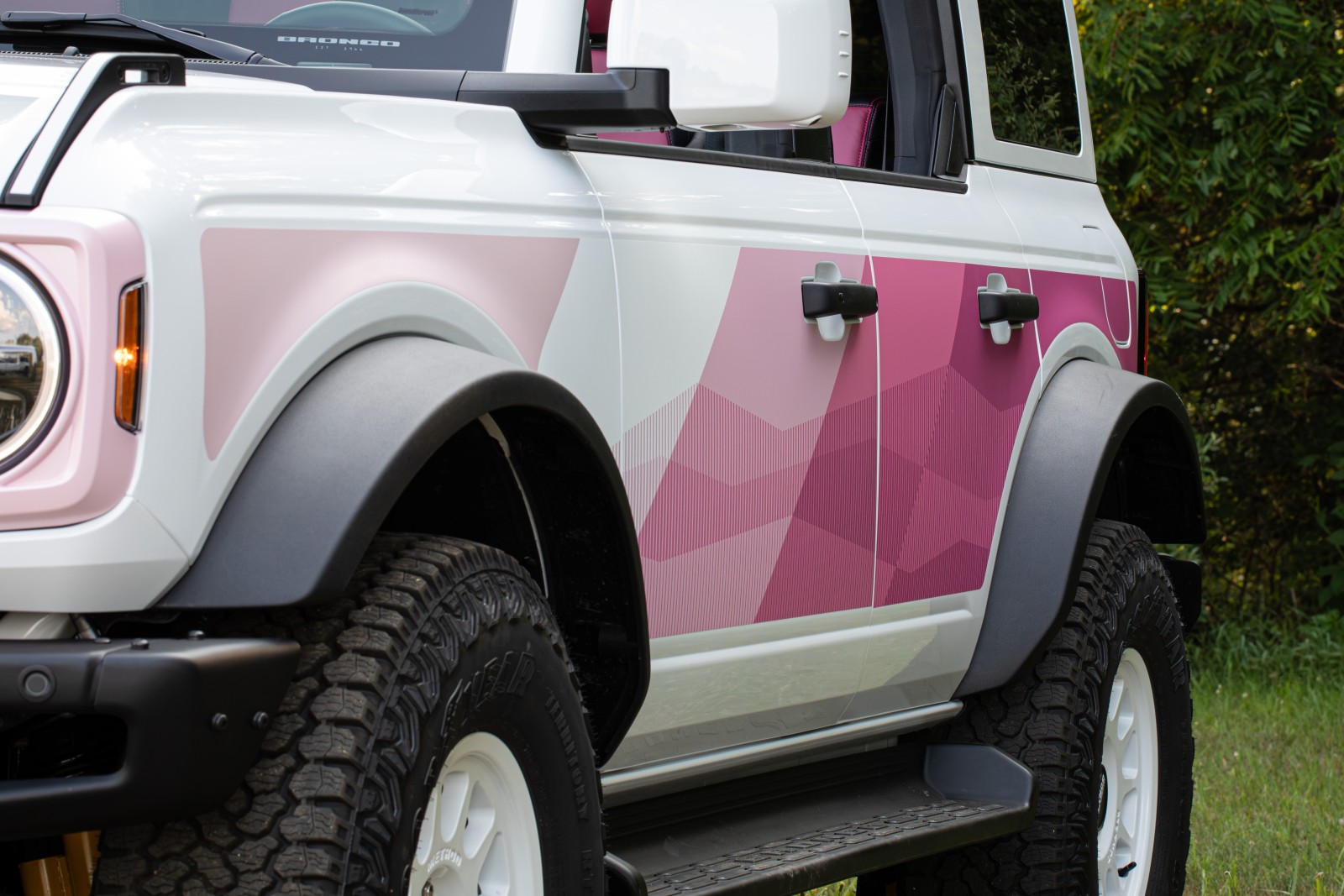
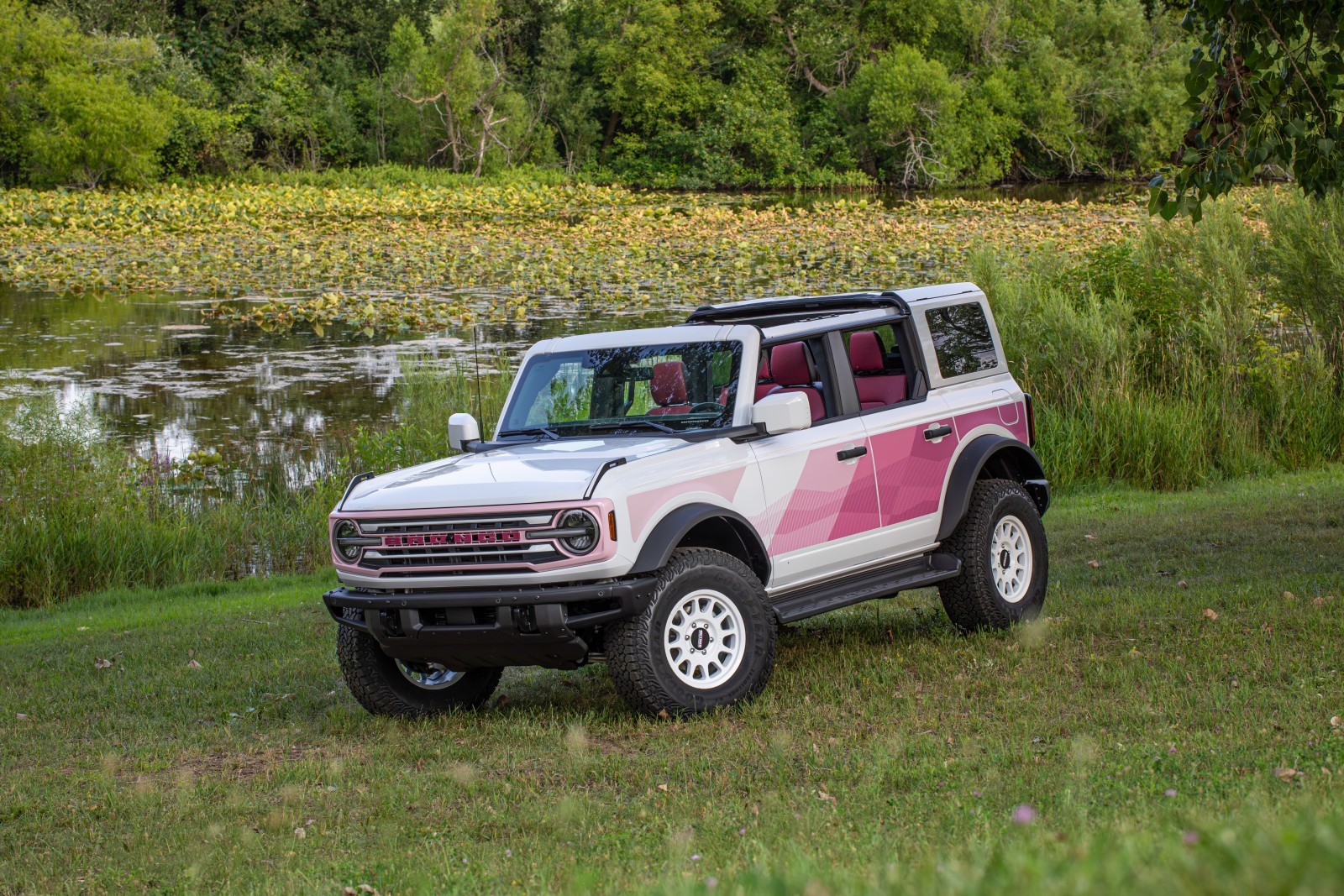
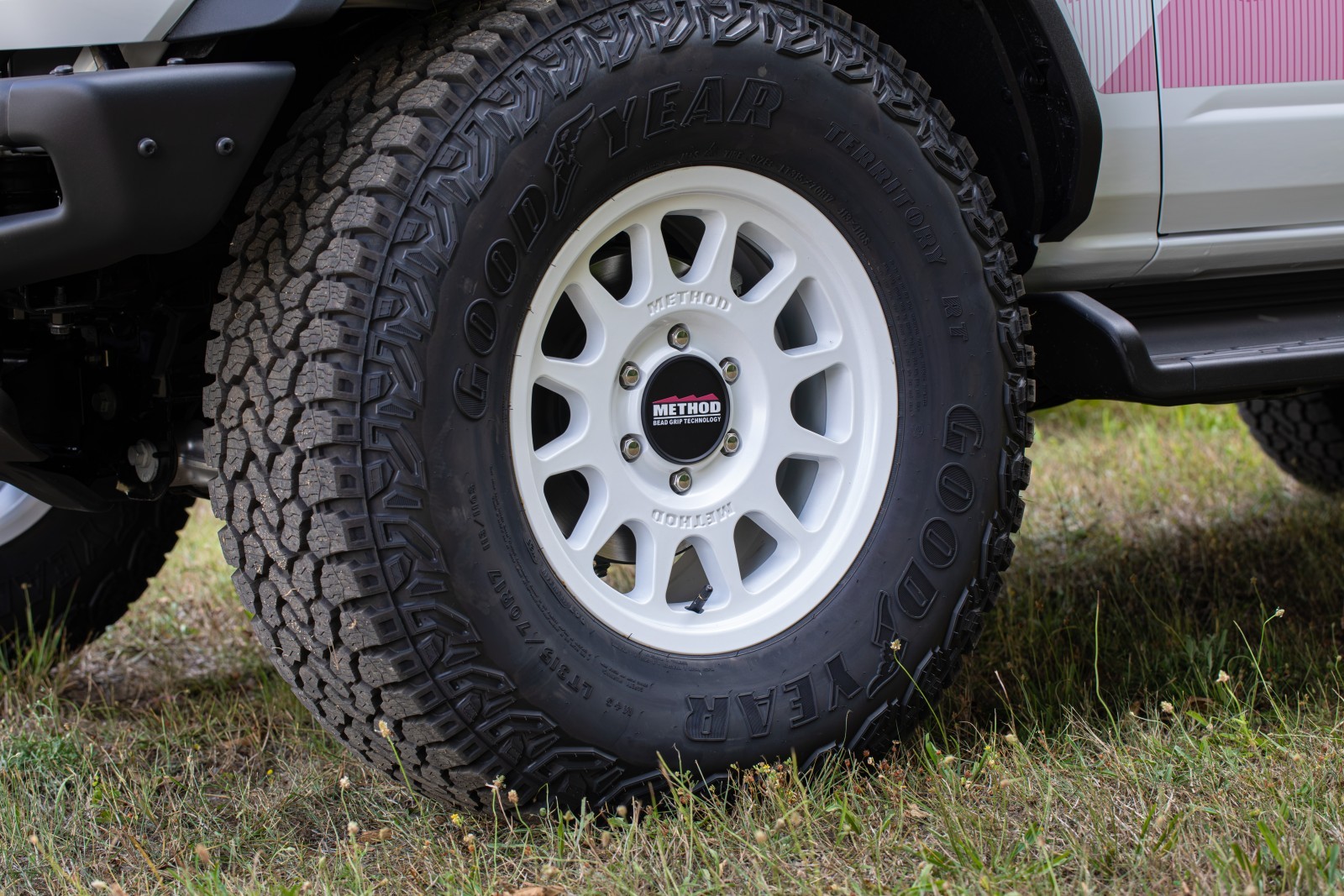
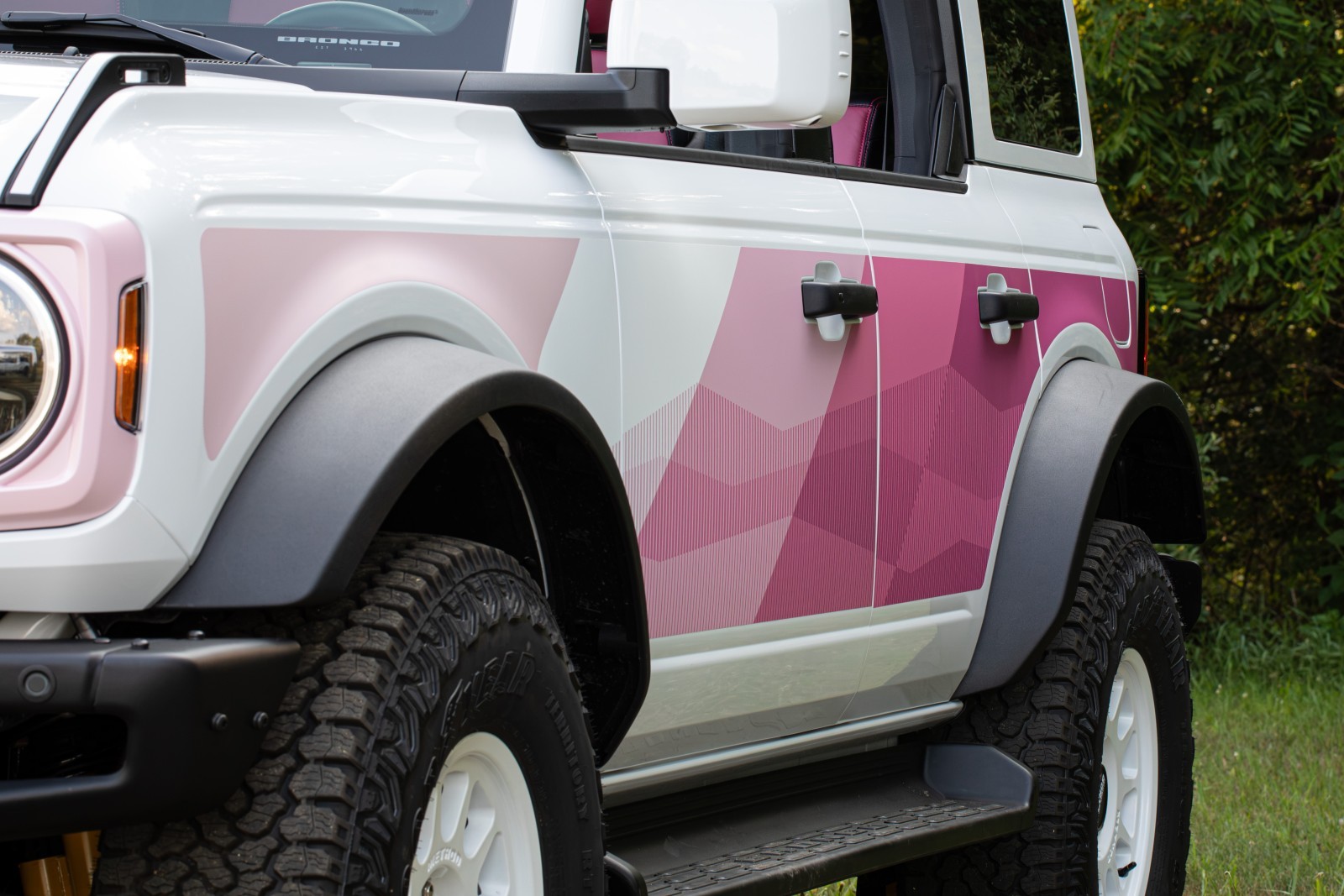
The first vehicle to roll out under this new approach is the Bronco Desert Rising, capped at just 1,000 units. Built on the Outer Banks trim, it features a Utah-inspired paint scheme with berry accents, optional graphic treatments, Katzkin leather seating, and Method wheels. The customization package alone runs $13,695, pushing the Bronco's total price to $57,350.
Ford executives describe Desert Rising as merely the opening act for what the company calls its Horizon Series, a planned string of exclusive, limited-availability releases. Matt Simpson, who leads Ford Customization, told CNBC that the goal is to replicate the frenzy surrounding limited sneaker drops, where anticipation and exclusivity fuel demand as much as the product itself.
Beyond cosmetic packages, Ford's customization arm is also leaning hard into performance upgrades. Buyers can spec Mustang packages priced up to $18,500, while an F-150 performance option climbs close to $27,000. The strategy echoes Ford's recent decision to retire the Shelby name on its latest supercharged Mustang in favor of in-house branding, signaling a broader push to keep more customization revenue under its own roof.
Part of the motivation is structural. Newer vehicles are increasingly complex, making them harder for independent shops or owners to modify without factory involvement. That complexity gives automakers like Ford a stronger foothold in an aftermarket sector SEMA estimates was worth $52.9 billion in 2025 alone.
Ford says roughly 46 percent of its American customers already personalize their vehicles, with Bronco, Mustang, and F-Series owners leading that trend. By keeping customization in-house, Ford aims to protect warranties, boost margins, and deepen brand loyalty, all while betting that scarcity can turn ordinary special editions into must-have releases.
Gallery