Audi's New A6 Allroad Borrows RS6 Muscle to Take On the SUV Crowd
Audi's latest A6 Allroad flexes RS6-style fenders, a taller stance, and rear-axle steering in a bid to lure buyers away from the Q5 and Q7.
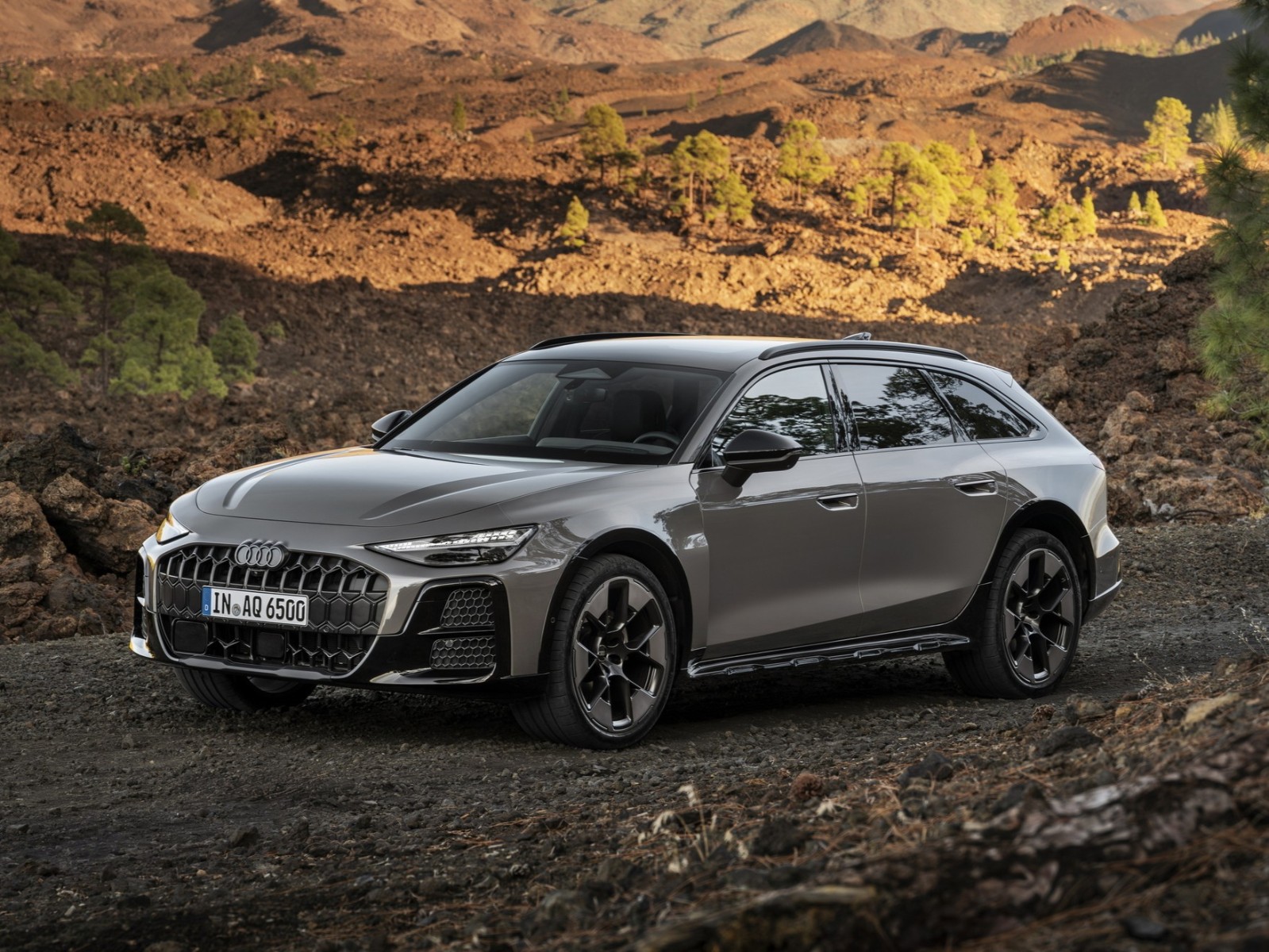
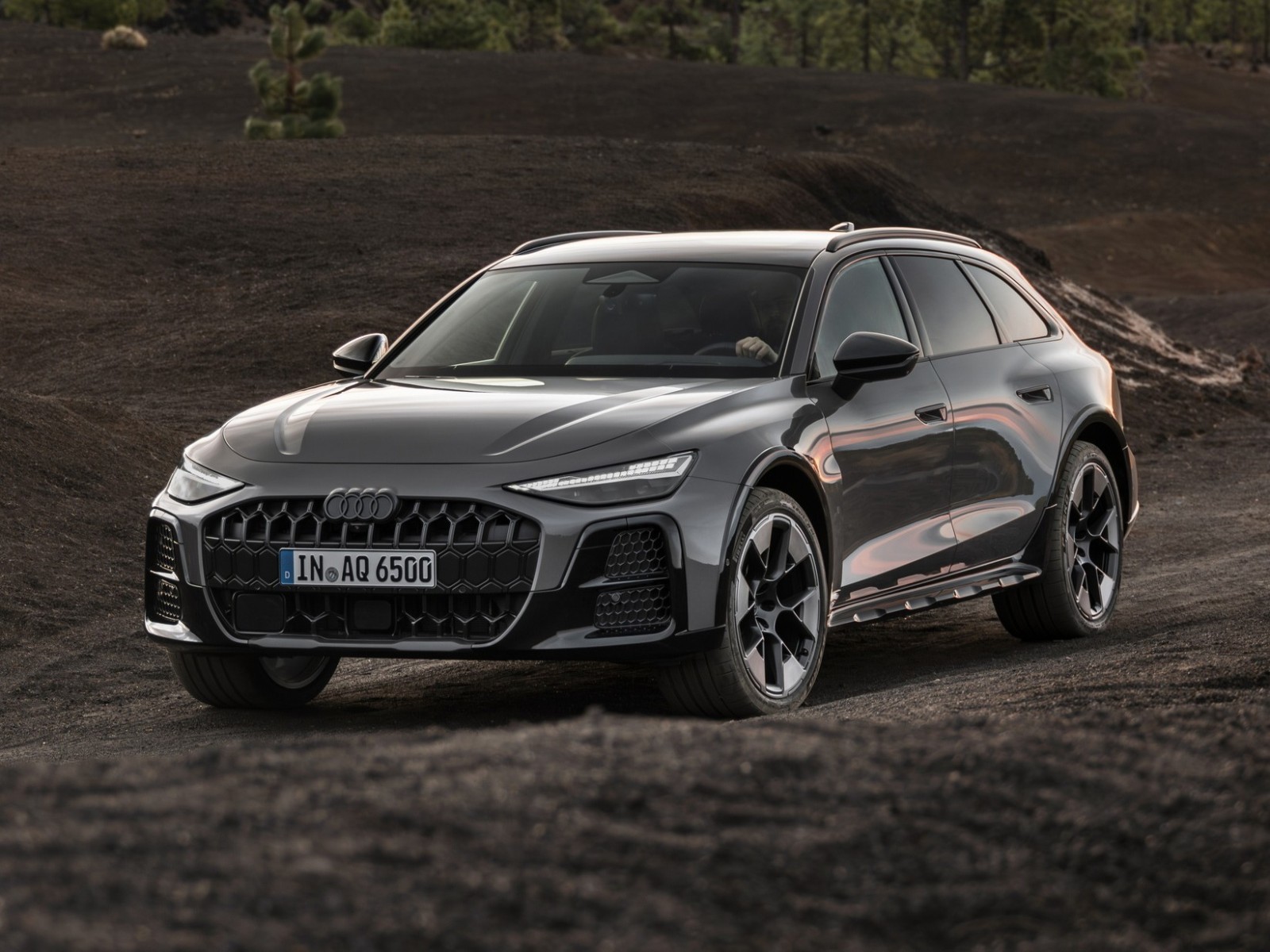
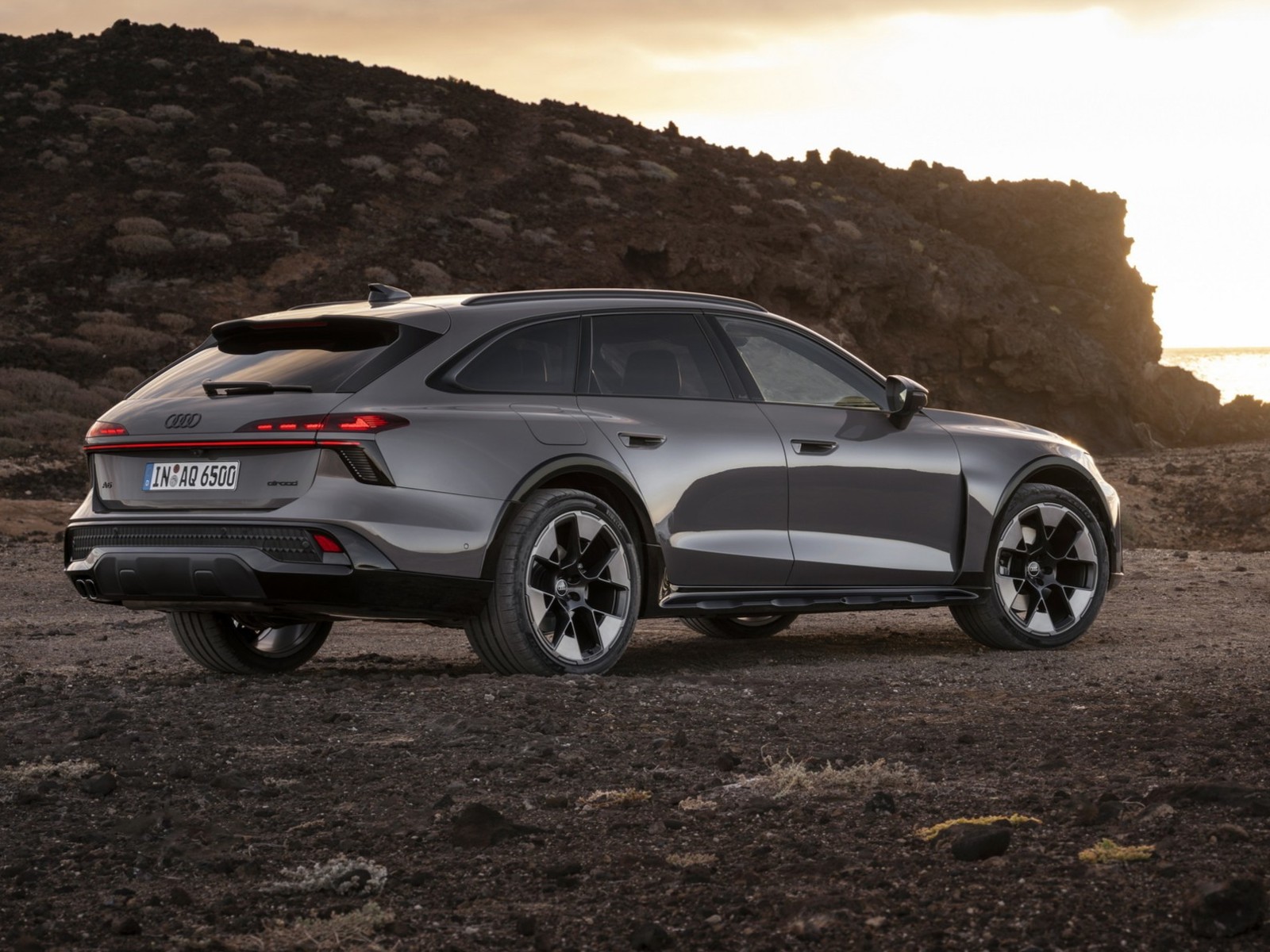
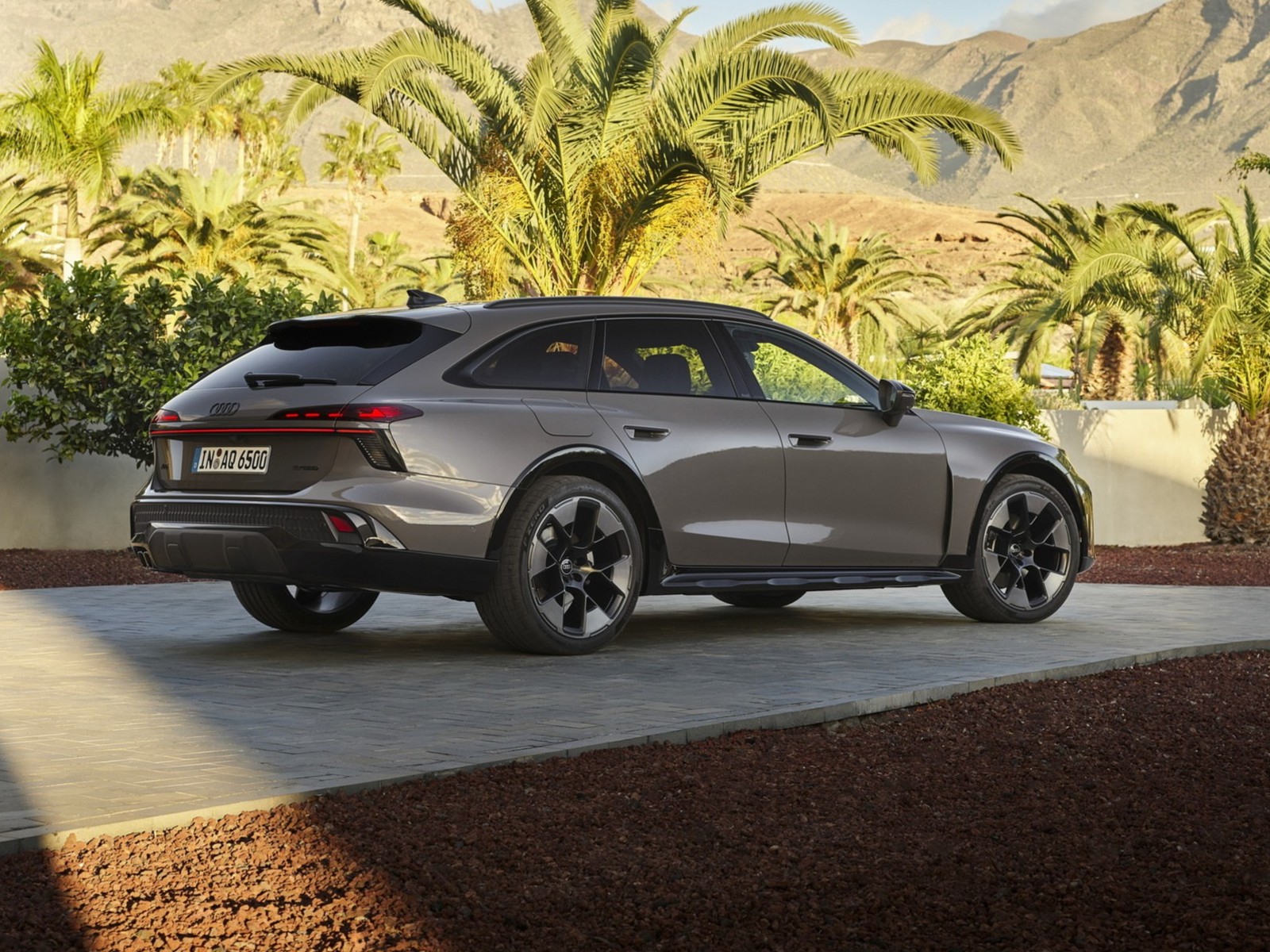
Audi just unveiled the next-generation A6 Allroad, and for the first time in the model's history, it borrows the flared, muscular fenders normally reserved for the range-topping RS6. It's a bold styling shift for a car that has traditionally played it safe, and it signals Audi's intent to position the jacked-up wagon as a genuine rival to its own Q5 and Q7 SUVs rather than a niche alternative for wagon loyalists.
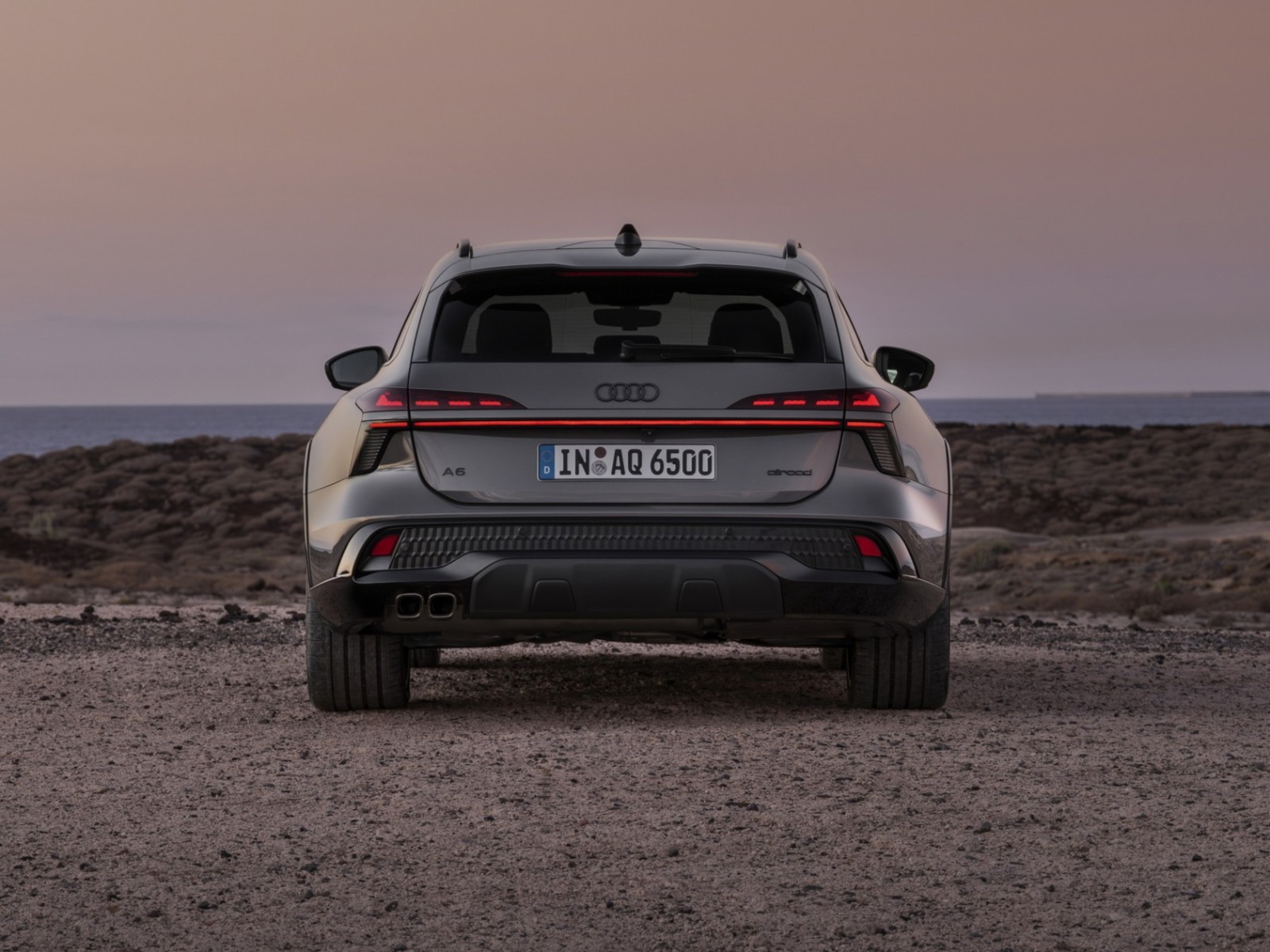
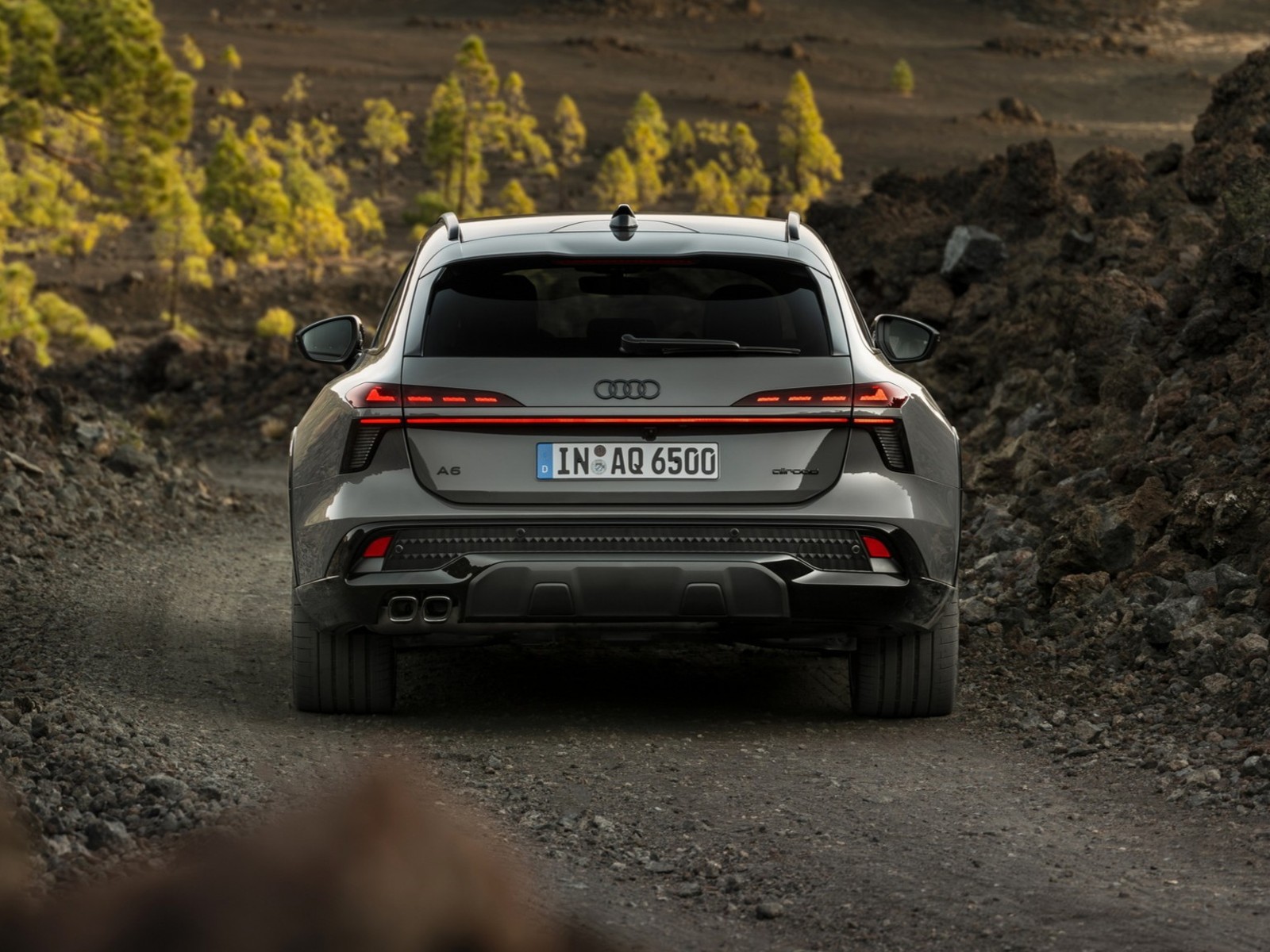
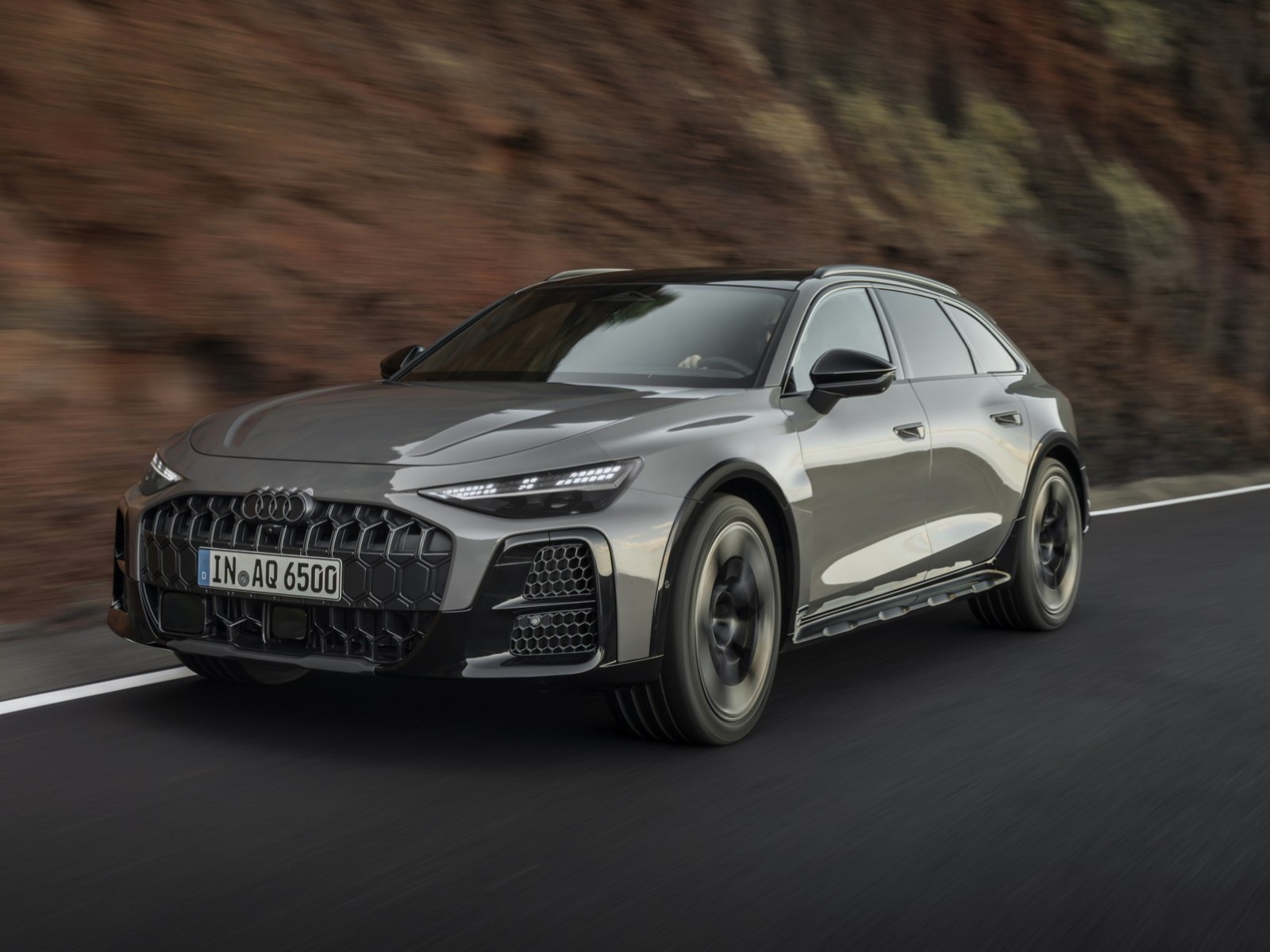
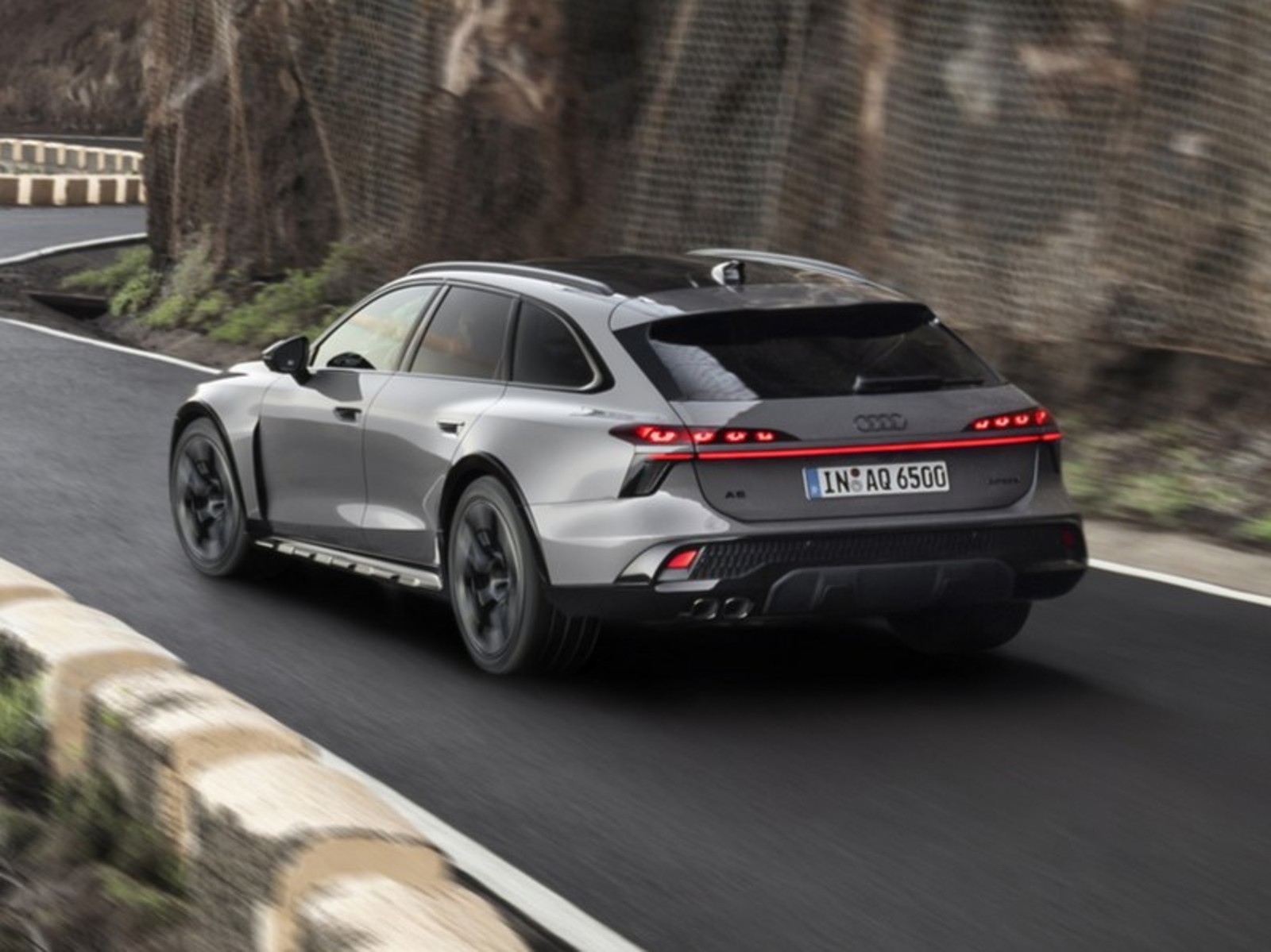
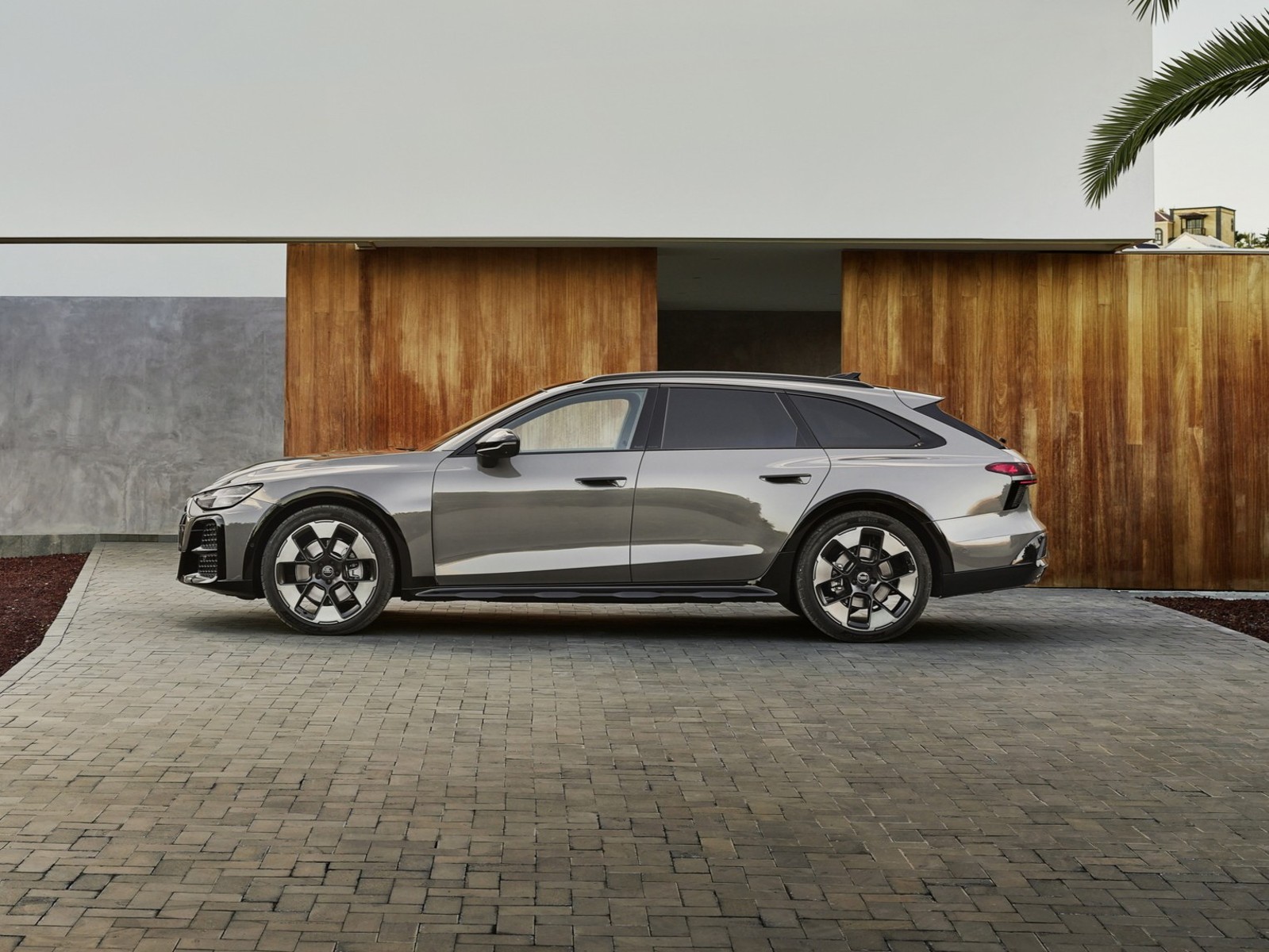
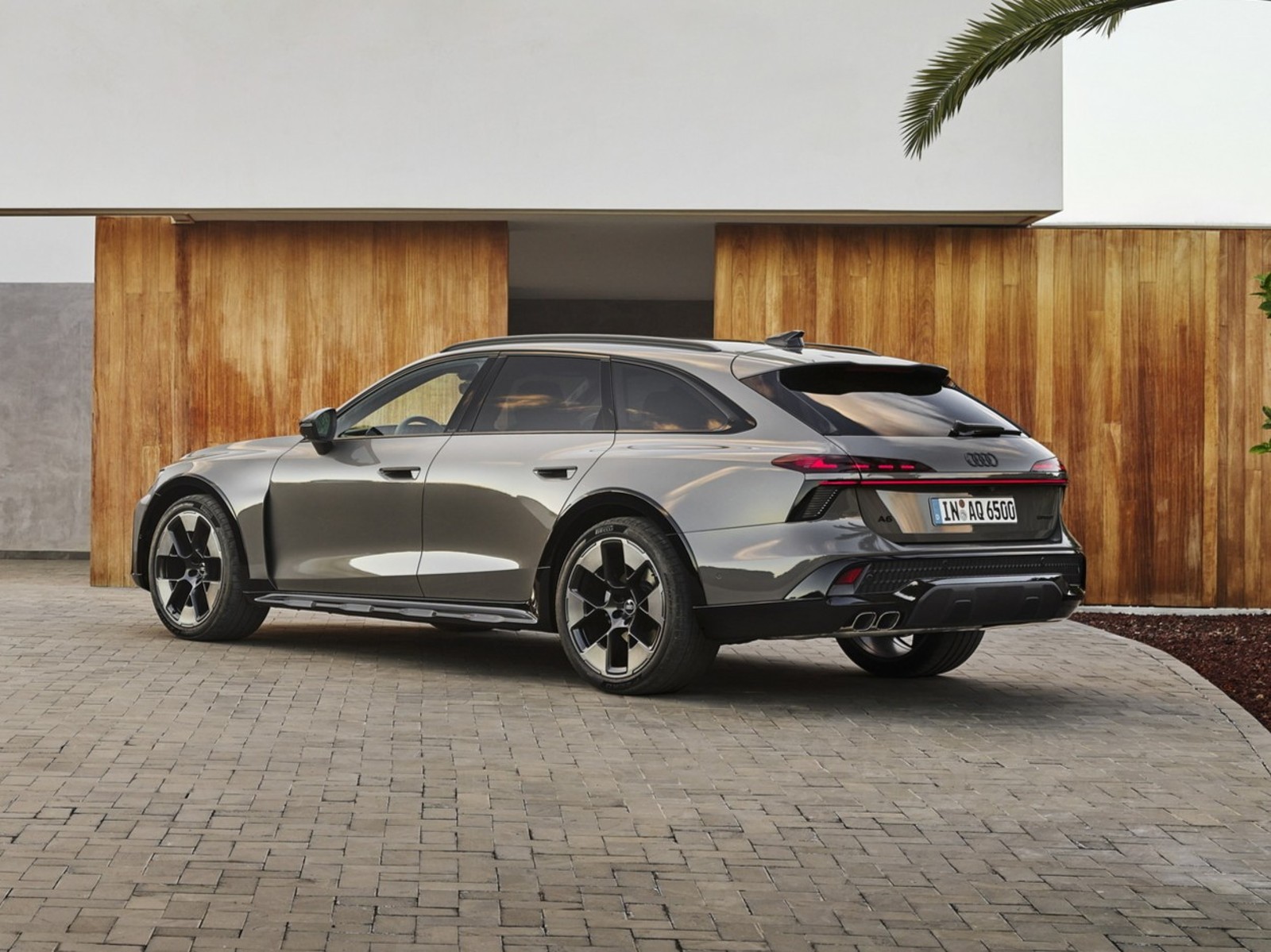
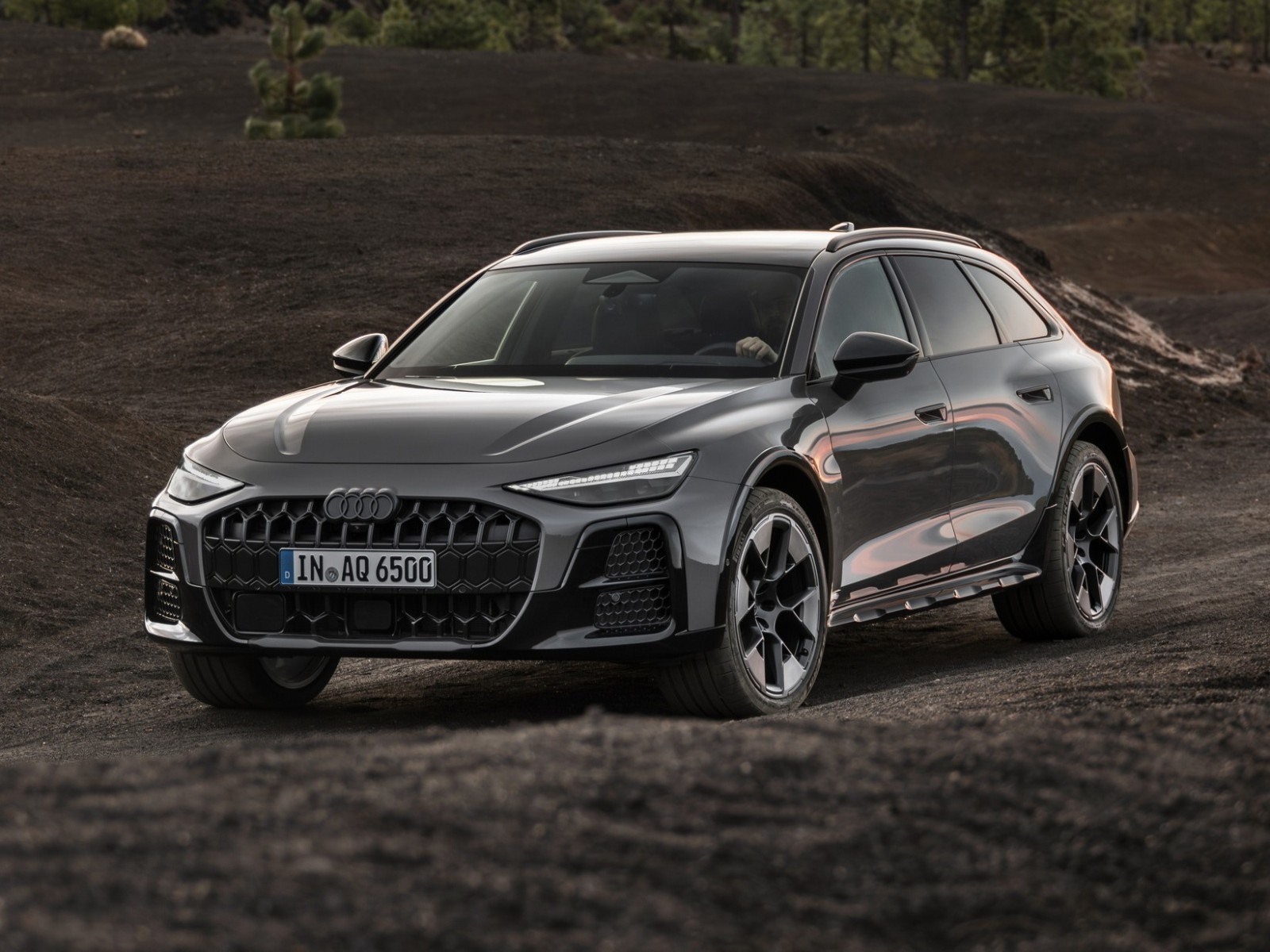
The widebody treatment isn't just for show. Those flared arches are paired with rugged-but-restrained styling cues that separate the Allroad from its sportier RS sibling: a honeycomb front grille, gloss-black trim around the intakes, cladding along the flanks and wheel arches, plus a chunky rear bumper with a skid-plate-style diffuser. Buyers who find black cladding too aggressive can swap it out for matte silver chrome, matching aluminum roof rails, and chrome exhaust tips instead. Underneath the sheet metal, Audi's tech suite shows up in the form of digital Matrix LED headlights capable of projecting lane markers and ice warnings onto the road, along with OLED 2.0 taillights that can flash alerts to traffic behind. Standard wheels measure 19 inches, though buyers chasing a sportier look can step up to 21s.
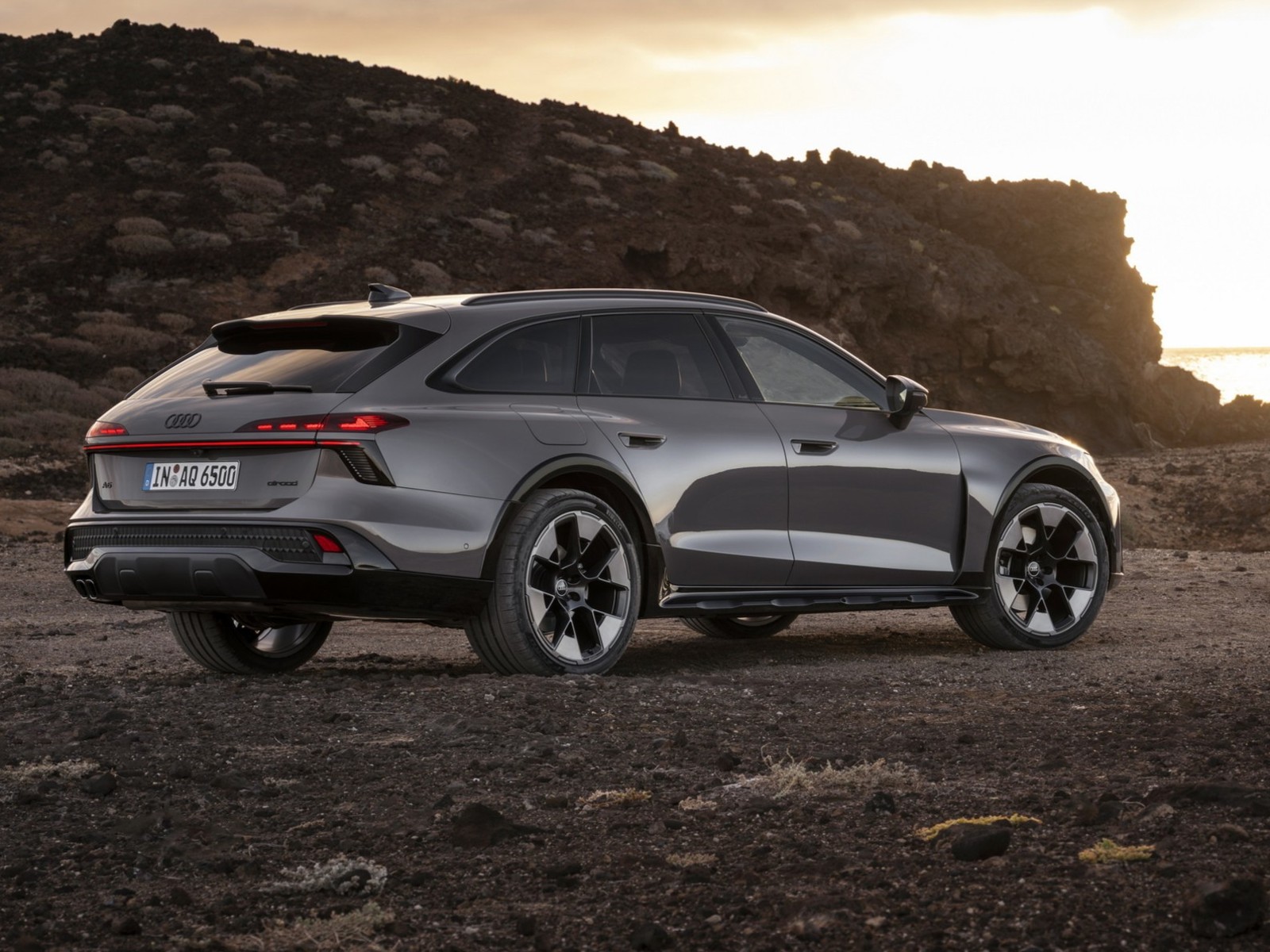
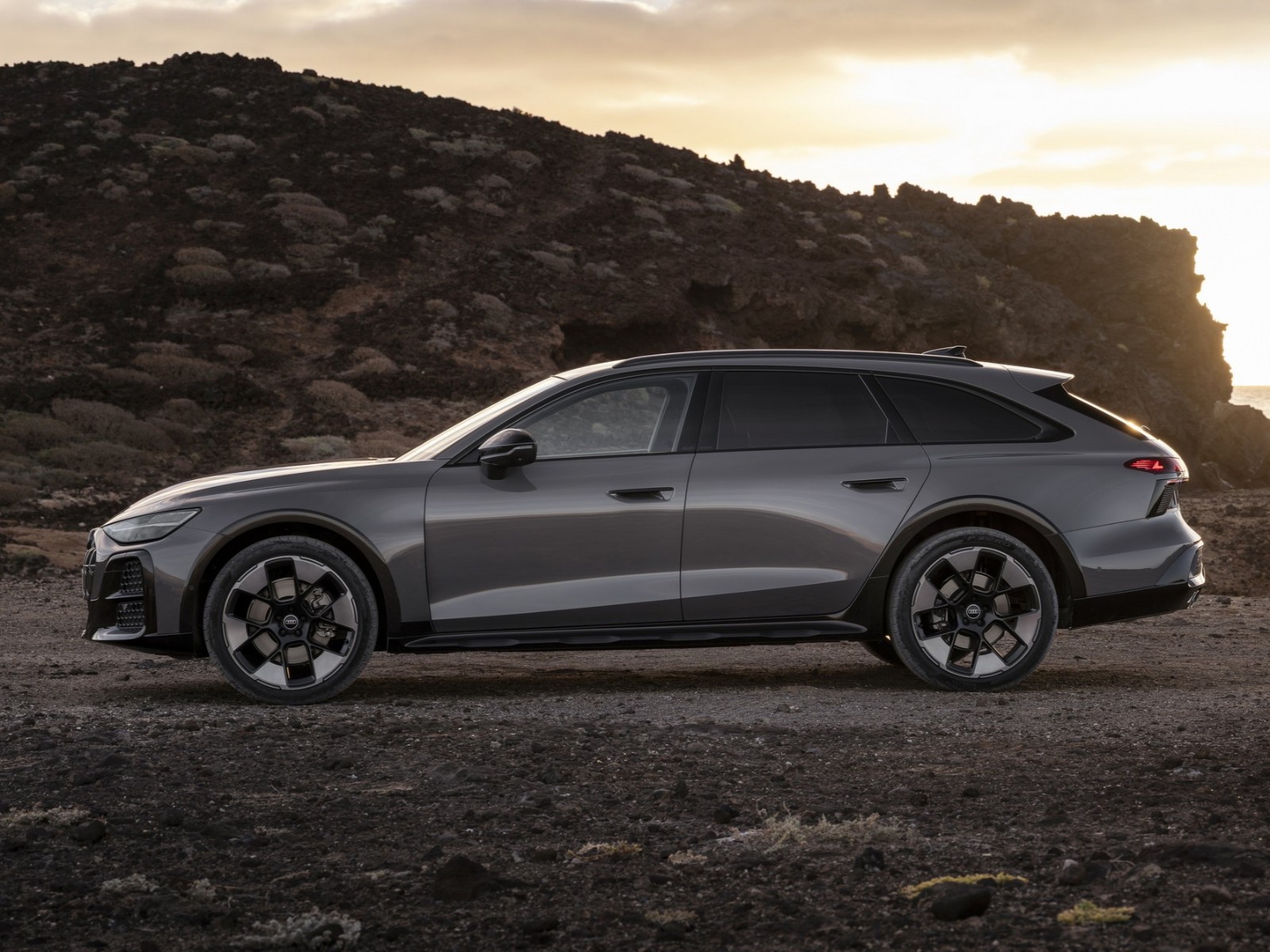
Dimensionally, the new Allroad has grown into its RS6-inspired bodywork. At 5,016 mm long and 1,986 mm wide, it's a substantial 111 mm wider than a standard A6 Avant and 84 mm wider than the outgoing Allroad. Height ranges from 1,479 to 1,508 mm depending on configuration, giving the wagon real presence next to Audi's crossover lineup.
What truly separates this Allroad from a lifted A6 Avant, though, is what's happening beneath it. Audi engineered a dedicated suspension and steering setup exclusively for this model, starting with a ride height that sits 34 mm taller than the standard car in normal mode. The active air suspension provides 55 mm of adjustable travel, with an off-road setting adding another 15 mm and a low-speed lift function pushing total height gain to 20 mm, all while the dampers automatically recalibrate to match the new ride height.
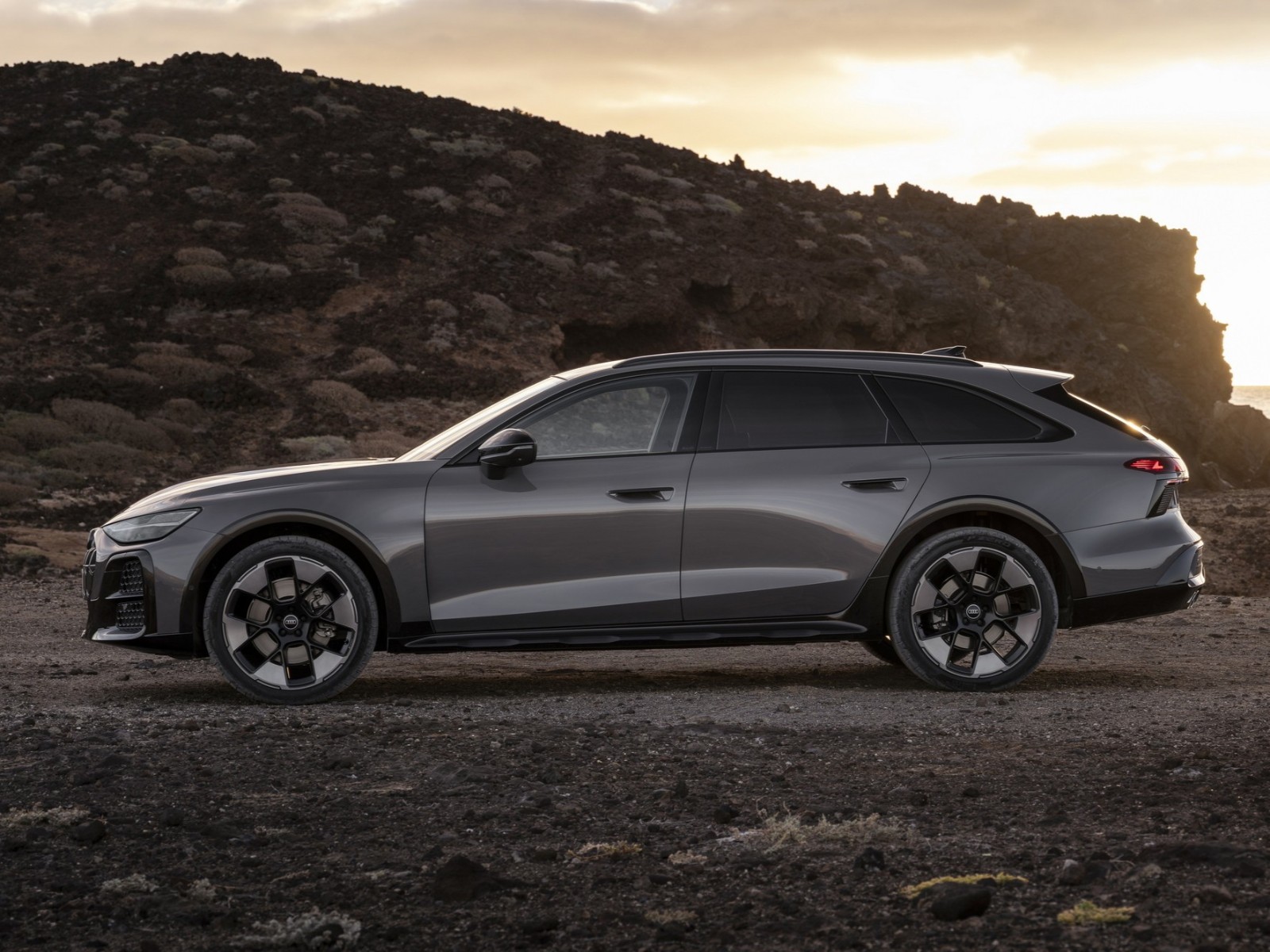
Driving dynamics shift depending on mode. Comfort setting softens things up for daily commuting, while Dynamic mode drops the body by 20 mm for tighter, more planted handling. Interestingly, the system doesn't wait for the driver to choose - once speeds exceed 75 mph, every mode automatically lowers the car by 20 mm to cut down on aerodynamic drag and improve highway efficiency.
Perhaps the most significant addition is rear-axle steering, a first for the Allroad lineup. At low speeds, the rear wheels can turn up to 5 degrees opposite the front wheels, shrinking the turning circle by as much as a full meter for easier parking and tighter maneuvers. At higher speeds, the rear wheels instead turn up to 2 degrees in the same direction as the fronts, boosting stability during lane changes and highway cruising. Audi also fitted a stiffer, more direct progressive steering rack to sharpen driver feedback throughout.
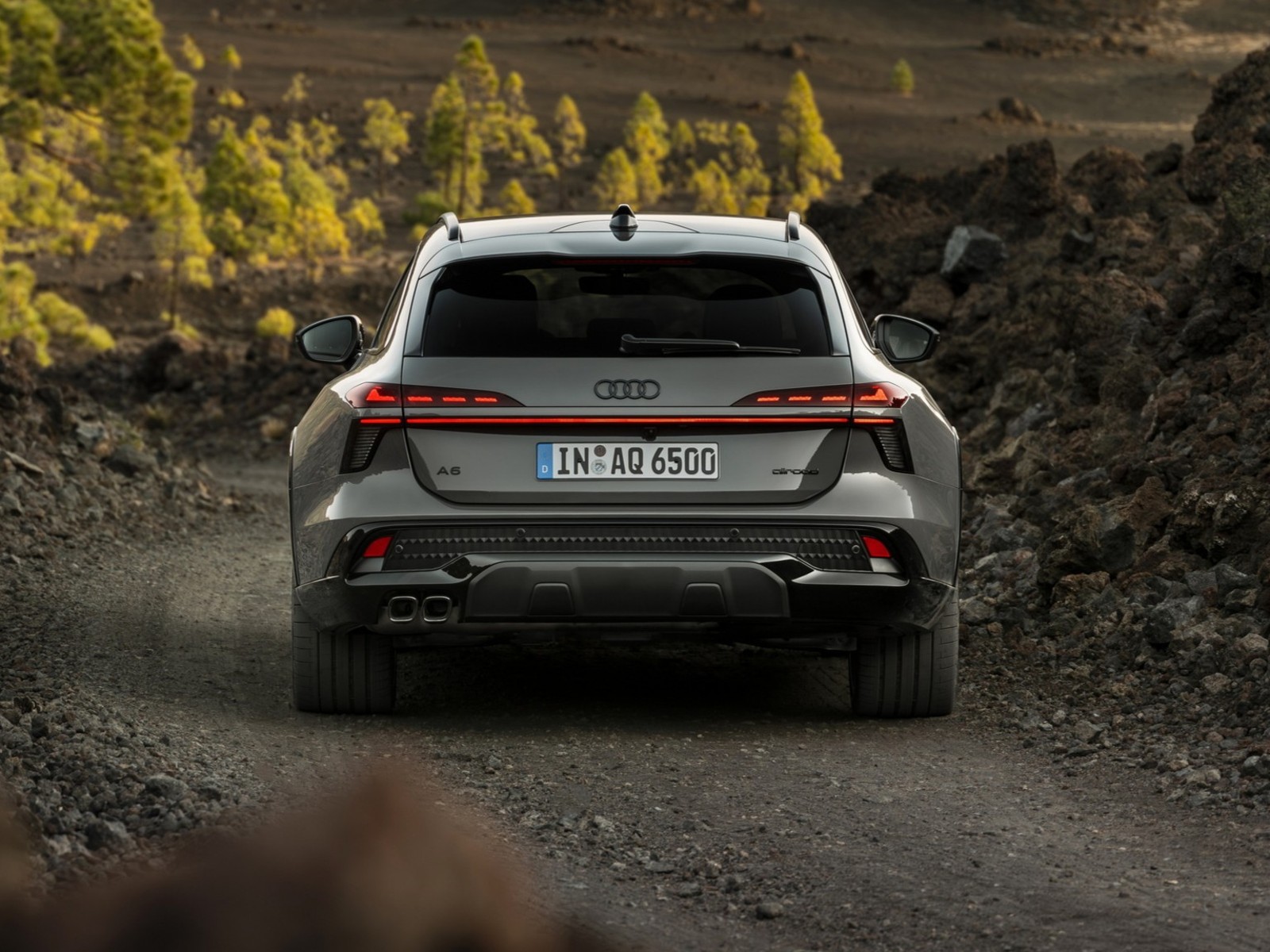
Powertrain-wise, Audi is finally offering a plug-in hybrid option alongside the familiar V6 turbodiesel, broadening the Allroad's appeal to buyers who want efficiency without sacrificing the model's go-anywhere reputation. Between the RS6-style width, adjustable ride height, and added agility from rear steering, Audi's engineers seem determined to prove that a well-sorted wagon can still out-maneuver — and out-charm — the SUVs eating into its market.
Gallery