Audi Q7 Enters Its Third Generation With More Power and a Smarter Cabin
Audi’s third-generation Q7 arrives for the U.S. with stronger V6 and V8 engines, available six-seat comfort, new lighting tech and a more digital cabin.
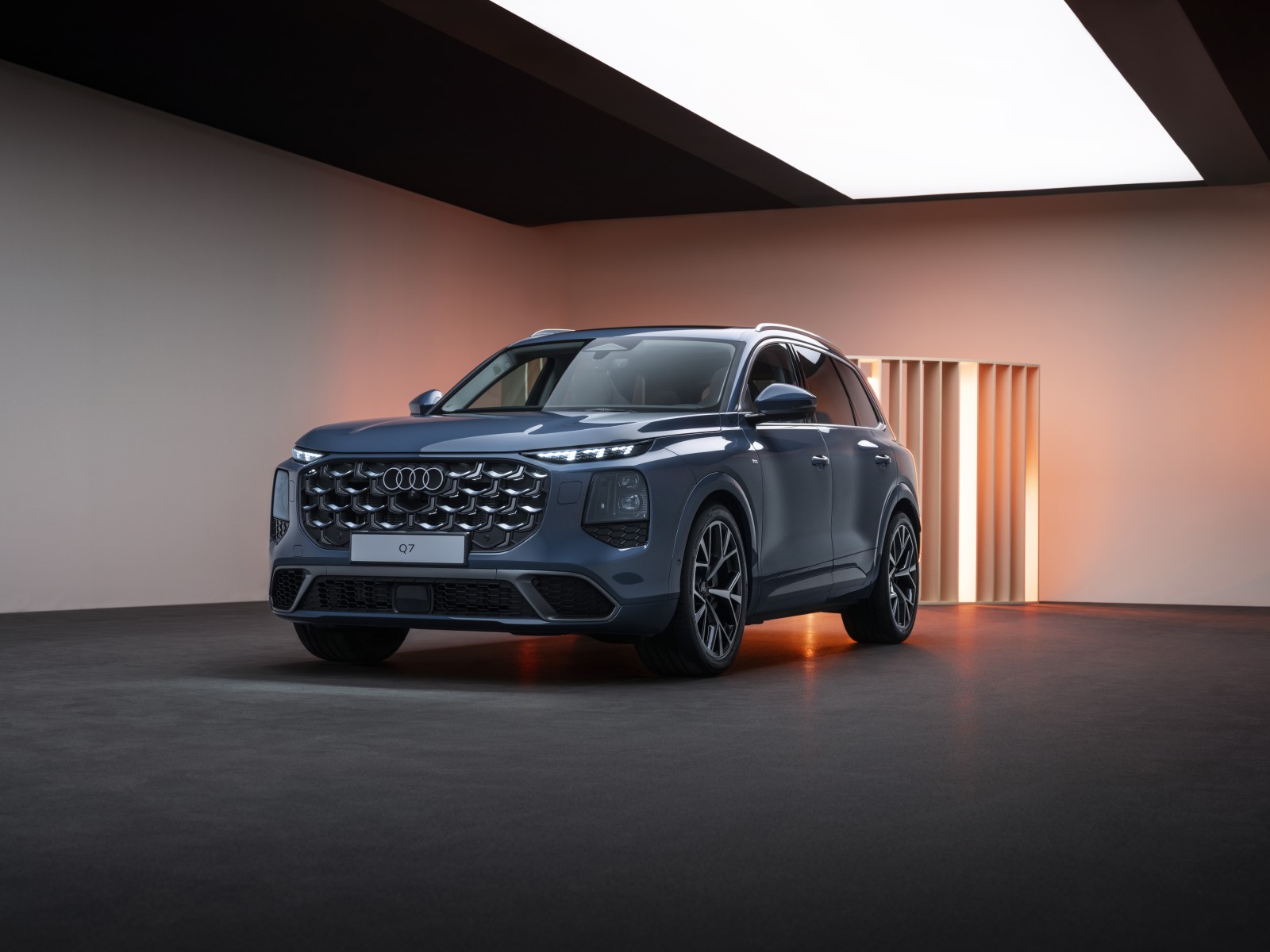
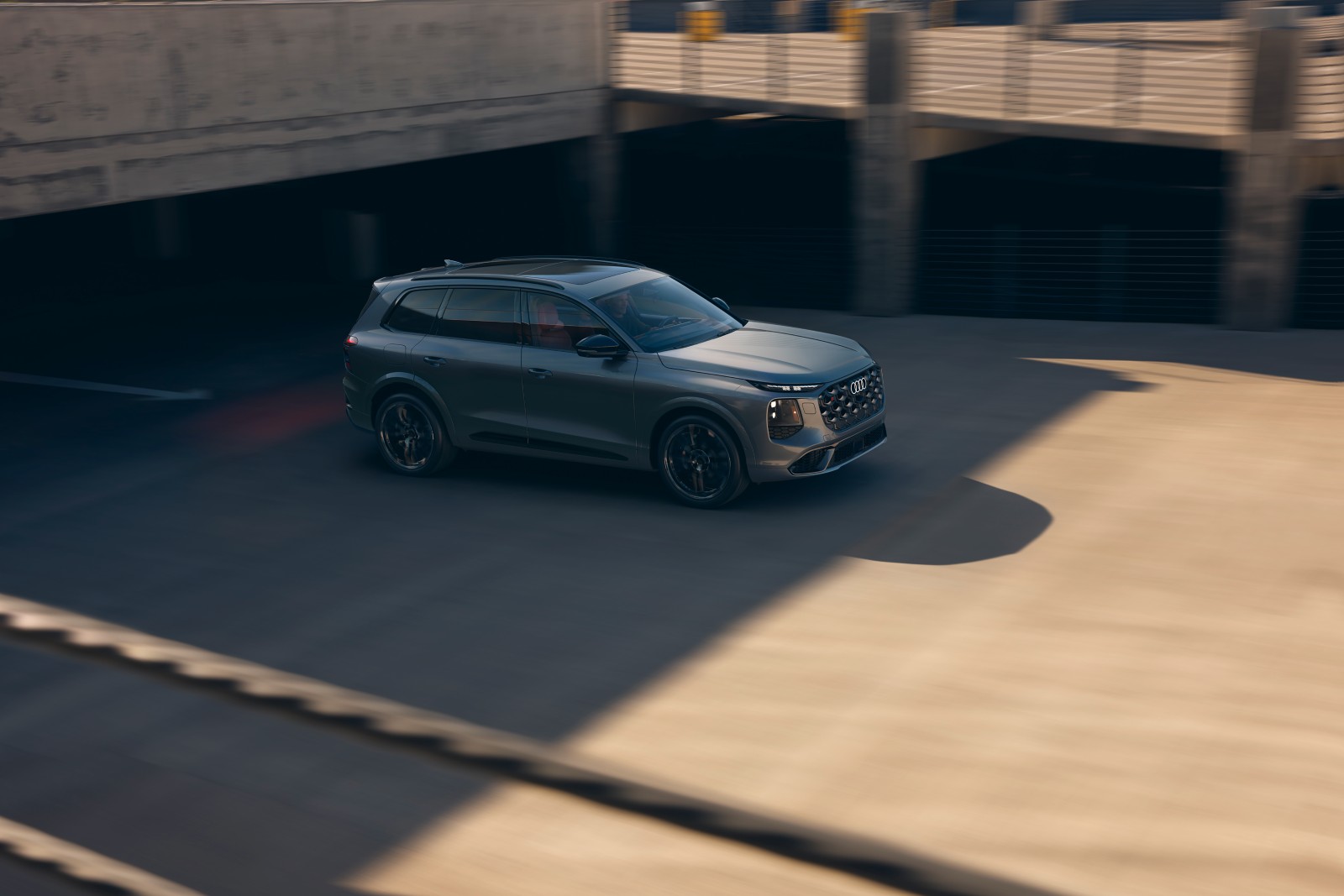
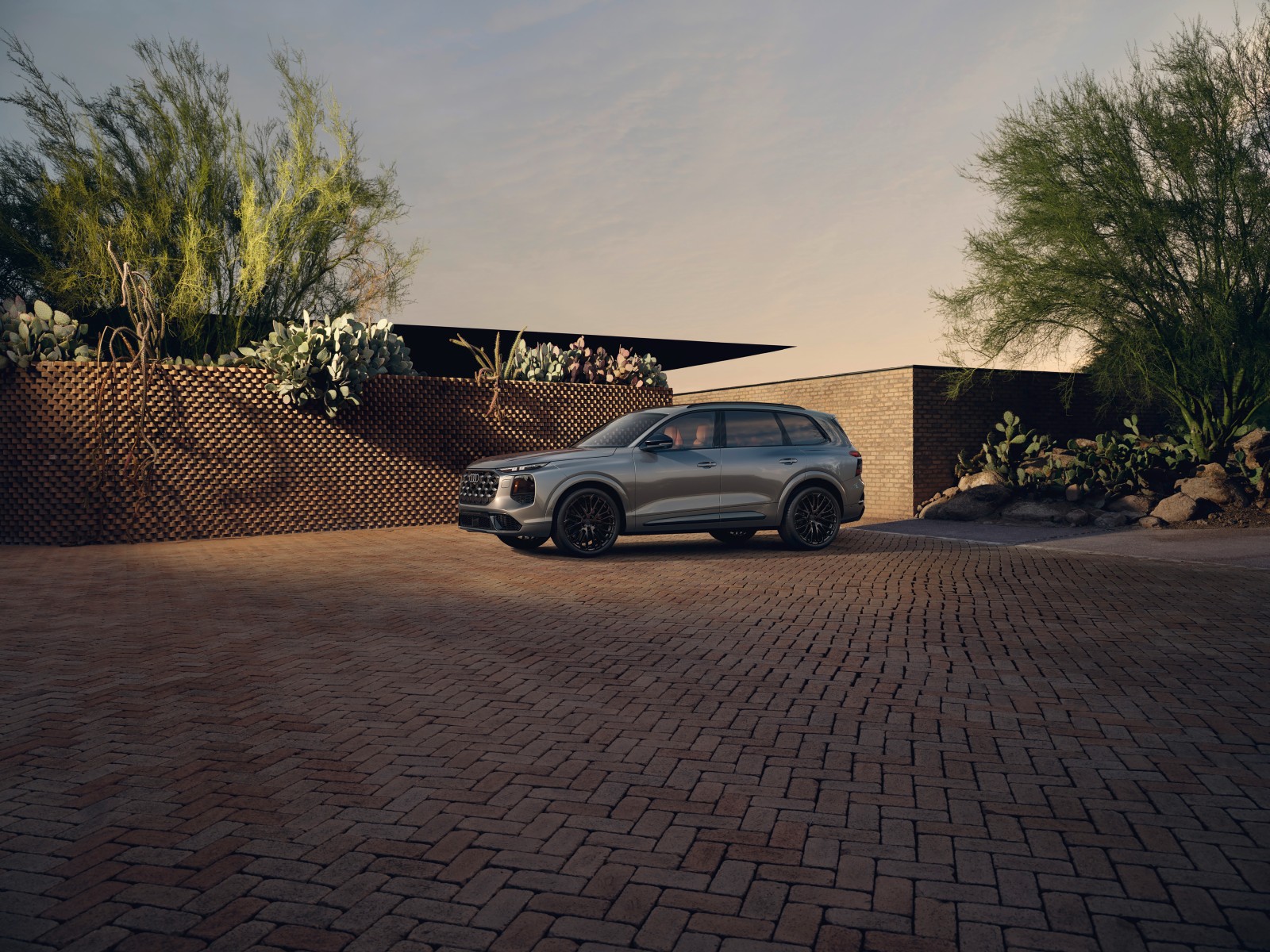
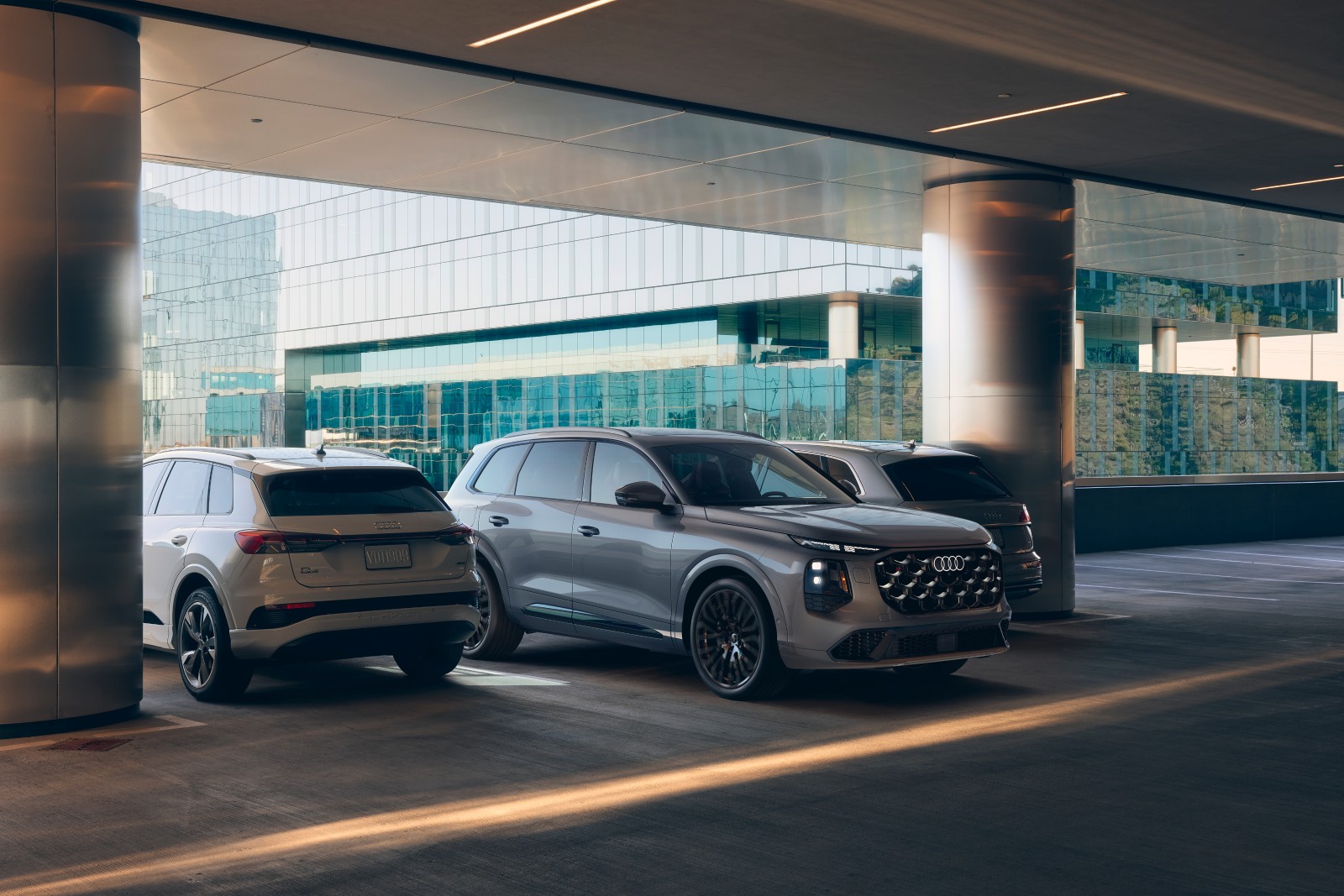
Audi has revealed the new 2027 Q7 for the U.S. market, giving its large three-row SUV a major redesign after more than 20 years in the segment. The formula remains familiar — space, quattro all-wheel drive and luxury SUV practicality — but the new generation adds significantly stronger engines and more advanced cabin technology.
The standard Q7 now comes with a 2.9-liter twin-turbo V6 producing 429 hp and 442 lb-ft of torque. That gives the SUV a claimed 0–60 mph time of 4.8 seconds, which Audi says is best in class. Power goes through an eight-speed Tiptronic transmission and standard quattro all-wheel drive.
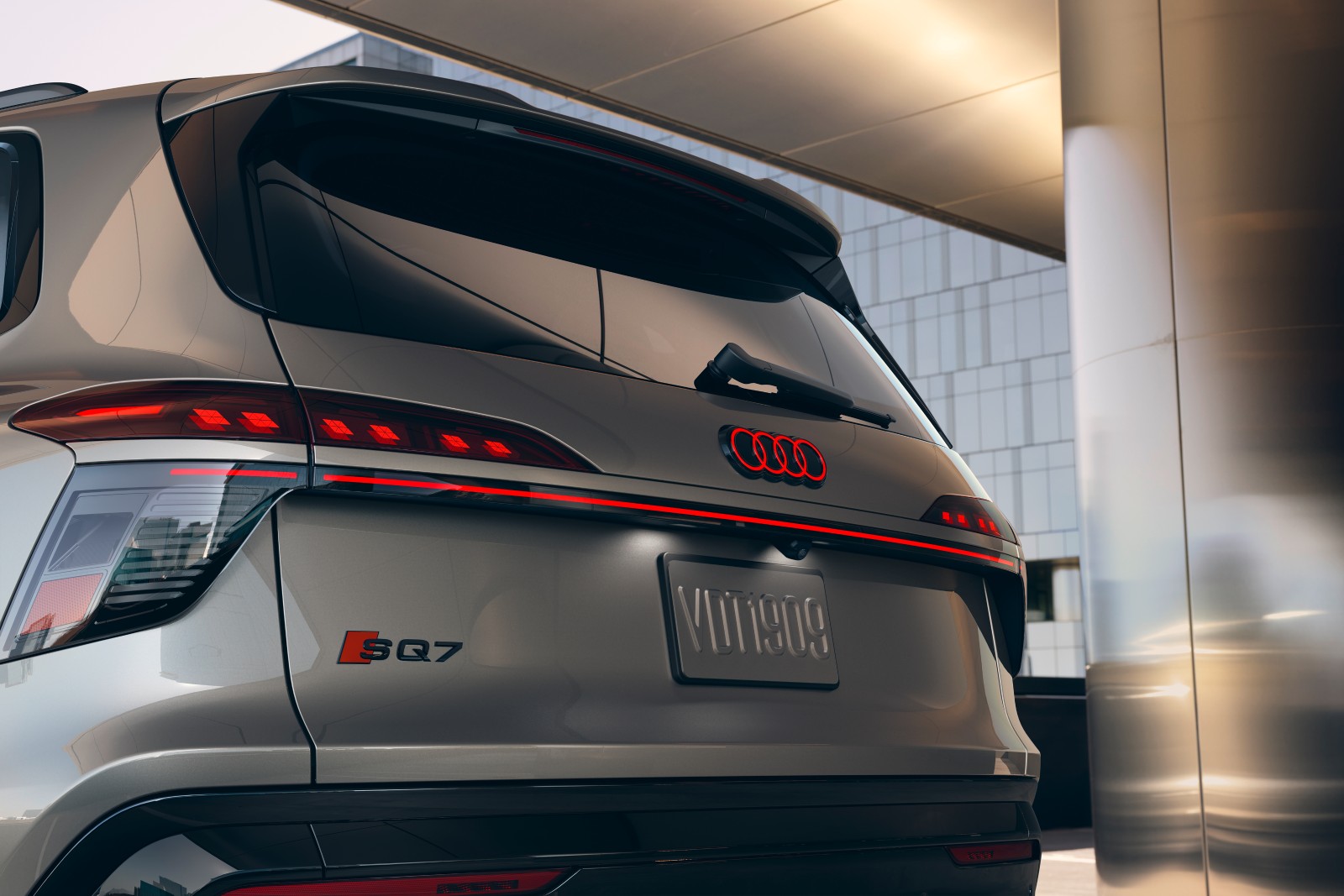
The performance version, the SQ7, moves further upmarket with a revised 4.0-liter twin-turbo V8. Output rises to 591 hp and 590 lb-ft, cutting the 0–60 mph time to just 3.7 seconds. Both Q7 and SQ7 can tow up to 7,700 pounds when properly equipped.
Audi has also reworked the all-wheel-drive hardware. The Q7 uses a new limited-slip center differential with preload, while the SQ7 adds a rear-biased setup with an electronically controlled rear differential. The goal is to make the large SUV feel more agile without losing stability.
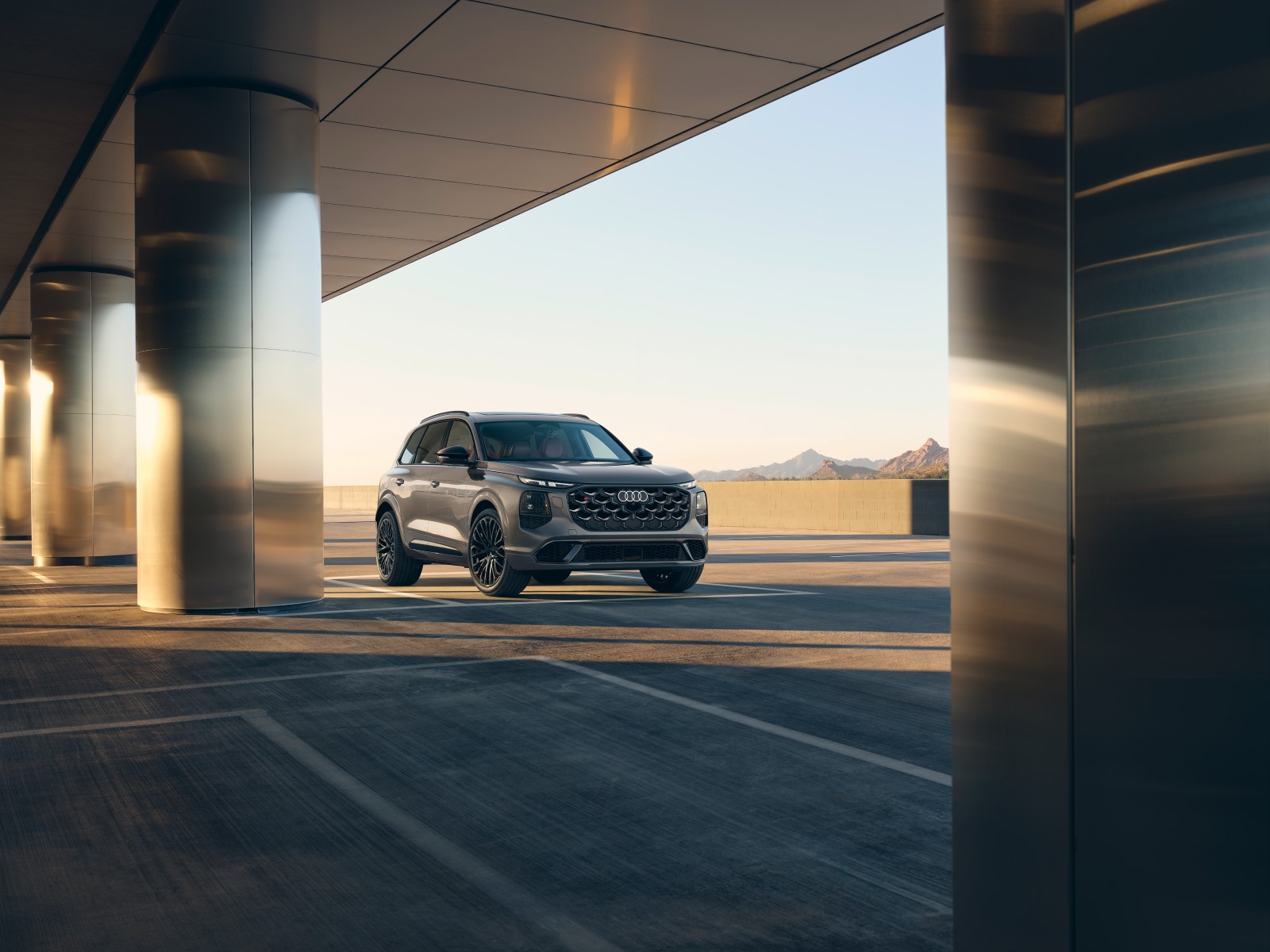
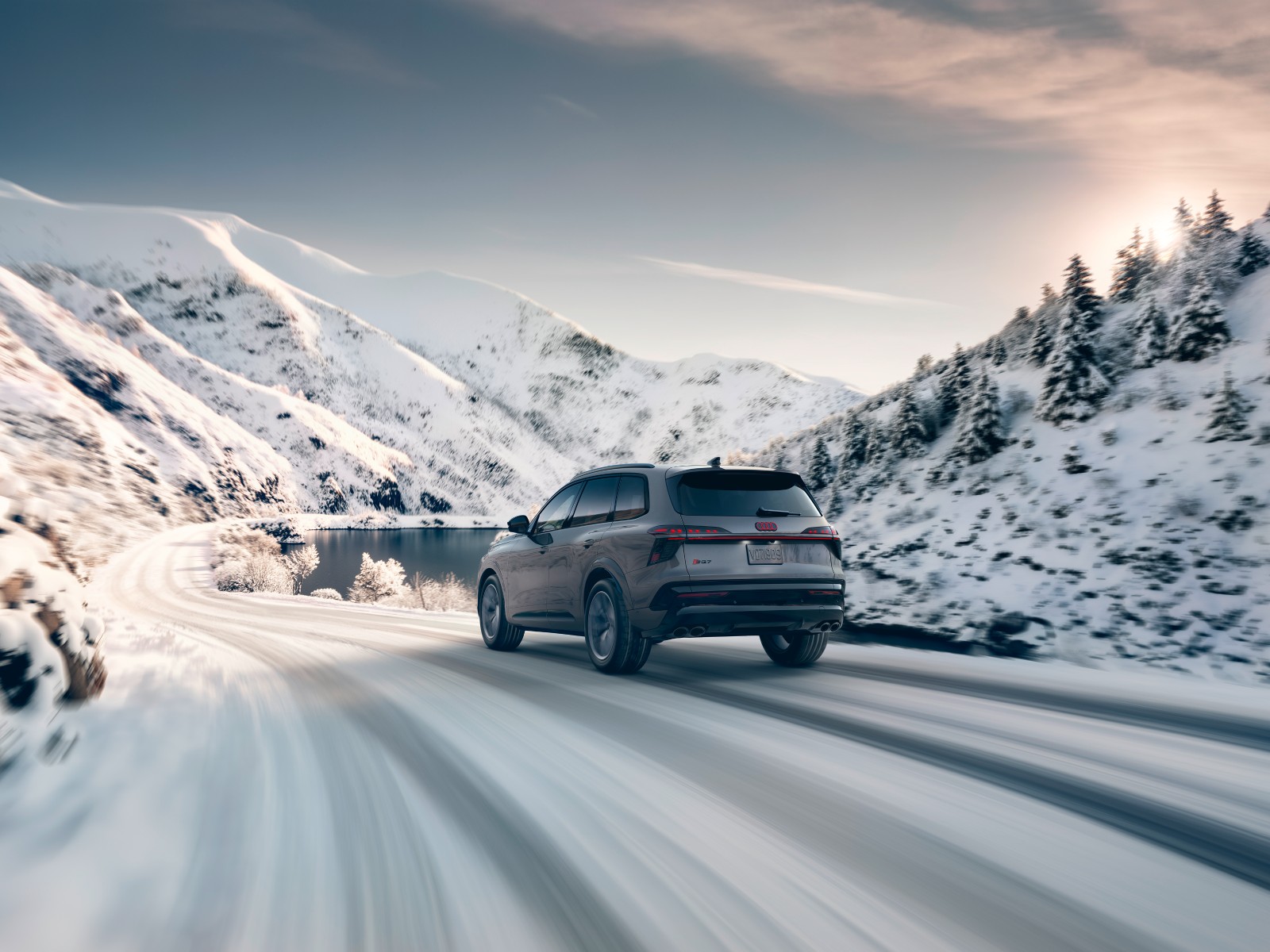
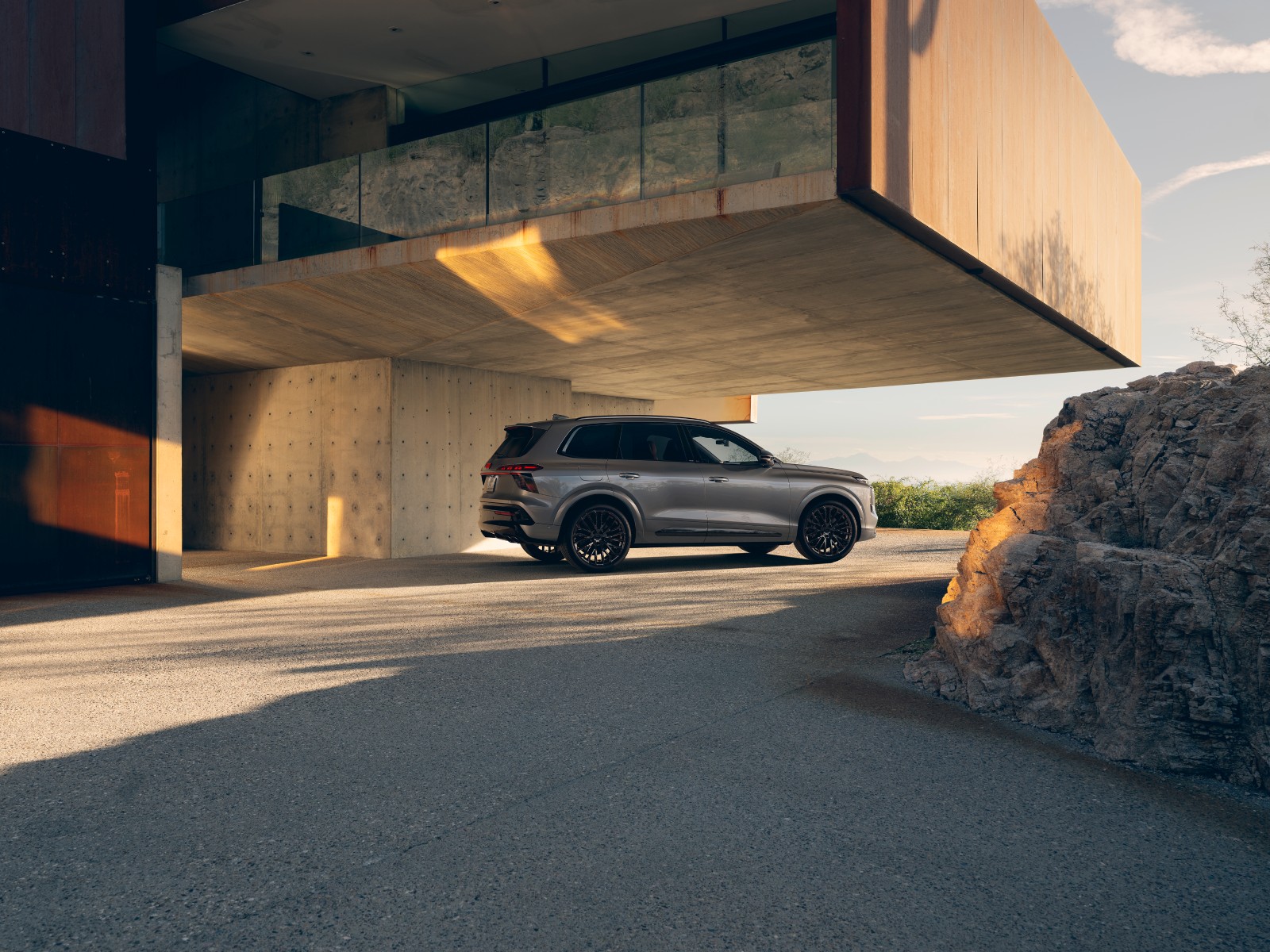
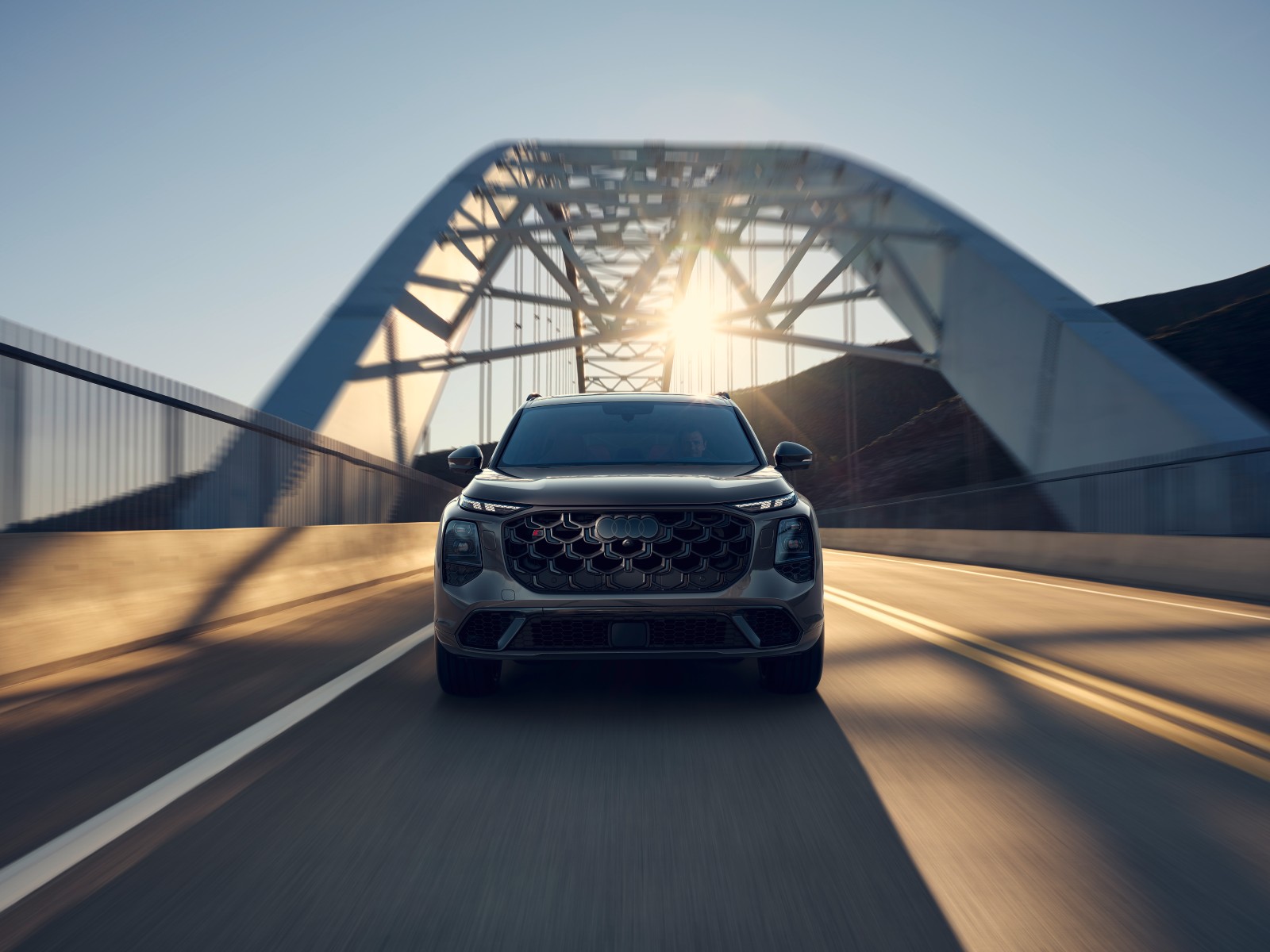
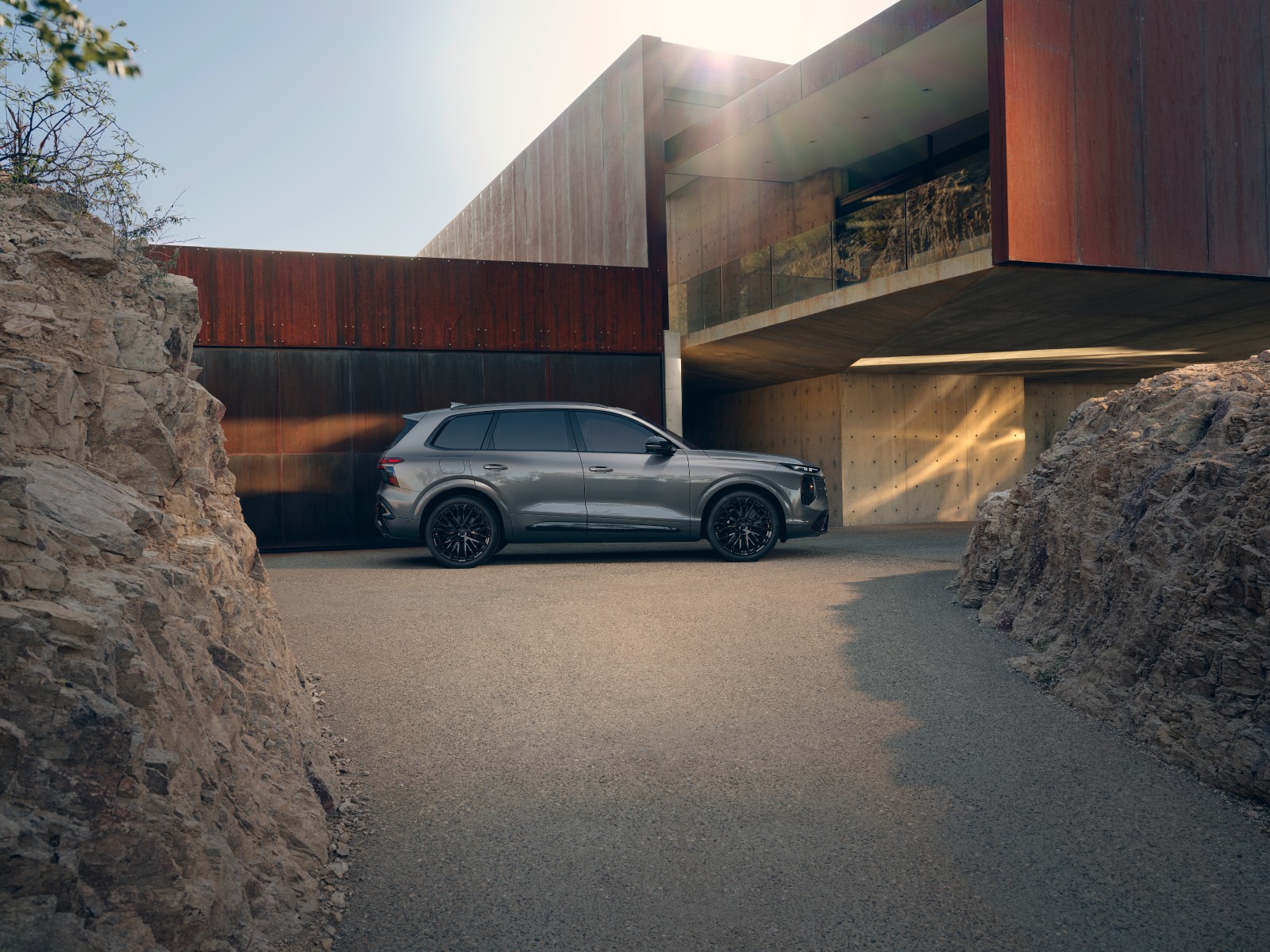
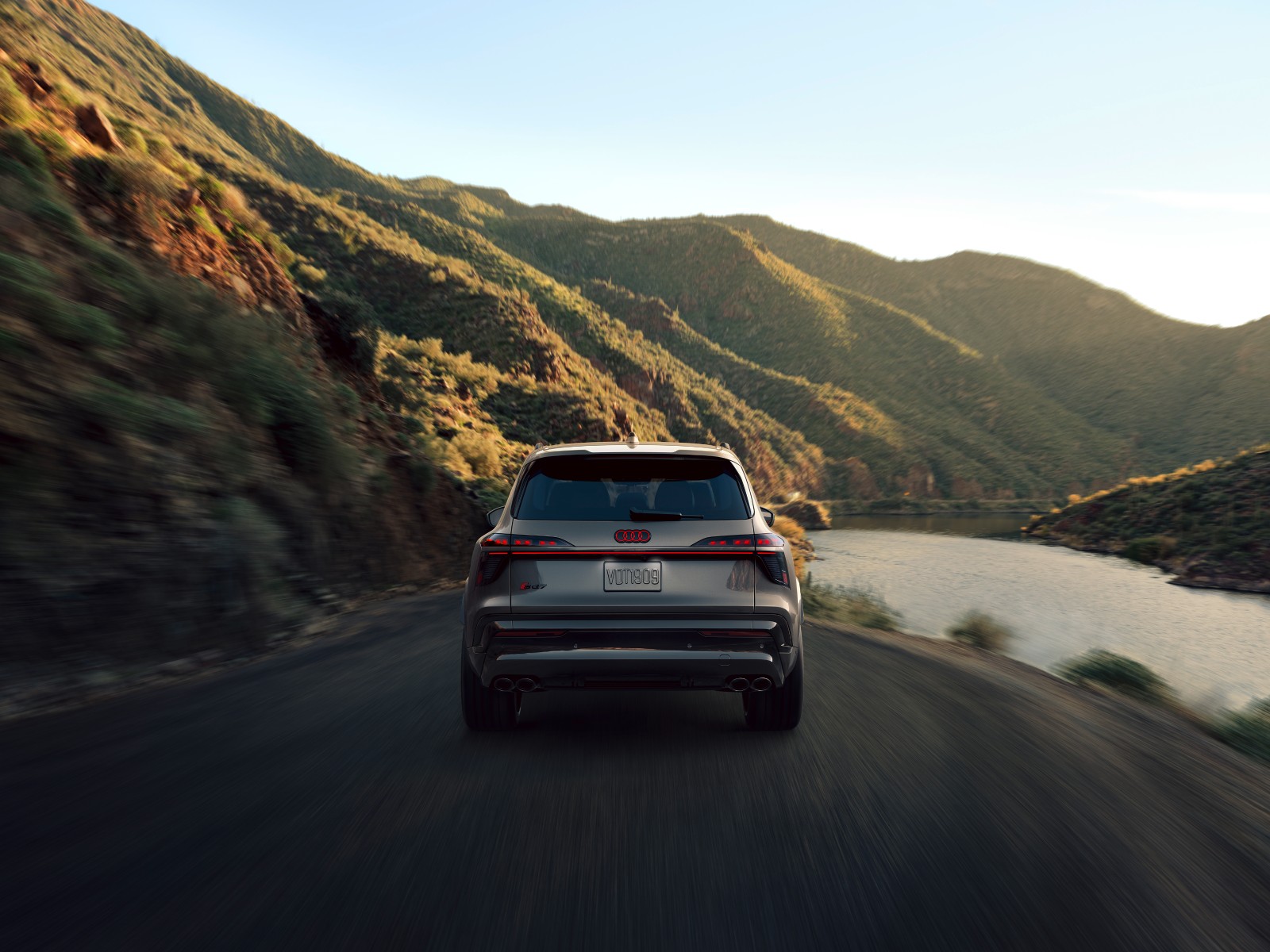
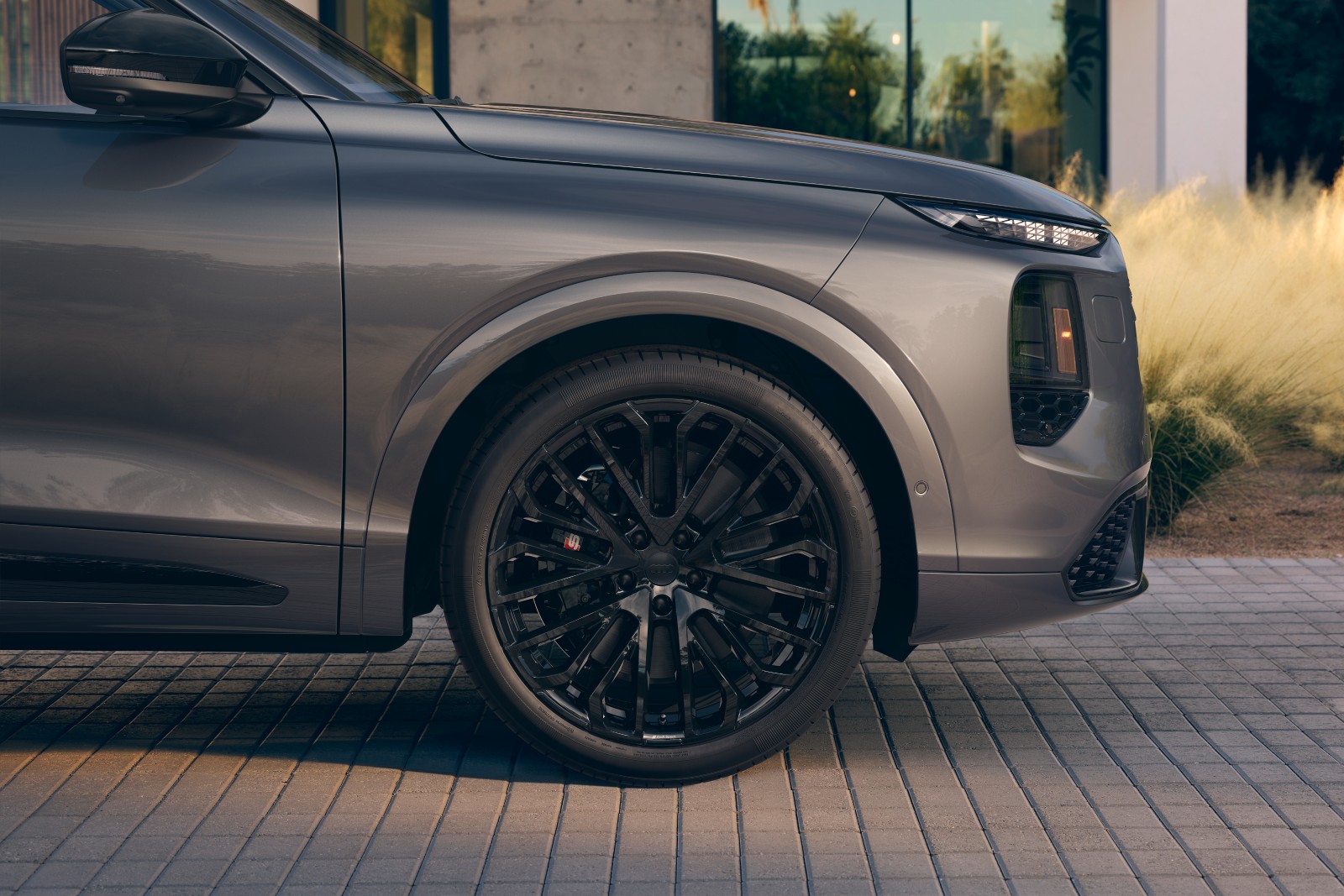
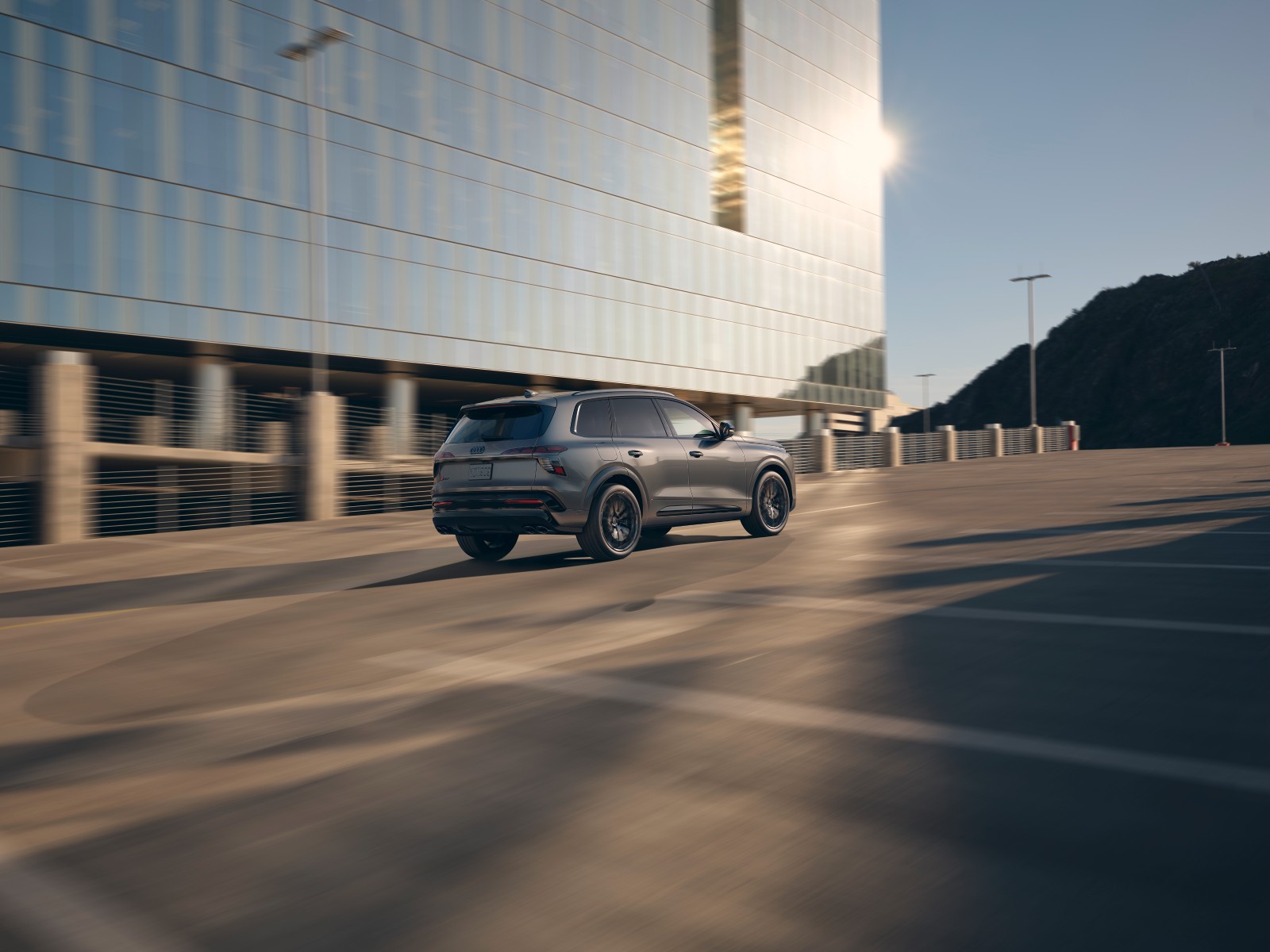
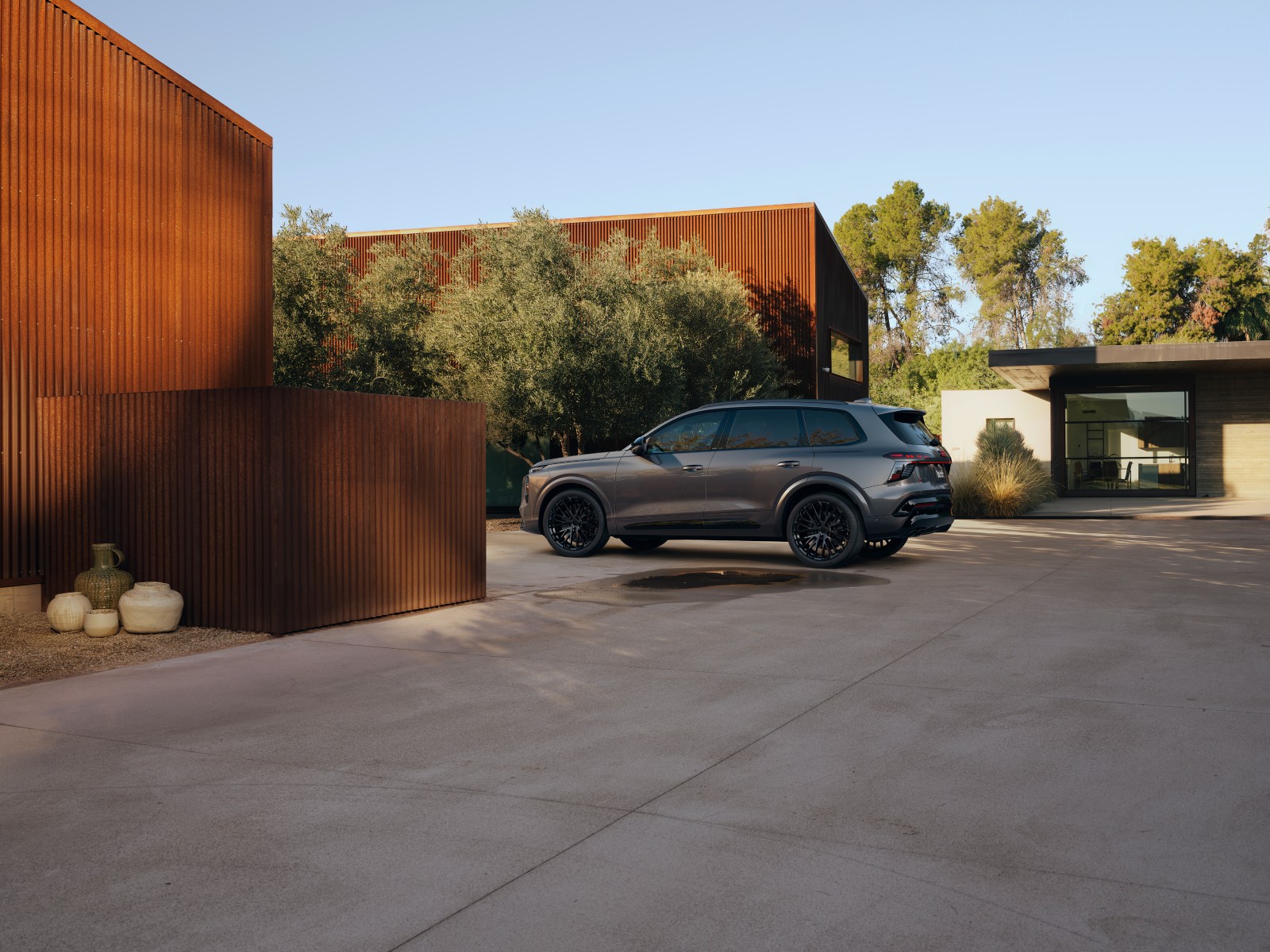
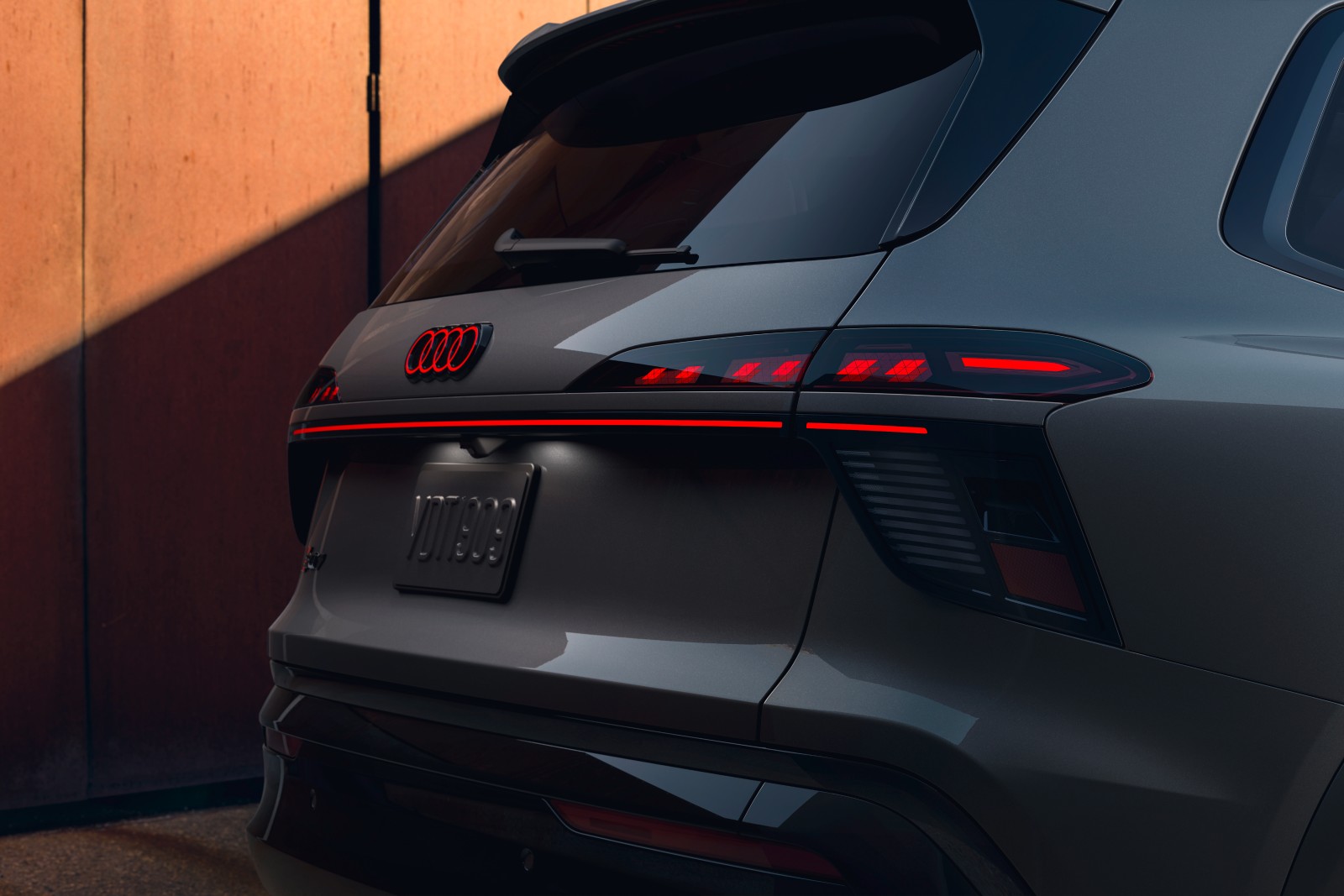
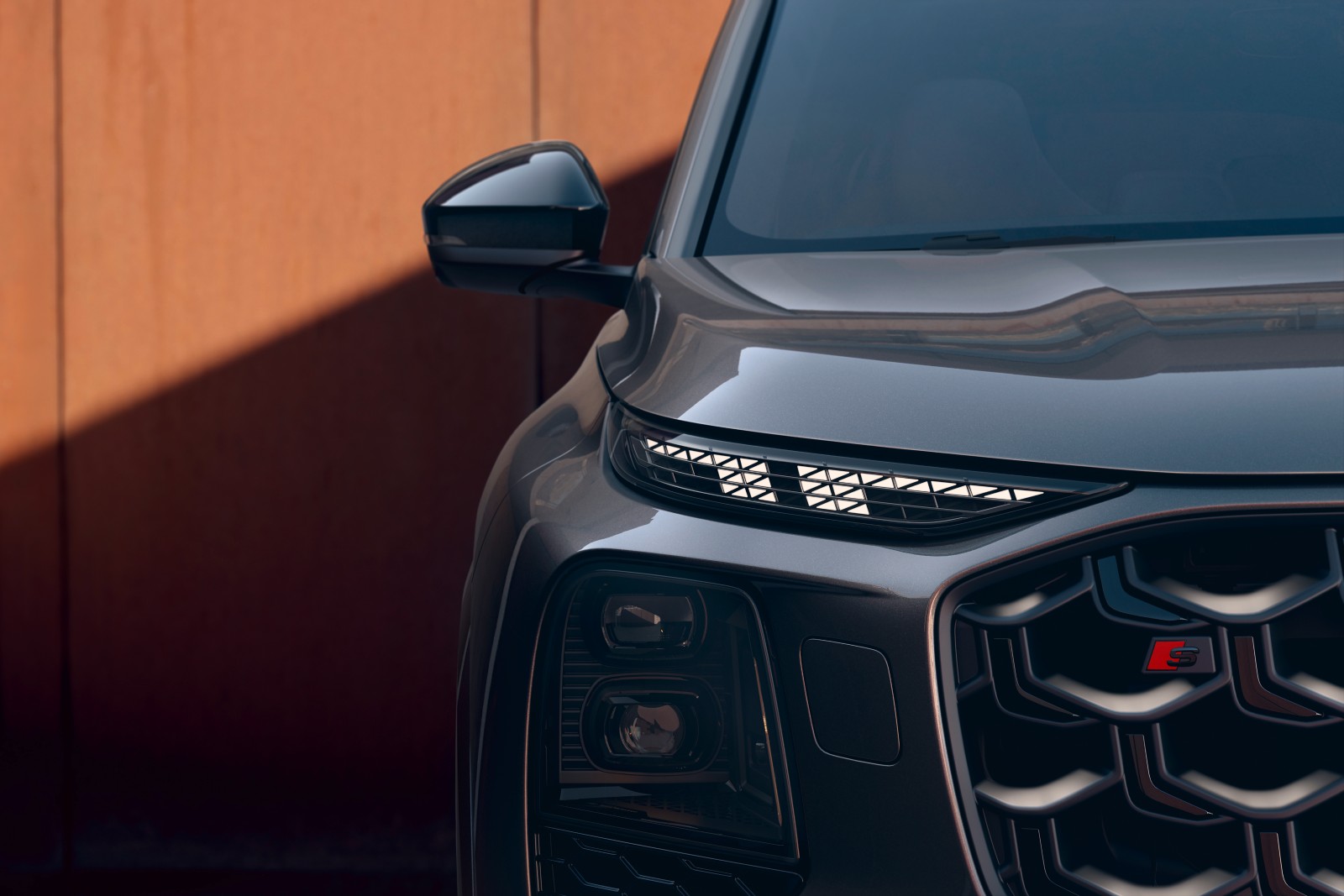
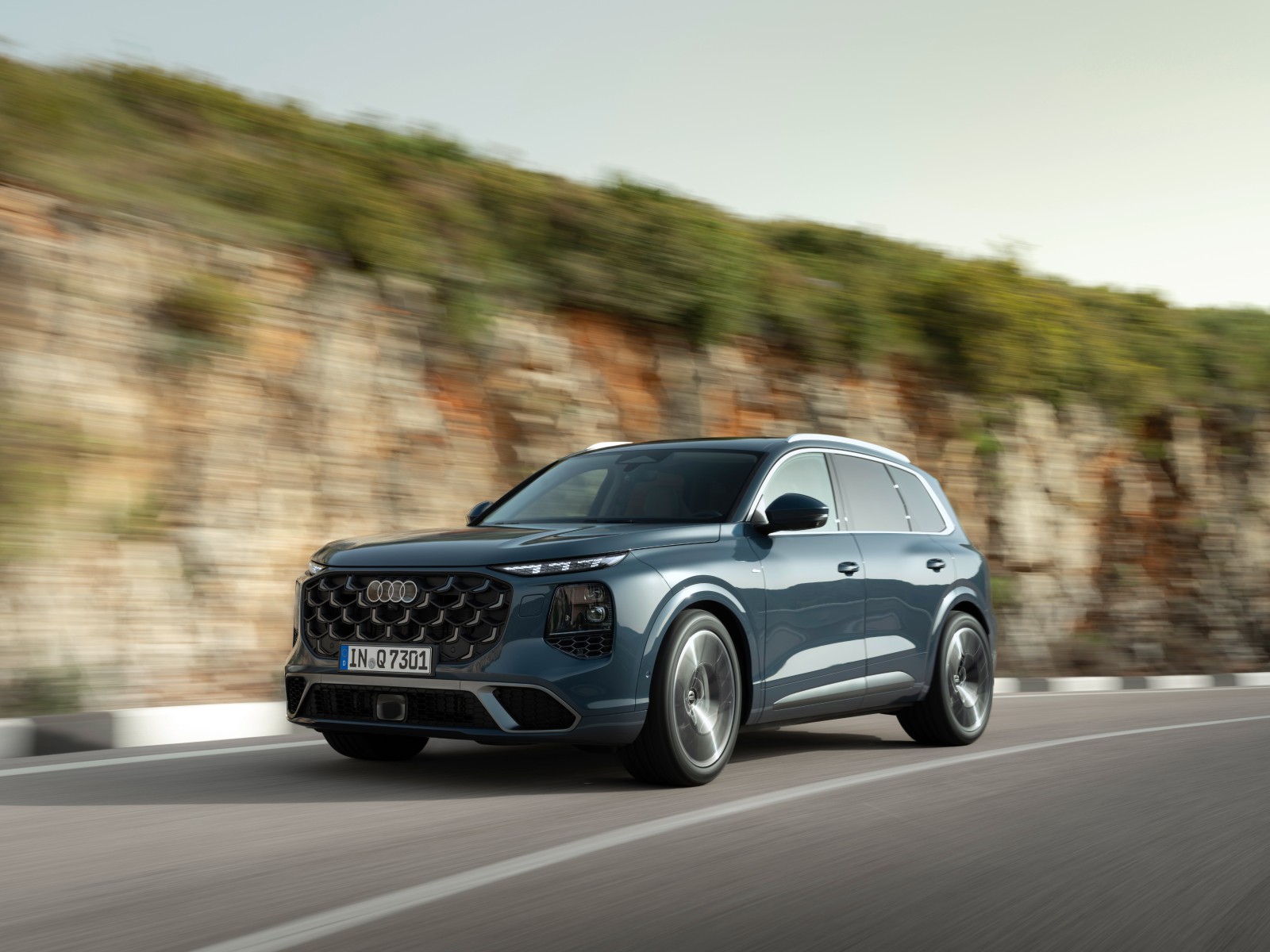
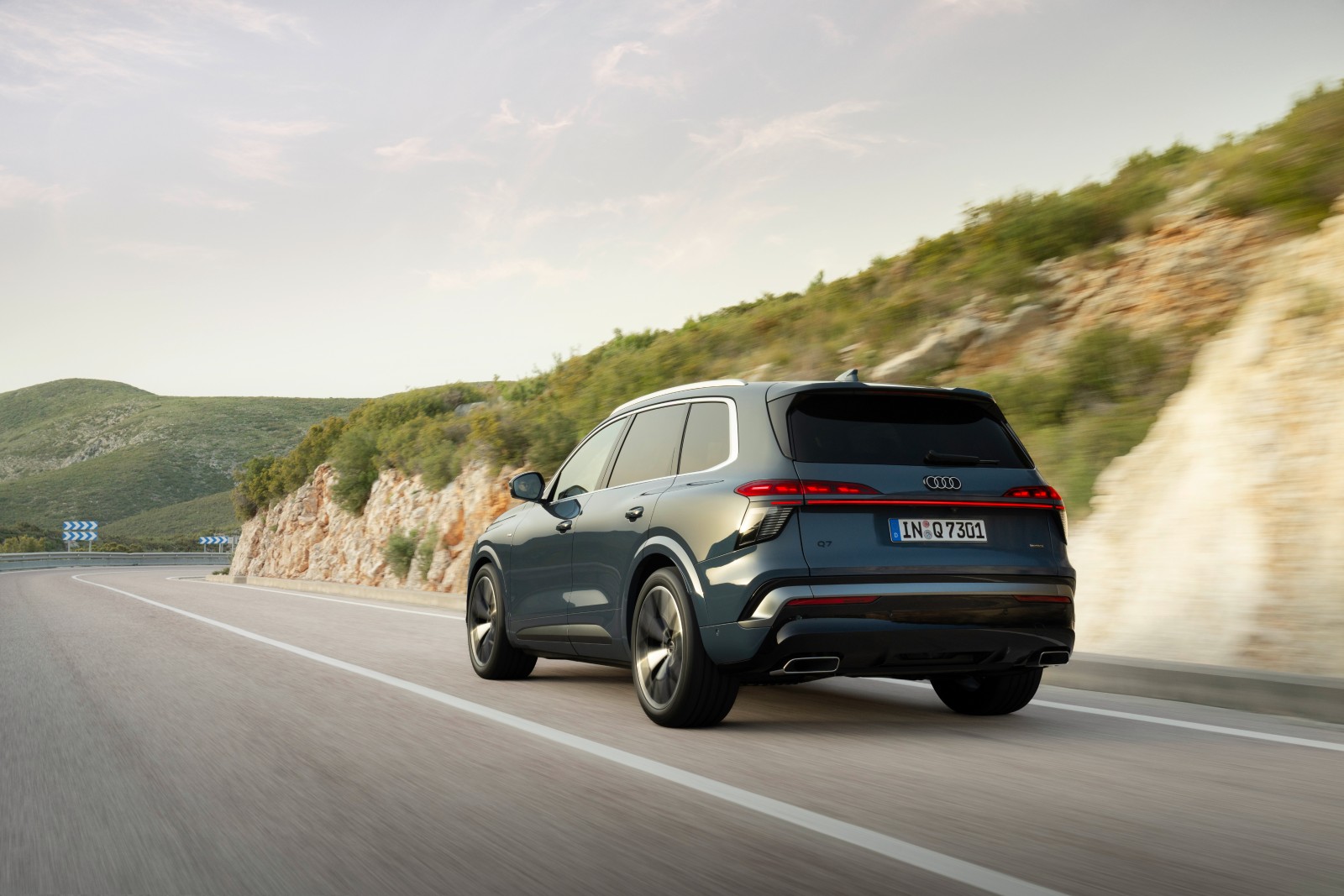
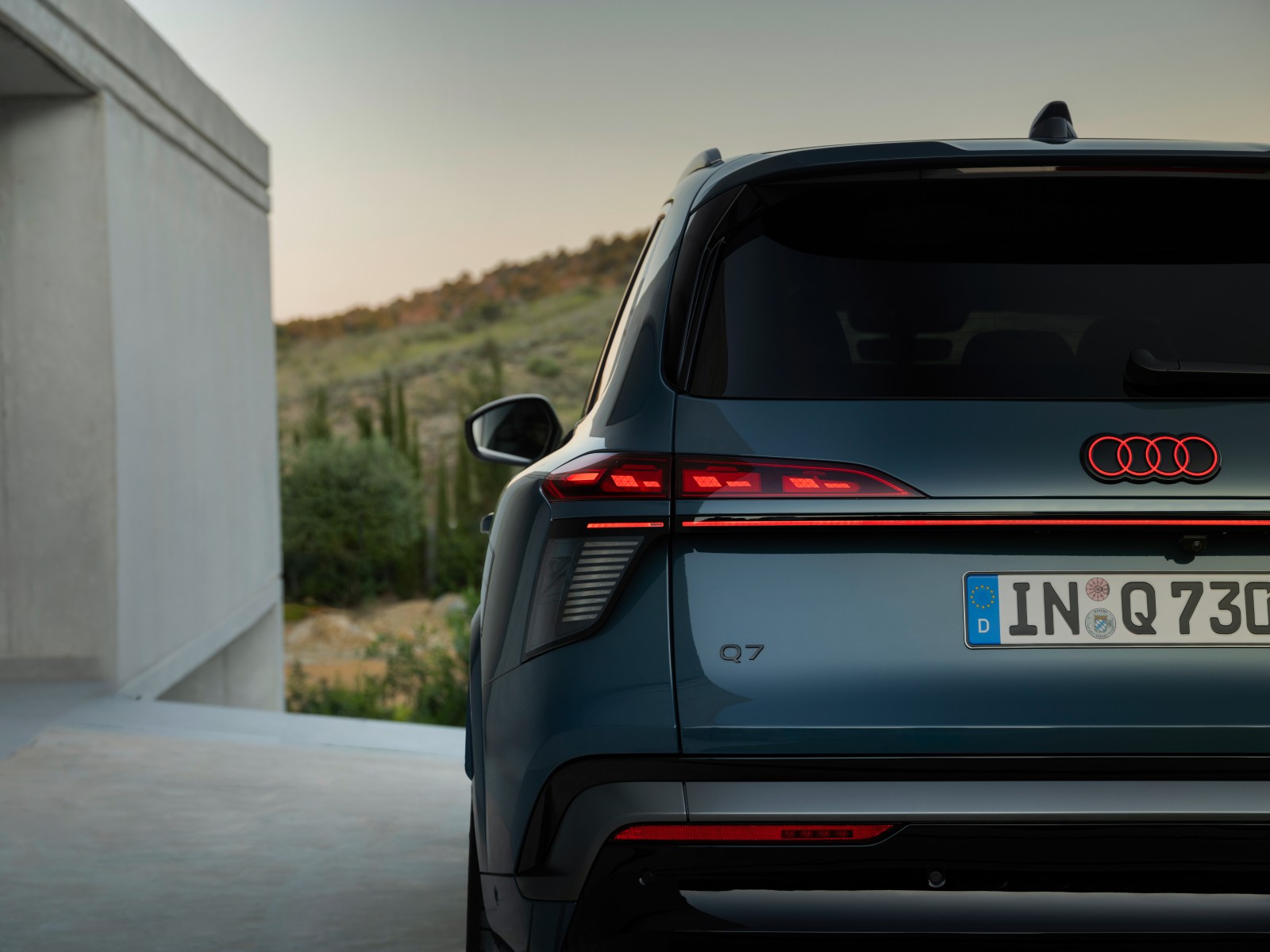
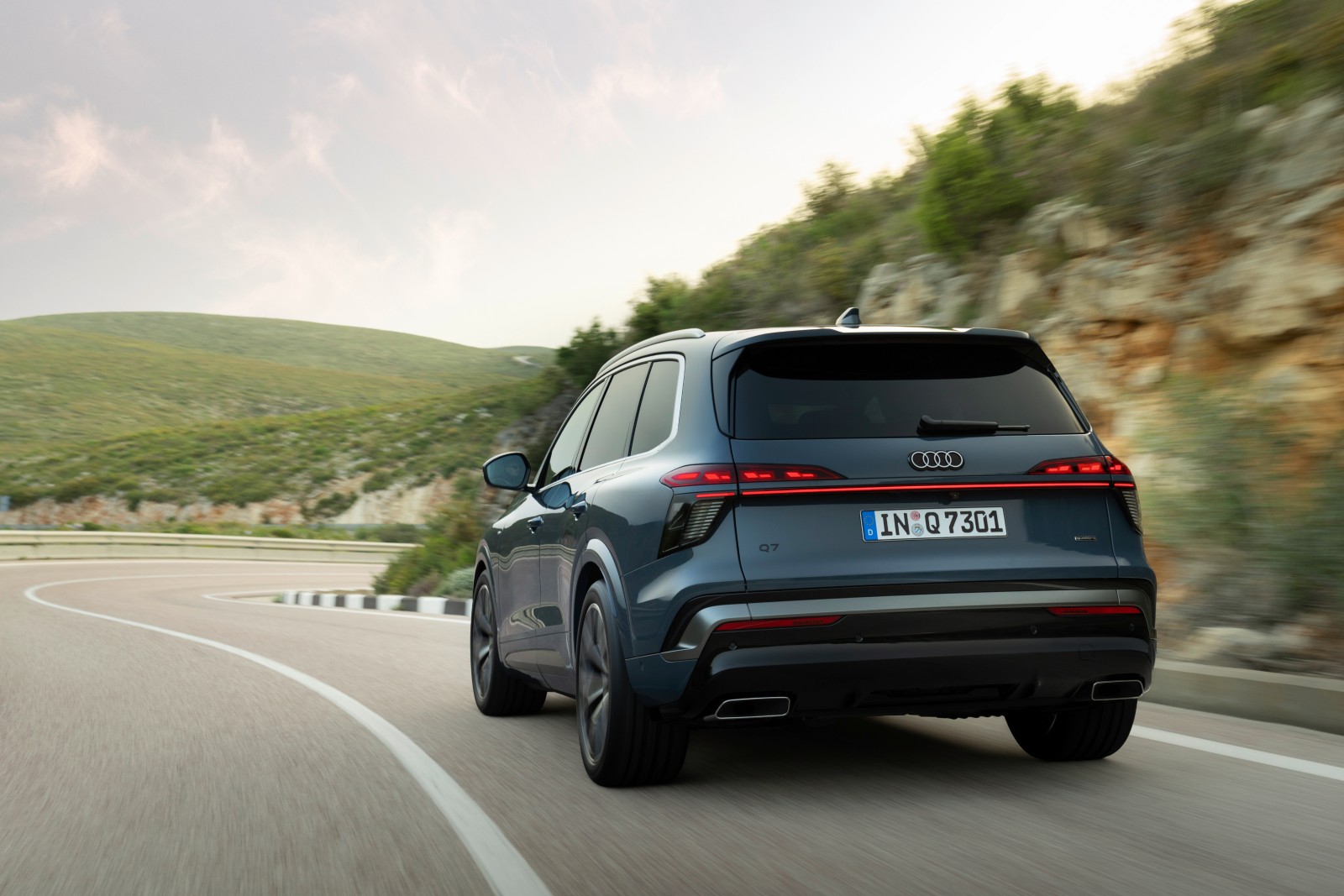
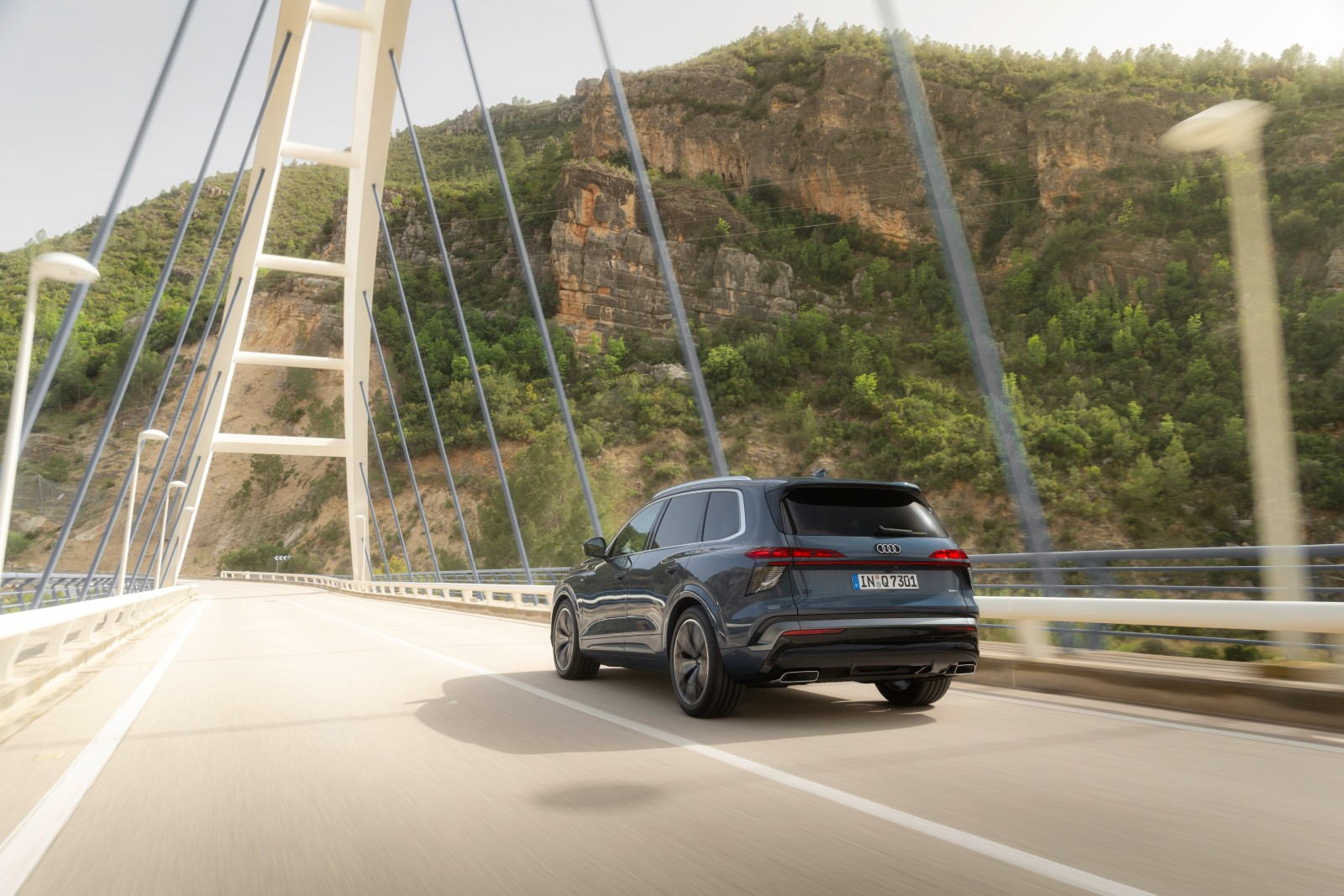
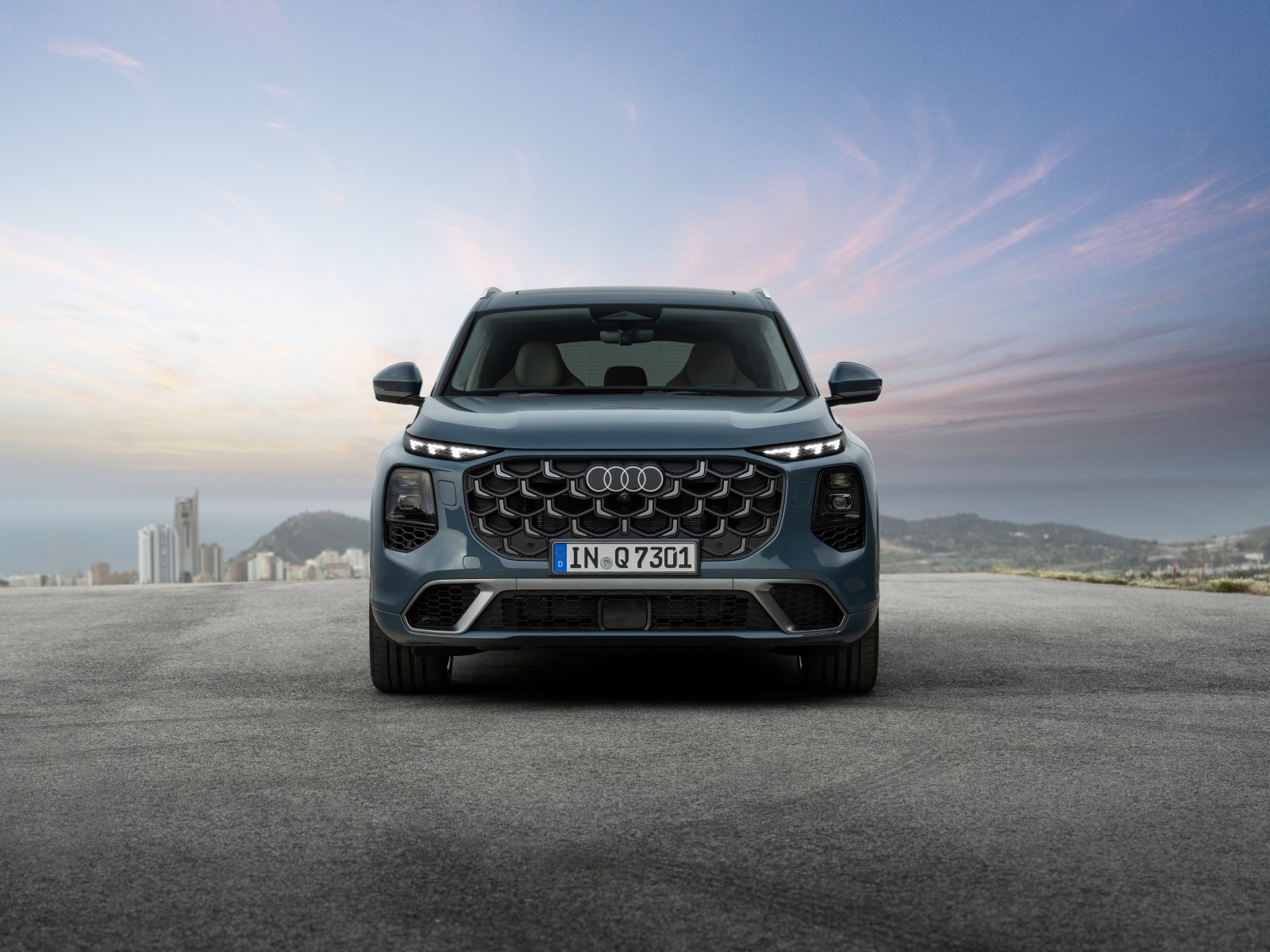
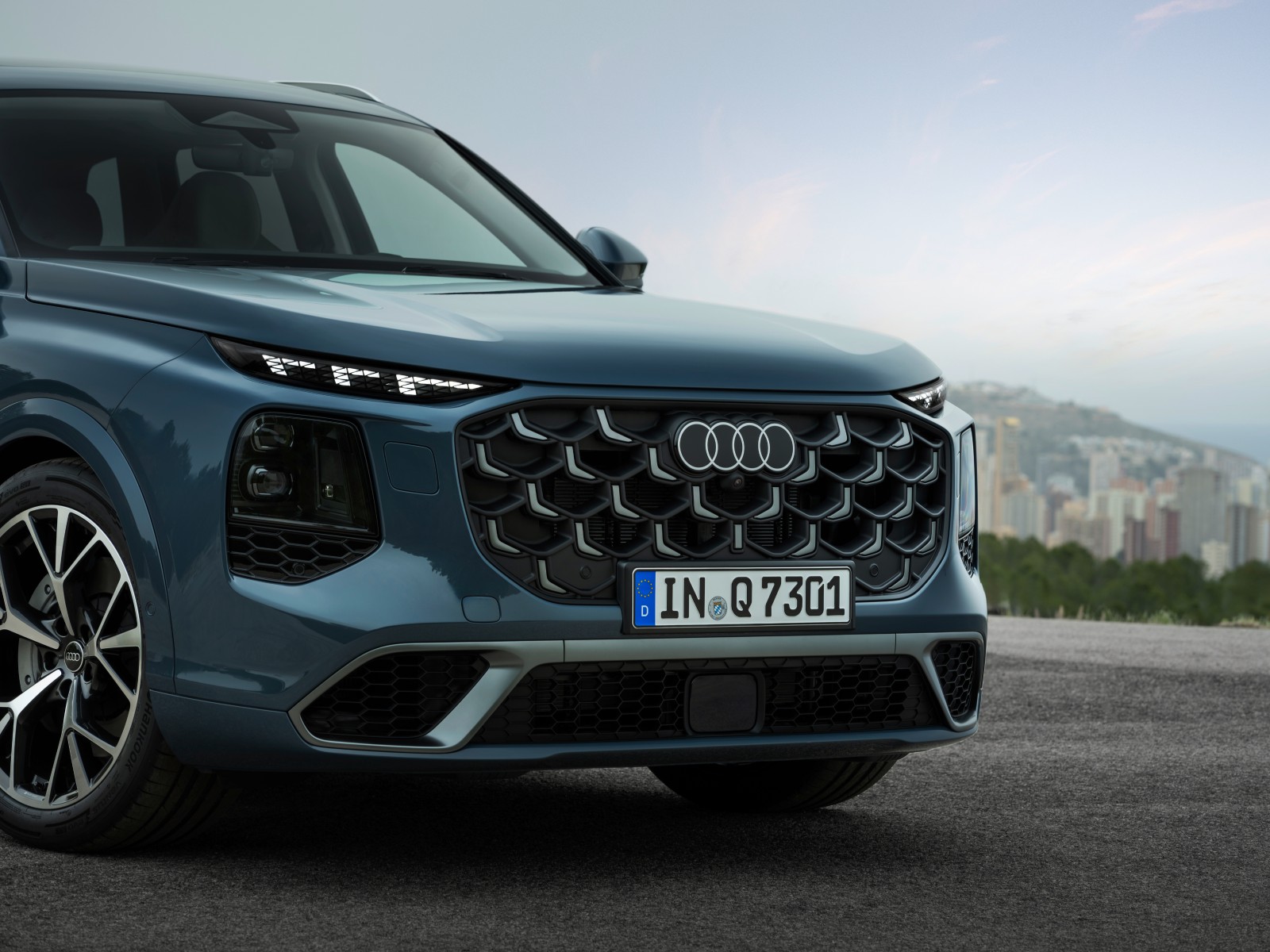
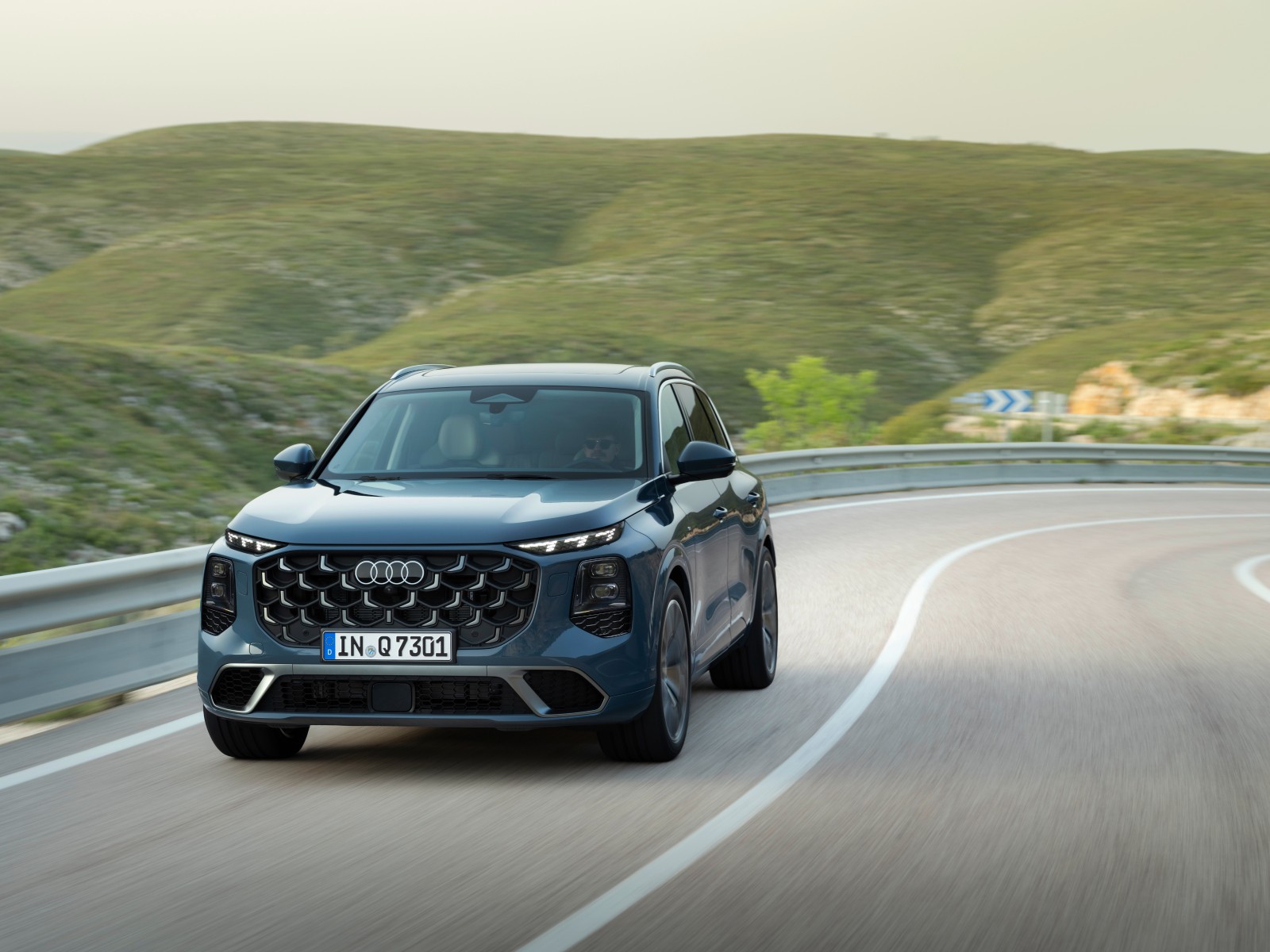
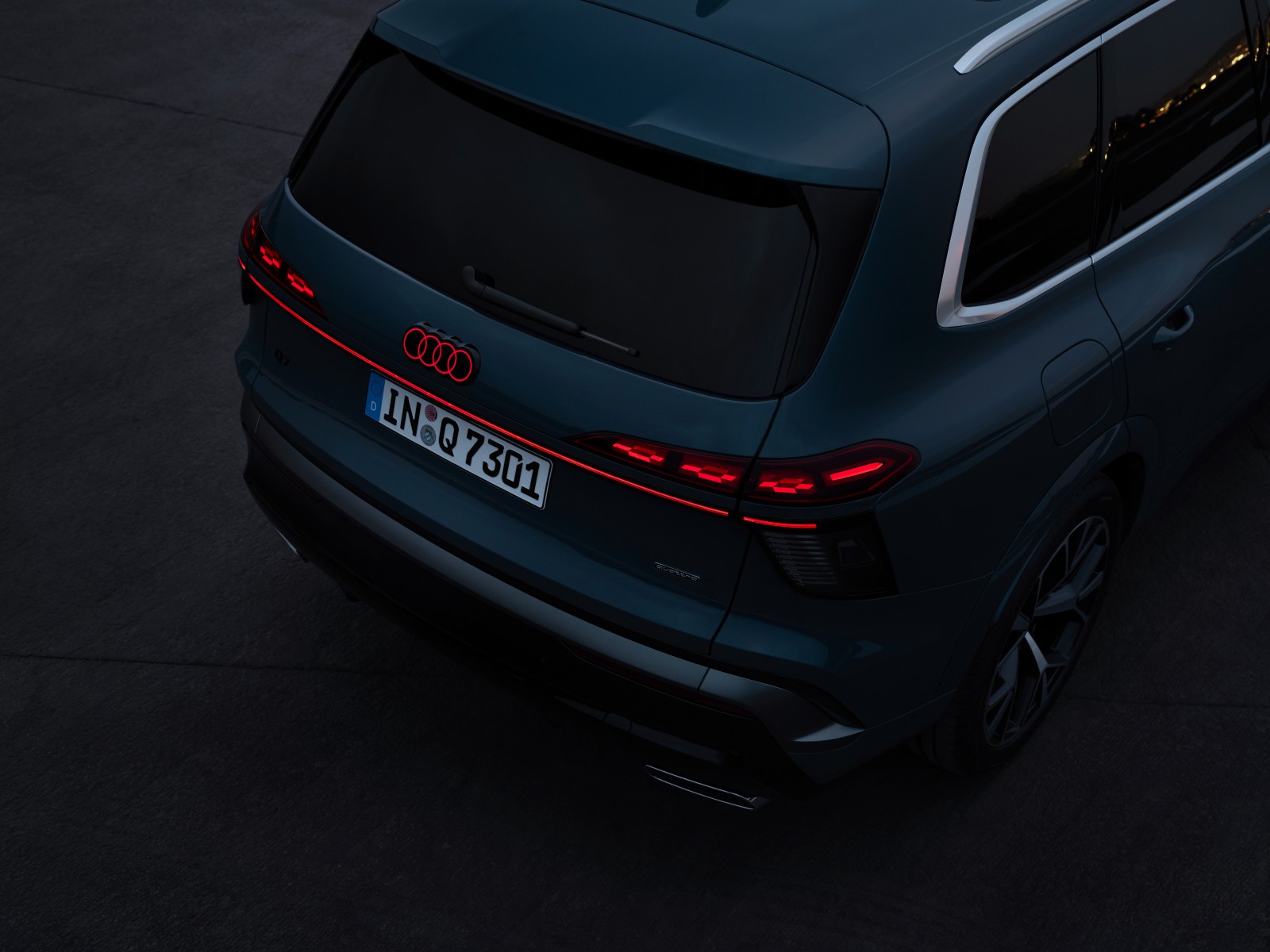
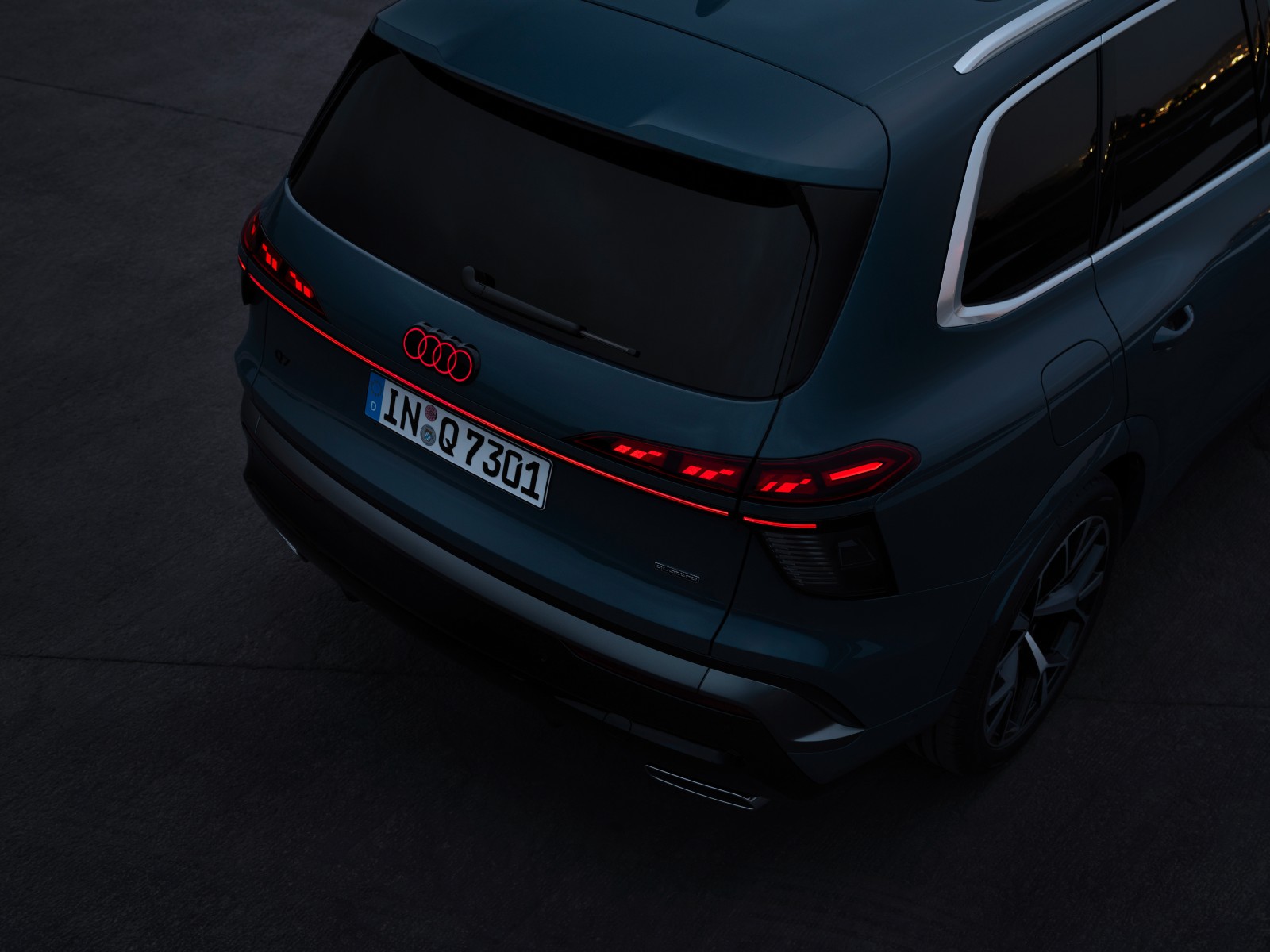
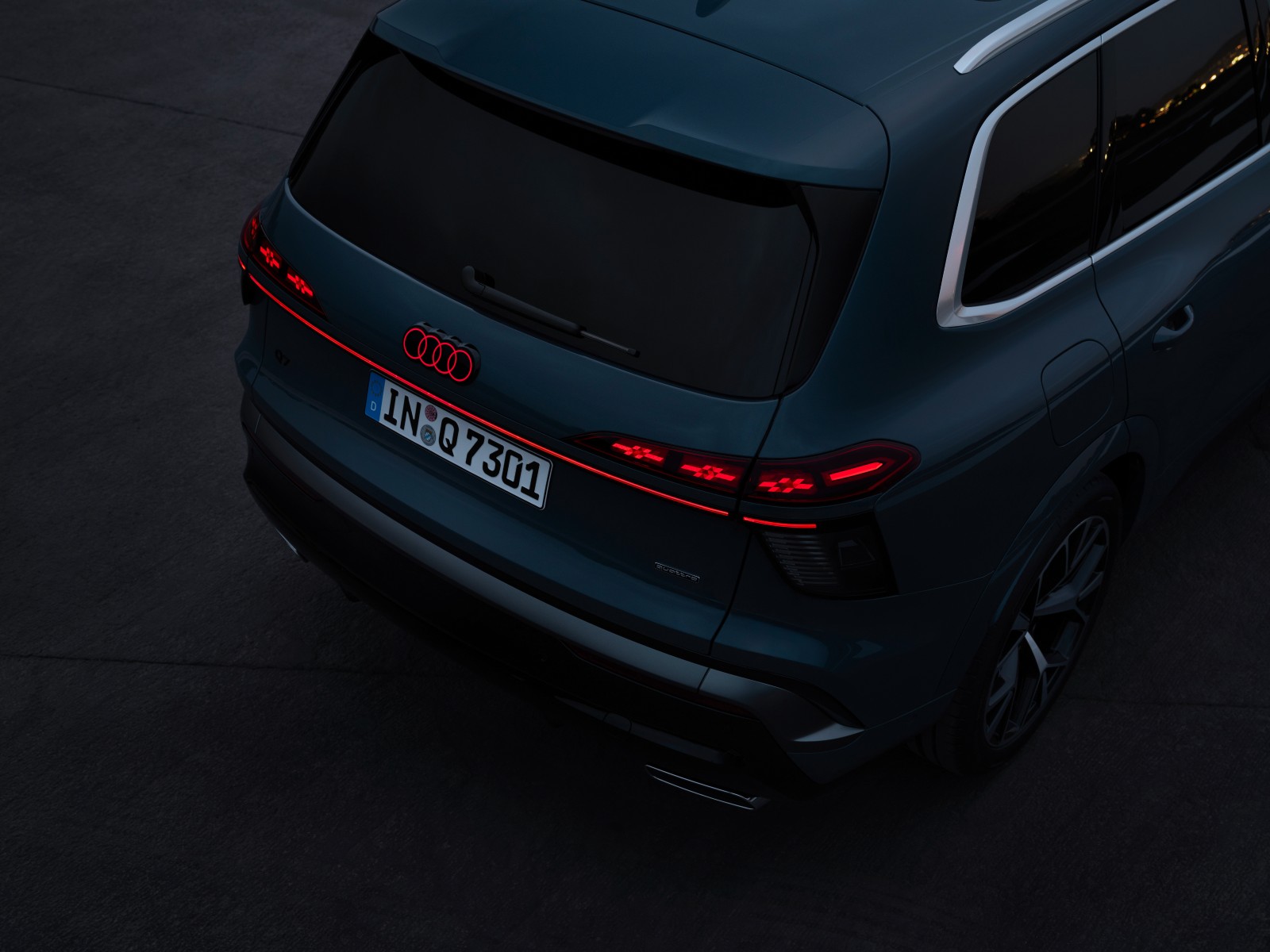
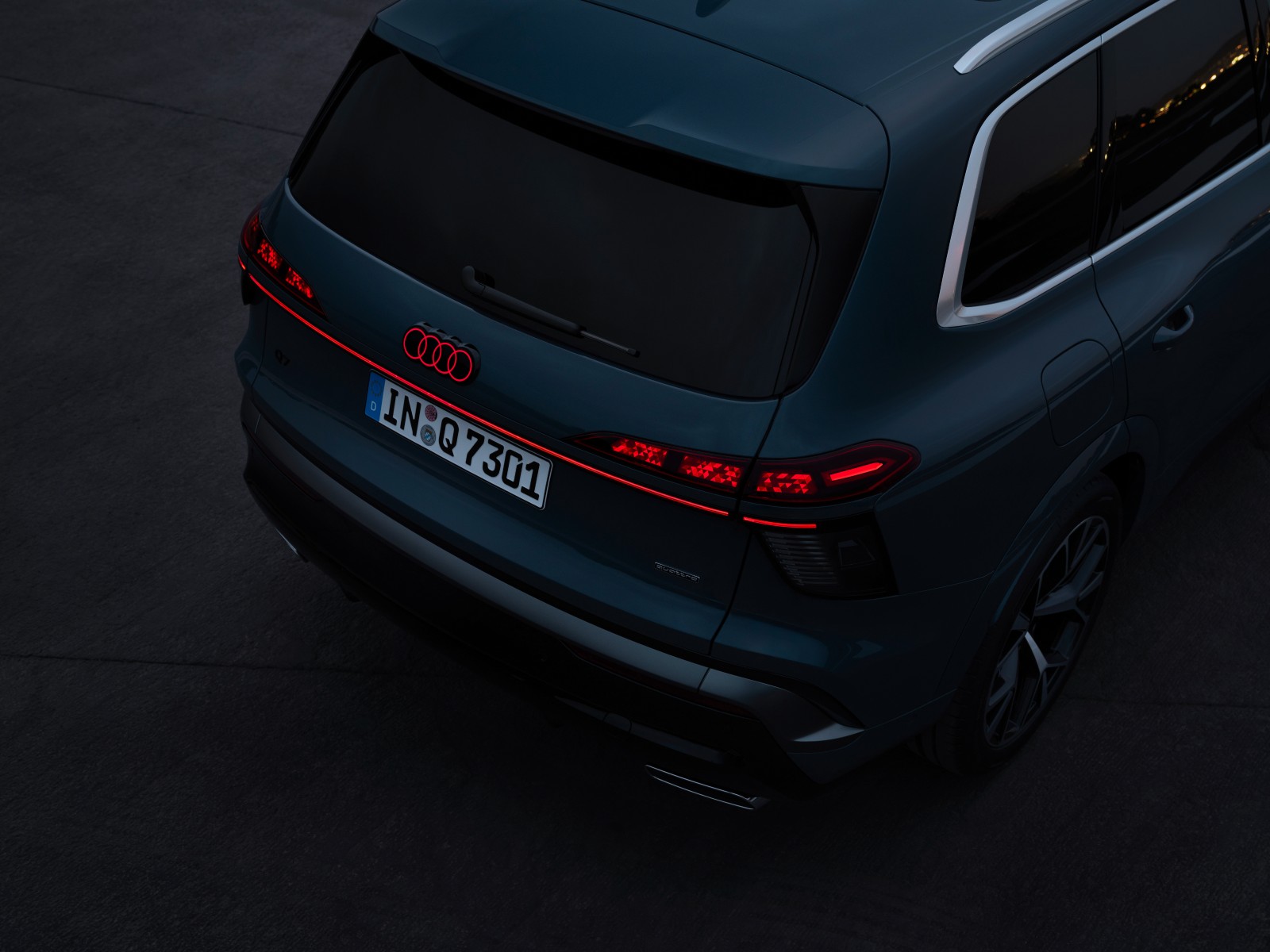
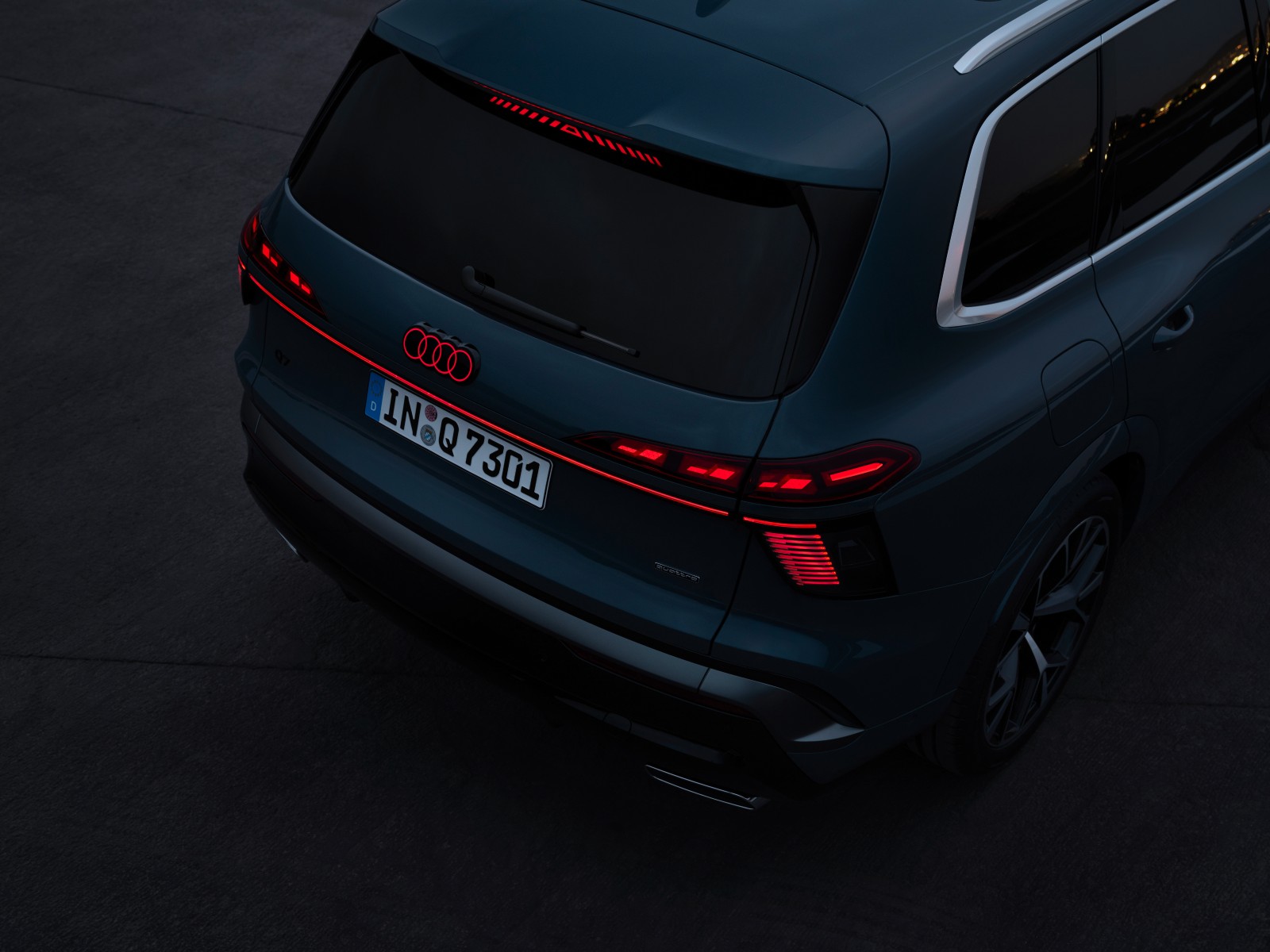
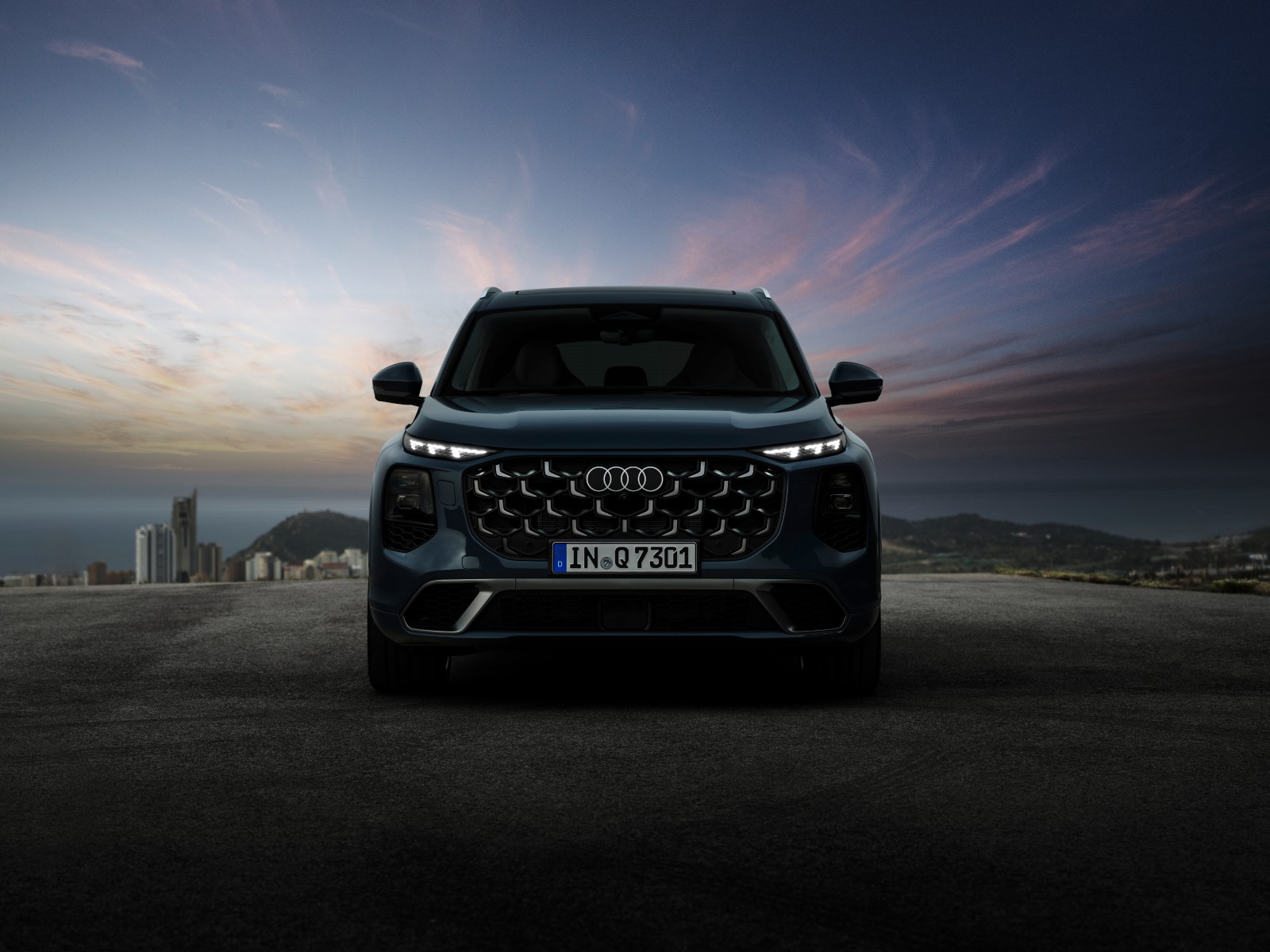
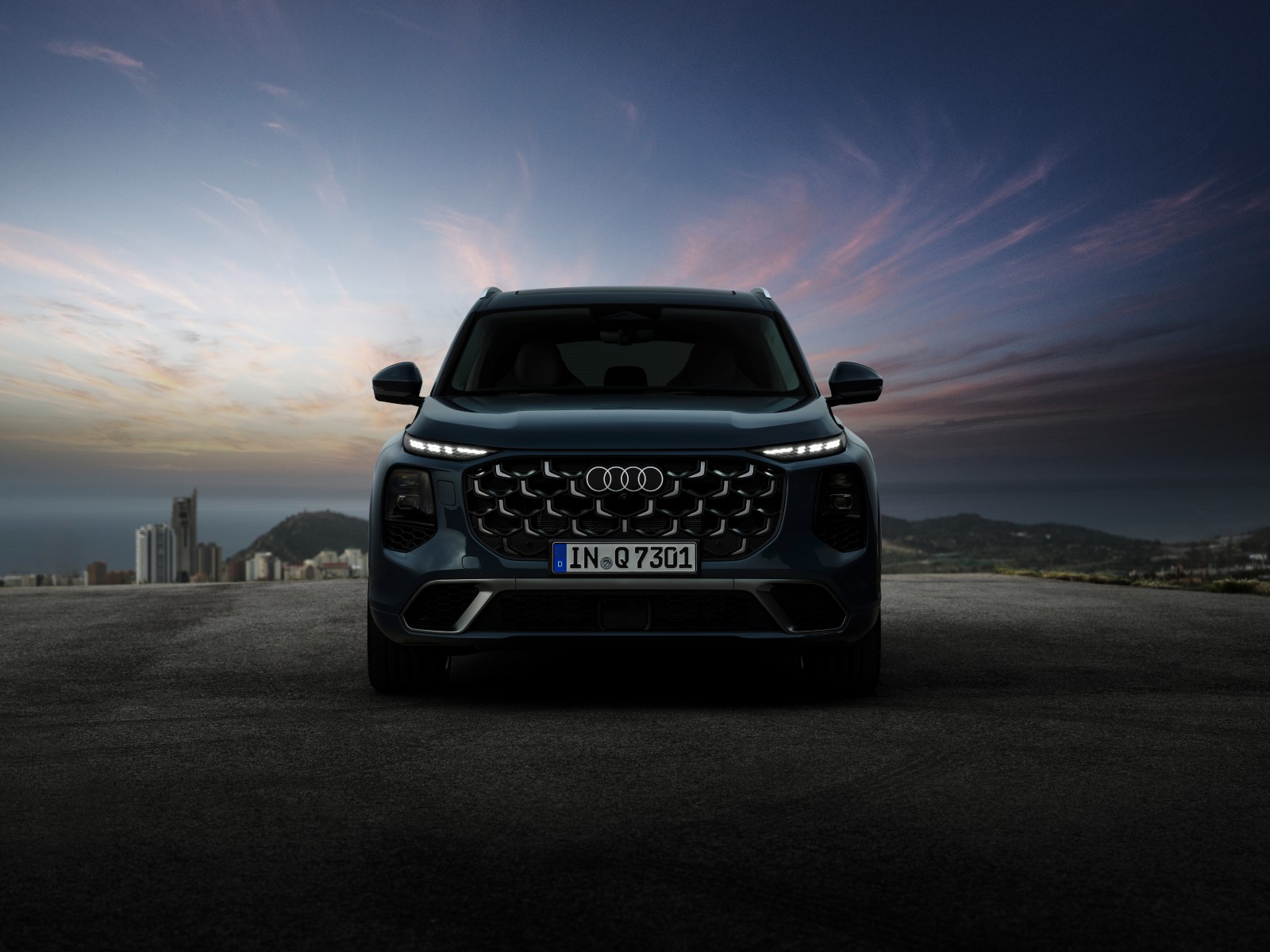
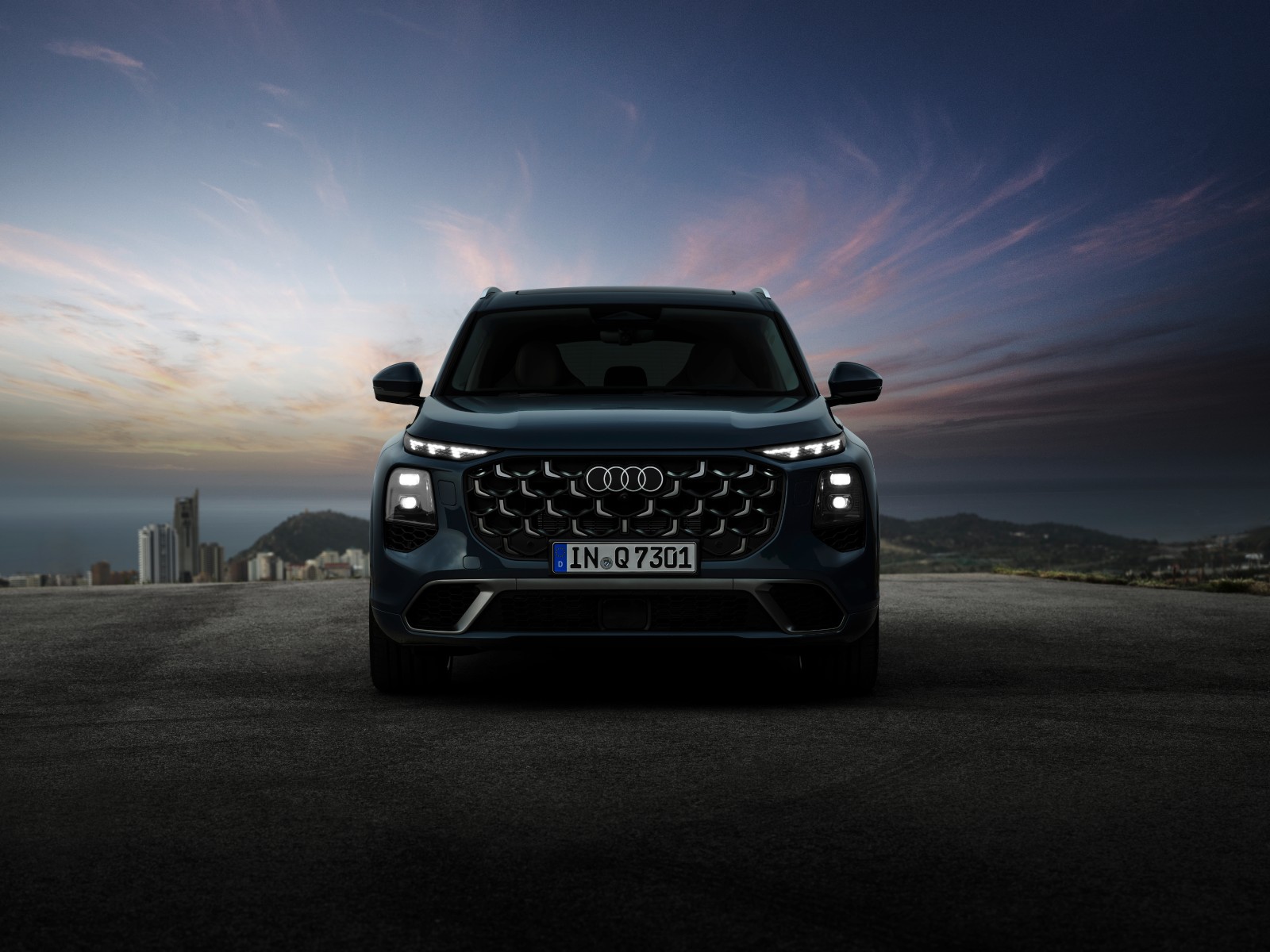
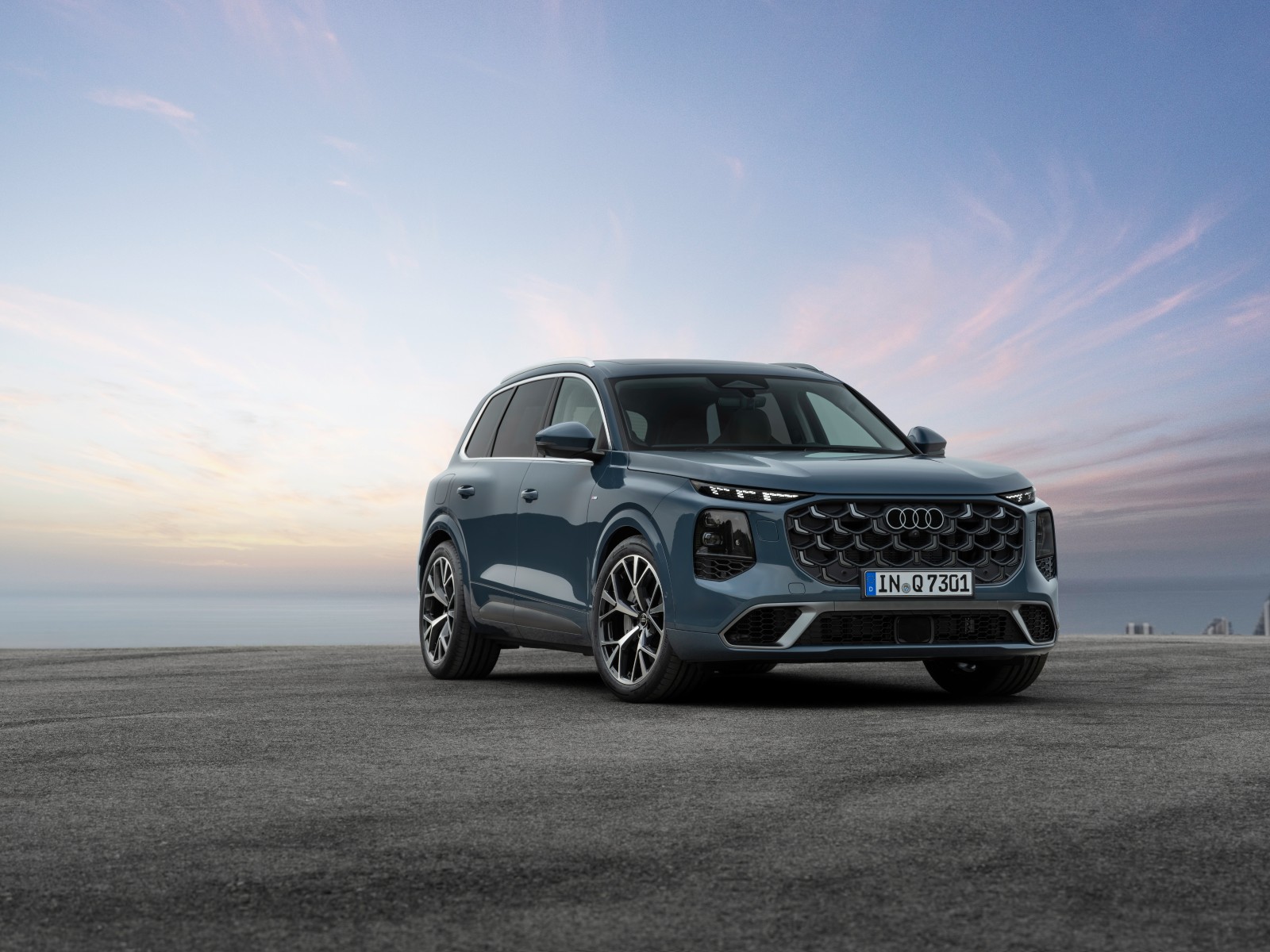
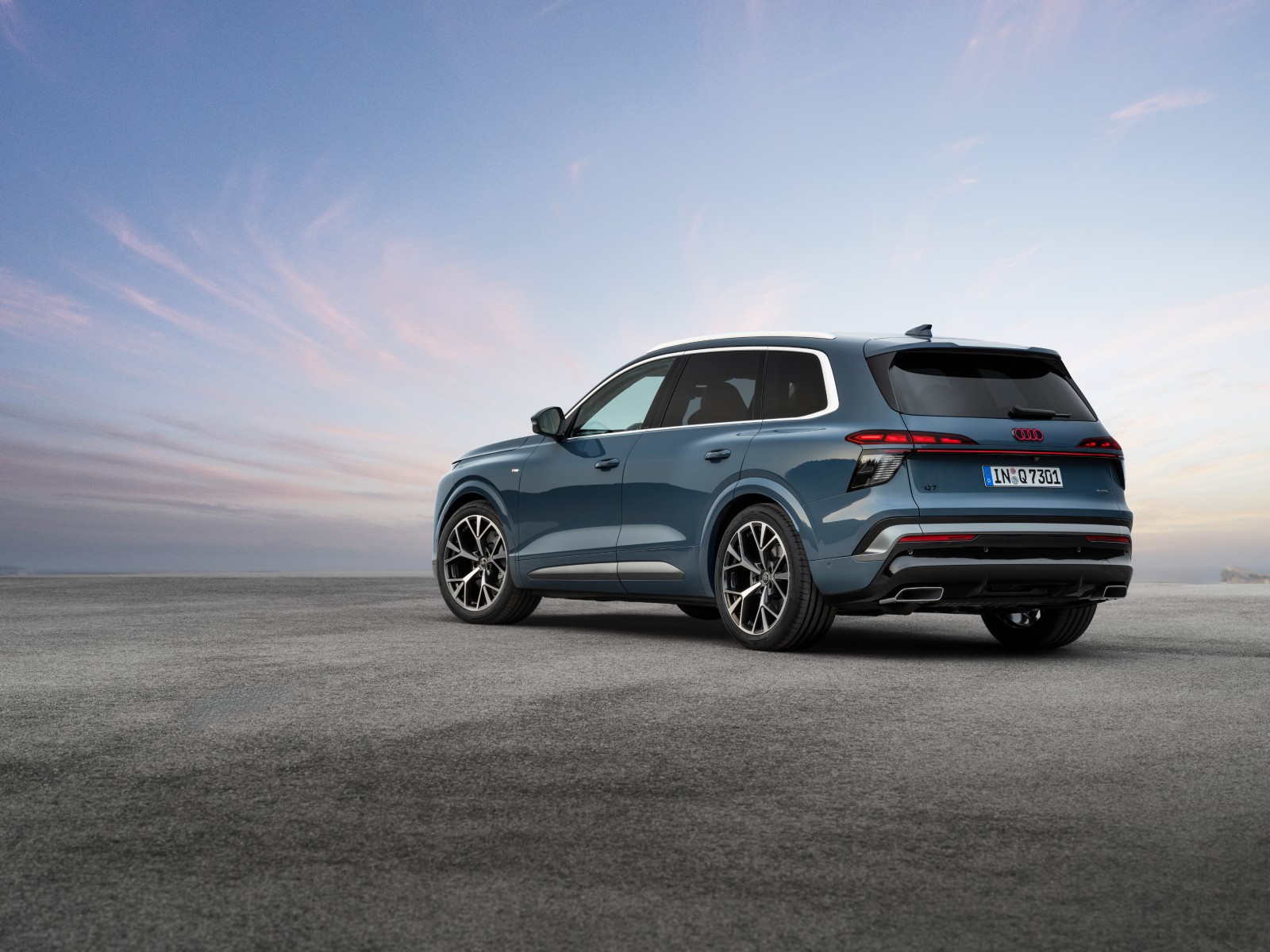
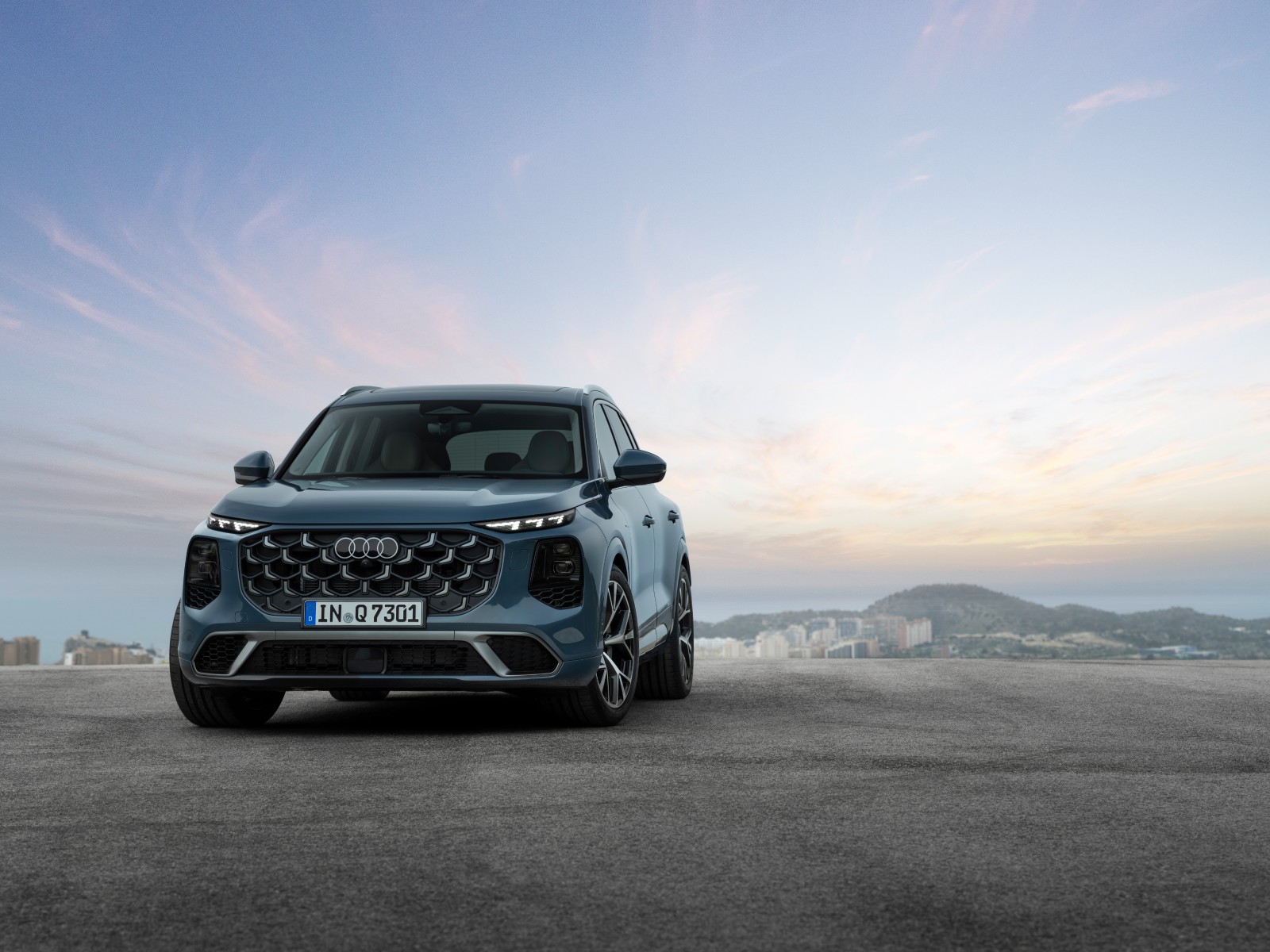
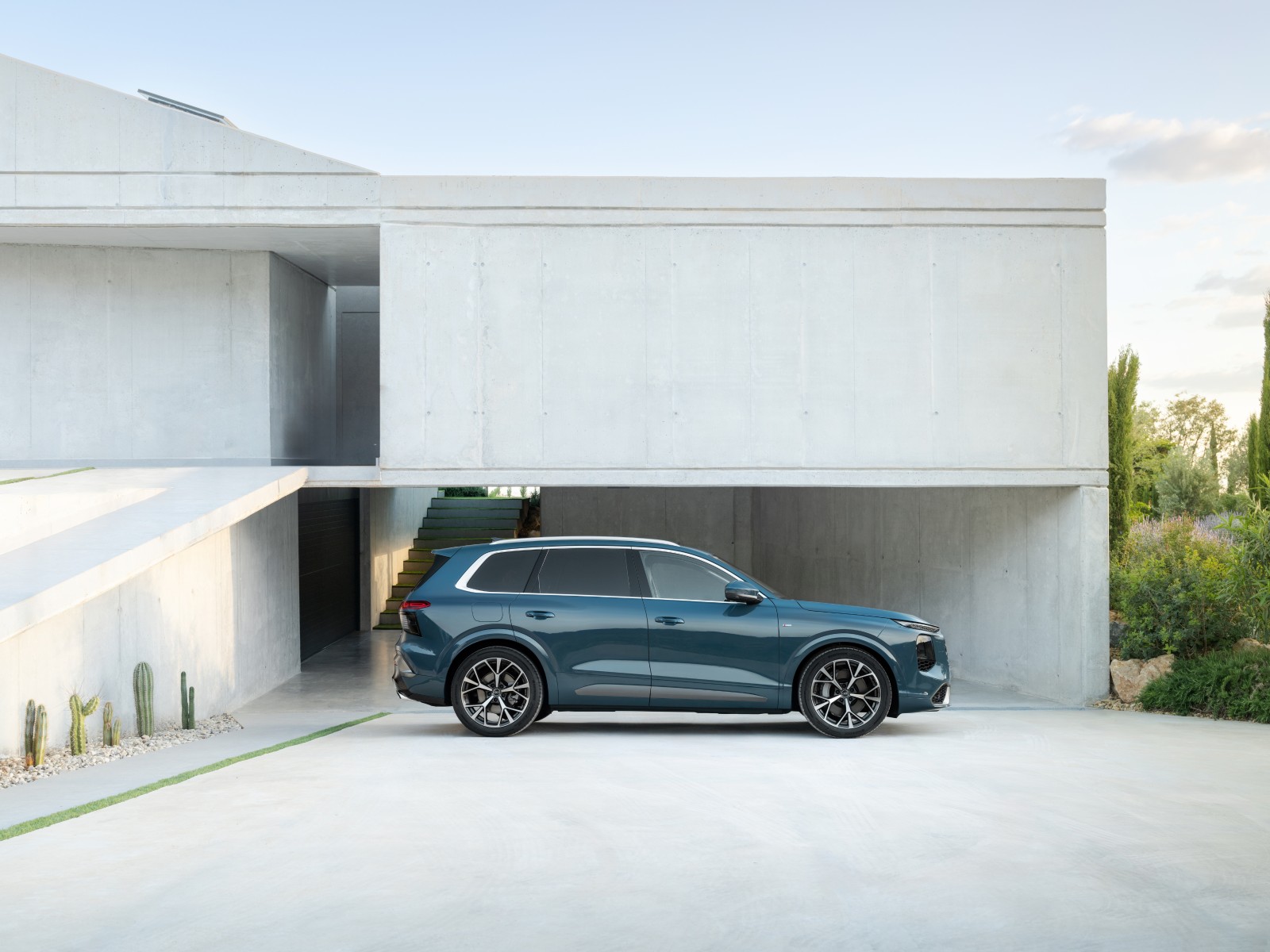
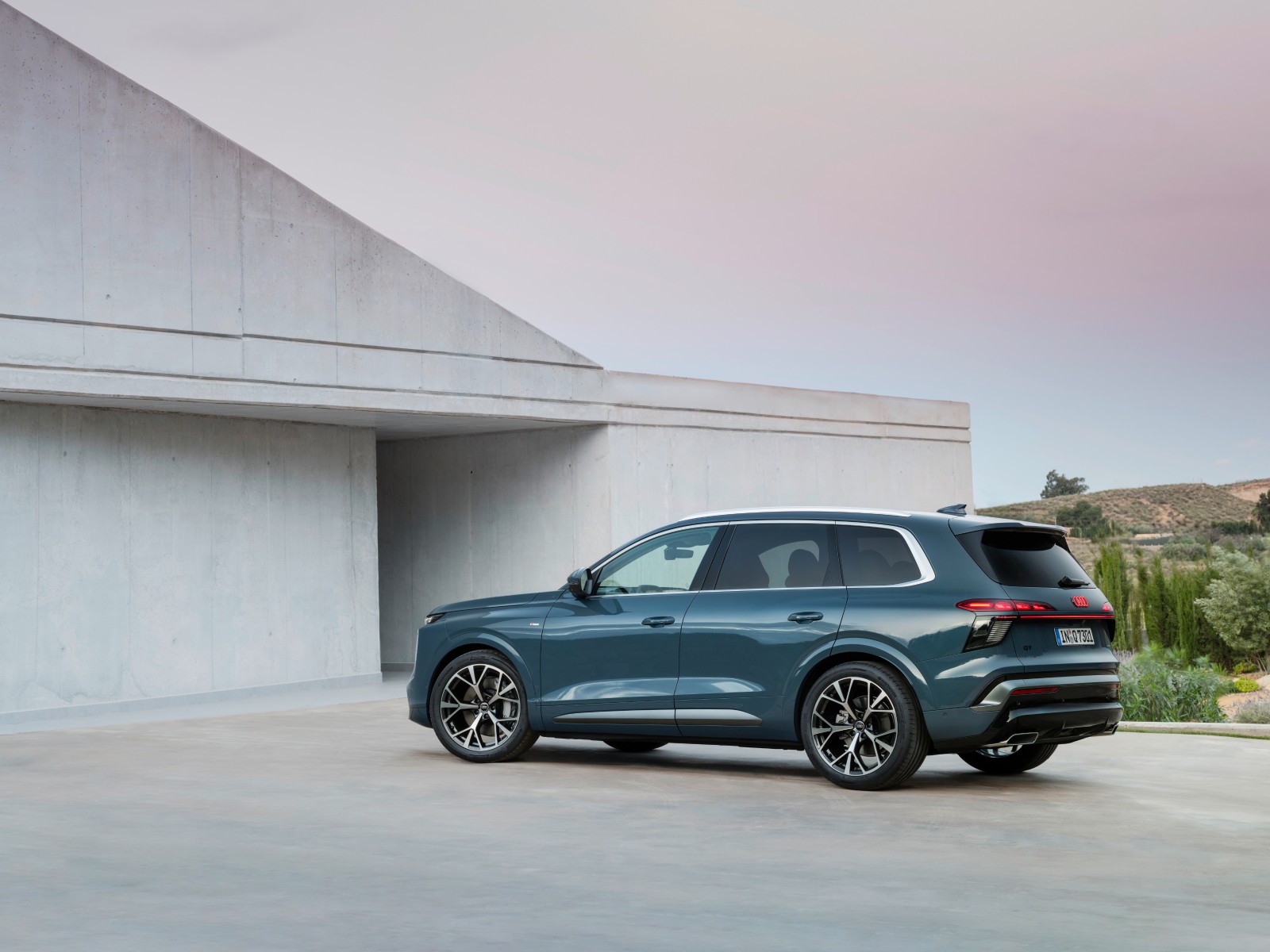
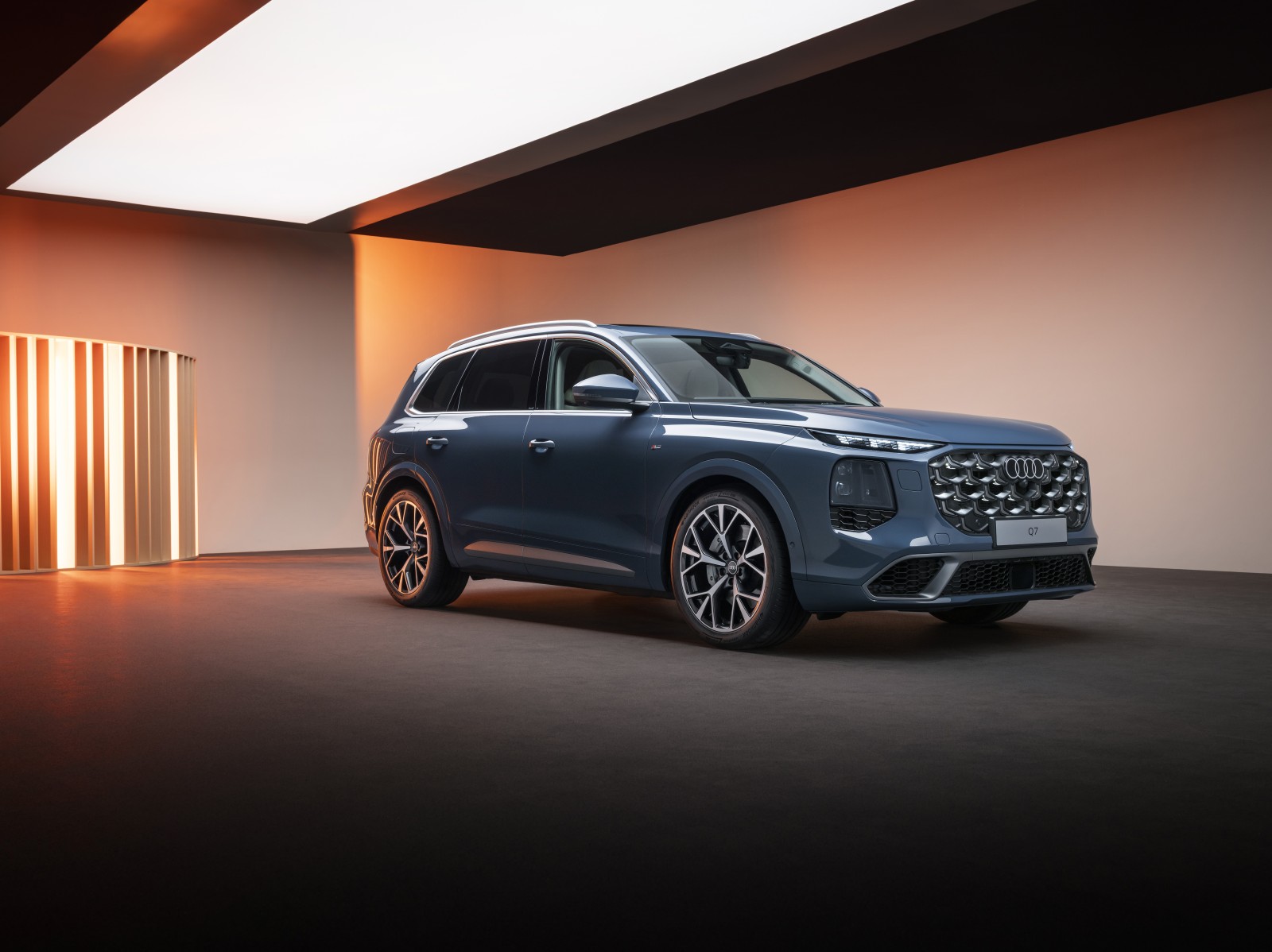
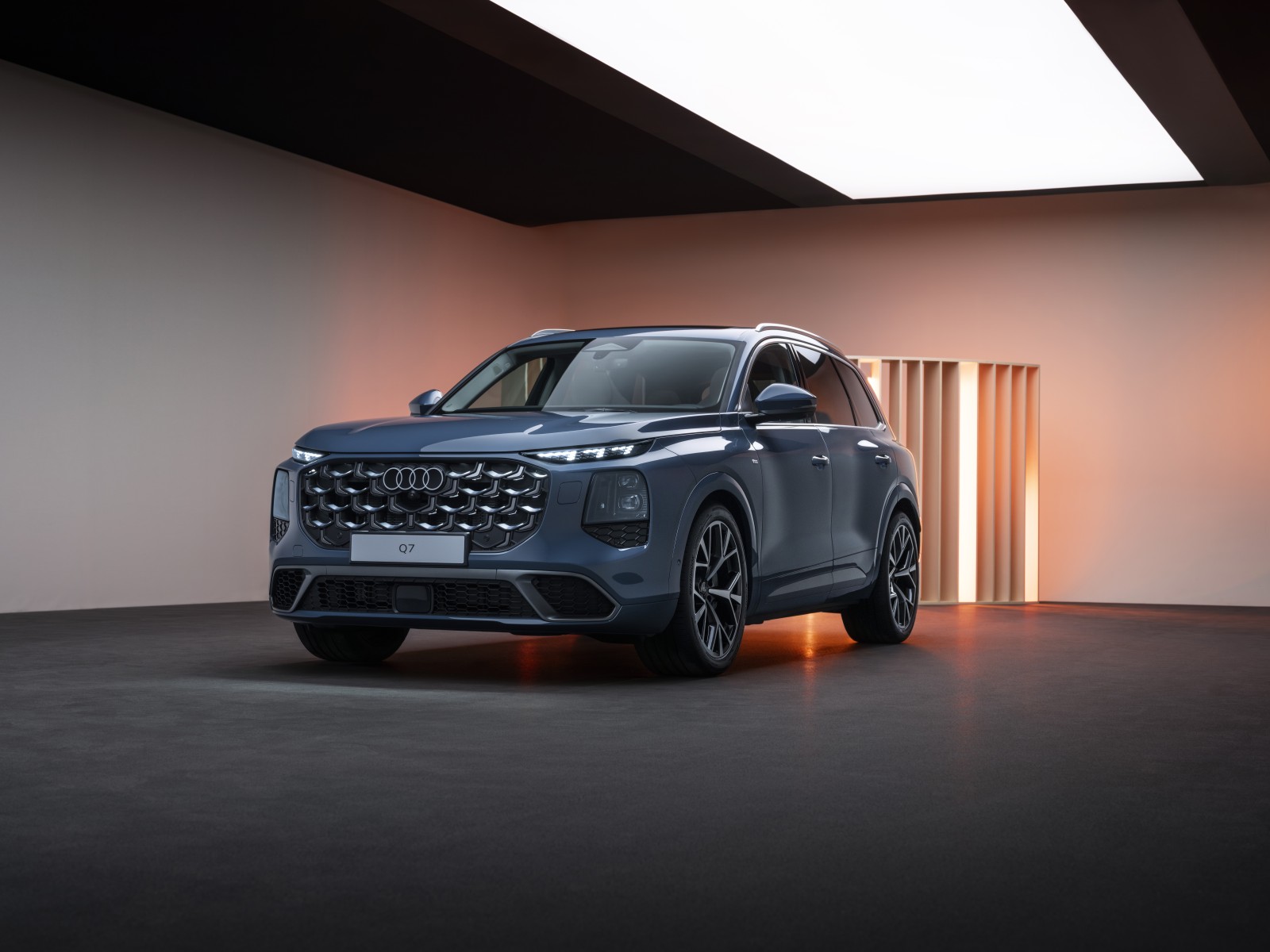
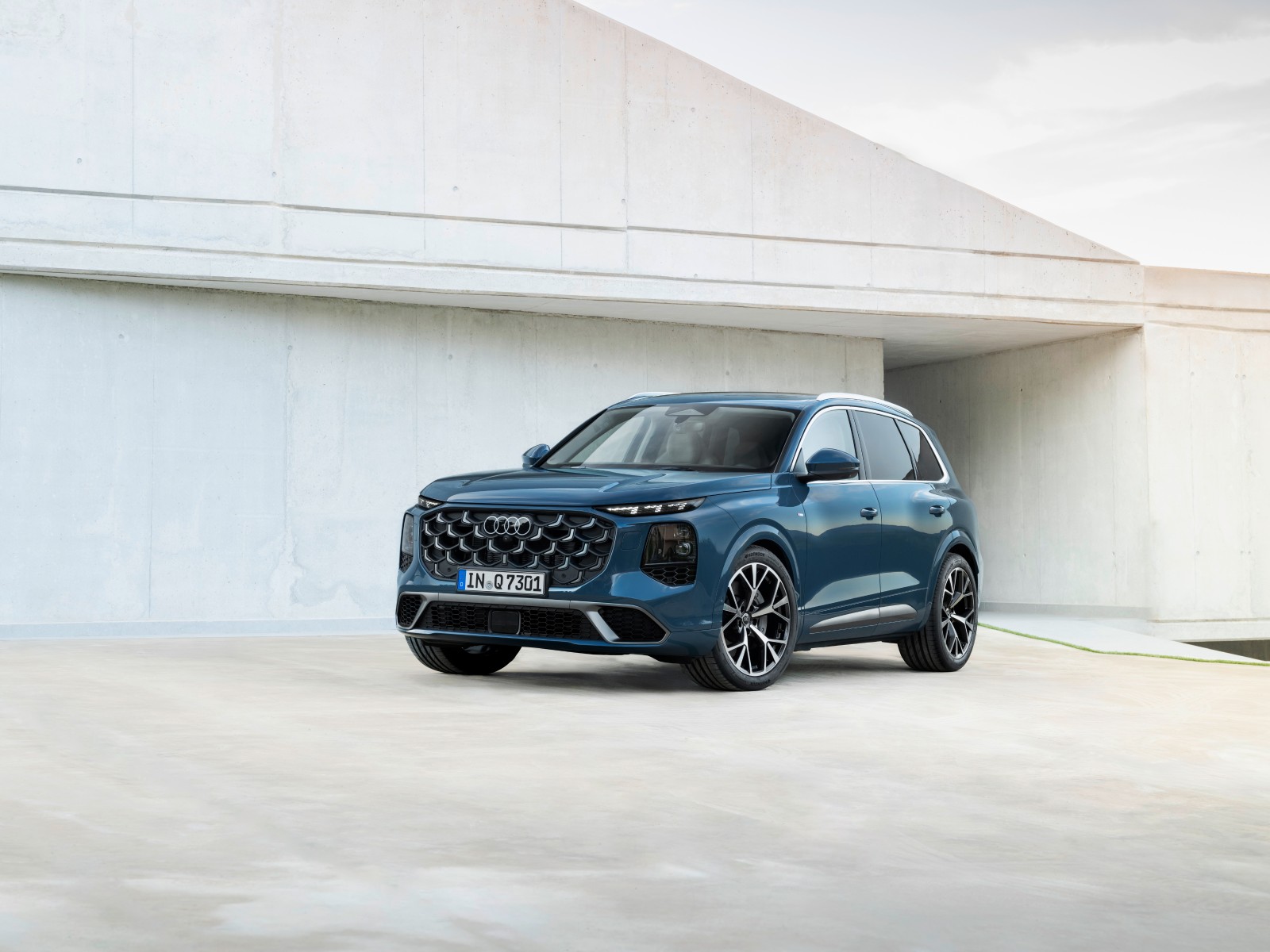
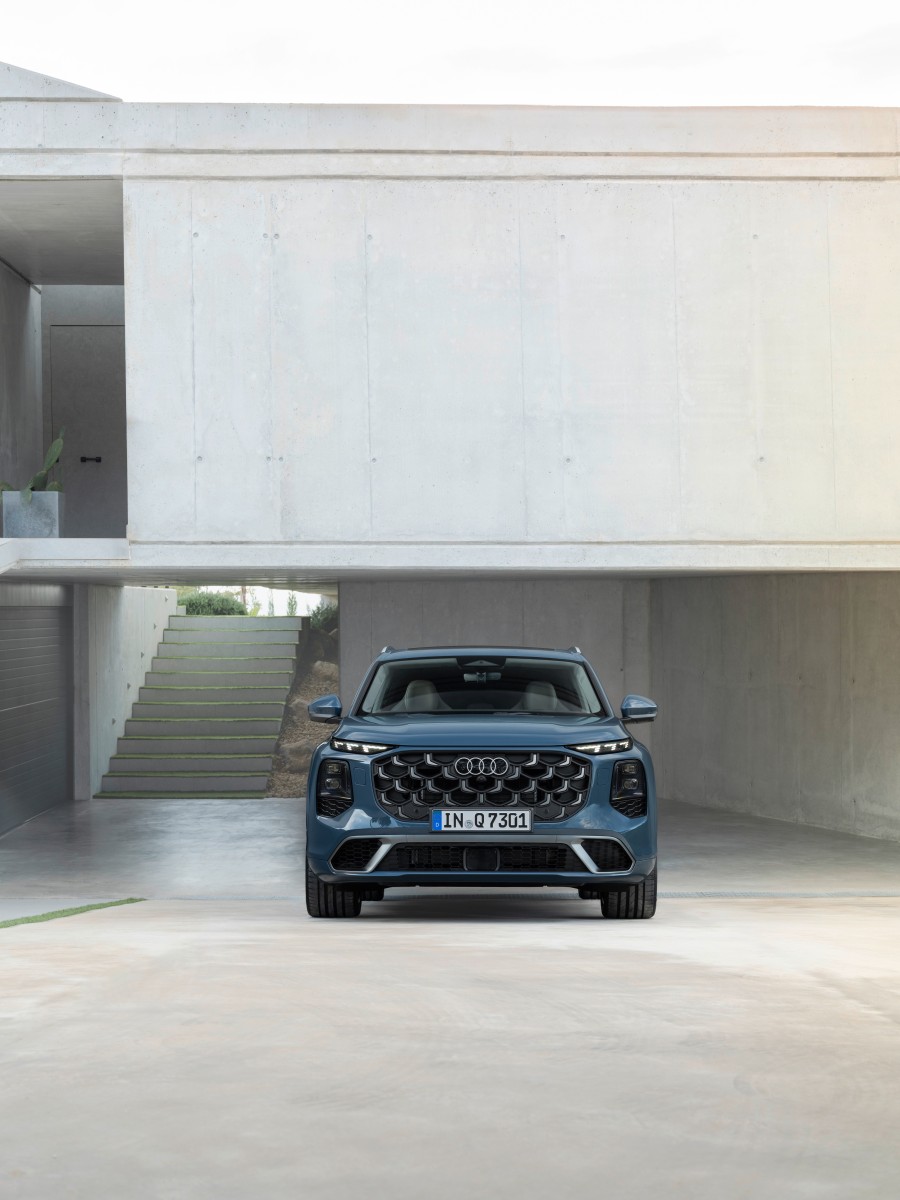
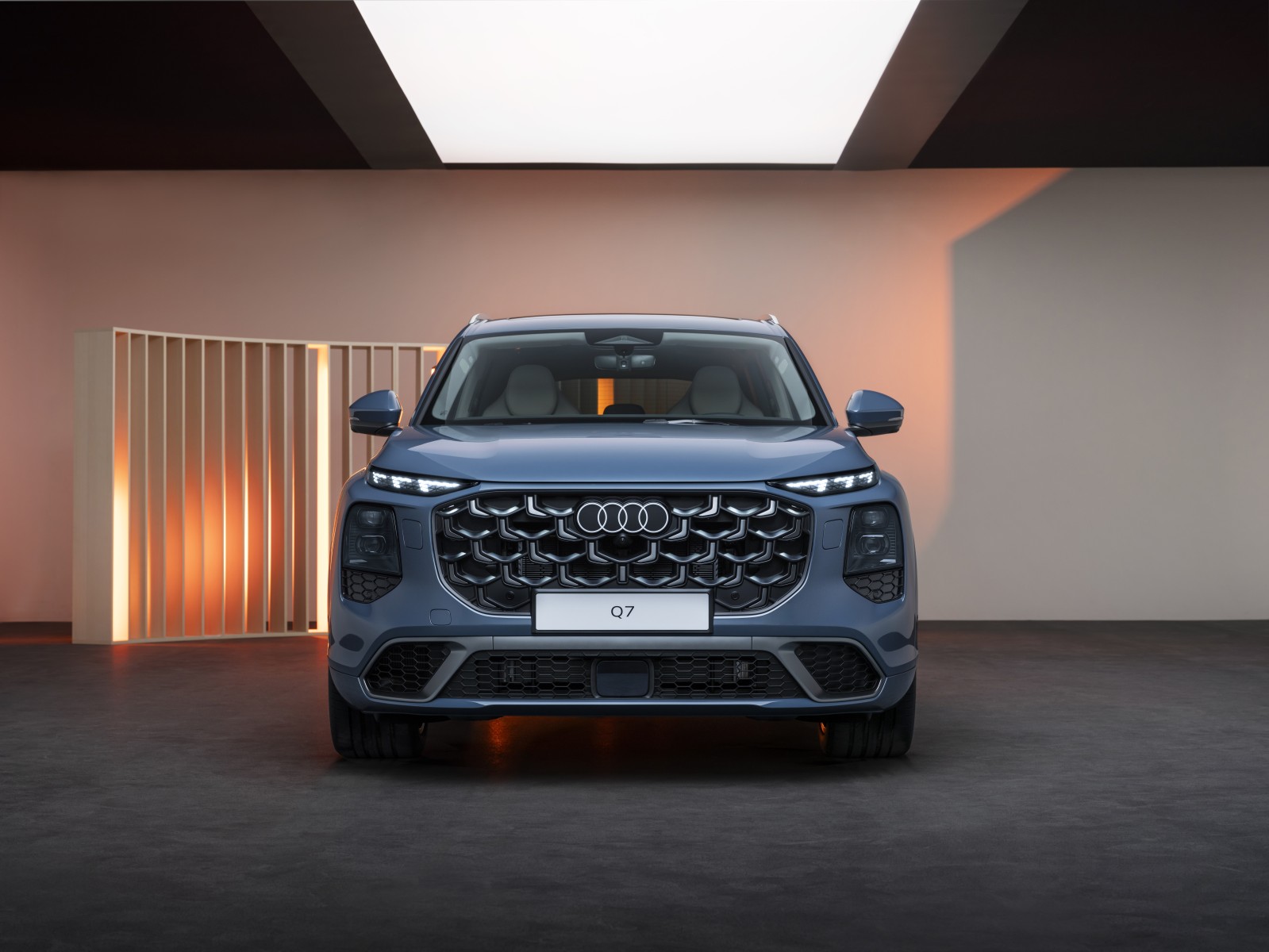
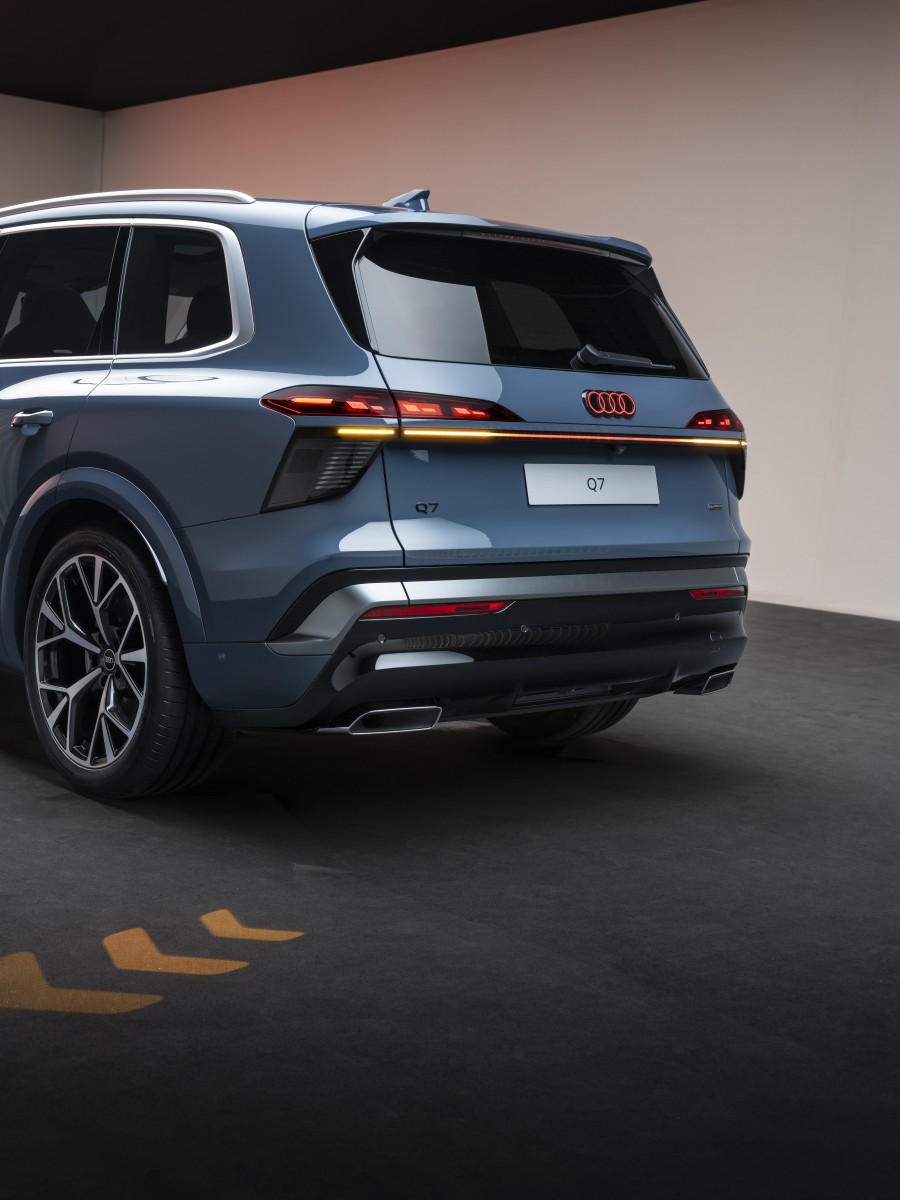
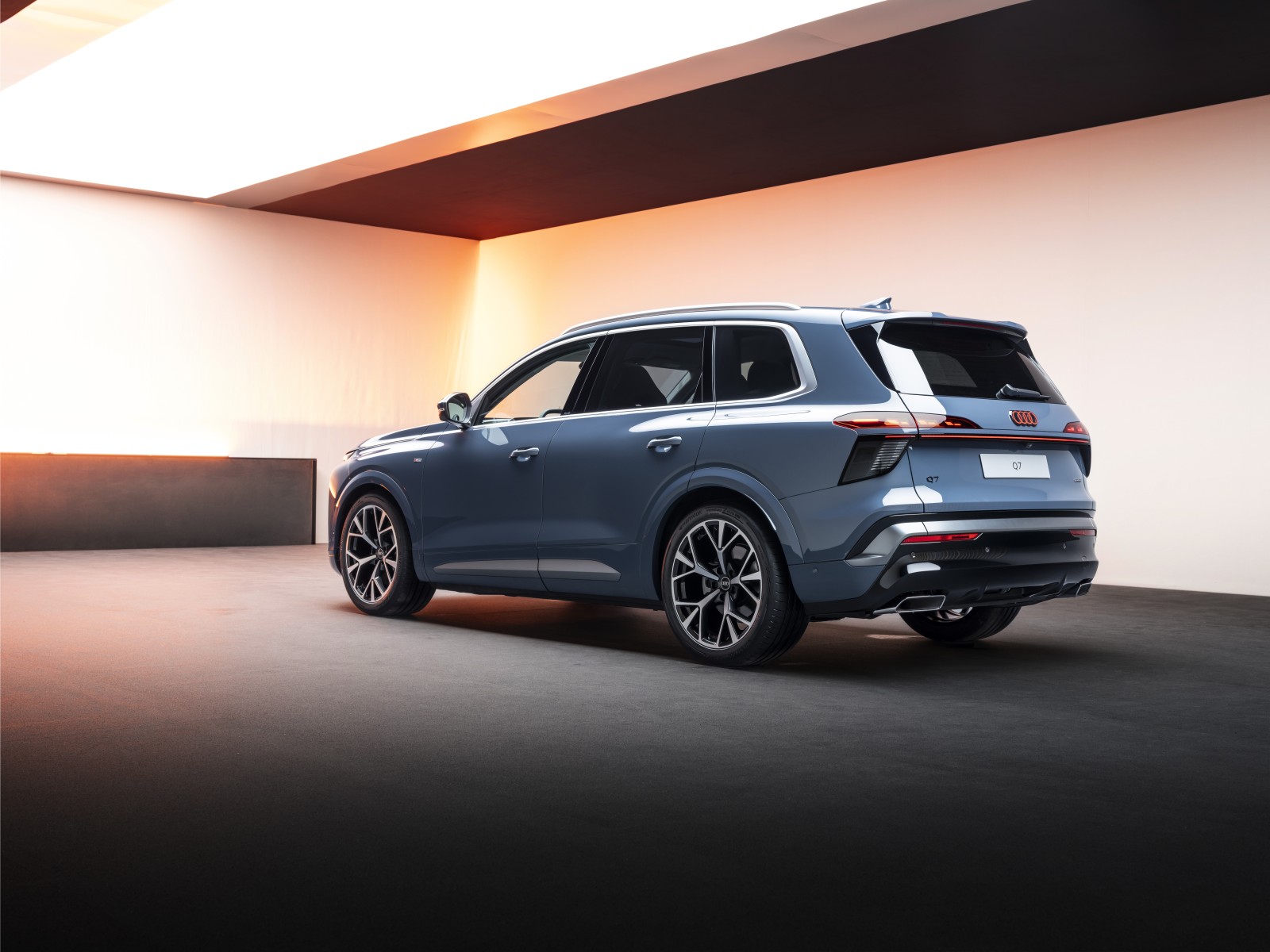
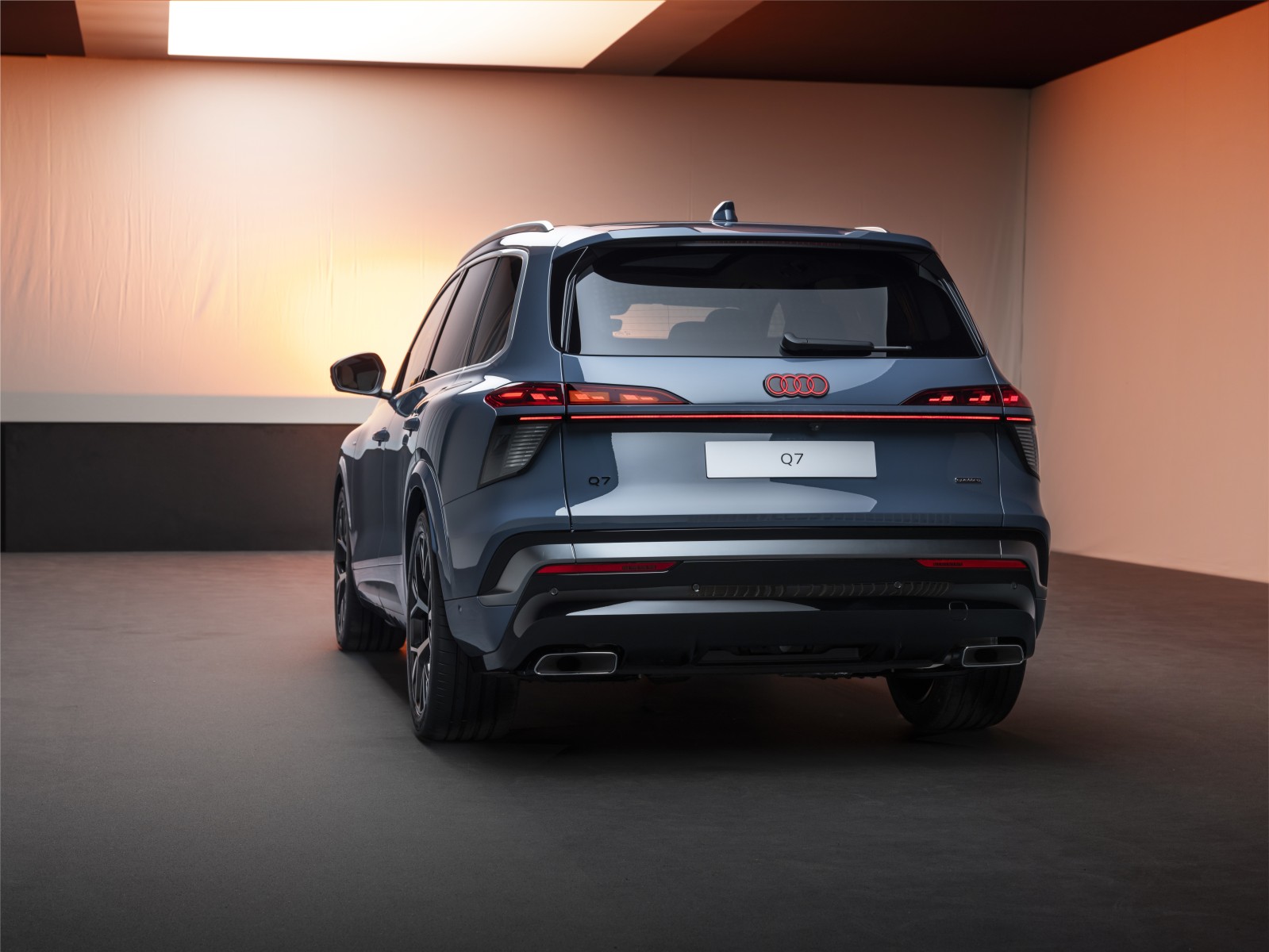
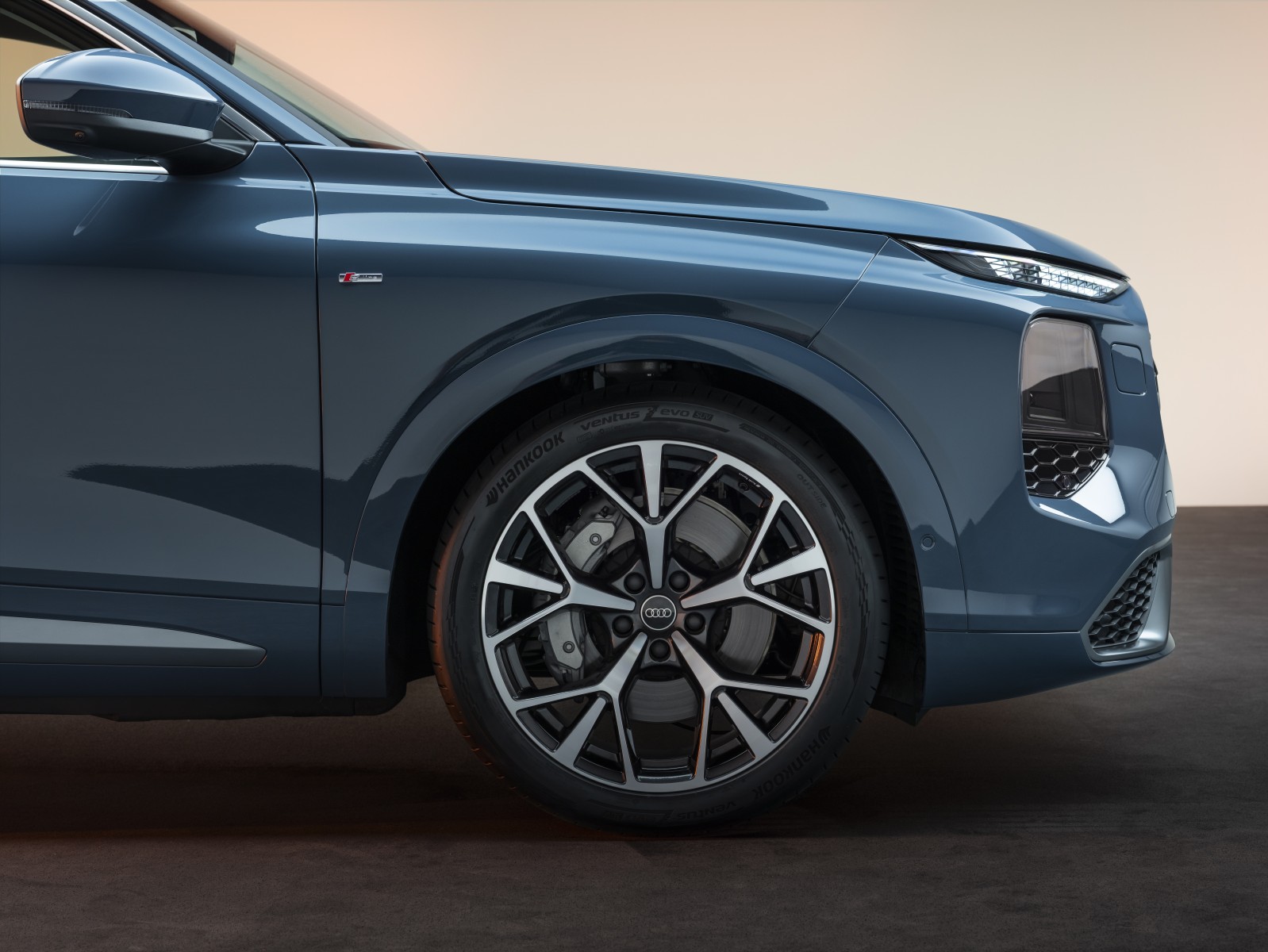
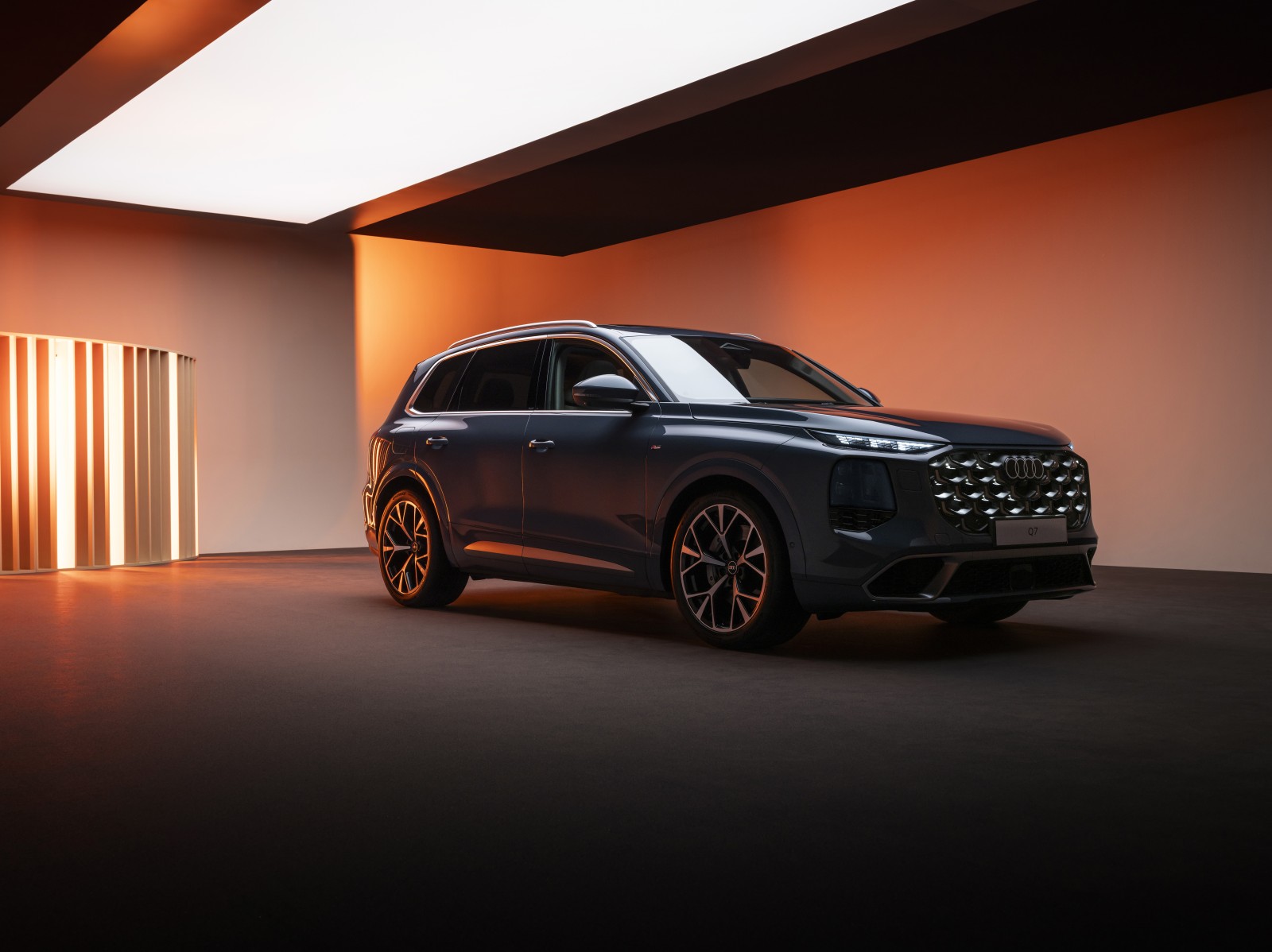
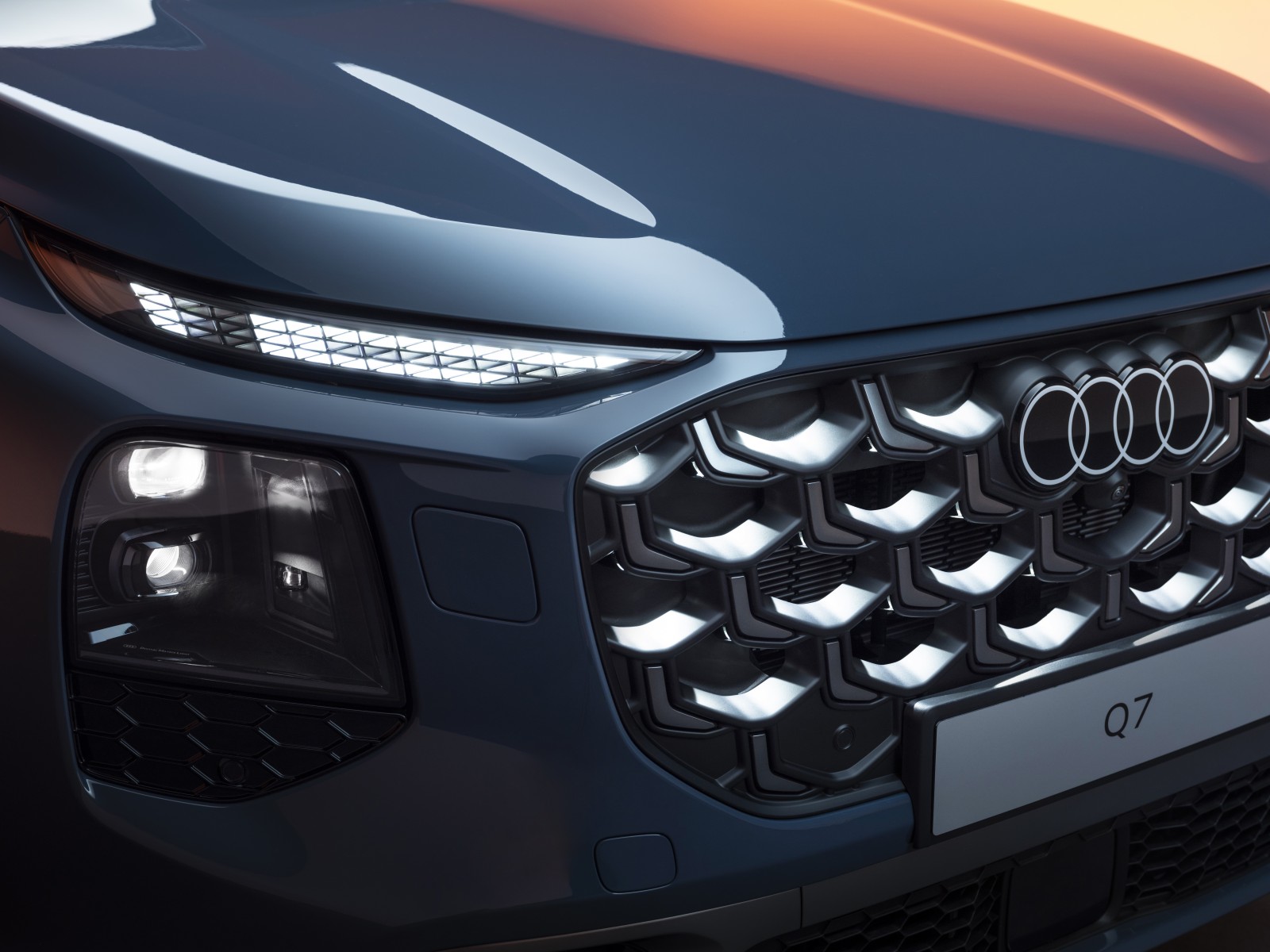
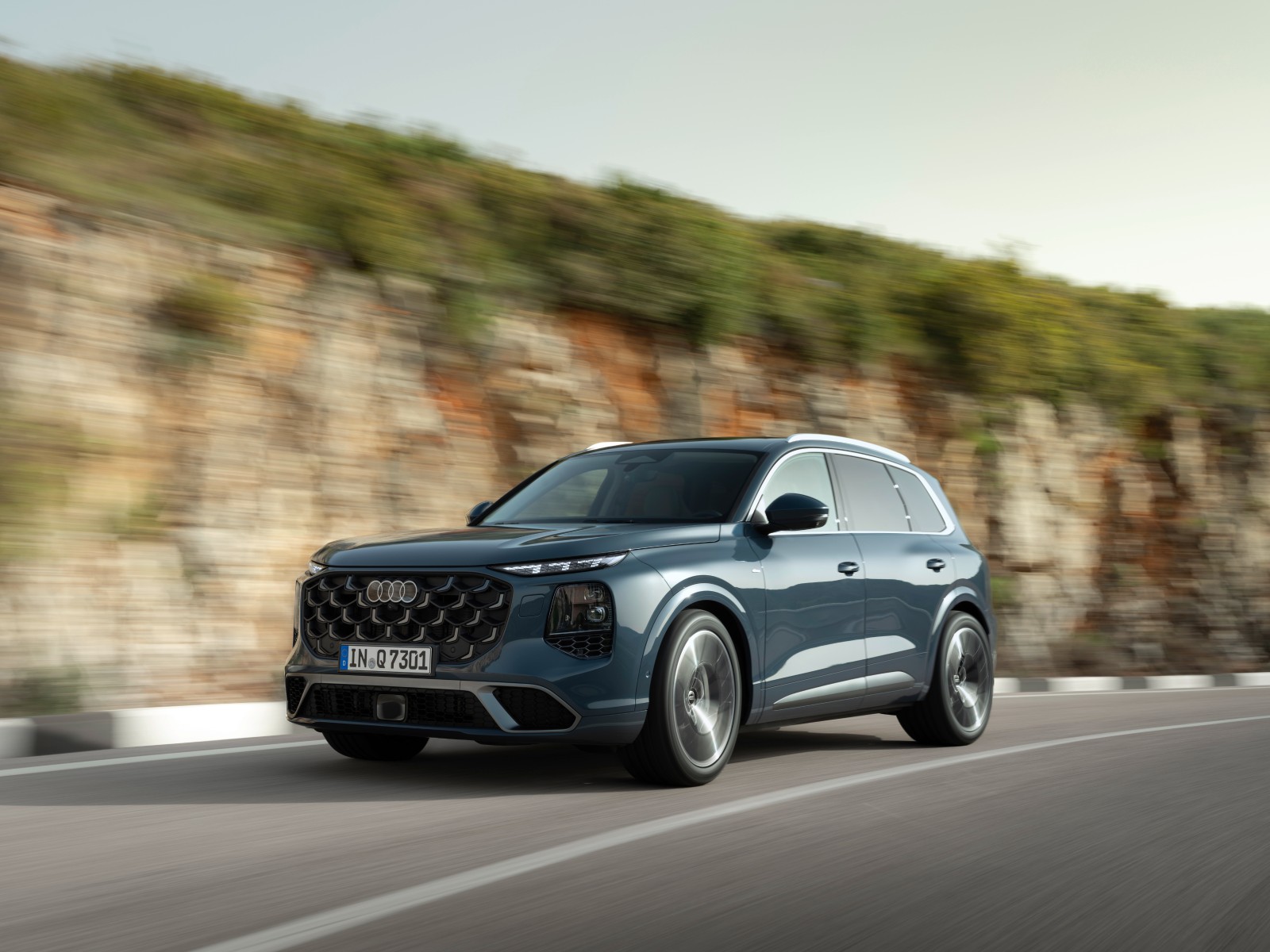
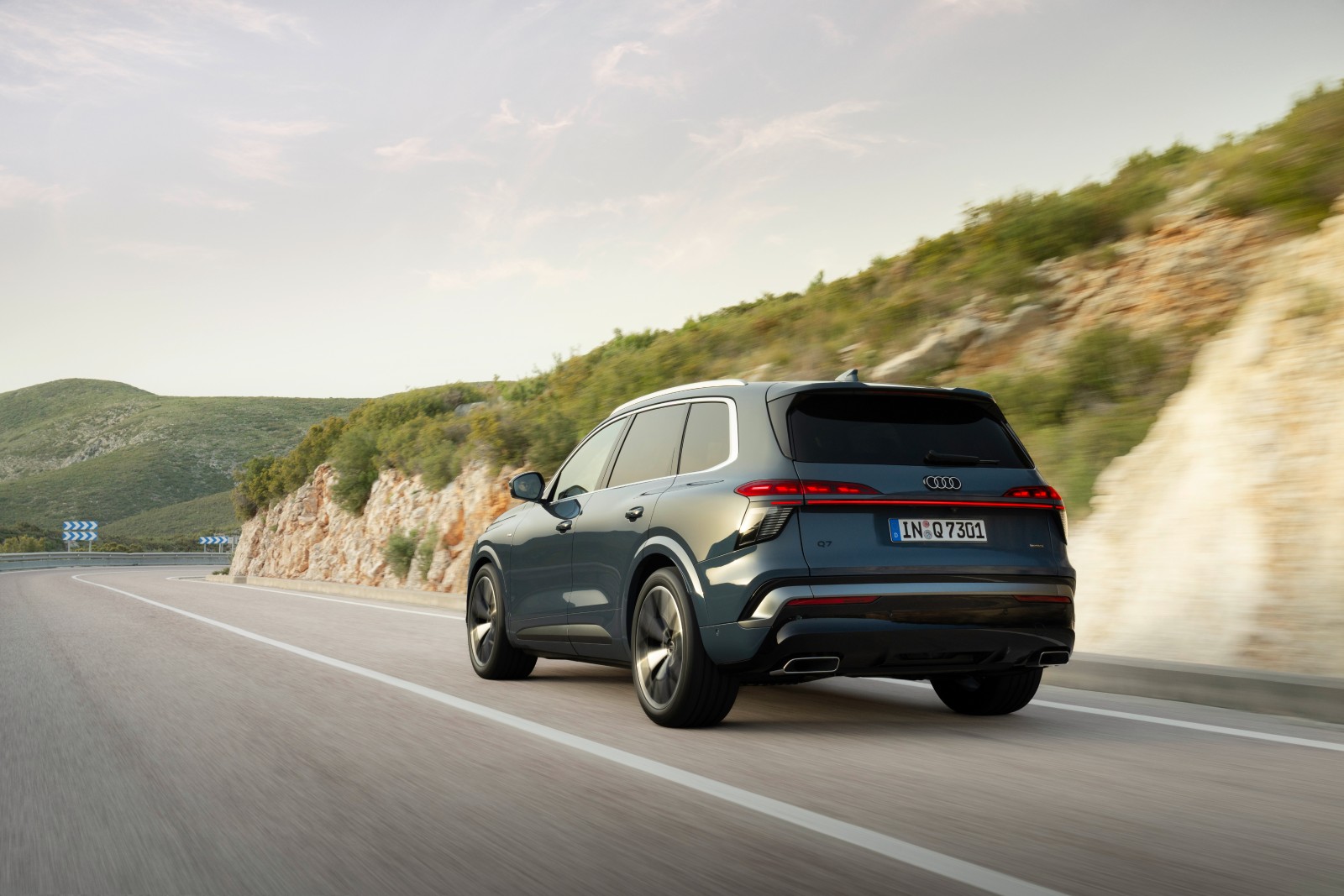
The design is more upright and more confident than before. The new Q7 has a taller front end, a large Singleframe grille, higher-mounted Audi rings and a stronger shoulder line. At the rear, a full-width light strip and available digital OLED taillights give the SUV a more modern look.
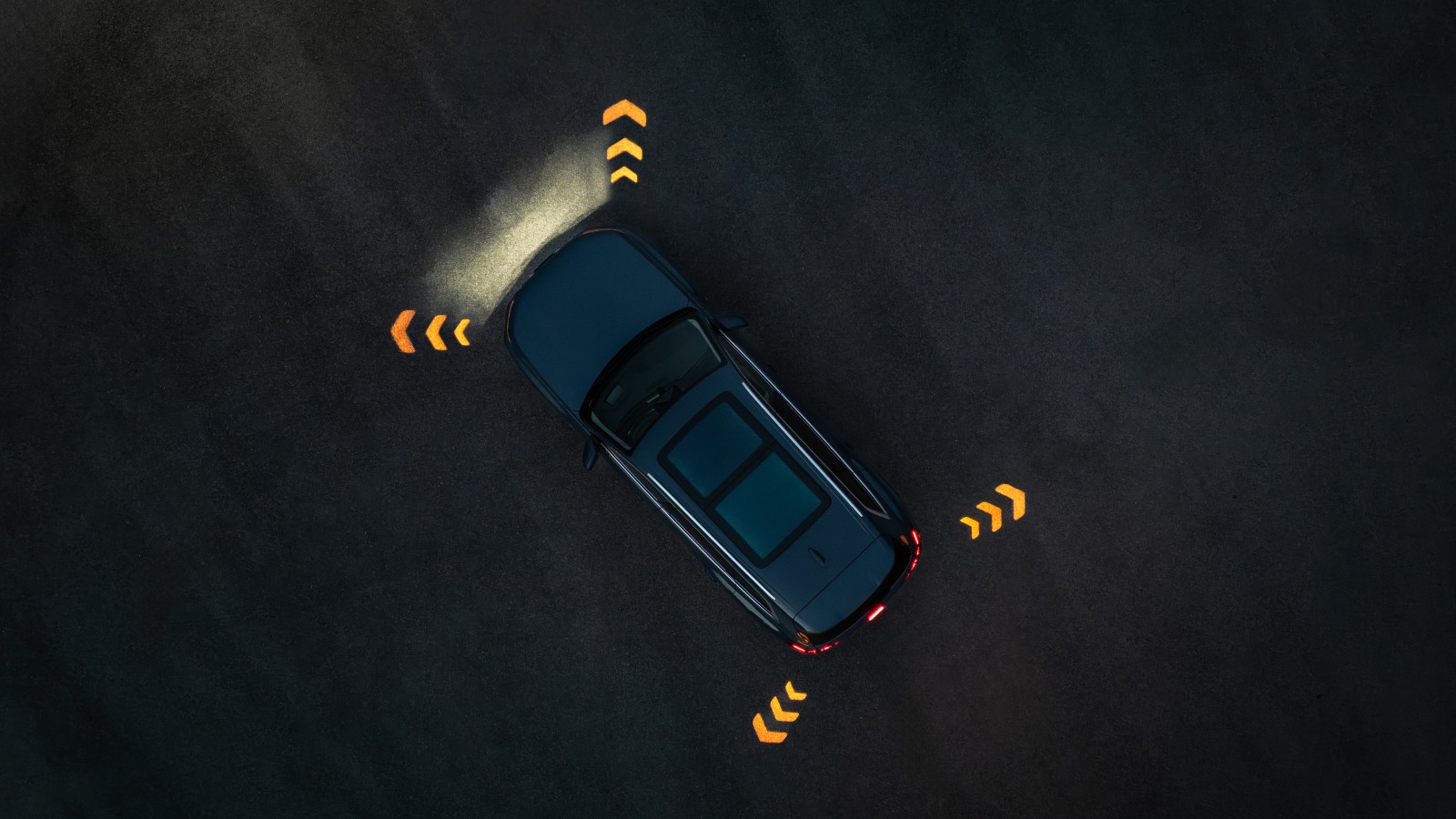
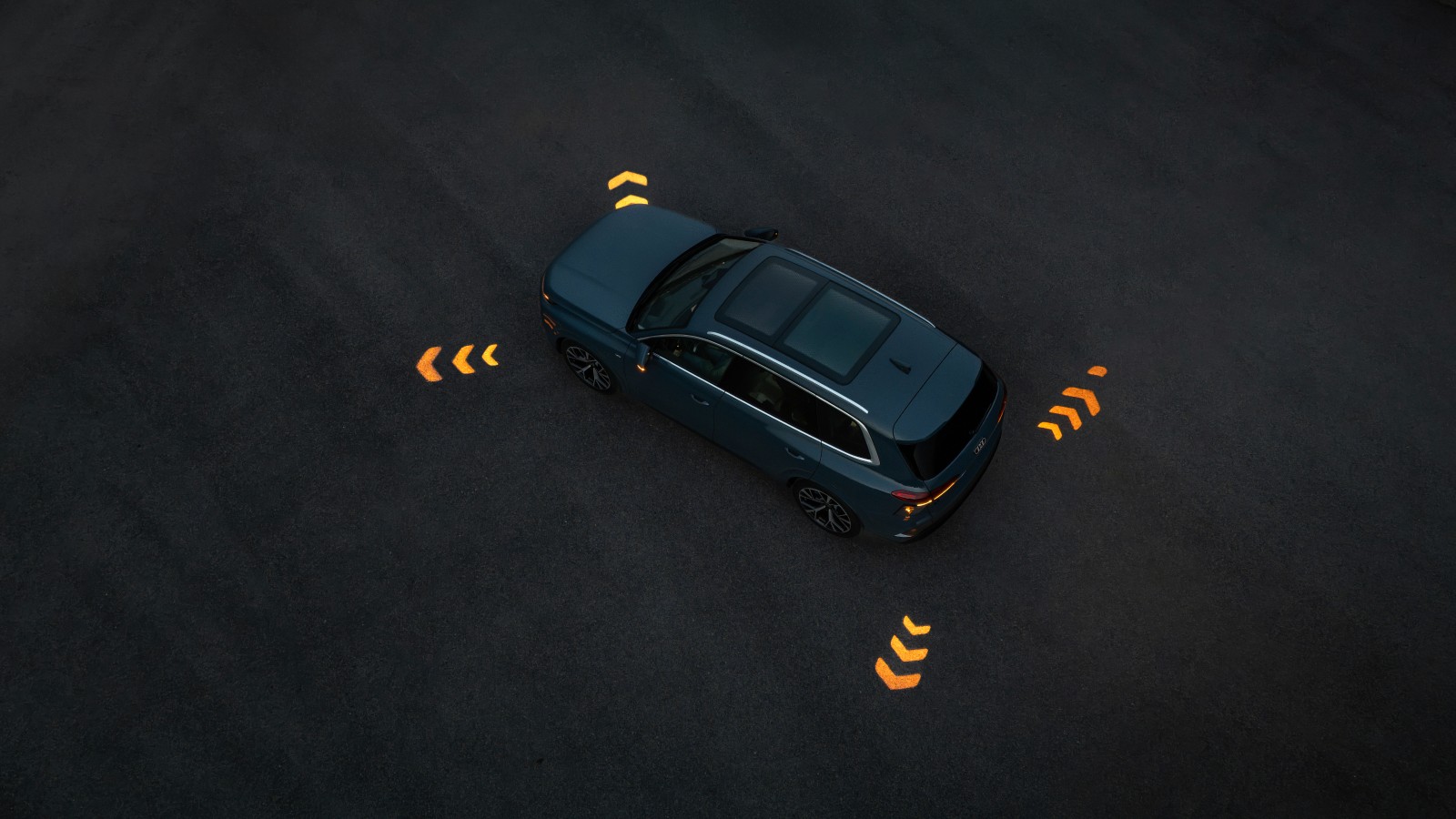
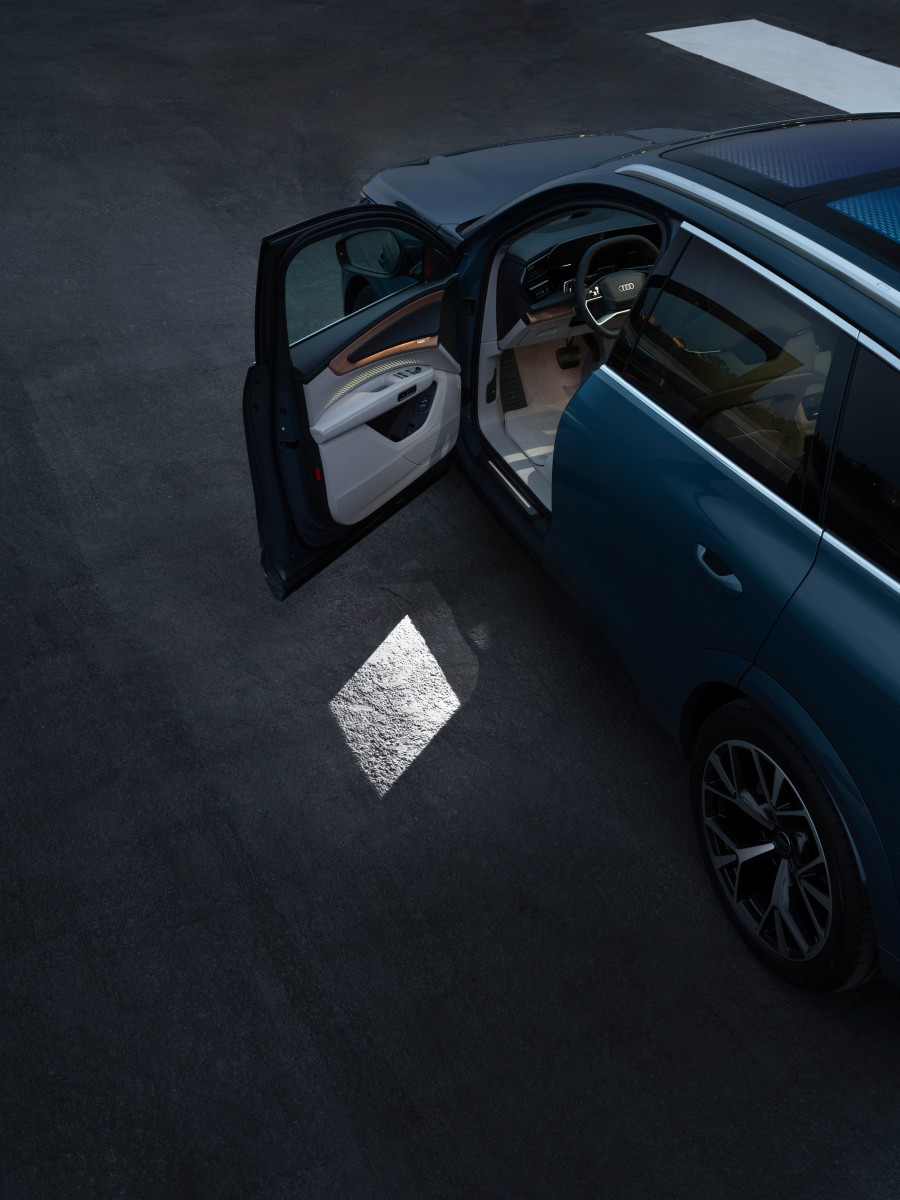
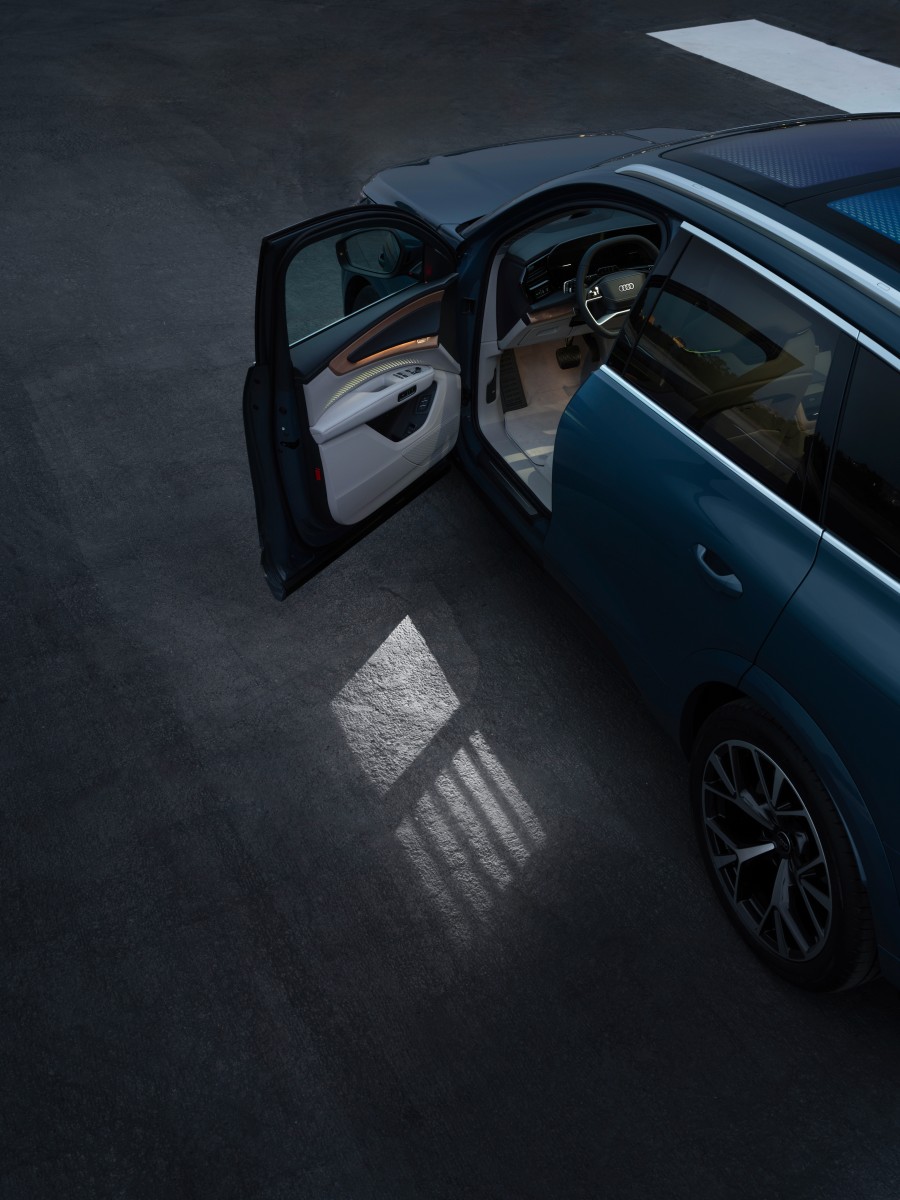
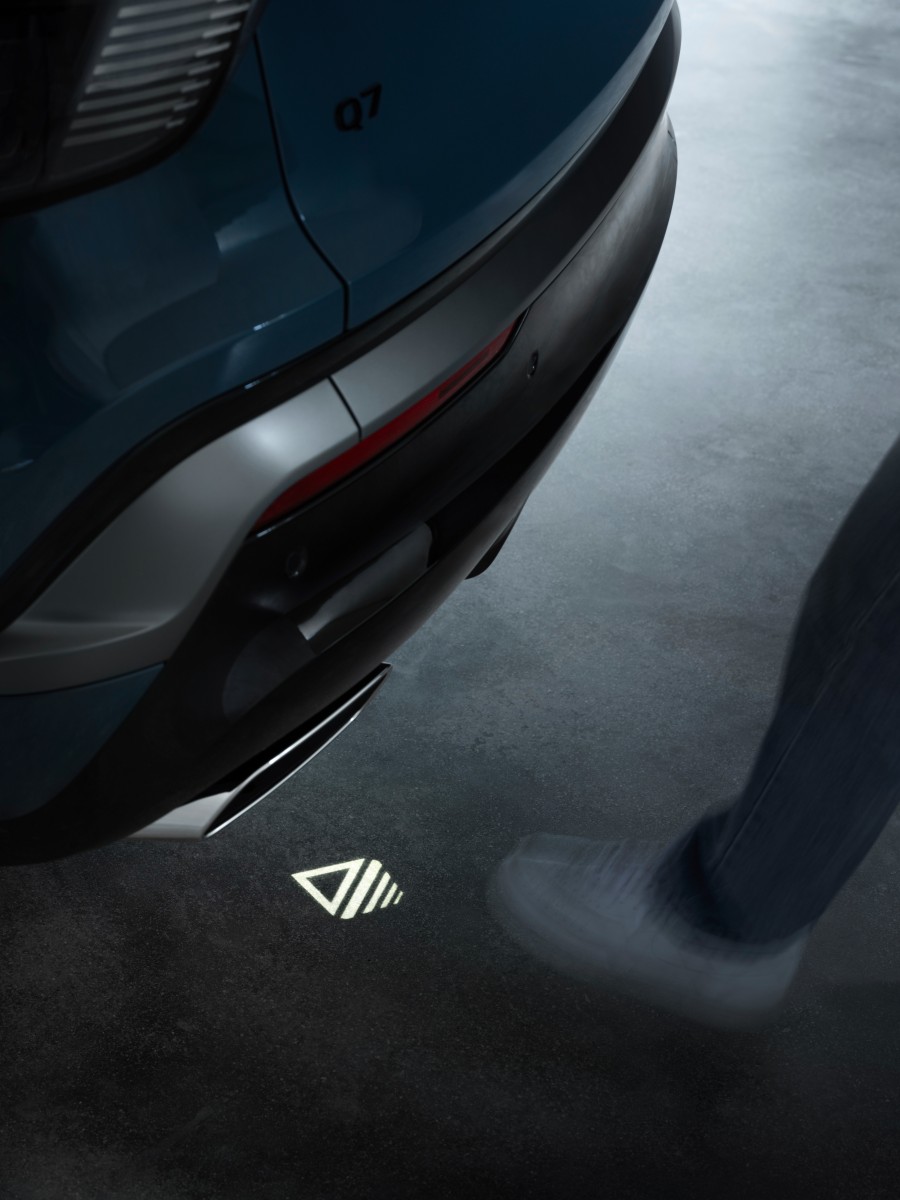
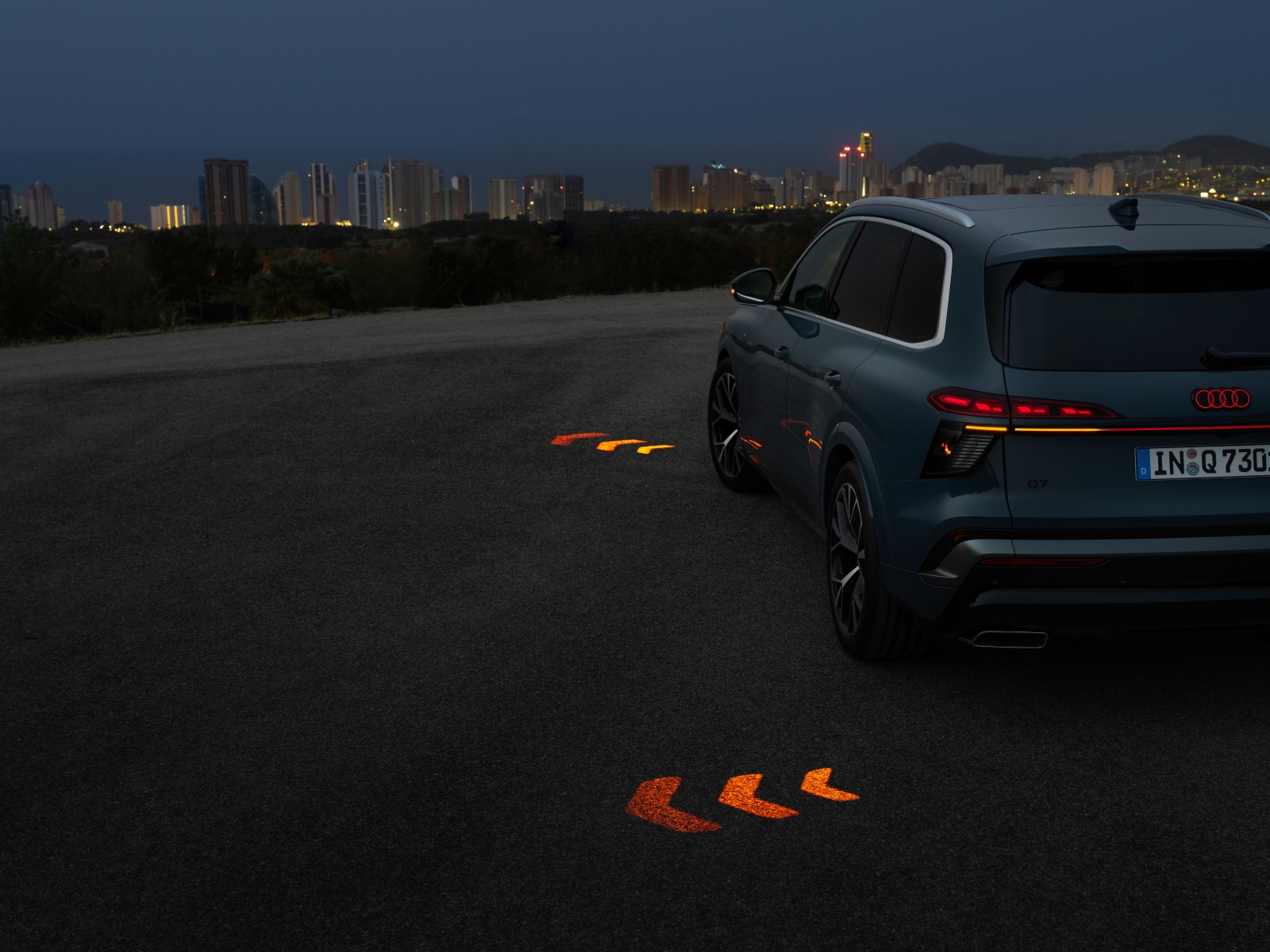
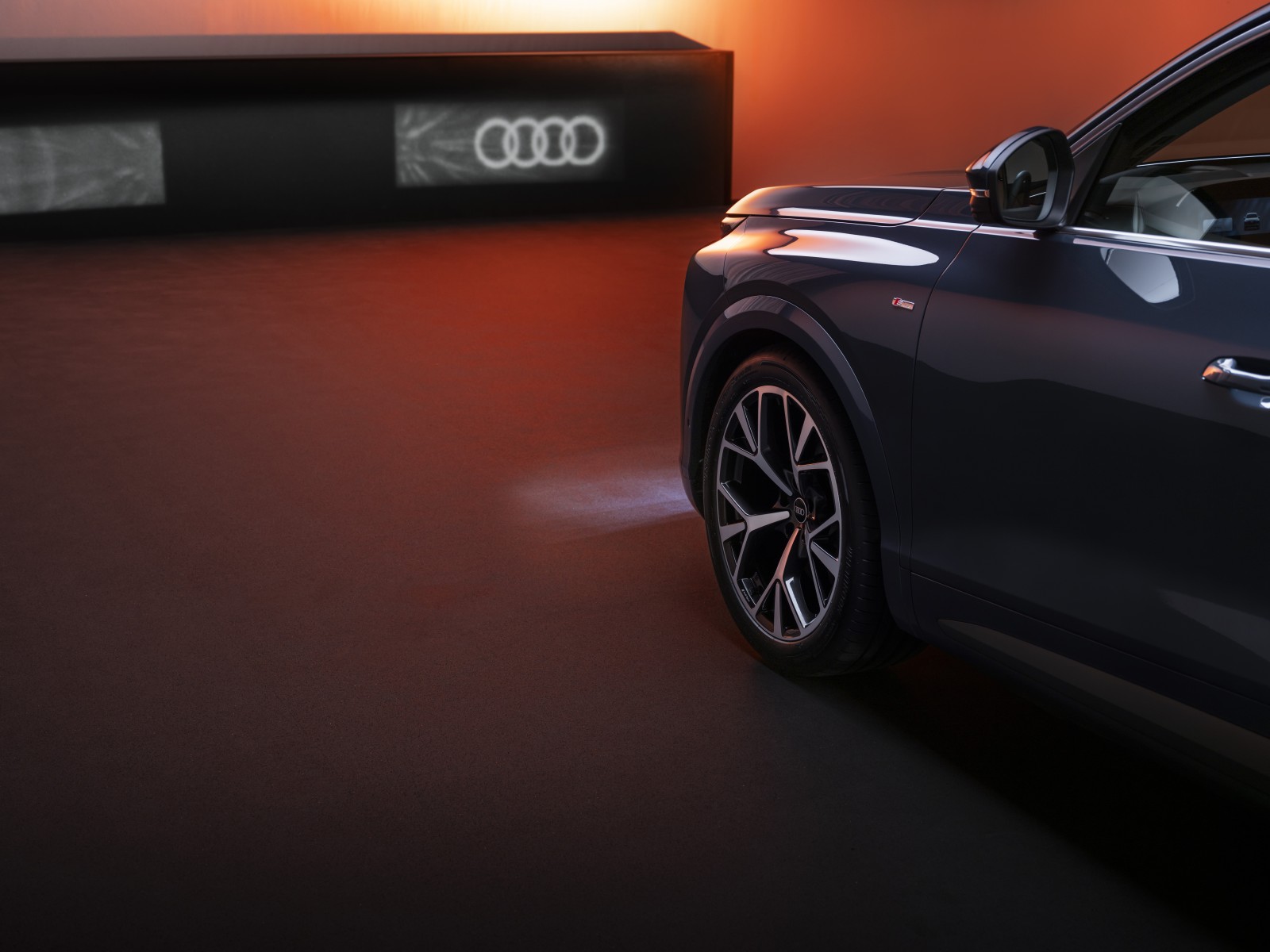
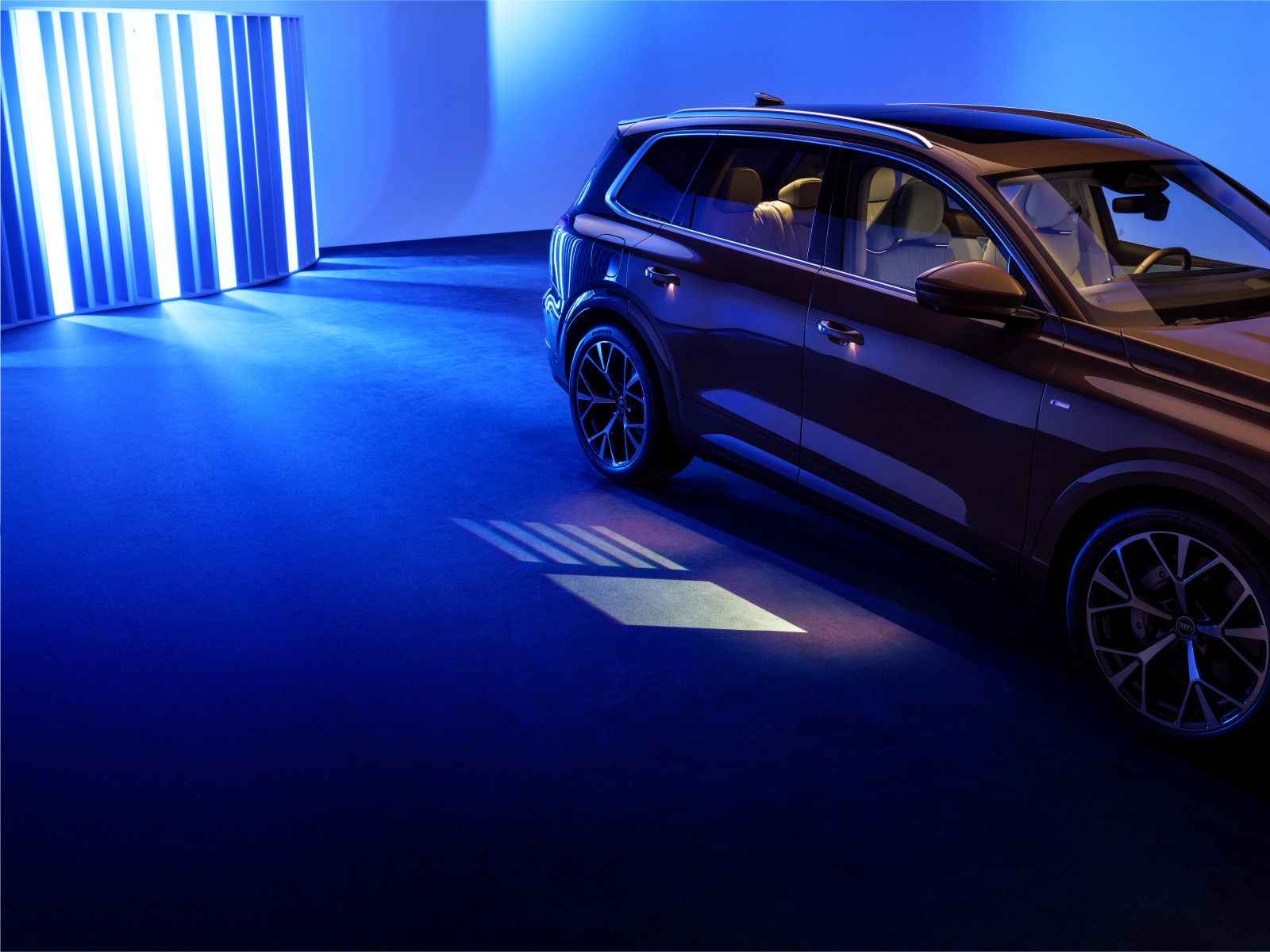
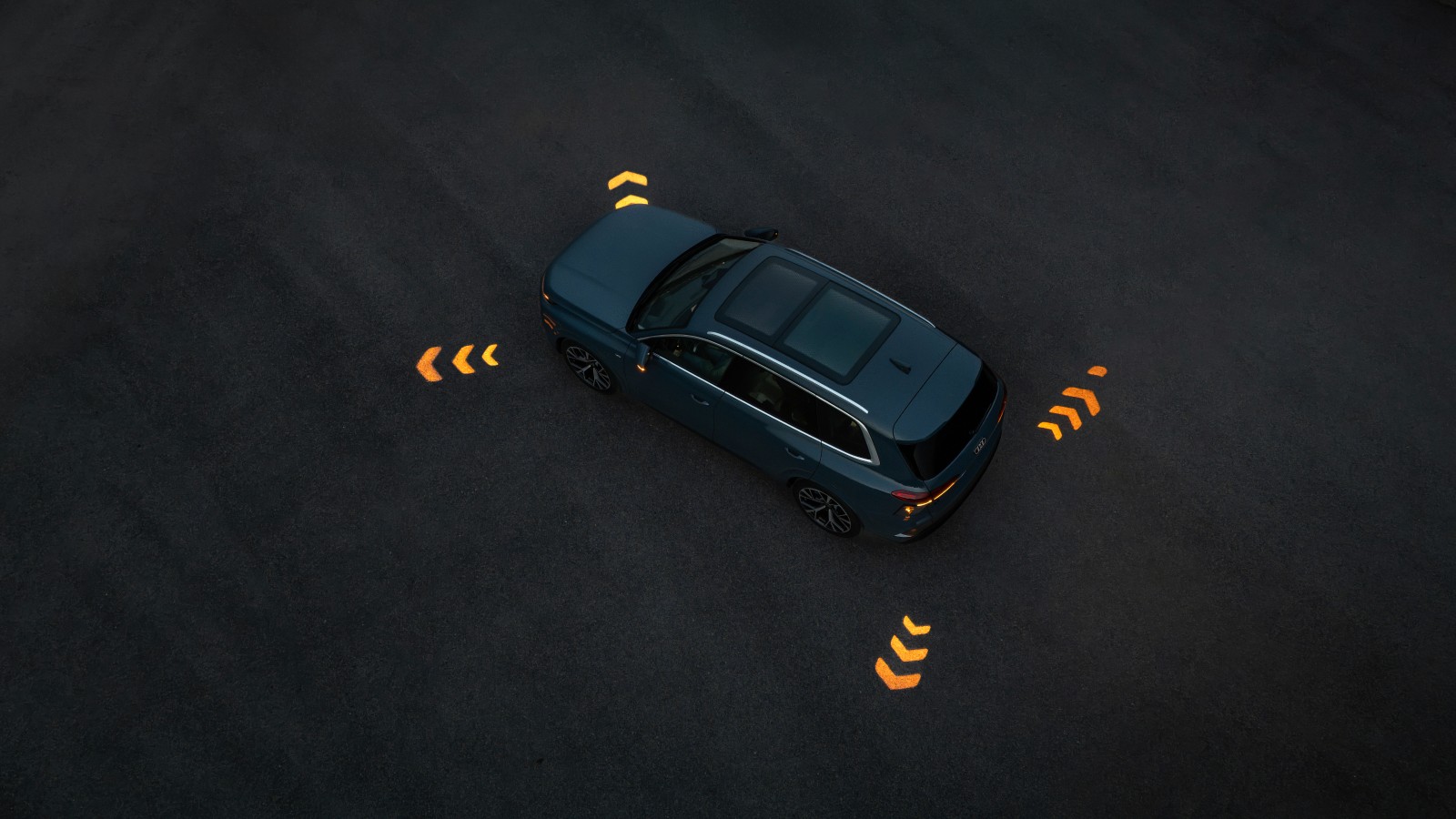
Lighting is one of the key upgrades. For the first time in the U.S., Audi will offer Digital Matrix LED headlights with adaptive beam technology. The Q7 also introduces available advanced turn signals that project a signal pattern onto the ground at night, making lane changes and turns more visible to cyclists and pedestrians.
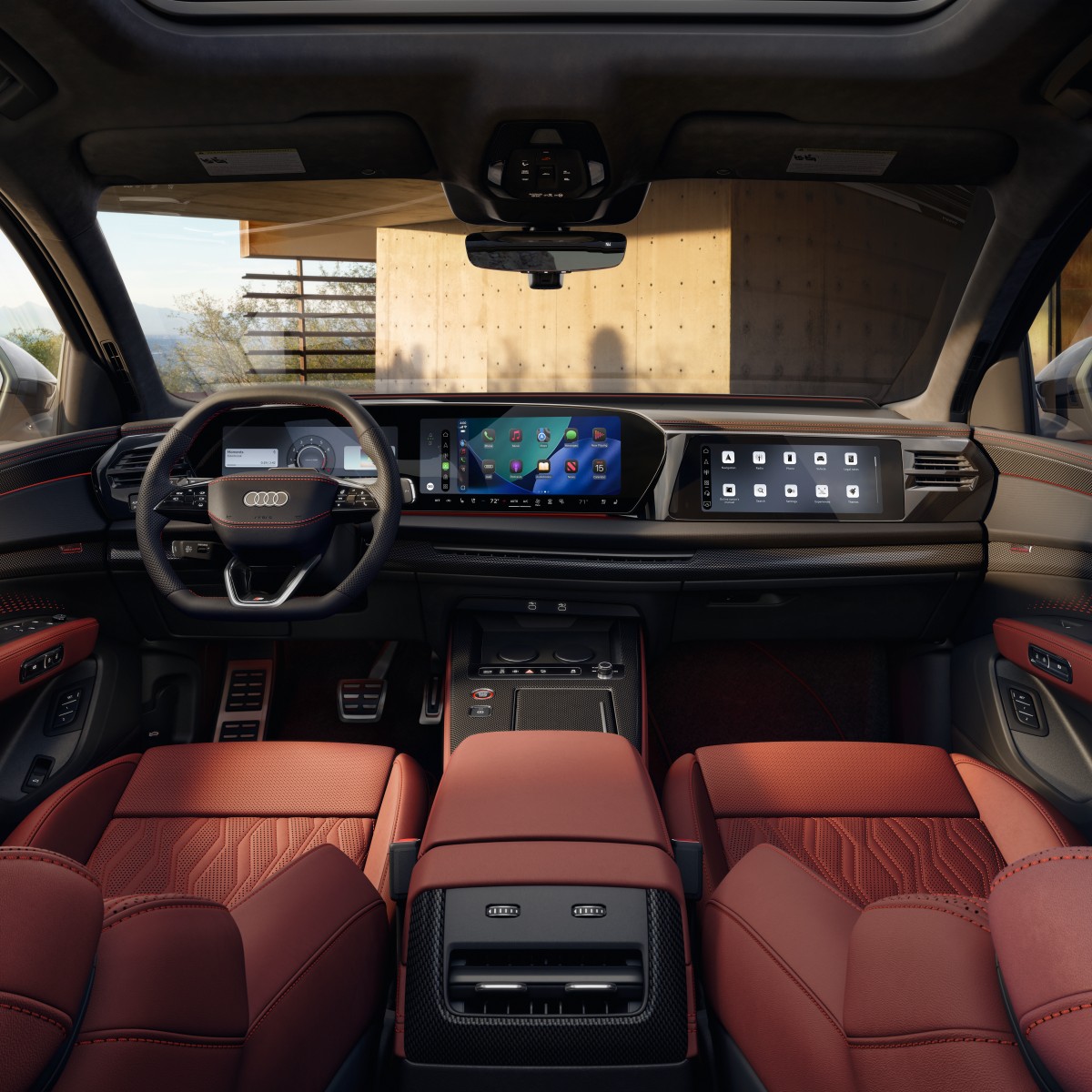
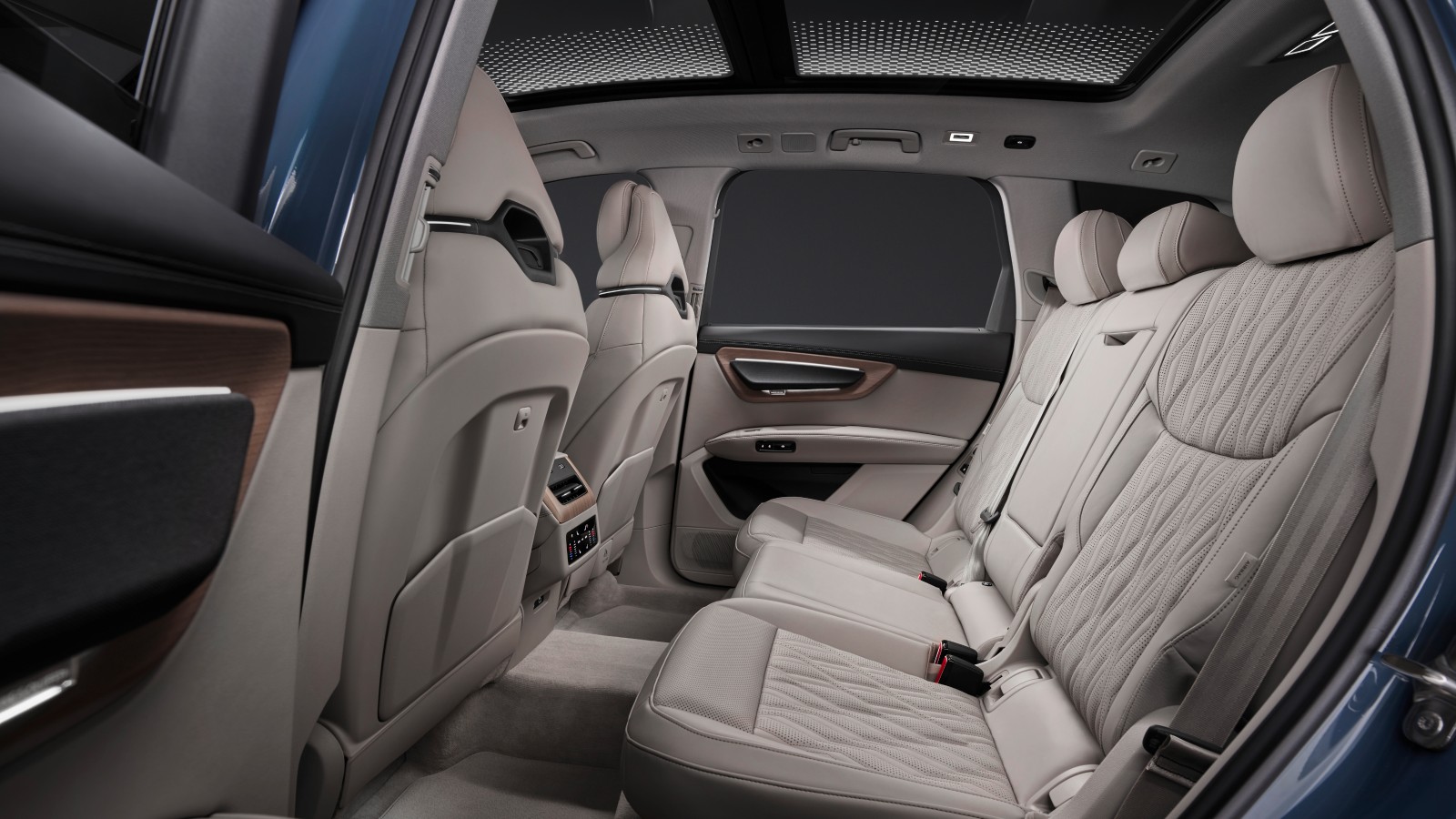
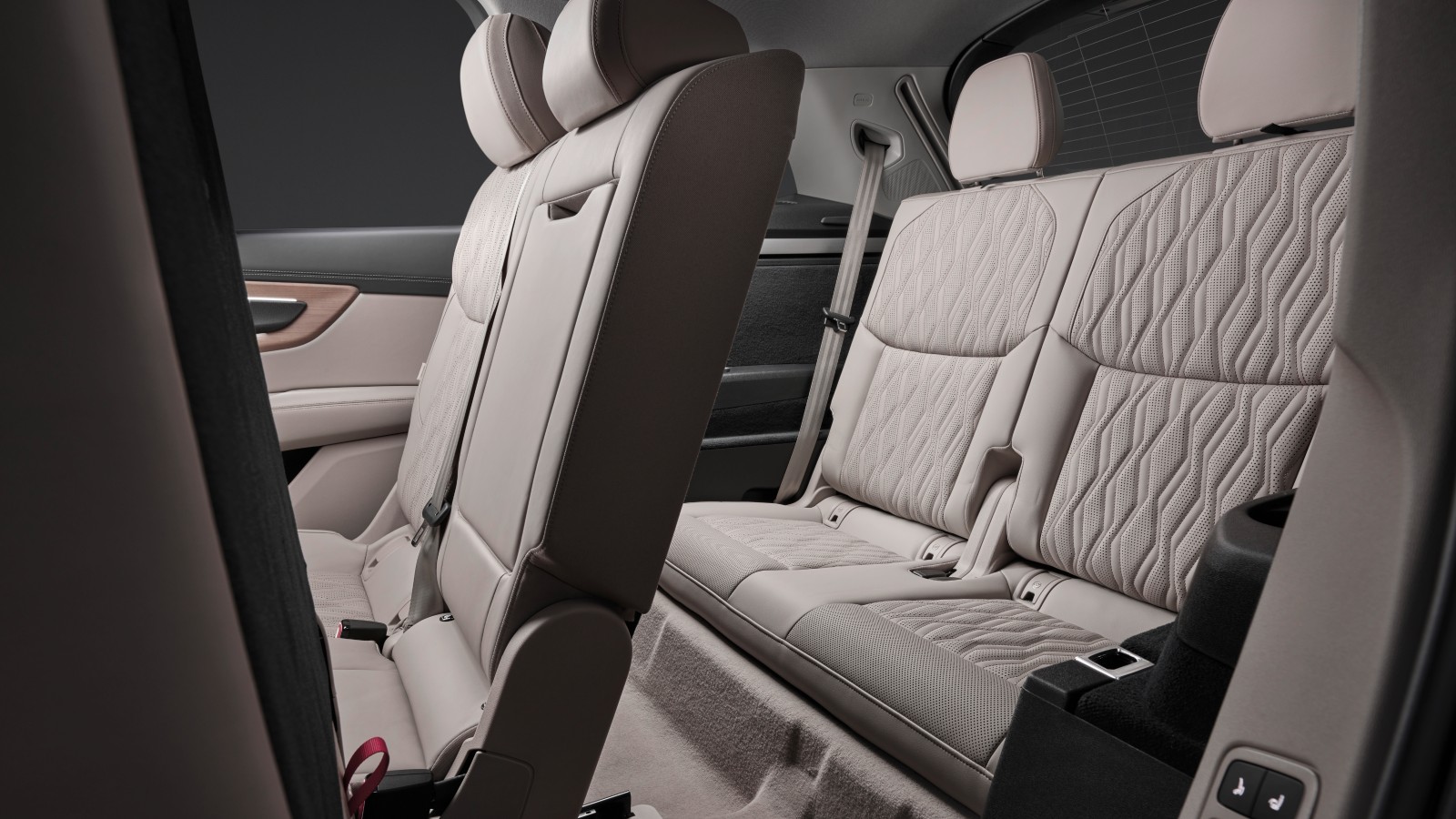
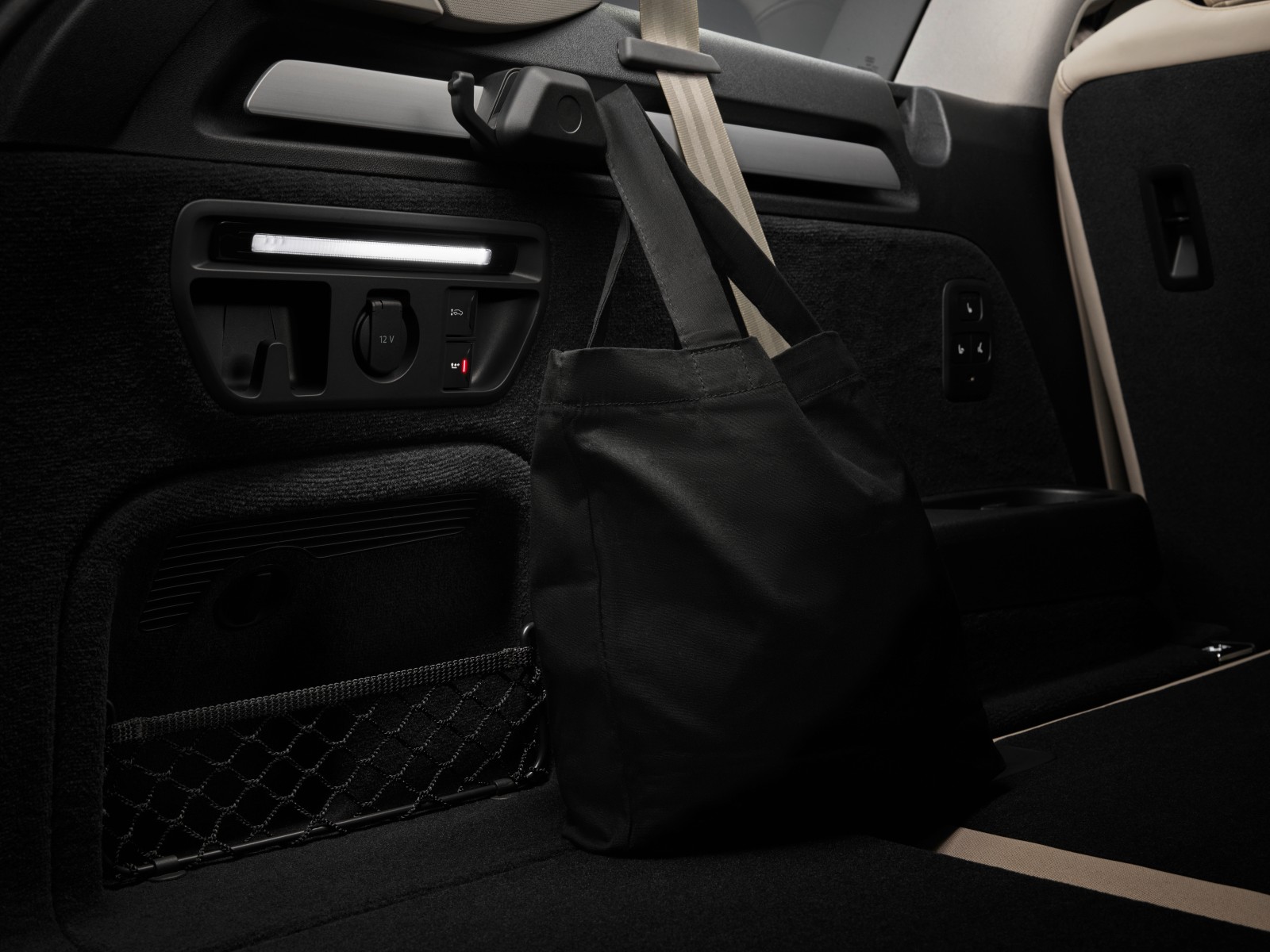
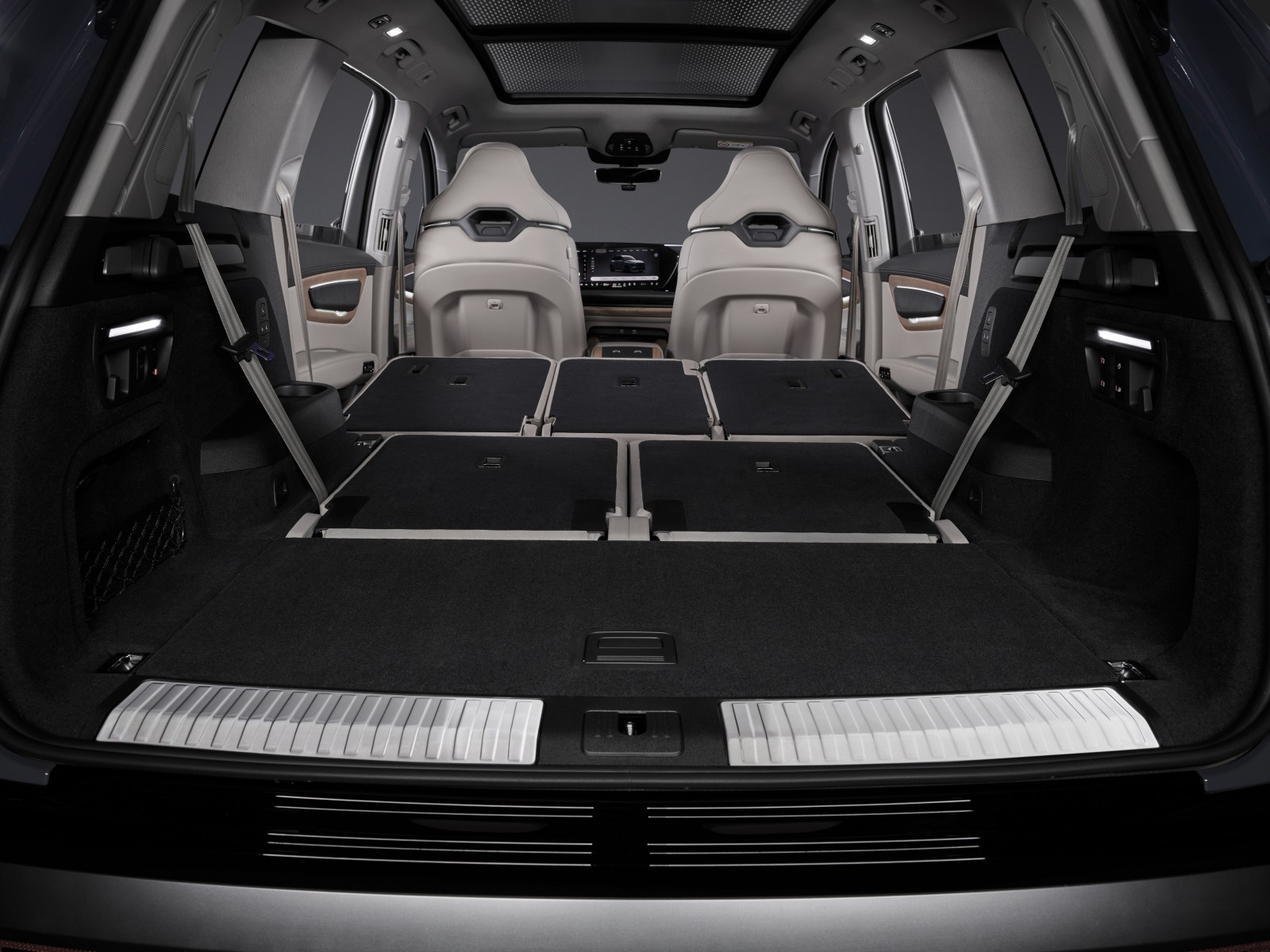
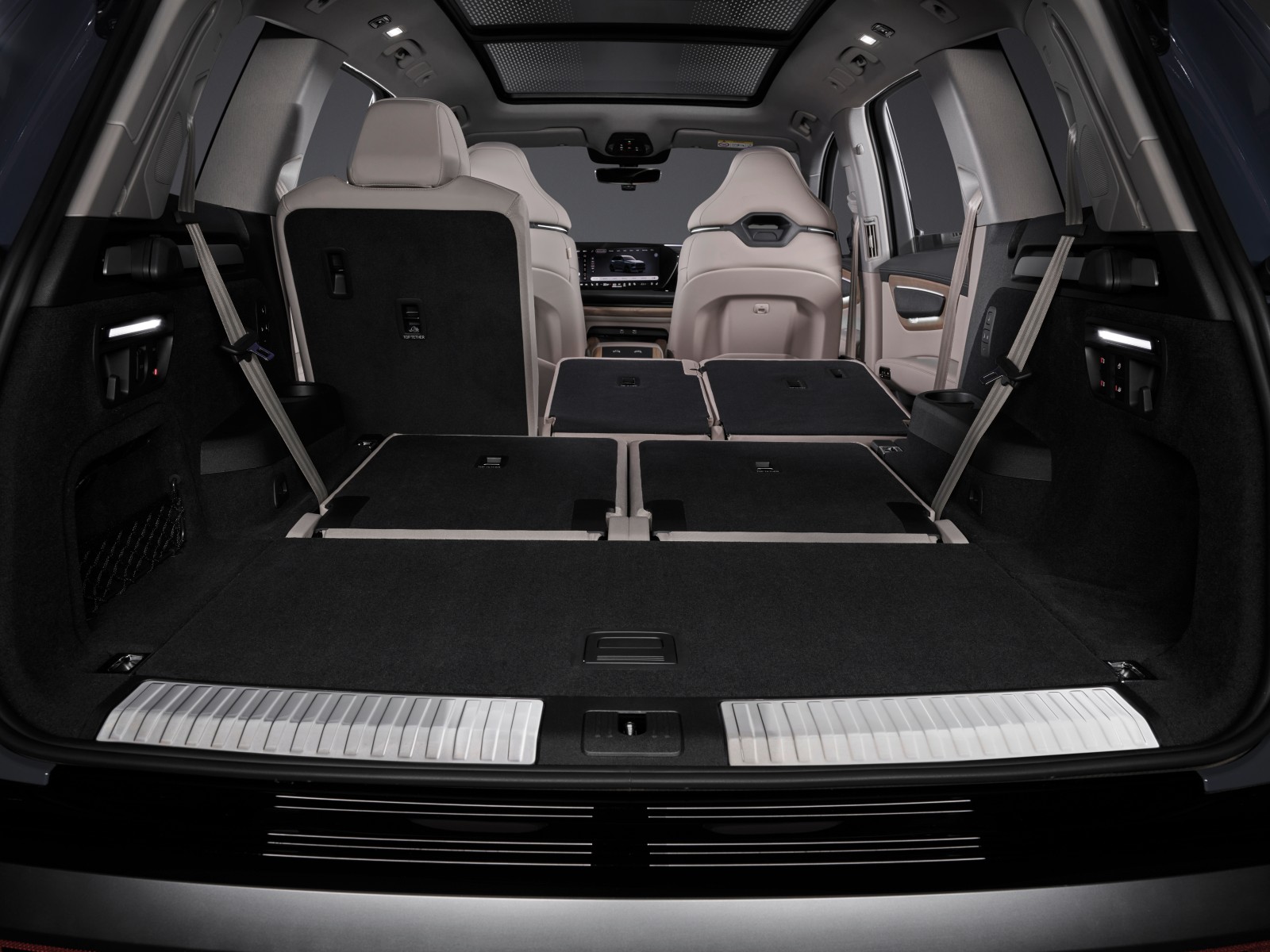
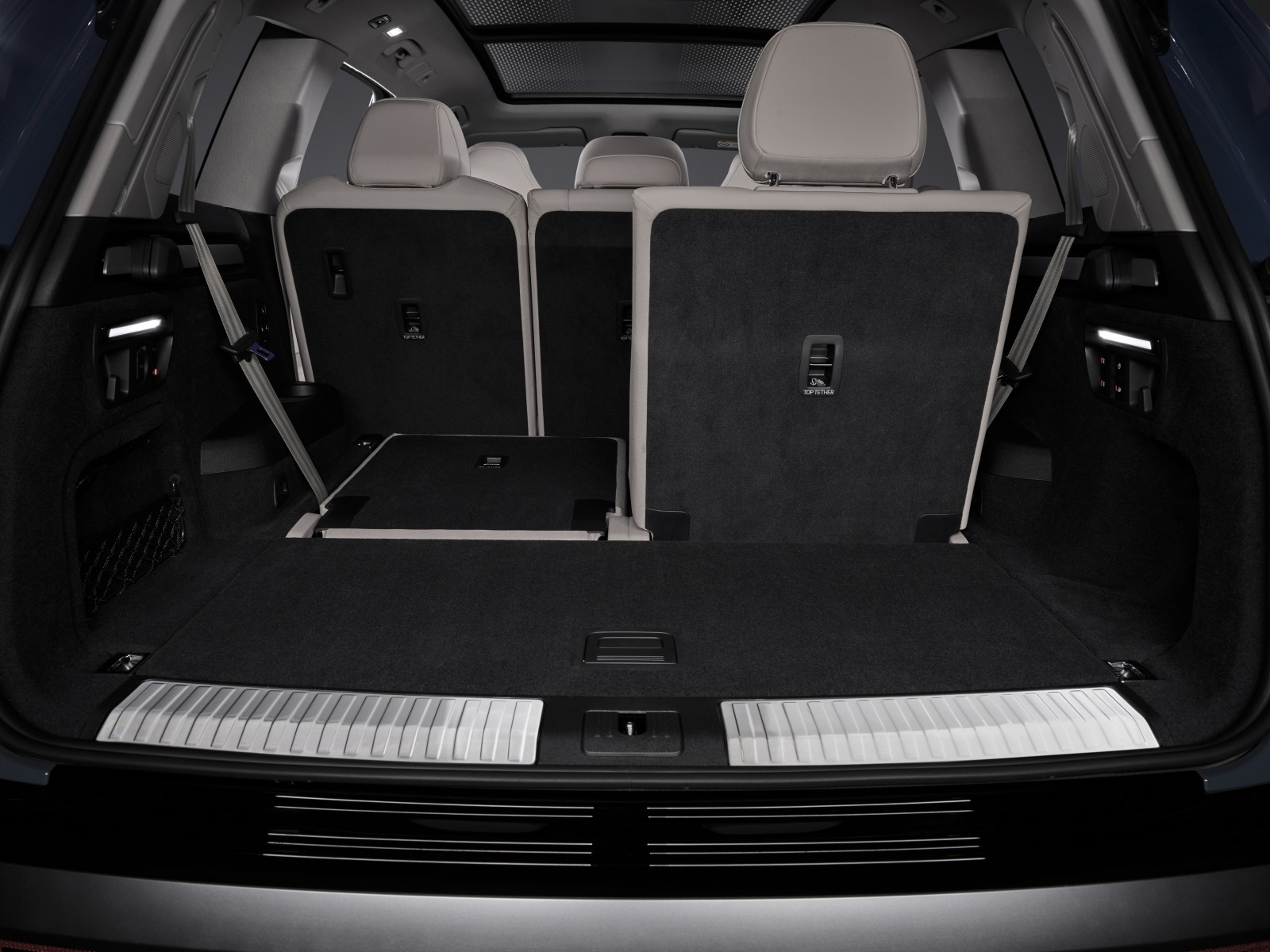
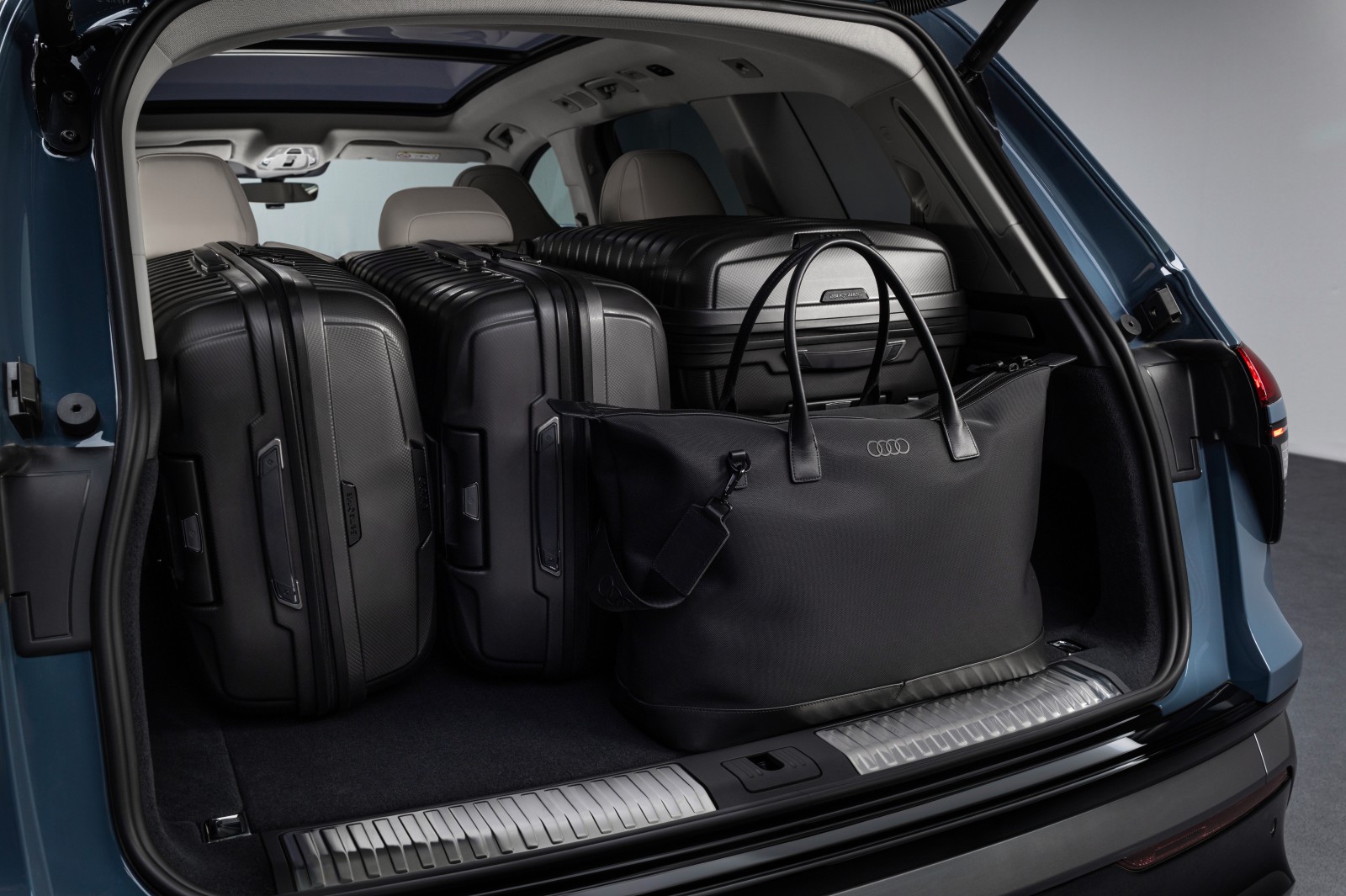
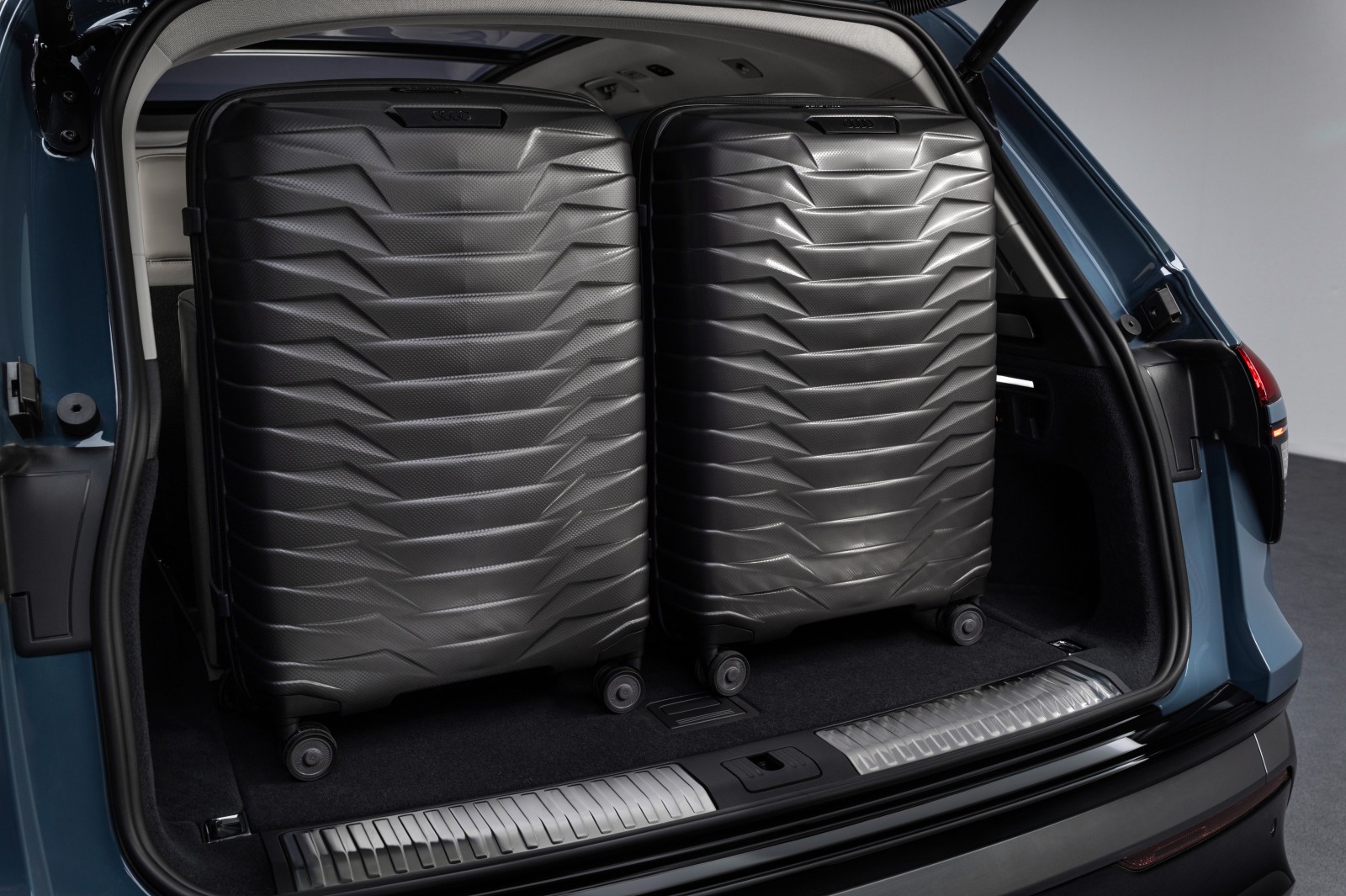
Inside, the Q7 is available with either seven seats or an optional six-seat layout with second-row captain’s chairs. The seven-seat version can fit three child seats across the second row, while cargo space ranges from 15.1 cu ft behind the third row to 78.1 cu ft with the rear seats folded.
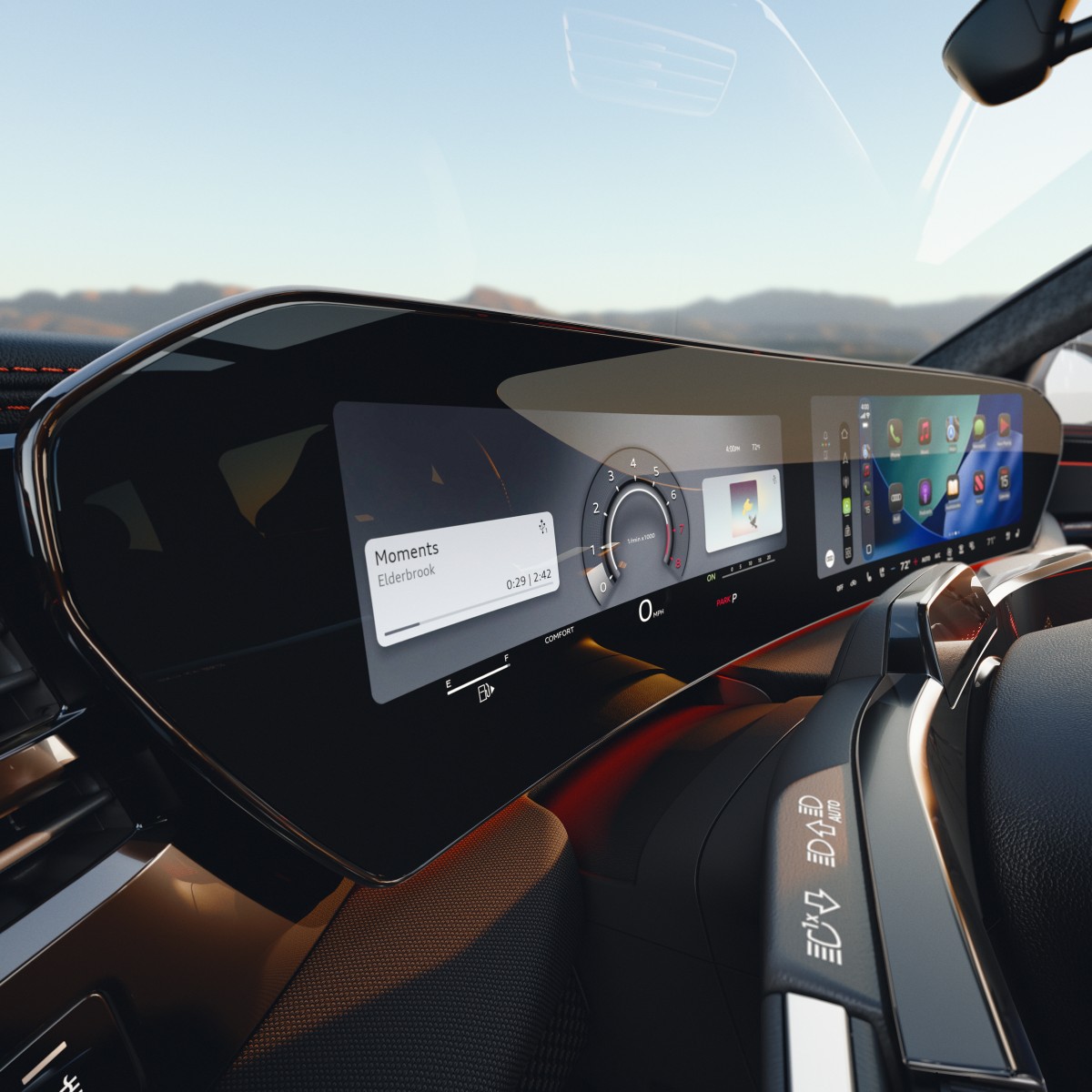
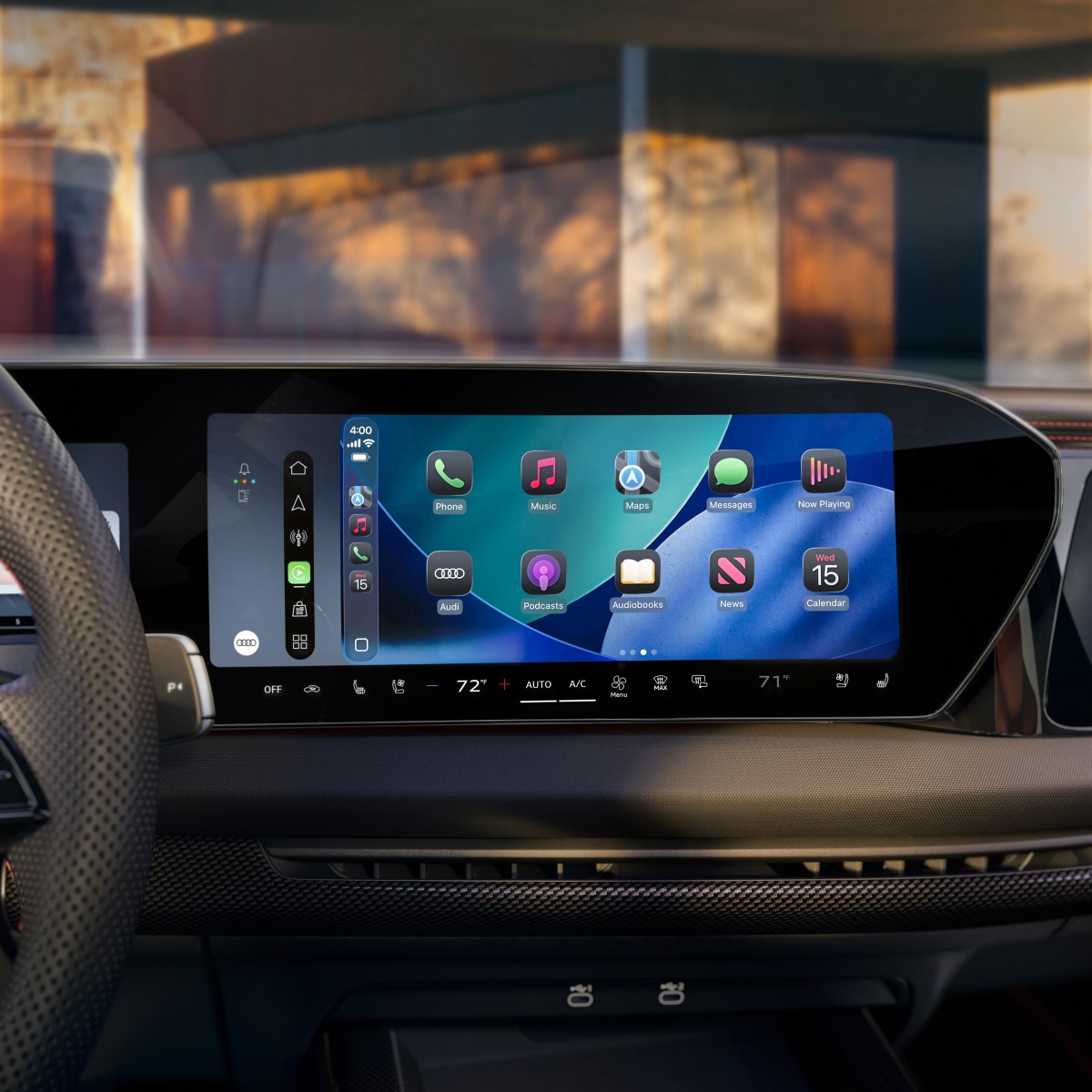
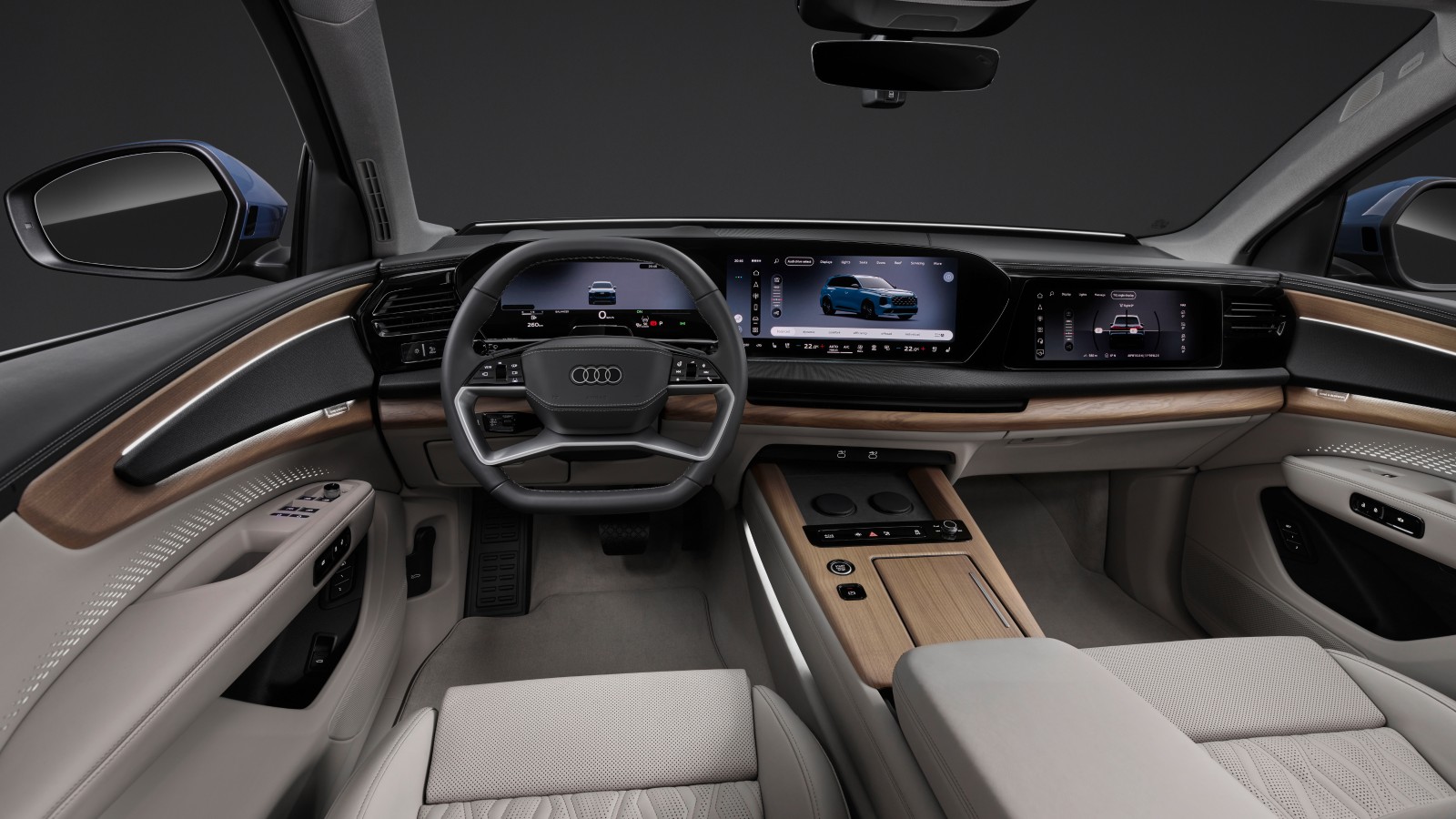
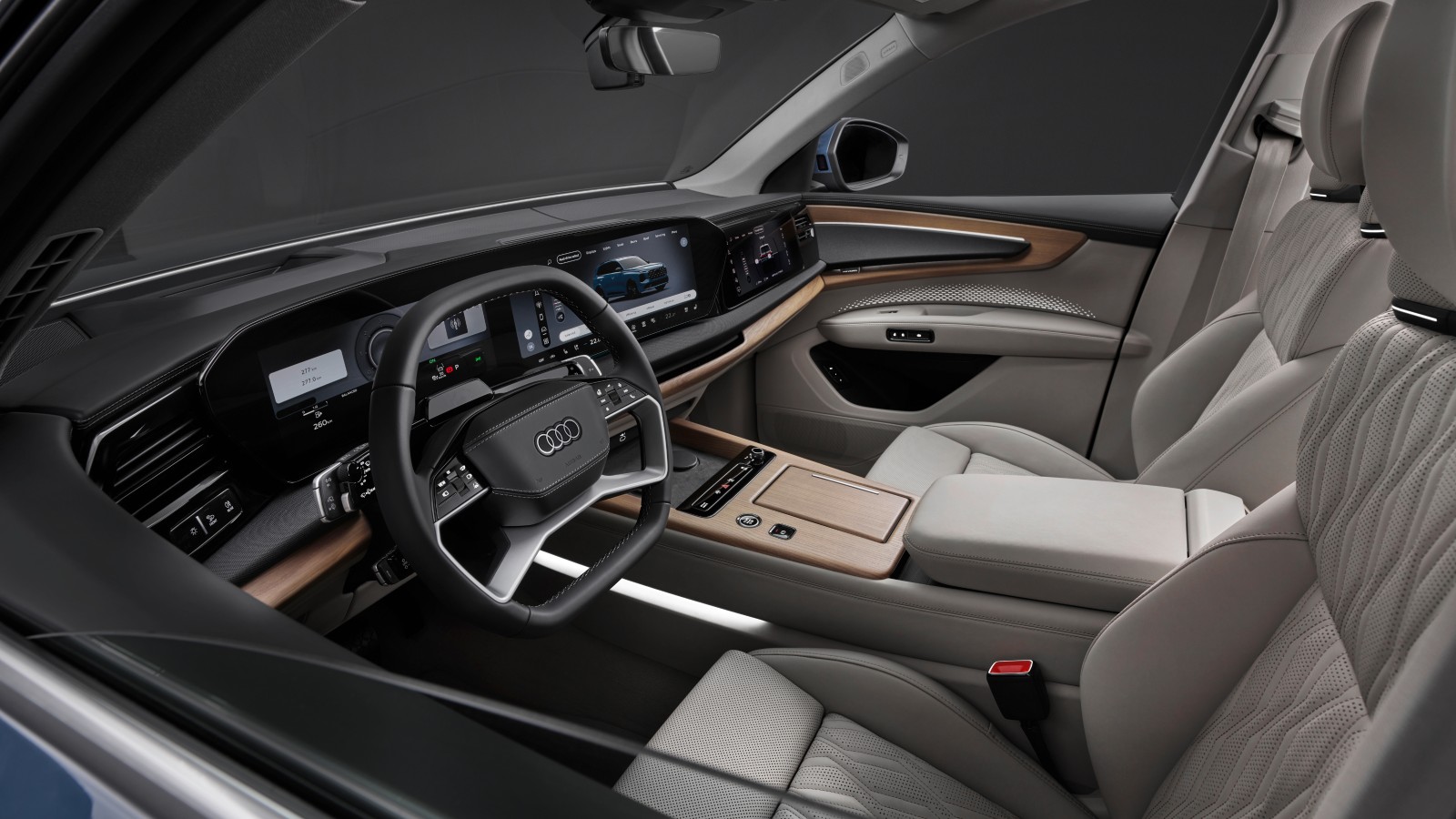
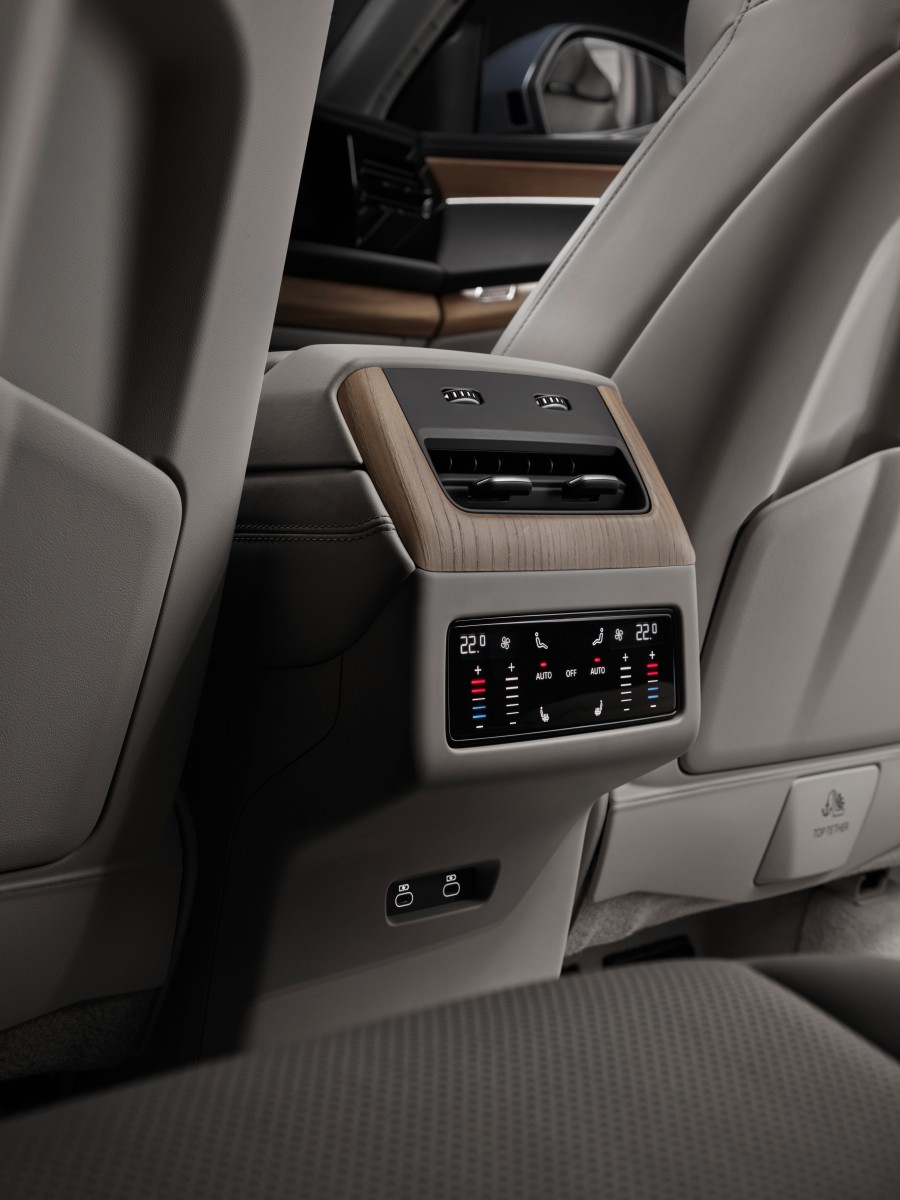
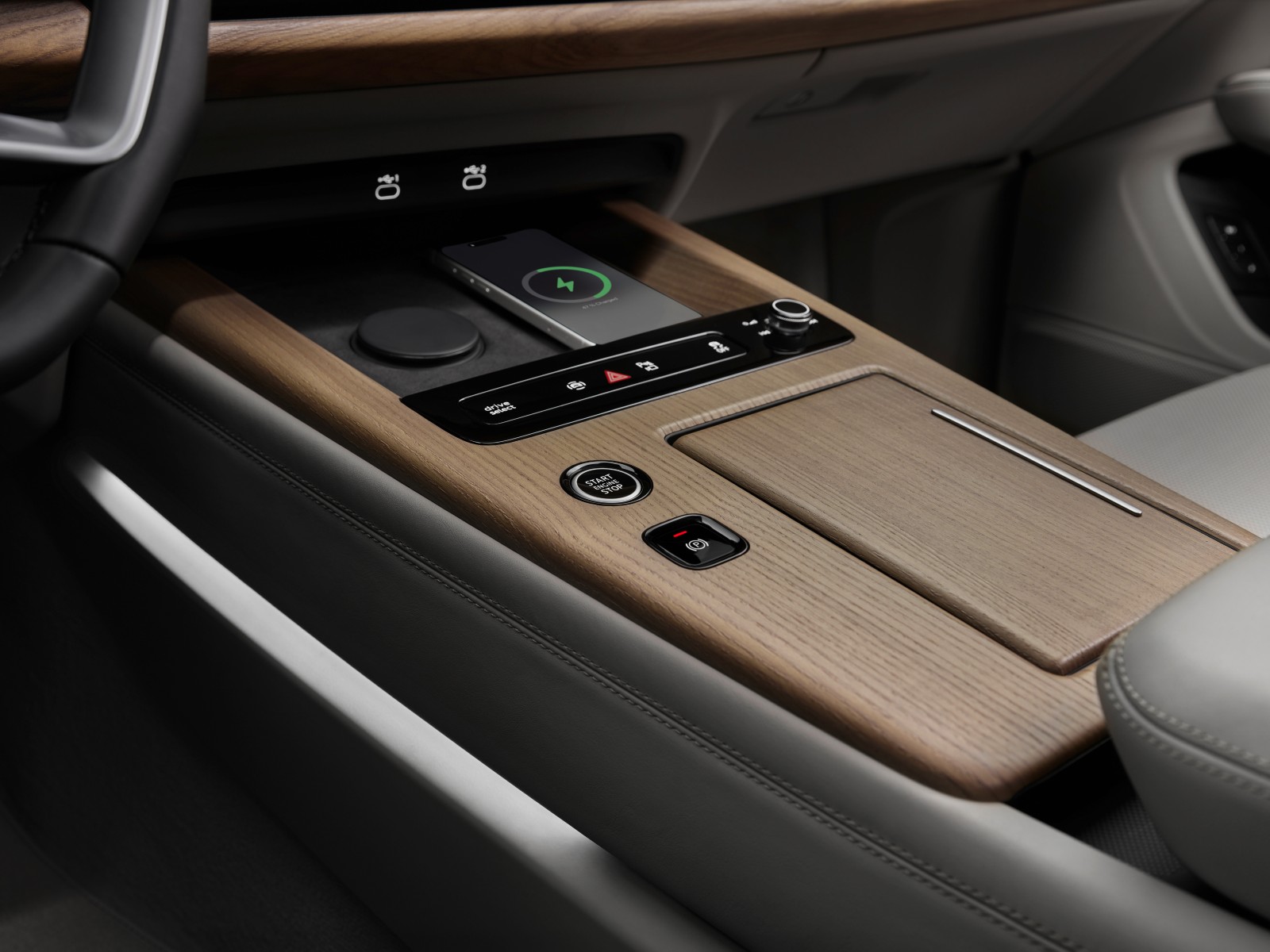
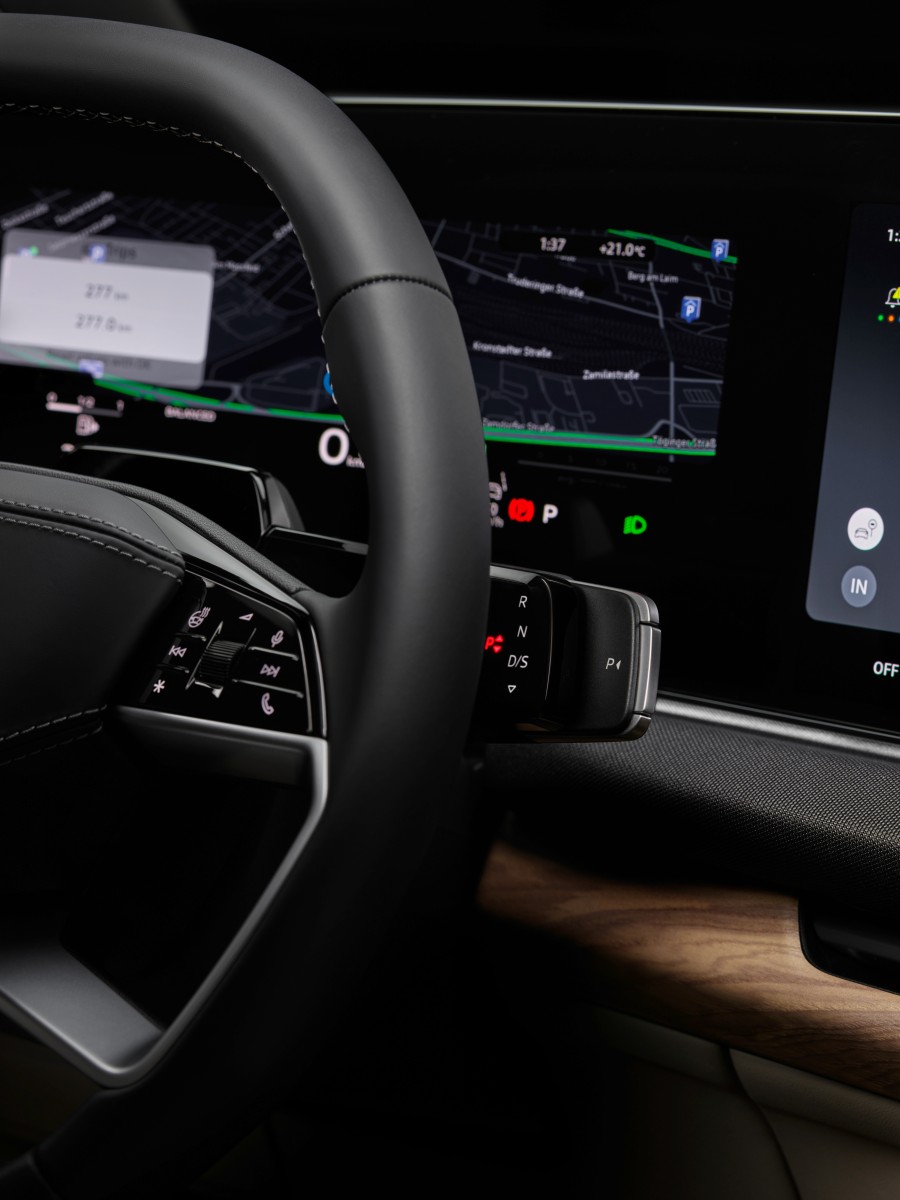
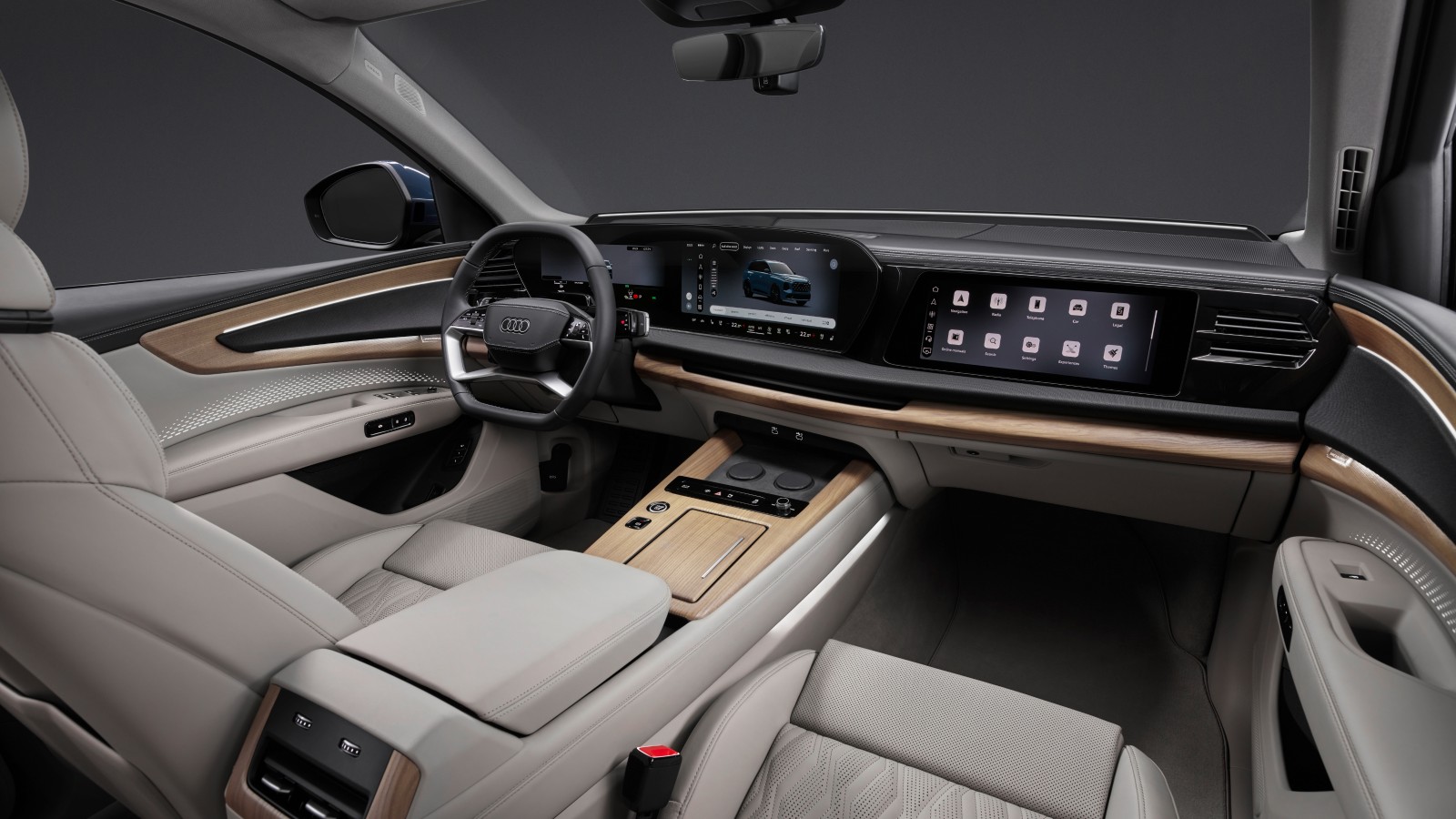
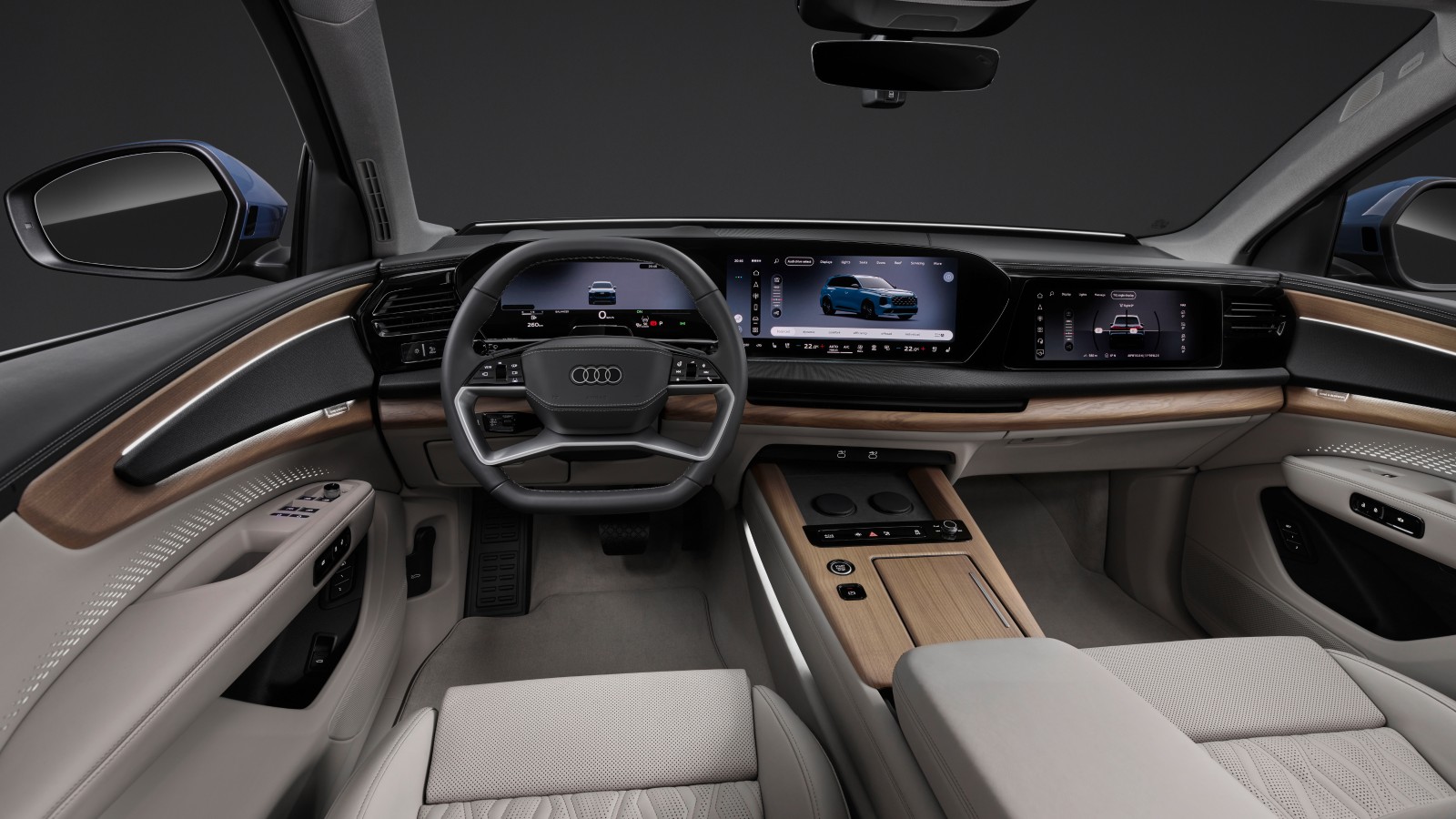
The cabin receives Audi’s latest digital layout, including the MMI panoramic display, a standard passenger display and an available head-up display. The new center console can wirelessly charge two phones using Qi2.2, while USB-C fast charging is available across all three rows.
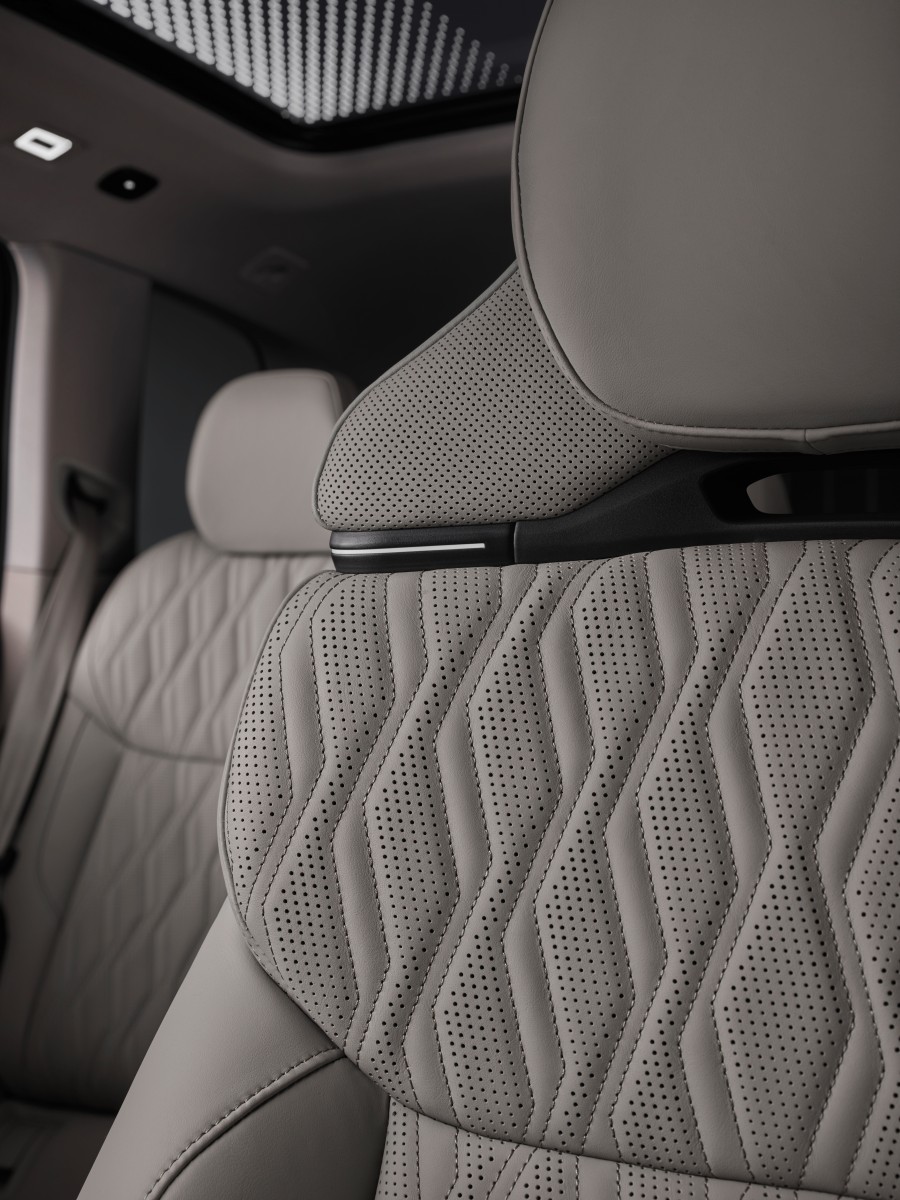
A new panoramic sunroof adds switchable transparency and illumination. It can turn opaque in nine separate sections and uses 78 LEDs to create ambient lighting across the glass roof.
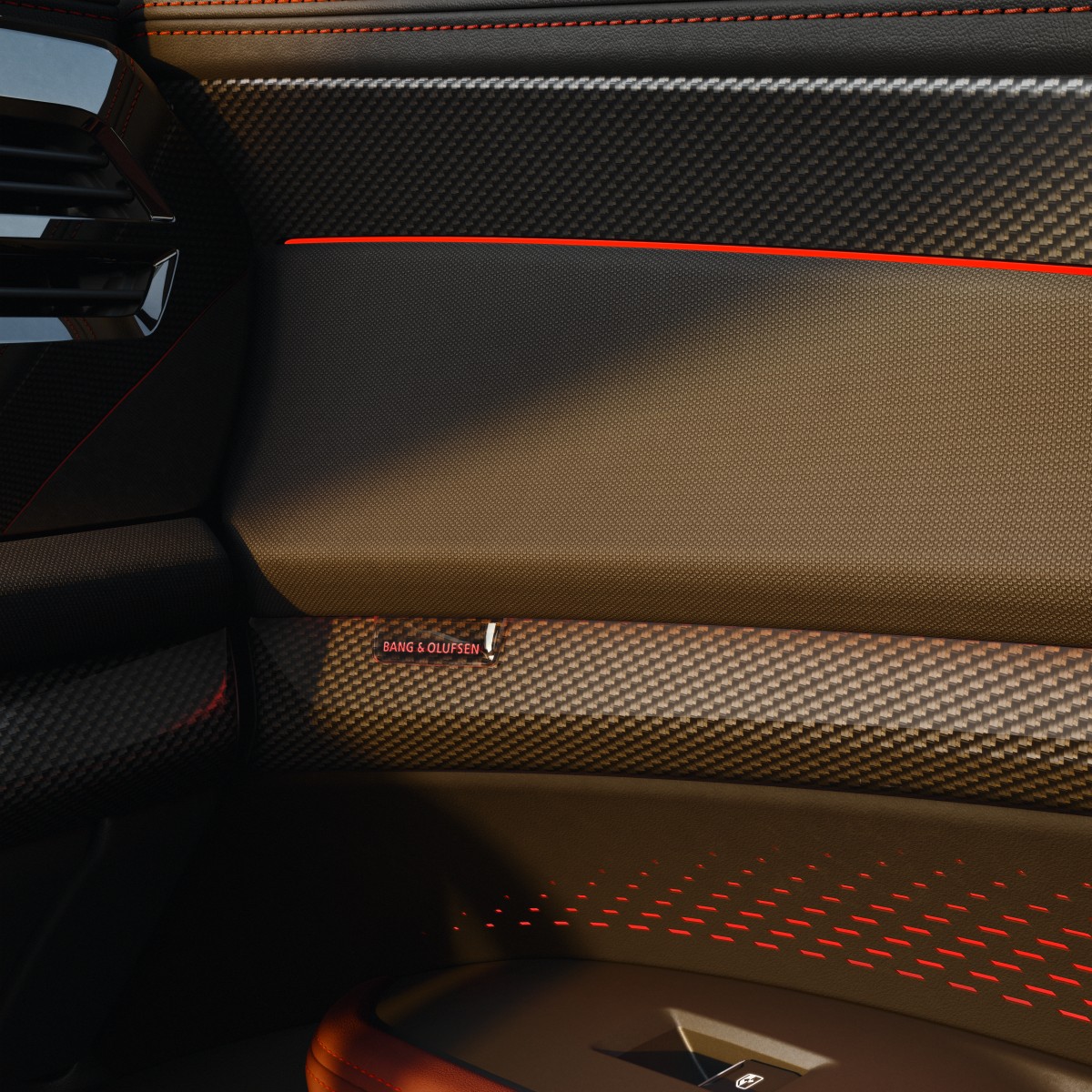
Audi is also pushing the in-car entertainment side. An available Bang & Olufsen 4D sound system uses 22 speakers, 1,360 watts, headrest speakers and seat actuators that let passengers physically feel the bass.
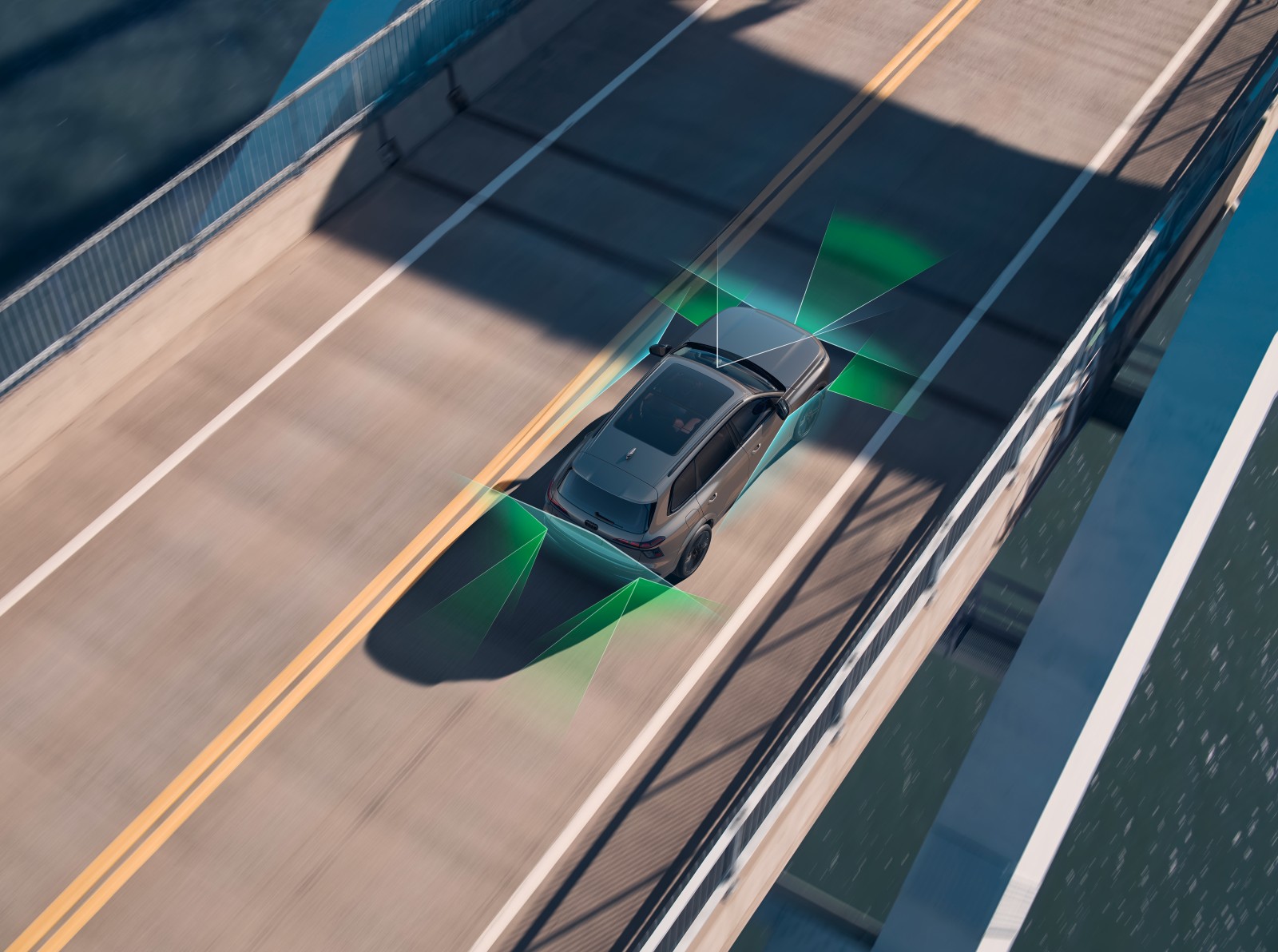
Driver-assistance technology has been expanded as well. Available trained parking lets the Q7 learn up to five parking maneuvers, each up to 200 meters long, while reverse assist can retrace about 50 meters when backing out of tight spaces. A factory-integrated 4K dashcam is also available.
The new Q7 will again be built in Bratislava, like the previous two generations. U.S. sales are scheduled to begin in the fourth quarter of 2026, with pricing to be announced closer to launch.
Gallery