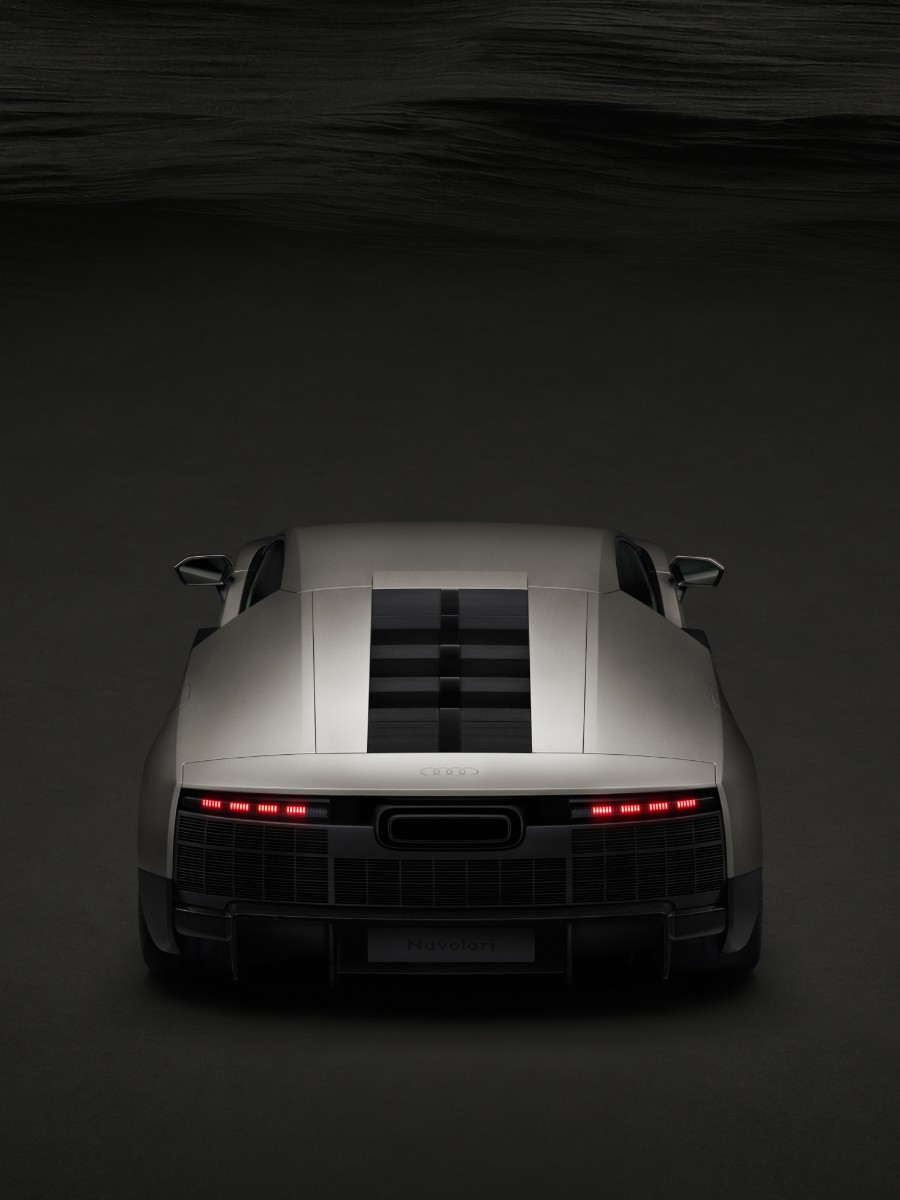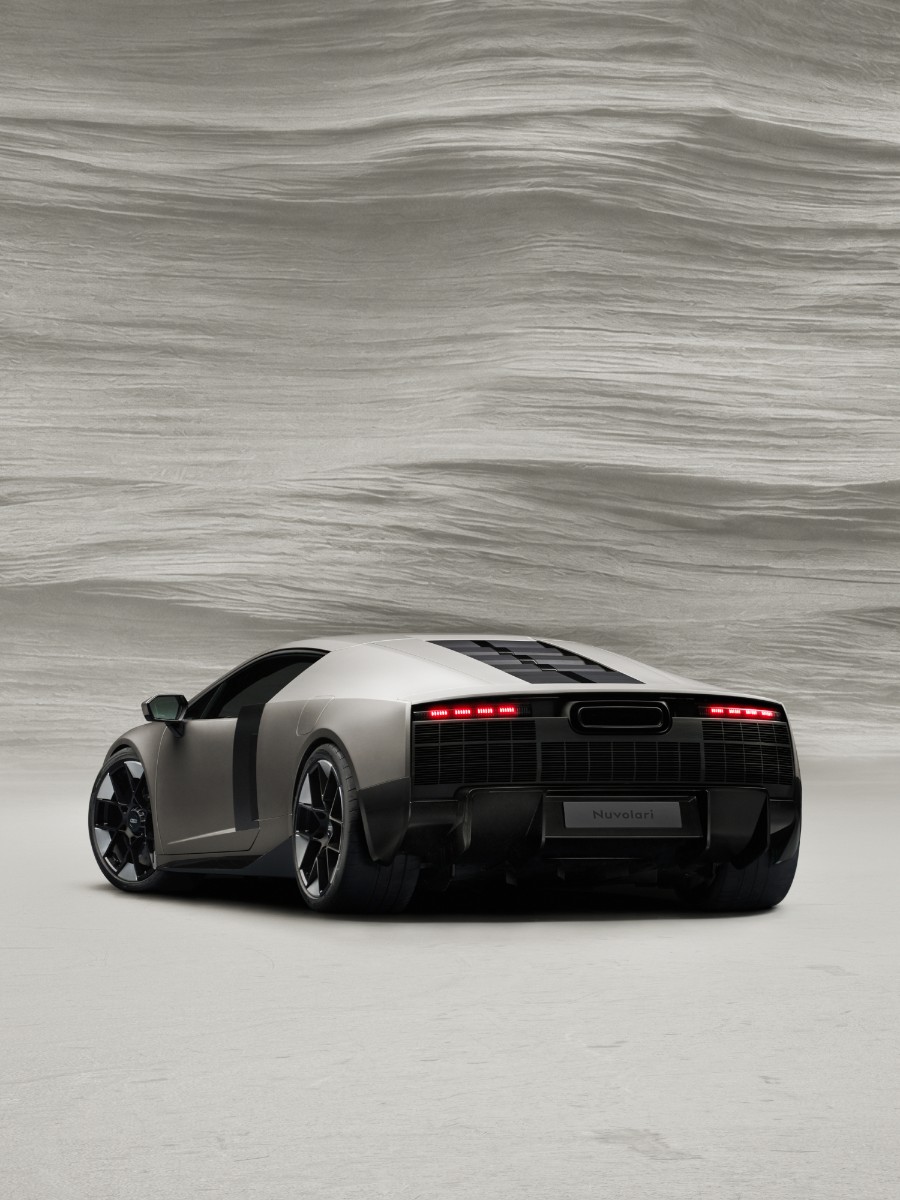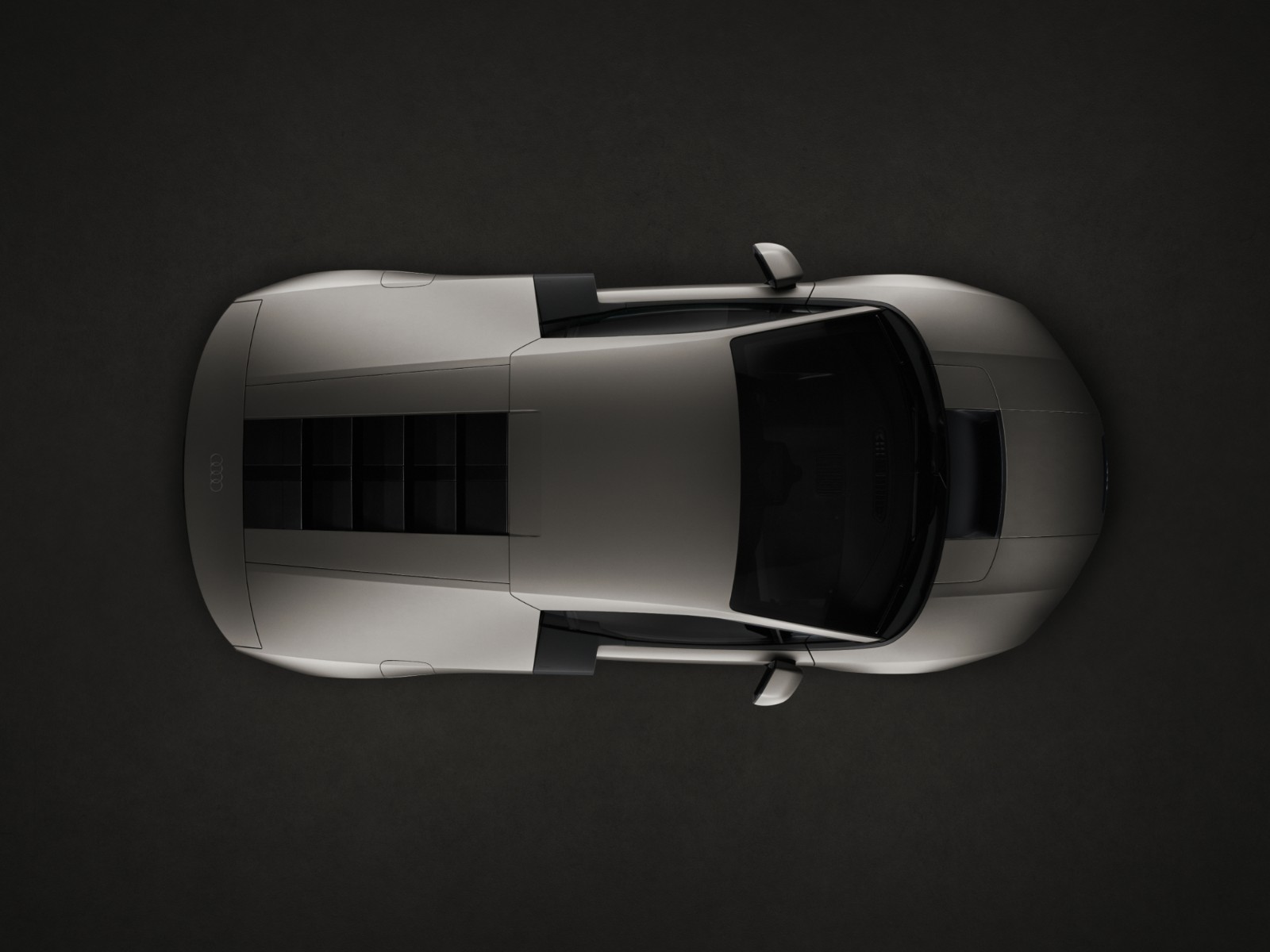
Audi Nuvolari Debuts as the Brand’s Most Powerful Production Car
Audi Nuvolari becomes the brand’s first hybrid supercar, combining a V8, three electric motors, 1,001 PS and Formula 1-inspired technology.
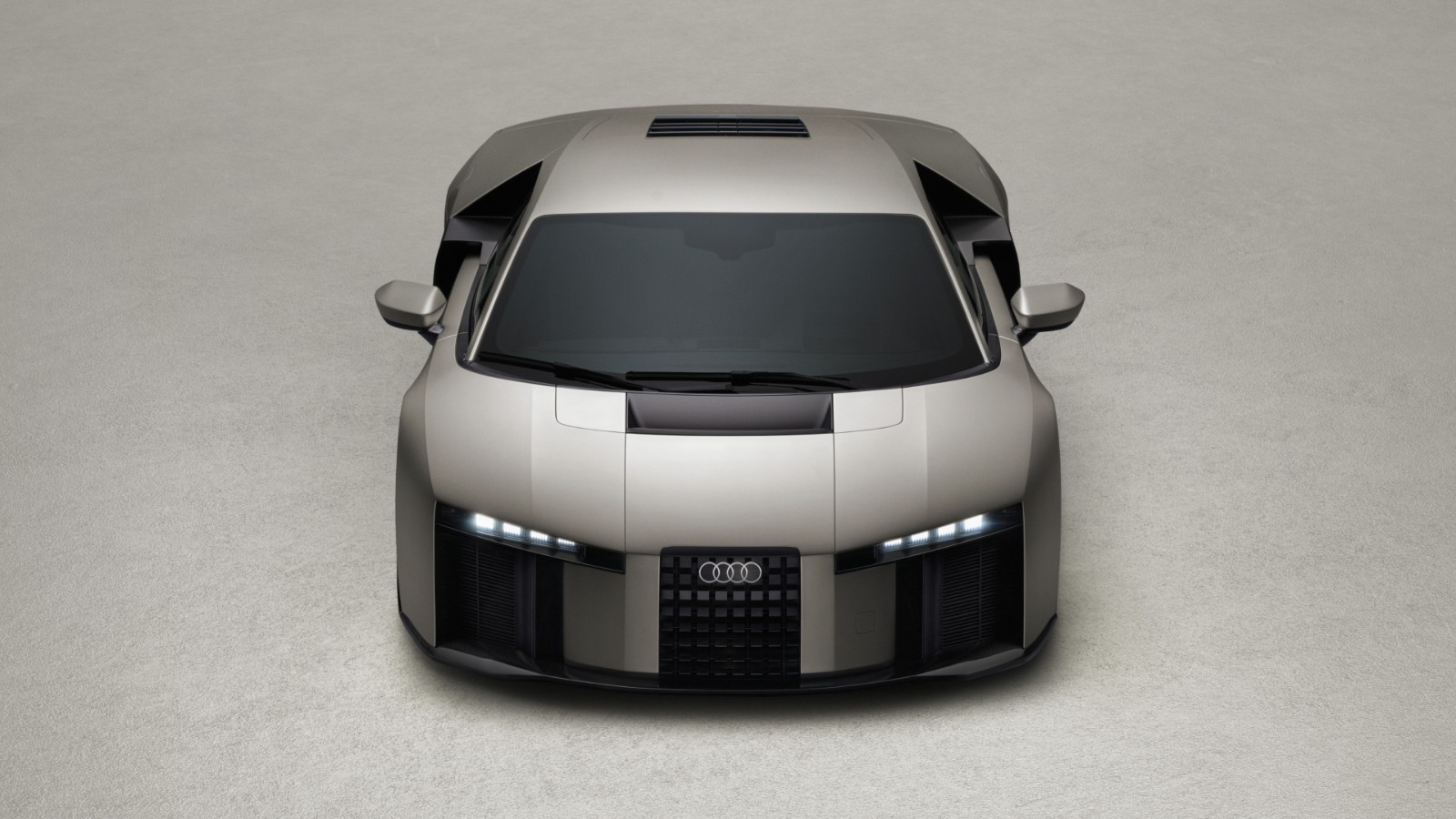
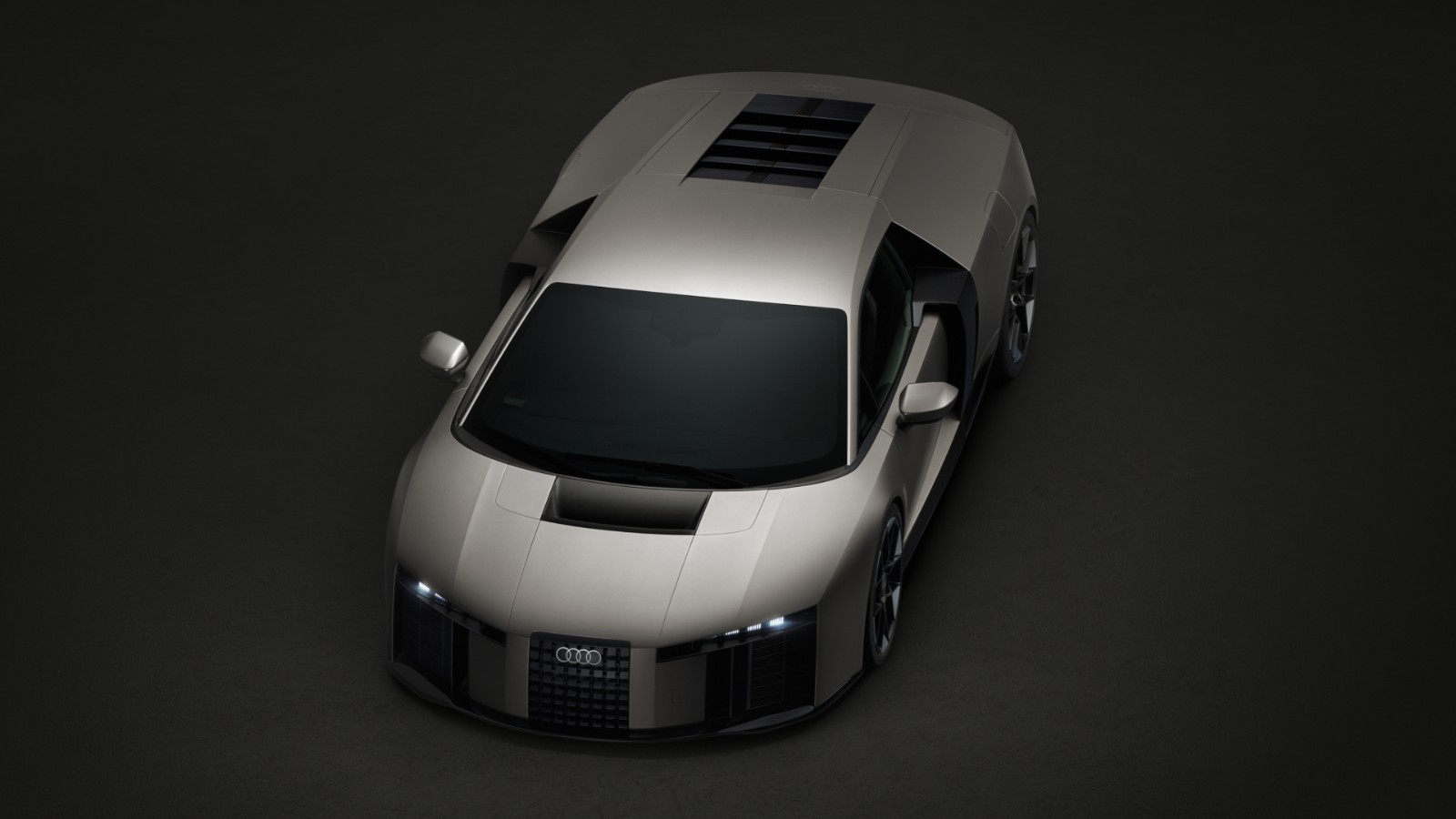
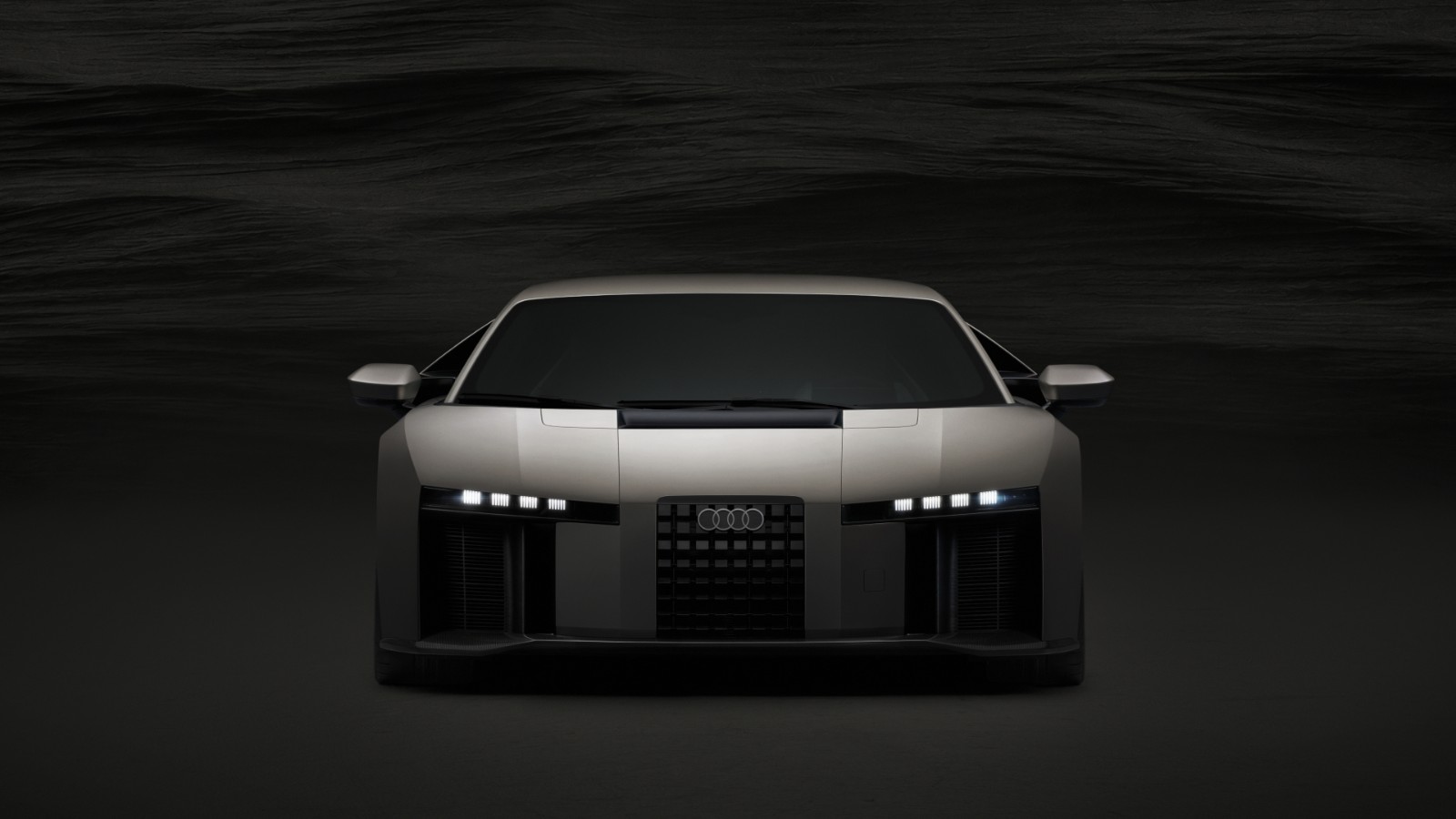
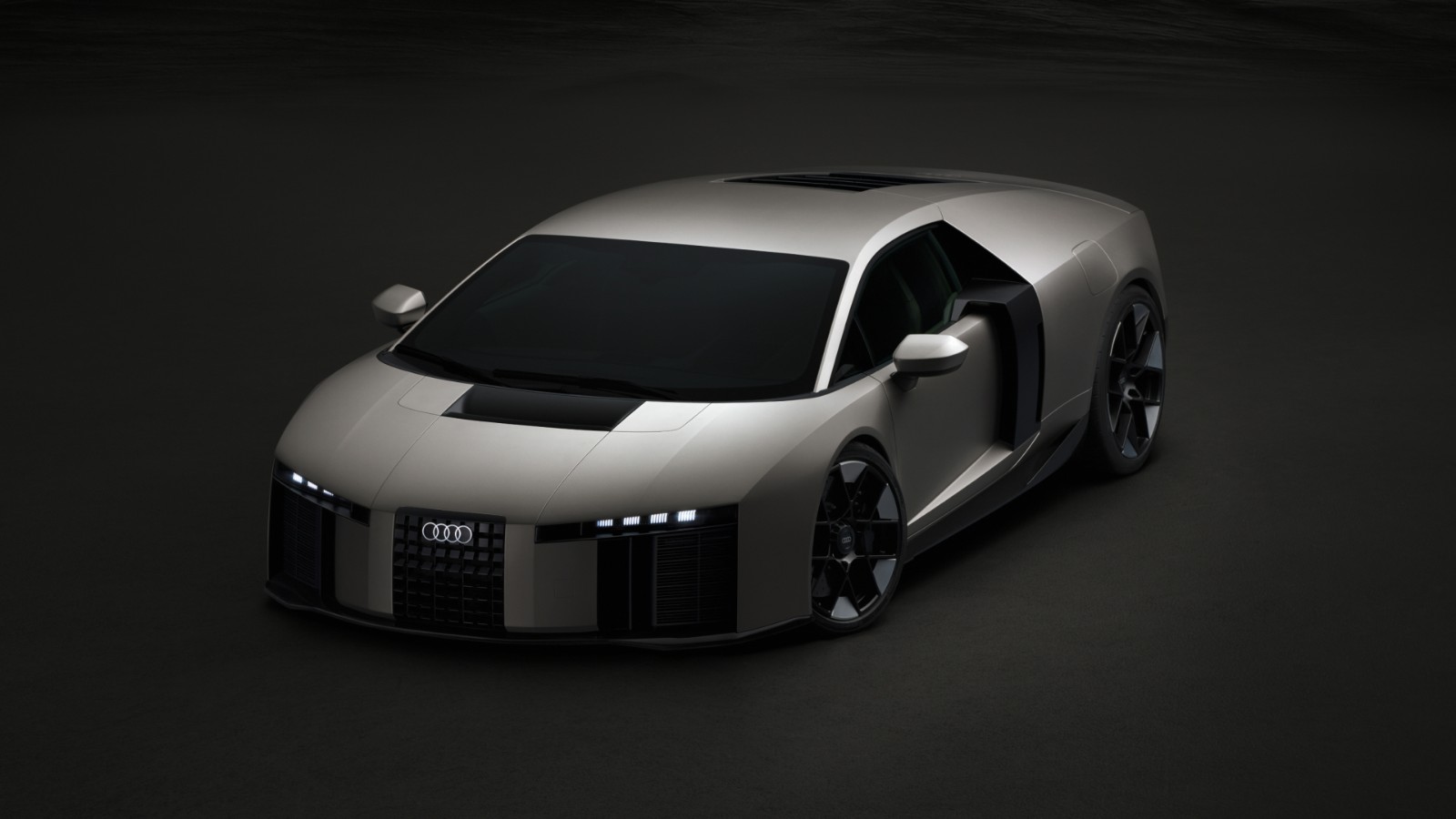
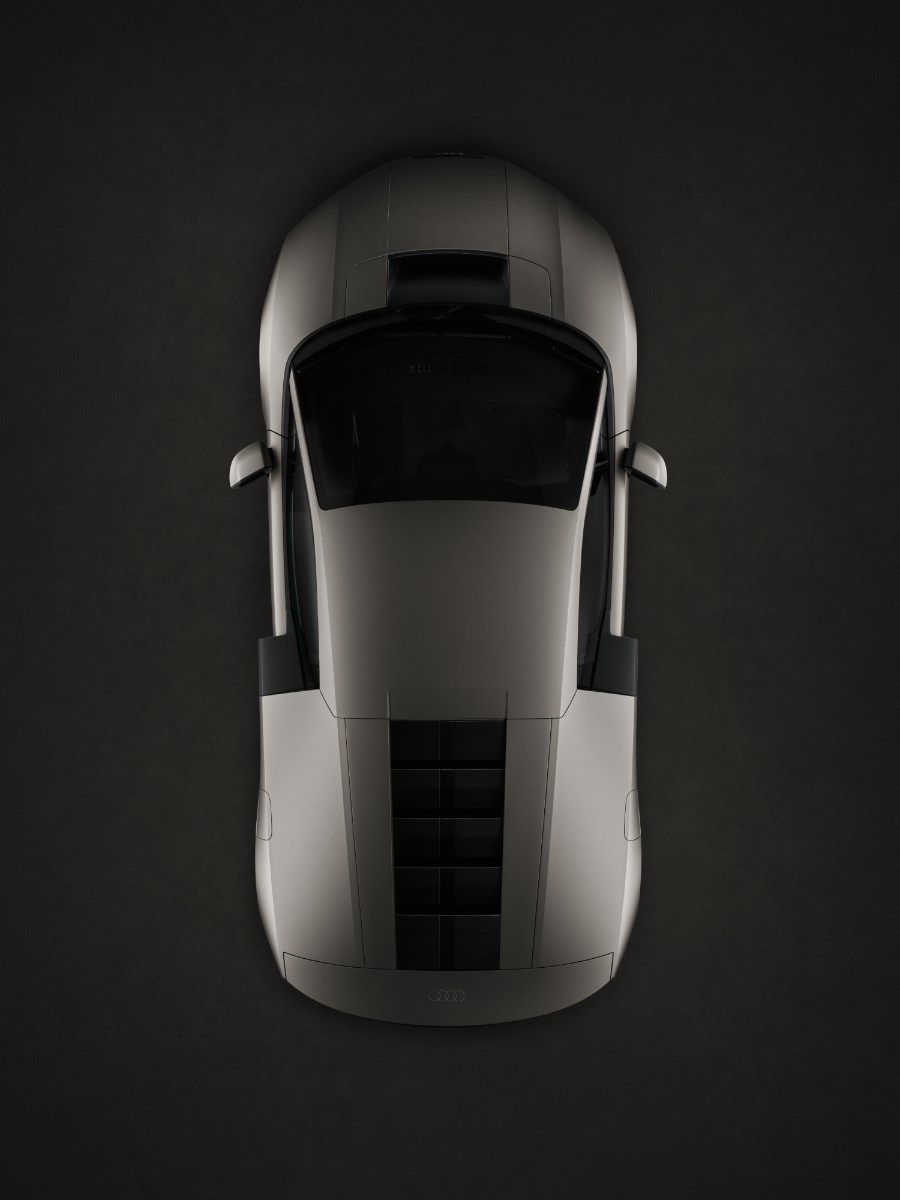
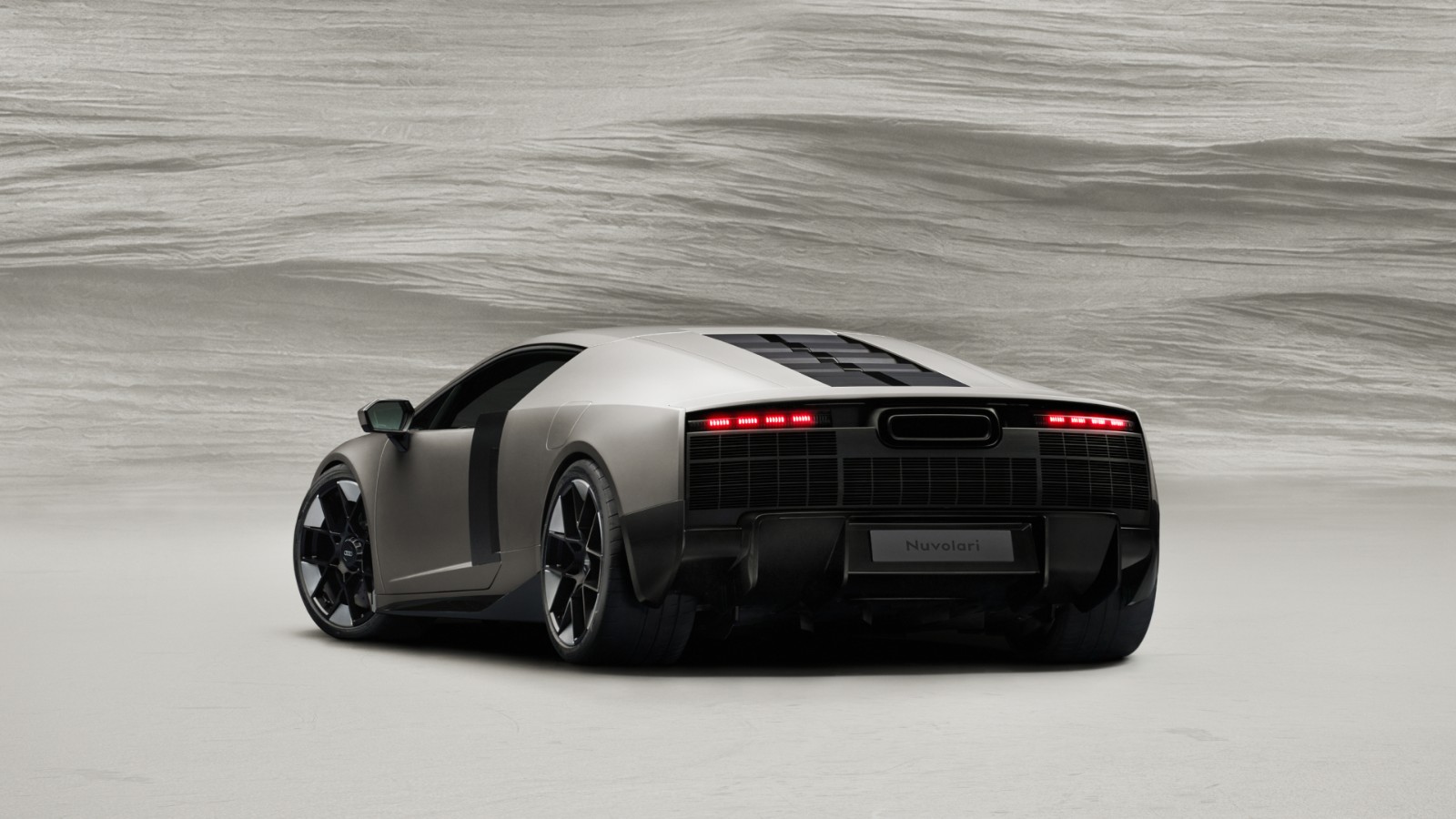
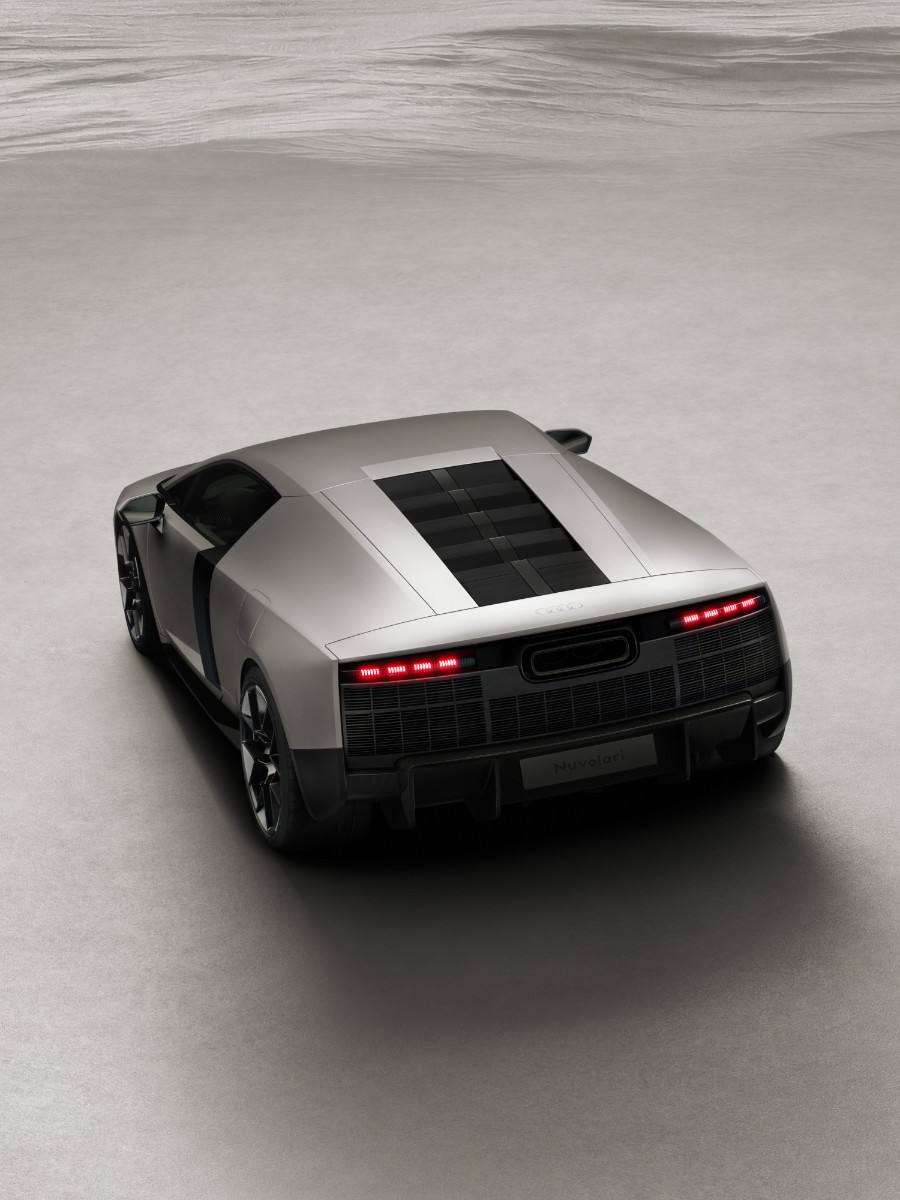
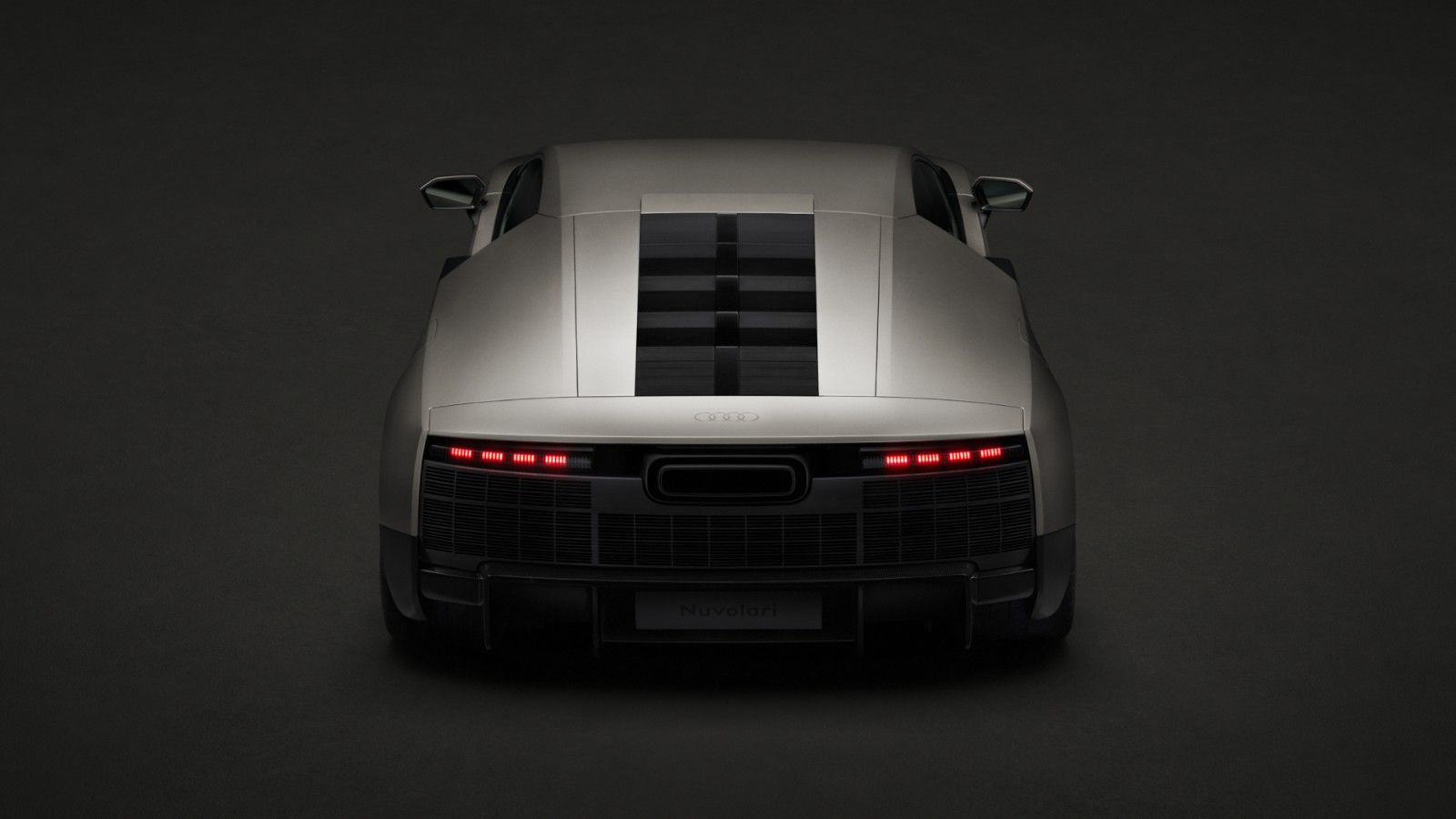
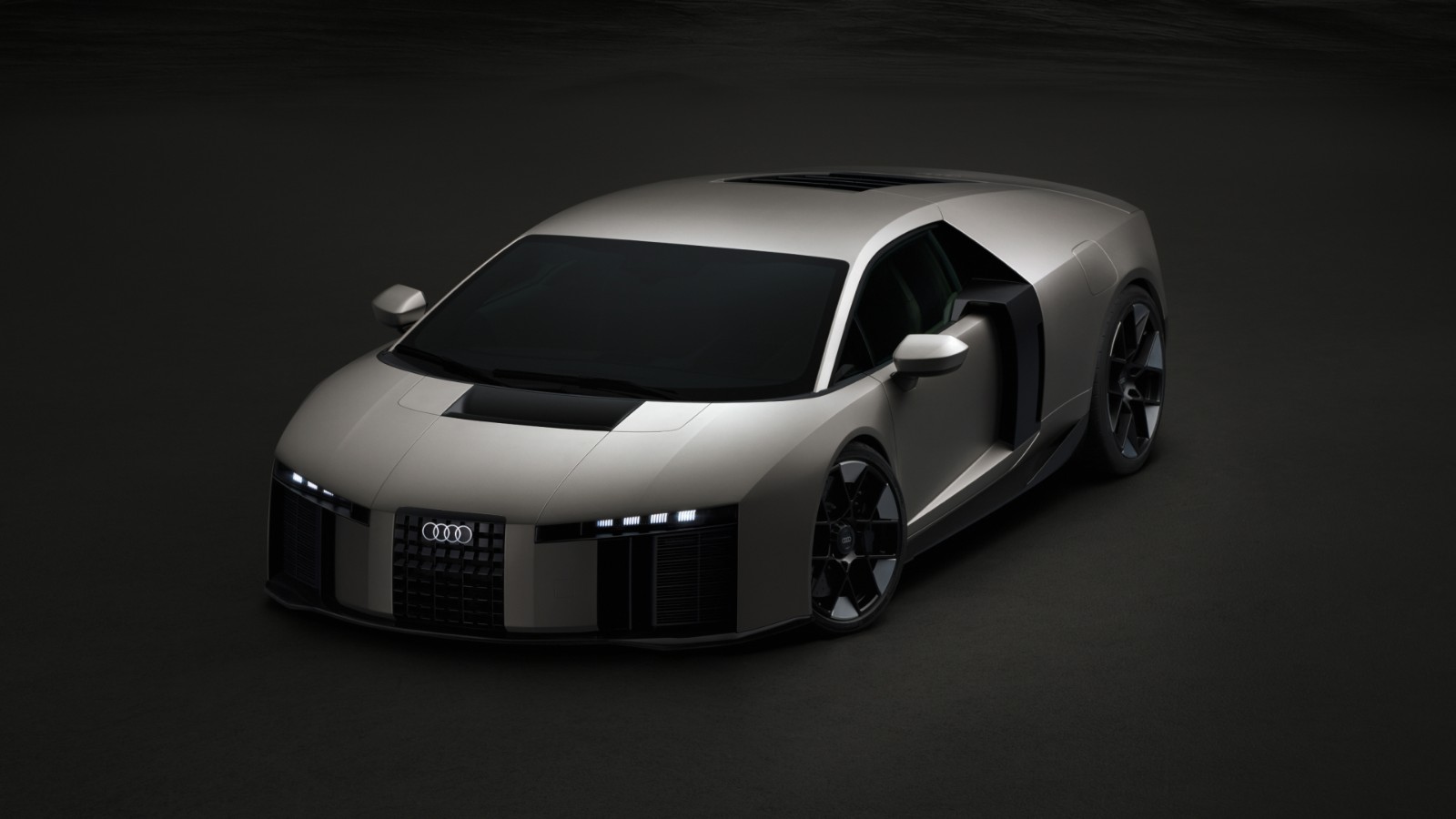
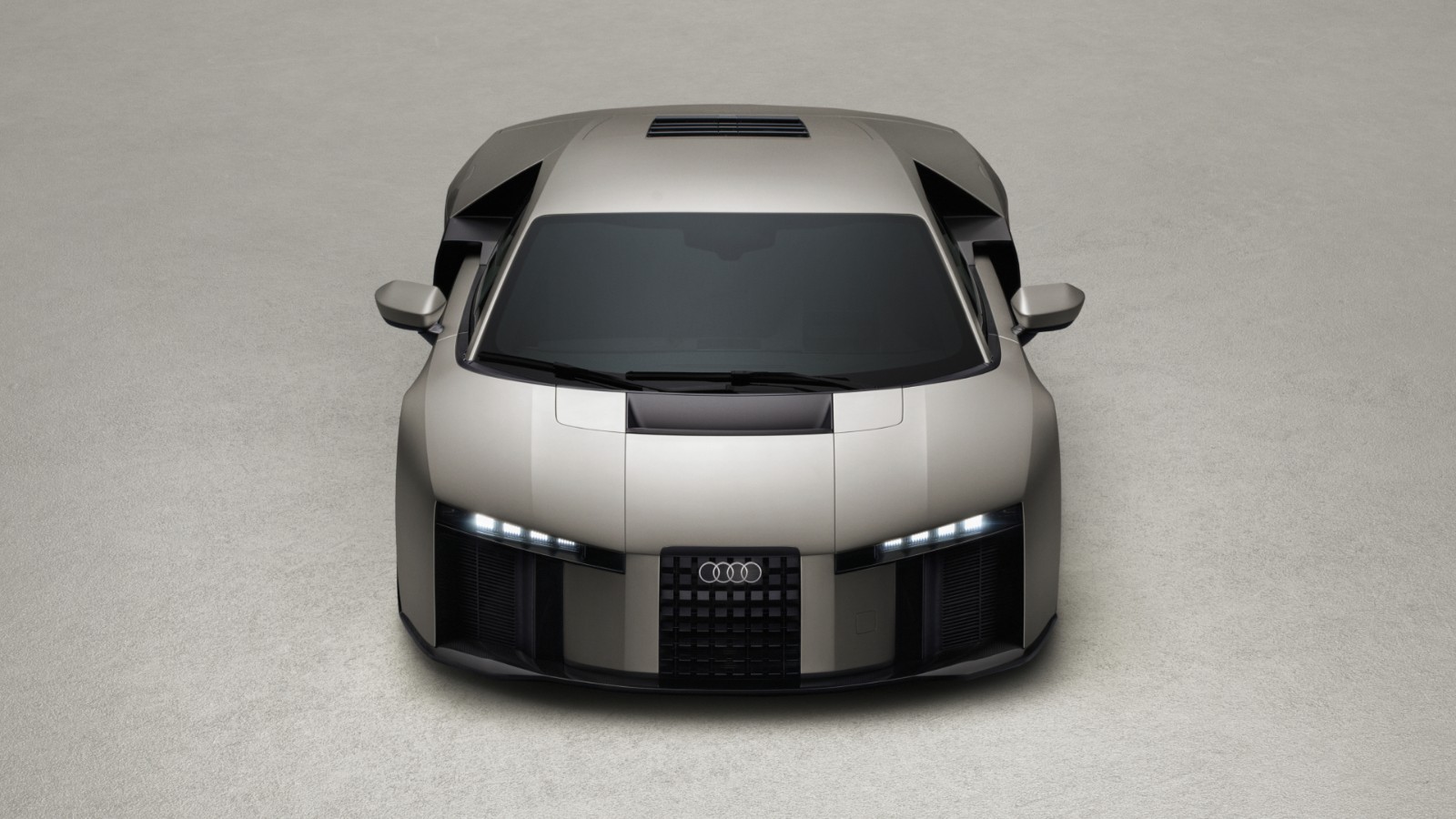
Audi has unveiled the Nuvolari, its first supercar with a high-performance hybrid powertrain. Limited to 499 units, the new flagship is set to become the fastest and most powerful production model in Audi history, with deliveries scheduled to begin in the first half of 2027.
The Nuvolari is powered by a 4.0-liter twin-turbo V8 and three axial-flux electric motors. Total output is 1,001 PS, or 736 kW. The V8 alone produces 800 hp and revs to 10,000 rpm, while the compact lithium-ion battery has a gross capacity of 7.3 kWh.
Performance places it deep in supercar territory. Audi claims 0–100 km/h in 2.6 seconds, 0–200 km/h in 6.8 seconds and a top speed of more than 350 km/h. These figures require the battery to be above 80 percent charge and at the correct temperature.
The hybrid system uses two electric motors on the front axle and a third motor positioned between the V8 and the transmission. This layout gives the Nuvolari electric torque vectoring at the front and supports Audi’s next-generation all-wheel-drive system, called quattro predictive ride.
That system continuously reads steering angle, acceleration, yaw rate and grip level, then adjusts torque distribution, braking and aerodynamics before the car loses traction. The driver can choose between E-Hybrid, Balanced, Dynamic and Dynamic+ modes, plus a dedicated Track Mode with adjustable traction settings.
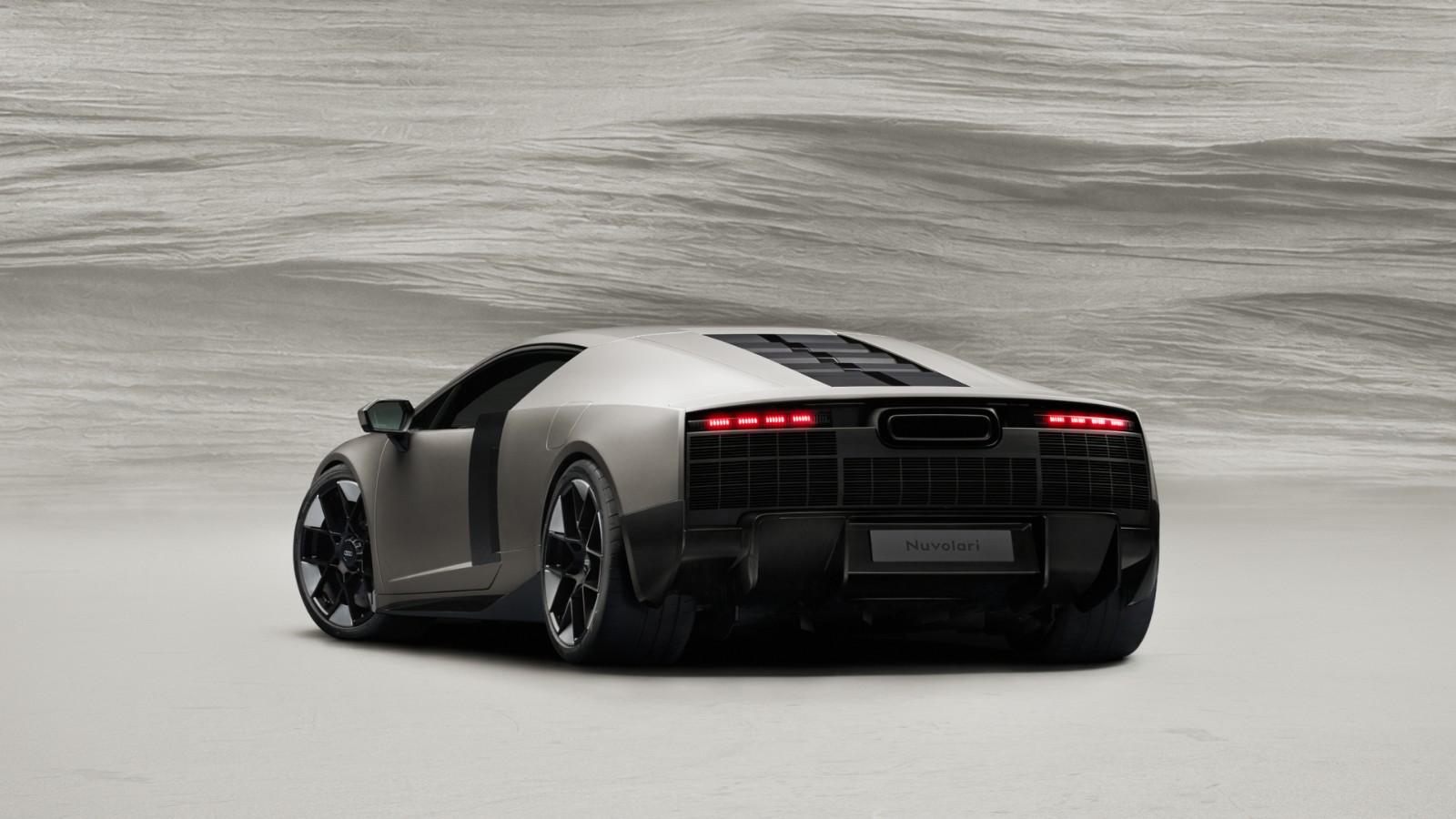
The chassis uses a new version of the Audi Space Frame combined with a carbon-fiber exterior, a first for the brand. Almost all exterior panels are made from CFRP using Formula 1-derived production methods, while forged center-lock wheels also appear on a production Audi for the first time.
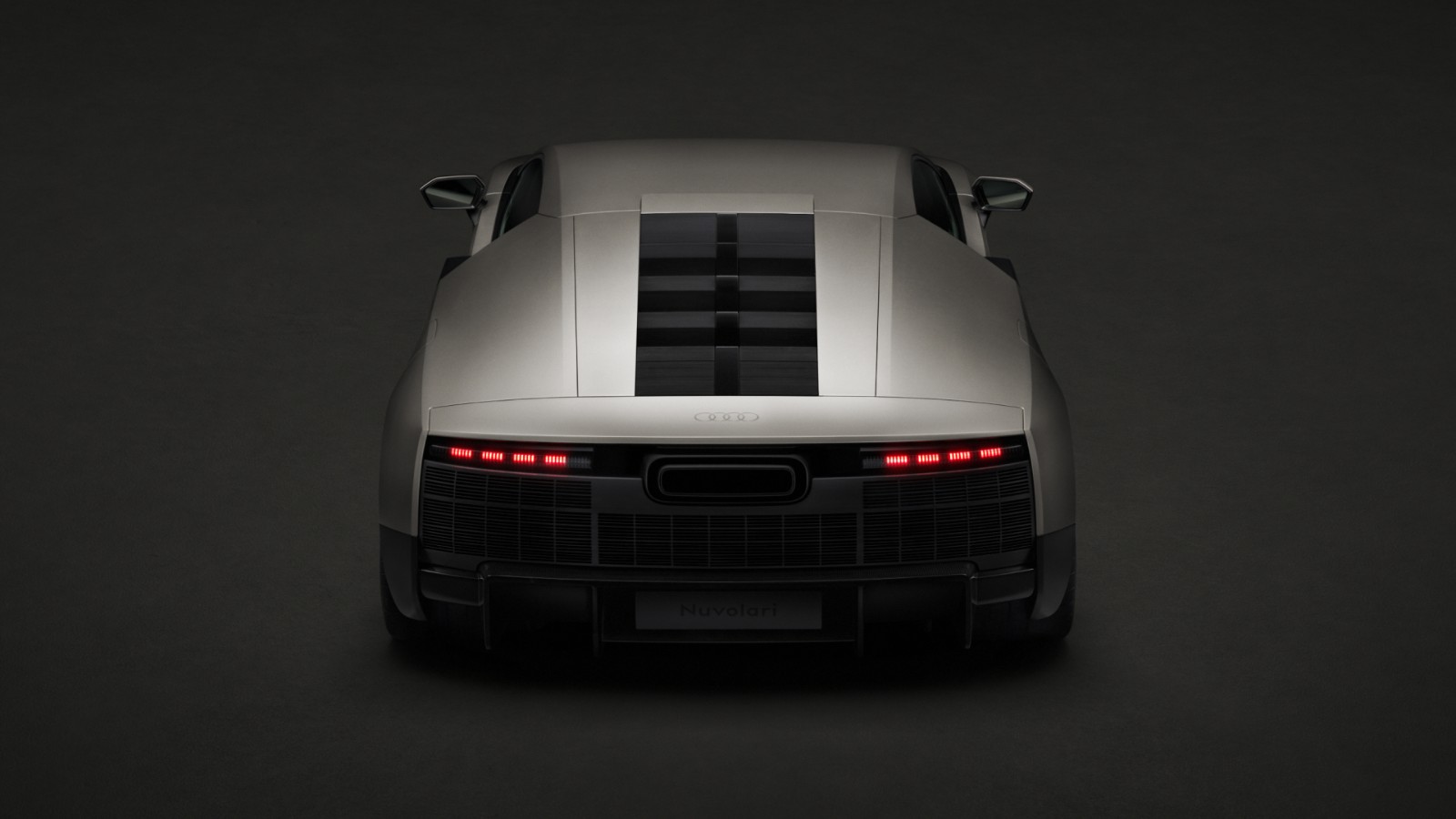
Aerodynamics are active and heavily influenced by motorsport. The car has a front S-duct, functional intakes, a rear diffuser and an adaptive rear wing with three positions: Closed, Low Downforce and High Downforce. In its maximum setting, the aero package can generate more than 400 kg of downforce. A Formula 1-style DRS function can also be activated from the steering wheel.
Audi has also developed a new energy-management system. Recuperation and boost are linked to torque distribution, while electric braking of up to 0.3 g can cover many everyday and dynamic braking situations. Launch Control uses stored electrical energy to maximize acceleration.
The braking system is equally extreme. The Audi Ceramic Pro setup combines brake-by-wire control with carbon-ceramic hardware derived from Formula 1. The front brakes use ten-piston calipers and 420 mm discs, while the rear gets four-piston calipers and 410 mm discs. Audi says the system can absorb up to 2.8 megawatts of energy, comparable to a current F1 car.
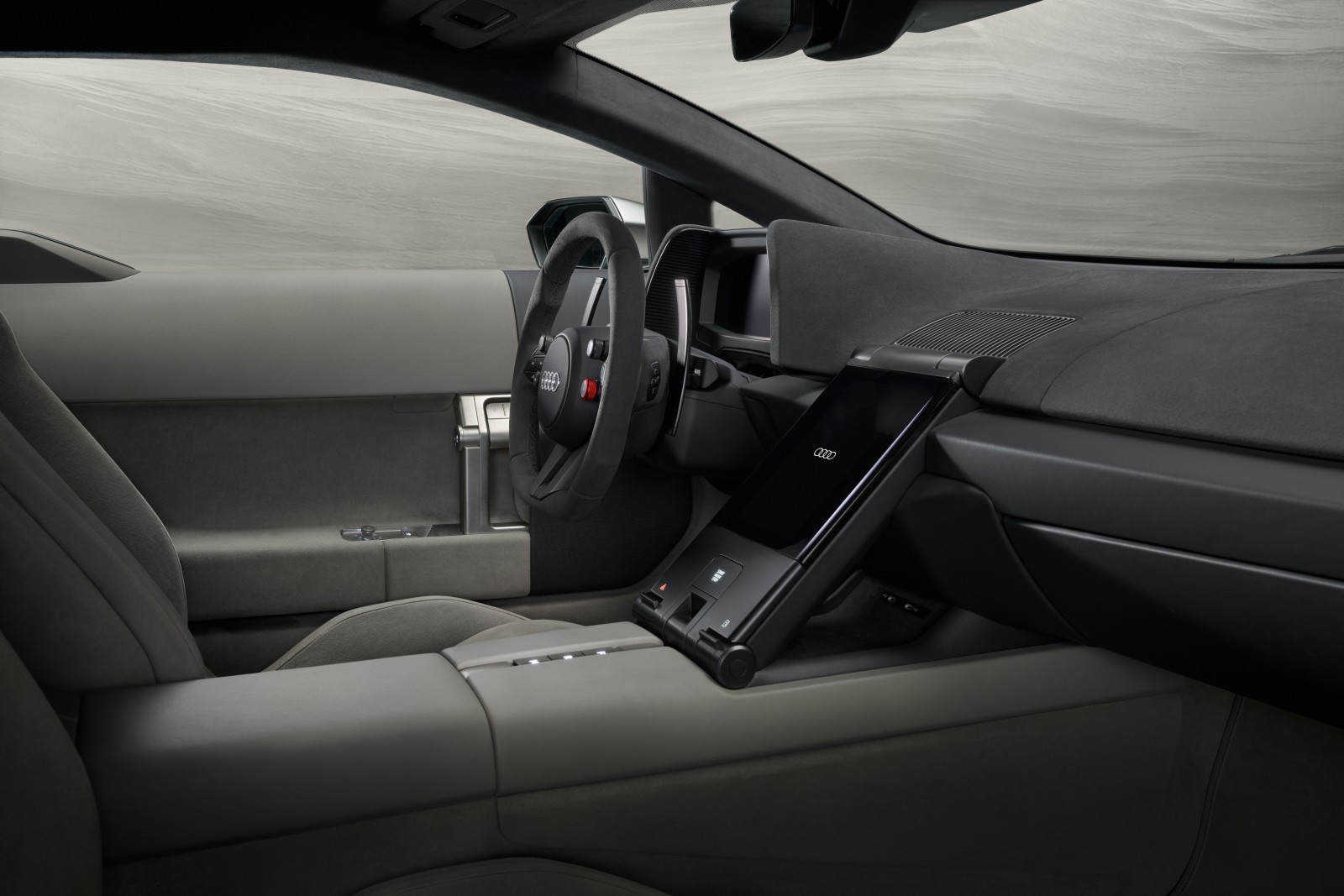
Inside, the Nuvolari takes a focused approach. The cabin is built around the driver, with essential controls placed directly in view and a mix of digital displays and physical controls. Audi uses dark tones in the front section to support concentration, while the rear area is finished in a lighter Shadow Dune shade.
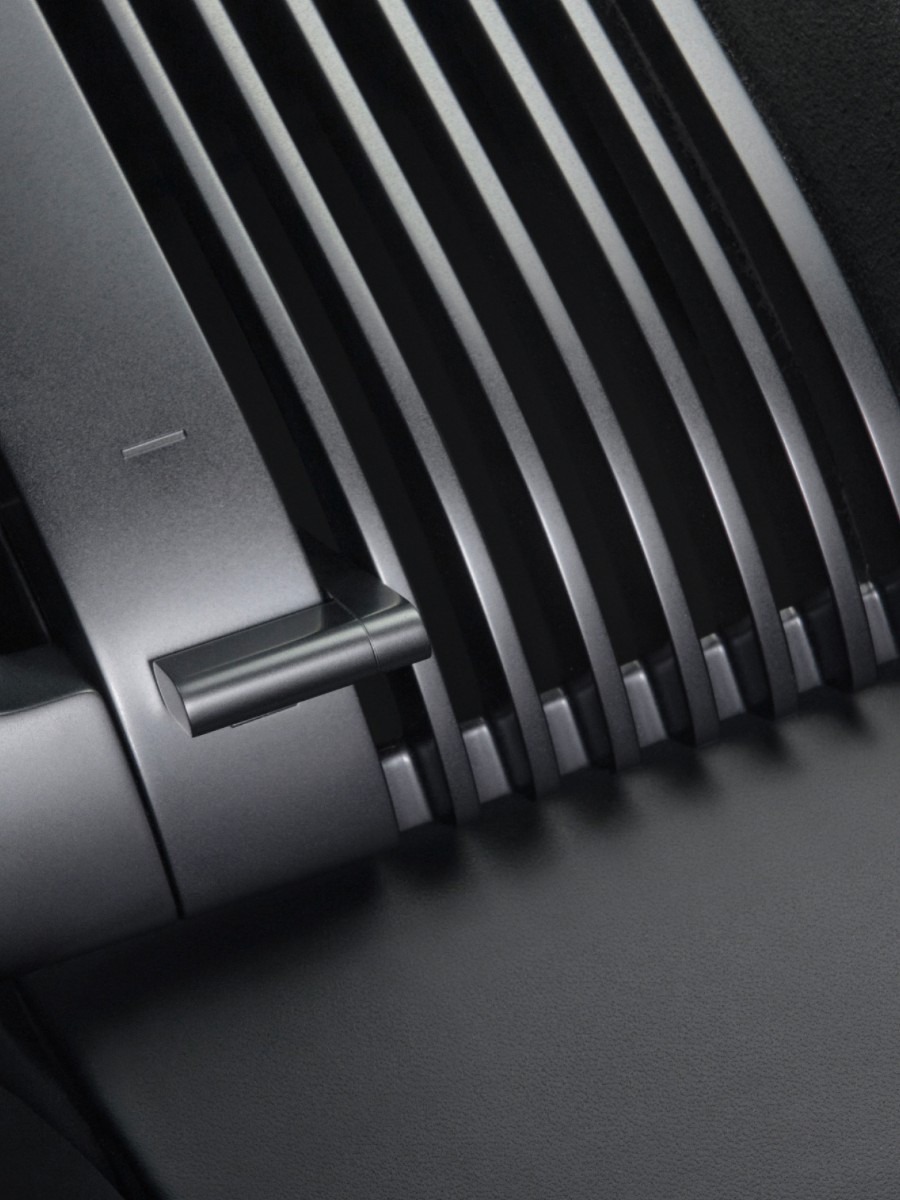
The lightweight seats use a carbon-fiber structure for lower weight and stronger lateral support. Details such as the air vents and central display frame are made from anodized aluminum, while HMI color accents reference the historic Auto Union Type C race car.
The name honors Tazio Nuvolari, the legendary Italian racing driver known for his fearless style and major pre-war motorsport achievements. For Audi, the Nuvolari is also a bridge to its Formula 1 program, using motorsport as a direct source for road-car technology.
Gallery