AUDI E7X Debuts in Beijing as the Brand’s First Electric SUV for China
AUDI E7X debuts in Beijing as the brand’s first China-focused electric SUV, combining SAIC-based EV hardware with a tech-heavy luxury cabin and advanced driver assistance.
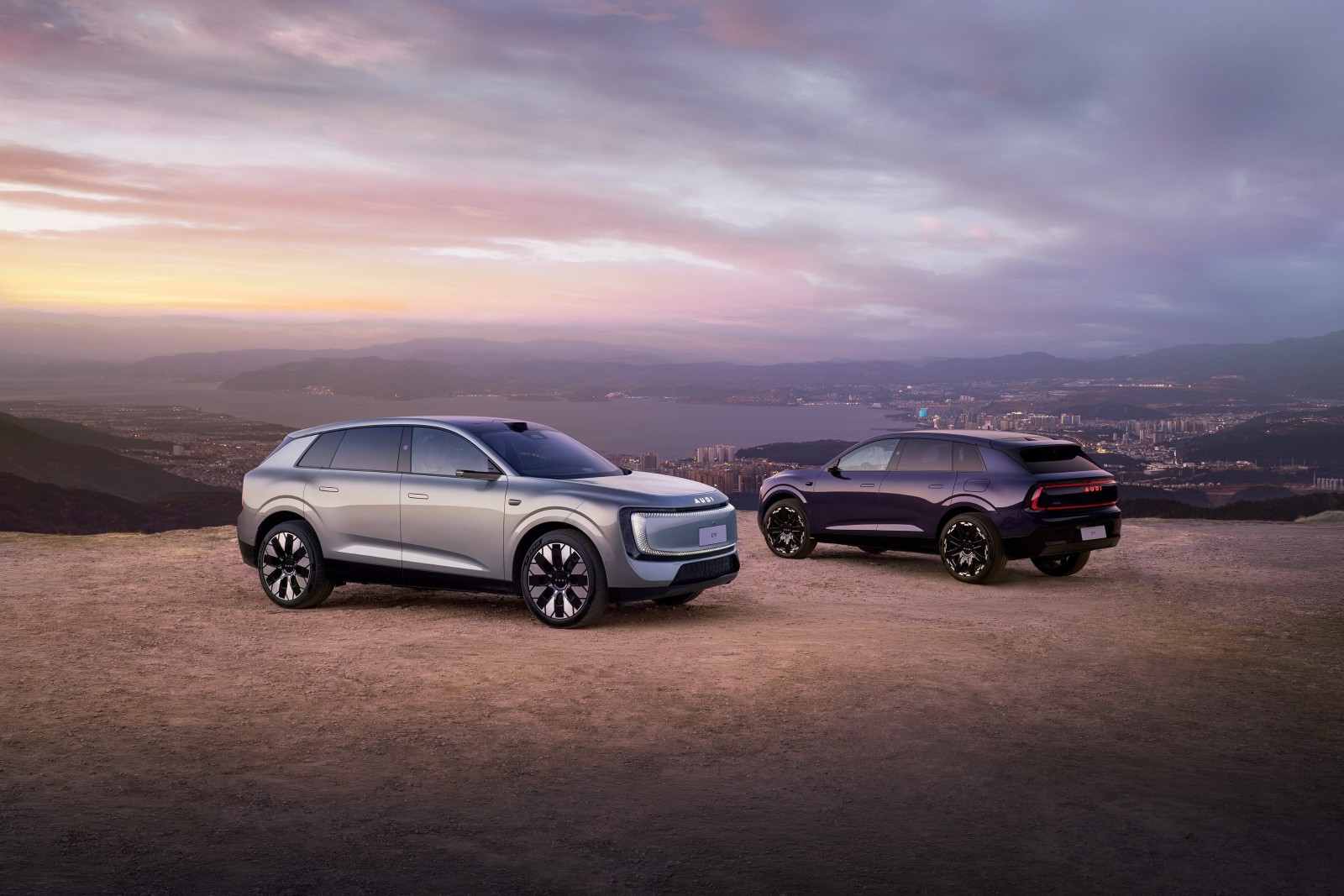
AUDI’s China-only lineup is getting its most important model yet. After launching the E5 Sportback as the first product from the new SAIC-backed AUDI brand, the company has now revealed the E7X, a large electric crossover designed specifically for Chinese buyers.
The new AUDI brand, written in capital letters and without the traditional four-ring badge, was created by Audi and SAIC at the end of 2024. Its first model, the E5 Sportback, introduced the design language and technology direction of the project, but the wagon-like body style was never expected to be the brand’s biggest volume seller in China. The E7X moves into a far more popular segment: large electric SUVs.
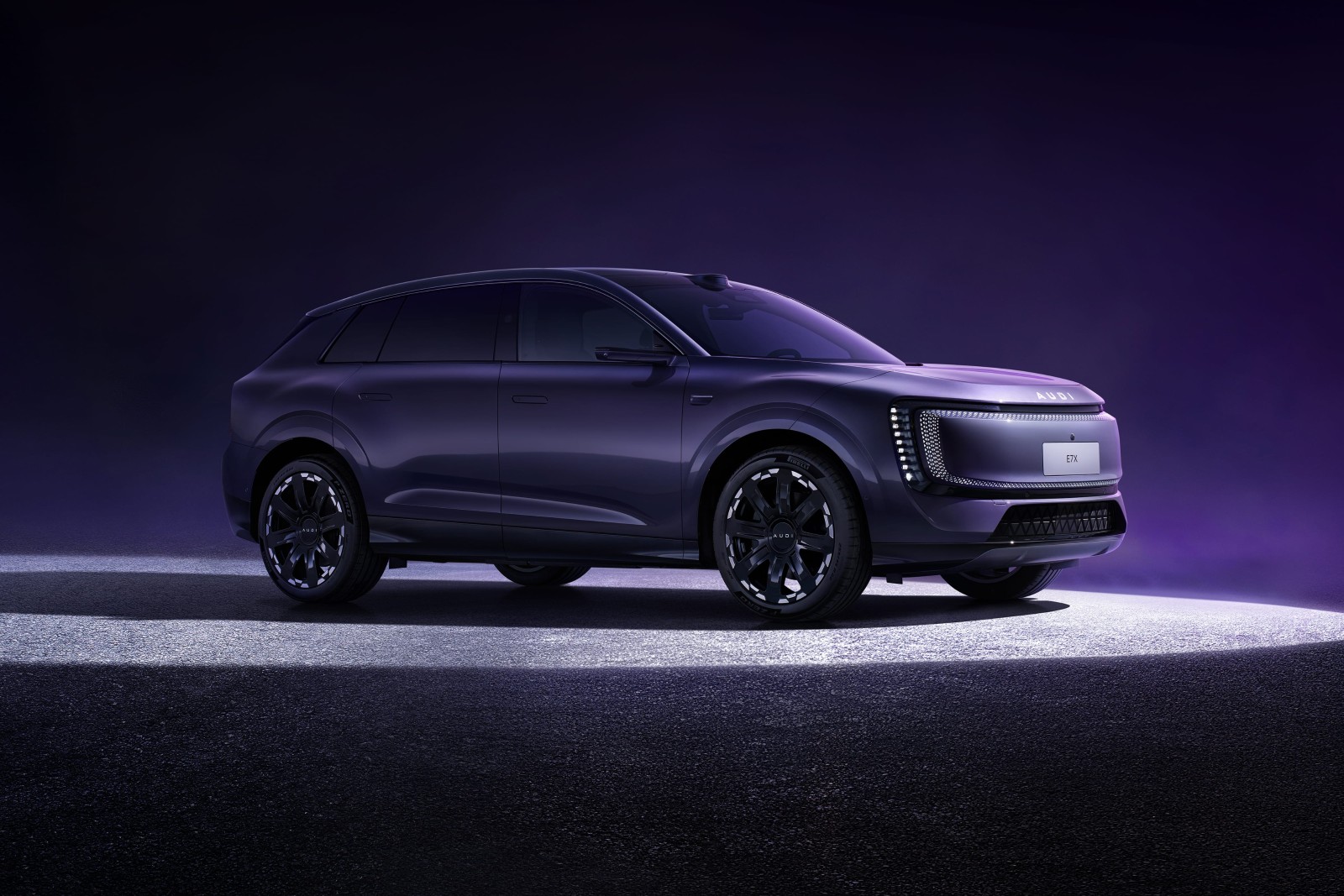
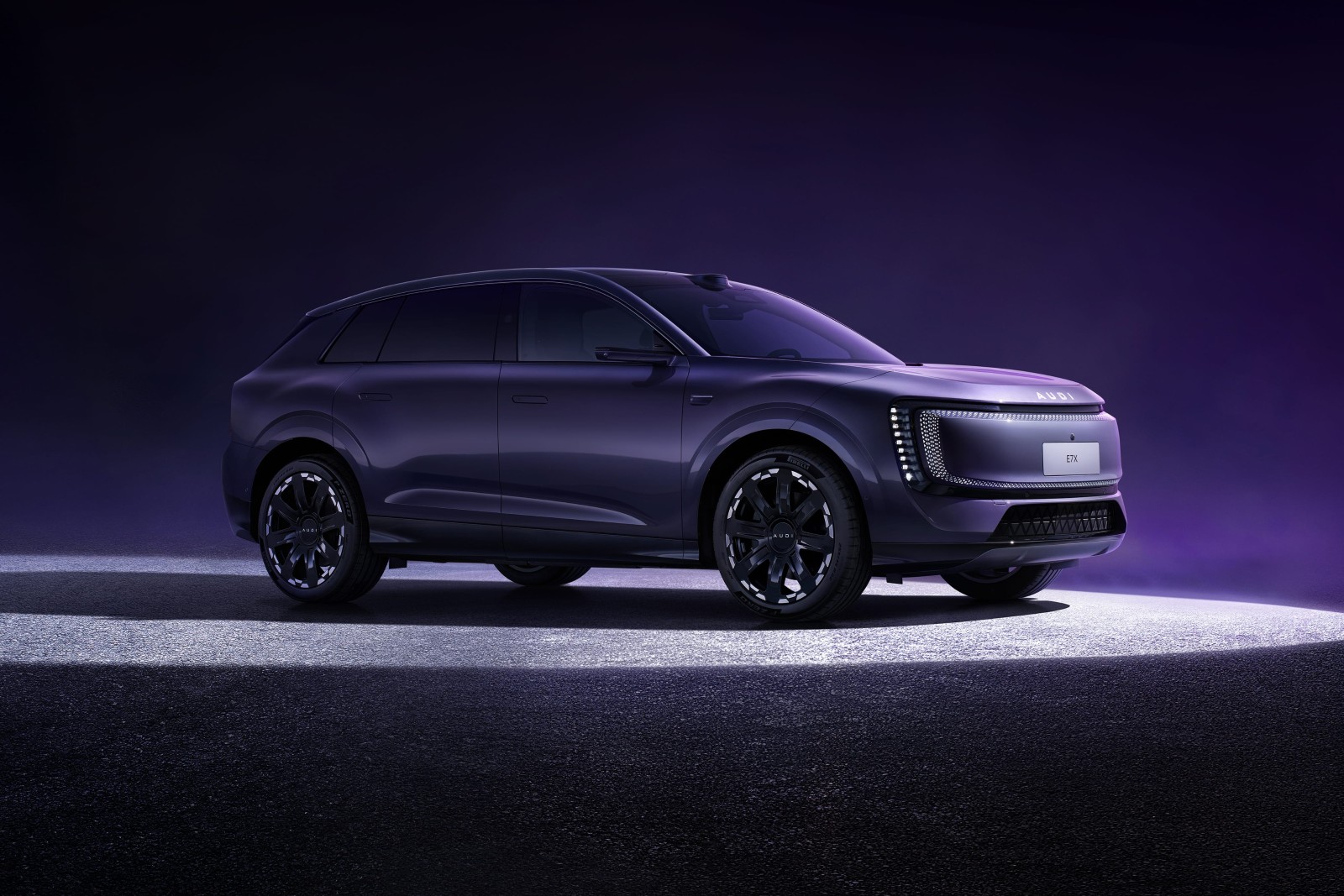
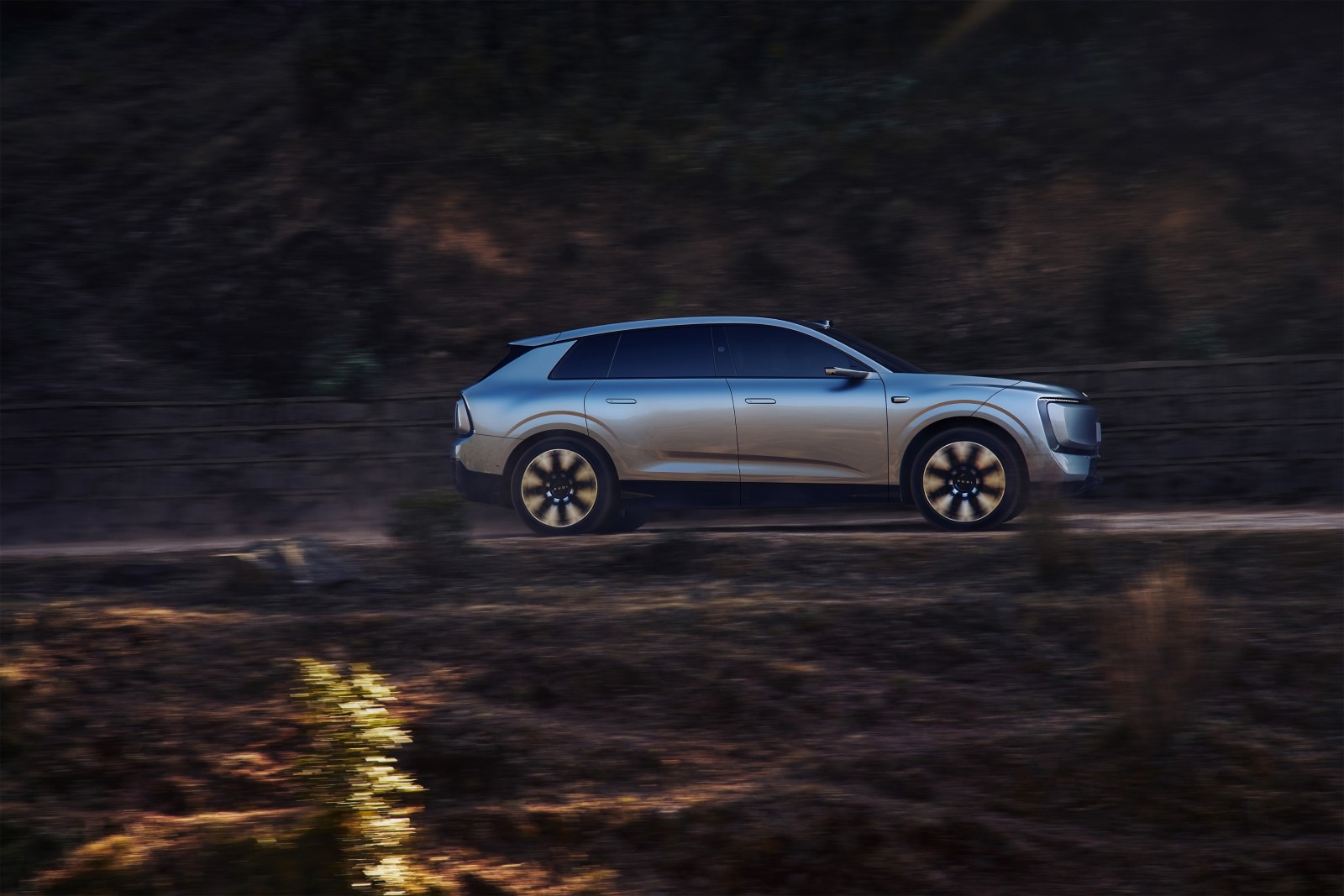
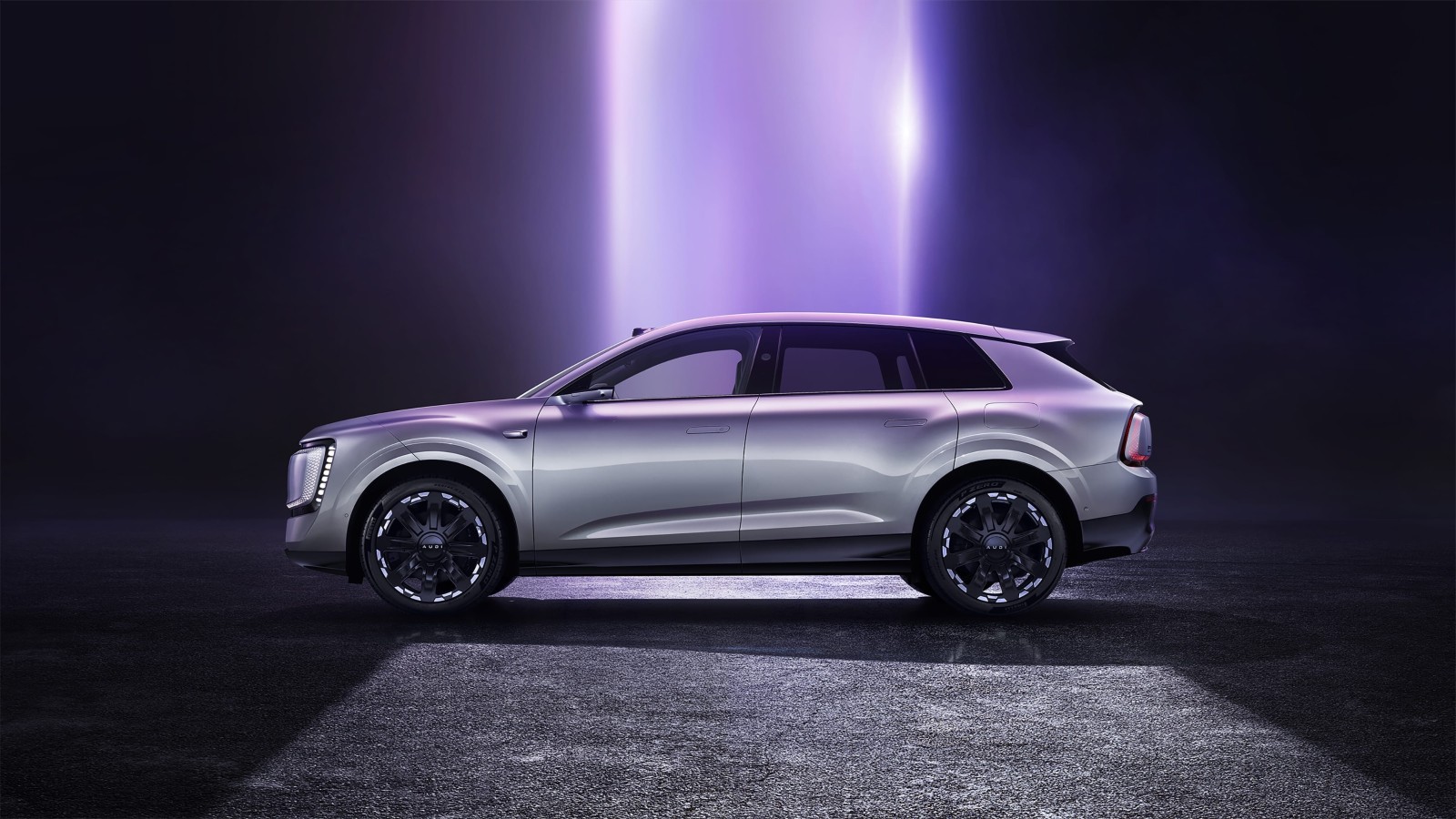
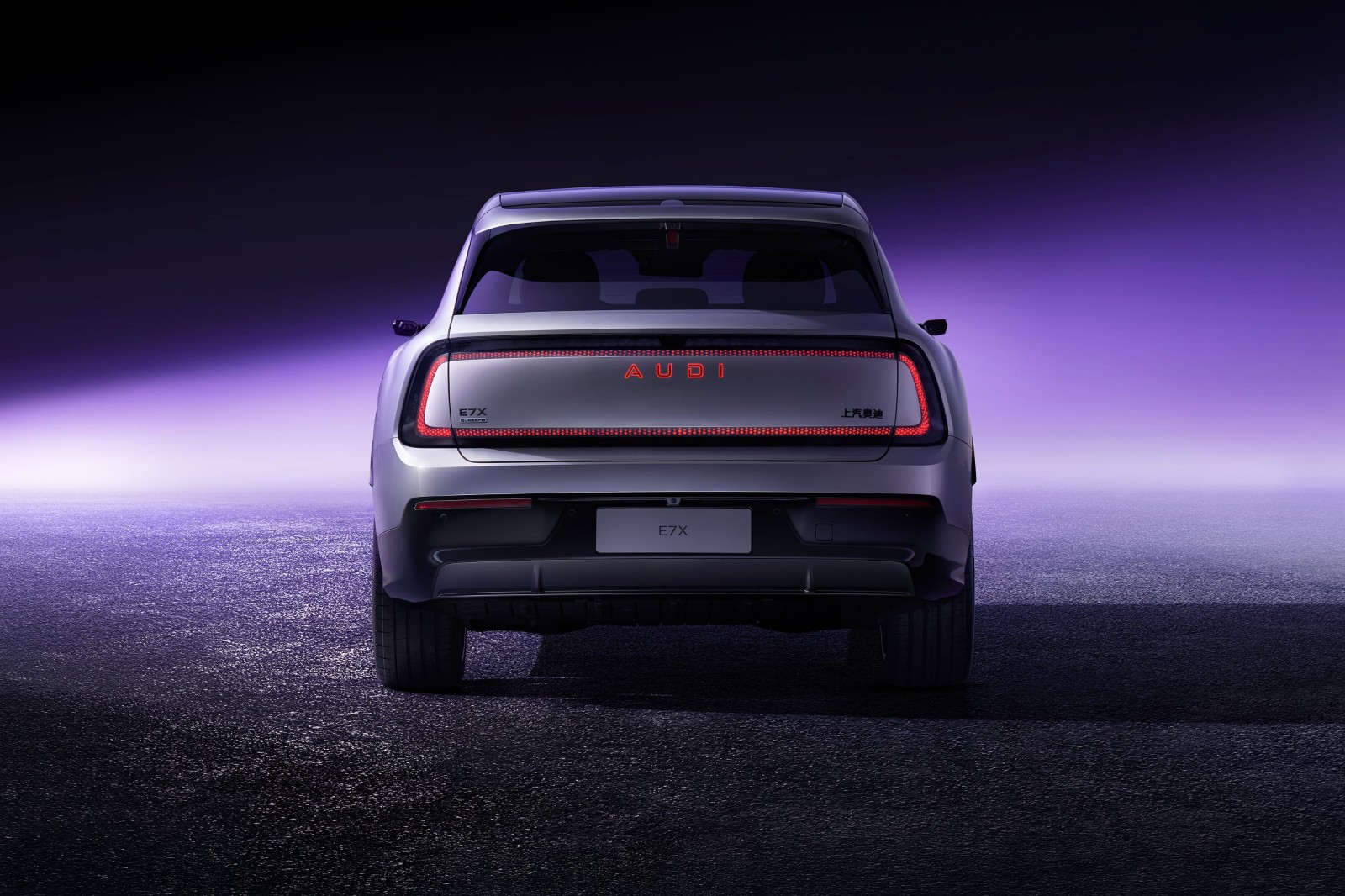
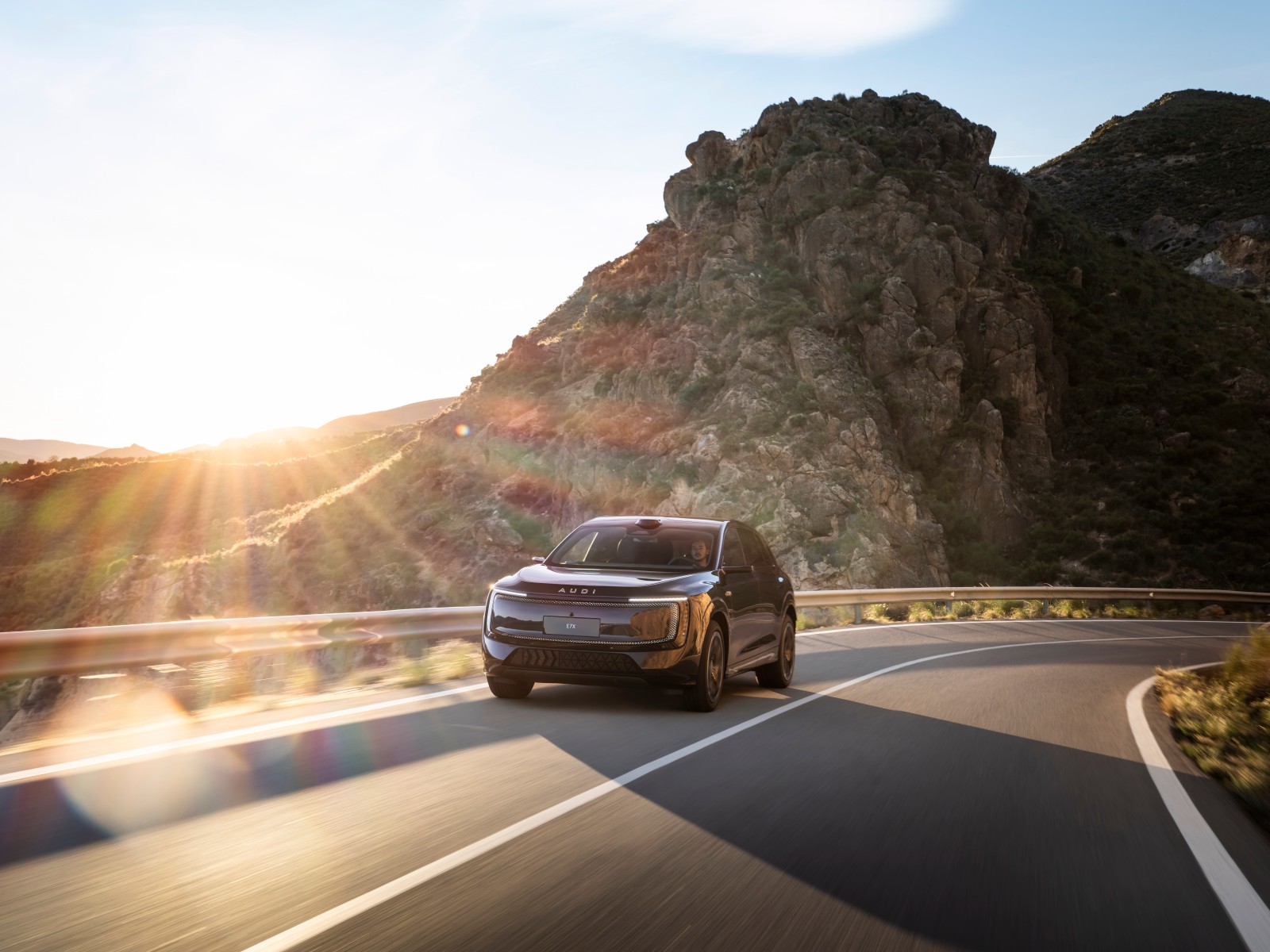
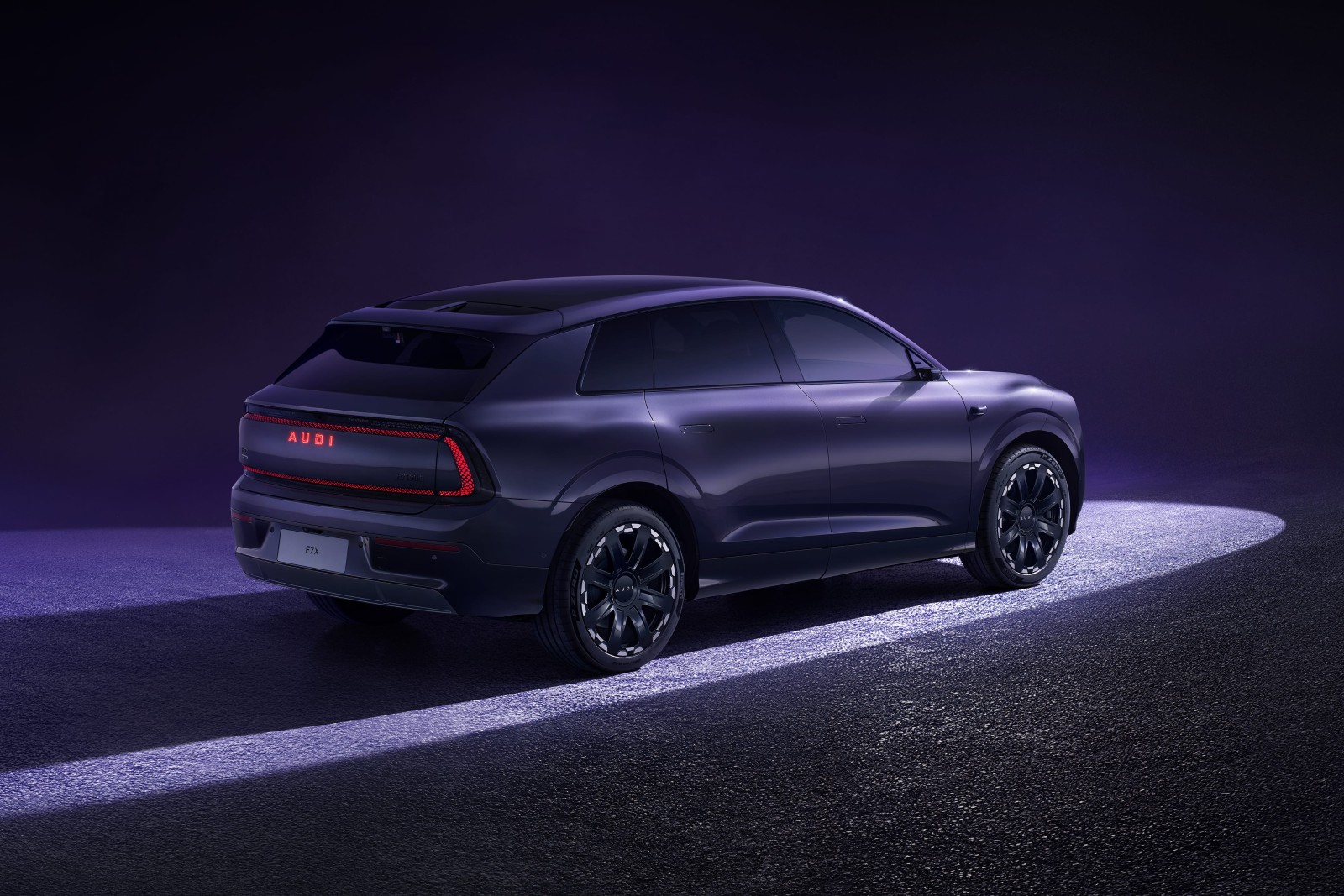
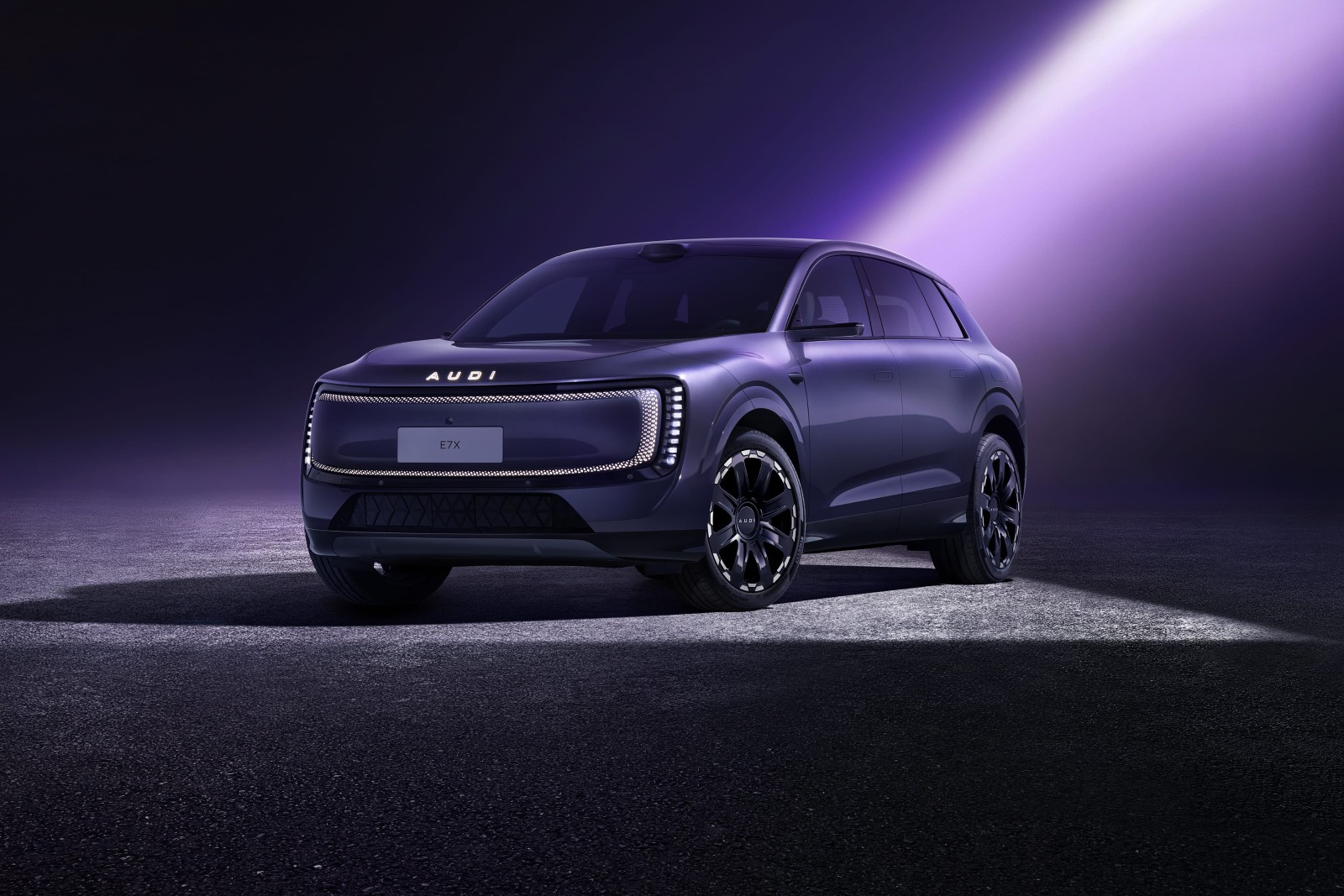
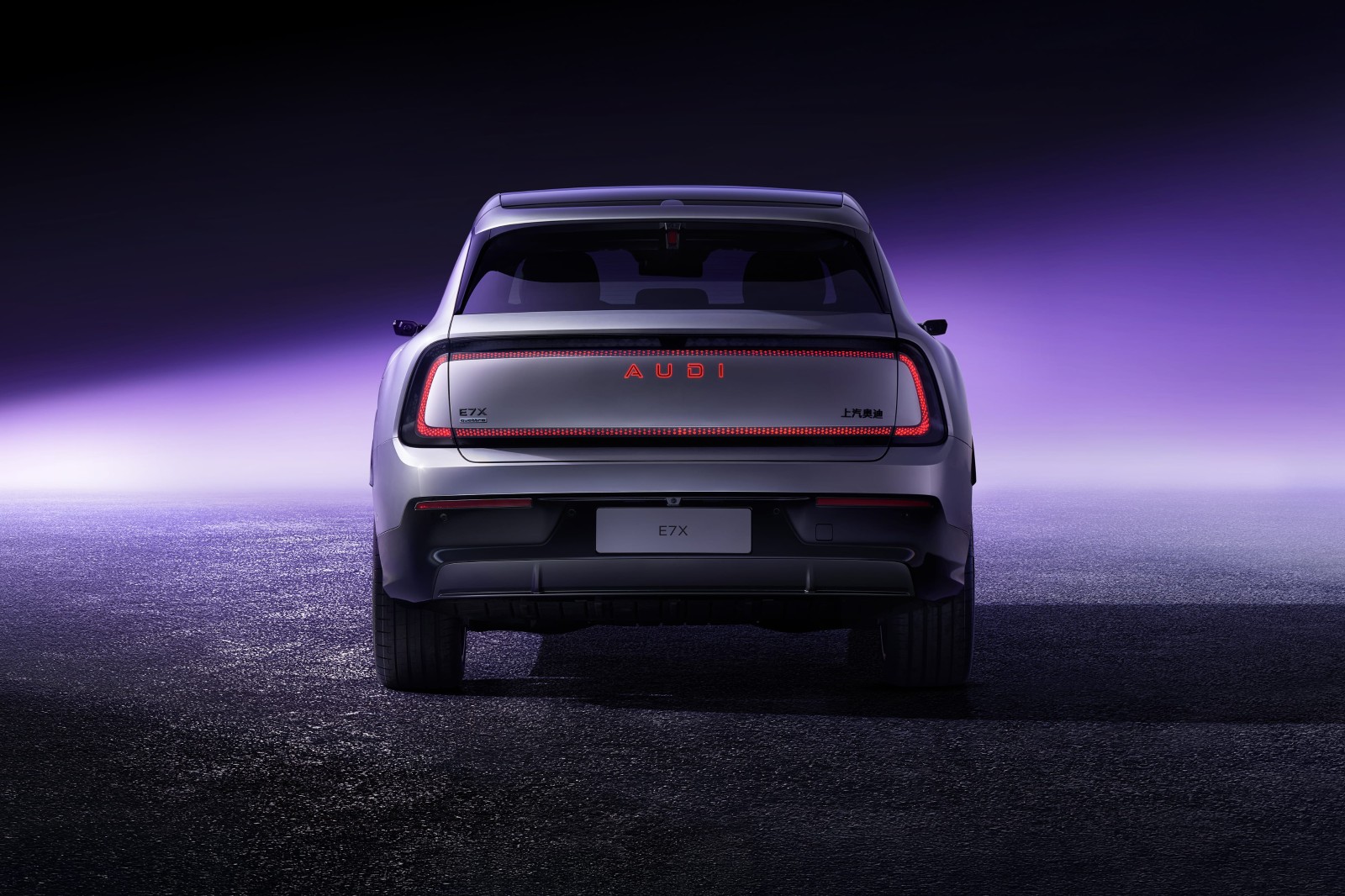
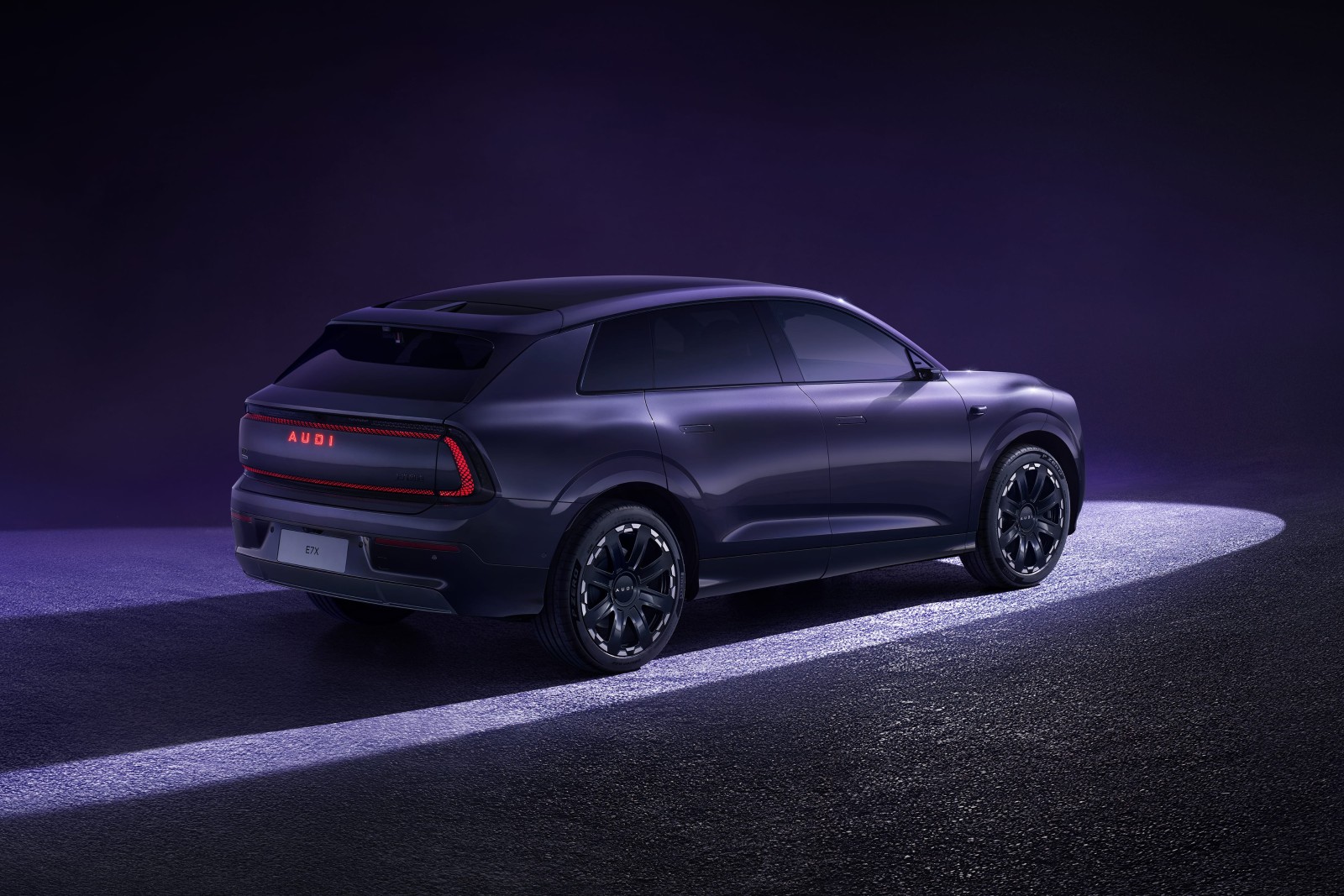
The production model stays very close to the earlier AUDI E SUV concept. Its body has short overhangs, sculpted side panels and a clean, digital-looking design. Both the front and rear ends feature complex lighting signatures, including illuminated AUDI lettering. Traditional mirrors have been replaced by cameras, and the doors use retractable handles.
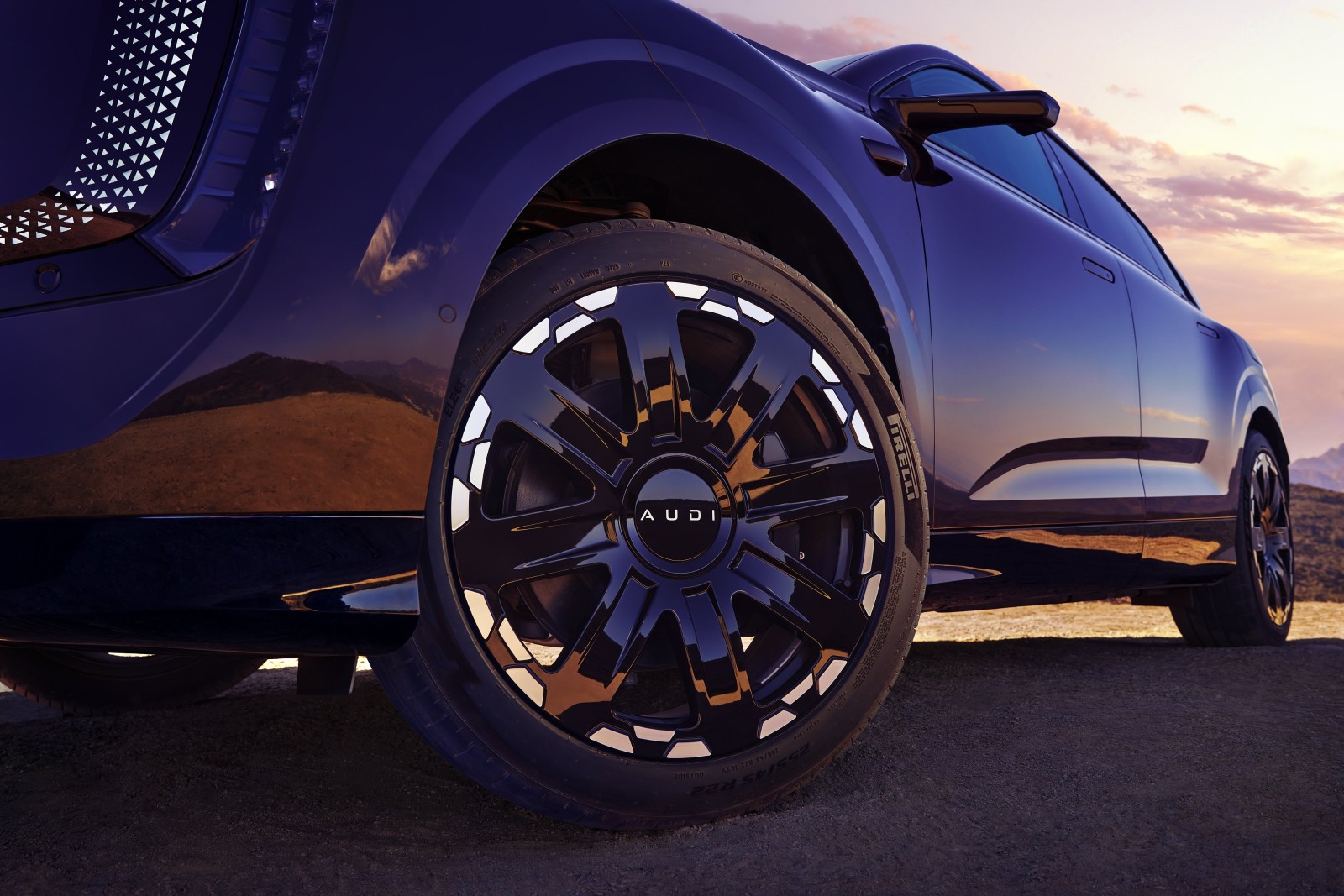
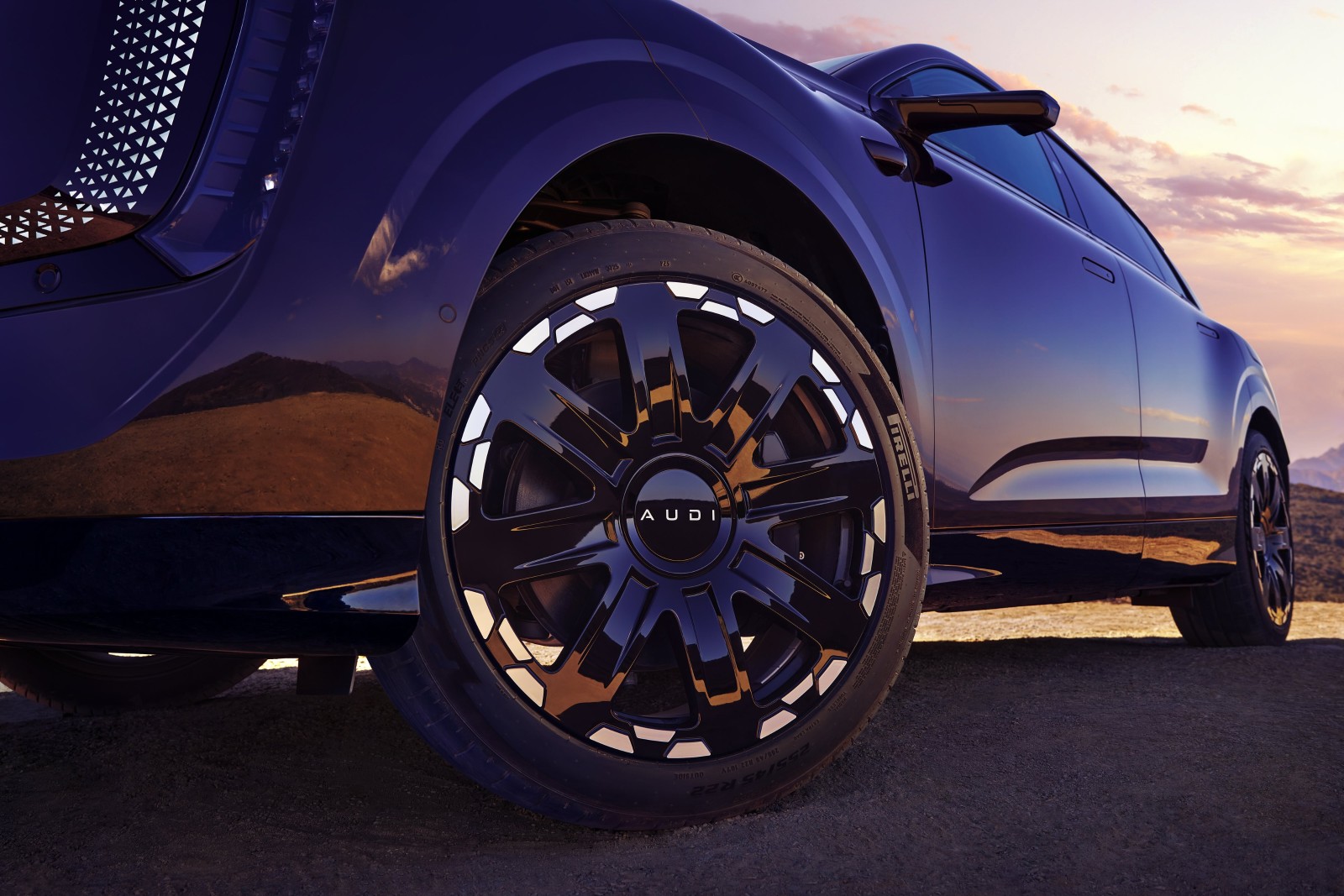
In terms of size, the E7X sits at the upper end of the mid-size SUV class. It measures 5,049 mm long, 1,997 mm wide and 1,710 mm tall, with a 3,060 mm wheelbase. The crossover rides on staggered 21-inch tires: 255/50 R21 at the front and 285/45 R21 at the rear.
The cabin is being shown in full for the first time, and it is clearly aimed at China’s screen-focused premium EV market. The standard layout has two rows and five seats, while a more luxurious four-seat configuration with separate rear chairs will also be available. A wide display panel stretches across the dashboard, with dedicated screens for the digital side-mirror cameras.
Physical controls are kept to a minimum. Instead, many functions are handled through the infotainment system and an AI-powered voice assistant. Rear passengers get a 21.4-inch QD Mini LED ceiling screen, while another control display is integrated into the rear section of the center console. The panoramic roof also features multi-stage electrochromic dimming.
AUDI is emphasizing materials and comfort as much as technology. The E7X uses natural wood trim, FeinNappa calf leather and Articite suede. The front seats can recline into a “zero-gravity” position, while the front passenger seat and rear seats can be fitted with electrically adjustable footrests.
The crossover also receives a major driver-assistance package from Momenta. The Momenta R7 system uses lidar and is designed for advanced assisted driving on Chinese highways and city roads. AUDI says future software updates should eventually bring the system closer to Level 3 autonomy. A full automated parking function is already part of the package.
Under the body, the E7X shares its platform with the AUDI E5 Sportback. Both models use the 800-volt ADP architecture, or Advanced Digitized Platform. This is an Audi-adapted version of SAIC’s EV platform, originally developed for IM Motors models such as the LS6 crossover and L6 sedan. The chassis layout includes double wishbones at the front and a multi-link setup at the rear.
Two powertrain versions have been confirmed. The entry-level E7X is rear-wheel drive and uses a single electric motor producing 408 hp. The flagship version adds a second motor for all-wheel drive and total output of 680 hp. Top speed is 205 km/h for the rear-wheel-drive model and 230 km/h for the dual-motor version.
Battery options include 100 kWh and 109.3 kWh packs. The longest-range version is rated at up to 750 km on China’s CLTC cycle.
The AUDI E7X is scheduled to go on sale in China in the first half of this year, with pricing to be announced later. Audi and SAIC have also confirmed that a third AUDI model is already in development for 2027. To support the project, the companies are opening a dedicated AUDI innovation and technology center in Shanghai, which will lead development of future China-focused models.
Gallery