Aito M9 Gets Smarter, Longer and More Luxurious
Aito M9 receives a major update with six-lidar Huawei ADS 5 assistance, larger cabin screens, 800-volt hardware and a new long-wheelbase Ultimate version.
Aito has fully revealed the updated M9, giving its flagship SUV a broader technology package, revised styling and a new stretched Ultimate version. The model, developed by Huawei and Seres, remains one of China’s most tech-heavy luxury SUVs, but the facelift pushes it further into chauffeur-style territory.
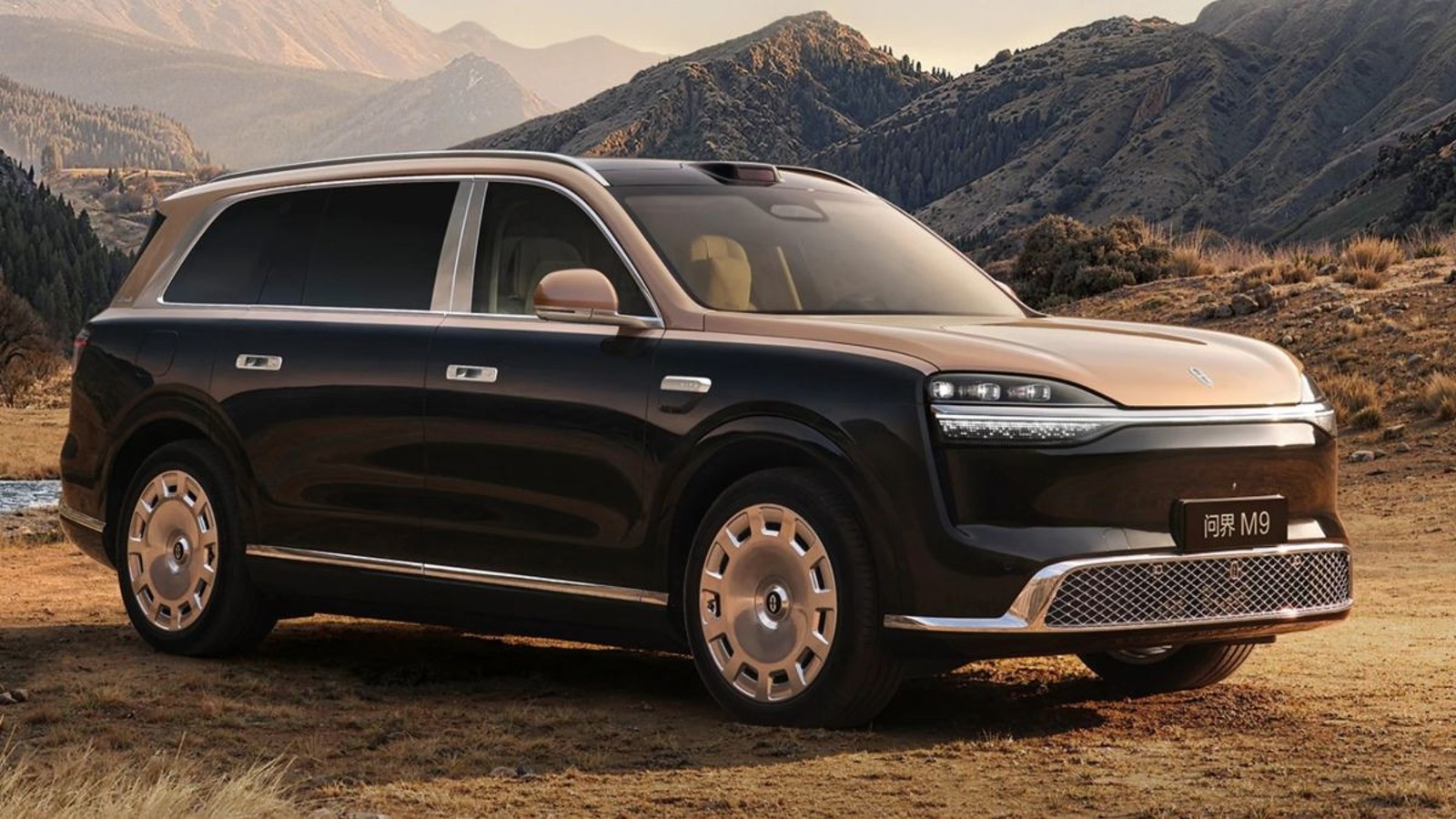
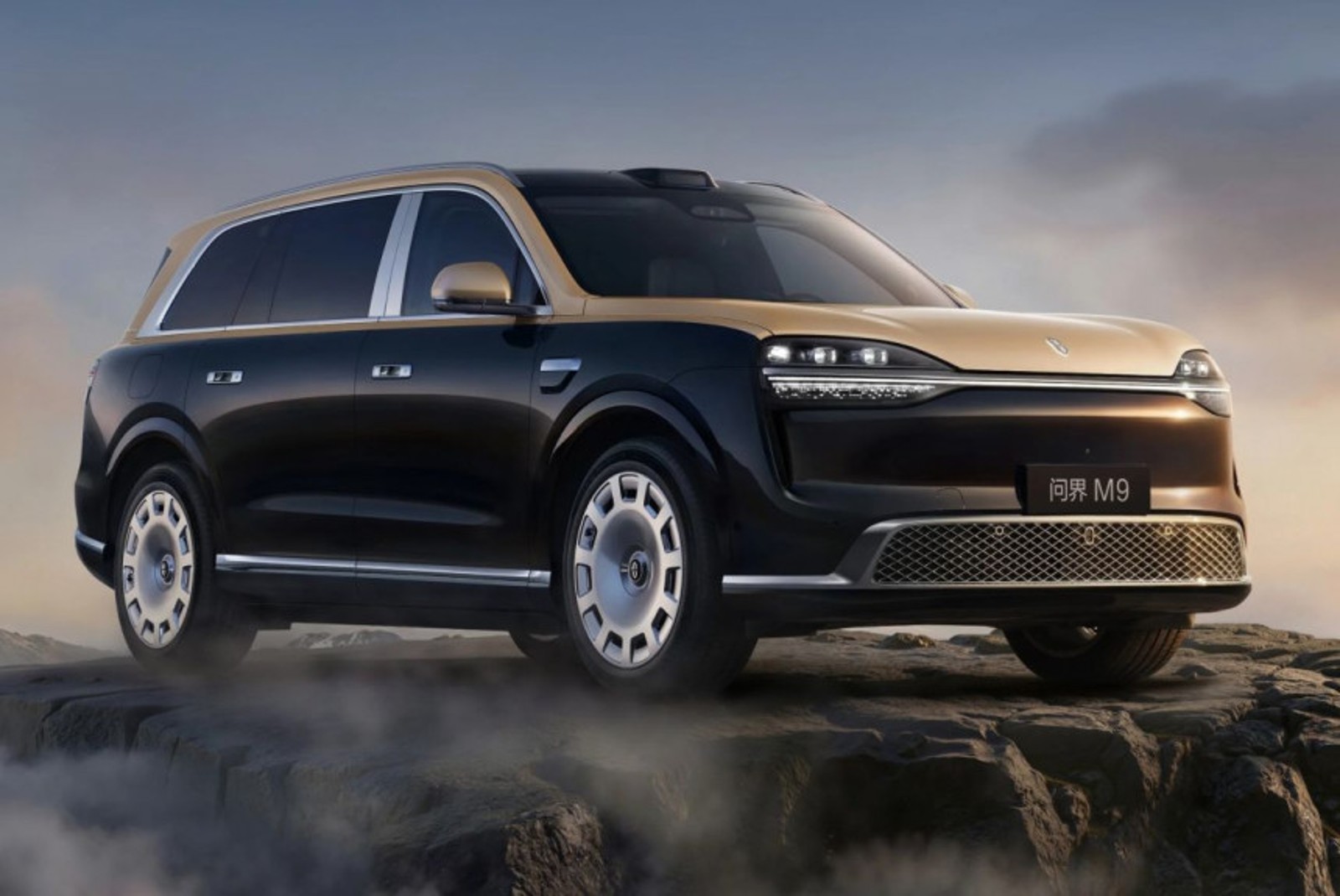
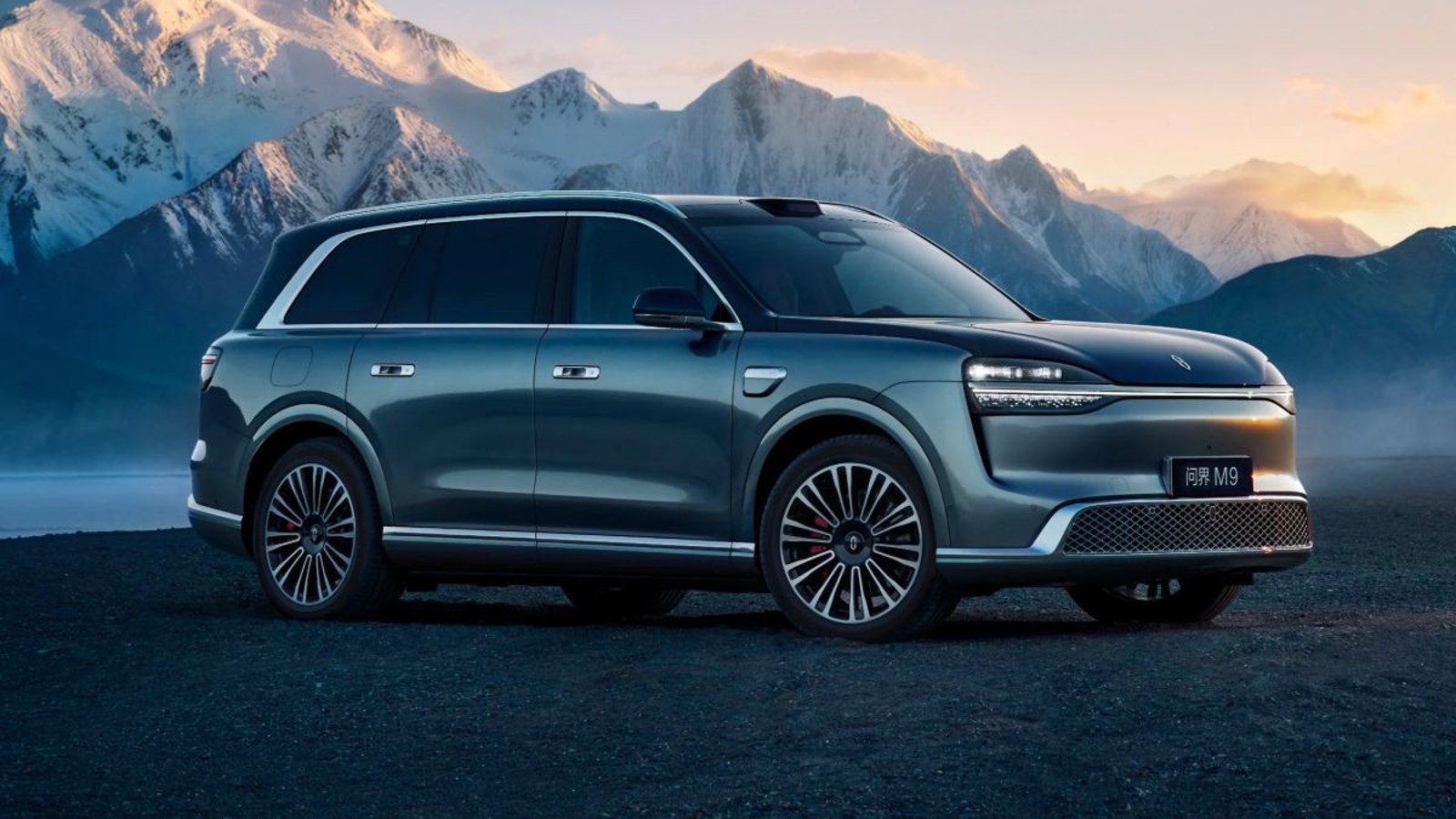
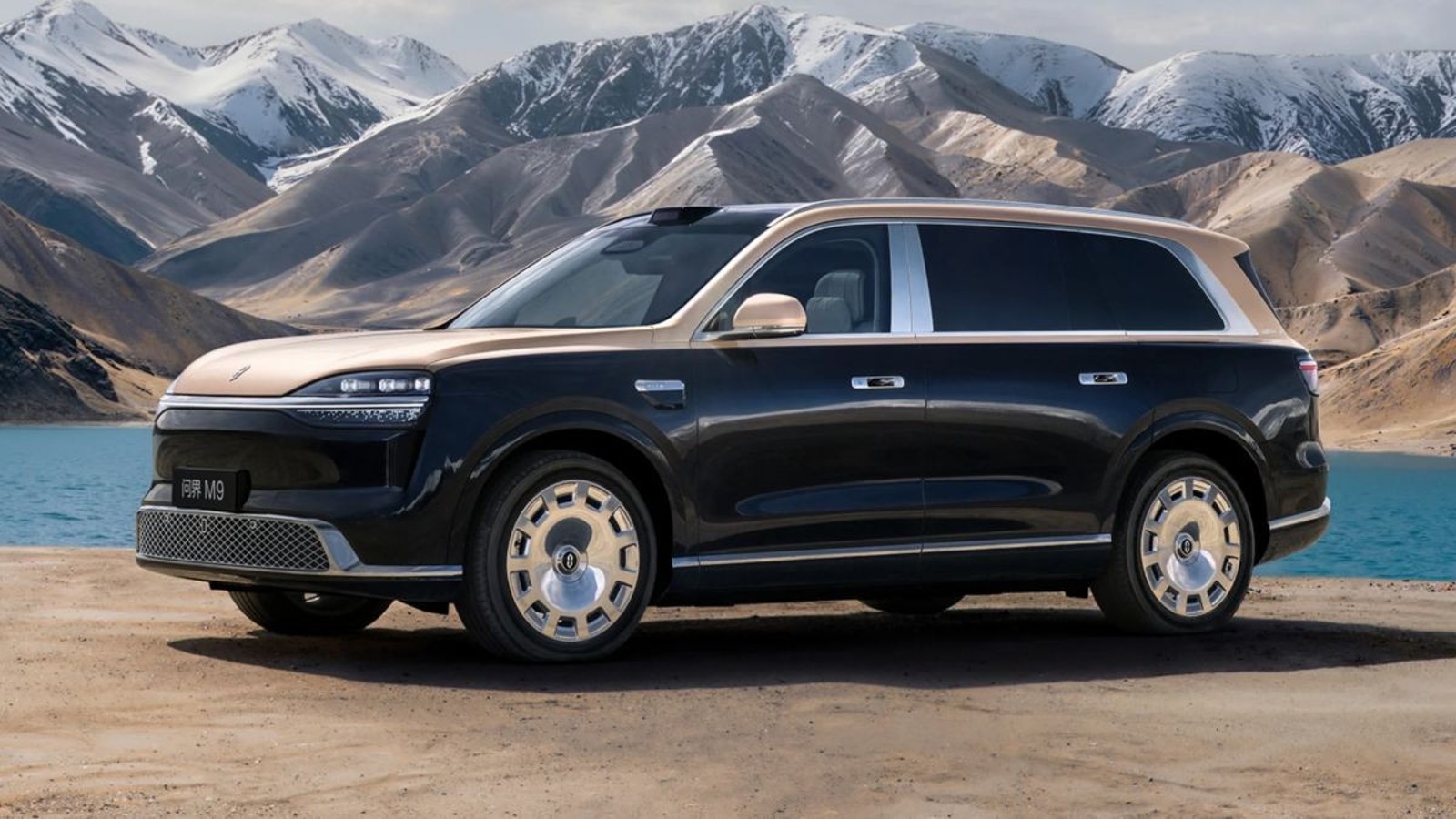
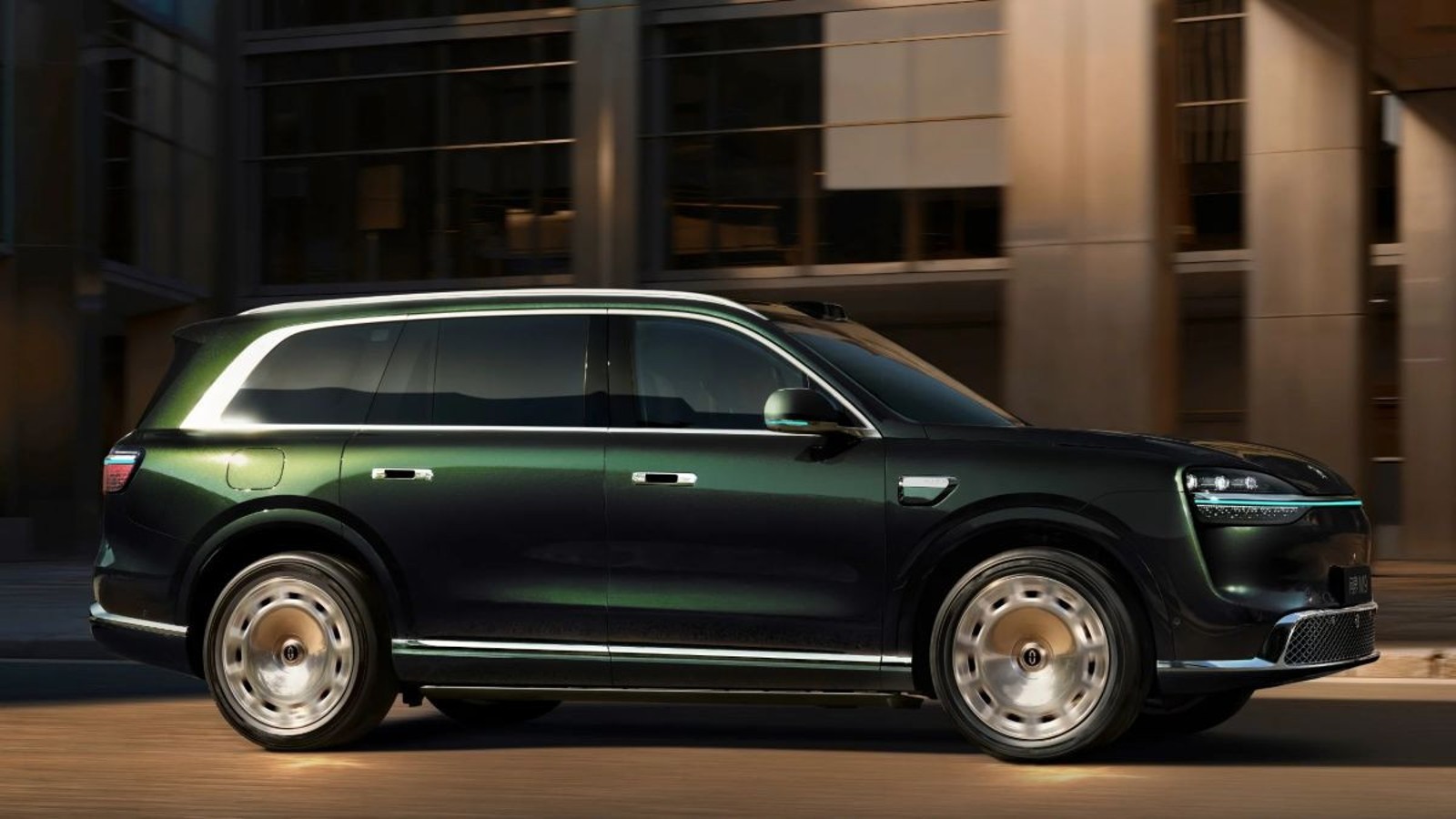
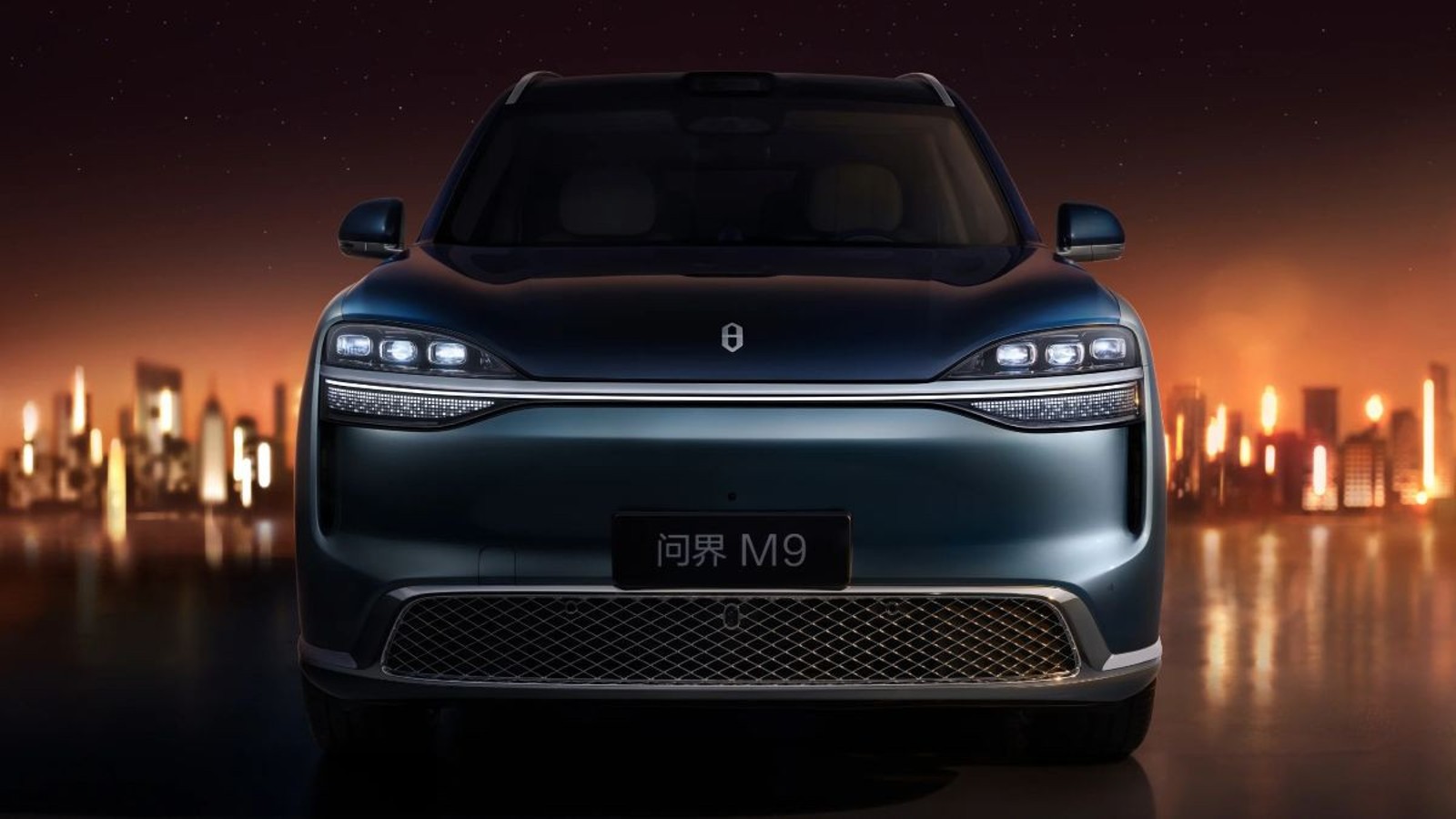
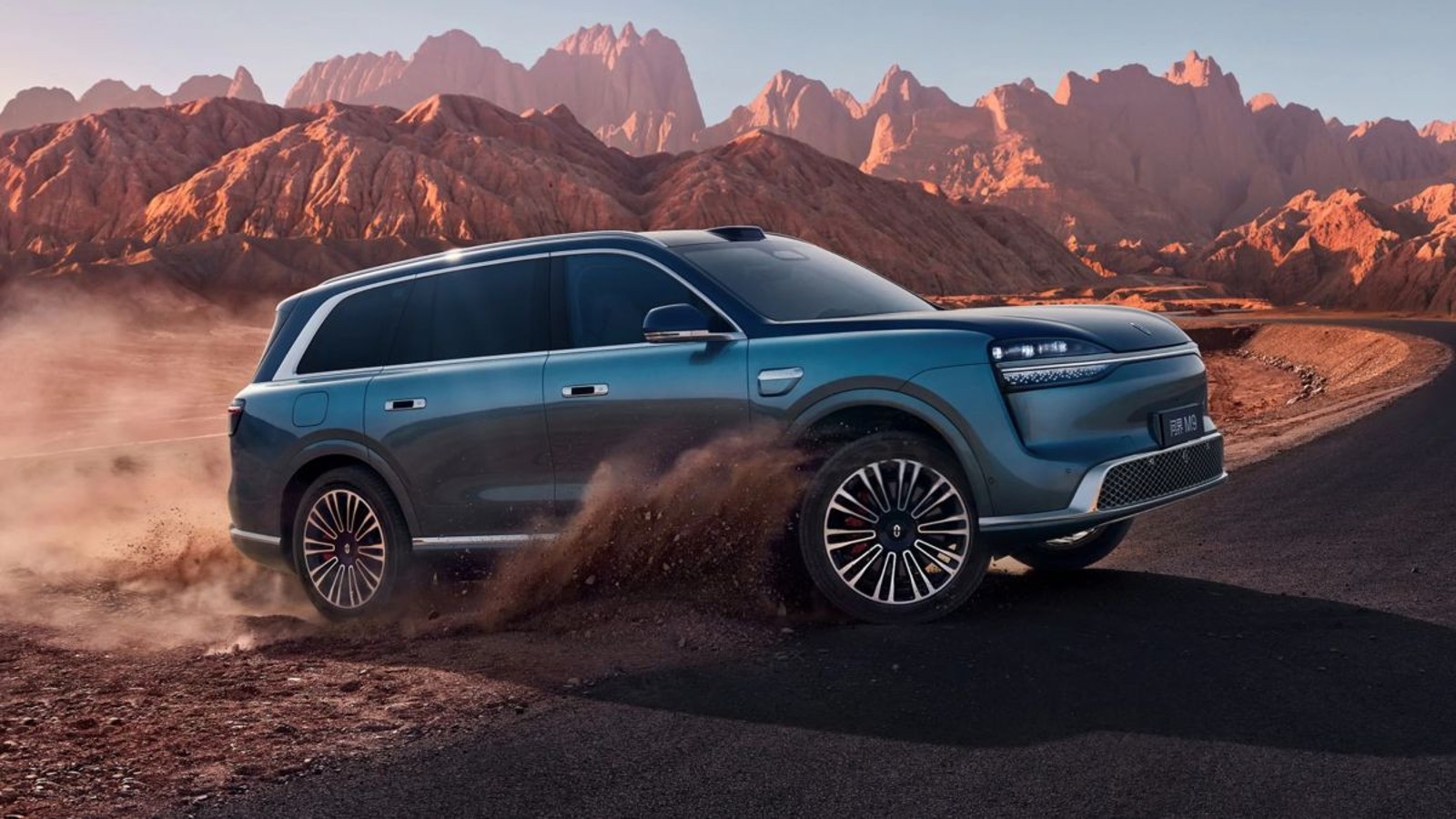
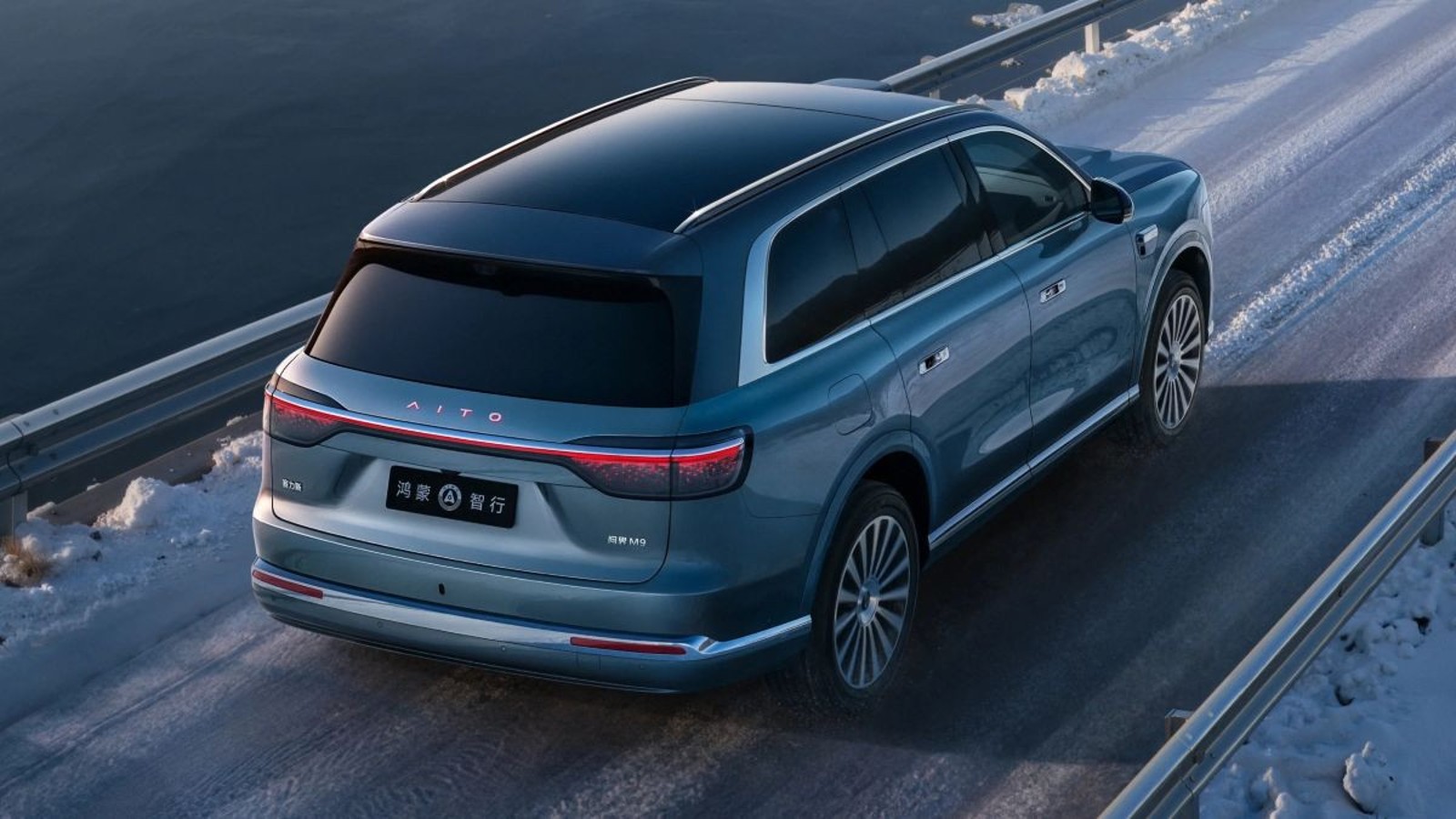
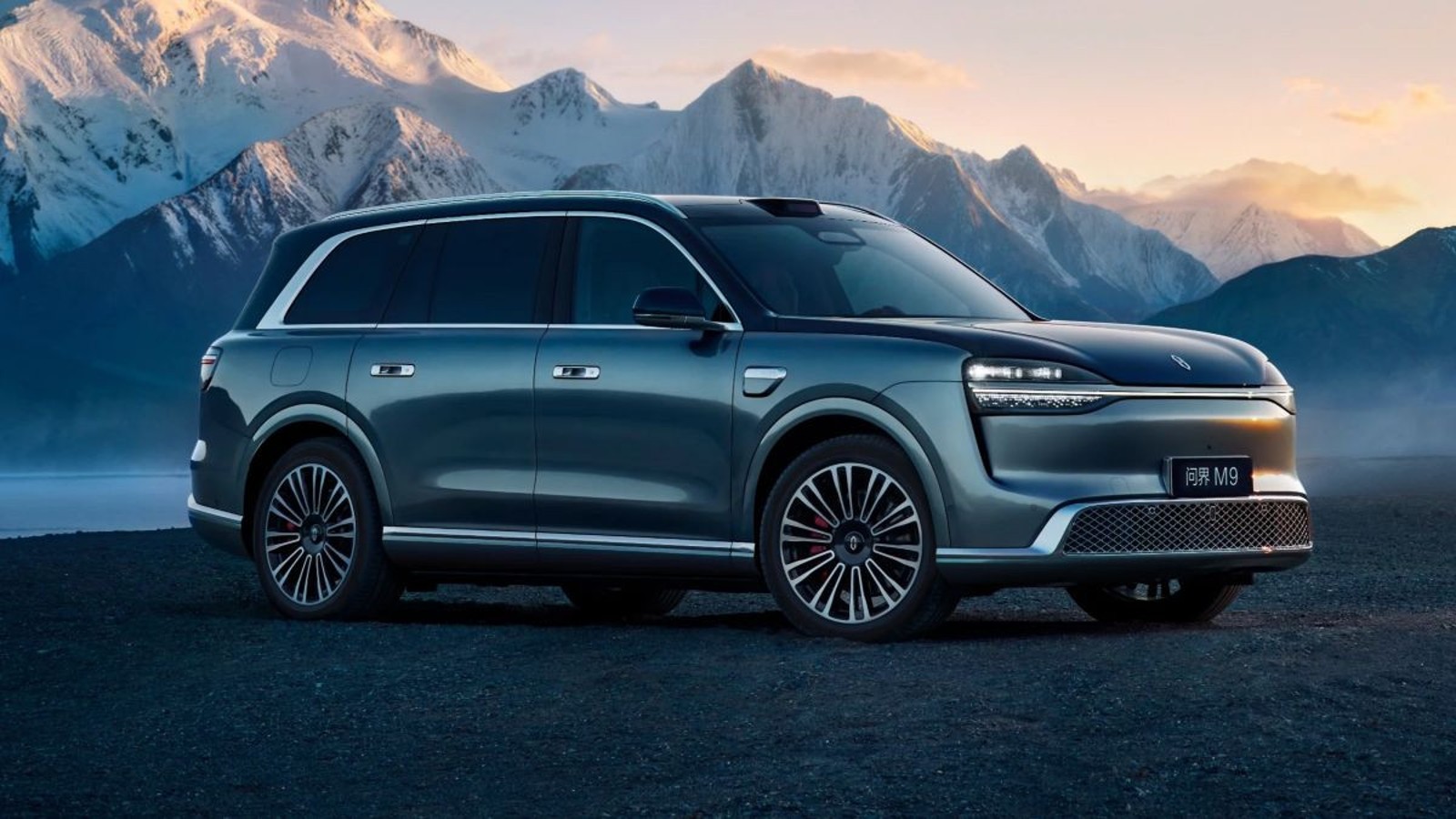
The standard M9 keeps its familiar shape but gains cleaner details. The front bumper has been redesigned with a protruding silver intake, while chrome trim now runs around the lower body. The old pop-out door handles have been replaced by flush mechanical handles with emergency opening capability. Aero work has lowered the drag coefficient to 0.249.
The regular M9 is now larger than before, measuring 5,285 mm long, 2,026 mm wide and 1,845 mm tall. The wheelbase grows to 3,125 mm. Standard wheels are 21 inches, with 22-inch semi-closed wheels available as an option.
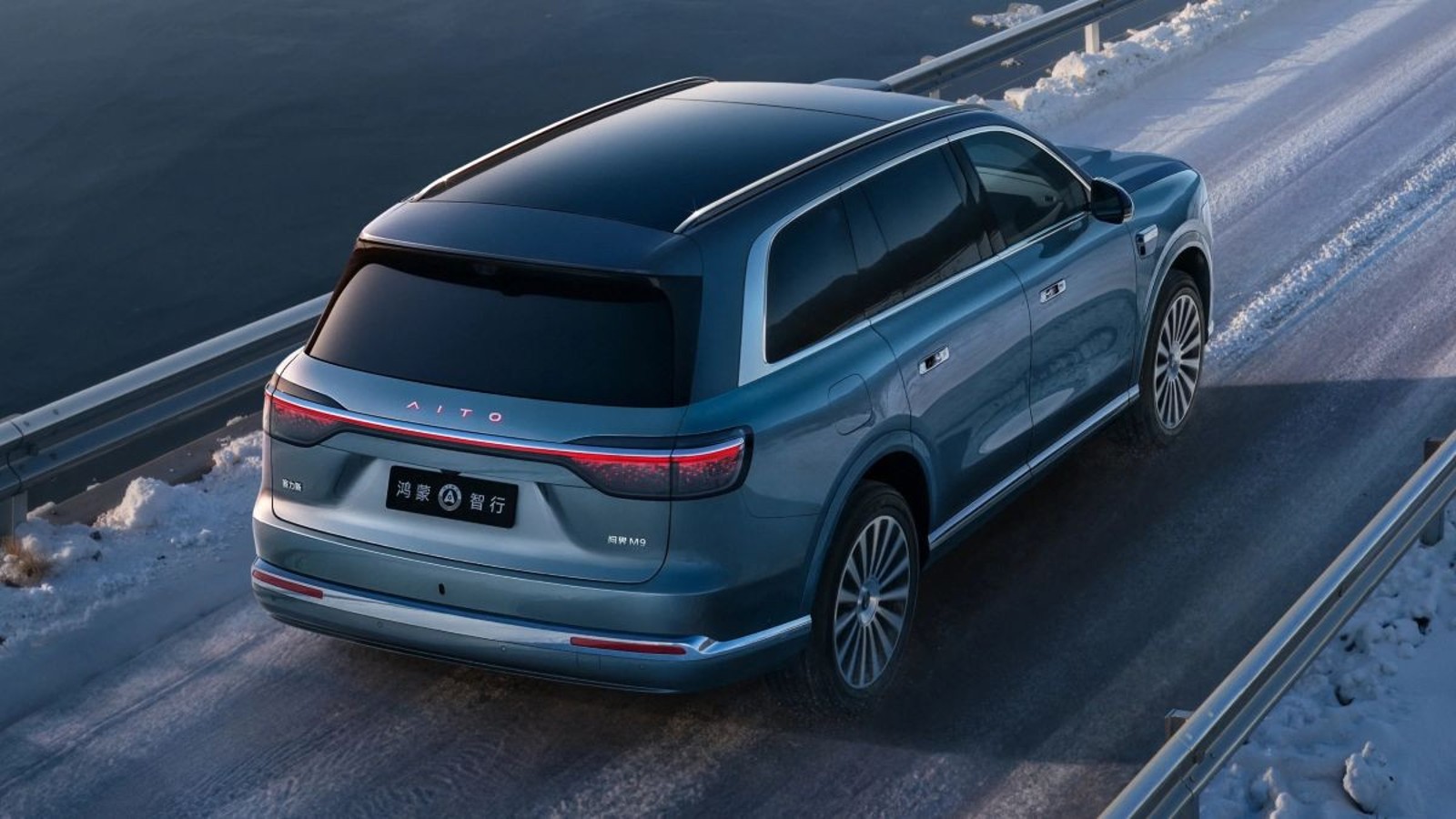
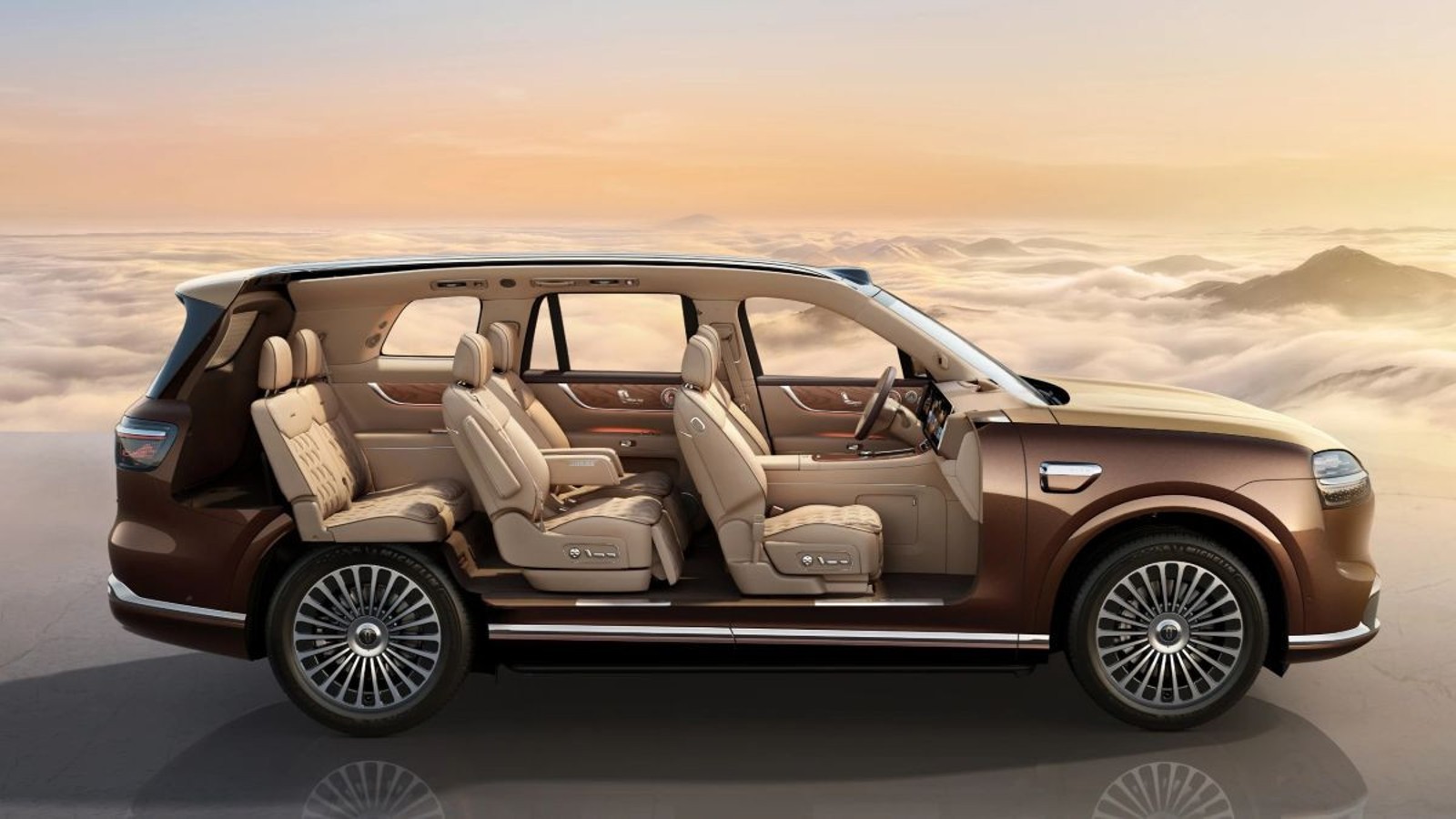
The biggest body change is the new M9 Ultimate. It stretches length to 5,402 mm and wheelbase to 3,236 mm, making it more limousine-like than the standard SUV. It also gets special Ultimate badges, extra chrome, exclusive paint combinations and power-deploying side steps.
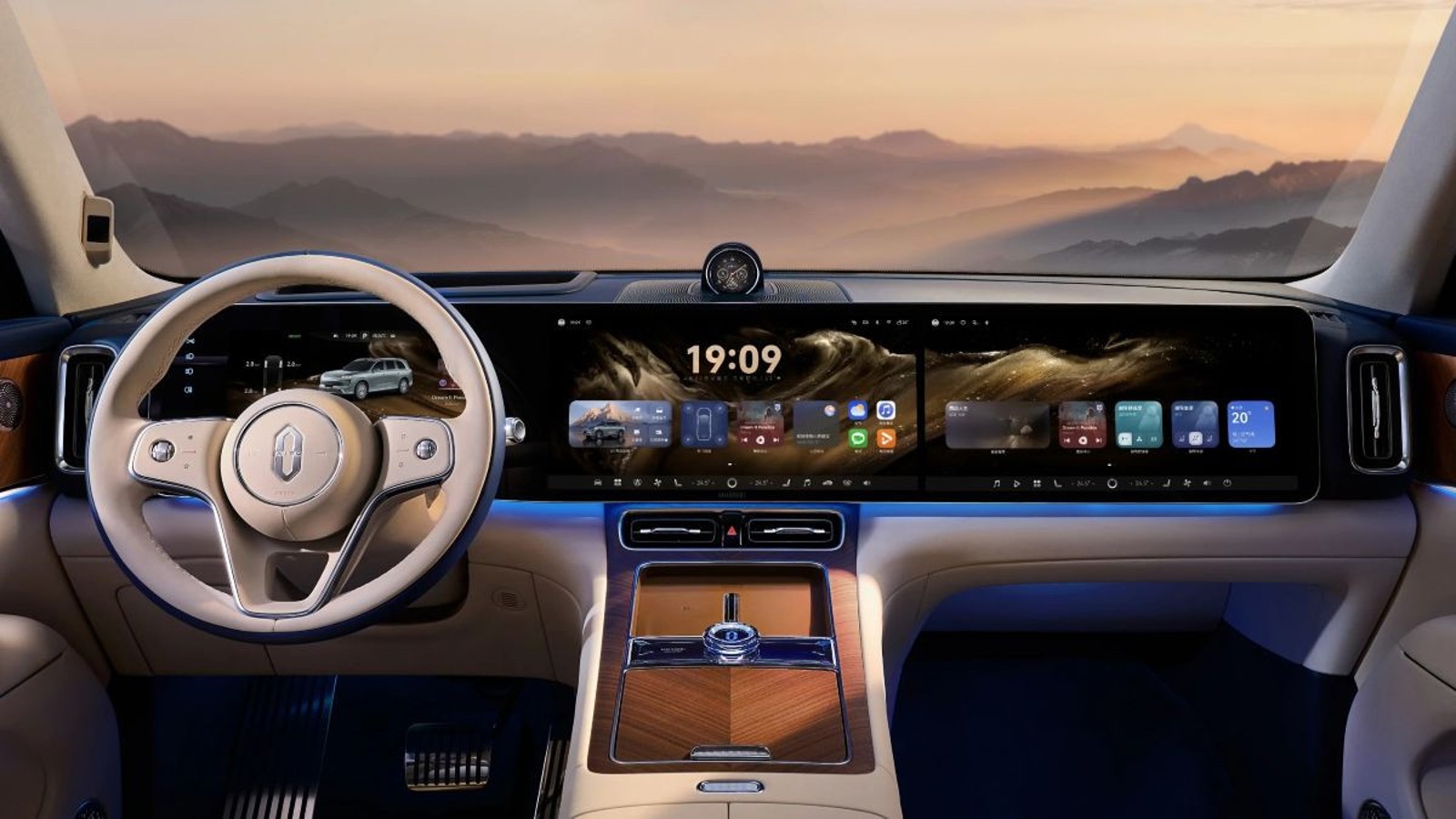
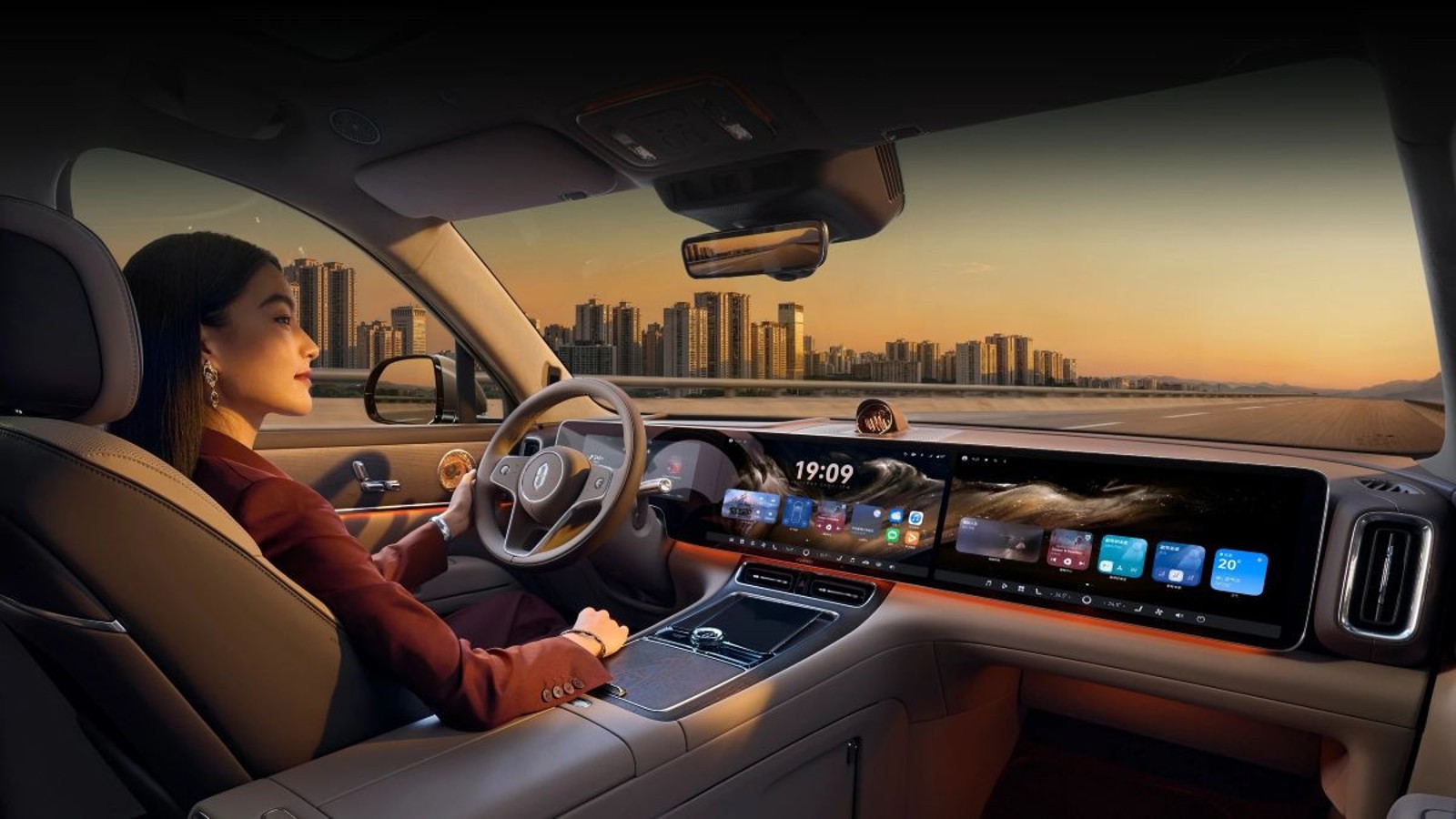
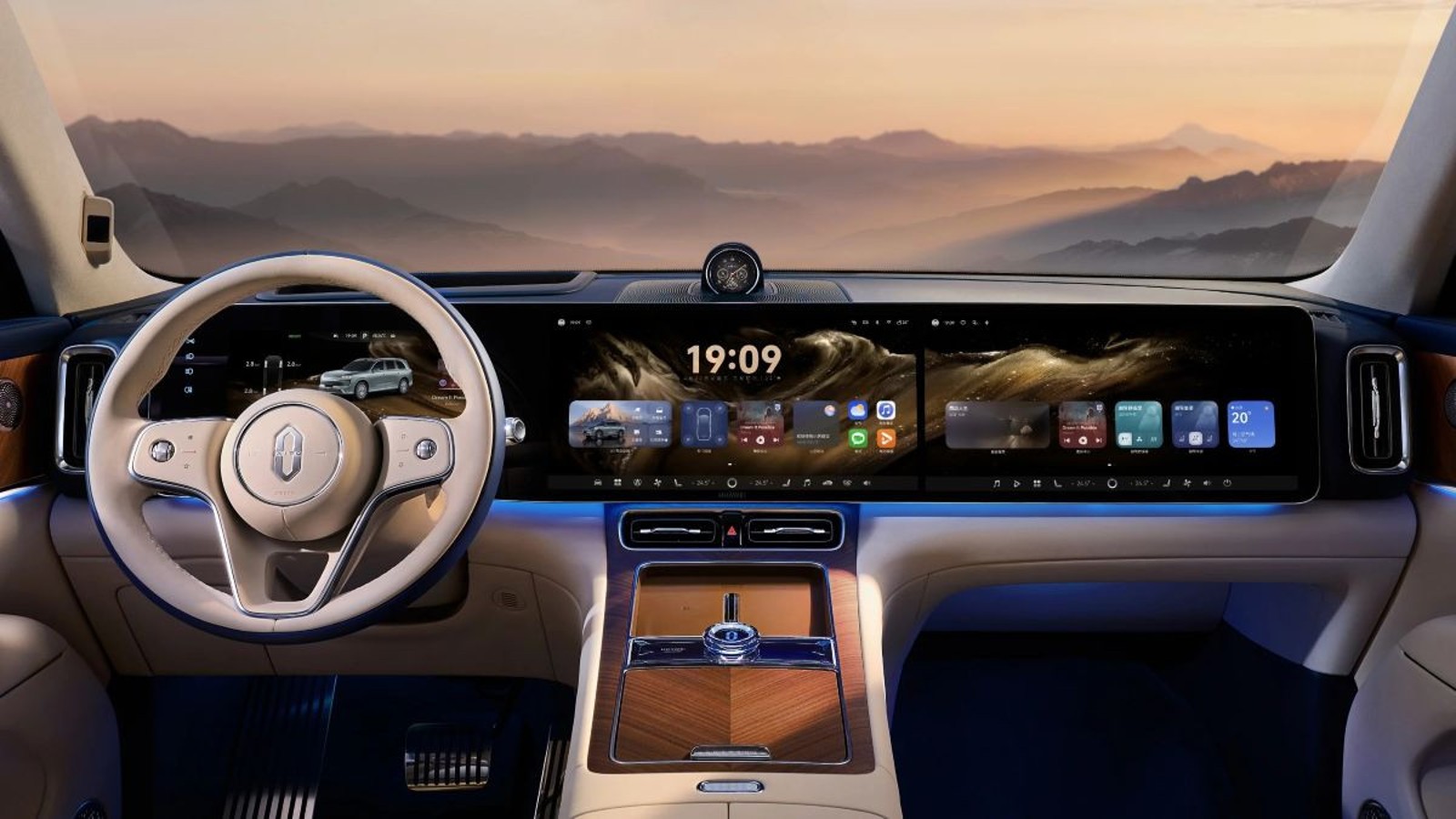
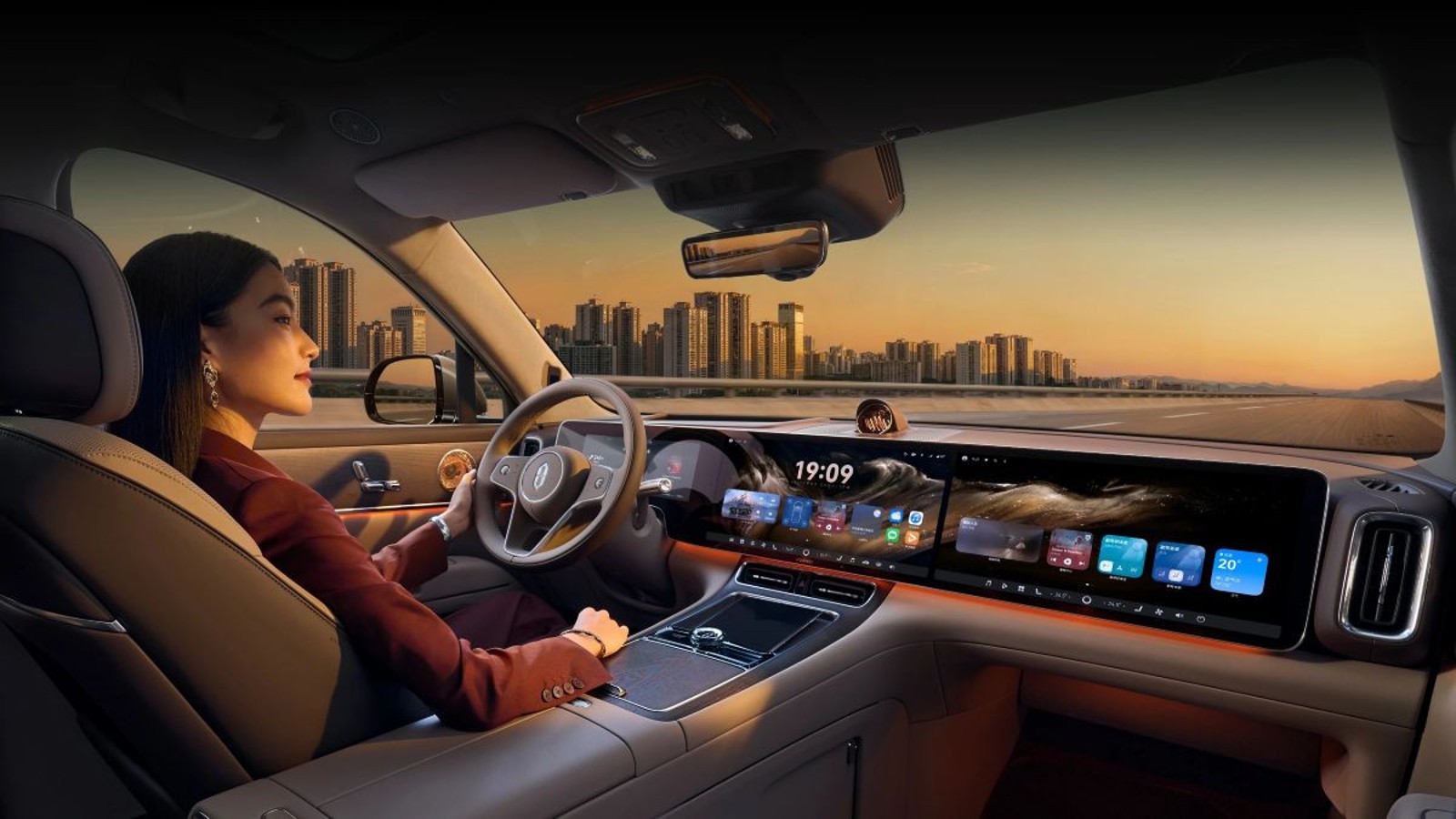
Inside, Aito has focused more on electronics than on changing the basic architecture. The digital instrument screen is now 10.25 inches, while both the central and passenger displays grow to 17.2 inches with 3.4K resolution. The augmented-reality head-up display also supports more functions.
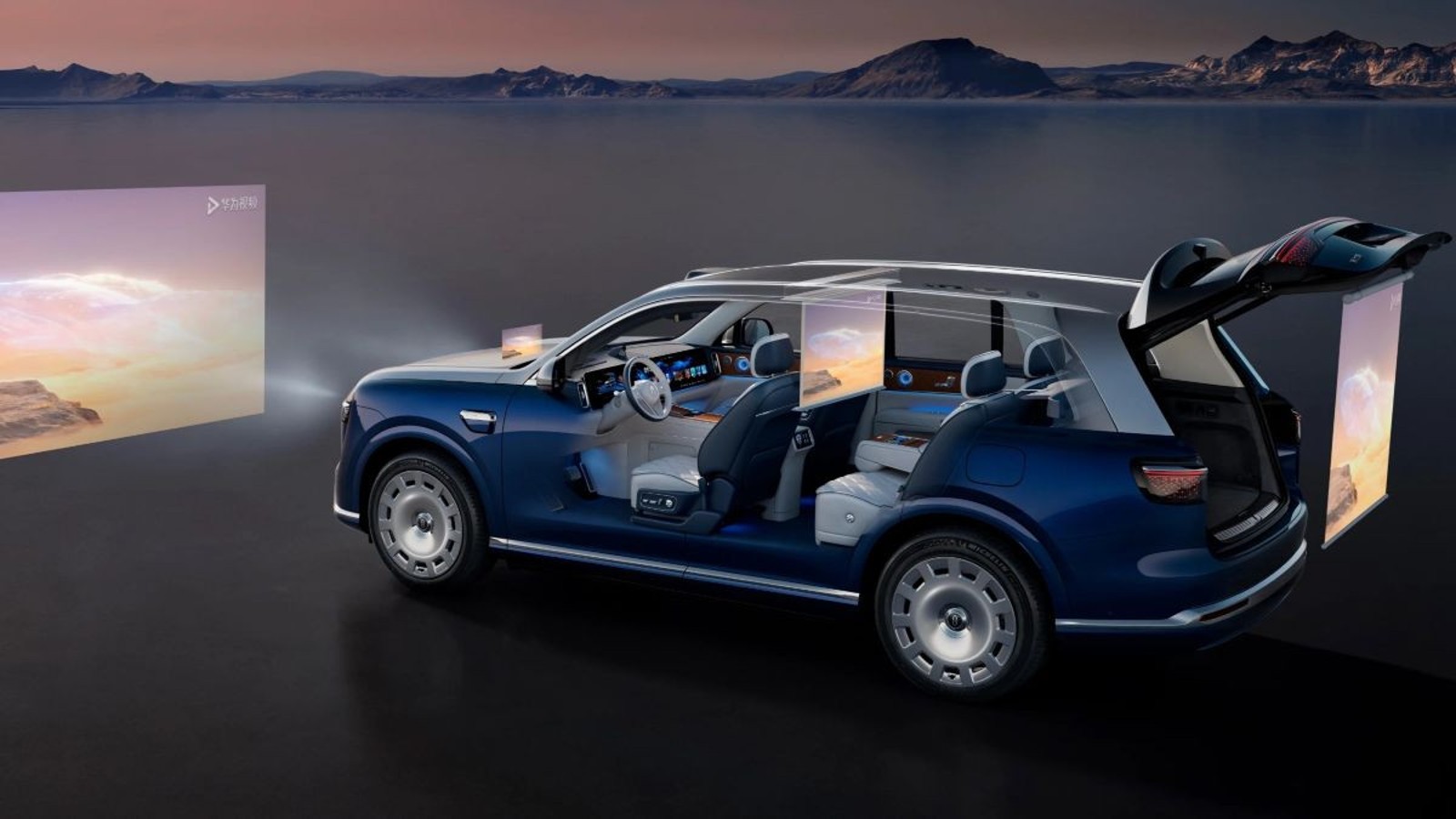
Huawei’s HarmonyOS Cockpit 4.0 is now paired with the latest AI-based Xiaoyi voice assistant. The M9 also continues the brand’s unusual entertainment approach: a ceiling projector can display content on a 32-inch cabin screen or a 46-inch screen mounted at the tailgate. Since the headlights can also project images in front of the car, the M9 is almost a mobile cinema.
The driver-assistance system has been upgraded to Huawei ADS 5. Hardware includes 40 sensors, among them six lidars, seven radars, 11 cameras, 12 ultrasonic sensors and six exterior microphones. Aito says the system supports advanced highway and urban driving assistance, plus fully automated parking.
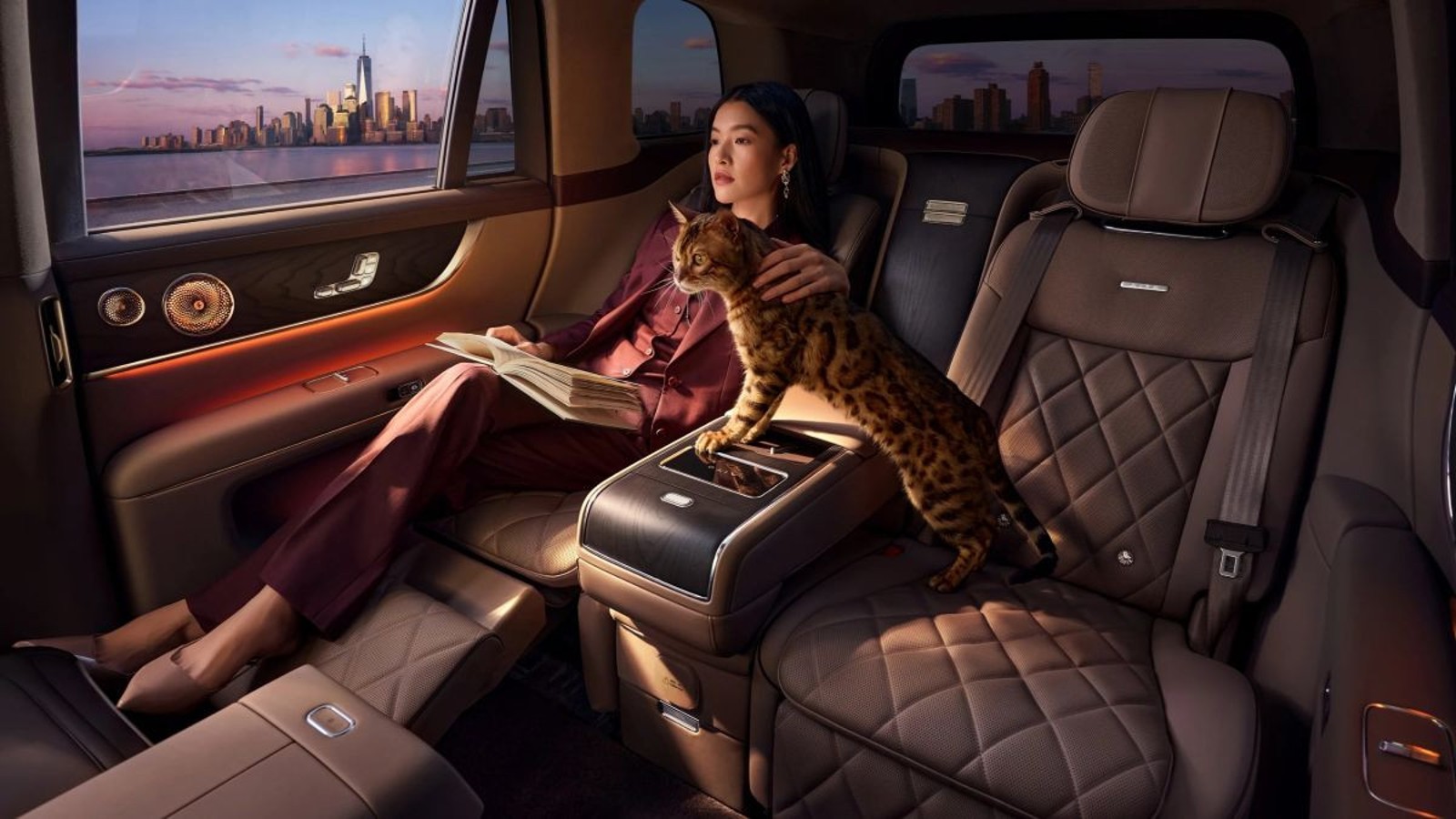
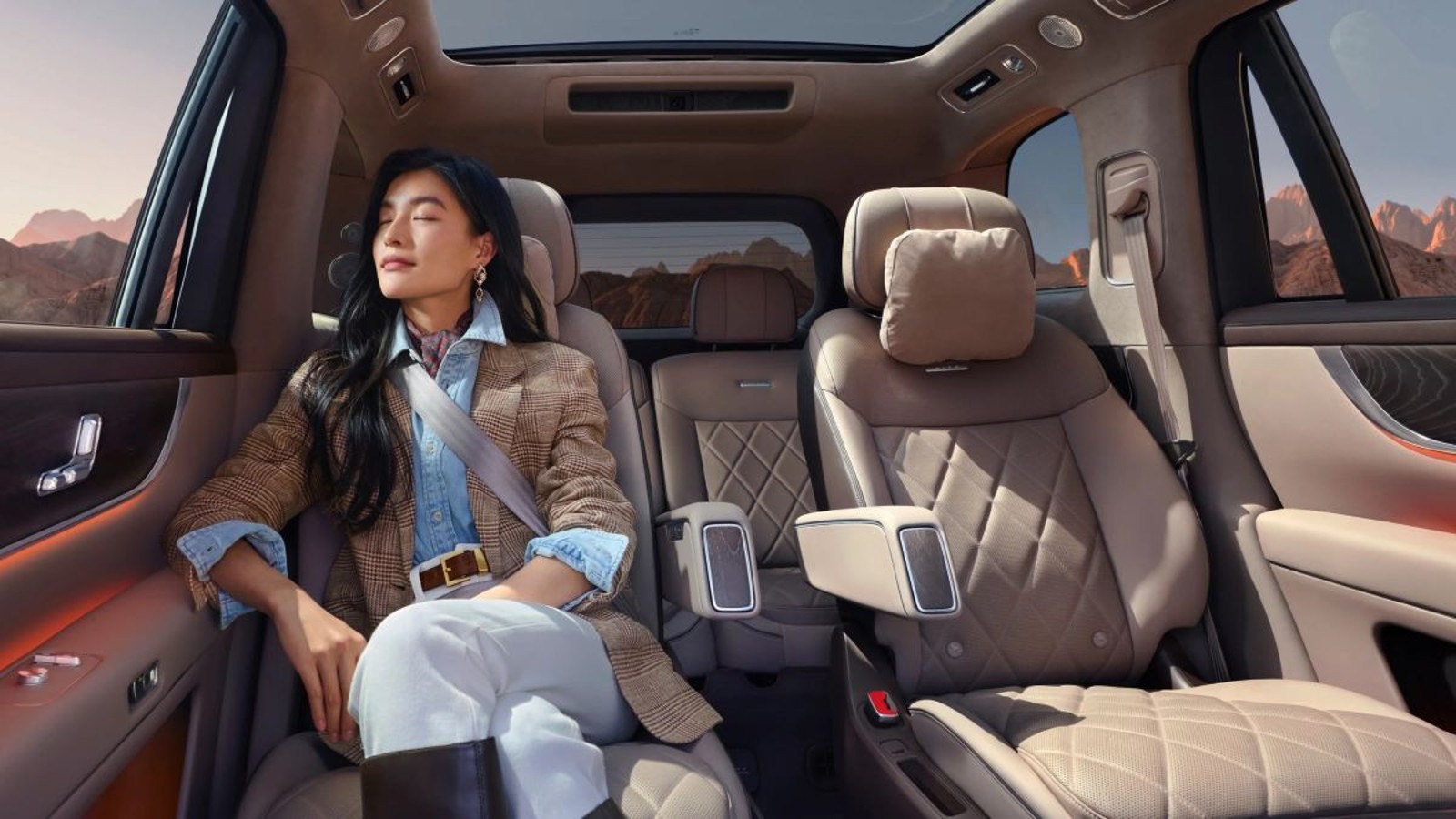
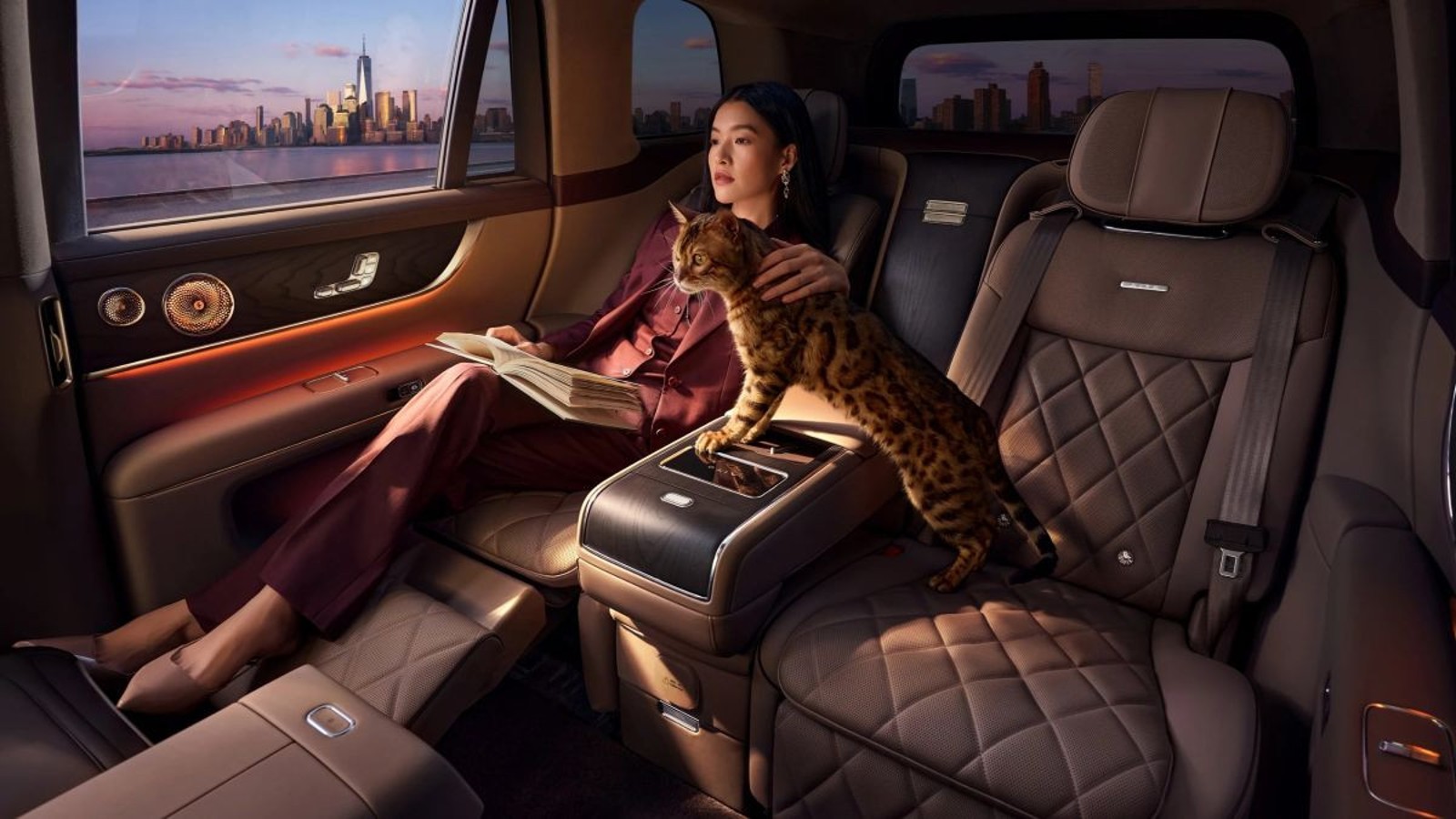
Cabin comfort has also been improved. The M9 is available with five, six or seven seats, with new materials, upgraded sound insulation and seats offering power adjustment, heating, ventilation and massage. A 7.1-liter refrigerator is built into the center box, while the Huawei Sound Ultimate system uses a 9.5.4 layout, 39 speakers and 2,920 watts.
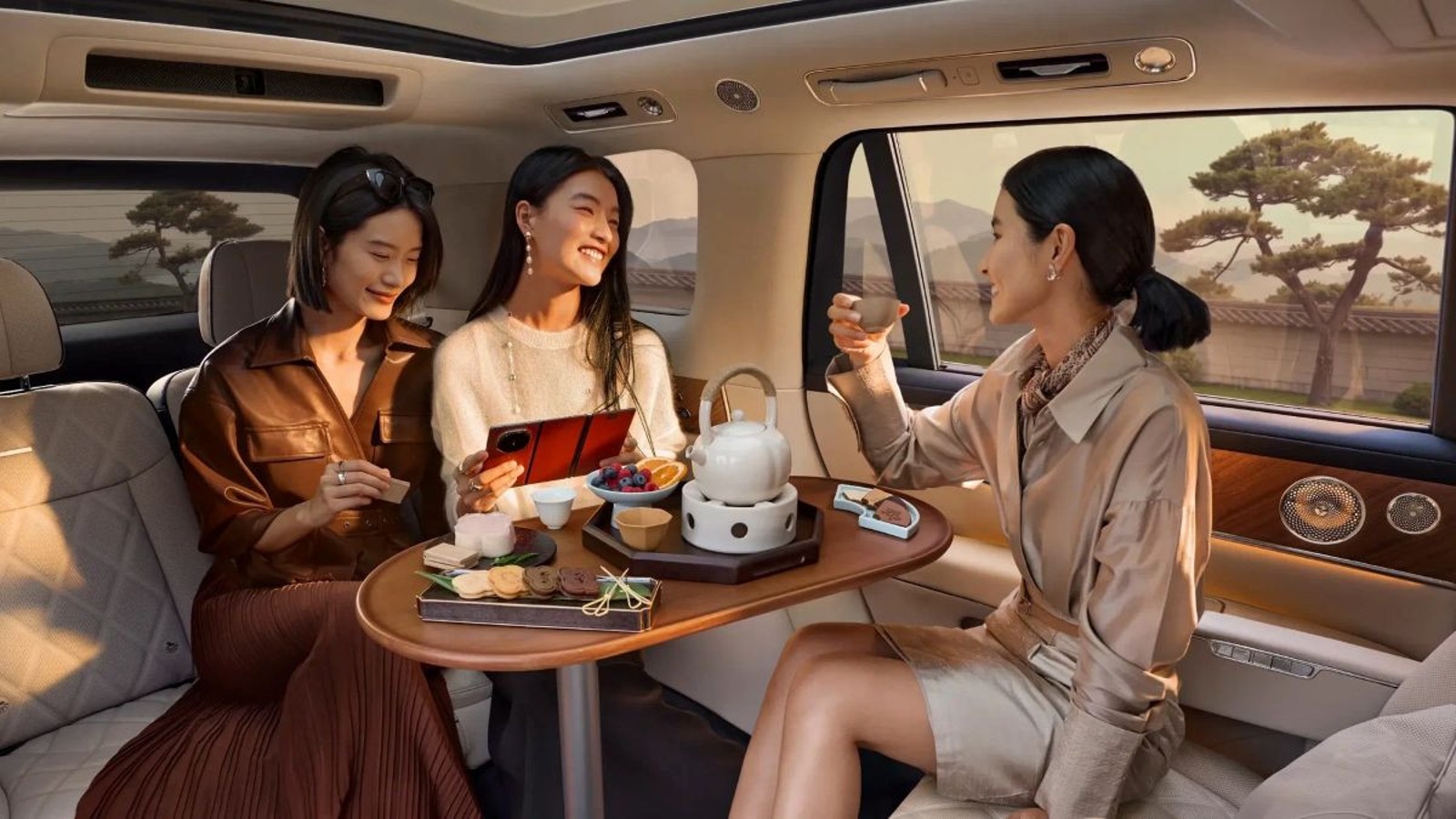
The Ultimate version goes further. It adds richer trim, crystal-style decorative elements and a 43-speaker audio system. Instead of the five-seat layout, buyers can choose a more luxurious four-seat cabin, while the six-seat version gets rotating second-row seats and a sliding table, turning the SUV into a mobile lounge.
The updated M9 moves to a new 800-volt platform with silicon-carbide power electronics. The range-extender hybrid uses a 1.5-liter turbo engine as a generator and dual-motor all-wheel drive producing 676 hp and 765 Nm. It reaches 100 km/h in 4.5 seconds and tops out at 220 km/h.
Two batteries are offered for the hybrid: 60 kWh and 75 kWh. They provide electric ranges of 340 km and 422 km, while total driving range reaches 1,345 km and 1,405 km respectively.
The fully electric M9 uses the same dual-motor all-wheel-drive layout and a 120 kWh battery, giving it up to 715 km of range.
The Ultimate version gets its own powertrain. It uses a 2.0-liter turbo generator and a three-motor all-wheel-drive system producing 903 hp and 865 Nm. It accelerates to 100 km/h in 3.99 seconds, reaches 251 km/h, and uses a 75.4 kWh battery for 378 km of electric range. Total range is 1,260 km.
Chinese pricing starts at 490,000 yuan, or about $72,000, for the updated Aito M9. The long-wheelbase M9 Ultimate starts from 660,000 yuan, around $97,300.
Gallery